From Yugasa in 493 to the Donghwasa District of the National Park in 2023
The Donghwasa District of Palgongsan National Park is a history-and-strolling hub in northeastern Daegu where Donghwasa Temple, said to have been founded in the 15th year of Silla King Soji (493), the Unification Medicine Buddha Great Buddha created in 1992, and Course 7 of the Palgongsan Olle Trail overlap. If you plan to combine a visit to the temple grounds with a walk along the valley path, it is safest to call ahead and confirm the latest changes to admission and parking fees before departure.
I’ve been here?
Your check-in helps the next traveler.
No one has checked in yet Be the first
One tap — no writing needed
Dowhwasa District after Palgongsan became Korea’s 23rd National Park on December 31, 2023
Palgongsan was designated a provincial park in May 1980 and was elevated to Korea’s 23rd national park on December 31, 2023. The Dowhwasa District is the starting point for exploring the southern foothills of Palgongsan in Dong-gu, Daegu, connecting Dowhwasa Temple, the cluster facility area, the valley, and the walking trail.
The East Office of Palgongsan National Park of the National Park Service is located at 68 Palgongsan-ro 185-gil, Dong-gu, Daegu Metropolitan City, and the main phone number is 053-989-8300. If you are planning a hike, you should first check the seasonal trail restriction notices and weather advisories. The difficulty level and gear needed vary greatly between a simple temple-grounds visit and a ridge hike.
The starting point of 493, Yugasa, and 832, Dowhwasa
Dowhwasa Temple is introduced based on records stating that Monk Geukdal founded it in 493, the 15th year of King Soji of Silla, under the name Yugasa. Its location, about 22 km northeast of downtown Daegu on the southern slope of Palgongsan, shows the background where mountain-based faith and temple culture meet.
It is said that when Simji Wangsa rebuilt the temple in 832, the 7th year of King Heungdeok of Unified Silla, a paulownia tree bloomed even in winter, so the temple’s name was changed to Dowhwasa. Today, Dowhwasa is the head temple of the 9th district of the Jogye Order of Korean Buddhism, and it is a place where you can see on-site why Palgongsan has long functioned as a center of Buddhism in Yeongnam.
- Temple address: 1 Dowhasa 1-gil, Dong-gu, Daegu Metropolitan City
- Main phone number: 053-980-7900
- Temple website: https://www.donghwasa.net
From Dowha Gate to Daeungjeon, a route that first shows the 33 m Tongil Yaksa Yeorae Daebul
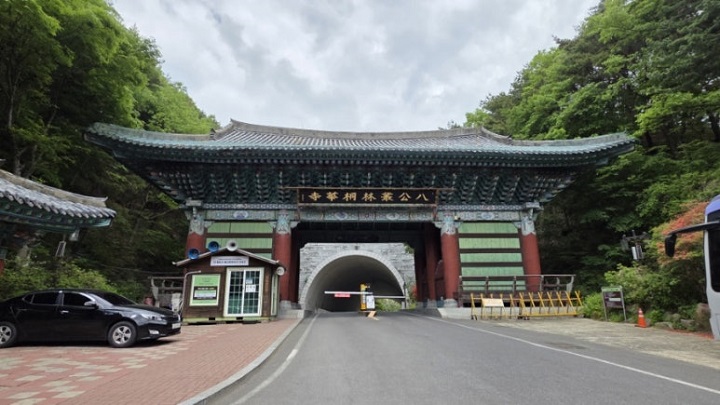
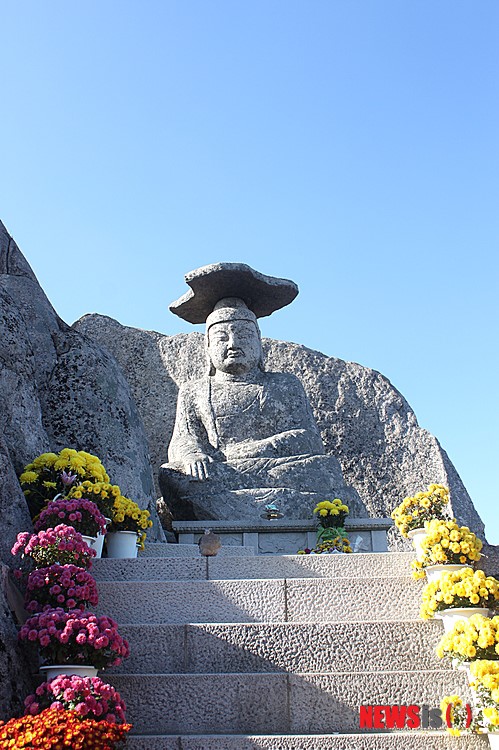
When entering the main area of the temple from the Dowhwasa District, it is easiest not to get lost if you follow the flow from Dowha Gate toward Bongseoru and Daeungjeon. Daegu Tourism lists Daeungjeon, the seated stone Buddha, the stone seated Vairocana Buddha at Biroam, the three-story stone pagoda at Biroam, the east and west three-story stone pagodas at Geumdangam, and the banner pole supports as the main cultural heritage sites.
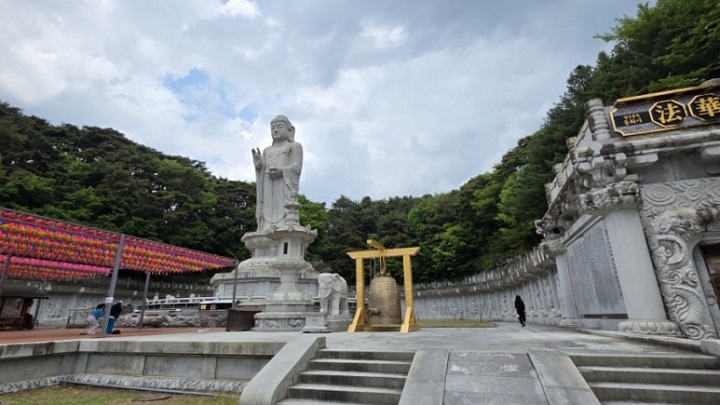
The Tongil Yaksa Yeorae Daebul was created in 1992 and is described as being 33 m tall. If you plan to take photos including the Great Buddha and the Sacred Relics Museum area, do not obstruct temple services or event routes, and whether photography is allowed inside the main hall should follow on-site guidance.
When times conflict between sunrise to sunset and 10:00 to 17:00, what should be the visiting Standard?
Daegu Tourism indicates Dowhwasa’s visiting hours as sunrise to sunset, while the integrated reservation page for cultural tourism guides lists the operating hours as 10:00 to 17:00. The latter may refer to the guided tour service or tourism facility information, so it is difficult to conclude that it is the same as the temple grounds visiting hours.
No separate closing day is listed in Daegu Tourism guidance, and other Daegu tourism guides describe it as open all year and open every day. Therefore, the visiting Standard in this article is sunrise to sunset, and any changes due to rituals, events, or weather conditions are best confirmed with Dowhwasa at 053-980-7900 before departure.
- Temple grounds visiting Standard: sunrise to sunset
- Operating hours shown in tourism guidance: 10:00 to 17:00
- Closing-day information: some materials describe it as open year-round with no closing days, but advance phone confirmation is recommended
- Recommended stay: 1 hour 30 minutes to 2 hours for the temple grounds only, more than 3 hours including Olle Trail Course 7
Why paid admission of 2,500 KRW and free admission information coexist, and what to check before departure
Daegu Tourism lists Dowhwasa admission fees as 2,500 KRW for adults, 1,500 KRW for teenagers, and 1,000 KRW for children. However, a May 2026 on-site article in Policy Briefing says admission is free, so there may have been a recent policy change or a difference in applicable conditions.
Because the fee directly affects the decision to visit, this article presents 2,500 KRW for adults as reference information, but recommends confirming with Dowhwasa’s main phone number, 053-980-7900, on the day of your visit whether admission fees are actually charged and what discount criteria apply. In particular, the operating standards for viewing the Great Buddha and temple grounds and for exploring the national park may apply to separate facilities and sections.
- Reference admission fee: 2,500 KRW for adults, 1,500 KRW for teenagers, 1,000 KRW for children
- Recent article listing: free
- Confirmation phone number: 053-980-7900
- Also confirm whether cash and card payment are both accepted when calling
How to take Express Bus 1 or Palgong 1 from Exit 2 of Ayanggyo Station
For public transportation, the guidance is to use Express Bus 1 or Palgong 1 bound for Dowhwasa from the bus stop at Exit 2 of Ayanggyo Station on Daegu Metro Line 1, and get off at Dowhwasa (Entrance) stop. Users of Palgongsan Olle Trail Course 7, who start the walk in reverse, can use Dowhagyeo stop as the reference point.
Palgong 1 is said to run at roughly one-hour intervals, so it is better to avoid planning to rely only on this route near the last-bus time. If your visit is focused on the temple grounds, get off at Dowhwasa (Entrance) and move on foot. If you walk toward the waterfall valley, prepare water, anti-slip shoes, and your return bus time.
- Metro: Line 1, Ayanggyo Station
- Exit: Exit 2
- Bus: Express Bus 1, Palgong 1 toward Dowhwasa
- Get off: Dowhwasa (Entrance); for reverse-direction walking, use Dowhagyeo
Parking for 500 to 600 cars and the 8.2 km Waterfall Valley trail, choosing when combining them on the same day
Based on Daegu Tourism guidance, Dowhwasa parking can accommodate about 500 to 600 vehicles, with small cars charged 2,500 KRW and vehicles of 2.5 tons or more and large buses charged 5,000 KRW. However, recent articles also list 4,000 KRW per day for passenger cars, so you should check the latest rate before entering the parking lot.
If you want to walk further behind the temple, you can connect to Palgongsan Olle Trail Course 7, the “Road to Waterfall Valley.” It is a one-way 8.2 km course of about 3 hours with a medium difficulty level, running from Tapgol Hiking Trail to Ggaldak Pass, Sangsanggol, the Dowhwasa temple grounds, Waterfall Valley, and Dowhwasa Bonghwangmun, and it includes Ggaldak Pass with about 200 wooden steps.
- Parking capacity: guidance for 500 to 600 vehicles
- Reference parking fee: 2,500 KRW for small cars, 5,000 KRW for large buses
- Olle Trail Course 7: 8.2 km, about 3 hours, medium difficulty
- Stair section: about 200 wooden steps
Plan wheelchairs and strollers around the temple grounds, and separate the mountain paths
Daegu Tourism indicates that Dowhwasa has accessibility facilities for persons with disabilities and that Korean-language cultural tourism guides are available. Foreign-language guidance is available only on days when English and Japanese guides are working or when foreign groups make advance reservations, so individual foreign visitors should inquire in advance about the date and language availability.
The national park trails vary in flatness and slope by section. It is practical to first check the accessible range around the Dowhwasa temple grounds and parking lot, and to separate Course 7, which includes stairs and dirt paths such as Ggaldak Pass and Waterfall Valley, from wheelchair and stroller plans.
- Accessibility facilities for persons with disabilities: listed as available
- Korean-language guidance: cultural tourism guides
- Foreign-language guidance: English and Japanese, on working days or with advance reservation for foreign groups
- Advance inquiry: 053-980-7900
Before You Go
- Address
- 1 Dowhasa 1-gil, Dong-gu, Daegu Metropolitan City
- Hours
- Sunrise to sunset (Daegu Tourism guidance). The cultural tourism guide integrated reservation page lists 10:00 to 17:00; confirm at 053-980-7900 before visiting
- Closed
- Some materials describe it as open all year with no closing days, but phone confirmation is recommended for changes due to events or weather
- Admission
- Listed as 2,500 KRW for adults / 1,500 KRW for teenagers / 1,000 KRW for children. A May 2026 article also lists it as free, so confirmation on the day at 053-980-7900 is recommended
- Phone
- 053-980-7900
- Official site
- https://www.donghwasa.net
- Transport
- Take Express Bus 1 or Palgong 1 (toward Dowhwasa) from the bus stop at Exit 2 of Ayanggyo Station on Daegu Metro Line 1, then get off at Dowhwasa (Entrance). Palgong 1 is said to run at about one-hour intervals.
- Parking
- Parking available (guidance for 500 to 600 vehicles). Small cars 2,500 KRW, vehicles of 2.5 tons or more and large buses 5,000 KRW. Recent sources show different fees, so confirmation before entry is recommended.
- Time needed
- 1 hour 30 minutes to 2 hours for the Dowhwasa temple grounds, more than 3 hours including Palgongsan Olle Trail Course 7
- Accessibility
- Accessibility facilities for persons with disabilities are listed as available. Korean cultural tourism guides are available, and English and Japanese guidance is available on working days or with advance reservation for foreign groups.
The information above is based on the time of writing. Please check the official guidance again before visiting.

Places
Nearby Attractions 5
-
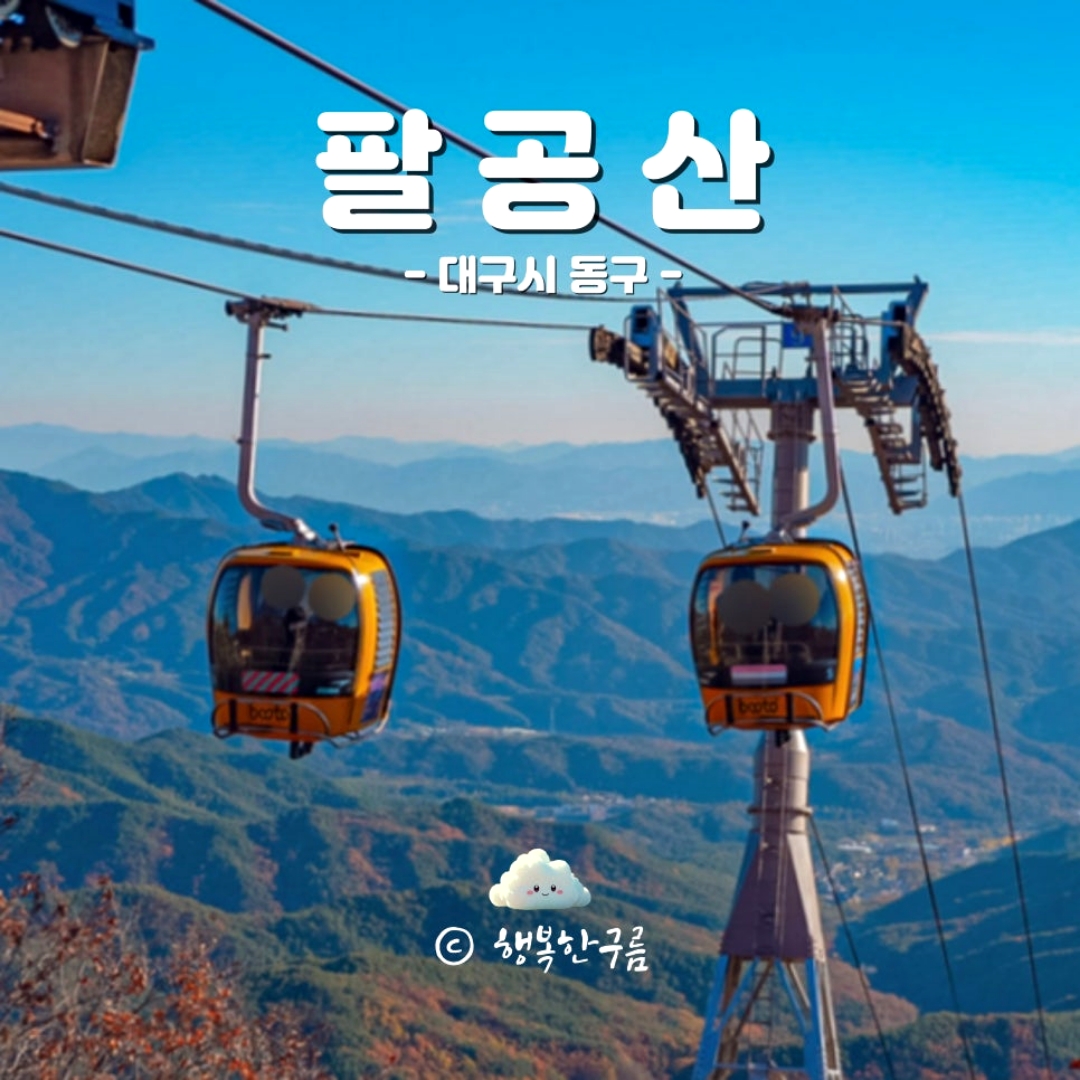
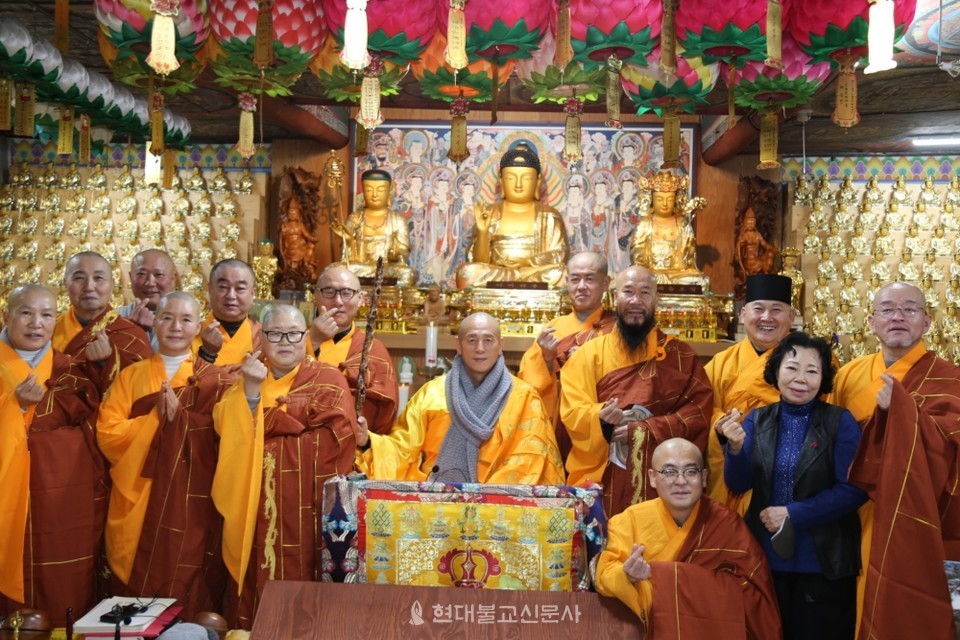
1Donghwasa Temple (Headquarters of the 9th Diocese of the Jogye Order of Korean Buddhism)Buddhist temple
-
 2
2
-
3
-
 4
4
-
 5
5
Food & Dining 5
-
 6
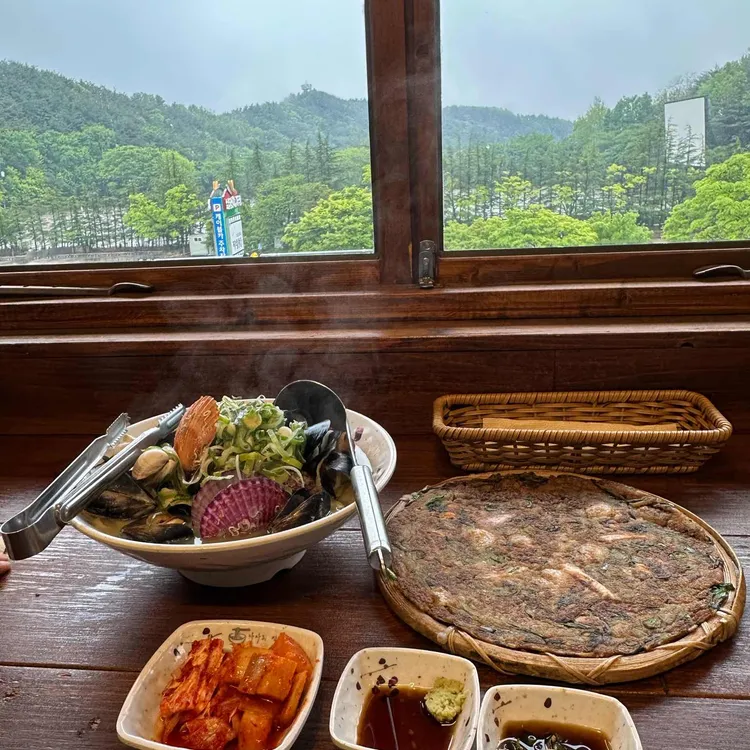
Olbareut Nasari Restaurant
6
Olbareut Nasari Restaurant -
 7
7
-
 8
8
-
 9
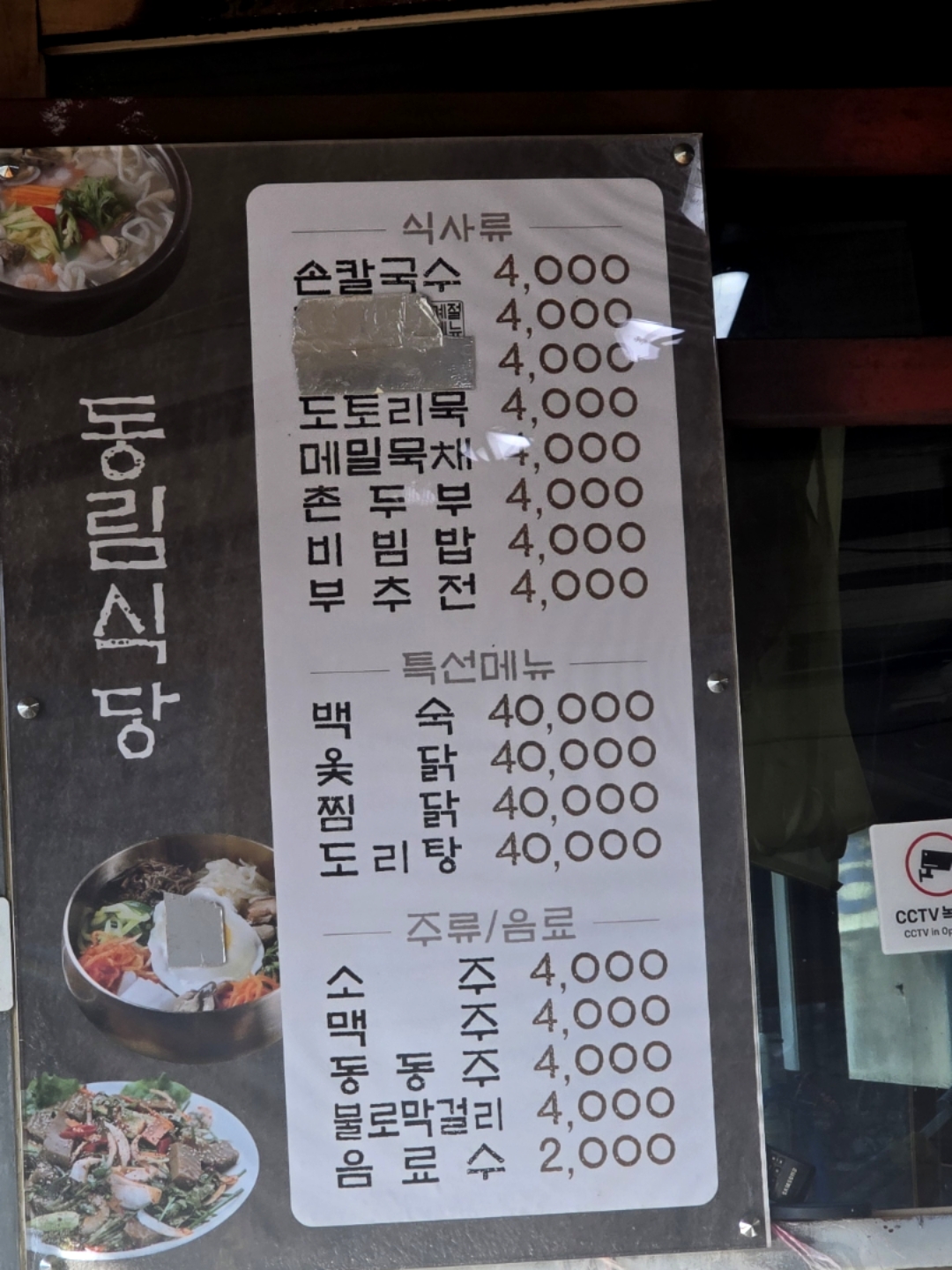
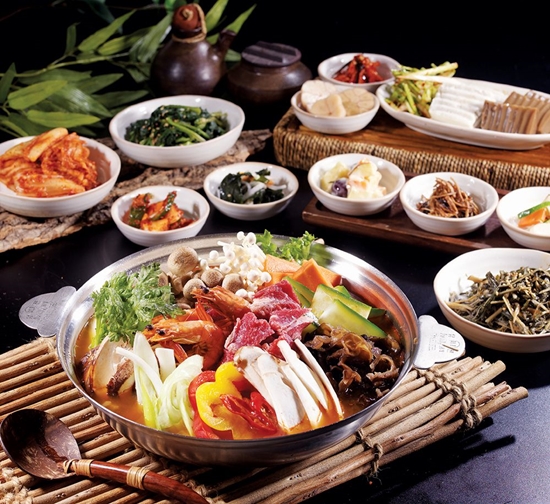
Sanchae Sikdang Palgongsan Branch (Main Store)
9
Sanchae Sikdang Palgongsan Branch (Main Store) -
 10
10
More Travel Guides in This Area
 Travel Guide
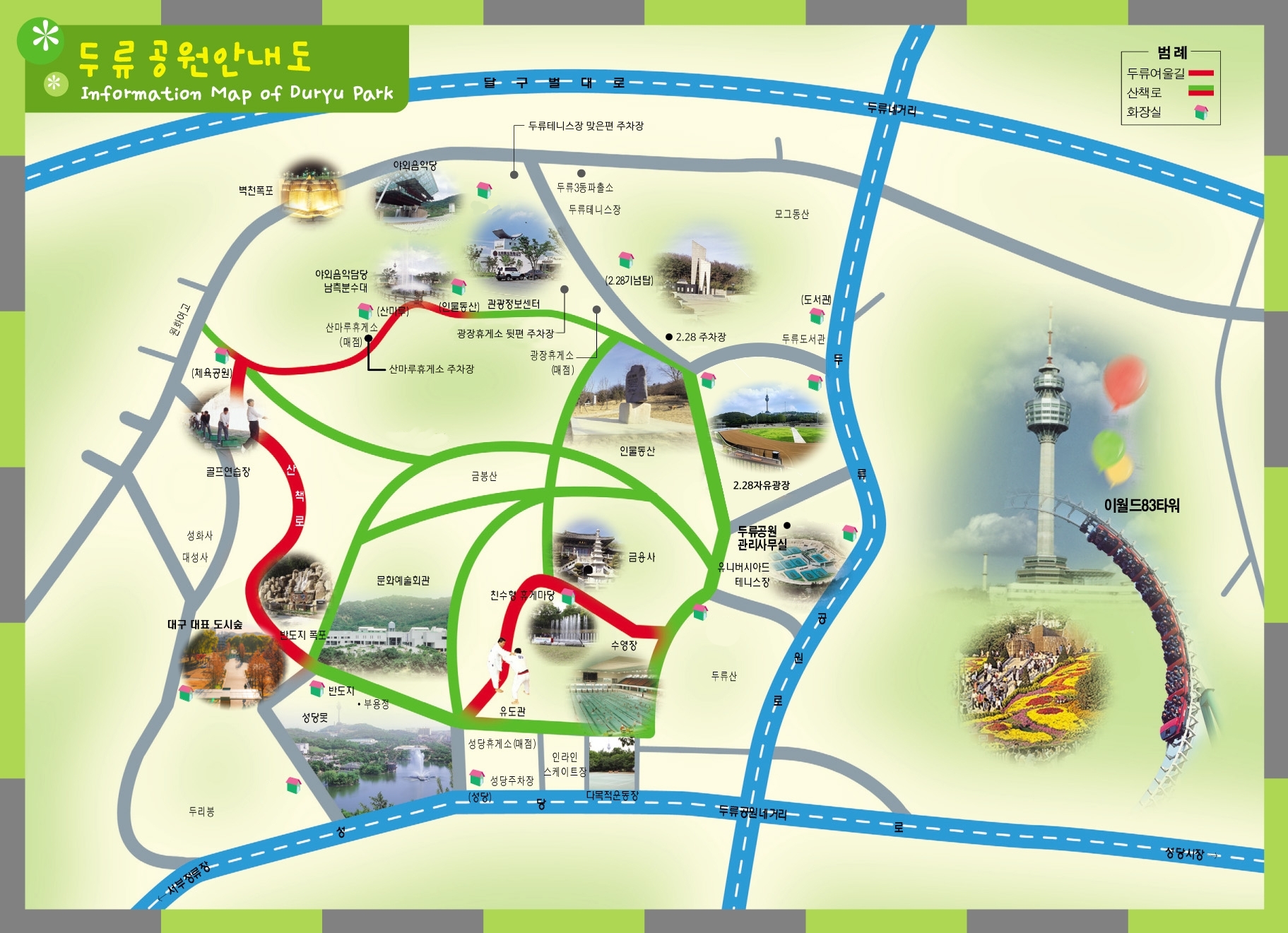
How to Experience a Day in Daegu at Duryu Park, Between Seongdangmot and 83 Tower
 Travel Guide
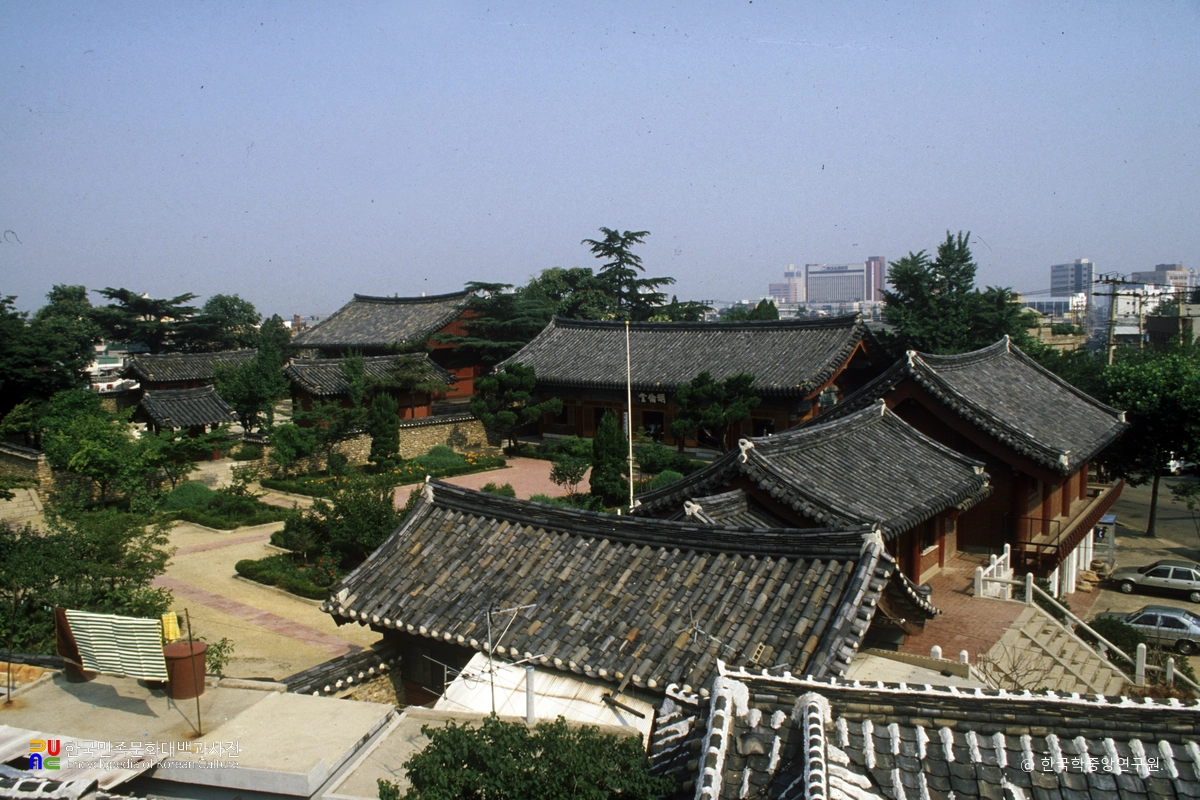
How to Read the Traces of Confucian Rituals and Joseon Education at Daegu Hyanggyo
 Travel Guide
How to Make the Most of 83 Tower, with 360-Degree Views over Downtown Daegu
 Travel Guide
Samunjin Tavern Village, Where the Memory of the Nakdong River Ferry Crossing Remains
Korea News
![BLACKPINK’s Lisa Dominates the VMA Red Carpet in a Sheer Corset Dress and Red Fur [Star Issue]](https://kotourlive-images.s3.ap-northeast-1.amazonaws.com/news/1790557894714_010e956a_news_94409db1-fab6-40bf-bc7b-4b985b1fbac7.jpg) News
News
BLACKPINK’s Lisa Dominates the VMA Red Carpet in a Sheer Corset Dress and Red Fur [Star Issue]
![BLACKPINK’s Jisoo Spotted by Surprise with BIGBANG in London… Their Special Loyalty as Labelmates [IS High Cut]](https://kotourlive-images.s3.ap-northeast-1.amazonaws.com/news/1790557854683_6ea979f5_news_caab62e5-8462-43c8-8622-da794f3df9de.png) News
News
BLACKPINK’s Jisoo Spotted by Surprise with BIGBANG in London… Their Special Loyalty as Labelmates [IS High Cut]
 News
News
Tattoos All Over Her Body… AOA’s Jimin Draws Shocked Attention After Kwon Mina’s ‘Bullying’ Allegations
![You’ll Have to Look Twice… Choi Min-a-soo Perfectly Pulls Off Everything from a Daring Illusion Dress at the Awards Ceremony to Long Braided Hair [RE:STAR]](https://kotourlive-images.s3.ap-northeast-1.amazonaws.com/news/1790492384850_1f293dad_news_d834c50e-0685-43ef-9aa5-6995cd6d8848.jpg) News
News