Geumjeongsan’s 678-Year Buddhist Gateway: Tracing Busan’s Buddhist History at Beomeosa Temple
Beomeosa Temple is a Buddhist temple on Geumjeongsan Mountain founded by the monk Uisang in 678. Its grounds preserve late Joseon architecture rebuilt in 1614 after the Japanese invasions of Korea, along with stone heritage from Unified Silla, all along one walking route. From Beomeosa Station on Busan Metro Line 1, take Bus 90 to reach the temple entrance. Allow 2–3 hours to explore the grounds and visit the Beomeosa Seongbo Museum.
I’ve been here?
Your check-in helps the next traveler.
21 people viewed this week Be the first
One tap — no writing needed
The Temple of the ‘Sky Fish’ Founded by Master Uisang Beneath Geumjeongsan in 678
Beomeosa Temple (梵魚寺) is known as a Buddhist temple founded in 678 by Master Uisang, during the 18th year of the reign of King Munmu of Silla. The name ‘Beomeosa’ means “fish of Brahma’s heaven,” and is connected to the temple’s foundation legend, in which a golden fish rose into the sky from a rock spring on Geumjeongsan. Located at 250 Beomeosaro, Geumjeong-gu, Busan, on the southeastern slope of Geumjeongsan, the temple became both a mountain retreat for Buddhist practice and a temple connected to the transportation network linking Dongnae and the wider Busan area.
Beomeosa is mentioned alongside Haeinsa and Tongdosa as one of the three major temples of Yeongnam, and it is the headquarters of the 14th district of the Jogye Order of Korean Buddhism. Although it began as a center of Silla Hwaeom Buddhism, it suffered extensive damage during the Japanese invasions of Korea, and many of the main buildings in the current grounds are the result of reconstruction during the late Joseon period. It is therefore important here to read the founding date from the Silla period together with the architectural layers dating from the 17th century onward.
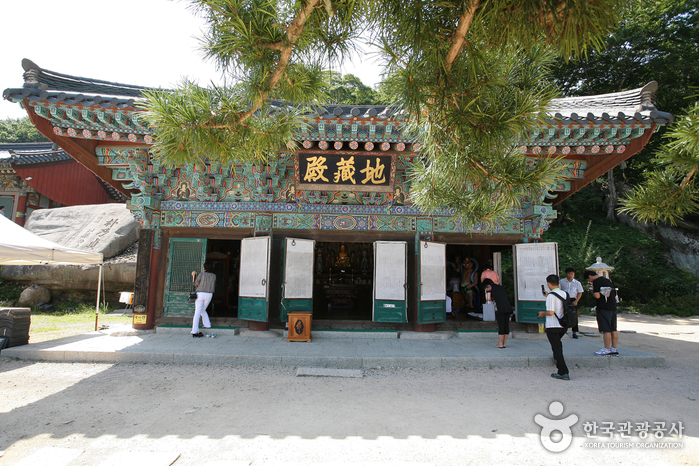
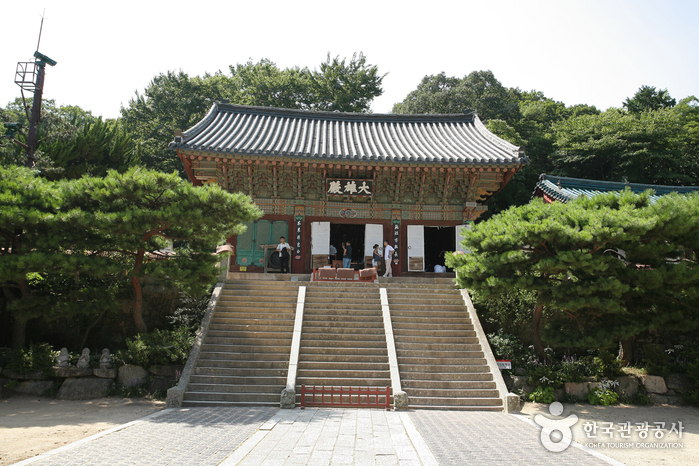
A Short Essential Route Linking the 1614-Rebuilt Daeungjeon Hall with Joggyemun Gate and the Three-Story Stone Pagoda
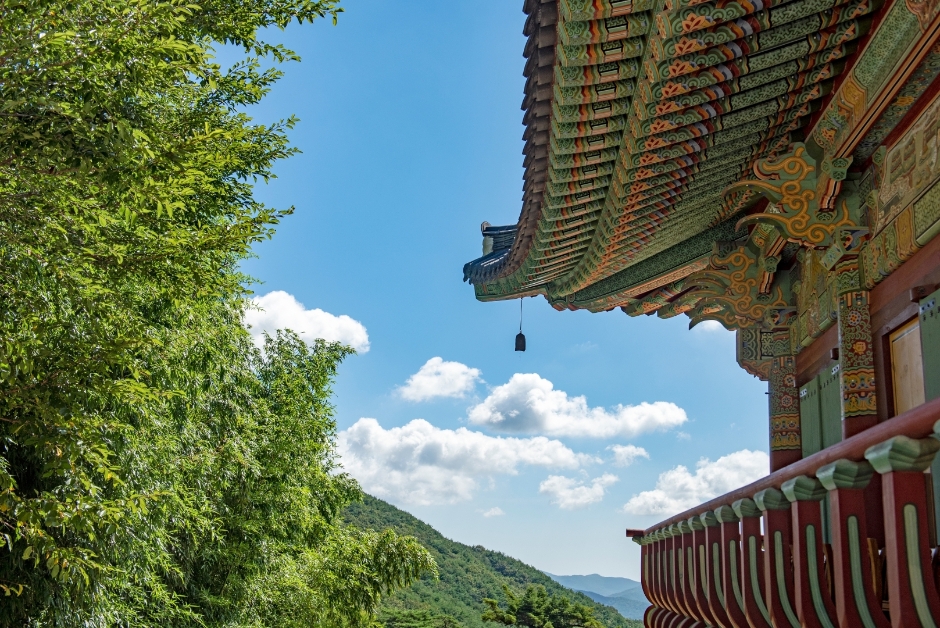
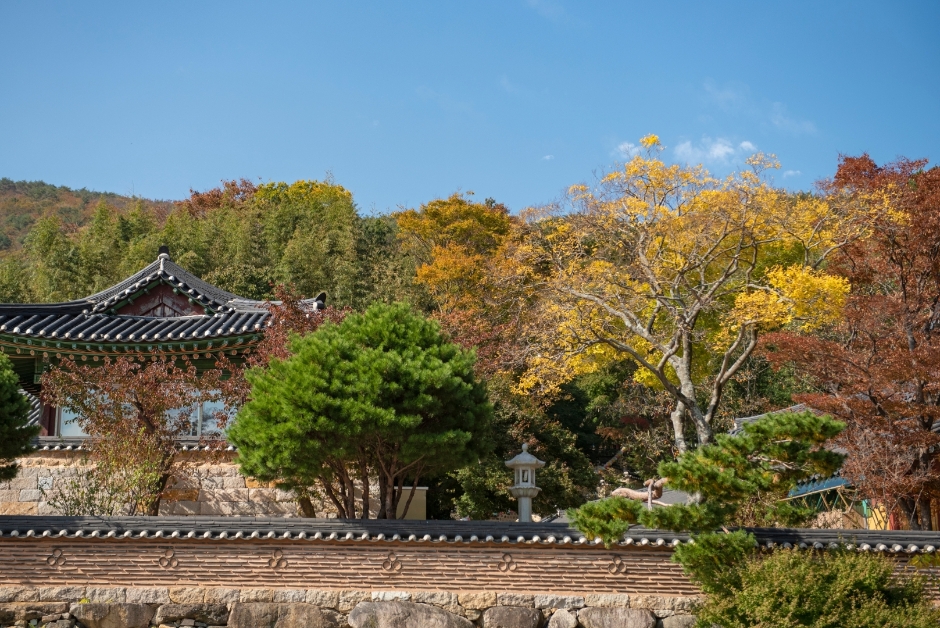
After being destroyed during the Japanese invasions of Korea, Daeungjeon Hall was rebuilt in 1614 under the leadership of Master Myojeon. Daeungjeon is the center of a visit to Beomeosa. Since visitors pass through Joggyemun Gate and then face the hall from the courtyard, they can take in the building’s bracket sets, dancheong decoration, and the axis of the front courtyard together. In June 2026, four murals inside Daeungjeon were also designated as National Heritage Treasures.
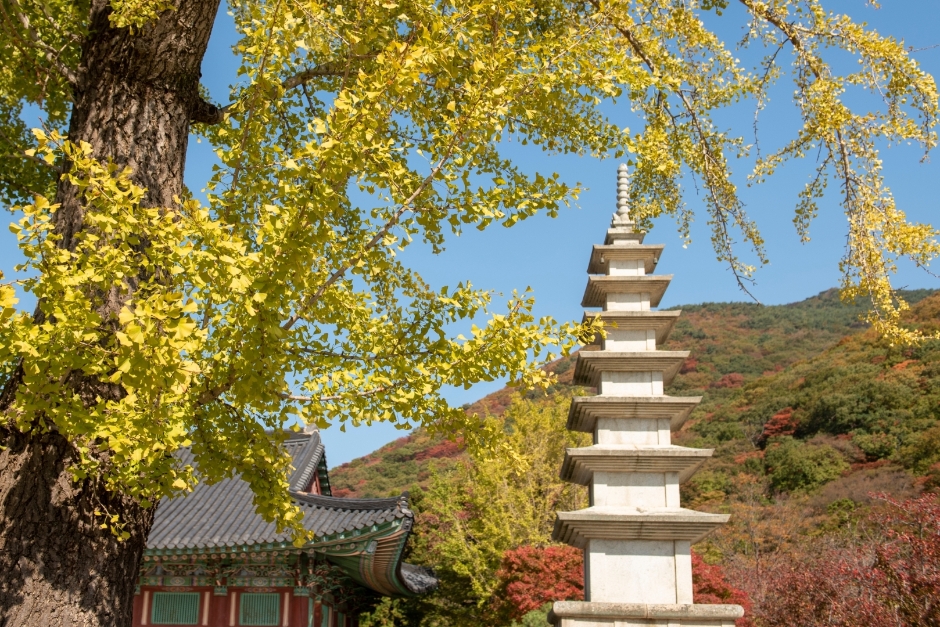
The Beomeosa Three-Story Stone Pagoda in front of Daeungjeon is Treasure No. 250, and the temple grounds also retain a flagpole support and stone lantern designated as Busan Metropolitan City Tangible Cultural Heritage. First-time visitors are advised to walk slowly from Iljumun Gate to Joggyemun Gate, Daeungjeon, and the Three-Story Stone Pagoda in that order. Inside the worship halls, it is best to speak quietly and observe proper photography etiquette so as not to disturb worshippers who are praying or attending services.
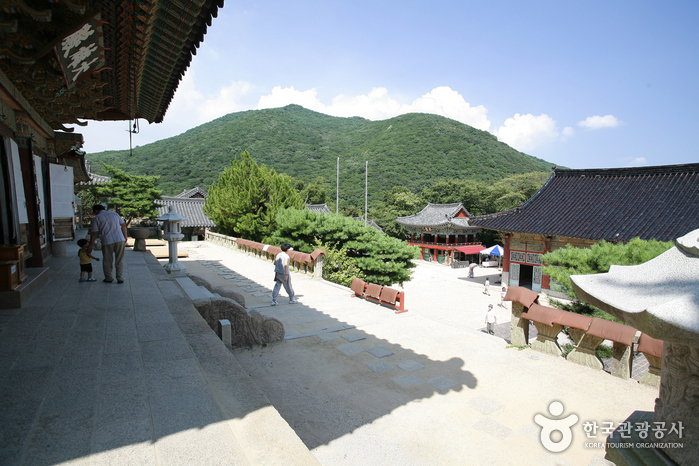
How to Get There by Bus 90 from Exits 5 and 7 of Beomeosa Station
For public transportation, use Exit 5 or Exit 7 of Beomeosa Station on Busan Metro Line 1 as your starting point. According to Geumjeong-gu cultural tourism information, it takes about five minutes on foot from the exit to the bus stop for Bus 90 to Beomeosa, then you get off at the ‘Beomeosa’ stop. The route from the station to the temple climbs toward the mountain foothills, so walking the entire distance instead of taking the bus can be demanding on hot days or when carrying a lot of luggage.
Information is also available for taking City Bus 37 when traveling directly from the Busan Station area. Taxis and private cars can use the Beomeosa parking lot, but the mountain road and parking area may become congested on weekends and during the autumn foliage season. According to publicly available information, parking for small cars costs 2,000 won, but on-site fees and operating procedures may change on event days, so it is safer to reconfirm by telephone with the temple before setting out.
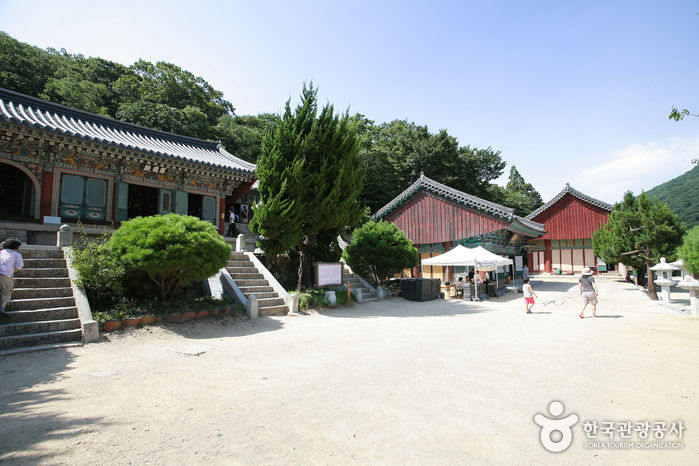
Free Grounds Access and 051-508-3122: Operating Information to Check Before Departure
The grounds of Beomeosa are listed as open year-round, with no closing days, and admission is free. The main telephone number is 051-508-3122, and the official website is https://www.beomeo.kr/. The address is 250 Beomeosaro, Geumjeong-gu, Busan. Since Geumsaem-ro 538, given in the question, is not the temple’s official road-name address, entering ‘250 Beomeosaro’ into your navigation system is more accurate.
Allow 60–90 minutes if you are visiting only the temple grounds, or two to three hours if you begin at Iljumun Gate, see Daeungjeon and the Three-Story Stone Pagoda, and also visit the Seongbo Museum. Wheelchair and stroller users should take into account that, because this is a mountain temple, some sections have slopes and stairs. The availability of access to particular worship halls should be confirmed before visiting. Tourism information also states that Korean-speaking cultural tourism guides may be available, so inquire in advance about foreign-language interpretation and operating days.
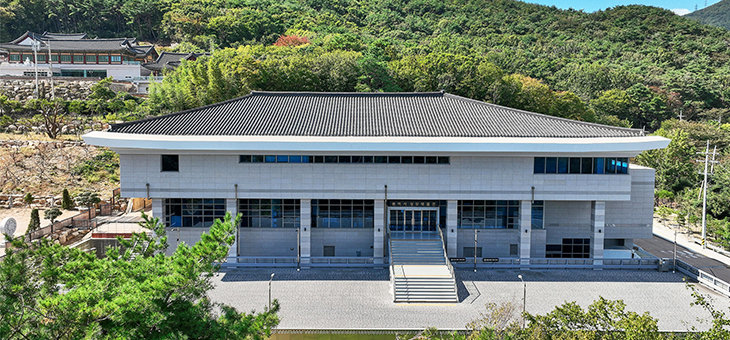
An Afternoon Including the Beomeosa Seongbo Museum, Opened in 2003 and Relocated in 2021
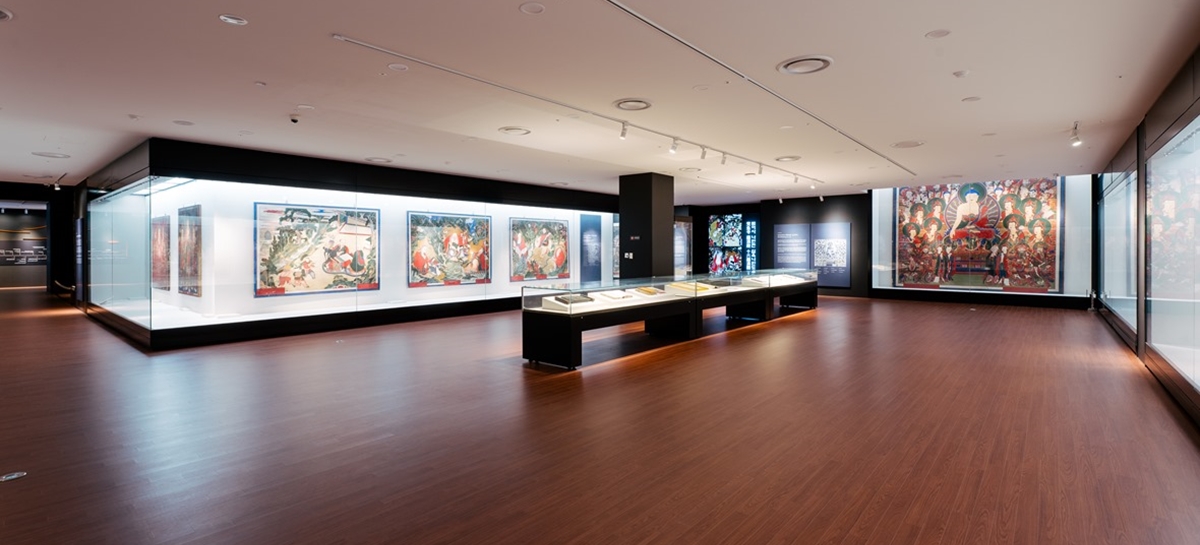
The Beomeosa Seongbo Museum opened in 2003 as a space for preserving, exhibiting, and researching Buddhist cultural heritage from Beomeosa and its affiliated temples. It was newly built and relocated to its current site in November 2021. Its address is 296 Beomeosaro, Geumjeong-gu, Busan, making it easy to include on the temple access route. Beomeosa’s National Treasure, Samguk Yusa, Volumes 4–5, along with its books designated as Treasures and Buddhist paintings, shows that the temple is not only home to historic architecture but also a repository of documentary heritage.
The museum is listed as open from 09:30 to 17:00 and closed every Monday as well as during the Lunar New Year and Chuseok holidays. Even though the temple grounds are open year-round, the museum closes according to its own schedule, so Monday itineraries should focus on the grounds. If you plan to visit the museum, it is better to arrive by 4 p.m. at the latest and divide your time between the exhibits and the temple route.
What to Consider When Combining a Hike to Godeungbong on Geumjeongsan with Beomeosa in One Day
Beomeosa is also used as a starting point for hikes on Geumjeongsan. The round-trip route from Beomeosa through the North Gate to Godeungbong is described as taking about three hours or more; depending on the hiking information consulted, it may also be estimated at approximately 8.4 km and four and a half hours. Shoes suitable for temple sightseeing and equipment for ridge hiking have different requirements, so anyone planning to reach Godeungbong should separately prepare water, snacks, windproof clothing, and hiking boots.
For travelers visiting only the temple, weekday mornings are easier for managing the route than busy weekends with many hikers. Conversely, parking and access roads may be congested on weekends during the autumn foliage season, making a transfer to Bus 90 the more practical choice. Online visitor reviews and hiking information since 2025 have repeatedly recommended using the bus and warned of weekend parking congestion, but these are user-based suggestions rather than official operating notices, so you should check traffic conditions separately on the day.
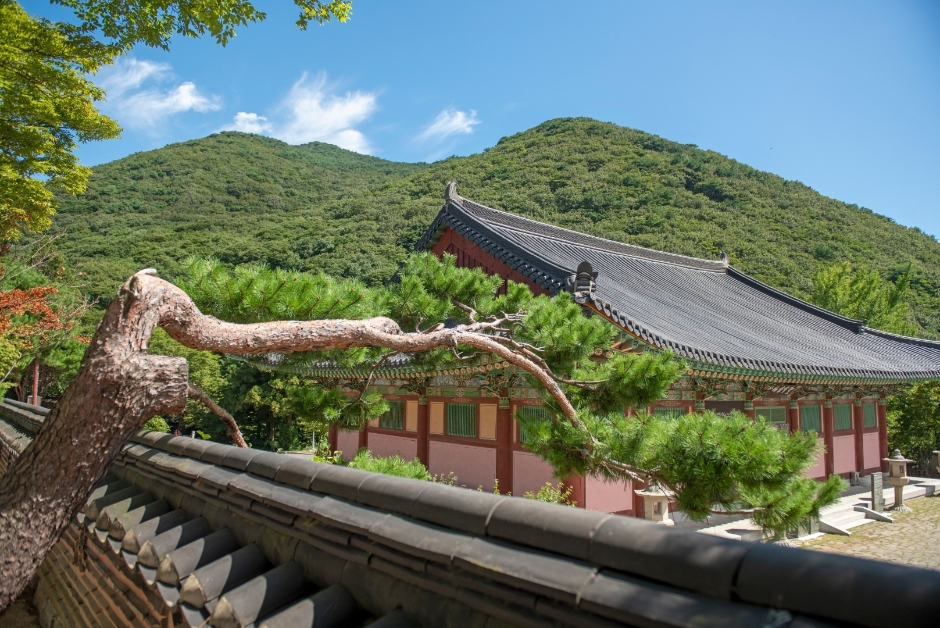
Guidelines for First-Time Visitors on Service Times, Clothing, and Photography
Beomeosa is not simply a tourist attraction; Buddhist services and religious practice continue there today. In Daeungjeon and other worship halls, basic etiquette includes removing hats and sunglasses, not stepping on thresholds, and avoiding close-up photography of people who are worshipping. Clothing that covers the shoulders and knees is more appropriate than revealing outfits, and nonslip shoes suitable for going up and down stone stairs are recommended.
If you plan to stay at the temple, treat it as a separately reserved program rather than ordinary grounds sightseeing. The Beomeosa Seon Culture Education Center is located at 20 Sangma 1-gil, Geumjeong-gu, Busan. Since it may be difficult to reach the center by phone on Mondays and Tuesdays, information is provided for inquiries by text message at 010-2581-5726 or by email. The museum is closed on Mondays, and the temple-stay consultation schedule is also different, so do not confuse the operating conditions of the two facilities even if you visit on a Monday.
Before You Go
- Address
- 250 Beomeosaro, Geumjeong-gu, Busan
- Hours
- Open year-round
- Closed
- Open every day
- Admission
- Free
- Phone
- 051-508-3122
- Official site
- https://www.beomeo.kr/
- Transport
- Walk about five minutes from Exits 5 or 7 of Beomeosa Station on Busan Metro Line 1, then take Bus 90 toward Beomeosa and get off at the Beomeosa stop
- Parking
- Parking available at Beomeosa. Small cars are listed at 2,000 won; congestion is possible on weekends and during the autumn foliage season
- Time needed
- 60–90 minutes for the grounds; 2–3 hours including the Beomeosa Seongbo Museum
- Accessibility
- The mountain temple grounds include slopes and stairs, so advance inquiries are recommended for wheelchair and stroller users. Cultural tourism guide services may be available; confirm foreign-language interpretation in advance
The information above is current as of the time of writing. Check the official information again before your visit.

Places
Nearby Attractions 2
-
 1
Beomeosa Temple Seongbo MuseumA museum exhibiting the Buddhist cultural heritage and artifacts of Beomeosa Temple.
1
Beomeosa Temple Seongbo MuseumA museum exhibiting the Buddhist cultural heritage and artifacts of Beomeosa Temple. -
 2
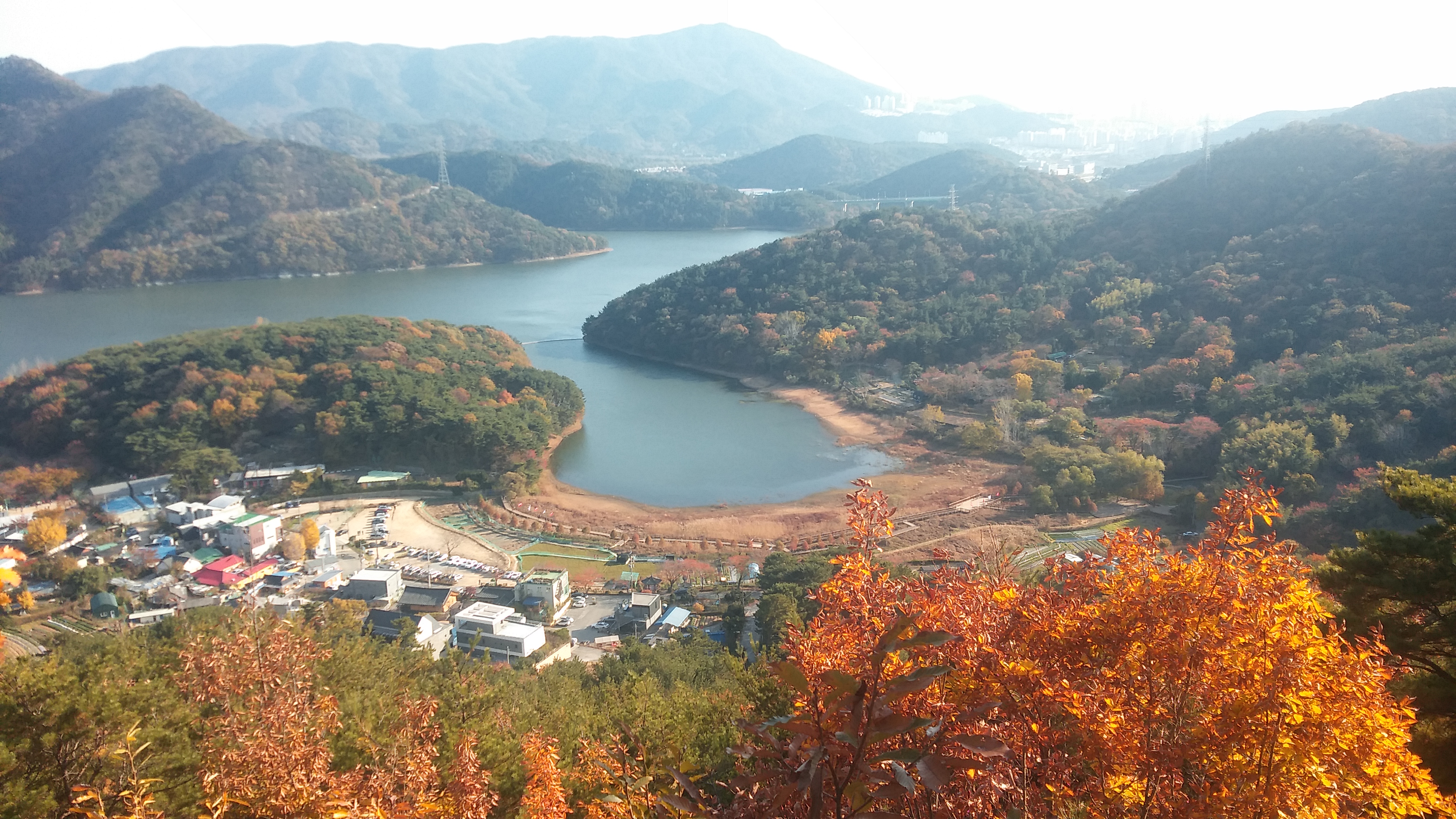
Hoedong ReservoirA place to enjoy natural scenery along walking trails and from observation decks around the lake.
2
Hoedong ReservoirA place to enjoy natural scenery along walking trails and from observation decks around the lake.
Food & Dining 2
-
 3
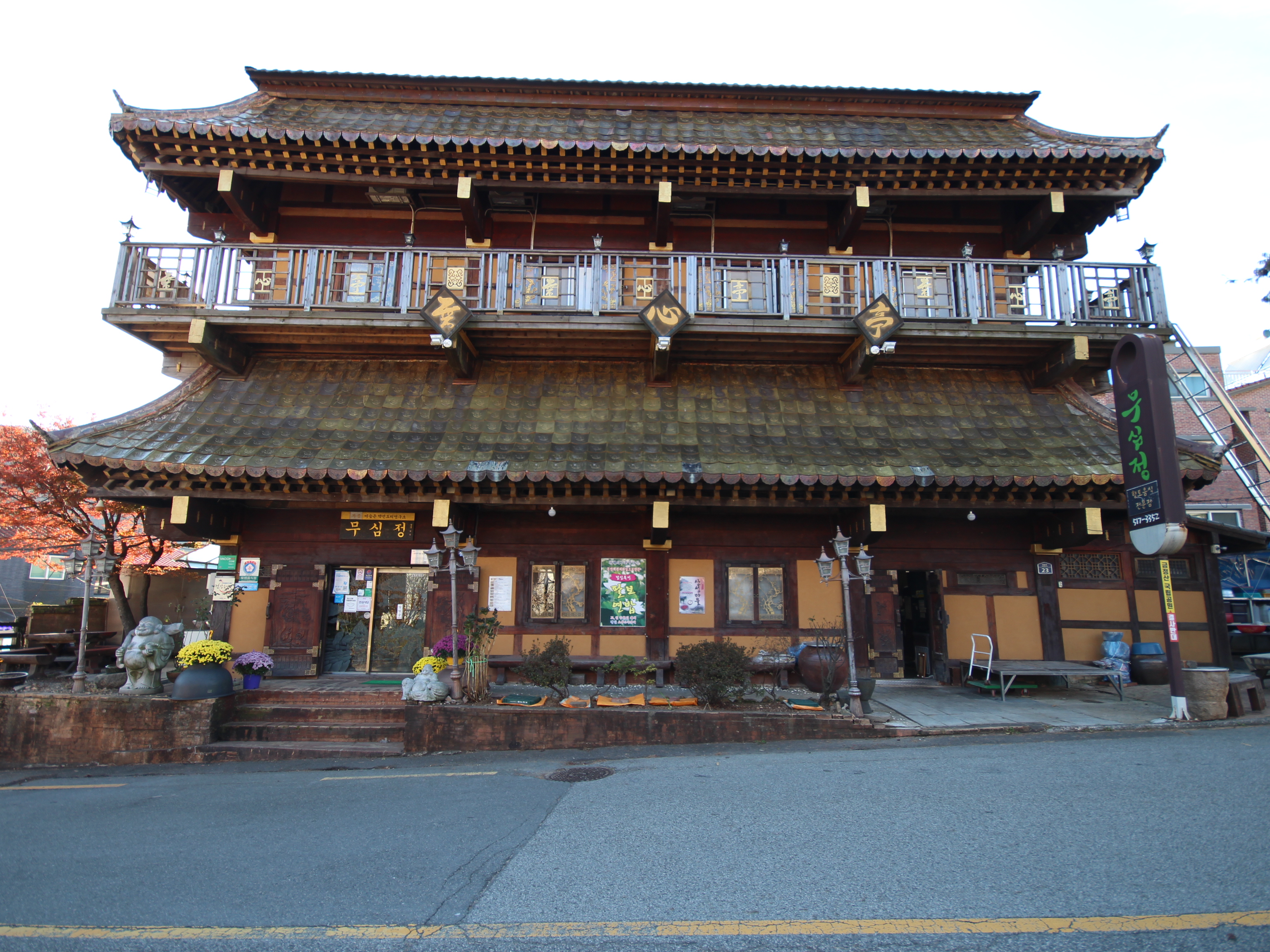
MusimjeongA Korean restaurant serving temple cuisine, Korean set meals, and boiled duck and chicken dishes.
3
MusimjeongA Korean restaurant serving temple cuisine, Korean set meals, and boiled duck and chicken dishes. -
 4
4
Events in This Area


Festivals in This Area

More Travel Guides in This Area
 Travel Guide
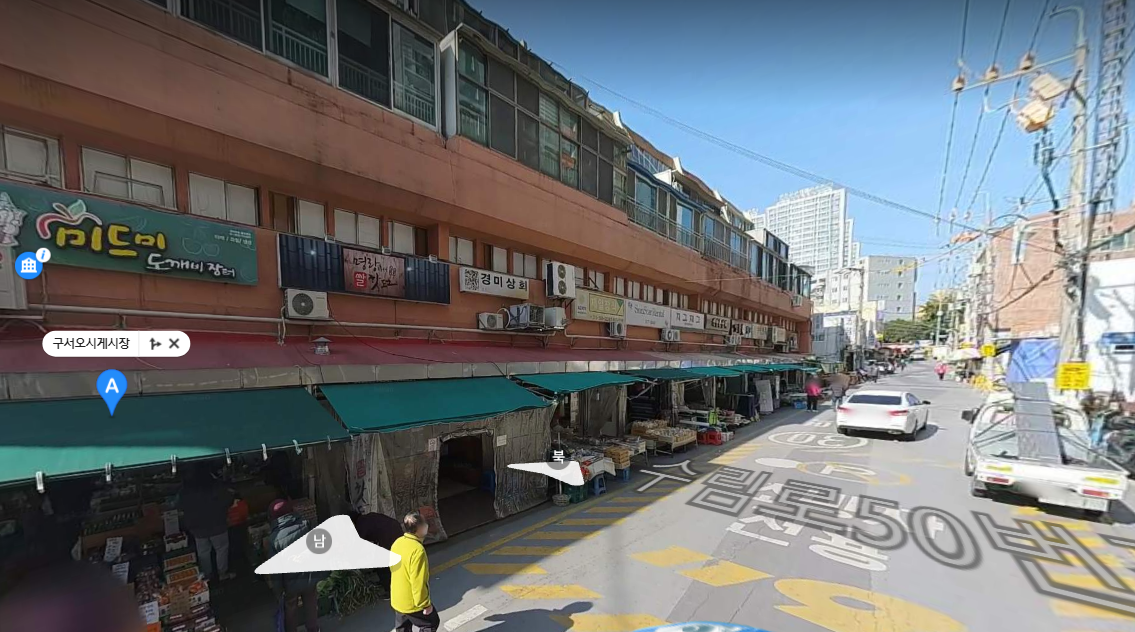
Namsan Market in Busan, Open at Dawn Near Beomeosa Station
 Travel Guide
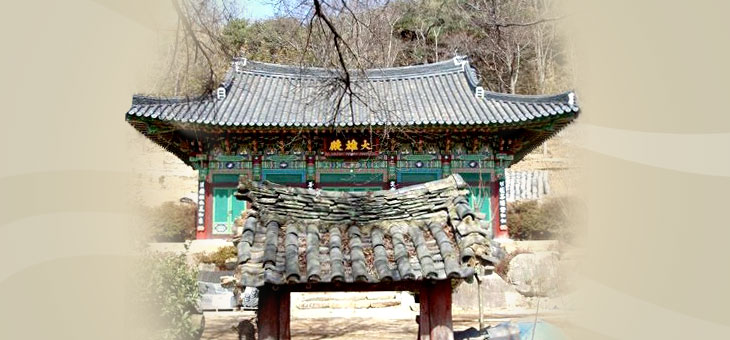
Gukcheongsa Temple, a Buddhist sanctuary of national protection embraced by Geumjeongsanseong Fortress
 Travel Guide
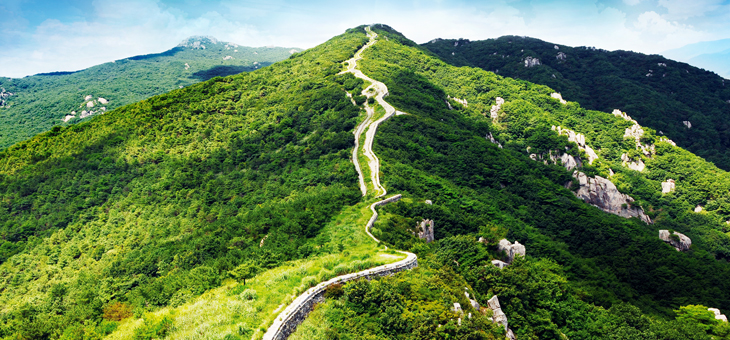
A Busan hike along Geumjeongsanseong Fortress’s four gates and 18,845 m of walls
 Travel Guide
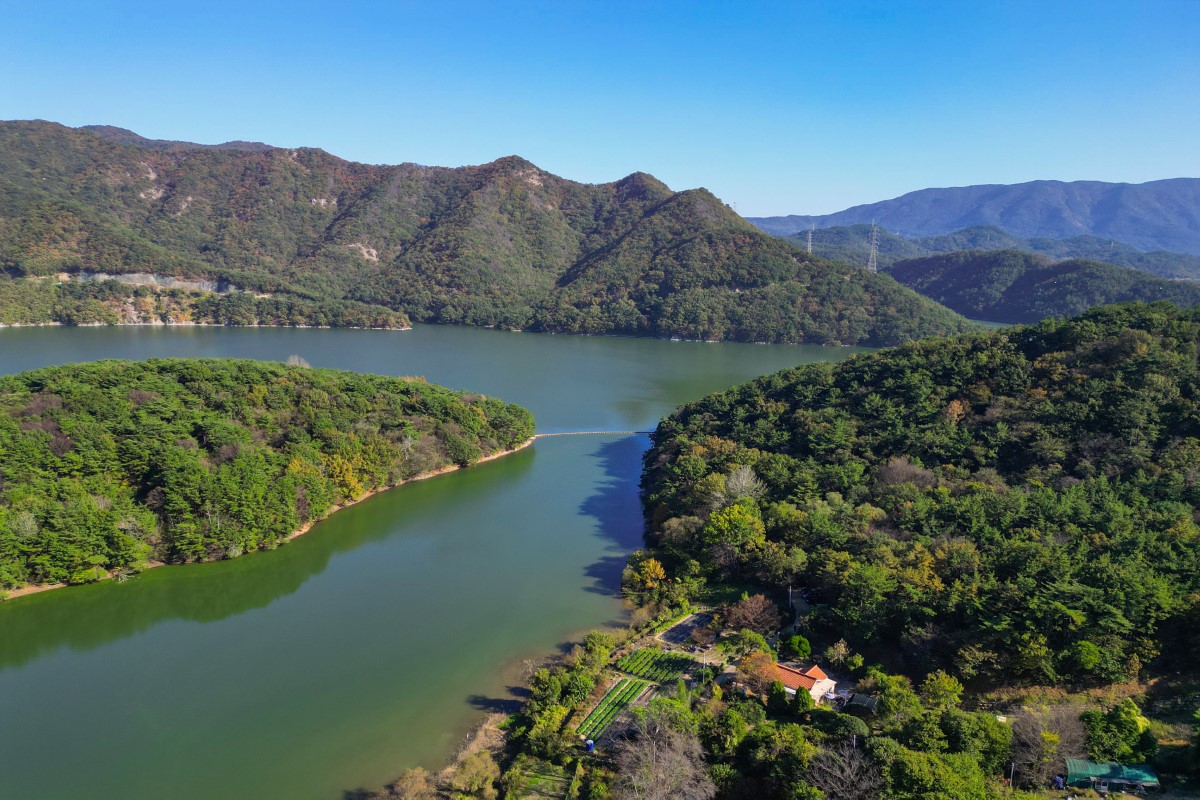
Walking the Hoedong Reservoir Loop in Memory of Its 1942 Submergence
Korea News
 News
News
‘NewJeans Expulsion’ Danielle Releases Her First YouTube Video… “We Don’t Know What Will Happen Next”
![aespa’s North American Tour Has Remaining Seats Despite ‘$49’ Bargain Prices… A Stark Popularity Gap with KATSEYE [TEN Starfield]](https://kotourlive-images.s3.ap-northeast-1.amazonaws.com/news/1788485037424_a59b1932_naver_rank_thumb_0000774618_1788485037424.jpg) News
News
aespa’s North American Tour Has Remaining Seats Despite ‘$49’ Bargain Prices… A Stark Popularity Gap with KATSEYE [TEN Starfield]
![[Photo] TWICE’s Dahyun attends a film festival red carpet as an actress](https://kotourlive-images.s3.ap-northeast-1.amazonaws.com/news/1788485316508_edd43ecd_news_870a60a6-6f11-4d73-aa7c-48d91318a0f7.jpg) News
News
[Photo] TWICE’s Dahyun attends a film festival red carpet as an actress
![[On-Site Video] “We’re Departing Separately Together”… BIGBANG Begins ‘COSMOS’ World Tour](https://kotourlive-images.s3.ap-northeast-1.amazonaws.com/news/1788485226518_c5719641_news_fdd4764a-0f4e-4968-8e4e-e98a02872f88.jpg) News
News