Bongjeongsa Temple Beneath Cheondeungsan Mountain, Andong’s Mountain Retreat Linking Geungnakjeon and Daeungjeon
Located beneath Cheondeungsan Mountain in Seo-hu-myeon, Andong, Bongjeongsa Temple is a mountain temple believed to have been founded during the reign of King Munmu of Silla. The National Treasure Geungnakjeon and Daeungjeon, along with the Treasures Gogeumdang and Hwaeom Lecture Hall, can be explored in about 30 minutes. Bus No. 51 is available from the intercity bus terminal.
I’ve been here?
Your check-in helps the next traveler.
No one has checked in yet Be the first
One tap — no writing needed
How Bongjeongsa Temple beneath Cheondeungsan Mountain became the mountain temple it is today
Bongjeongsa Temple is a Buddhist temple beneath Cheondeungsan Mountain in Seo-hu-myeon, Andong-si, Gyeongsangbuk-do. It is a branch temple of Gounsa Temple, the headquarters of the 16th district of the Jogye Order of Korean Buddhism. Records state that it was founded by Master Uisang or Neungin Daedeok during the reign of King Munmu of Silla.
Official temple information introduces a legend that in 672, the 12th year of King Munmu of Silla, Neungin Daedeok practiced asceticism, then flew a paper phoenix; a temple was built where the phoenix landed and was named Bongjeongsa. During the period when it became renowned as a meditation center, it reportedly had nine affiliated hermitages. Because scriptures and historical records were burned during the Korean War, it has been difficult to preserve a detailed history.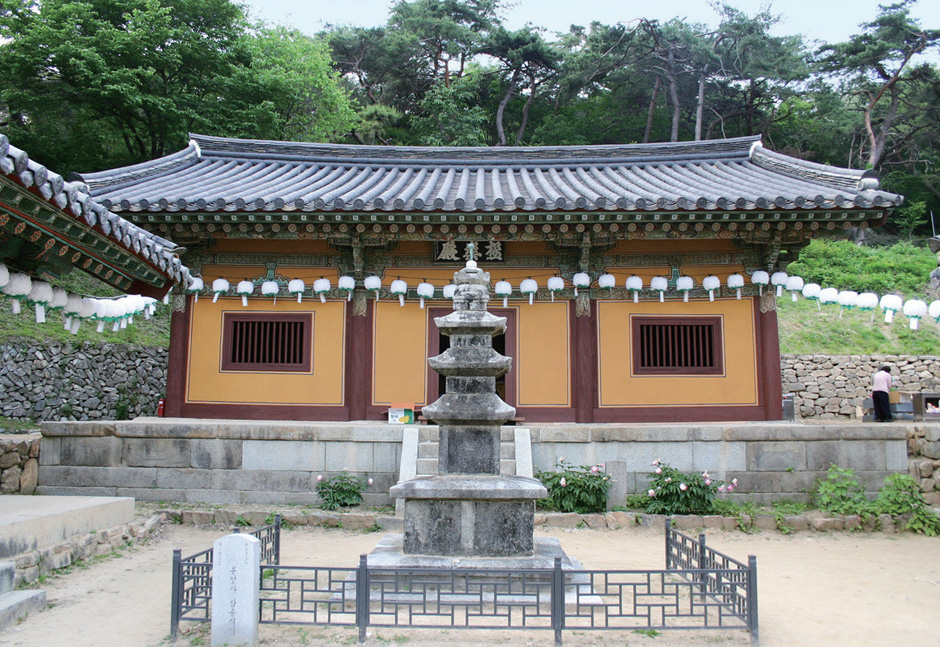
Evidence of its founding in 672 and the 75-bay temple of the early Joseon period
The scale of Bongjeongsa changed over time. In the early Joseon period, records describe it as a large temple that possessed the Tripitaka Koreana, about 500 gyeol of rice paddies and fields, more than 100 monks in retreat, and 75 bays of buildings.
During roof repair work on Daeungjeon Hall in February 2000, an inscription on a ridge beam dating to the 10th year of the Chinese Xuande era, or 1435, the 17th year of King Sejong of Joseon, was discovered. This record shows that Bongjeongsa is not limited to the few halls visible today but is a mountain temple rebuilt several times.
What to see first at National Treasure Geungnakjeon Hall and its 1900 Buddhist painting
Geungnakjeon Hall is National Treasure No. 15 and is introduced as the oldest surviving wooden building in Korea. It is a jusimpo-style building with a gable roof, measuring three bays across the front and four bays along the sides. A record stating that the roof structure was repaired in 1363, the 12th year of King Gongmin of Goryeo, was discovered during dismantling and restoration in 1972.
An inscription on a ridge beam from 1625, the third year of King Injo, discovered during dismantling and repair work on Geungnakjeon, preserves a record of reconstruction in 1363. The hanging Buddhist painting behind the altar inside was made in 1900 and measures 195 cm wide by 176 cm high.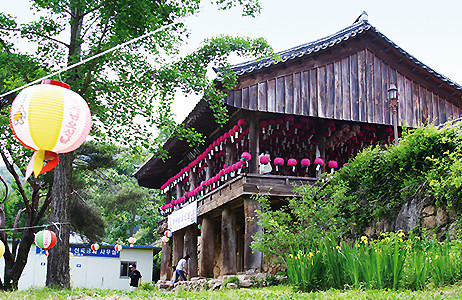
National Treasure Daeungjeon Hall and the 1713 Yeongsanhoesangdo
Daeungjeon Hall is National Treasure No. 311, a single-story building measuring three bays across the front and three bays along the sides, built on a foundation of roughly laid natural stone. It uses a layered hipped-and-gabled roof and a multi-cluster bracket style, and is presumed to be the oldest surviving wooden building of the dapo tradition.
The altar in Daeungjeon Hall enshrines Shakyamuni Buddha, Avalokiteshvara Bodhisattva, and Ksitigarbha Bodhisattva. The principal Buddha, Shakyamuni, is approximately 150 cm tall, while the two attendant statues are about 130 cm each. The hanging Buddhist painting behind the altar, Yeongsanhoesangdo, was made on May 1, 1713, and measures 380 cm wide by 360 cm high.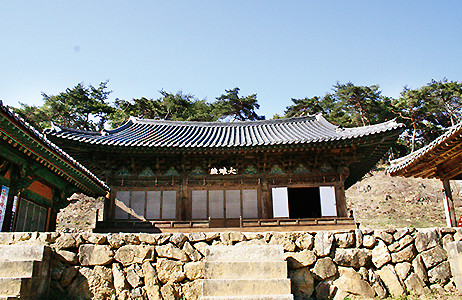
How to read Gogeumdang, Hwaeomgangdang, and the three-story stone pagoda from one courtyard
Gogeumdang, west of Geungnakjeon Hall, is Treasure No. 449 and is a gabled-roof building measuring three bays across the front and two bays along the sides. Hwaeomgangdang is Treasure No. 448. It was a place where monks studied Buddhist teachings and has an ondol-heated room structure.
In front of Geungnakjeon stands a three-story stone pagoda built in the middle of the Goryeo period. It has been designated Tangible Cultural Heritage of Gyeongsangbuk-do No. 182. The pagoda’s total height is 318 cm. Bongjeongsa also houses the Treasure No. 1614 mural of Yeongsanhoesang and the Treasure No. 1620 wooden seated statue of Avalokiteshvara Bodhisattva.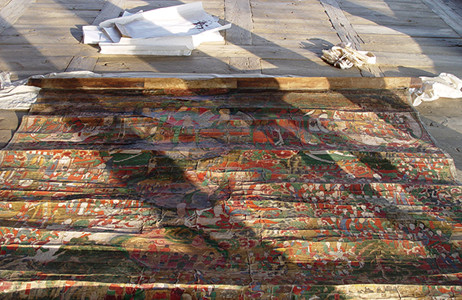
Take Bus No. 51 from Andong Intercity Bus Terminal to Bongjeongsa
The address is 222 Bongjeongsagil, Seohu-myeon, Andong-si, Gyeongsangbuk-do. By public transportation, you can take city bus No. 51 serving Seohu and Bongjeongsa. The official timetable lists departures from the front of Andong Elementary School at 06:00, 08:15, 10:40, 13:30, 17:10, and 18:50, while departures from the intercity bus terminal are at 06:10, 08:25, 10:50, and 13:40.
Bus No. 51 arrives at Bongjeongsa at 06:50, 09:20, 11:50, and 14:45. Departures from Bongjeongsa are listed at 06:50, 09:20, 11:50, 14:45, 18:00, and 19:20. Since this route does not run frequently, you should plan the return time together with your departure from Andong Intercity Bus Terminal. For drivers, the official directions indicate traveling from West Andong Interchange toward Andong and then continuing to Bongjeongsa.
Enter free from 07:00 and explore for about 30 minutes
According to Andong City tourism information, visiting hours are 07:00–19:00 in summer and 08:00–17:00 in winter, and the site is open year-round. According to Bongjeongsa’s official information, admission is free and the total recommended visiting time is about 30 minutes. The main telephone number is 054-853-4181, and the fax number is 054-853-4185.
Parking availability and fees, wheelchair and stroller accessibility, areas where photography is prohibited, and the availability of English information or an audio guide cannot be determined from the available information alone. Since access to the temple halls may vary depending on services and conservation management, foreign visitors should first follow posted signs and on-site instructions rather than entering the halls immediately. The official website is http://www.bongjeongsa.org.
Yeongsanam Hermitage, an often-missed site at UNESCO-listed Bongjeongsa
Bongjeongsa is one of the seven temples comprising “Sansa, Buddhist Mountain Monasteries in Korea,” together with Tongdosa, Buseoksa, Beopjusa, Magoksa, Seonamsa, and Daeheungsa. This heritage site was inscribed on the UNESCO World Heritage List in 2018. Bongjeongsa’s Yeongsanam Hermitage is Gyeongsangbuk-do Folklore Cultural Heritage No. 126.
Official cultural heritage information lists the Bongjeongsa founding legend program from 19:00 to 21:00 on May 2 and 3, and the “Bongjeongsa’s Buddhist Paintings Come into the World” program from 19:00 to 21:00 from August 12 to 15. Yeongsanam also offers a program for appreciating tea and art from 19:00 to 21:30 on October 21, so plan your schedule while distinguishing regular sightseeing from event participation.
Before You Go
- Address
- 222 Bongjeongsagil, Seohu-myeon, Andong-si, Gyeongsangbuk-do
- Hours
- Summer 07:00–19:00 / Winter 08:00–17:00
- Closed
- Open year-round
- Admission
- Free
- Phone
- 054-853-4181
- Official site
- http://www.bongjeongsa.org
- Transport
- City bus No. 51 serving Seohu and Bongjeongsa: official departure times are provided for the front of Andong Elementary School, the intercity bus terminal, and Bongjeongsa. By car: West Andong Interchange → toward Andong → Bongjeongsa.
- Time needed
- About 30 minutes for the full visit, according to Andong City tourism information
The information above is current as of the time of writing. Check the official information again before visiting.

Places
Nearby Attractions 3
-
 1
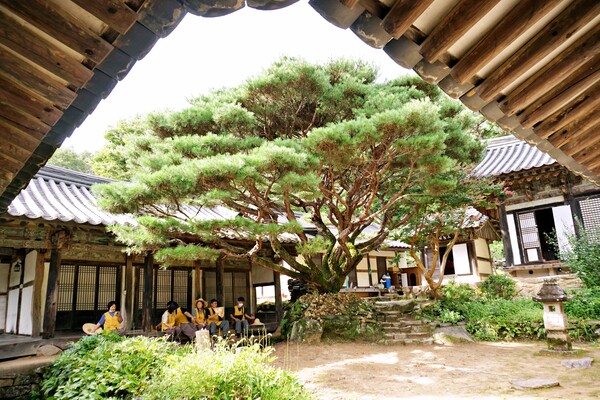
Yeongsan Hermitage, Bongjeongsa Temple, AndongA place to explore tranquil hermitage architecture and forest paths.
1
Yeongsan Hermitage, Bongjeongsa Temple, AndongA place to explore tranquil hermitage architecture and forest paths. -
 2
2
-
 3
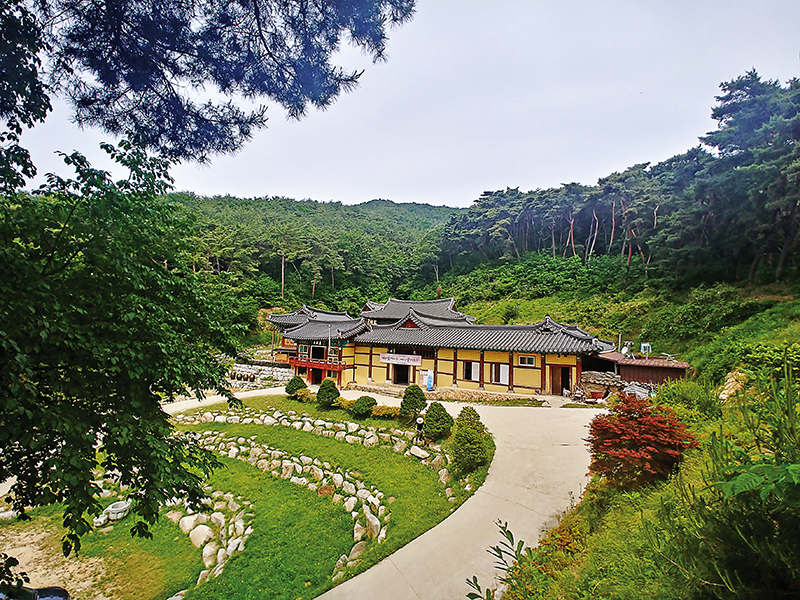
Gwangheungsa TempleA Buddhist temple where visitors can explore cultural heritage, including historic temple buildings and a bronze temple bell.
3
Gwangheungsa TempleA Buddhist temple where visitors can explore cultural heritage, including historic temple buildings and a bronze temple bell.
Food & Dining 2
-
 4
Andong Bongjeongsa Hwangtojip Handmade TofuA restaurant where you can enjoy handmade tofu and soft tofu hot pot made in-house.
4
Andong Bongjeongsa Hwangtojip Handmade TofuA restaurant where you can enjoy handmade tofu and soft tofu hot pot made in-house. -
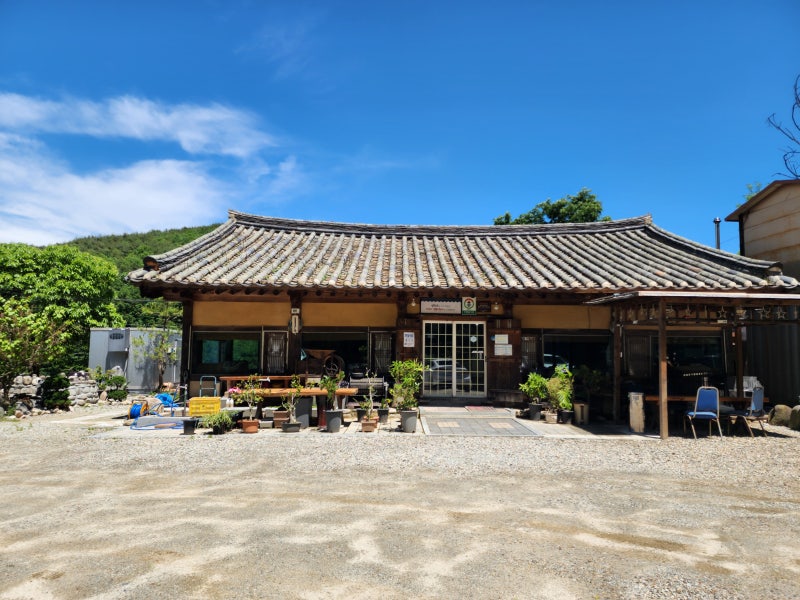 5
ByeolcheongungA Korean restaurant serving Andong-style salted mackerel set meals and wild greens bibimbap.
5
ByeolcheongungA Korean restaurant serving Andong-style salted mackerel set meals and wild greens bibimbap.
Events in This Area
Festivals in This Area
More Travel Guides in This Area
 Travel Guide
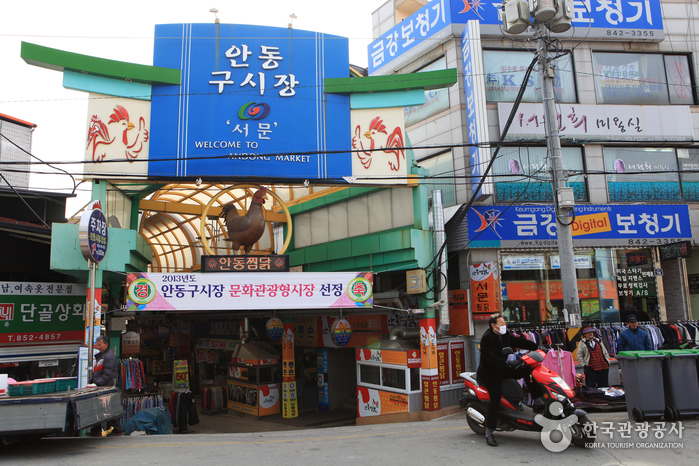
Andong Old Market’s Jjimdak Alley and the Market’s Present Day, 1970
 Travel Guide
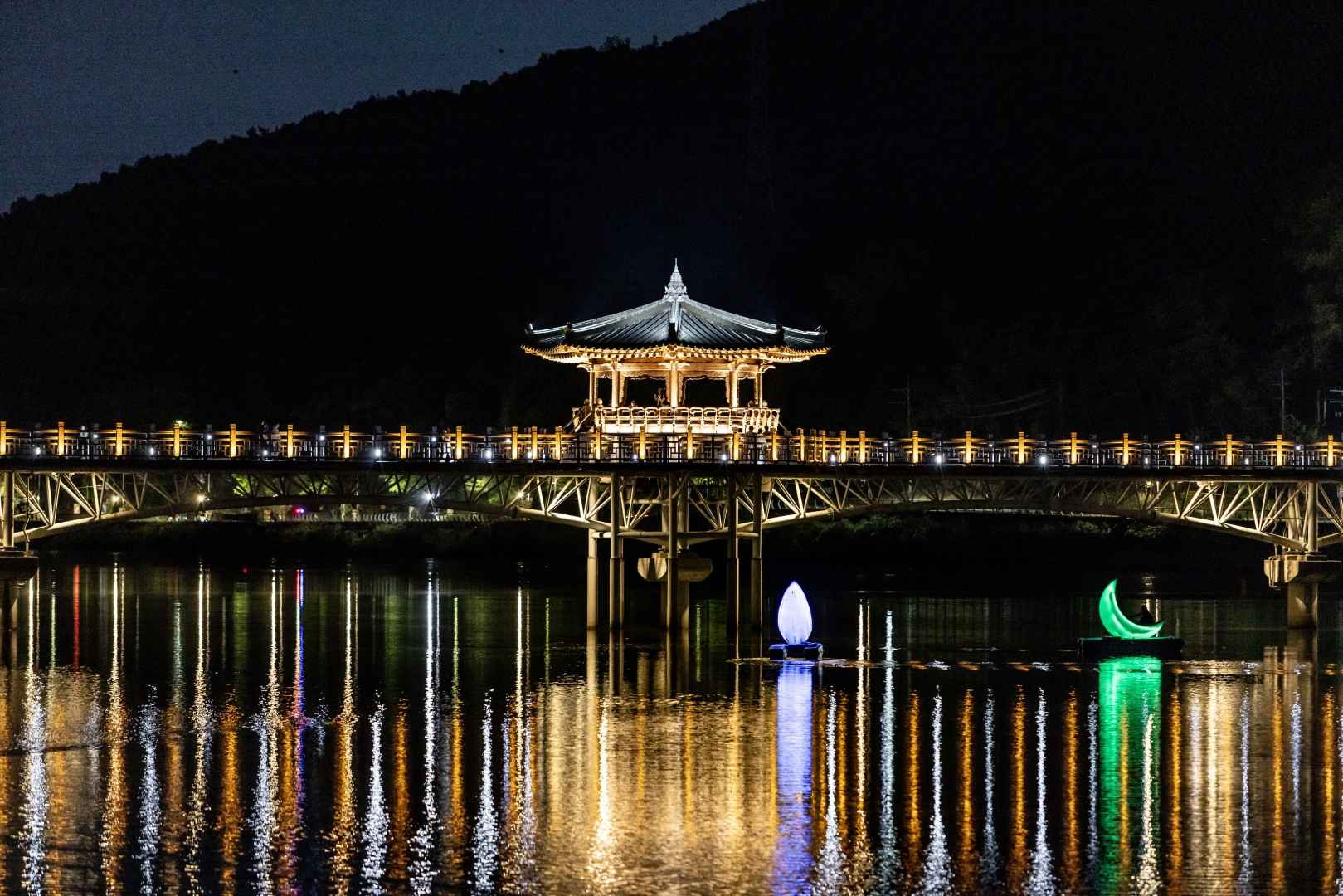
Andong Wolyeonggyo Bridge, 387 m, Connecting the Stories of Moonlight and Straw Shoes
 Travel Guide
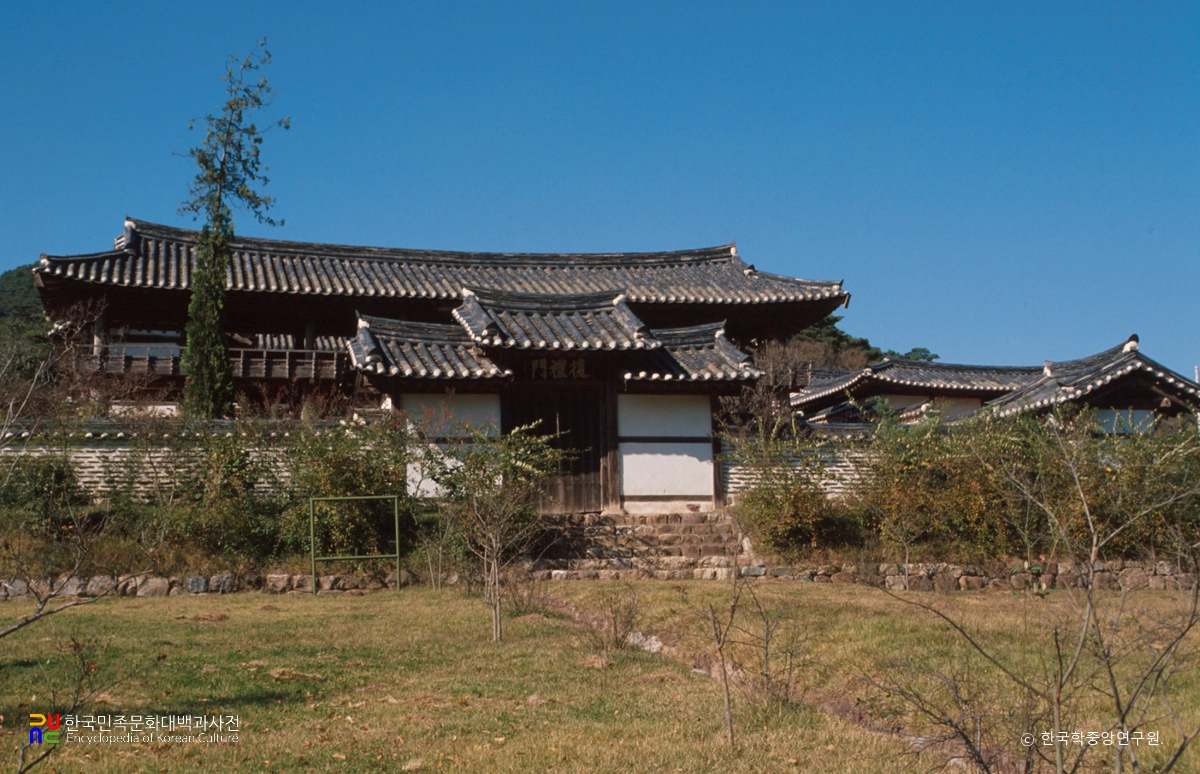
Byeongsan Seowon, Where the Nakdong River Sandbank Becomes a Seven-Panel Folding Screen
 Travel Guide
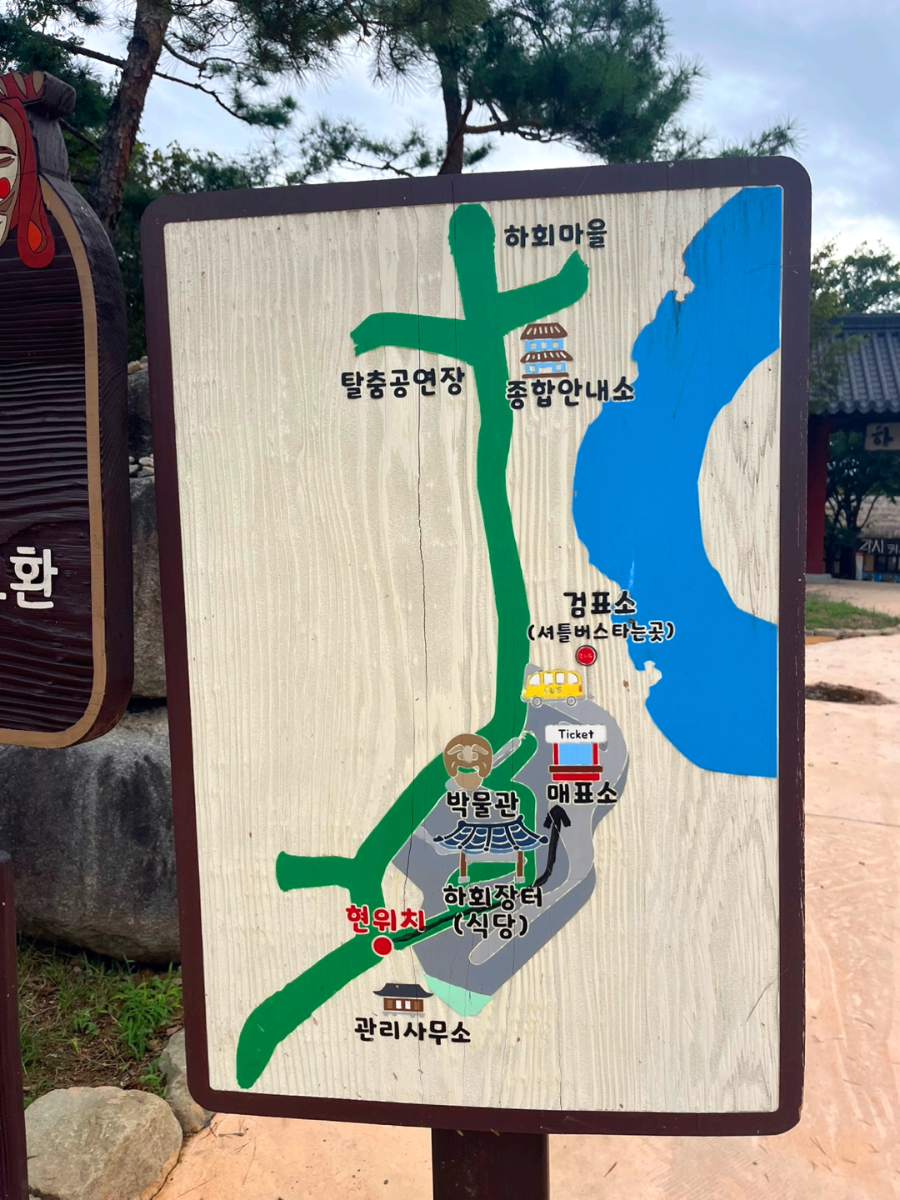
Andong Hahoe Village, the 600-Year-Old Village of the Pungsan Ryu Clan Shaped by the Nakdong River’s S-Curved Meanders
Korea News
![BLACKPINK’s Lisa Dominates the VMA Red Carpet in a Sheer Corset Dress and Red Fur [Star Issue]](https://kotourlive-images.s3.ap-northeast-1.amazonaws.com/news/1790557894714_010e956a_news_94409db1-fab6-40bf-bc7b-4b985b1fbac7.jpg) News
News
BLACKPINK’s Lisa Dominates the VMA Red Carpet in a Sheer Corset Dress and Red Fur [Star Issue]
![BLACKPINK’s Jisoo Spotted by Surprise with BIGBANG in London… Their Special Loyalty as Labelmates [IS High Cut]](https://kotourlive-images.s3.ap-northeast-1.amazonaws.com/news/1790557854683_6ea979f5_news_caab62e5-8462-43c8-8622-da794f3df9de.png) News
News
BLACKPINK’s Jisoo Spotted by Surprise with BIGBANG in London… Their Special Loyalty as Labelmates [IS High Cut]
 News
News
Tattoos All Over Her Body… AOA’s Jimin Draws Shocked Attention After Kwon Mina’s ‘Bullying’ Allegations
![You’ll Have to Look Twice… Choi Min-a-soo Perfectly Pulls Off Everything from a Daring Illusion Dress at the Awards Ceremony to Long Braided Hair [RE:STAR]](https://kotourlive-images.s3.ap-northeast-1.amazonaws.com/news/1790492384850_1f293dad_news_d834c50e-0685-43ef-9aa5-6995cd6d8848.jpg) News
News