Summer when the playground turns into a water park, Seongbuk Culture Vacance
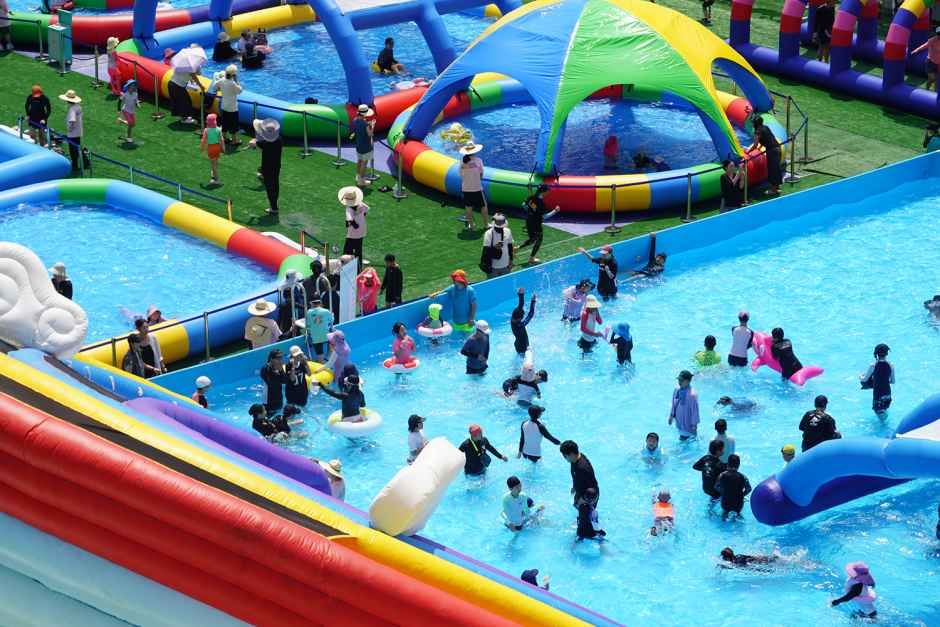
If I told you that an elementary school playground in the middle of Seoul turns into a midsummer water park, it would sound a bit hard to believe. So I went myself. The 10th 2026 Seongbuk Culture Vacance opens on July 25 at Seoul Soongdeok Elementary School, then moves to Ui-cheon Multipurpose Plaza and the vacant lot in Gireum-dong, continuing until August 9. The festival’s core idea is to turn a school playground and empty neighborhood space into a water-play area during the school break. It was a real mini water park with a large pool, a medium pool, a water slide, and even a waterfall where water pours down from above. Since starting in 2015, it has become a representative water-play festival in Gangbuk, visited by more than 10,000 people every year, and it has facilities divided by age group such as the Exciting Slide and the Mom & Baby Pool, so everyone from babies to adults can have fun.
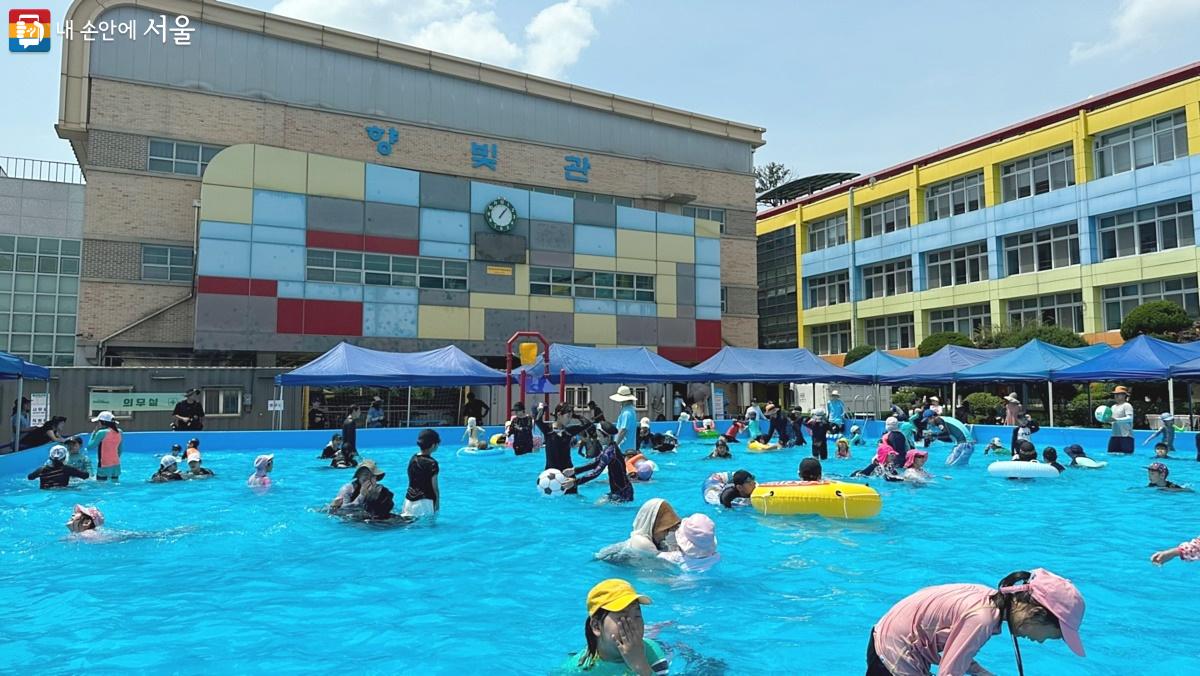
The day I went, it was a scorching heat wave well over 30 degrees Celsius, but before I even got to the front gate, I could already hear the sound of water and children’s laughter. In the middle of the playground, blue pools were spread out everywhere, and when the safety staff sprayed water with hoses, kids would scream and run in. It was a scene that was summer through and through.
Can a foreigner do it alone? A practical guide to entry, payment, and language
The first thing to know is that no reservation is needed. It operates as a free-entry event without advance booking, so you can just go. However, for safety, admission may be temporarily restricted if the on-site capacity is full. Admission is free for Seongbuk-gu residents after ID verification, and for everyone else it is 2,000 won per person. If you are a foreign traveler, bring an ID such as your passport and pay 2,000 won. But there is one important thing: this 2,000-won payment cannot be made in cash and is only possible by card. It is safest to bring an overseas-issued credit or debit card.
To be honest, language support is not very abundant. There is no separate English interpretation or foreign-language app for the event, so most signs and announcements are in Korean. Still, since water play is so intuitive, it is not difficult to enjoy even by following the situation. The lines are divided at the entrance between residents and non-residents, so if you show your card to the staff and say something like "non-resident," it should work. Children in 3rd grade of elementary school (age 9 or younger) must be accompanied by a guardian, and children age 10 or older can enter alone. Also remember that pets are not allowed inside.

The operating hours are from 10:30 a.m. to 5:30 p.m., and entry started at 10:00 a.m. However, since this is an outdoor water festival, the opening status and hours may change if it rains or the weather is poor. It is best to check the day’s operating status in real time through the Seongbuk Cultural Foundation’s KakaoTalk channel.
Walking from Jeongneung Station, this is how I spent the day
Soongdeok Elementary School, where the first session was held, was really convenient to get to. If you get off at Jeongneung Station (Kookmin Univ. Entrance) on the Ui-Sinseol Line, it is about a 3-minute walk to the school, so you can basically follow the sound of water there without even looking at a map. On peak-season weekends, parking is limited, so public transportation is much better than driving. Another big advantage for family travelers is that it ends at 5:30 p.m., so there is no worry about getting home late at night.
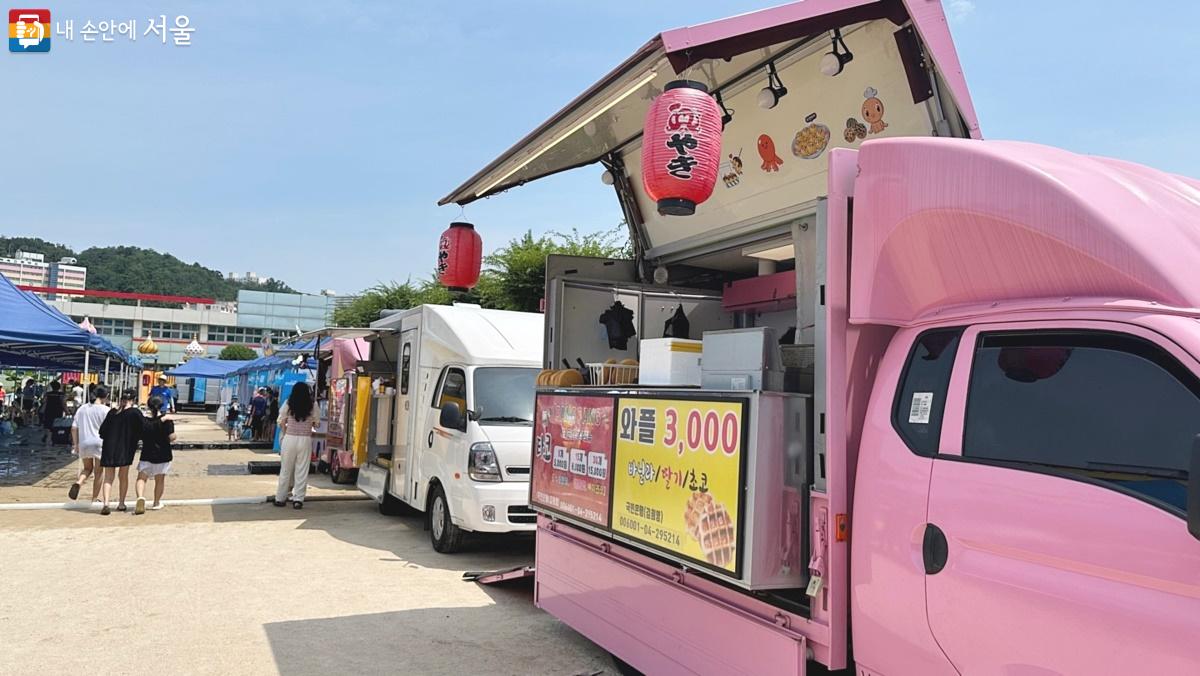
After arriving and paying the admission fee by card, I took off my shoes and walked around barefoot, so the aqua shoes I brought were very useful. A swim cap is required to enter the pool, and entry may be restricted if you do not have one, so be sure to bring it. You cannot set up a shade tent or a personal tent, but it is nice to spread out a picnic mat and use it as a base camp for your belongings. When I got hungry after a round of water play, I headed to the food trucks, where snacks such as churros, tornado potatoes, chicken skewers, and ramen were available. Between sessions, there were performances on stage like K-pop dance, Nanta, and magic, and there were also experience booths for digital tattoos, water guns, and bubbles, so there was no chance to be bored even when not in the water.
I also felt reassured about safety. Safety staff in green shirts were stationed by each pool, and medical personnel were always on standby on-site. However, in the afternoon, the large pool may be restricted so that children under 130 cm in height cannot enter for safety reasons, and the water slide cannot be used by children under 8 years old, so it is best to check a child’s height and age in advance to avoid a wasted trip.
Preparation tips that help avoid surprises
The busiest time is, of course, midday. In the afternoon when a heat wave advisory is issued, the pools are packed with people, so if you want a little more breathing room, I recommend aiming for right after opening in the morning. Here is a short list of things worth bringing.
- Swim cap (required; without it, entry may be restricted), ID/passport, card (admission fee can only be paid by card)
- Aqua shoes, picnic mat, extra clothes and towel, waterproof pouch
- Sunscreen, hat, and water — there is not much shade, so protection from UV and dehydration is needed
It is best to plan in advance for changing clothes and handling wet items, and if you need to move immediately after water play, make sure to bring dry clothes. Since operations can change in rainy weather, check once in the morning on the day of your visit before heading out, and you should be fine.
Recommended for these kinds of travelers
If you expect a flashy water park, it may feel a bit modest. But if you are traveling in Seoul with children, or if you want to experience a real neighborhood summer rather than a tourist attraction, there is no better experience than this one for 2,000 won. When you splash around with local residents on an elementary school playground that you reached after a 3-minute walk from the subway, an ordinary summer day in Seoul will remain as a special memory.
| Item | Score | Basis |
|---|---|---|
| Language accessibility | 2.5 | No English guidance or interpretation app, but the water-play format is intuitive |
| Transportation accessibility | 4.5 | 3-minute walk from Jeongneung Station, and ending at 5:30 p.m. makes going home easy |
| Foreign visitor convenience | 3.0 | Entry is possible with passport + card, but foreigner-specific guidance is limited |
| Local cultural experience | 4.5 | A vivid neighborhood summer festival that turns a school playground into a water park |
| Value for money | 5.0 | Water play, performances, and experiences for 2,000 won for non-residents; free for Seongbuk-gu residents |
| Cleanliness/Safety | 4.0 | Safety staff and medical personnel on standby, water quality checked continuously, height and age restrictions in place |
| Food/Facilities | 3.5 | There are food-truck snacks, but shade and changing spaces are limited |
This article was compiled by our editorial team from official announcements and coverage of previous editions; it is not a first-hand visit report. Please confirm the final schedule and fees on the official website.
Festival Details
-
Festival Period7/25/2026 ~ 8/9/2026
-
Festival Venue279 Jeongneung-ro, Seongbuk-gu, Seoul (Jeongneung-dong)
-
Admission FeePaid admission (KRW 2,000 per person) / Free for residents of Seongbuk-gu
-
TagsSungbuk Culture Vacation Urban water-play festival Water-play slides K-pop dance Digital tattoo experience Free admission for residents of Seongbuk-gu
More Festivals

Popular Concerts
![EXO PLANET #6 - EXhOrizon [dot] -](https://kotourlive-images.s3.ap-northeast-1.amazonaws.com/concerts/1787215796640_ee65f451_thumbnail.jpg)

More Travel Guides in This Area
 Travel Guide
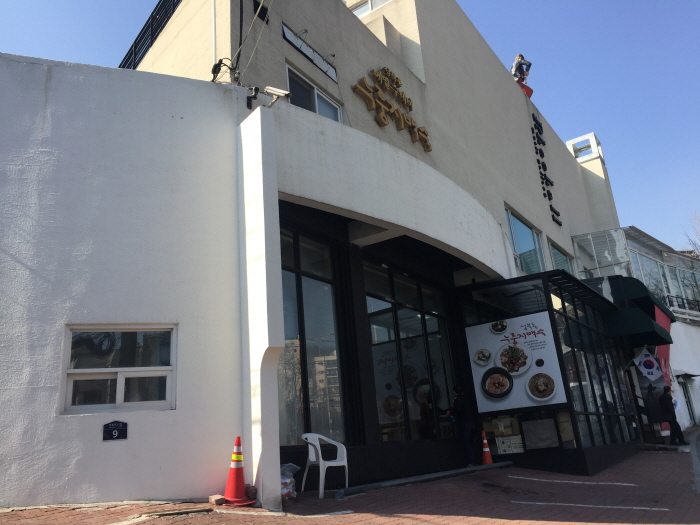
A full table that starts in the alleys of Seongbuk-dong and ends with nurungji porridge, Seongbuk-dong Nurungji Baeksuk
 Travel Guide
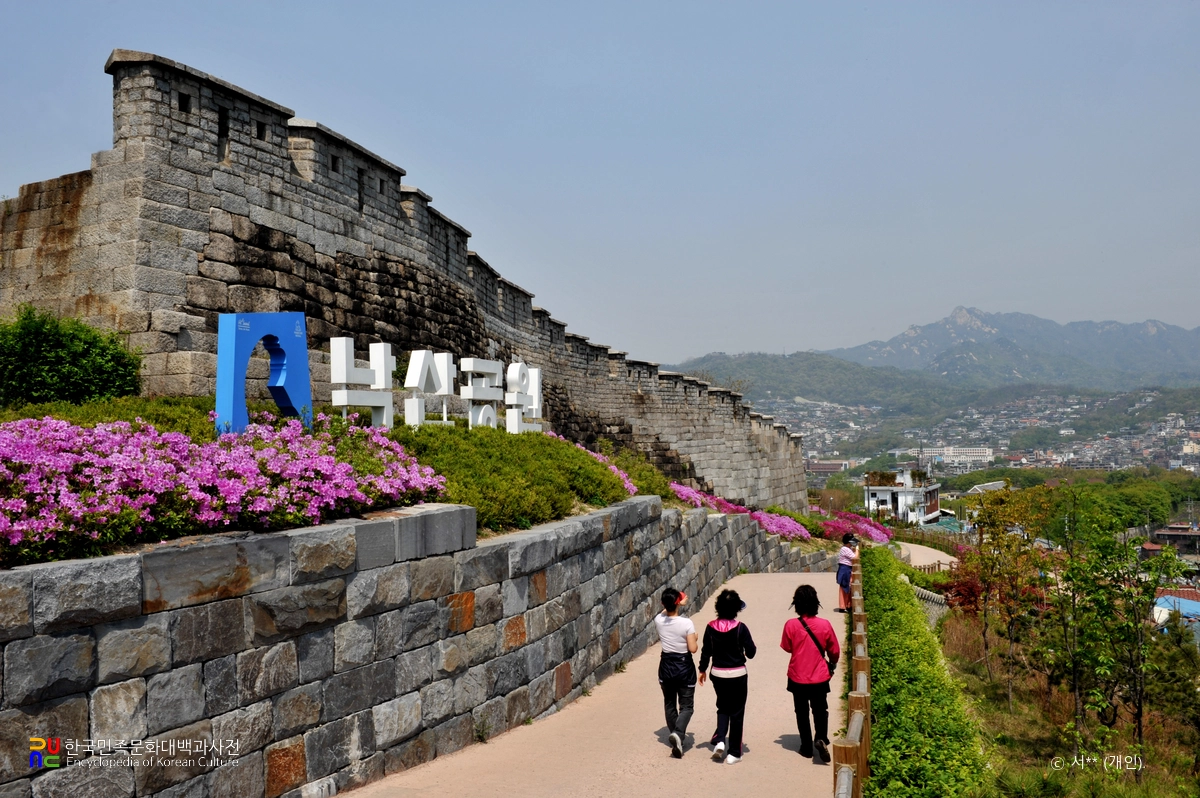
From the Camel-Back Ridge to Heunginjimun Gate: Reading Seoul's City Wall at Naksan Park
 Travel Guide
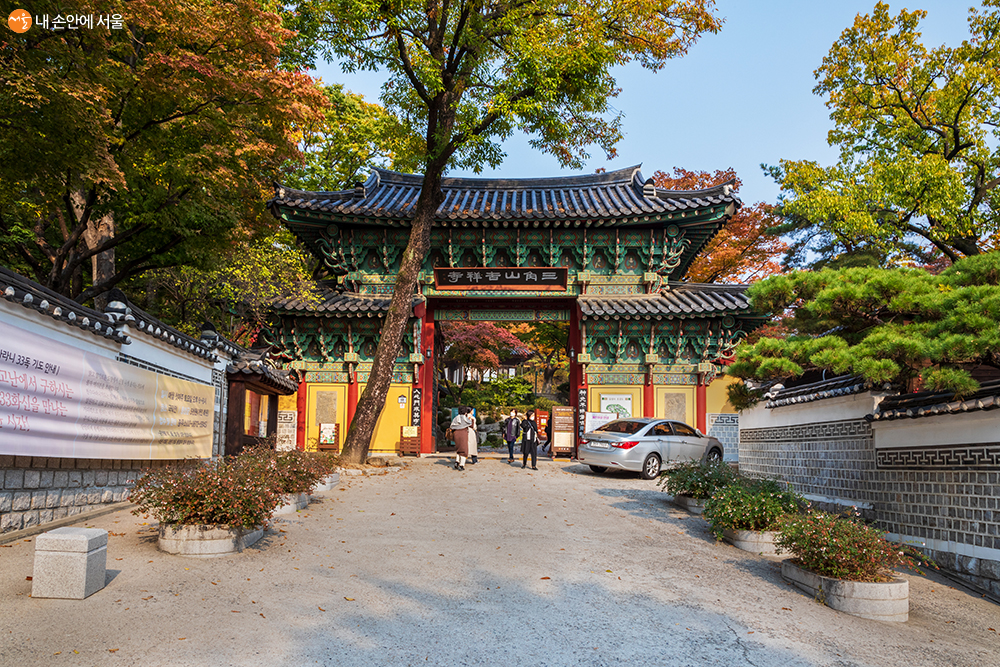
Walking Along the Traces of Daewongak in Seongbuk-dong’s Gilsangsa
 Travel Guide