Summer in Pyeongchang: Hunting the "Sweat Rash Ghost" with a Water Gun
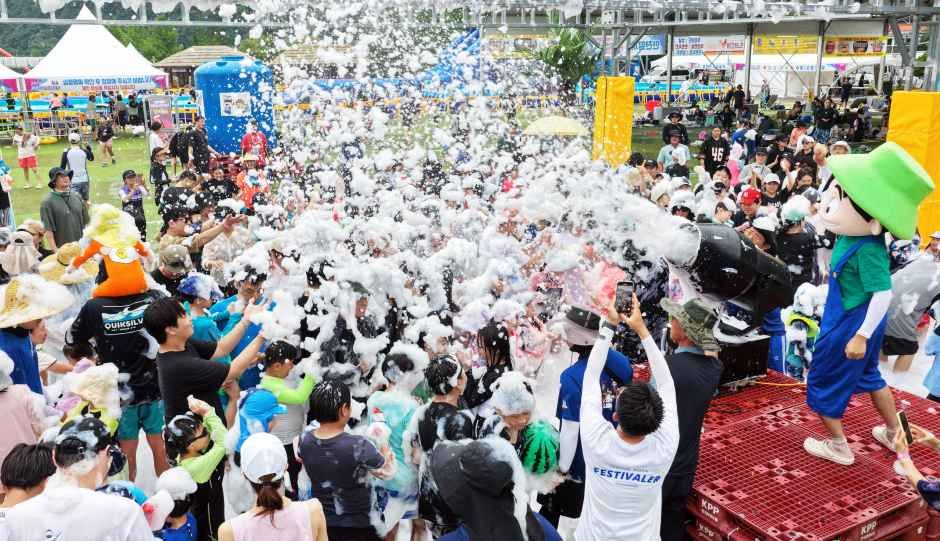
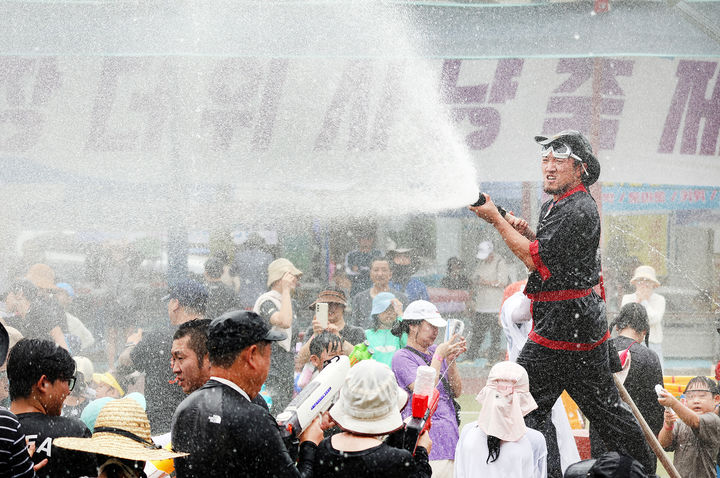
The idea of chasing ghosts with a water gun in the middle of a scorching summer sounded a bit odd at first. But that is exactly the concept of the Pyeongchang Heat-Hunting Festival. Built around a story in which you use water guns and buckets to hunt the "Sweat Rash Ghost" that runs around splashing heat on people, and rescue the "Gwangcheon Spirit" that protects people from the heat, the festival is all about water play. The stage is the area around Tamtte Park in Daehwa-myeon, Pyeongchang-gun, where cold spring water at around 10 C flows year-round, so even in midsummer the water felt icy cool.
When I went in 2025, it ran for eleven days from August 1 to August 10. The festival had originally been held in late July, but starting that year the schedule moved to August, so if you plan to go in the future, it is best to check the exact dates by year on the official page. If urban water festivals like Waterbomb are mostly for adults, this place definitely had a more family-oriented, kid-heavy vibe. Little kids with water guns were running around laughing, and before I knew it, I was an adult splashing water right along with them.
Admission is 5,000 won, and it is free after 5:00 p.m. - timing matters
One thing to know before you go is the admission fee. It used to be free, but starting in 2025 it became a paid event. Admission costs 5,000 won, and the interesting part is that you can enter for free after 5:00 p.m. The main water-play programs run from 9:30 a.m. to 5:00 p.m., so if you want to have fun in the daytime, buying a ticket makes sense. If you only want to enjoy the nighttime water war or the atmosphere, you can also enter for free in the evening. In addition to the regular admission ticket, there are separate passes such as access to the water pool or an admission + water-pool package, so you can choose based on your plans.
Most experiences cost extra. Barehand trout fishing, where everyone is supposed to catch at least one fish, costs 20,000 won, and having your caught trout grilled adds another 10,000 won. The shuttle road train between Tamtte Park and the event site was 5,000 won, the tractor experience including admission to Gwangcheonseolgul Cave was 7,000 won, and the pedal boat was around 3,000 won. If you try a lot of activities on-site, your spending can rise faster than expected, so if you are going as a family, it is a good idea to set a budget in advance. Having a little cash on hand was convenient for the smaller stalls.
A day itinerary for foreign travelers - from arrival to heading home
Honestly, Daehwa-myeon in Pyeongchang is not the easiest place to reach by public transportation. The most practical option is a rental car. If you enter '49-7 Haetteulmaeul-gil, Daehwa-myeon, Pyeongchang-gun, Gangwon Special Self-Governing Province' into the navigation, it will guide you to the event site. If you are using public transportation, you would take the KTX to Jinbu (Odaesan) Station and then move to Daehwa-myeon by taxi or intercity/rural bus, but countryside buses run infrequently, so it is essential to check the timetable in advance through the Pyeongchang-gun bus information system.
Once you arrive, it is hard to expect much in the way of English guidance or interpretation services. That said, the program itself is such an intuitive activity - just grab a water gun and splash water around - that you can still enjoy it just fine by following along even without understanding the language. When the water war starts, water cannons pour jets of water from all directions and bucket water bombs come crashing down overhead. At that point, language is unnecessary. After getting thoroughly soaked, you can fill up on hunger at the tavern village, where there are Gangwon-style foods such as makguksu and corn. If active water play feels like too much, you can soak your feet in the mineral spring foot bath area or rest in the large shaded mat zone.

One useful tip is Gwangcheonseolgul Cave, which is only a three-minute drive from the festival grounds. It is a natural cave that stays at 12 C year-round, so if you go from hot daytime play into the cave, it feels so cool that even the backs of your hands catch the chill. If you are with a child, the secret to getting through the day without getting exhausted is to repeat the cycle of 'run around and play' and 'rest in the cave.' If you want to spend the evening more leisurely, another option is to stay one night at Dream Daehwa Camping Ground and enjoy the ground fountain and nighttime atmosphere. Since the return trip may involve driving on dark rural roads, I recommend leaving before it gets too late if you are in a rental car.
Be ready to get drenched - a change of clothes is essential
This is not a festival for merely watching; it is a festival for getting wet. You do not have to wear a swimsuit to enjoy the water play, but once you enter the water war, your clothes will get soaked, so be sure to bring a change of clothes, a towel, and a waterproof pouch. For children, water-play clothing such as a rash guard is good for maintaining body temperature. The most common accident is a wet phone, so a waterproof case was really useful. During the strong midday sun, it is also good to bring a hat, sunscreen, and aqua shoes.
The busiest time is, unsurprisingly, weekend afternoons. In 2025, it was said that an average of 2,500 to 3,500 people visited each day, so it was crowded with families. If you want to enjoy it more comfortably, I recommend going on a weekday or early in the morning. Popular experiences like trout fishing can sell out quickly, so it is best to plan your route as soon as you arrive. One more thing: because this is a water festival where you get wet anyway, programs usually continue even in the rain, but water activities may be restricted if there is thunder or lightning, so check the weather before you go.
Recommended for these visitors
I confidently recommend this to families who want to soak themselves and blow away the heat, especially those who want to spend a day with children in the cool natural surroundings of Gangwon. If you want to experience Pyeongchang's simple, refreshing summer, with cold spring water, a cave, and makguksu instead of the flashy urban Waterbomb scene, you will definitely be satisfied. A day spent returning to childhood with a water gun in hand stays in your memory longer than you might expect.
| Item | Score | Basis |
|---|---|---|
| Language accessibility | 2.0 | There is almost no English guidance or interpretation, but participation is intuitive because it is a water-play event |
| Transportation accessibility | 2.0 | Daehwa-myeon is inconvenient by public transportation, so a rental car is the realistic option; rural buses are infrequent |
| Facilities for foreign visitors | 2.5 | Dedicated facilities for foreigners are limited, but rest areas such as foot baths, shade tents, and campgrounds are well provided |
| Local cultural experience | 4.0 | Rich in Pyeongchang's signature nature and food experiences, such as cold spring water, Gwangcheonseolgul Cave, trout fishing, and makguksu |
| Value for money | 3.5 | The 5,000 won admission fee and free entry after 5:00 p.m. are reasonable, but separate experience fees can add up |
| Cleanliness / safety | 4.0 | The use of mineral spring water and the family-oriented operation create a relatively pleasant and safe atmosphere |
| Food / amenities | 3.5 | A tavern village serves local foods such as makguksu, corn, and grilled trout |
This article was compiled by our editorial team from official announcements and coverage of previous editions; it is not a first-hand visit report. Please confirm the final schedule and fees on the official website.
Festival Details
-
Festival Period7/24/2026 ~ 8/2/2026
-
Festival Venue49-7 Haedeul Village-gil, Pyeongchang-gun, Gangwon Special Self-Governing Province
-
Admission FeePaid
-
TagsPyeongchang Summer Heat-Chasing Festival Summer Festivals in Gangwon-do Water Play Large Water Cannons Makguksu Ttangti Park in Daehwa-myeon
More Festivals

Popular Concerts
![EXO PLANET #6 - EXhOrizon [dot] -](https://kotourlive-images.s3.ap-northeast-1.amazonaws.com/concerts/1787215796640_ee65f451_thumbnail.jpg)

More Travel Guides in This Area
 Travel Guide
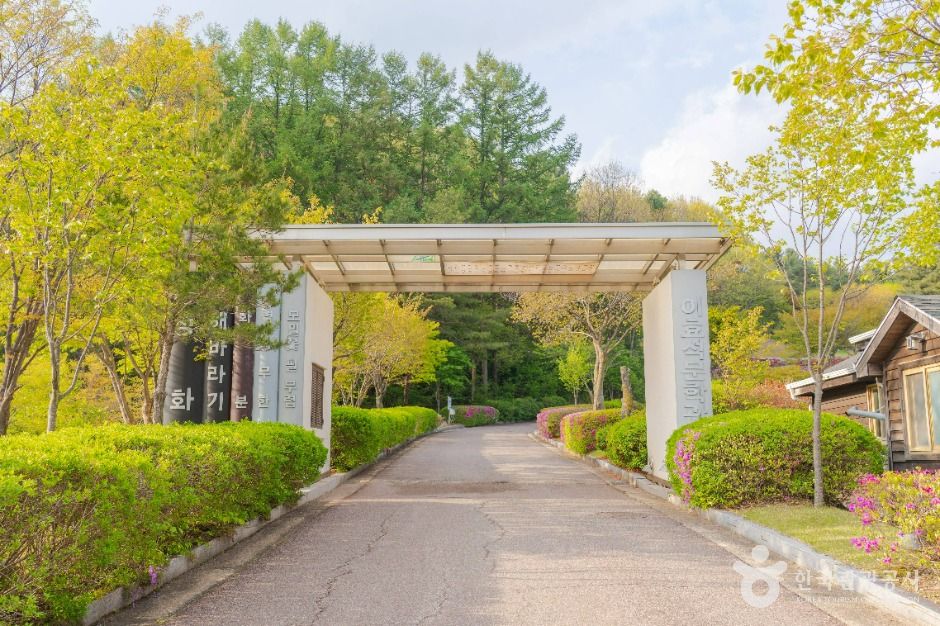
Between Bongpyeong Market and the Handwritten Manuscript: Reading "When the Buckwheat Flowers Bloom" at the Lee Hyo-seok Literature Museum
 Travel Guide
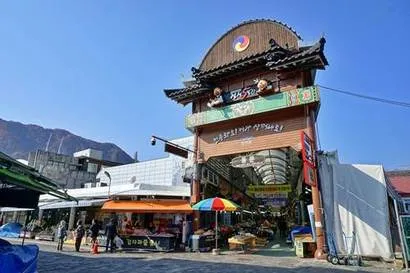
A Guide to Jeongseon Arirang Market on the 2nd and 7th, Walking to the Rhythm of the 1966 Market
 Travel Guide
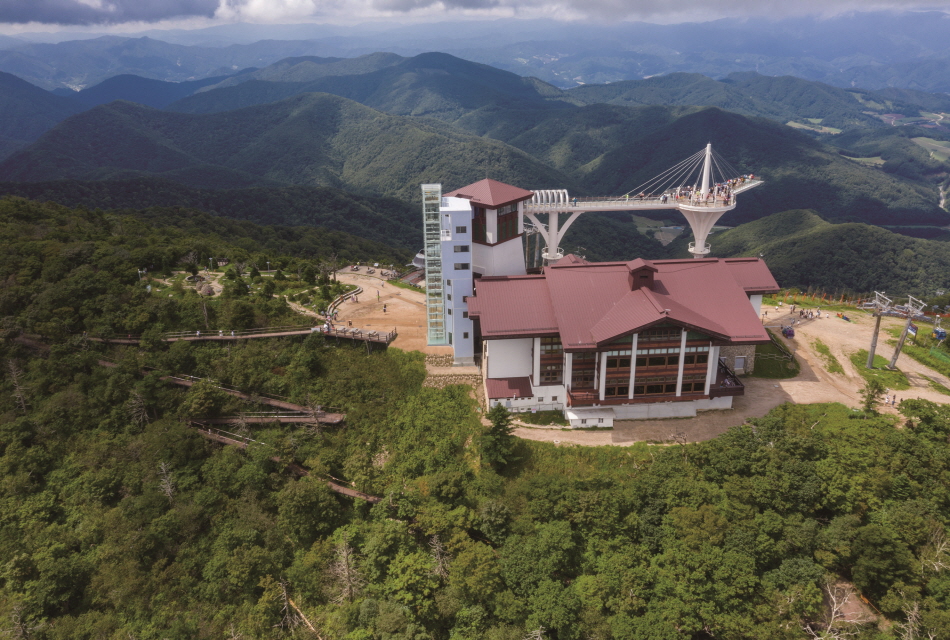
18 Minutes from Dragon Plaza to the 1,458-Meter Summit of Balwangsan
 Travel Guide