Mosi, woven over 1,500 years, and a June trip to its birthplace
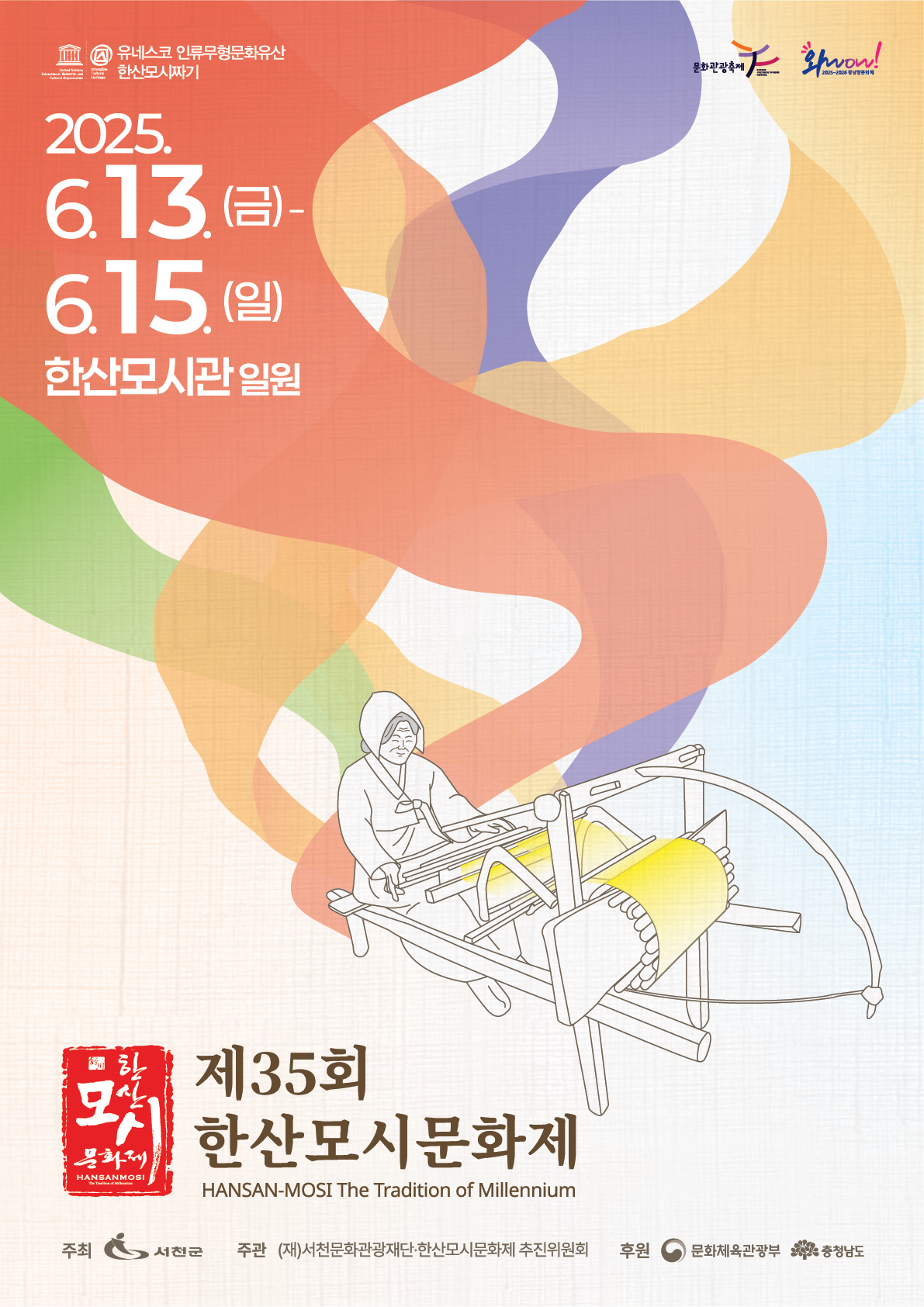
The first time I touched mosi fabric with my hands was in the courtyard of the Hansan Mosi Museum. It was sheer like dragonfly wings, yet crisp, and the kind of fabric that dries sweat almost instantly in the height of summer. The Hansan Mosi Culture Festival is a festival centered on this very fabric. It is held every June around the Hansan Mosi Museum in Hansan-myeon, Seocheon-gun, Chungcheongnam-do, to promote the history and value of "Hansan mosi weaving," listed as a UNESCO Intangible Cultural Heritage of Humanity. The 35th edition in 2025 ran for three days from June 13 to 15 under the theme "Weaving Time, Crafting History," and preparations for the 36th edition in 2026 were already well underway. Mosi is produced only in parts of Chungcheong-do and Jeolla-do, and I learned here that the mosi from the Seocheon Hansan-myeon area, once called Jeosan-paleup, is the most famous. Even Lee Jung-hwan's Taengniji mentions Hansan mosi, so you can imagine how long the history is woven into a single bolt of cloth.
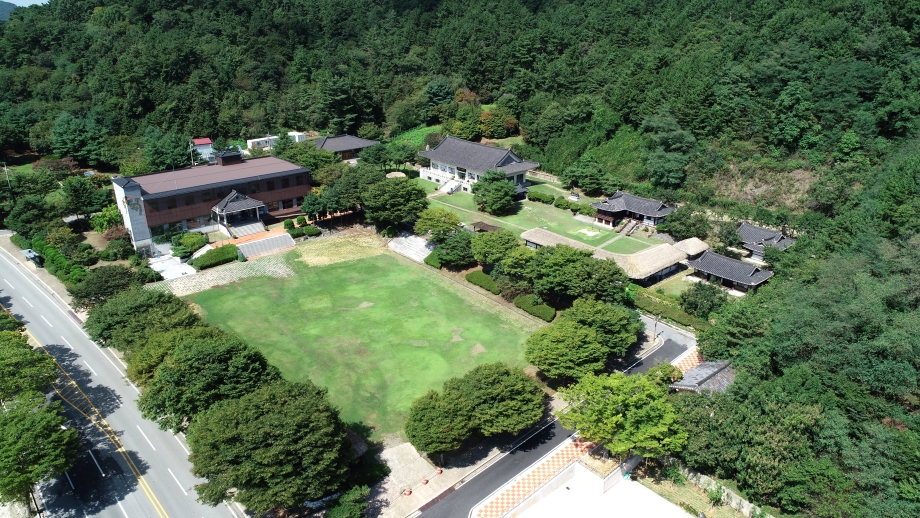
If I had to describe the mood of this festival in one word, it would be "slow." It is not the kind of festival that explodes with fireworks, but rather a time to quietly watch elders sit in front of a loom and connect each thread of mosi one by one. When you enter the Hansan Mosi Museum, the main house with its L-shaped layout appears first, and there you can watch a demonstration of Hansan mosi weaving, designated as an Important Intangible Cultural Property of Korea. The entire process, from mosi plants to thread, looms, and finished clothing, is on display, making it a good place to wander through at an unhurried pace.
A foreign traveler's day: from Seoul to the Hansan Mosi Museum
Honestly, transportation is the biggest hurdle for this festival. Hansan-myeon is not a neighborhood reached by KTX or subway, so I strongly recommend planning your route in advance. I left Seoul, took the Janghang Line train to Seocheon, and then transferred to a rural bus bound for Hansan. Buses such as Boryeong Passengers 314 and 314-1 run to Hansan, but the intervals are not as frequent as in a city. It helps to capture the Hansan-bound bus timetable in advance from Seocheon-gun's public transportation information site (seocheonbus.com). If you have a car or a rental, it is much easier, and during the festival period temporary parking areas and shuttles are usually operated, so just follow the on-site guidance.
There is no separate admission fee. The entire museum area is open, so you can enter without buying a ticket or making a reservation in advance. However, hands-on programs such as mini-loom weaving or one-day mosi classes often close early because the number of on-site registrants is limited. If there is an activity you really want to try, it's best to arrive early in the morning and sign up first. For the food and local-specialty booths, it is more comfortable to bring cash, since some of the rural market-style stalls may not accept cards. Restrooms and shaded rest areas are inside the museum, so there was enough shelter from the midday heat.
If you plan to stay until evening, set your return route in advance. Hansan-myeon buses stop running late at night, so if you want to stay for the late performances, it is safer to book accommodation in Seocheon or Gunsan and save a taxi number in advance. This is not a festival with abundant English-language guidance. Still, there are many programs you can "watch"—such as weaving demonstrations, thread-spinning folk plays, and fashion shows—so even without speaking the language, it was easy to enjoy visually. As long as you install a translation app, you should be fine when ordering at booths or applying for activities.
Jeosan-paleup thread-spinning folk play and the mosi clothing fashion show: scenes I saw firsthand
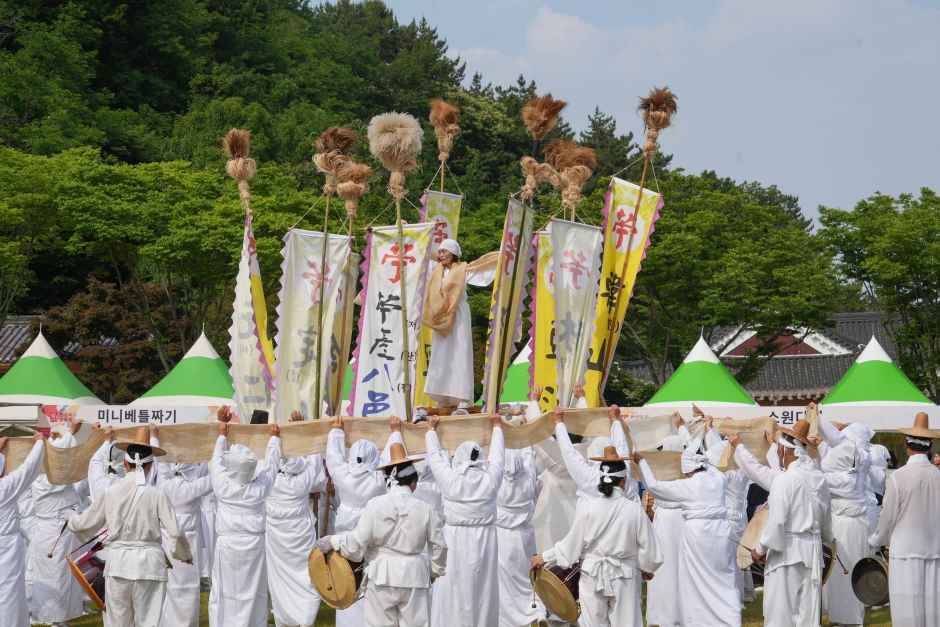
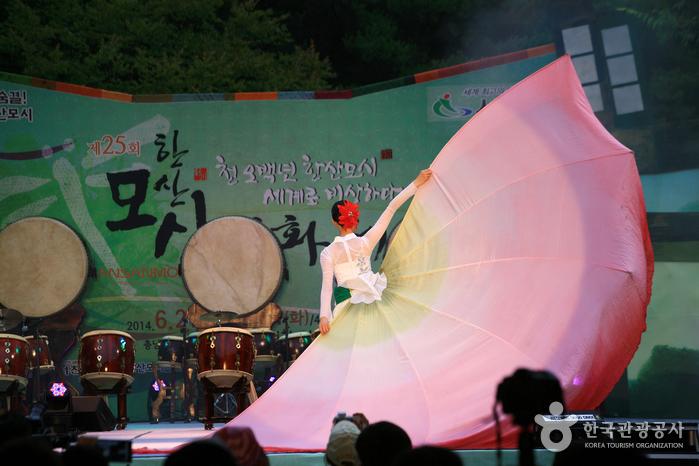
The festival's signature program is unquestionably the Jeosan-paleup thread-spinning folk play. It recreates the communal scenes of women from the old Hansan area gathering to spin mosi, and watching their hands join the threads in rhythm with the song makes it feel as if time is moving backward. Another must-see is the Hansan mosi fashion show. The world-renowned natural fiber of Hansan mosi is brought to the stage in collaboration with designers, and when the translucent mosi garments catch the lights, they look truly beautiful. Added to that is a resident-model fashion show, where local Seocheon residents take the stage themselves to share memories tied to mosi clothing and even show off their hidden talents, giving the whole event the warmth of a neighborhood celebration.
What makes this festival special is that it is a "festival made directly by residents." From planning to setting up the venue, local residents participate, so it felt less like a stage built for tourists and more like being invited as a guest to a gathering the neighborhood was enjoying together. Trying on mosi clothing and joining the stamp tour to check out the various parts of the museum were also great fun. When the sun sets, the night landscape lighting turns on and the wind music concert begins, letting you experience a different atmosphere from daytime.

Things to know before you go to avoid a wasted trip
First, check the schedule. The Hansan Mosi Culture Festival is held for three days around the second week of June every year, but the dates vary slightly from year to year. In 2025, it was held from June 13 to 15, and for the exact dates and detailed program of the 36th edition in 2026, be sure to check the official website again before leaving. June in Seocheon can bring fairly strong midday sunshine. Bring a hat, water, and a parasol, and since you will be walking quite a bit between the museum courtyard and the exhibition buildings, sneakers are comfortable.
The food and local-specialty booths are updated every year, so instead of expecting a specific menu in advance, it is better to enjoy browsing on site. As long as you bring some cash and remember that the hands-on programs are first-come, first-served, there is not much to be flustered about. For reference, this festival attracts around 130,000 visitors a year, and a large share come from outside the region, making it a truly nationwide event. It felt much more relaxed on Friday or early in the morning than during the crowded weekend midday hours.
Recommended for people like this
This festival is perfect for anyone who prefers the craftsmanship of tradition and the slow passage of time over flashy spectacle, or for anyone who wants to experience Korea's intangible heritage as if touching it with their eyes. If you spend a long time watching the hands of an elder sitting at the loom, you will come away understanding in your body why a single bolt of mosi is so precious. Even though the trip to Seocheon is a little far, that slowness will remain as a gift from the journey.
| Item | Score | Basis |
|---|---|---|
| Language accessibility | 2.5 | There is not much English guidance or interpretation, but there are many "watchable" programs such as demonstrations and performances, so viewing is not a problem |
| Transportation accessibility | 2.0 | There is no subway or KTX station, and you need to transfer via the Janghang Line and a rural bus; buses are infrequent and you should be careful with late-night return routes |
| Facilities for foreign visitors | 3.0 | Restrooms and shaded rest areas are available, but information on foreigner-only services is limited |
| Local cultural experience | 4.5 | High density of experiences, including UNESCO Intangible Heritage mosi weaving demonstrations, Jeosan-paleup thread-spinning folk play, and trying on mosi clothing |
| Value for money | 4.0 | Free admission, and many programs can be watched and experienced without financial burden |
| Cleanliness/Safety | 4.0 | It is evaluated as having a safety management system through cooperation with organizations such as the police and fire department |
| Food/Facilities | 3.0 | Local-specialty and food booths are operated, but the menu is updated every year; bringing cash is recommended |
This article was compiled by our editorial team from official announcements and coverage of previous editions; it is not a first-hand visit report. Please confirm the final schedule and fees on the official website.
Festival Details
-
Festival Period6/12/2026 ~ 6/14/2026
-
Festival VenueHansan Mosi Hall, 1089 Chunjeol-ro, Hansan-myeon, Seocheon-gun, Chungcheongnam-do
-
Admission FeeFree
-
TagsHansan Mosi Culture Festival UNESCO Intangible Cultural Heritage Mosi Threading Experience Jeosangpaleup-gilssam play Mosi Clothing Fashion Show Night Landscape Lighting
More Festivals
Popular Concerts
![EXO PLANET #6 - EXhOrizon [dot] -](https://kotourlive-images.s3.ap-northeast-1.amazonaws.com/concerts/1787215796640_ee65f451_thumbnail.jpg)

More Travel Guides in This Area
 Travel Guide
4,000 Touches of Craft at the Foot of Geonji Mountain: Hansan Mosi Museum
 Travel Guide
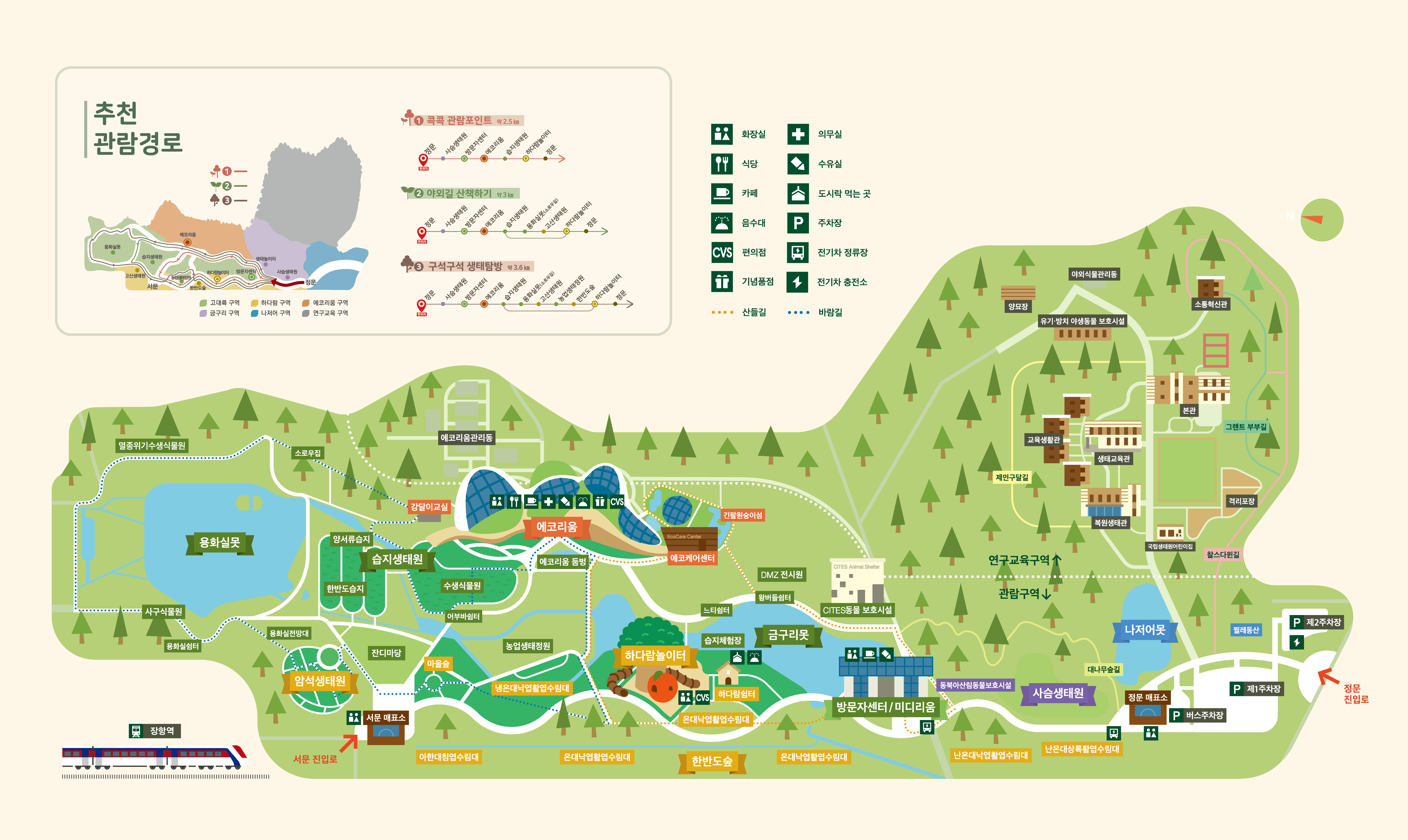
The Best Order for Actually Seeing Seocheon National Institute of Ecology’s Ecoplex and Five Climate Zones
 Travel Guide
Janghang Skywalk and Gibeolpo Naval Battle Observatory at the End of a 15 m Coastal Pine Forest Trail
 Travel Guide