Walking the Waterways of Buyeo Gungnamji, Dating Back to the 35th Year of King Mu
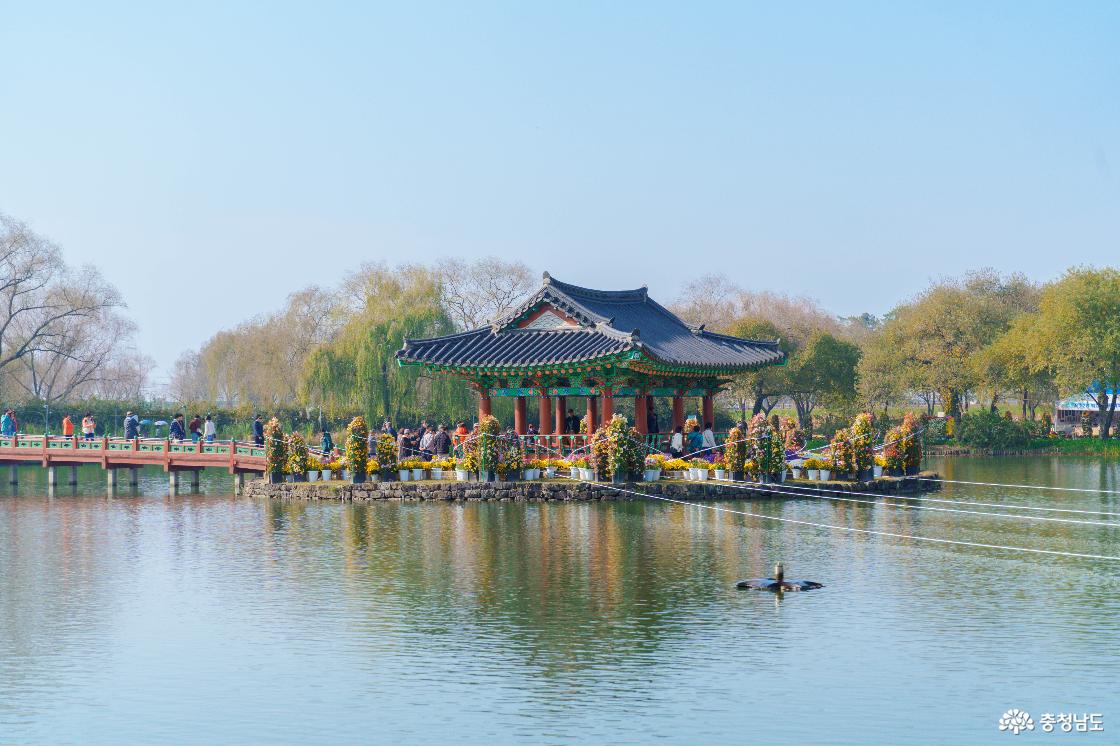
Buyeo Gungnamji is a palace garden pond designated Historic Site No. 135, with records of its construction in 634, the 35th year of Baekje King Mu. Beyond the lotus season, visitors can follow the layout of Poryongjeong Pavilion, the willow trees, and the restored pond to discover Baekje landscaping techniques and the scenery of Sabi, its capital.

I’ve been here?
Your check-in helps the next traveler.
No one has checked in yet Be the first
One tap — no writing needed
The Name Gungnamji: A Pond Dug by King Mu in 634 South of the Royal Palace
Gungnamji is Buyeo Gungnamji Historic Site No. 135. Its area registered on the National Heritage Portal is 210,881㎡, and it was designated as a historic site on June 10, 1964. Its location is 117 Dongnam-ri, Buyeo-eup, Buyeo-gun, Chungcheongnam-do, while the road-name address used by visitors is 52 Gungnam-ro, Buyeo-eup, Buyeo-gun, Chungcheongnam-do.
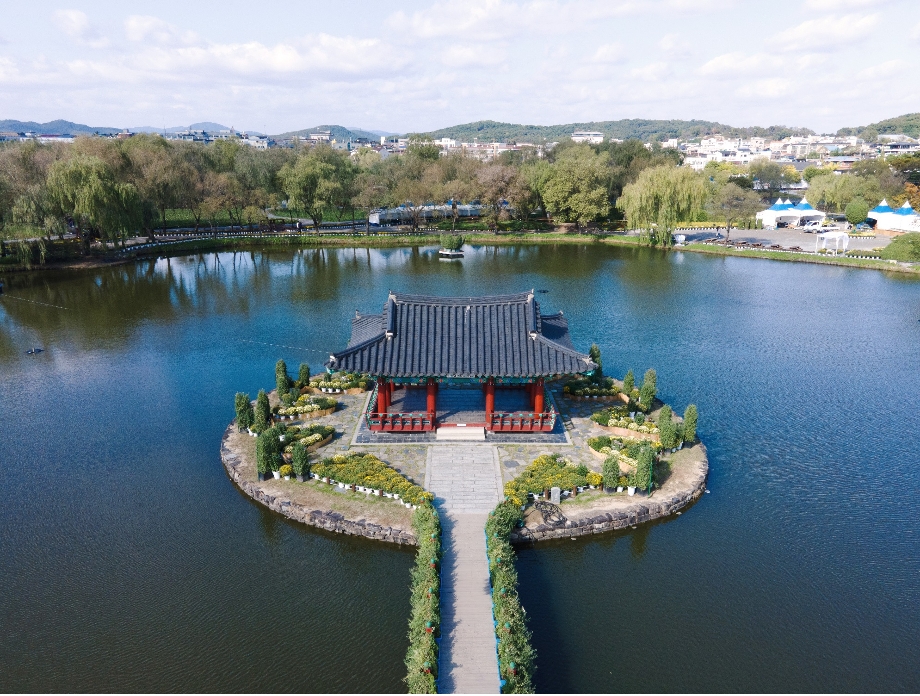
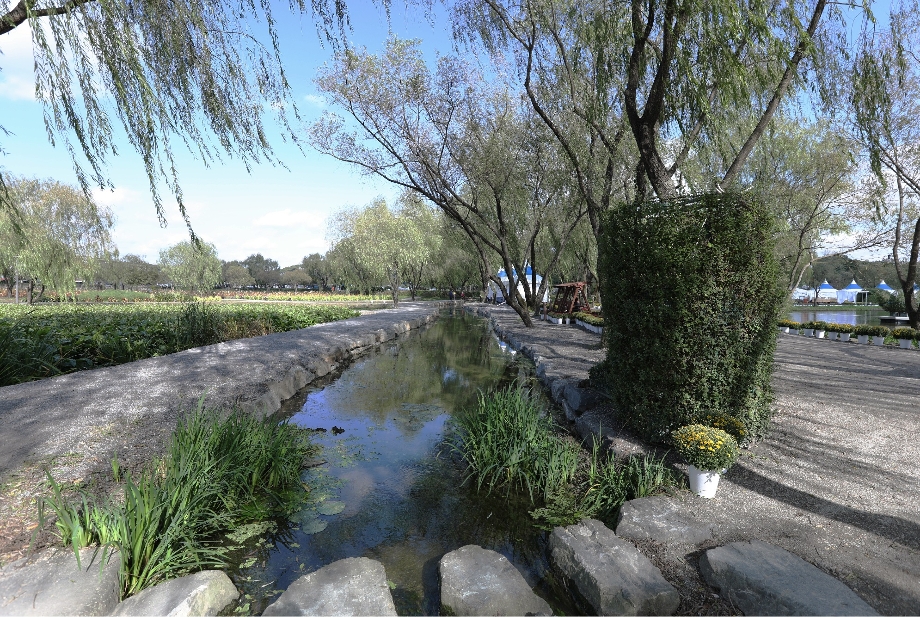
The Samguk Sagi records that in 634, the 35th year of Baekje King Mu’s reign, a pond was dug south of the royal palace, water was drawn from more than 20 ri away, willow trees were planted around it, and an island modeled after Bangjangseonsan was created in the middle of the pond. The name “Gungnamji” comes from the “pond south of the royal palace” mentioned in this record. The island at the center of the pond was not simply a landscape feature but part of a Baekje royal garden designed to embody the world of immortals.
The pond visible today was restored from 1965 to 1967, and guidance from Buyeo-gun explains that it is approximately one-third the size of the original natural wetland. Baekje platform stones, foundation stones, roof tiles, and pottery fragments were excavated from the eastern hill, supporting the possibility that a detached palace or secondary palace once stood in this area.
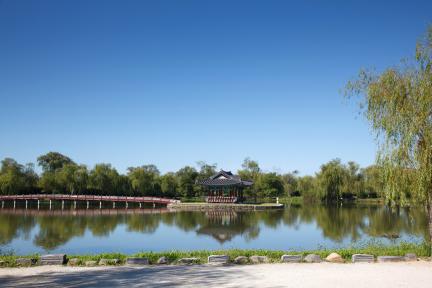
Between Poryongjeong Pavilion and Lotus Leaves: A Route Through the Restored Pond in 45–60 Minutes
Gungnamji is not a historic site requiring an admission ticket but an outdoor space that is open year-round. Admission is free, there are no regular closing days, and the Buyeo-gun Cultural Heritage Office can be reached at 041-830-2626, while the Chungnam Tourist Information Center can be reached at 041-830-2880. Official tourism information is provided on the Buyeo-gun Culture and Tourism website.
For a first visit, it is easiest to enter from the East Gate Parking Lot, follow the walking path along the edge of the water toward Poryongjeong Pavilion, and then observe the arrangement of the central island and willow trees. Taking photographs alone takes around 30 minutes, but it is better to allow 45–60 minutes if you plan to read the information boards and walk slowly around the pond.
The Gungnamji Travel Lounge is located inside the East Gate Parking Lot and is listed as operating from 10:00 to 17:00 in summer and from 10:00 to 16:00 in winter. These are the operating hours of the information center, not the opening hours of the pond itself, so visitors arriving late should distinguish between access to interpretation services and access to general tourism information.
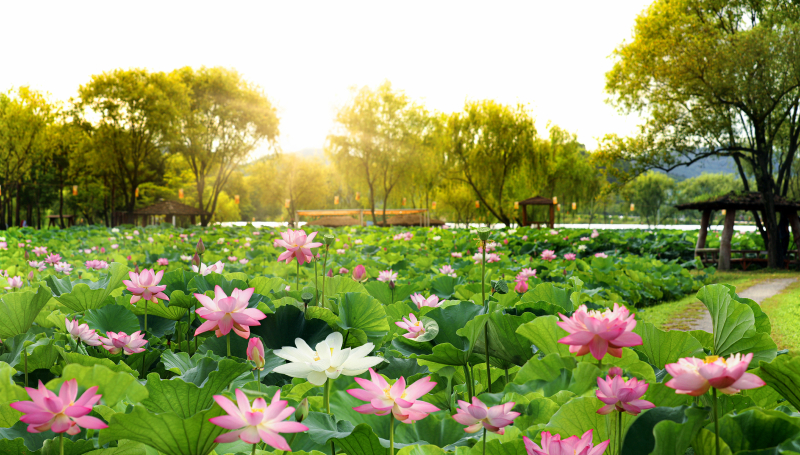
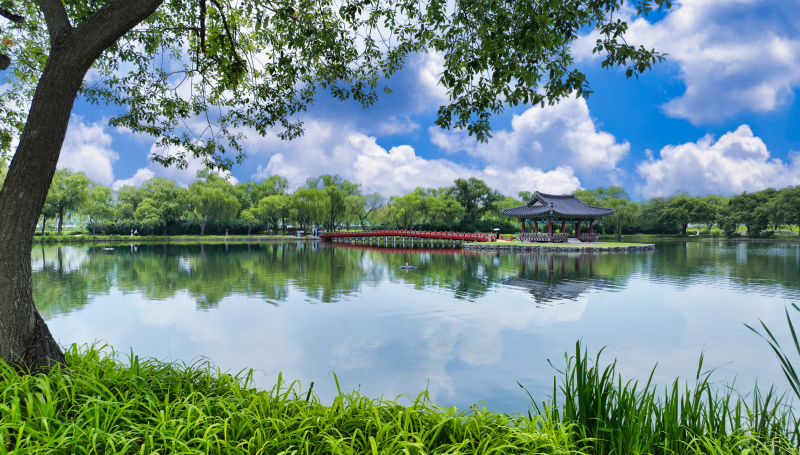
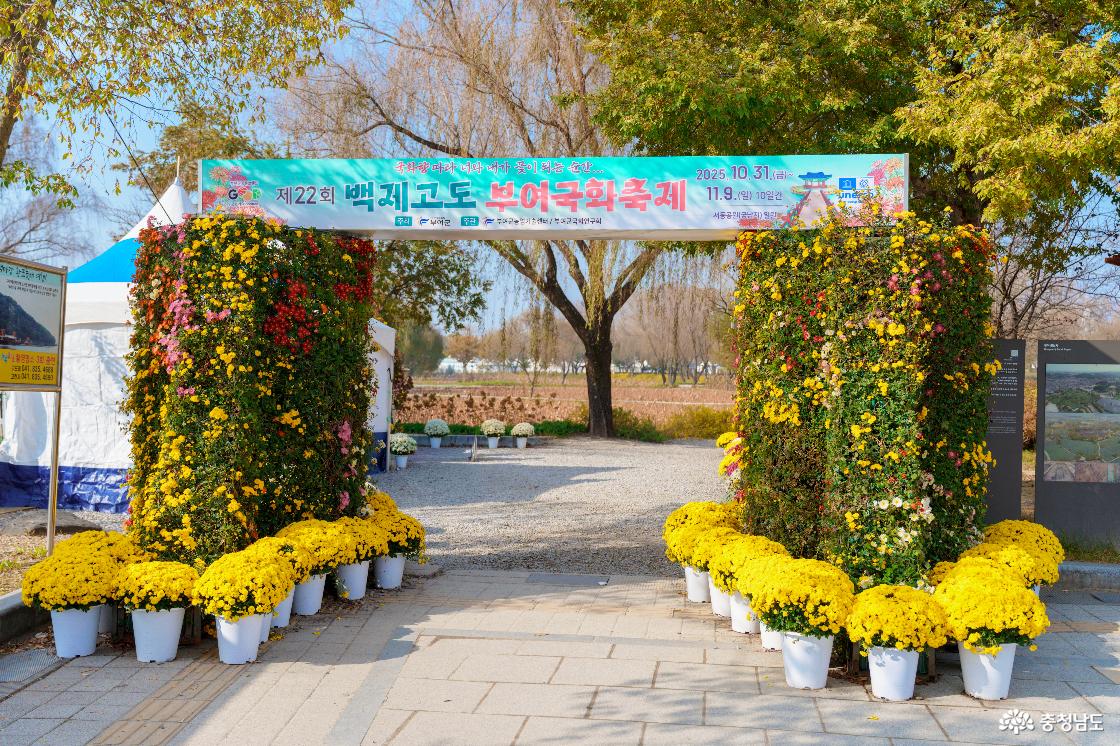
Lotus Flowers in July and Chrysanthemums in October–November: The Two Busiest Seasons at the Same Pond
Gungnamji has a distinct seasonal character. Buyeo-gun identifies the Seodong Lotus Festival in July and the chrysanthemum exhibition from October to November as its main seasonal events. The 24th Buyeo Seodong Lotus Festival in 2026 was held from July 3 to July 5 at Seodong Park’s Gungnamji and throughout Buyeo’s old downtown area, so festival dates may vary each year and should be checked separately before your next visit.
For a lotus-focused visit, June through August, especially around July, is the best period. Conversely, visitors expecting only densely flower-filled scenery may find the atmosphere quite different outside the blooming season. A recent Chungnam Tourism review described Gungnamji during the non-festival period as a quiet, simple walking area, noting that the seasonal difference may disappoint visitors expecting a dazzling flower destination.
During festivals, evening performances, fireworks, and temporary traffic controls may operate together. The 2026 festival announced performances on the waterside stage and fireworks every night, so visitors who want to appreciate the pond’s structure in peace may find it more practical to visit early in the day during the festival or on a weekday morning just before or after the festival.
Take Bus 701 from Buyeo Intercity Bus Terminal and Begin at the East Gate Parking Lot
For public transportation, it is most practical to plan around Buyeo Intercity Bus Terminal. The Korea Tourism Organization’s Accessible Tourism course guide recommends taking Bus 701 from the terminal bus stop to Gungnamji. Bus intervals and bus-stop locations may change, so check Buyeo-gun transportation information on the day of your visit. If you have a lot of luggage or limited time, taking a taxi from the terminal is simpler.
For drivers, set 52 Gungnam-ro or “Gungnamji East Gate Parking Lot” as the destination. The Travel Lounge is located at the East Gate Parking Lot, and Buyeo-gun provides information about designated accessible parking spaces. However, temporary parking lots, shuttles, and one-way traffic may be introduced during the lotus festival and chrysanthemum exhibition, so normal parking conditions should not be assumed on festival days.
Buyeo-gun’s official Accessible Tourism information lists a step-free entrance with a ramp, an accessible restroom, designated accessible parking spaces, and wheelchair rentals at the Cultural Tourism Interpreter’s House. No stroller rental or nursing room is available, and the guide states that services for visitors with visual impairments, such as tactile paving, and services for visitors with hearing impairments, such as audio guidance, are also unavailable.
A Half-Day Exploring Sabi Baekje, Continuing to Jeongnimsa Temple Site and Buyeo National Museum
To expand your understanding of Baekje during its Sabi period, it is a good idea to visit the Jeongnimsa Temple Site and Buyeo National Museum on the same day as Gungnamji. Jeongnimsa Temple Site is also located in Dongnam-ri, Buyeo-eup. It was designated as a historic site on March 26, 1983, and its area registered on the National Heritage Portal is 61,449㎡. Visiting Gungnamji’s royal garden and the temple remains at Jeongnimsa in succession allows you to compare the everyday and religious spaces of the Sabi capital from 538 to 660.
Buyeo National Museum is located at 5 Geumseong-ro, Buyeo-eup. The contact numbers listed by Buyeo-gun are 041-833-8562 for the Planning and Operations Division and 041-833-8563 for the Curatorial Research Office. The museum is described as a specialized Baekje museum that has played a central role in research and preservation of Baekje culture from the Sabi period, making it a good place to complement the landscape design and royal spaces seen at Gungnamji with artifacts.
Rather than visiting several historic sites consecutively on foot, it is better to allocate about one hour to Gungnamji and plan separate visits to Jeongnimsa Temple Site and the museum according to their viewing times. Some sections have limited shade in summer, so bring water, a hat, and sun-protection items. Stay on the walking paths and do not enter the pond or damage the lotus flowers.
Free and Open Year-Round, but Best Suited to Travelers Interested in Baekje Landscape History More Than Flowers
Gungnamji is easy to include in an itinerary around Buyeo’s old downtown area because it offers free admission, year-round access, and unrestricted opening. The official address is 52 Gungnam-ro, and the main contact numbers are 041-830-2626 and 041-830-2880. However, as this is primarily an outdoor pond and walking-path destination, travelers seeking extended indoor exhibitions or hands-on programs may be better off adding Buyeo National Museum or Baekje Cultural Land to their itinerary.
The essence of this place lies not in a single lotus scene but in the record from 634, the method used to bring in water, and the concept of a royal garden arranged with willows and an island. If you walk through the 210,881㎡ historic-site area knowing that the present pond was restored from 1965 to 1967, Poryongjeong Pavilion and the water can be understood not as a simple park but as a place where the landscape heritage of Sabi Baekje has been revived as a public space for today.
As of August 5, 2026, the official video search tool could not return results because the daily search quota had been exceeded. Therefore, no separately verified related video URL has been included.
Before You Go
- Address
- 52 Gungnam-ro, Buyeo-eup, Buyeo-gun, Chungcheongnam-do
- Hours
- Open year-round
- Closed
- Open every day of the year
- Admission
- Free
- Phone
- Buyeo-gun Cultural Heritage Office 041-830-2626 / Chungnam Tourist Information Center 041-830-2880
- Official site
- https://www.buyeo.go.kr/html/tour/opentour/useful/useinfo.html
- Transport
- Take Bus 701 from the Buyeo Intercity Bus Terminal bus stop
- Parking
- The East Gate Parking Lot and nearby public parking lots are available. Temporary parking, shuttle services, and traffic controls may vary during festivals
- Time needed
- 45–60 minutes
- Accessibility
- Step-free entrance with a ramp, designated accessible parking spaces, and an accessible restroom. Wheelchair rental is available at the Cultural Tourism Interpreter’s House. No stroller rental, nursing room, tactile paving, or audio guidance
The information above is current as of the time of writing. Check the official information again before visiting.

Places
Nearby Attractions 5
-
 1
1
-
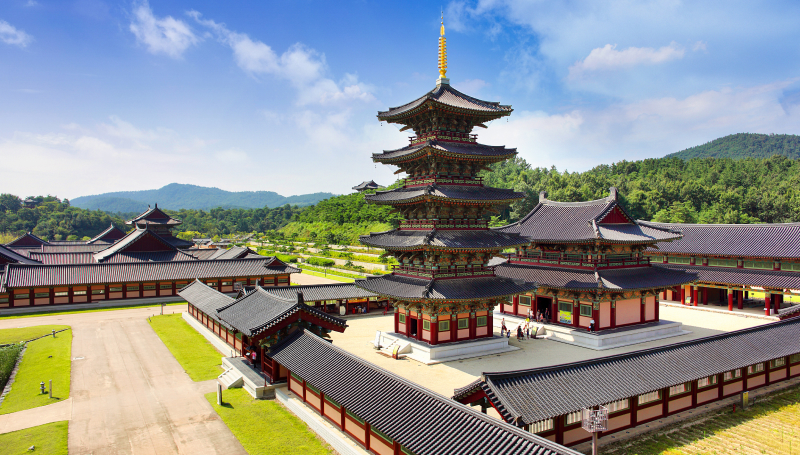 2
2
-
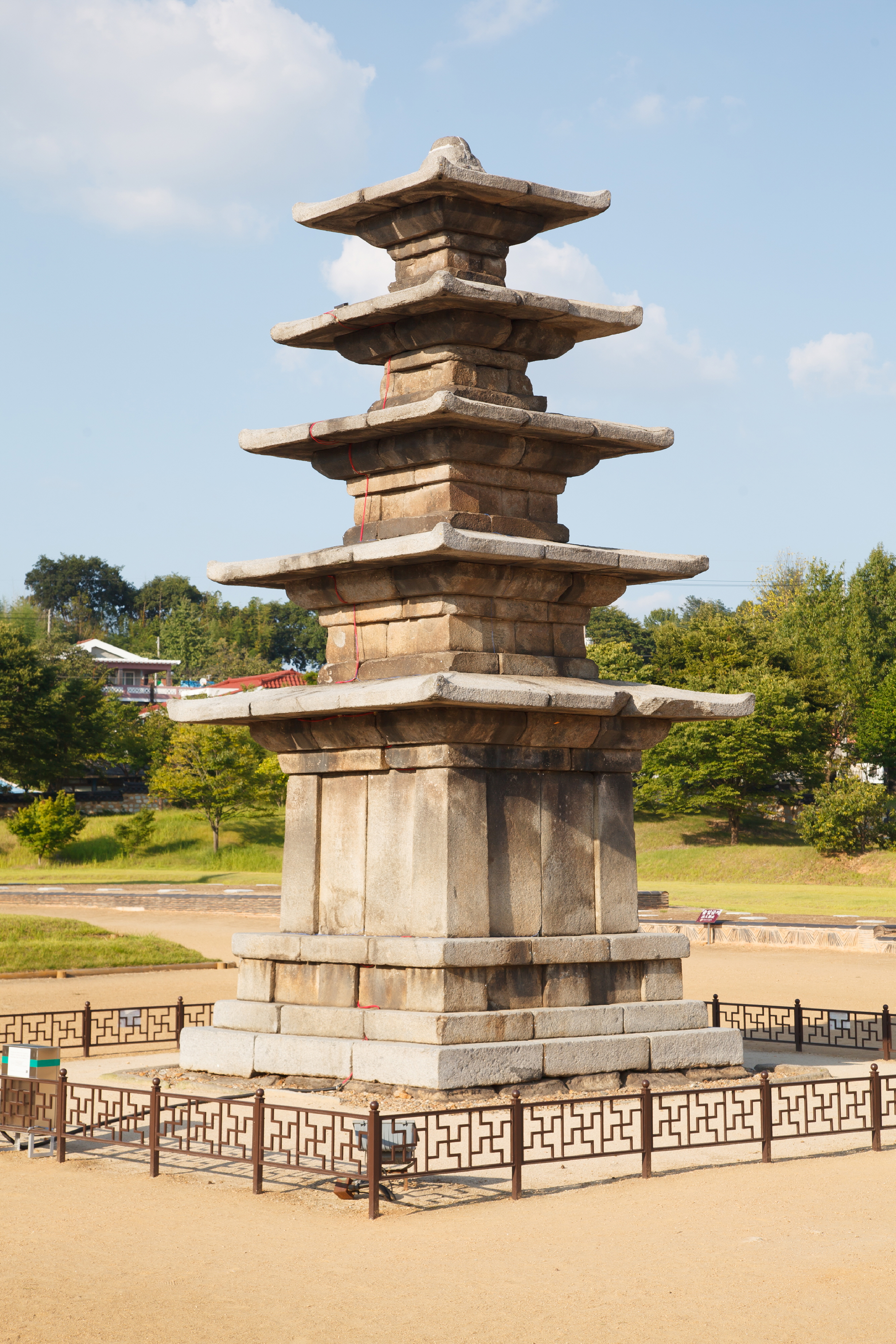 3
3
-
4
-
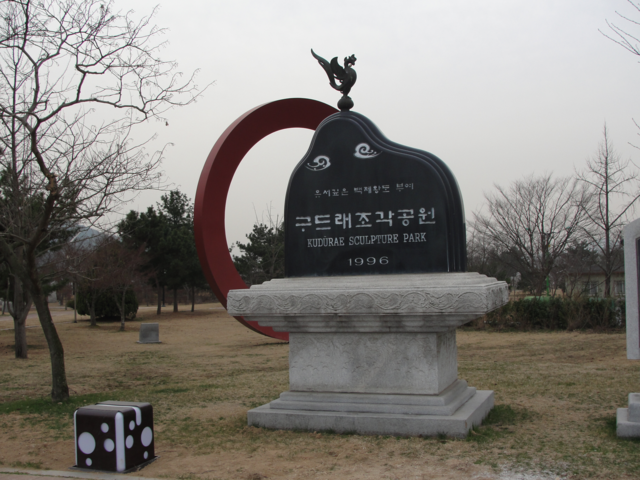 5
5
Food & Dining 5
-
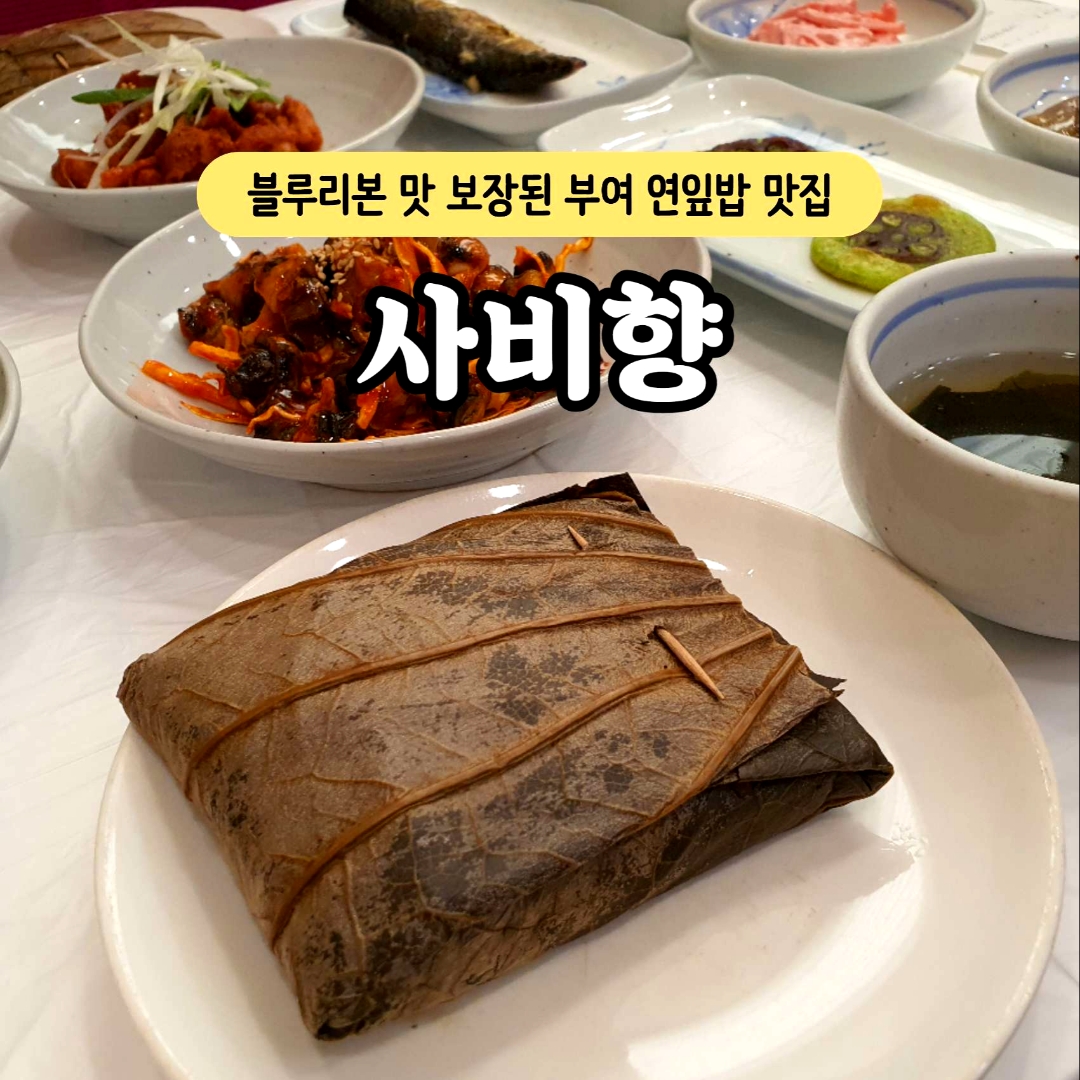 6
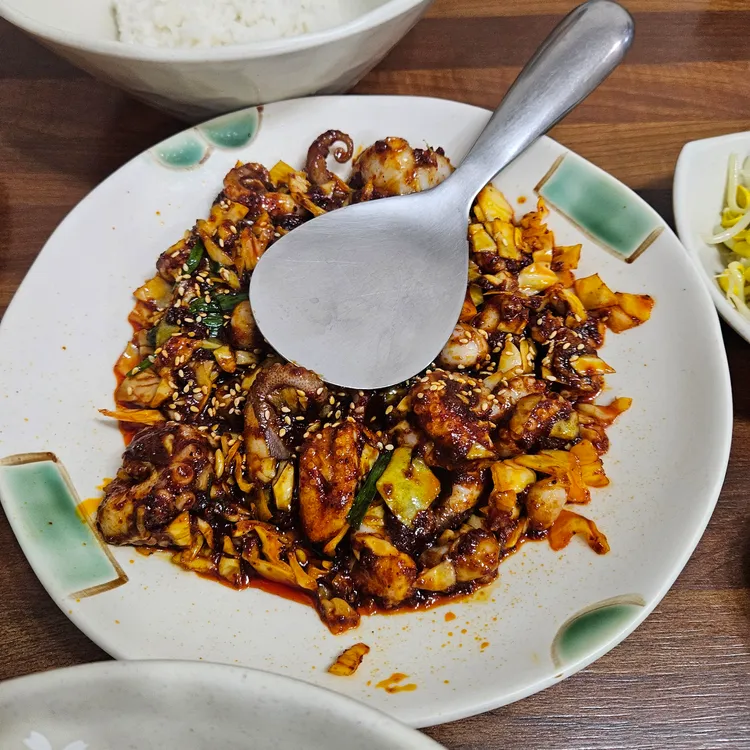
Sabihyang
6
Sabihyang -
 7
7
-
 8
8
-
 9
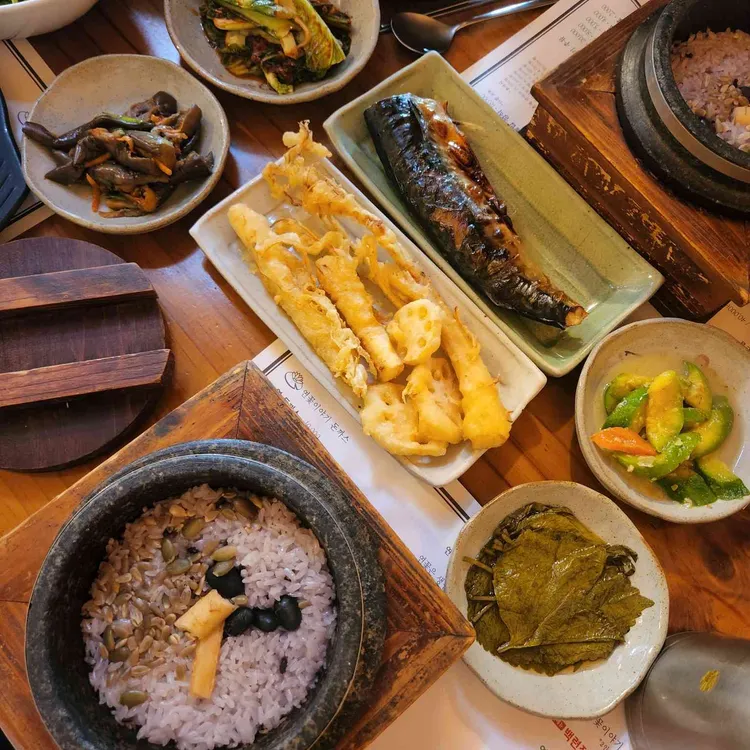
Yeonkkot Story
9
Yeonkkot Story -
 10
10
Events in This Area

Festivals in This Area

More Travel Guides in This Area
 Travel Guide
Reading Sabi Palace, Neungsa Temple, and Wiryeseong in a Day at Buyeo Baekje Cultural Land
 Travel Guide
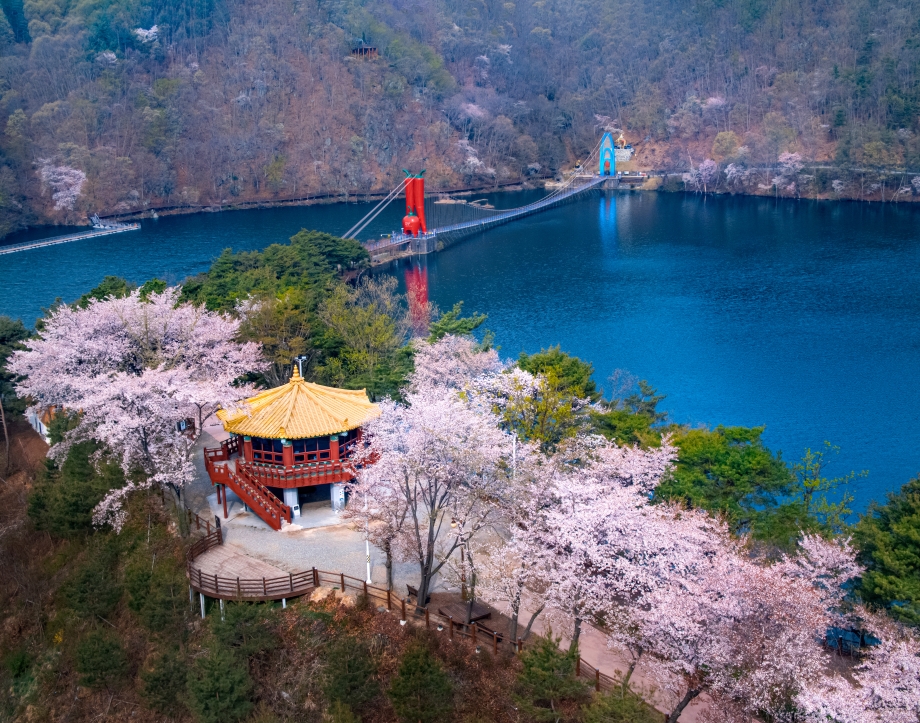
How to Cross the 207 m Cheonjang Lake Suspension Bridge from Cheongyang City Bus Terminal
 Travel Guide
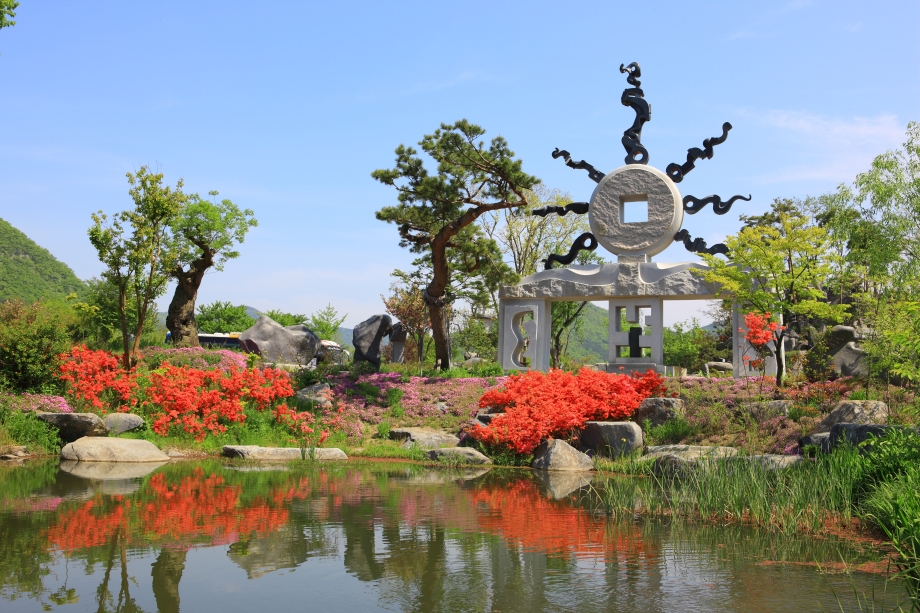
A Day Among Black Stone, Ponds, and Poetry Monuments Across 18 ha in the Southern Valley of Seongjusan Mountain
 Travel Guide
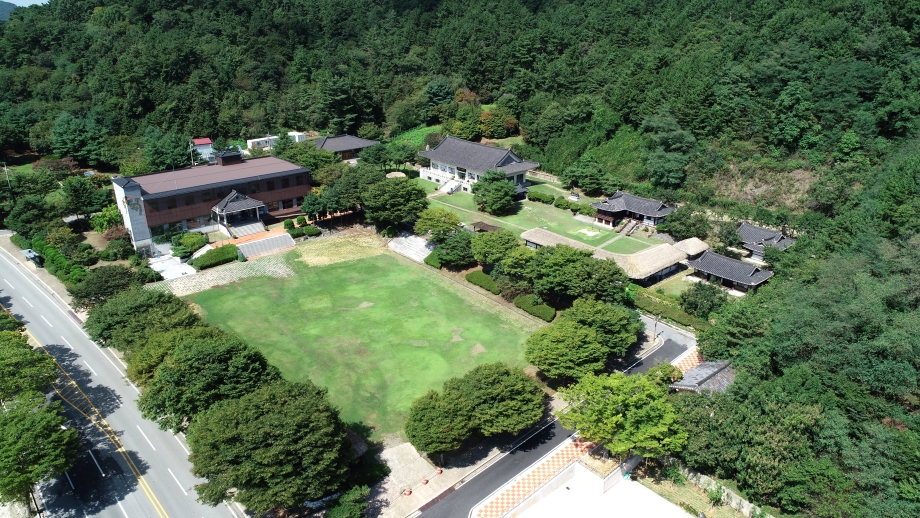
4,000 Touches of Craft at the Foot of Geonji Mountain: Hansan Mosi Museum
Korea News
 News
News
"Overcoming the Getty curse" Jang Wonyoung, with unreal proportions and beauty straight out of a Barbie doll
 News
News
A2O LITE Tops Melon TOP100 Just 29 Hours After Debut, Setting the Fastest Record for a Debut Song
![Billlie's Tsuki 'Makes an Entrance Showing Off Her Beautiful Figure' [MK Photo]](https://kotourlive-images.s3.ap-northeast-1.amazonaws.com/news/1792027947835_957f0cb8_news_5c0023c5-e9a0-4640-9154-cb0b69d810c4.jpg) News
News
Billlie's Tsuki 'Makes an Entrance Showing Off Her Beautiful Figure' [MK Photo]
![ENHYPEN ‘Fighting for the Macau performance too!’ [★Video]](https://kotourlive-images.s3.ap-northeast-1.amazonaws.com/news/1792027887815_5057637d_news_8041e5cd-8b22-4193-bb46-880c65d944f7.jpg) News
News