Sancheong Namsa Yedam Village, Embraced by Nigu Mountain and the Sasucheon River in a Crescent Shape
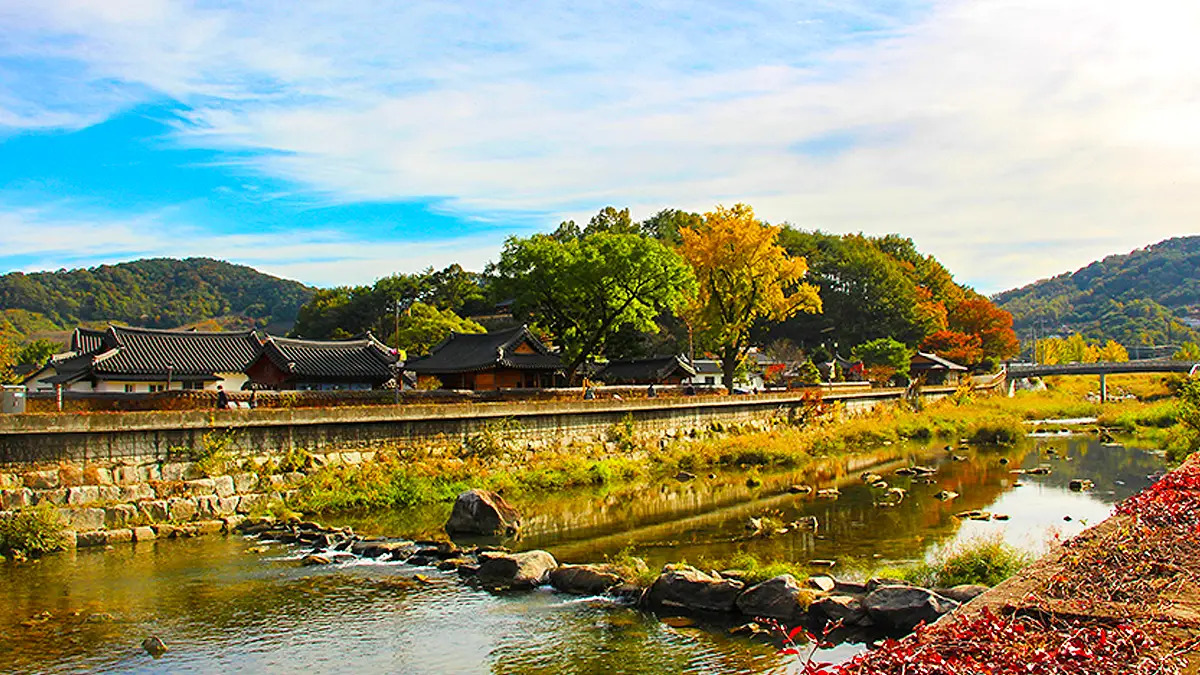
Sancheong Namsa Yedam Village is a traditional hanok village nestled in terrain embraced in a crescent shape by Nigu Mountain and the Sasucheon River. In 2011, it was designated Korea’s first “Most Beautiful Village.” Among the historic homes where more than 100 households still live are a road lined with earthen-and-stone walls designated as National Registered Cultural Heritage, national treasure-level cultural assets, and a 700-year-old Japanese pagoda tree. Walking through the village reveals traces of the seonbi culture that flourished at the foot of Jirisan Mountain.

I’ve been here?
Your check-in helps the next traveler.
No one has checked in yet Be the first
One tap — no writing needed
The Crescent-Shaped Village Drawn by Nigusan and Sasucheon, and the Name “Yedamchon”
This village, located at 10 Jirisan-daero 2897beon-gil, Danseong-myeon, Sancheong-gun, Gyeongsangnam-do, was originally called “Namsa Village.” After being designated a rural traditional theme village in 2003, it became better known as “Namsa Yedamchon.” The name “Yedamchon” carries both the outward meaning of “old walls” and the deeper meaning of welcoming visitors with courtesy and hospitality. In 2011, it was designated Korea’s No. 1 “Most Beautiful Village.” Sancheong-gun introduces it as the sixth of the Sancheong Nine Scenic Views and calls it a traditional hanok village with a 700-year history.
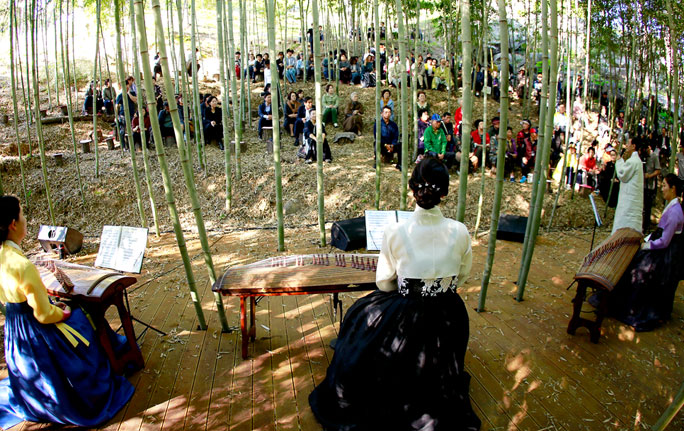
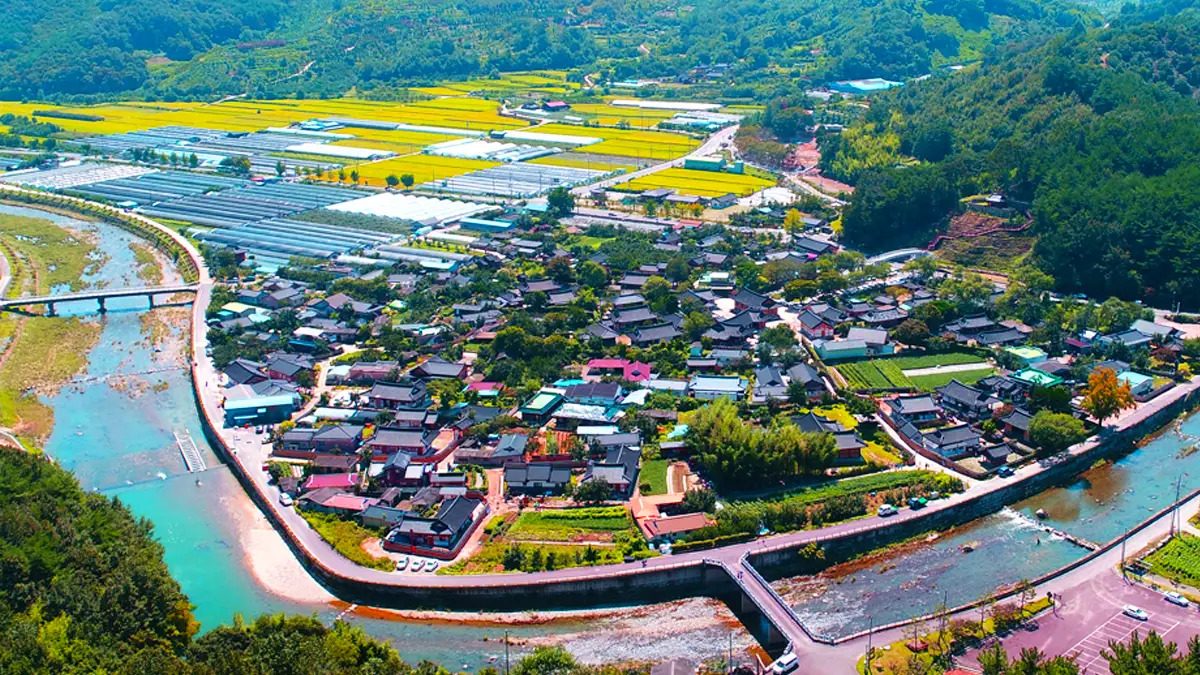
The village’s topography is also distinctive. Nigusan encircles the village, while Sasu curves around in front of it, creating a crescent shape formed by the mountain and waterway. Because of this landscape, people in the past regarded the area as a place that revered learning, comparing it to Mount Niqiu and the Si River in Qufu, China, the birthplace of Confucius. It is said that the open space deliberately left in the middle of the village reflected a geomantic wish for the village’s energy to rise like a full moon and never wane again.
A Scholarly Village That Produced a Goryeo Queen and a Joseon Chief State Councillor, Where 100 Households Still Live
During the Goryeo period, a queen came from the Yun family of this village, while the late-Goryeo civil official Gang Hoebaek and Hayeon, who became chief state councillor during the reign of King Sejong of Joseon, were also from here. Ije, a founding meritorious subject and son-in-law of Taejo Yi Seong-gye; Gwak Jong-seok, who led the Confucian independence movement during the March 1st Movement; and traditional Korean music theorist Bak Heon-bong were all born in this village. The background that enabled such figures to emerge lies in the long history of several clans—including the Seongju Yi, Miryang Bak, Jinyang Ha, and Yeonil Jeong clans—living together here for generations. Unlike other historic-house villages where members of one clan generally live together, this village is notable for the long coexistence of several intermingled clans.
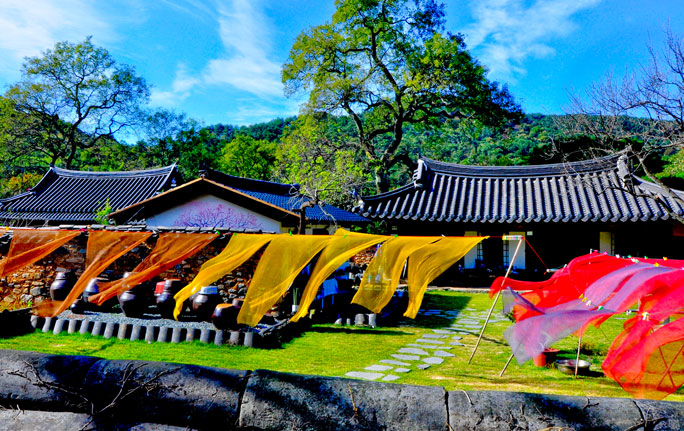
Even today, more than 100 households actually live and carry out their daily lives in wooden and traditional hanok homes. About 45 historic houses remain in the village, including those registered as cultural heritage. As a result, this is not a recreated space like a folk village; instead, it offers the experience of walking through alleys where people still live.
National Treasure No. 324, the “Ije Founding Meritorious Subject Certificate,” and Isajae, Where Yi Sun-sin Stayed
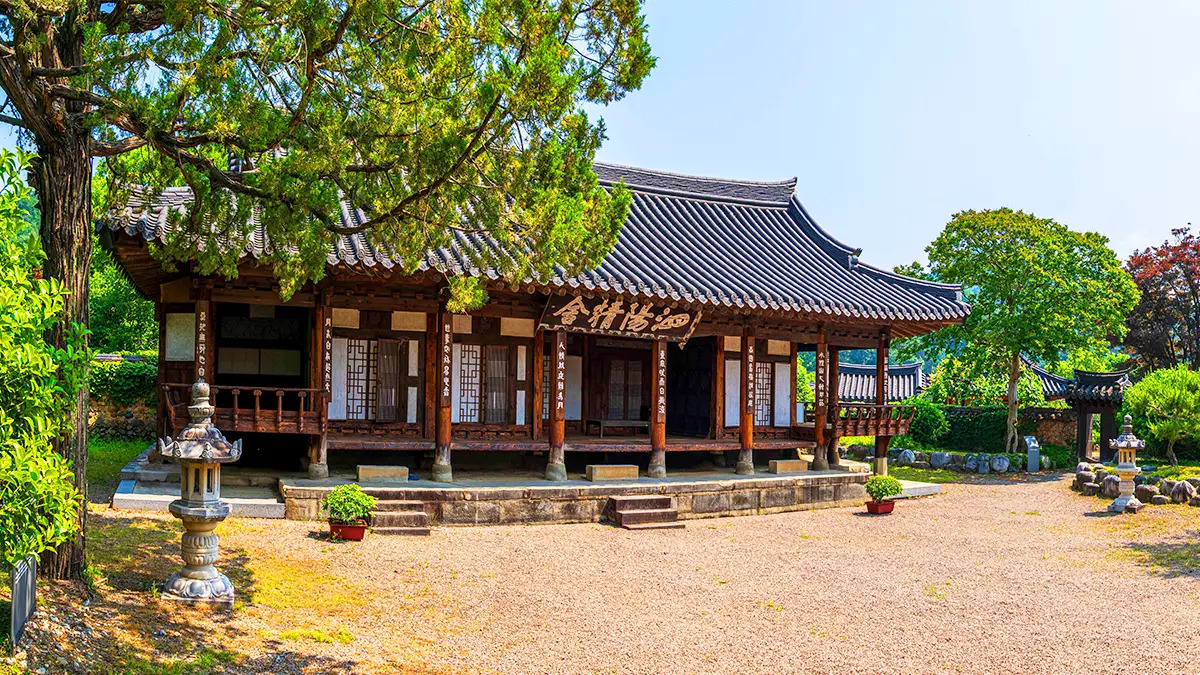
Yi Clan Historic House, considered the oldest building in the village, was built in the 1700s and is designated Gyeongsangnam-do Cultural Heritage Material No. 118. Choi Clan Historic House, also called Wolgang Historic House and designated No. 117, has an arrangement in which the main quarters, men’s quarters, auxiliary quarters, and storage quarters interlock in a square layout; a red plum tree said to be 230 years old stands in the men’s courtyard. Sayangjeongsa, designated No. 443 and said to have been built by a descendant of the Goryeo loyalist Jeong Mong-ju, is praised for its fine, sturdy grain because zelkova wood was used for its roof structure instead of the pine used in other hanok houses.
Isajae, designated No. 328, appears in the Nanjung ilgi as the place where General Yi Sun-sin stayed for one night while serving as an ordinary soldier during the Imjin War. It was originally a lecture and study space built by the Miryang Bak clan to honor Bak Howon. A stele bearing the original text of the certificate granted by Taejo to Ije, a founding meritorious subject, stands in the village. The original, measuring 94.5 cm wide and 32.5 cm high, is held by the Jinju National Museum. This document, the “Ije Founding Meritorious Subject Certificate,” was elevated to National Treasure No. 324 on June 27, 2018. The Yurim Independence Movement Memorial Hall east of the village also displays materials related to the “Paris Petition,” signed by 137 Confucian scholars nationwide during the March 1st Movement.
The earthen-and-stone walls surrounding the village are characteristic of western Gyeongsangnam-do. Stones and earth were layered and then topped with roof tiles or flat stones to prevent the walls from collapsing in wind and rain. They reach heights of 1.2 to 2 meters. These walls continue for approximately 3.2 km throughout the village and have been designated National Registered Cultural Heritage No. 281.
700-Year-Old Married Scholar Trees and a 620-Year-Old Persimmon Tree: A Different Face in Every Season
At the entrance to the village stand two scholar trees, more than 700 years old, that have grown crossing one another like a married couple. Hasi Clan Historic House is home to Wonjeongmae, one of Sancheong’s three famous plum trees. Although the original old tree died, its successor, which grew beside it, still blooms today. Across from Sayangjeongsa stands a 620-year-old persimmon tree, said to be the oldest in Korea. Known as the original stock of Sancheong dried persimmons, it still bears fruit.
In July, orange trumpet creepers bloom along the earthen-and-stone walls. Visitor accounts often identify spring, when the 700-year-old plum trees bloom, and autumn, when fall foliage overlaps with the historic-house scenery, as the best times to visit.
A One-to-Two-Hour Walking Route from Parking Lot No. 1 and Namhakjeong Observatory
The entire village is compact enough to explore every corner in one or two hours. Actual big-data research found that the average stay is around 100 minutes. Visitors are mostly in their 40s to 60s, with a relatively high proportion living in nearby Jinju. The route suggested on local information boards begins at Parking Lot No. 1 and continues past Yi Clan Historic House, Choi Clan Historic House, Sayangjeongsa, Idong Seodang, and Isajae before returning to the Ije Founding Meritorious Subject Certificate Stele.
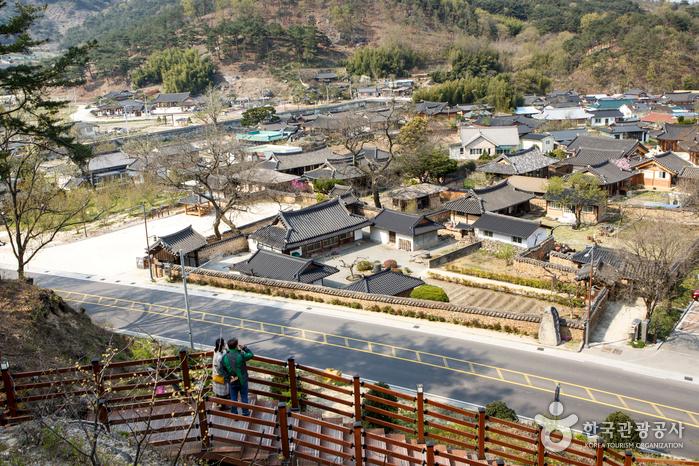
On the hill opposite the village is Namhakjeong Observatory. From the parking area, visitors can cross a footbridge and climb wooden-deck stairs to take in a panoramic view of the hanok village. Admission and parking are both free, and the site is open year-round without holidays. Many visitors also rent hanbok at Gyeonghwadang near Parking Lot No. 1 and walk along the wall-lined paths.
Three Hours and Ten Minutes from Seoul Nambu Bus Terminal, via National Route 20 from Danseong IC
When driving, exit the Tongyeong-Daejeon Expressway at Danseong IC and follow National Route 20 toward Namsa Village in Danseong-myeon. By public transportation, an intercity bus from Seoul Nambu Bus Terminal to Wonji takes about three hours and ten minutes, with 12 to 14 departures daily from 06:00 to 23:30. At Wonji Bus Stop, transfer to a bus bound for Daewonsa or Jungsan-ri and get off at the “Namsa (Yedamchon)” stop.
For inquiries, call Namsa Yedamchon at 070-8199-7107 or the Tourism Promotion Division of Sancheong County Office at 055-970-7203. The official website is namsayedam.com, where operating hours, holidays, and fees are all listed as “none.” Sancheong-gun stated that it improved access for visitors traveling to Jirisan and Namsa Yedamchon by installing a new roundabout on the approach road to Danseong IC.
From the 2016 “2 Days & 1 Night” Episode to the 2026 Bypass Road Controversy
It is said that after the village was featured in the KBS variety show “2 Days & 1 Night” in 2016, visitors flocked in such numbers on weekends that it became difficult to park inside the village. More recently, the village appeared as the setting for a scene in the drama “See You in My 19th Life” in which the protagonists walk together, bringing a steady stream of drama fans. However, in March 2026, MBC Gyeongnam reported that the number of tourists visiting the village had instead declined after a bypass road built with a large nearby budget was opened.
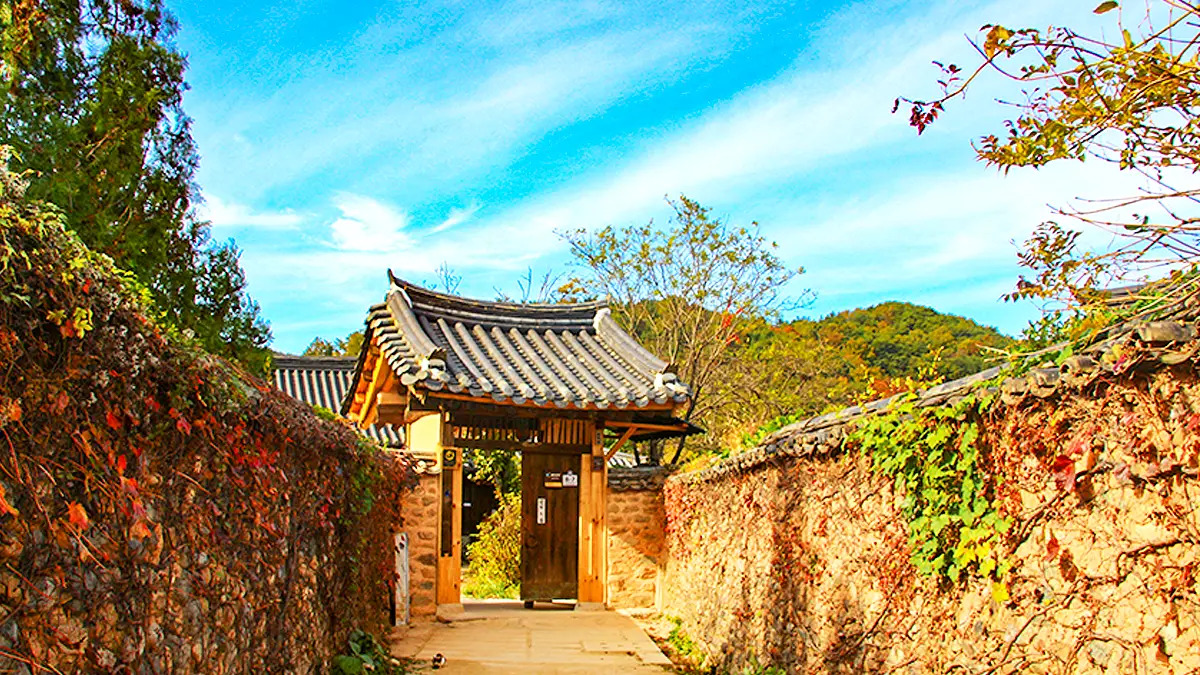
A visitor account published in May 2026 mentioned faded signposts, worn information boards, and disappointing maintenance conditions at some historic houses. It also pointed out the inconvenience caused by the overlap of residential spaces and tourist routes, as access to historic houses where residents actually live is restricted. Nevertheless, the same account judged that the village’s identity lies precisely in the fact that it is an ordinary inhabited village, rather than a neatly maintained place like a folk village.
Yedamwon Restaurant and Hanok Guesthouses: What Should You Prepare?
The village contains a village education center, hanok guesthouse facilities, Yedamwon restaurant, Yedam tea house, and Yedamchon Mill, among other facilities, with a total capacity said to be around 80 people. Experience programs include traditional games such as tuho, wearing hanbok, natural dyeing, herbal foot baths, and tours of historic houses. As befits a village filled with historic houses, several homes operate hanok guesthouses.
The restaurant Namsabyeolgok, located at the intersection near the village entrance, is frequently mentioned by visitors. Since historic houses belonging to several clans are intermingled and some sections combine residential spaces with tourist routes, it is best to avoid speaking loudly or opening other people’s gates without permission.
Before You Go
- Address
- 10 Jirisan-daero 2897beon-gil, Danseong-myeon, Sancheong-gun, Gyeongsangnam-do
- Hours
- Open at all times (24 hours, year-round). The official information also lists the operating hours as 'none'
- Closed
- None (open year-round)
- Admission
- Free (no admission or parking fee)
- Phone
- 070-8199-7107 (Namsa Yedamchon) / 055-970-7203 (Tourism Promotion Division, Sancheong County Office)
- Official site
- http://namsayedam.com/
- Transport
- Seoul Nambu Bus Terminal → Wonji, 12–14 departures daily (06:00–23:30), taking about 3 hours and 10 minutes; transfer at Wonji Bus Stop to a bus bound for Daewonsa or Jungsan-ri and get off at the 'Namsa (Yedamchon)' stop / When driving: Tongyeong-Daejeon Expressway Danseong IC → National Route 20 → toward Namsa Village, Danseong-myeon
- Parking
- Free parking available (use village parking areas such as Parking Lot No. 1)
- Time needed
- About 1–2 hours (the average stay according to research is around 100 minutes)
- Accessibility
- Accessible parking spaces and restrooms are available, but many historic houses are occupied by residents, so residential spaces and tourist routes overlap in some areas; no foreign-language information boards were found
The information above is current as of the time of writing. Check the official information again before visiting.

Places
Nearby Attractions 5
-
 1
GeoboesaExplore the birthplace of Venerable Seongcheol and the temple, tracing the marks of his spiritual practice.
1
GeoboesaExplore the birthplace of Venerable Seongcheol and the temple, tracing the marks of his spiritual practice. -
 2
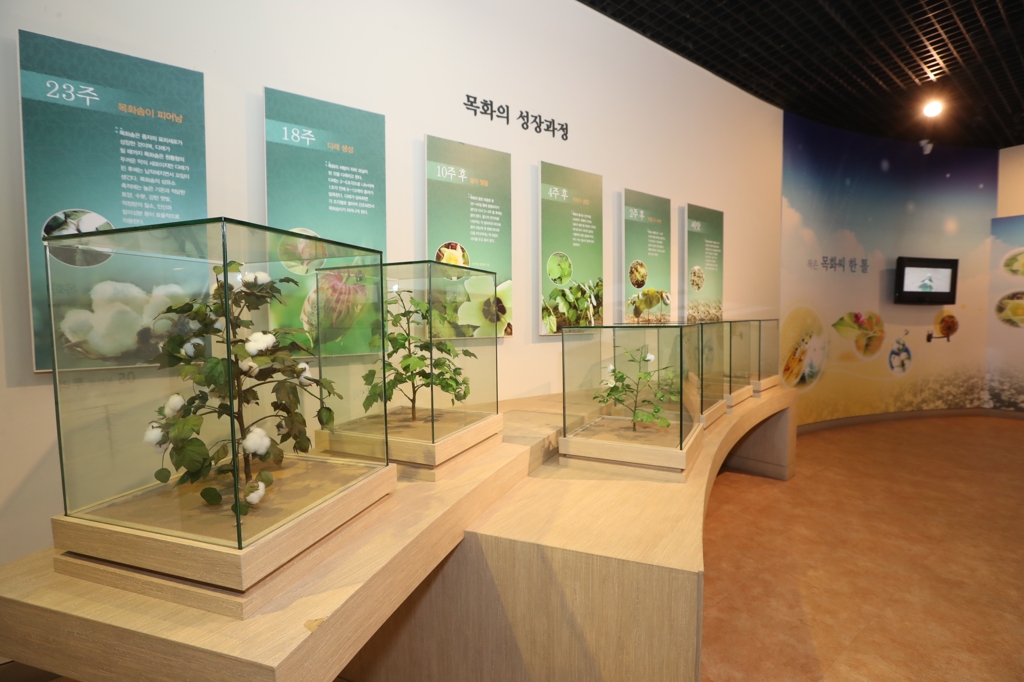
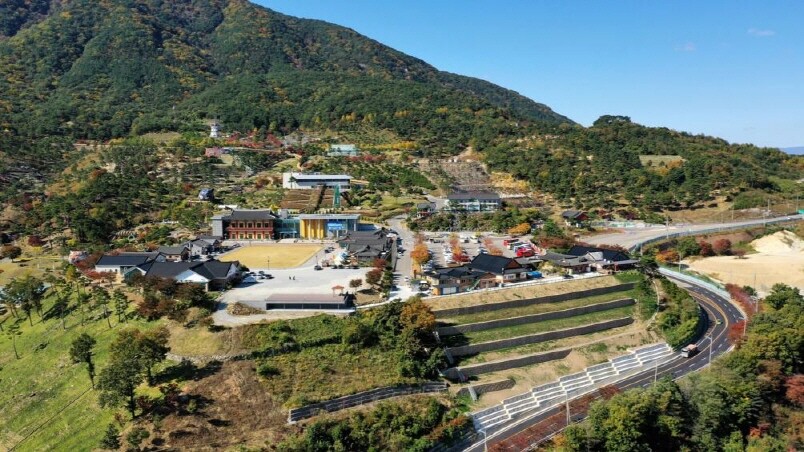
Mokmyeon First Cotton Cultivation SiteExplore the remains of Mun Ik-jeom’s cotton cultivation and learn about cotton culture.
2
Mokmyeon First Cotton Cultivation SiteExplore the remains of Mun Ik-jeom’s cotton cultivation and learn about cotton culture. -
 3
Donguibogam VillageExplore the Museum of Korean Medicine, the Herb Park, and the Qi Experience Center.
3
Donguibogam VillageExplore the Museum of Korean Medicine, the Herb Park, and the Qi Experience Center. -
 4
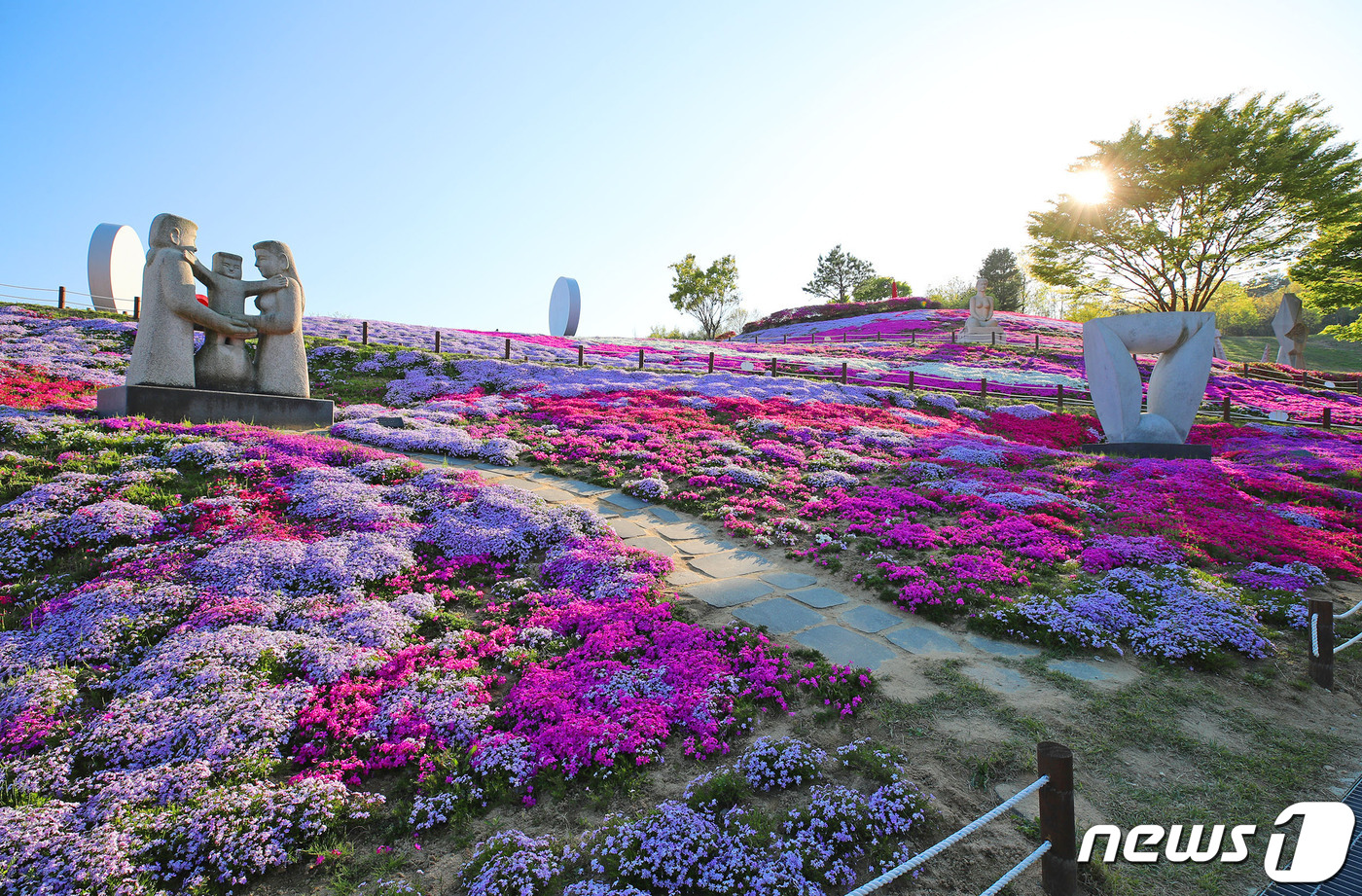
Saengcho International Sculpture ParkAdmire the sculptures while taking in the scenery of the Gyeonghogang River.
4
Saengcho International Sculpture ParkAdmire the sculptures while taking in the scenery of the Gyeonghogang River. -
 5
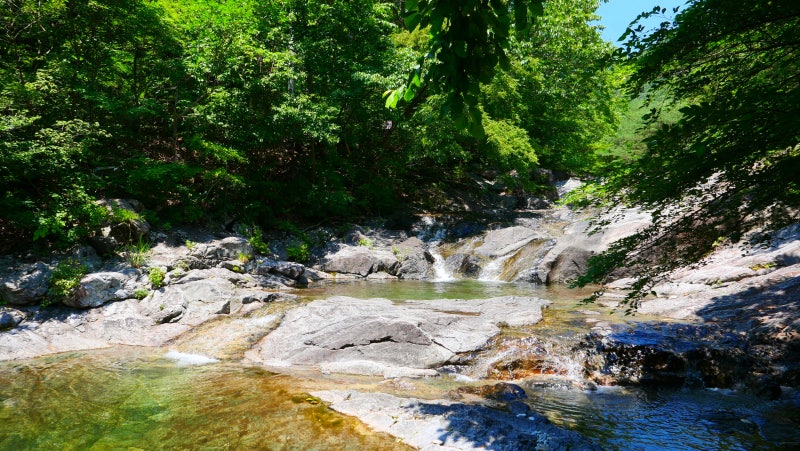
Baegundong ValleyWalk along the clear stream while taking in the forest and rock inscriptions.
5
Baegundong ValleyWalk along the clear stream while taking in the forest and rock inscriptions.
Food & Dining 1
-
 6
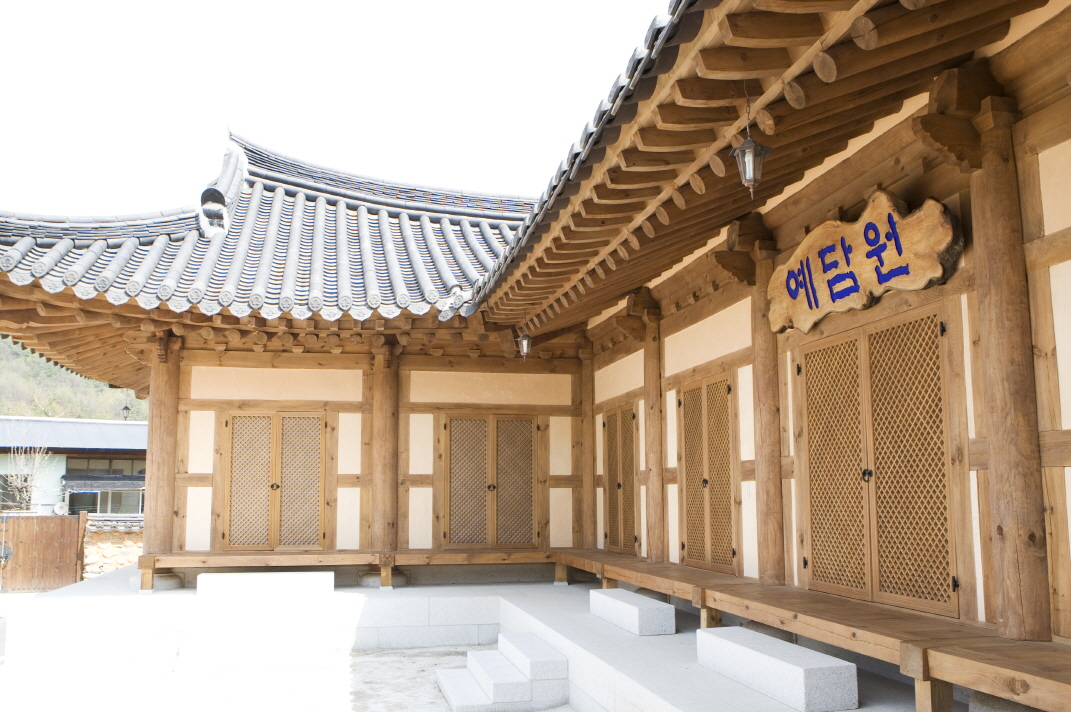
YedamwonEnjoy wild greens bibimbap and local Korean cuisine in a traditional hanok restaurant.
6
YedamwonEnjoy wild greens bibimbap and local Korean cuisine in a traditional hanok restaurant.
Events in This Area

Festivals in This Area

More Travel Guides in This Area
 Travel Guide
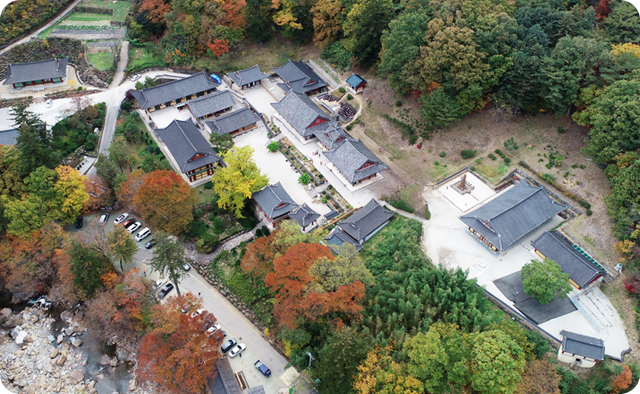
Daewonsa Temple at the Eastern Foot of Jirisan: A 2 km Valley Trail and the Rhythm of a Buddhist Nuns’ Retreat
 Travel Guide
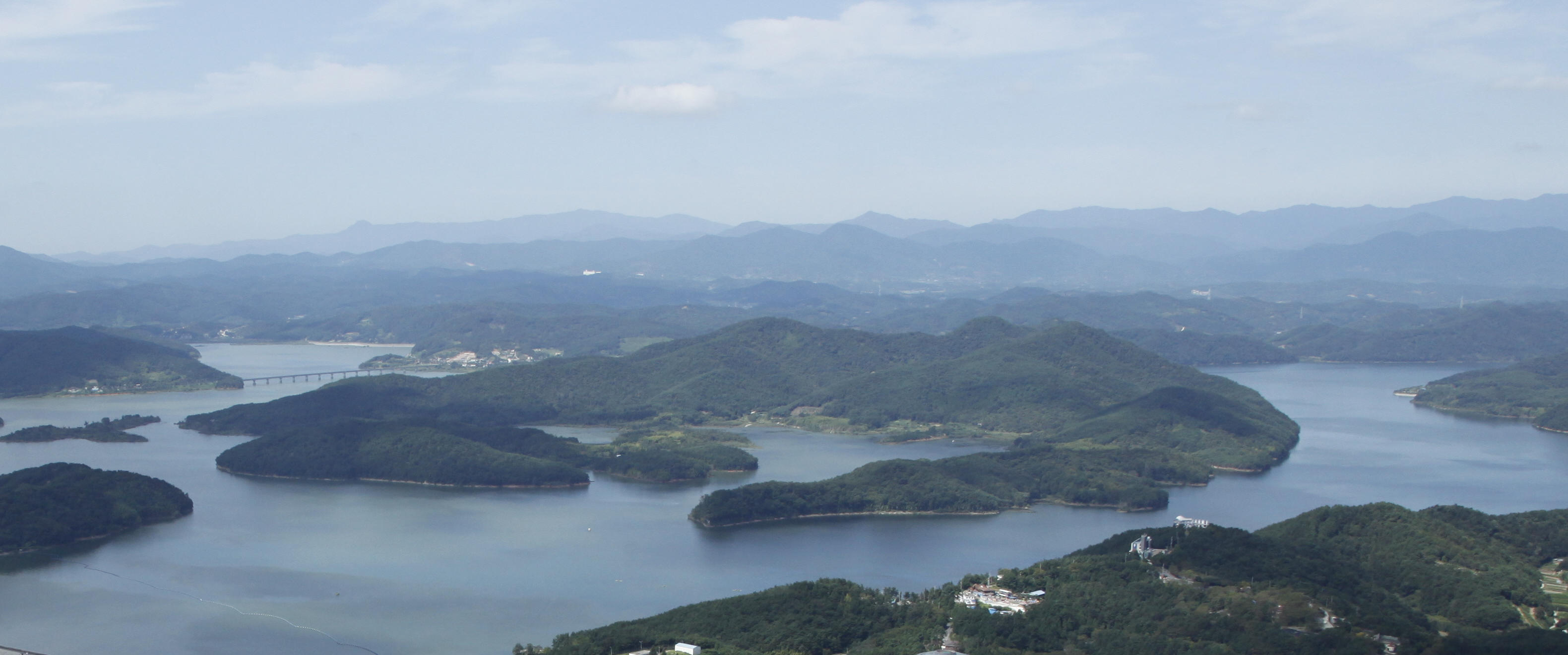
The 365 Steps and One Hour of Sunset at Jinyangho Observatory, Above the Lake Created by Namgang Dam
 Travel Guide
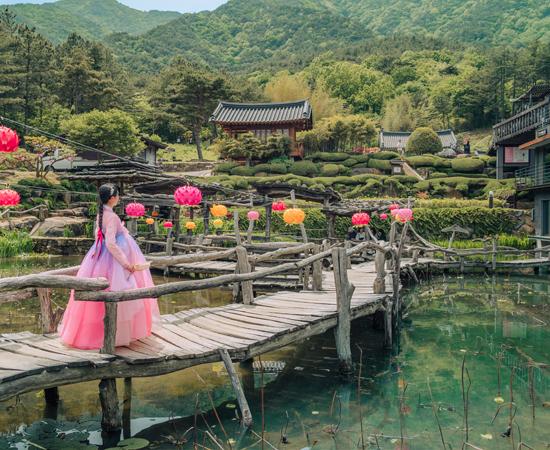
Sancheong Suseonsa Temple, where terraced rice paddies beneath Ungseok Peak became a pond garden
 Travel Guide
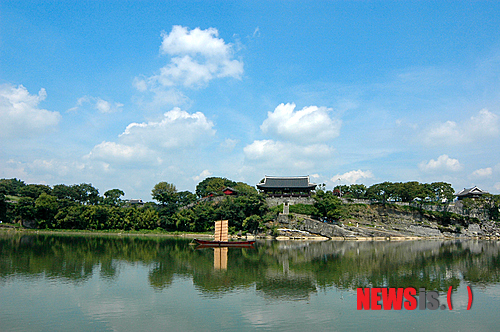
Reading the Two Battles of Jinju Fortress from the Namgang Cliffs and 1,760-Meter Walls
Korea News
 News
News
TWS heightens comeback excitement with kitschy charm… Anticipation for “plot twist” rises
 News
News
BTS, Six Months After Its Release… ‘Arirang’ Climbs the U.S. Billboard 200
 News
News
'The Nation's Girl Group' RESCENE, Five Girls Transformed into Guardians… Additional Concept Photos for Their 4th Mini Album Revealed
 News
News