Sancheong Suseonsa Temple, where terraced rice paddies beneath Ungseok Peak became a pond garden
Suseonsa Temple in Sancheong has transformed the terraced rice paddies on the slopes of Ungseok Peak into a temple and garden since 1992. As a modern temple best explored around its pond, lawn, and tea gatherings, it is advisable to plan your visit by car with the mountain roads and closing time in mind.

I’ve been here?
Your check-in helps the next traveler.
No one has checked in yet Be the first
One tap — no writing needed
Yeogyeong Sunim’s Suseonsa, Begun in 1992 on a Terraced Rice Field
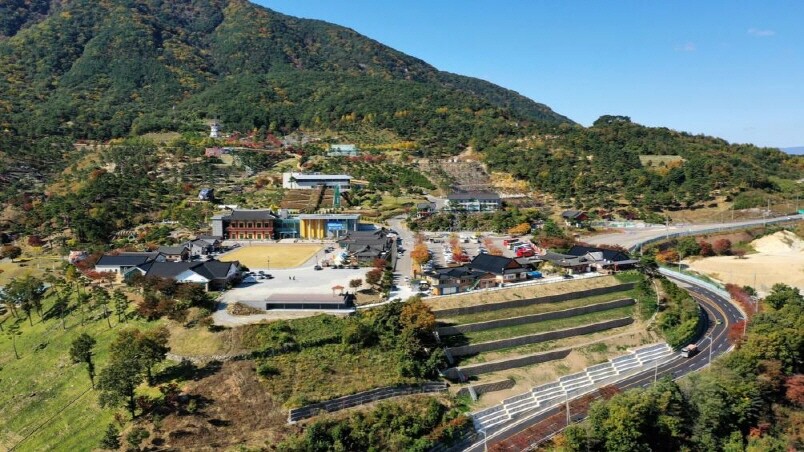
Sancheong Suseonsa is located at 102-23 Ungseokbong-ro 154beon-gil, Sancheong-eup, Sancheong-gun, Gyeongsangnam-do, on the southeastern foothills of Ungseokbong in Jirisan. Sancheong-gun’s cultural tourism information introduces it as a temple beneath Ungseokbong and a space distinguished by its pond and gardens.
After acquiring the terraced rice fields at the present site in 1992, Sunim Yeogyeong gradually established the monks’ quarters, main dharma hall, and temple-stay facilities. The name Suseonsa combines the characters for “cultivate” (修) and “Zen” (禪), conveying the meaning of cultivating the mind through seated meditation.
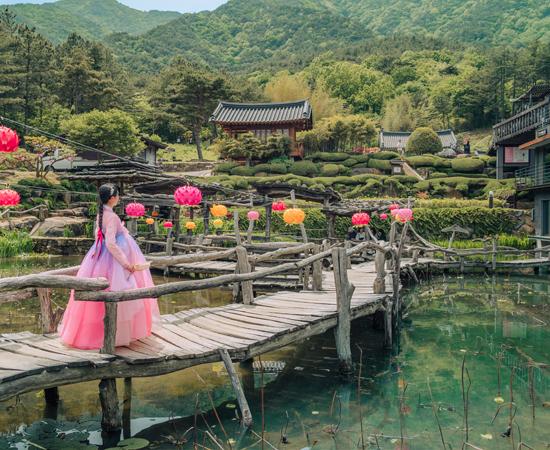
The Pond-and-Garden Axis Created by Ungseokbong, the Namgang River, and Jeongsusan
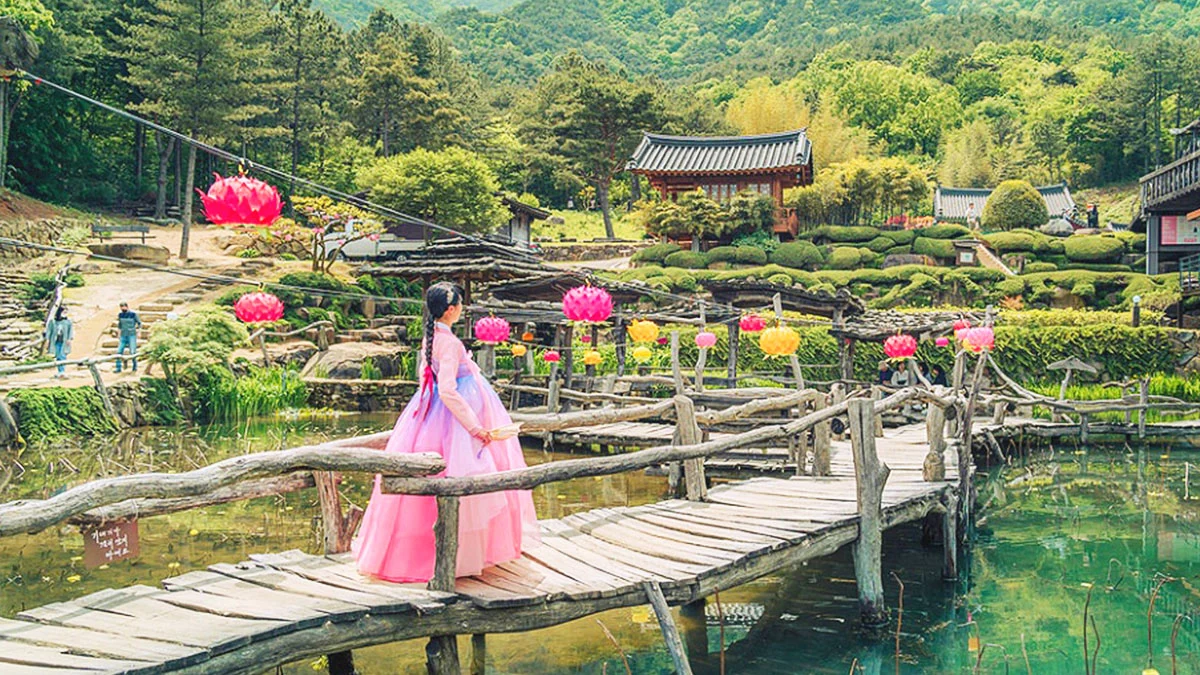
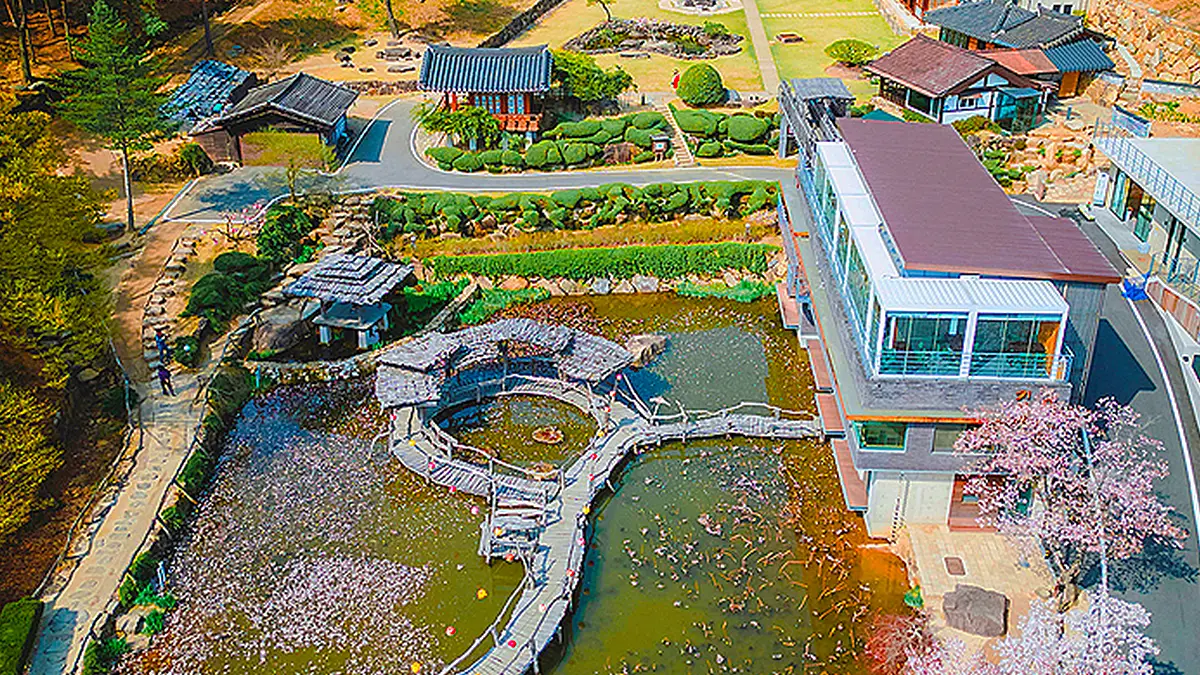
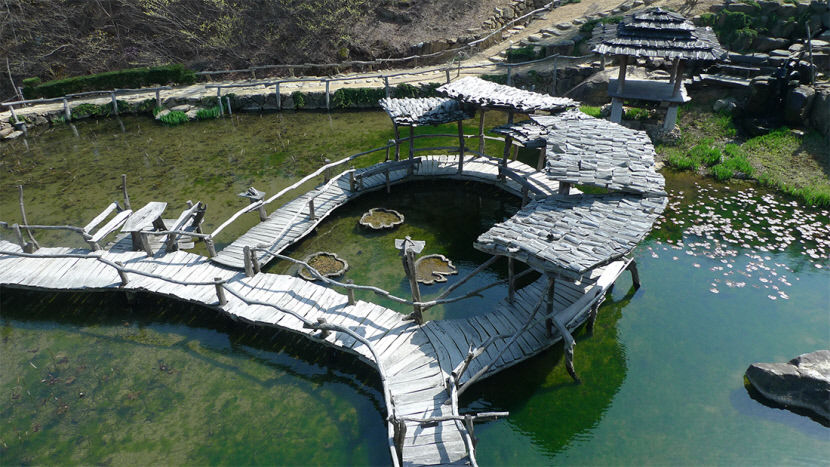
The temple is situated on the slopes of Ungseokbong, with the Namgang River flowing in front and Jeongsusan visible straight ahead. The pond, which makes use of the terraced-field terrain, is the centerpiece of Suseonsa’s scenery, and the main dharma hall, gardens, and lawn areas can be viewed in sequence around it.
Sancheong-gun classifies Suseonsa as a temple where traditional culture, the natural environment, and contemporary sensibilities coexist. It is worth knowing in advance that this is better suited to a leisurely visit focused on the pond, trees, and architectural arrangement than to an exploration of an ancient temple centered on historic cultural assets.
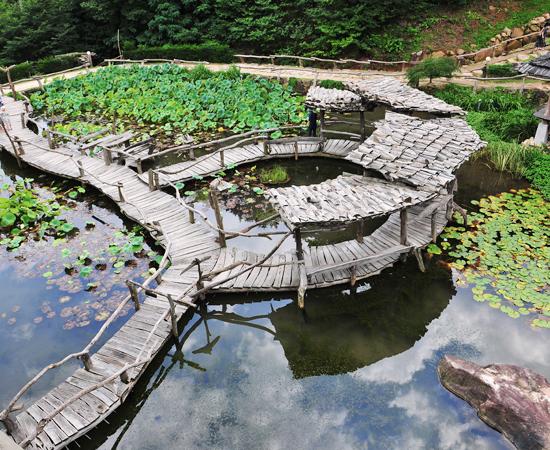
Visits Around 09:00–17:30, Free Admission, and Phone 055-973-1096
Recent publicly available travel information lists general visiting hours as 09:00–17:30 daily. However, temple operations may vary depending on events, practice schedules, and the season, so it is safest to call the main number, 055-973-1096, before departing to confirm the opening hours and whether programs are operating that day.
Admission is listed as free, and the official website is https://susunsa.modoo.at. Since it may be difficult to fully explore the pond and gardens near closing time, allowing at least 60–90 minutes is practical; including a tea gathering, plan for 90–120 minutes.
- Address: 102-23 Ungseokbong-ro 154beon-gil, Sancheong-eup, Sancheong-gun, Gyeongsangnam-do
- Main phone: 055-973-1096
- Admission: Free
- General visiting hours: Listed as 09:00–17:30
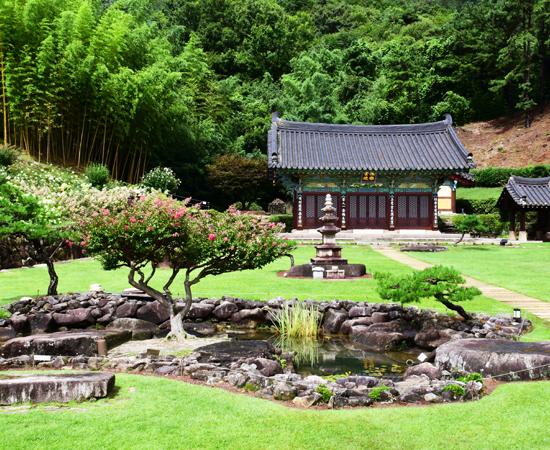
Why Traveling by Car from Sancheong Bus Terminal Is More Practical
Suseonsa is a mountain temple reached by heading toward Ungseokbong from central Sancheong-eup. Sancheong-gun’s rural bus timetable includes several routes originating at Sancheong Bus Terminal, but official sources do not clearly confirm a stop in front of Suseonsa or a connecting walking route. If using public transportation only, taking a taxi from the terminal makes the route and travel time easier to predict.
Parking is reportedly available for visitors arriving by car, but reviews repeatedly mention that the road is extremely narrow for the final one or two minutes before reaching the temple. Large vehicles, novice drivers, and drivers passing one another on weekends should slow down especially and be prepared for oncoming traffic.
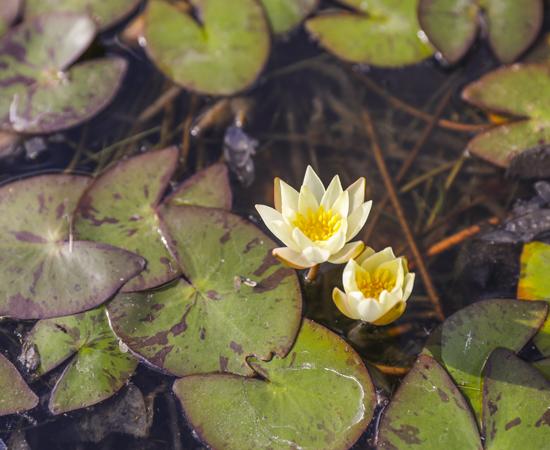
The Difference Between Summer Lotus Views and Weekday Mornings
Lotuses are a seasonal feature representing the pond scenery at Suseonsa and are mentioned in several Sancheong tourism resources as a highlight of summer visits. Sancheong-gun tourism data also identifies Suseonsa as a destination with high search volume in August, so it is advisable to anticipate parking and access-road congestion during the lotus season and on weekends.
If photography and walking are your goals, consider prioritizing the period immediately after opening through the morning. Conversely, if you expect the character of a quiet practice temple, a weekend midday visit or the busy period at the peak of the lotus season may not meet your expectations.
Tea Gatherings and Temple Stays: What to Distinguish from General Visits
Suseonsa is known for a temple café called “Chadam,” where offerings such as handmade six-grain seon-sik lattes, perilla-seed tea, omija tea, citron tea, lotus-leaf mini madeleines, and patbingsu have been introduced. Menus, serving hours, and closing days may change, so if having a drink is a key part of your itinerary, it is better to confirm by phone in advance.
Temple stays may have schedules and application requirements separate from those for general visits. If you wish to participate in a program including 108 prostrations, Buddhist services, or meditation, do not assume that you can apply on-site on the day of your visit. Instead, check the recruitment schedule, participation fee, and whether accommodation is included through the official website or by phone.
Suggested Order When Combining It with Donguibogamchon and Namsayeadamchon
On trips to Sancheong, itineraries often combine Suseonsa with Donguibogamchon and Namsayeadamchon. Donguibogamchon is a large-scale tourist destination themed around traditional medicine and medicinal herbs, while Namsayeadamchon is a village for walking along stone walls and historic houses, so the viewing experience differs from that of Suseonsa’s pond garden.
If you include all three places in one day, outdoor travel time may be lengthy. Since general visiting hours at Suseonsa are listed as ending at 17:30, it is more dependable to schedule it in the morning or early afternoon rather than as the final stop of the day if you also want to see the café and gardens.
Before You Go
- Address
- 102-23 Ungseokbong-ro 154beon-gil, Sancheong-eup, Sancheong-gun, Gyeongsangnam-do
- Hours
- General visits listed as 09:00–17:30 (calling before visiting is recommended)
- Closed
- Some sources list it as open year-round, but calling in advance is recommended
- Admission
- Free
- Phone
- 055-973-1096
- Official site
- https://susunsa.modoo.at
- Transport
- Official sources do not confirm a connection from Sancheong Bus Terminal to a stop in front of Suseonsa; taking a taxi is recommended
- Parking
- Listed as available. Many reviews mention a narrow access road immediately before the temple
- Time needed
- 60–90 minutes for a general visit; 90–120 minutes including Chadam recommended
- Accessibility
- No official information confirmed regarding wheelchair or stroller accessibility or foreign-language guidance
The information above is current as of the time of writing. Check the official information again before visiting.

Places
Nearby Attractions 4
-
 1
Donguibogam VillageA tourist destination offering exhibitions on traditional Korean medicine and medicinal herbs, as well as foot baths and healing experiences.
1
Donguibogam VillageA tourist destination offering exhibitions on traditional Korean medicine and medicinal herbs, as well as foot baths and healing experiences. -
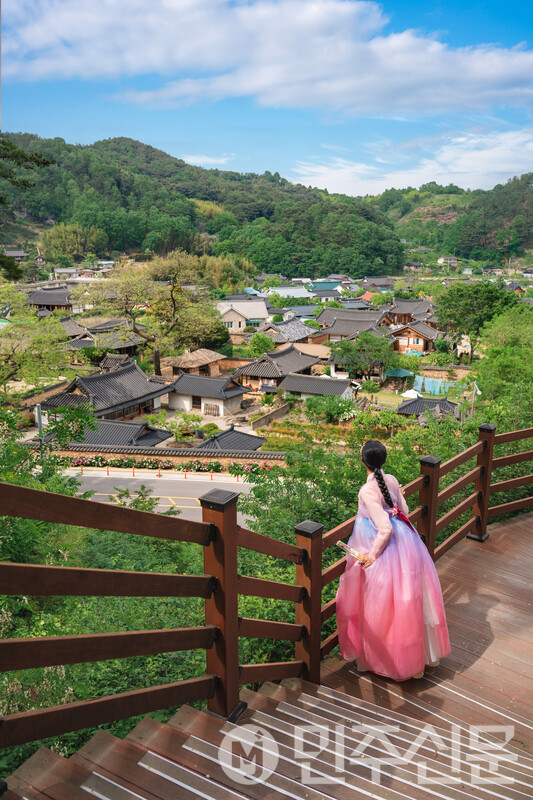 2
Namsa Yedamchon VillageA place to stroll through the village along earthen stone walls and traditional hanok houses.
2
Namsa Yedamchon VillageA place to stroll through the village along earthen stone walls and traditional hanok houses. -
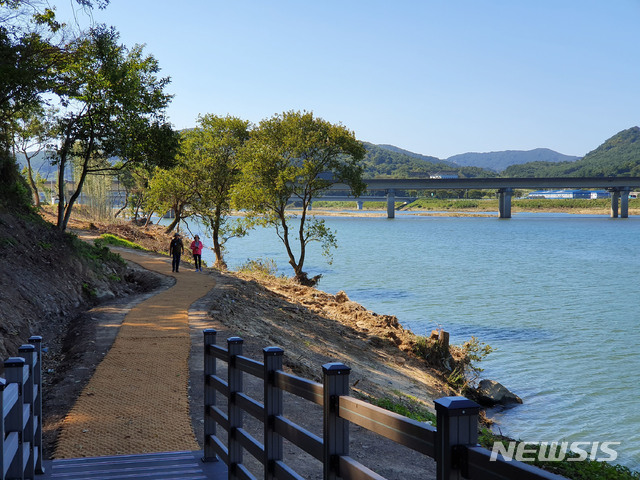 3
Geoboesa TempleA place where you can explore Monk Seongcheol’s birthplace, the temple, and memorial spaces together.
3
Geoboesa TempleA place where you can explore Monk Seongcheol’s birthplace, the temple, and memorial spaces together. -
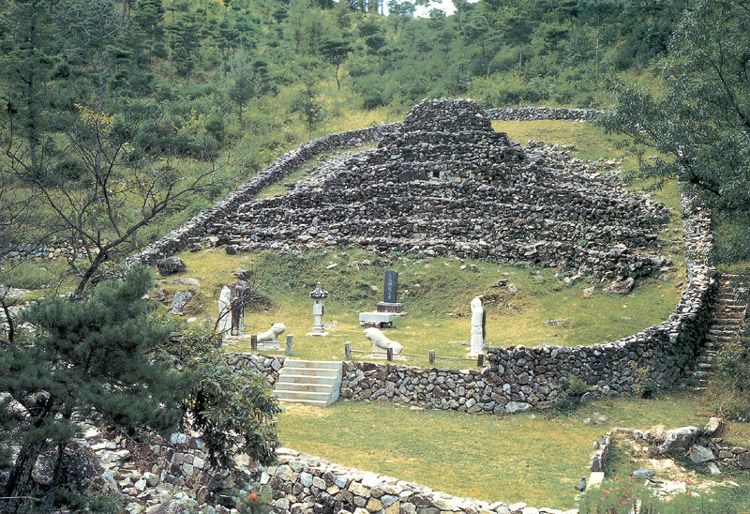 4
Former Royal Tomb of King GuhyeongA place to explore the royal tomb believed to be the stone tomb of Guhyeong, the last king of Gaya.
4
Former Royal Tomb of King GuhyeongA place to explore the royal tomb believed to be the stone tomb of Guhyeong, the last king of Gaya.
Events in This Area

Festivals in This Area

More Travel Guides in This Area
 Travel Guide
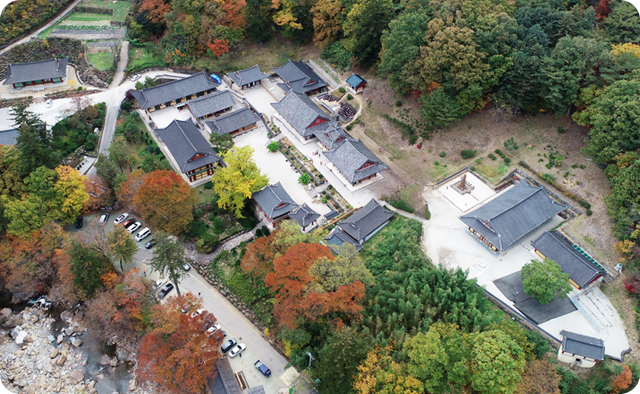
Daewonsa Temple at the Eastern Foot of Jirisan: A 2 km Valley Trail and the Rhythm of a Buddhist Nuns’ Retreat
 Travel Guide
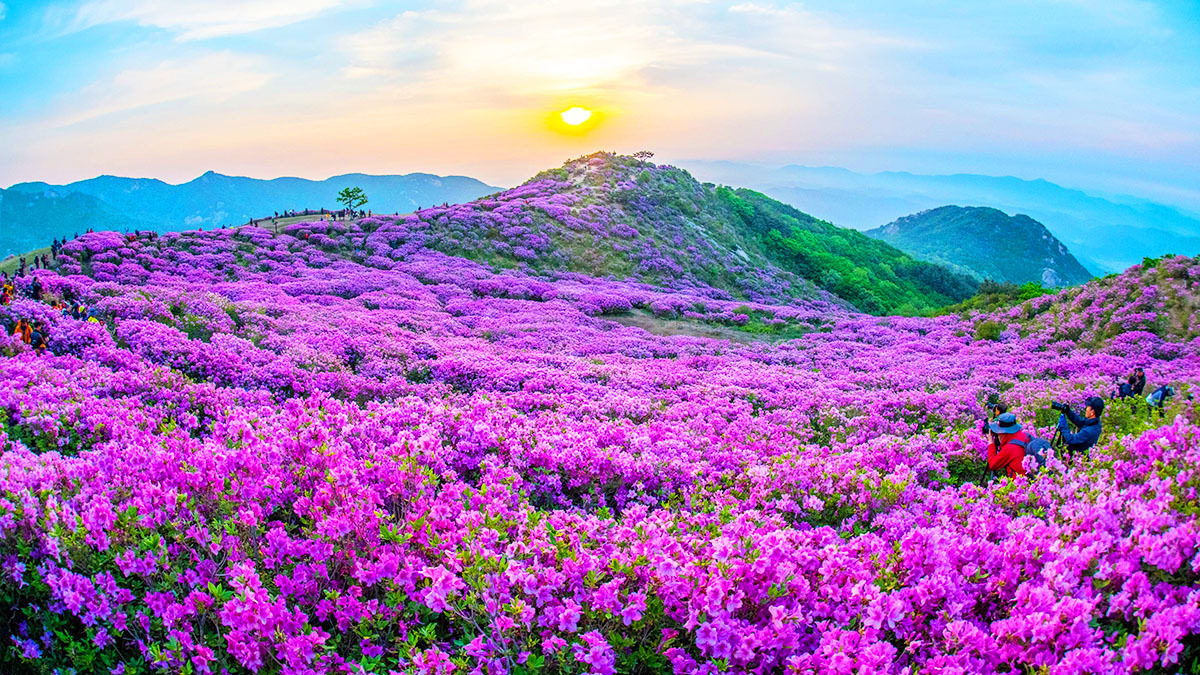
The Actual Route Between Hwangmaesan’s Azalea Plain and the Summit Parking Lot on Your First Visit
 Travel Guide
Sancheong Namsa Yedam Village, Embraced by Nigu Mountain and the Sasucheon River in a Crescent Shape
 Travel Guide
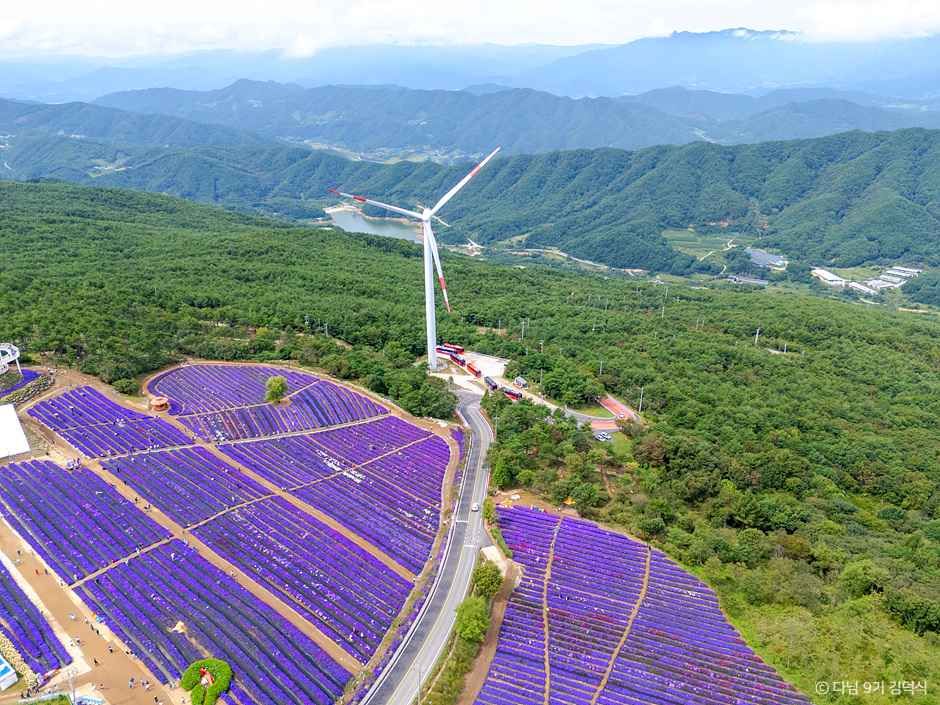
How to Enjoy Flower Fields, Wind Turbines, and Starlight at Gamaksan Wind Farm
Korea News
 News
News
TWS heightens comeback excitement with kitschy charm… Anticipation for “plot twist” rises
 News
News
BTS, Six Months After Its Release… ‘Arirang’ Climbs the U.S. Billboard 200
 News
News
'The Nation's Girl Group' RESCENE, Five Girls Transformed into Guardians… Additional Concept Photos for Their 4th Mini Album Revealed
 News
News