How to Read Eungdondang and the Floral Wall at Donamseowon Confucian Academy
Donamseowon Confucian Academy in Nonsan was established in 1634 as an academy dedicated to the study of ritual propriety. Yangseongdang, Eungdondang, Sungnyesa Shrine, and the floral wall are arranged along a single axis. Buses run from Nonsan Station and Nonsan Express Bus Terminal, but access to the shrine interior and Jeonsacheong varies for general visitors, so it is best to check the route before visiting.

I’ve been here?
Your check-in helps the next traveler.
No one has checked in yet Be the first
One tap — no writing needed
Donamseowon Confucian Academy, Established in 1634 After the Death of Kim Jang-saeng
Donamseowon Confucian Academy was established in 1634, three years after Sage Kim Jang-saeng passed away, in Im-ri, Yeonsan-hyeon, Chungcheong-do. At its founding, Kim Jang-saeng was enshrined as the principal scholar, and Kim Jip was additionally enshrined in 1658.
In 1660, it became a royally chartered academy after receiving the signboard reading “Donamseowon Confucian Academy.” Song Jun-gil was additionally enshrined in 1688, and Song Si-yeol in 1695. The key to understanding the academy’s present lecture area is that it was a place where yerhak, the practical theory of Neo-Confucianism concerning rites, was discussed.
The Present Site, Relocated in 1880 After a Flood
Donamseowon Confucian Academy was not originally located at its current address. Its first site was in Supmal, Haim-ri, about 1.5 km northwest of the present location, on low-lying ground near Yeonsancheon Stream.
Because it was moved to its current location in 1880 to avoid flooding, the present academy shows a layout using gently sloping terrain rather than low ground beside the water. It was preserved because it was not abolished even during the nationwide order to demolish Confucian academies in 1871.
One Central Axis from Sanangnu Pavilion to Sungnyesa Shrine
Entering from the main gate, the central axis proceeds in the order of Sanangnu Pavilion, Oesammun Gate, lecture hall, Naesammun Gate, and shrine. The academy is divided into four areas—ritual, instruction, leisure, and residence—separating the study spaces from the worship spaces.
The center of the instructional area is Yangseongdang Hall, with Geogyeongjae Dormitory to the east and Jeonguijae Study Hall to the west arranged symmetrically on either side. This layout allows visitors to understand on site that the academy was not merely a shrine but an educational space combining instruction, ritual, and leisure functions.
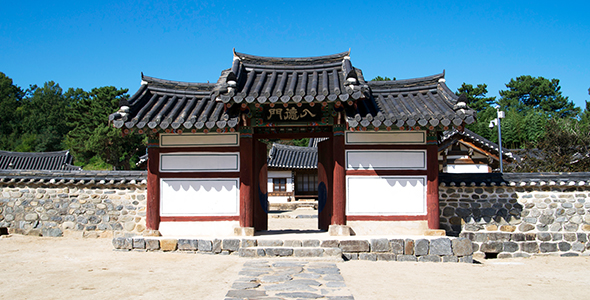
Why Treasure Eungdodang Hall Deserves Separate Attention
Eungdodang Hall, whose name means “the place where the Way resides,” is Treasure No. 1569. Measuring five bays across the front and three bays along the side, it allows visitors to examine the broad bay spacing and long frontage characteristic of a lecture hall.
Eungdodang Hall was moved to its present location in 1971. Therefore, when considering the historical significance of the academy buildings, it is important to remember that this building was relocated from its original site. Sanangnu Pavilion was reconstructed in 2006, so not all of the buildings within the academy survive from the same period.
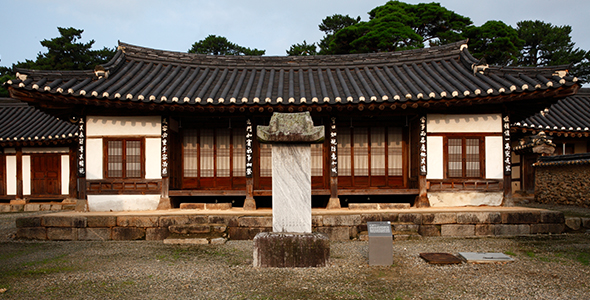
Three Phrases on the Flower Wall and Access to Sungnyesa Shrine
Around Naesammun Gate is the “flower wall of Donamseowon Confucian Academy,” where walls continue between the gates. Three phrases are engraved on the wall, from right to left: “Embrace the sea of wisdom,” “Study broadly and practice the rites,” and “Be upright and create a harmonious atmosphere.” This gives visitors a reason to examine not only the buildings but also the walls around Naesammun Gate.
The ancestral tablets of Kim Jang-saeng, Kim Jip, Song Jun-gil, and Song Si-yeol are enshrined in Sungnyesa Shrine, centered on Kim Jang-saeng, but the shrine interior is not open to visitors for preservation and management purposes. Jeonsacheong Hall, where rituals are prepared, is also normally closed except during ceremonies. Visitors can therefore mainly view the exterior buildings and publicly accessible courtyards.
Take Bus 301 from Nonsan Station to Im-ri
By public transportation, visitors can start from Nonsan Station or the Nonsan Express Bus Terminal. According to guidance from December 2019, walk about 930 m from Nonsan Station to the Digital Plaza bus stop, then take bus 301, 302, 303, or 304 and get off at the Im-ri–Donamseowon Confucian Academy stop. The bus ride is listed as taking about 28 minutes.
From the Nonsan Express Bus Terminal, walk about 300 m to the Woori Orthopedic Surgery bus stop and take one of the same buses numbered 301–304. The journey to the Im-ri–Donamseowon Confucian Academy stop takes about 30 minutes. The academy is approximately 500 m on foot from the stop. Since bus frequency and timetables may differ from the reference date of the information, visitors should allow for potentially long waiting times.
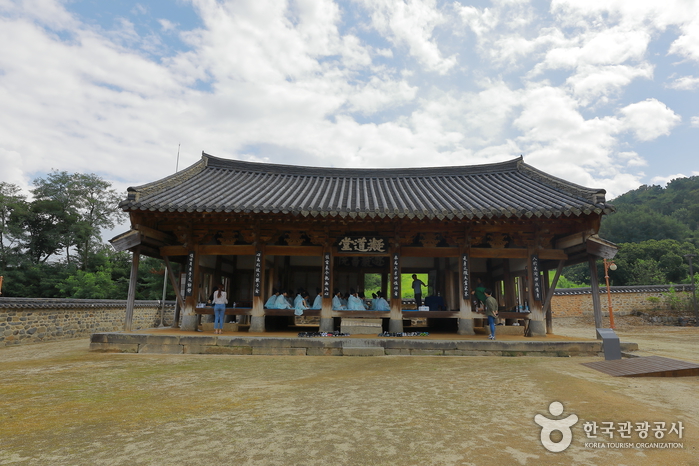
How to Visit Using Guided Commentary from 10:00 to 17:00
Tourist information lists the operating hours as 10:00–17:00. Nonsan City states that cultural tourism interpreters are stationed on site from 10:00 a.m. to 5:00 p.m. If you would like to tour while hearing explanations of the building names and the academy’s functions, it is advantageous to visit during these hours.
Some materials list admission as free, but the current official fee schedule has not been confirmed. Information stating that the site is closed on Mondays concerns the presence of cultural interpreters rather than the operation of the entire academy. For a Monday visit or an itinerary expecting guided commentary, it is safest to contact the management office first at 041-733-9978. Parking is listed as free.
A Site of Ritual Learning That Became a World Heritage Site
Donamseowon Confucian Academy was designated Historic Site No. 383 on October 18, 1993, and was inscribed on the World Heritage List in July 2019 at the 43rd session of the UNESCO World Heritage Committee as one of the nine academies comprising “Seowon, Korean Neo-Confucian Academies.” “Seowon, Korean Neo-Confucian Academies” was inscribed under World Heritage criterion (iii), recognizing it as an exceptional testimony to a cultural tradition.
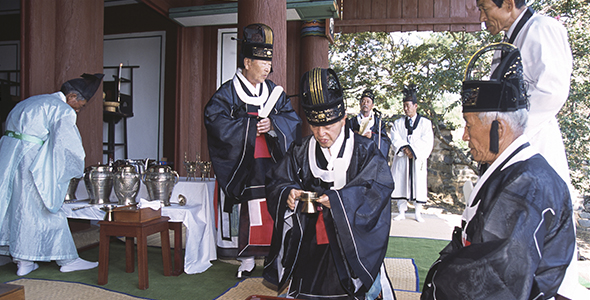
Jangpangak Repository houses woodblocks of Kim Jang-saeng’s works on ritual studies, including Sangnyebio, Garyejipram, and Uiryemunhaesok. An inkstone and jade lampstand bestowed by the royal court during the reign of King Gojong have also been passed down. Ritual ceremonies are held each year in the second and eighth months of the lunar calendar, and programs are offered for kindergarten children, children, teenagers, and adults.
Include the Address and Contact Information in Your Itinerary
The address is 26-14 Im 3-gil, Yeonsan-myeon, Nonsan-si, Chungcheongnam-do, and the official website is https://www.donamseowon.co.kr/. General tour and facility management inquiries can be directed to 041-733-9978, program inquiries to 070-7788-0133, and cultural heritage interpretation inquiries to 041-746-5405.
Since access is restricted to areas such as the interior of Sungnyesa Shrine and Jeonsacheong Hall during ordinary times, this destination may not suit visitors expecting to tour inside every building. Conversely, for visitors who want to examine the arrangement of Yangseongdang Hall, Geogyeongjae, and Jeonguijae, the scale of Eungdodang Hall, and the phrases on the flower wall in sequence, the most specific plan is to travel from Nonsan Station or the terminal during the 10:00–17:00 interpretation hours.
Before You Go
- Address
- 26-14 Im 3-gil, Yeonsan-myeon, Nonsan-si, Chungcheongnam-do
- Hours
- 10:00–17:00
- Closed
- Some information states that it is closed on Mondays, but this concerns the presence of cultural interpreters.
- Admission
- Some information states that admission is free, but the current official fee schedule has not been confirmed.
- Phone
- 041-733-9978
- Official site
- https://www.donamseowon.co.kr/
- Transport
- Take bus 301, 302, 303, or 304 from the Nonsan Express Bus Terminal or Nonsan Station, get off at the Im-ri–Donamseowon Confucian Academy stop, and walk approximately 500 m, according to available guidance.
- Parking
- Parking available. Parking is listed as free.
- Accessibility
- The interior of Sungnyesa Shrine is not open to visitors, and Jeonsacheong Hall is normally closed except during ceremonies.
The information above is current as of the time of writing. Check the official information again before visiting.

Places
Nearby Attractions 3
-
 1
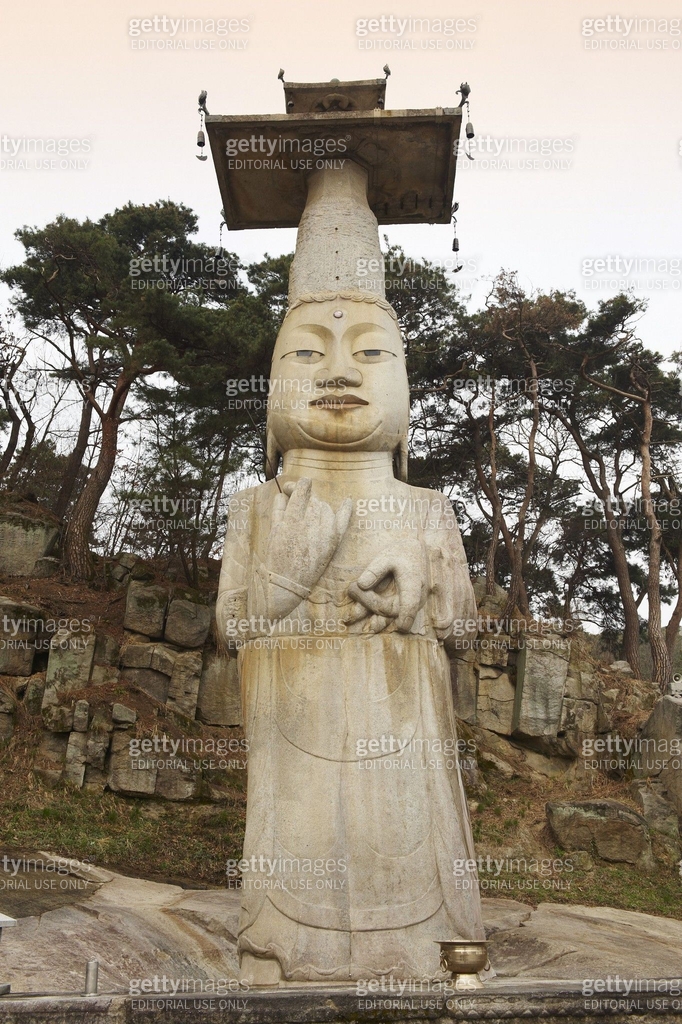
Gwanchoksa TempleA Goryeo-period temple where you can see the Eunjin Mireuk Buddha and a stone lantern.
1
Gwanchoksa TempleA Goryeo-period temple where you can see the Eunjin Mireuk Buddha and a stone lantern. -
 2
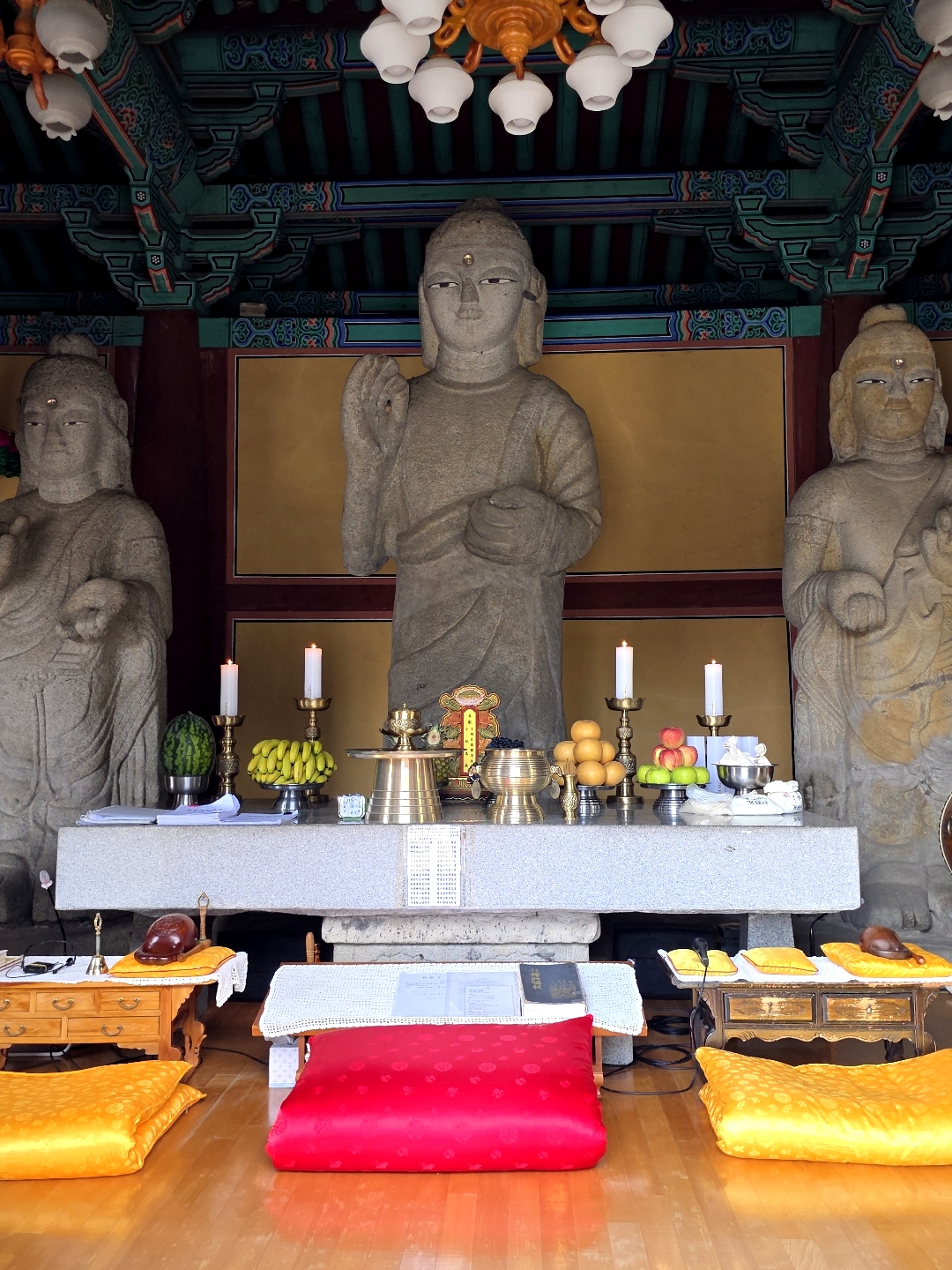
Gaetaesa TempleSee Gaetaesa, a founding temple established by King Taejo Wang Geon of Goryeo, and its Buddhist statues.
2
Gaetaesa TempleSee Gaetaesa, a founding temple established by King Taejo Wang Geon of Goryeo, and its Buddhist statues. -
 3
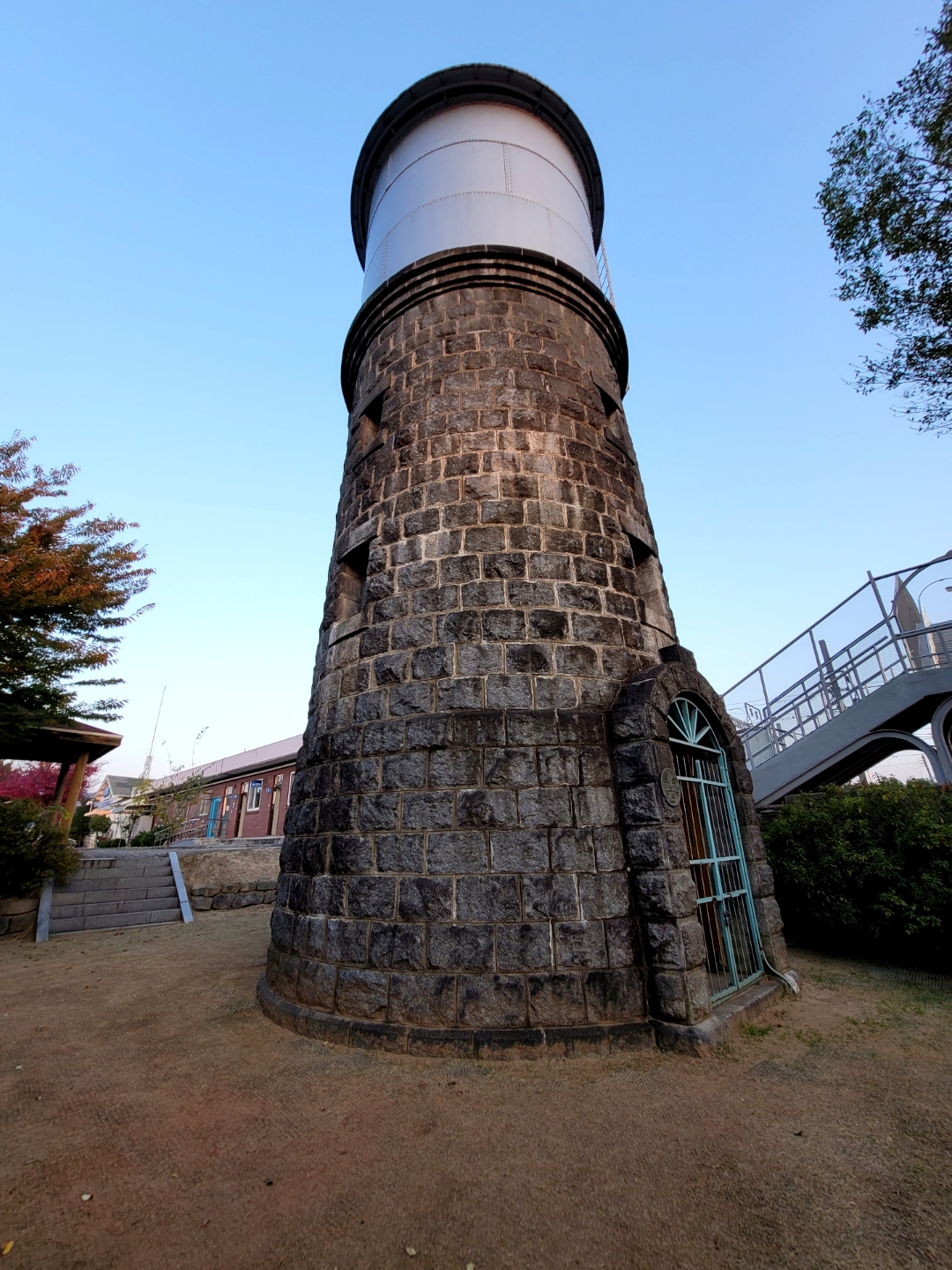
Yeonsan Station Water TowerSee a modern railway facility that supplied water to steam locomotives.
3
Yeonsan Station Water TowerSee a modern railway facility that supplied water to steam locomotives.
Food & Dining 3
-
 4
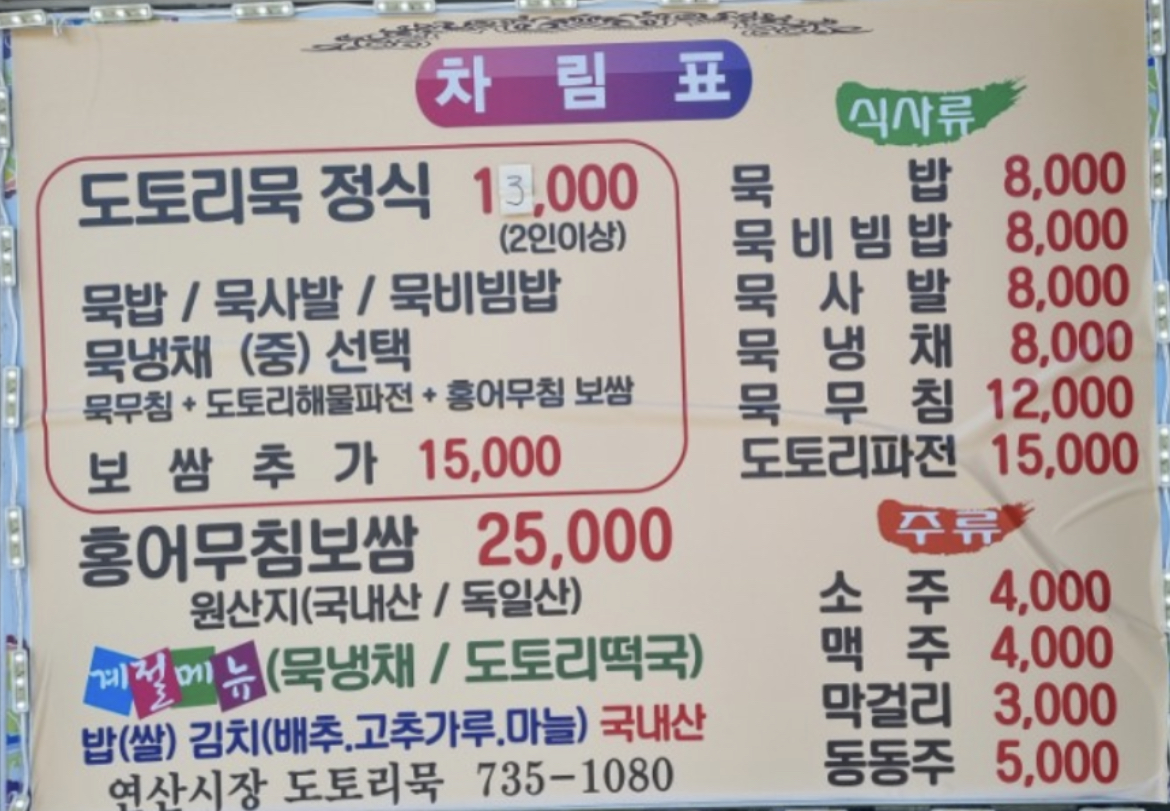
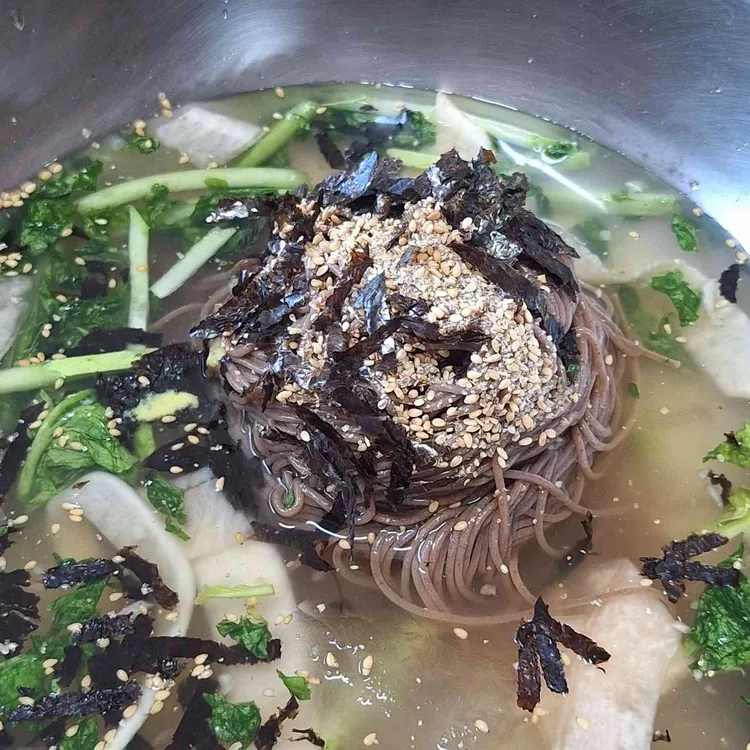
Yeonsan Market Acorn JellyEnjoy traditional dishes such as acorn jelly rice soup and seasoned acorn jelly salad.
4
Yeonsan Market Acorn JellyEnjoy traditional dishes such as acorn jelly rice soup and seasoned acorn jelly salad. -
 5
5
-
 6
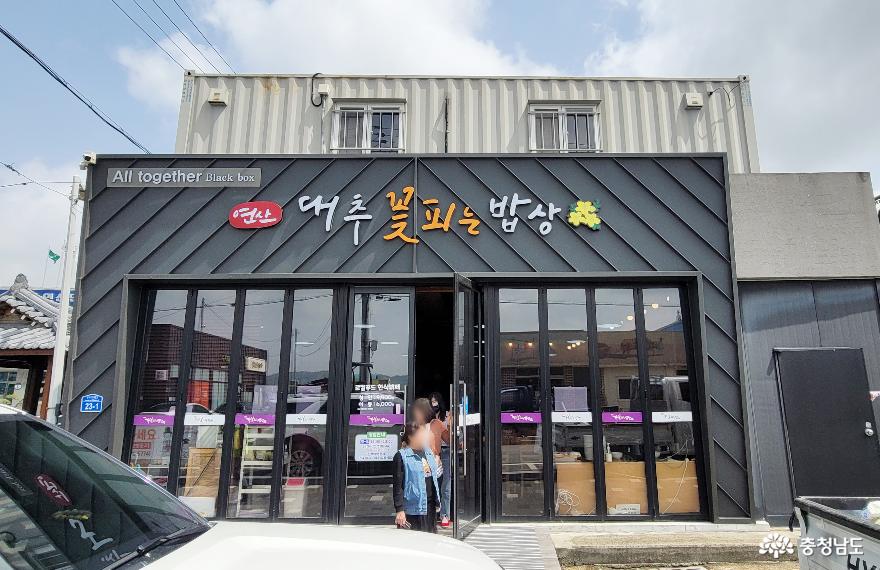
Yeonsan Daechu Kkot Pineun BapsangEnjoy a Korean buffet lunch prepared with locally sourced ingredients.
6
Yeonsan Daechu Kkot Pineun BapsangEnjoy a Korean buffet lunch prepared with locally sourced ingredients.
More Travel Guides in This Area
 Travel Guide
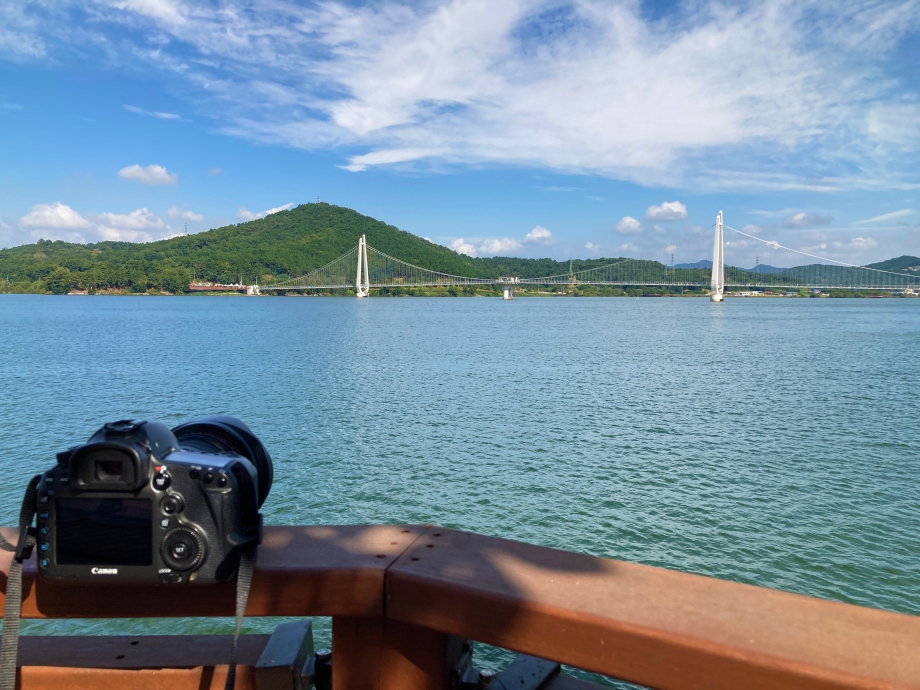
Nonsan Tapjeong Lake Suspension Bridge: Sunsets and Night Views over a 600 m Lake
 Travel Guide
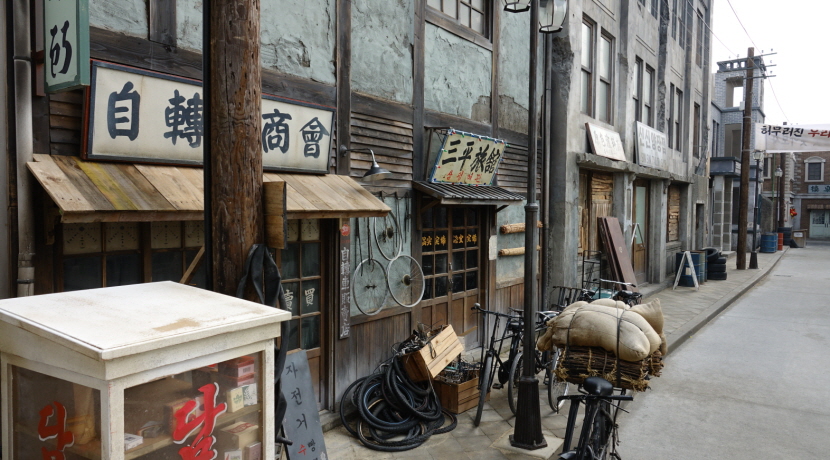
Sunshine Studio: 1950 Studio and a Modernization-Era Street
 Travel Guide
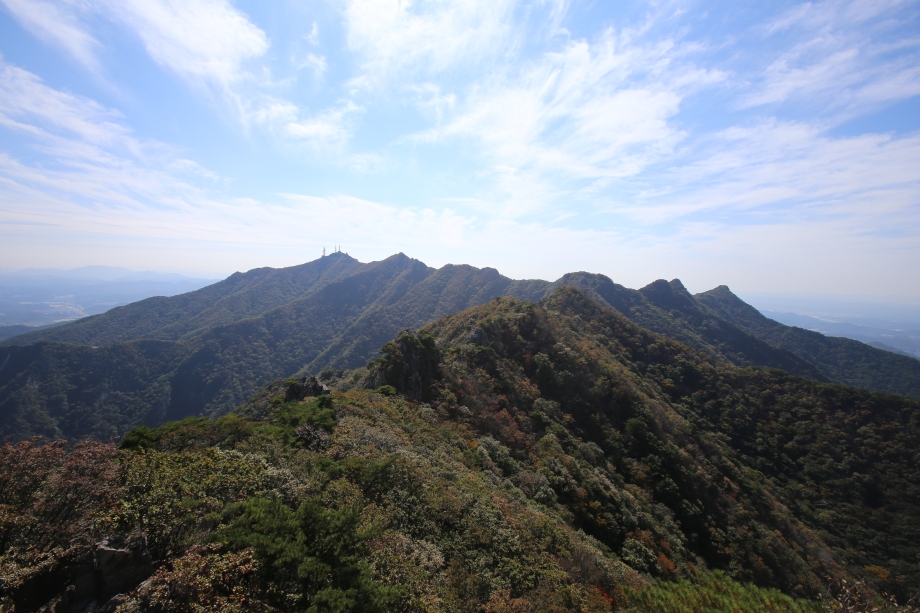
How to Get to Gwaneumbong from Gyeryongsan National Park with Cheonhwangbong Closed
 Travel Guide
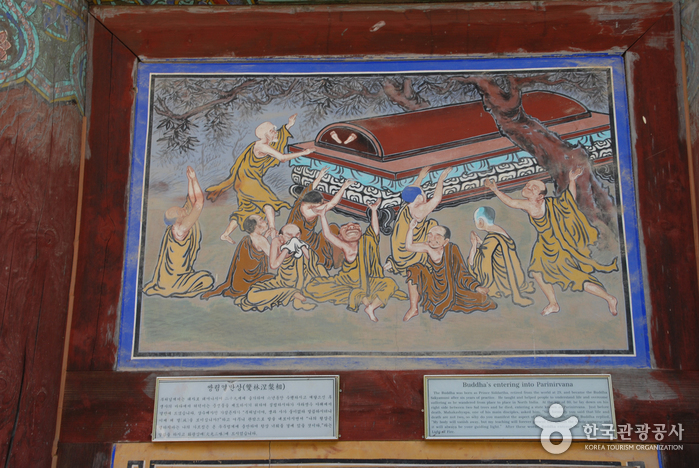
Donghaksa Temple, Visiting for the First Time Between Munpilbong Peak and Donghaksa Valley
Korea News
 News
News
TWS heightens comeback excitement with kitschy charm… Anticipation for “plot twist” rises
 News
News
BTS, Six Months After Its Release… ‘Arirang’ Climbs the U.S. Billboard 200
 News
News
'The Nation's Girl Group' RESCENE, Five Girls Transformed into Guardians… Additional Concept Photos for Their 4th Mini Album Revealed
 News
News