From the Factory Alleys of Seongsu-dong to Seoul Forest, a Half-Day Connecting Custom Shoes and Pop-Ups
Seongsu-dong is a walkable neighborhood in eastern Seoul where a handmade shoemaking base dating back to the 1960s overlaps with repurposed factories and warehouses, brand pop-ups, and Seoul Forest. Since destinations change frequently, it is safer to plan your route along the line connecting Seongsu Station Handmade Shoe Street, Yeonmujang-gil, and Seoul Forest rather than focusing on a single store.

I’ve been here?
Your check-in helps the next traveler.
No one has checked in yet Be the first
One tap — no writing needed
From Gyeongseong Station Shoe Repair Shops in 1925 to the Seongsu Handmade Shoe Street
If you think of Seongsu-dong as just a café street, it is easy to miss the heart of the neighborhood. According to Seongdong-gu materials, general stores and shoe repair shops appeared around Gyeongseong Station (present-day Seoul Station) in 1925, and the base for handmade shoe production later moved to Seongsu-dong. Seoul's Future Heritage records that as handmade shoe manufacturers in the Seongsu-dong area became densely concentrated in the late 1980s, this area emerged as the mecca of handmade shoes.
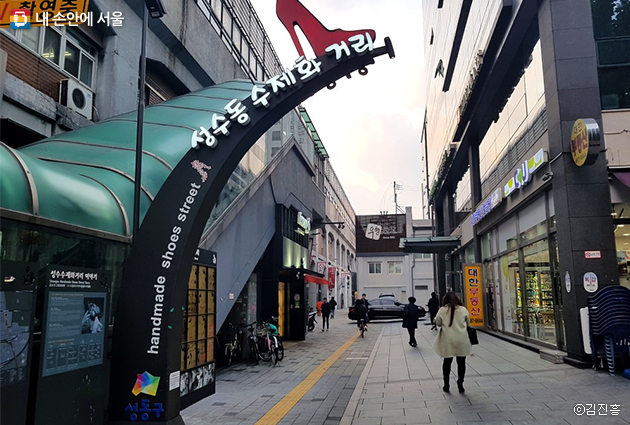
The Seoul Tourism Organization says the Seongsu Handmade Shoe Street began in the 1960s near Yeomcheongyo and later moved to its current location in Seongsu-dong, where there were once about 1,000 factories and 80% of domestic handmade shoes were produced. The industrial background of Seongsu-dong lies in the fact that along the street centered on Seongsu Station today, you can see finished-product stores, leather and accessory shops, and workshops together.
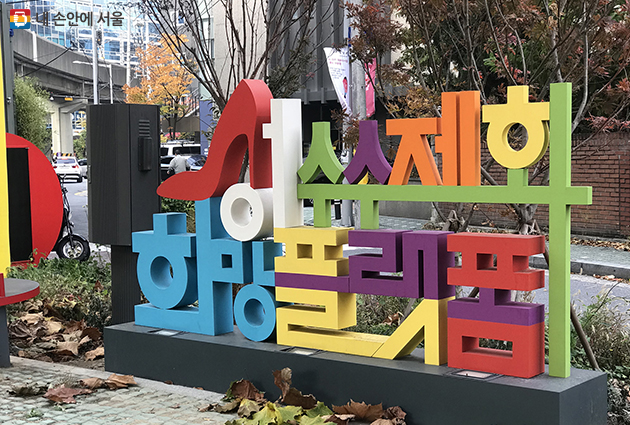
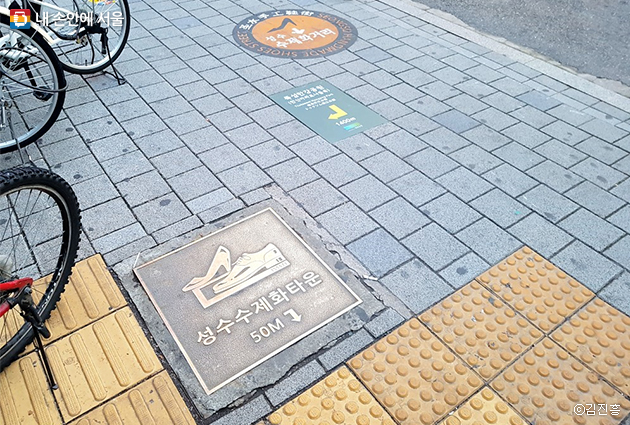
The handmade shoe route starting from Exit 1 of Seongsu Station and Yeonmujang 7-gil 15
The Seongsu Handmade Shoe Street is centered around Exits 1 and 2 of Seongsu Station, and the representative address provided by the Seoul Tourism Organization is 15, Yeonmujang 7-gil, Seongdong-gu, Seoul. Near Exit 1 of Seongsu Station, there are signs marking the start of the handmade shoe street and an exhibition space inside the station, so if it is your first visit, it is easy to orient yourself by starting from Seongsu Station on Subway Line 2.
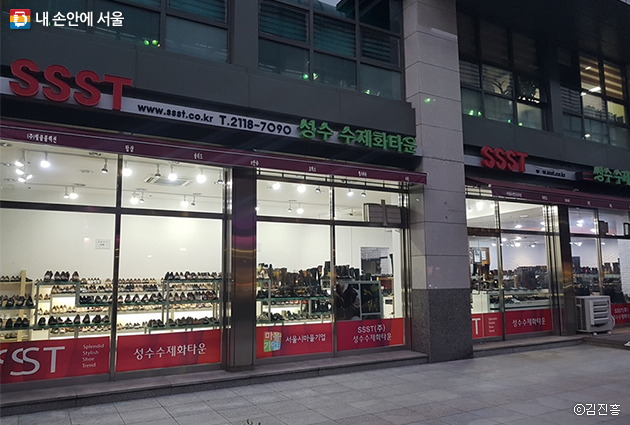
SSST, the Seongsu Handmade Shoe Collective Sales Shop, has been introduced as a shared retail space using the abbreviation for Seongsu Handmade Shoe Street. Since custom-made orders and repairs vary by store in terms of estimates, production time, and pickup method, if you need to buy on the same day, it is better to first ask whether finished products are on display and whether your size is in stock. Because the entire street is a single open area, admission is free and there are no fixed opening or closing hours.
Seongsu-dong's Three Routes Seen from Wangsimni-ro 10-gil 10
The given address, 1st floor, 10, Wangsimni-ro 10-gil, Seongdong-gu, Seoul, lies between the living areas of Ttukseom Station, Seoul Forest Station, and Seongsu Station. Seongsu-dong is not a place you enter as if it were a single tourist attraction; it is a neighborhood of mixed commercial, residential, and semi-industrial zones, so it is best to set a starting point and then walk according to your purpose.
To see handmade shoes and industrial heritage, head toward Seongsu Station; to focus on factory-repurposed buildings, pop-ups, and showrooms, head toward Yeonmujang-gil and Seongsui-ro; and to add a walk toward the trees and the Han River, head toward Seoul Forest. If you include all three areas, you will need 4 to 6 hours including walking and waiting time, while a shorter schedule with just one or two pop-ups can be done in 2 to 3 hours.
- Seongsu Station on Subway Line 2: starting point for the handmade shoe street and Yeonmujang-gil
- Ttukseom Station on Subway Line 2: convenient for access to Wangsimni-ro and the northwest side of Seoul Forest
- Seoul Forest Station on the Suin-Bundang Line: convenient for access to Seoul Forest and the southern commercial district of Seongsu-dong
Onion Seongsu and Seongsu Yeonbang, preserving the framework of a 1970s factory
The Seoul Tourism Organization introduces Onion Seongsu as a space that uses a 1970s factory building and operates while retaining traces of the former 'Shinil Metal.' The address is 8, Achasan-ro 9-gil, Seongdong-gu. Architectural elements that leave the red brick, worn tiles, and iron doors intact show that Seongsu-dong's redevelopment style differs from new-construction-centered development.
Seongsu Yeonbang is an example of transforming an old chemical factory into a complex cultural space, and its address is 14, Seongsui-ro 14-gil, Seongdong-gu. Because cafes, restaurants, lifestyle and culture shops, and pop-up events operate there, each store has different business hours, closing days, and reservation conditions. In particular, pop-ups have short event periods and may involve on-site waiting, so on the day of your visit you should check the brand's official channel for the period, entry method, and whether a wait-list registration is required.
Seoul Forest at 273, transformed into a civic park in 2005
The southern part of Seongsu-dong can be connected to Seoul Forest. According to the Seoul Tourism Organization, the address is 273, Ttukseom-ro, Seongdong-gu, Seoul, and this site was once a royal hunting ground before being used as Seoul's first water source, a racetrack, and a golf course, and then developed into Seoul Forest in 2005. This is why a large green space is viewed together with Seongsu-dong, which was once dense with factories and warehouses.
The Seoul Tourism Organization introduces Seoul Forest as four zones: a culture and arts park, an ecological forest, an experiential learning park, and a wetland ecological park. The park itself is free to use, but seasonal programs and the operation of some facilities may be subject to separate notices. Since the route from the handmade shoe street around Seongsu Station to Seoul Forest passes through the intervening commercial district, if the indoor pop-up waiting time is long, it is better to leave the park walk for later to make scheduling easier.
- Seoul Forest address: 273, Ttukseom-ro, Seongdong-gu, Seoul
- Seoul Forest admission: free
- Recommended combination: 60-90 minutes for the handmade shoe street, 90-180 minutes for repurposed spaces and pop-ups, 60-120 minutes for Seoul Forest
Mobile information booths and pop-up wait management operating Saturdays and Sundays from 13:00 to 17:00
The Seongdong-gu newsletter states that the Seongsu-dong mobile tourist information booth operates every Saturday and Sunday from 13:00 to 17:00. Since it tours the areas around Seongsu Station, Seoul Forest, and Atelier Street, providing interpretation, on-site guided assistance, and thematic maps, it is better to look for the staff around Seongsu Station during those hours rather than going only to fixed buildings.
Because Seongsu-dong is a district where brand pop-ups open for limited periods, 'what is open today' matters more than fixed tourist information. There are many free-entry events, but advance reservations, on-site numbered tickets, wait-list registration, and entry cutoffs vary by event. On weekend afternoons, allow 30 to 60 minutes for each pop-up, considering possible waiting times and pedestrian congestion, and if you have a reserved time, it is practical to place the shoe street or Seoul Forest before and after that location.
Use the subway instead of narrow alleys; if driving, use the Seongsu 2-ga 3-dong public parking lot
Seongsu-dong's alleys are a mix of factories, shops, and residences, and some sections are one-way, so if you plan to visit multiple places, the subway and walking are more convenient. Seongsu Station is on Line 2, Ttukseom Station is on Line 2, and Seoul Forest Station is on the Suin-Bundang Line, so you can choose different stations depending on your starting point and final destination.
If you are driving, the Seongsu 2-ga 3-dong public parking lot at 23, Gwangnaru-ro 4-ga-gil, Seongdong-gu is mentioned as an alternative, and public parking information lists a fee of 100 won per 5 minutes, 1,200 won per hour, and 24-hour operation. However, parking fees, capacity, and discount conditions may change, and the lot may be full on weekends, so it is necessary to check real-time information again from the Seongdong-gu Facilities Management Corporation or a parking app before departure.
- Seongsu 2-ga 3-dong public parking lot address: 23, Gwangnaru-ro 4-ga-gil, Seongdong-gu, Seoul
- Publicly listed fee: 100 won per 5 minutes, 1,200 won per hour
- Publicly listed operation: 24 hours
What to expect in Seongsu-dong and what not to expect
Seongsu-dong is not a place like a museum with a single set of operating rules and routes. Street access is free and you can move through it year-round, but the operating hours and closing days of cafes, stores, workshops, exhibitions, and pop-ups all differ. Therefore, there is no single representative phone number or official website, and it is better to use the Seoul Tourism Organization's Seongsu-dong introduction page and Seongdong-gu's handmade shoe history page as your main sources of information.
For stroller or wheelchair users, the paved paths in Seoul Forest are relatively easy to access, but the narrow sidewalks and older factory alleys around Seongsu Station may have congestion and steps. Foreign-language information can be obtained through the Seoul Tourism Organization's English guide and the interpretation service at the weekend mobile tourist information booth, but foreign-language support and barrier-free facilities at individual pop-ups and independent stores should be checked in advance.
Before You Go
- Address
- 1st floor, 10, Wangsimni-ro 10-gil, Seongdong-gu, Seoul
- Hours
- The Seongsu-dong street itself is open for passage at all times. Individual stores, pop-ups, and workshops each have different operating hours. The Seongsu-dong mobile tourist information booth operates every Saturday and Sunday from 13:00 to 17:00 according to the public notice.
- Closed
- None for the Seongsu-dong street itself. Varies by individual store, pop-up, and workshop.
- Admission
- Free
- Official site
- https://english.visitseoul.net/editorspicks/Seongsu-dong/ENNg9y9rs
- Transport
- Access the handmade shoe street from Exits 1 and 2 of Seongsu Station on Subway Line 2. Ttukseom Station on Line 2 and Seoul Forest Station on the Suin-Bundang Line are also usable for access to the Seongsu-dong area.
- Parking
- Seongsu 2-ga 3-dong public parking lot: 23, Gwangnaru-ro 4-ga-gil, Seongdong-gu, Seoul. Publicly listed fee is 100 won per 5 minutes, 1,200 won per hour, and 24-hour operation, subject to change.
- Time needed
- 2-3 hours centered on the handmade shoe street and Yeonmujang-gil, 4-6 hours including Seoul Forest.
- Accessibility
- The paved paths in Seoul Forest are relatively easy to use, but the alleys around Seongsu Station may have narrow sidewalks, steps, and congestion. Interpretation and on-site guidance are provided at the weekend mobile tourist information booth.
The information above is current as of the time of writing. Please check the official guidance again before visiting.

Places
Nearby Attractions 5
-
 1
1
-
 2
2
-
 3
3
-
 4
4
-
 5
5
Food & Dining 5
-
 6
6
-
 7
7
-
 8
8
-
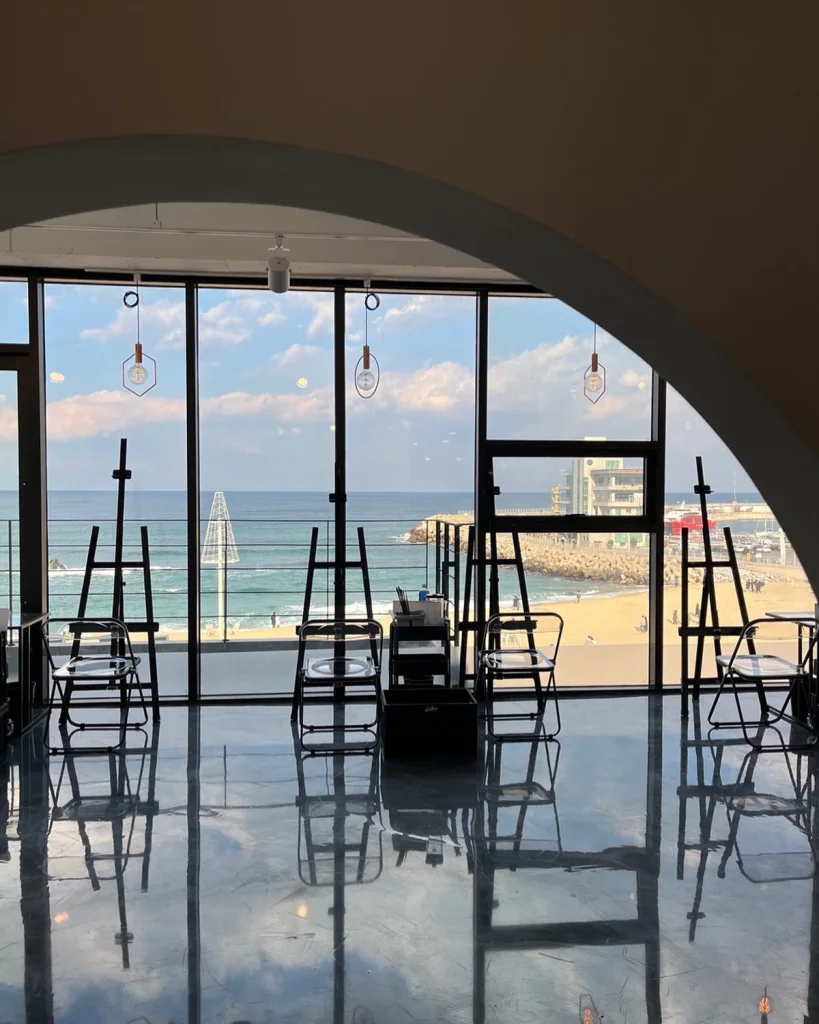 9
Anmok Seongsu
9
Anmok Seongsu -
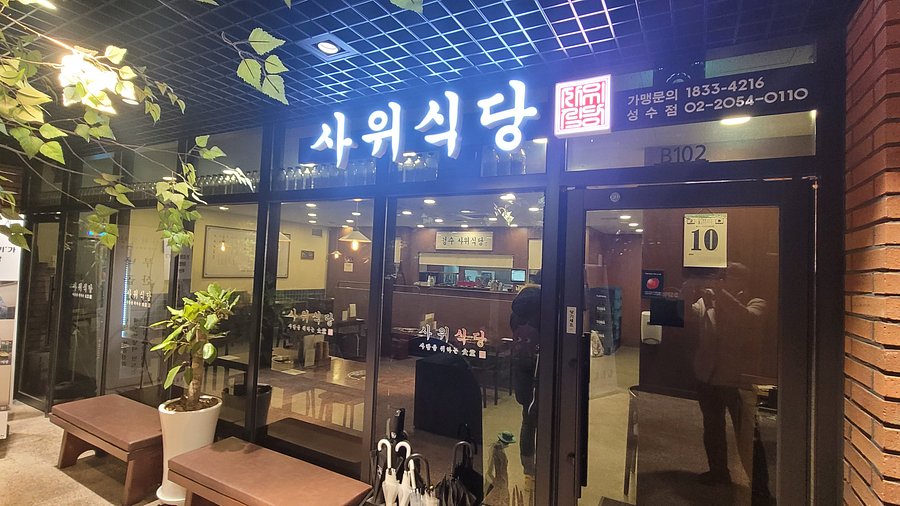 10
Sawoo Sikdang Seongsu
10
Sawoo Sikdang Seongsu
Events in This Area

Festivals in This Area

More Travel Guides in This Area
 Travel Guide
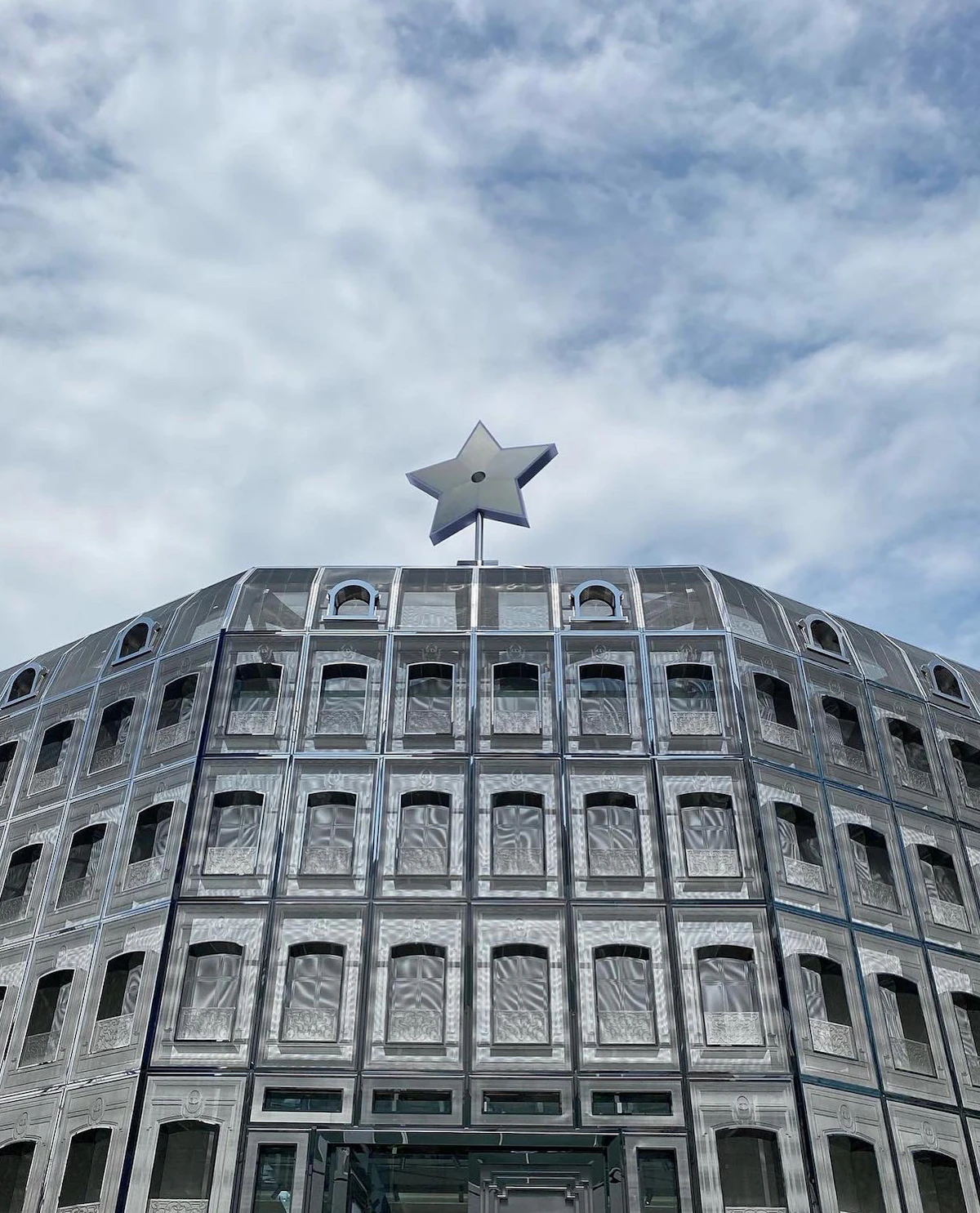
Dior Seongsu in a Glass Greenhouse: From Reservations to 30 Minutes of Parking
 Travel Guide
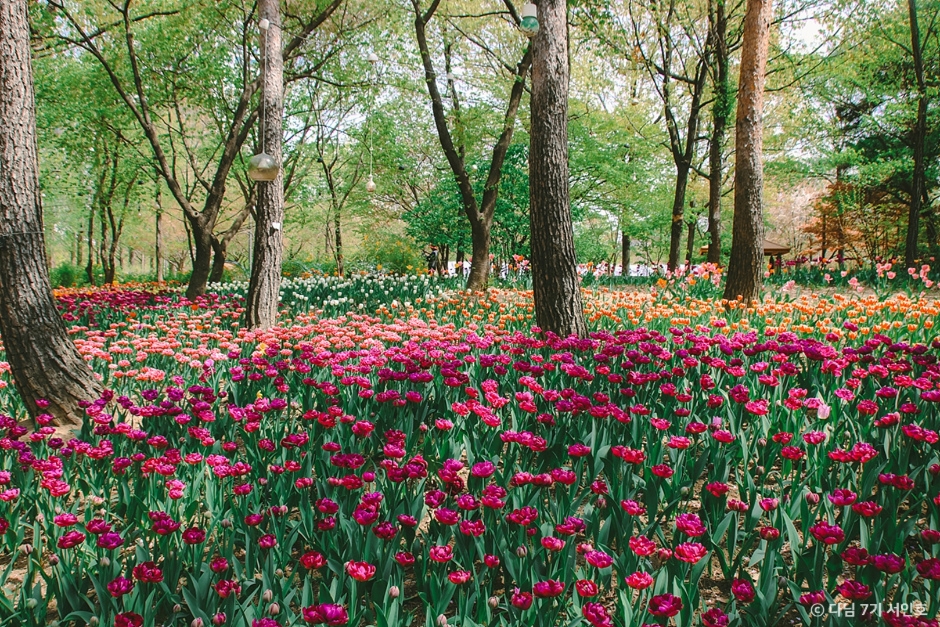
Seoul Forest, transformed from the Ttukseom Racecourse in 2005 into a 24-hour park
 Travel Guide
Seongsu Noru, 310 m from Exit 3 of Seongsu Station, where staff grill Hanwoo beef intestines
 Travel Guide
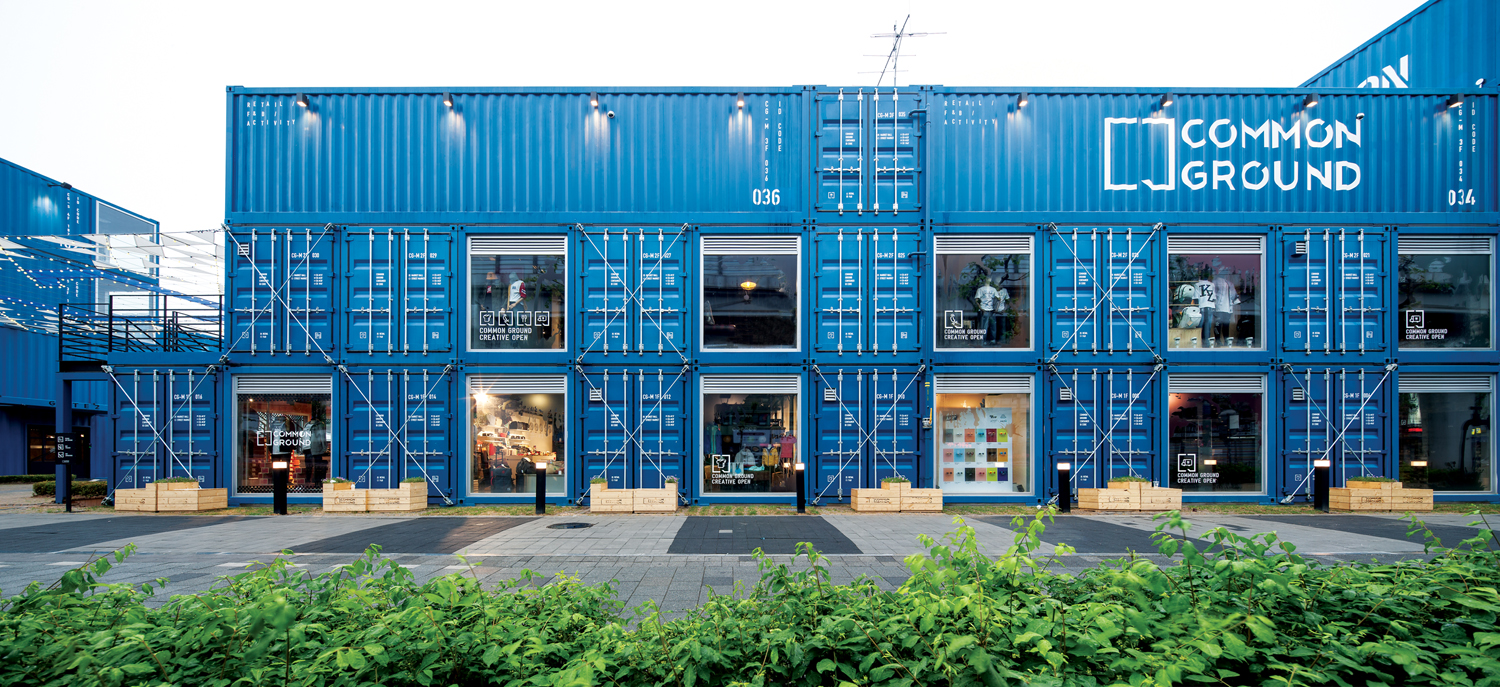
Common Ground, 200 Blue Containers 3 Minutes from Exit 6 of Konkuk University Station
Korea News
 News
News
BTS’s “Arirang” Surpasses 5 Billion Streams…Highest Among Albums Released This Year
!['Salon Drip' San: "ATEEZ's 'reverse export' feeling... We didn't expect the 'Bad' craze" [RE:TV]](https://kotourlive-images.s3.ap-northeast-1.amazonaws.com/news/1791944381066_82499d27_news_5532e781-915c-426a-aab0-e4580e1952e8.jpg) News
News
'Salon Drip' San: "ATEEZ's 'reverse export' feeling... We didn't expect the 'Bad' craze" [RE:TV]
 News
News
“He gathered nine BoAs to create Girls’ Generation” — Lee Soo-man’s uncanny girl-group visuals send fans into a frenzy
 News
News