Encounter Joseon-era Music Through Your Ears First: 7 Exhibition Rooms at the National Gugak Center Museum
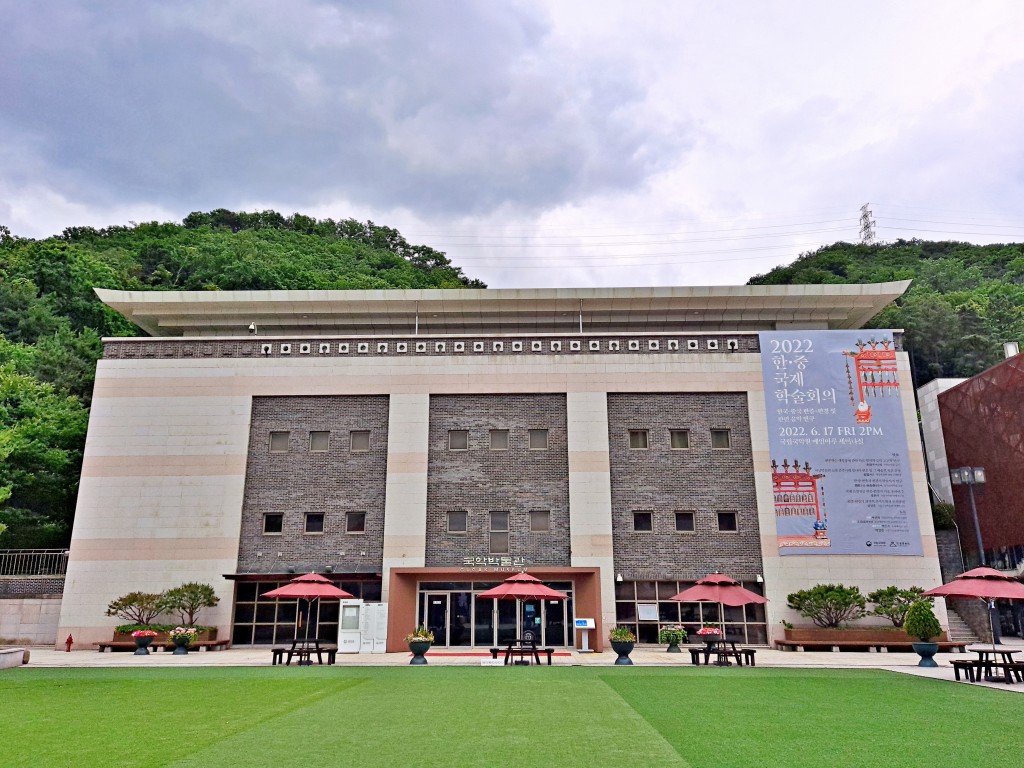
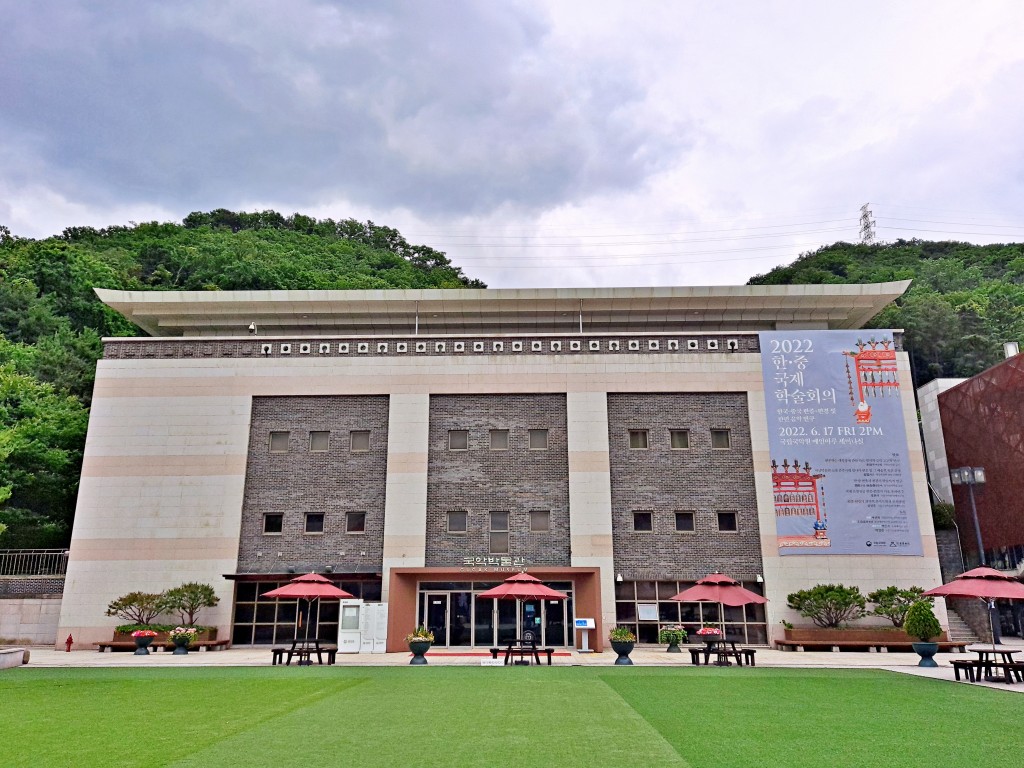
The National Gugak Center Museum is South Korea's first museum dedicated to gugak, opened on February 23, 1995. Located inside the National Gugak Center in Seocho-gu, Seoul, it explores gugak through sound-centered exhibits, from large court music instruments to folk song recordings, 4K and 14-channel audiovisual media, and interactive displays.

I’ve been here?
Your check-in helps the next traveler.
No one has checked in yet Be the first
One tap — no writing needed
National Gugak Museum, which began as a "listening museum" on February 23, 1995
The National Gugak Museum is the first museum in South Korea dedicated to gugak, having opened on February 23, 1995. Located inside the National Gugak Center, this museum goes beyond simply displaying instruments; it is designed to handle sound, scores, performers, and recording media together. According to the Korea Tourism Organization’s guide, it holds about 6,000 items of gugak-related materials and artifacts, and 250 sound and video clips of gugak are used in the permanent exhibition.
The current permanent exhibition unfolds across seven themes: "Gugak Yard -> Sound Works -> Instrument Room -> Literature Room -> Audio-Visual Archive -> Master Room -> Experience Room." If this is your first visit, it is best to check the exhibition order at the entrance and set aside at least 90 minutes. Because the exhibits span many eras and fields, watching one or two videos may make the visit take longer than 60 minutes.
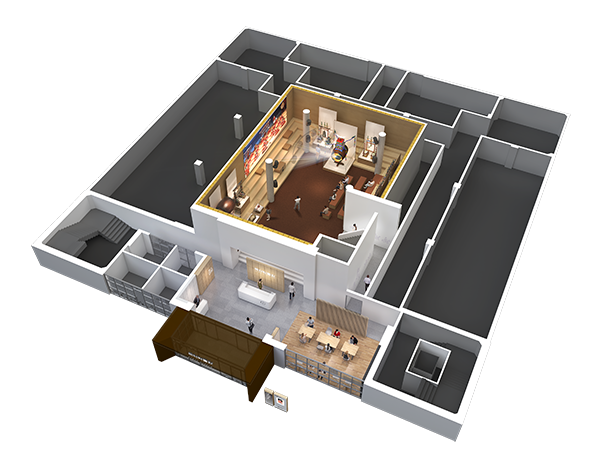
The chuk, eo, and pyeonjong of "Gugak Yard," showing the rituals and music of royal ceremonies
The first exhibition room, "Gugak Yard," takes the royal courtyard of the Joseon palace, the front courtyard where official rituals were held, as its starting point. In royal ceremonies, ensembles were organized to match the scale of the event in order to reveal the order of ritual and the harmony of music, and the large instruments used in those ceremonies are arranged in this space. If you know that the chuk signals the start of music and the eo signals its end, the exhibition route becomes much clearer.
The core of this exhibition room is not quietly viewing artifacts, but comparing and listening to sounds. Yeongsanhoesang, Jongmyo Jeryeak, and Namdo sinawi are played on a 4K screen with 14 13.1-channel speakers. Since Jongmyo Jeryeak has the historical background of being music performed by the Joseon royal court at Jongmyo ancestral rites, it is best to listen from the beginning to the ending of at least one piece in front of the video.
- Main instruments: chuk, bak, eo, geongo, jingo, teukjong, teukgyeong, pyeonjong, pyeongyeong
- Video screen: 4K UHD 3,840×2,160
- Audio equipment: 14 13.1-channel speakers
From Yangidu from the 6th to 7th centuries to Jeju shamanic janggu, the timeline of the instrument room
The instrument room presents wind, string, and percussion instruments according to how they produce sound and how they are played. Gugak instruments are not only those originally created in Korea, but also include foreign instruments transformed to suit Korean aesthetics and performance methods. It is a good space for connecting names and timbres by comparing daegeum, sogeum, danso, hyangpiri, taepyeongso, yanggeum, janggu, gwaenggwari, and jing in one place.
There are also artifacts that help show differences across eras. On display are replicas and restored versions of Yangidu, estimated to date from the 6th to 7th centuries and excavated from Wolpyeong-dong in 1994–1995, as well as replicas and restored versions of a drum estimated to date from the 9th century and excavated from the Yeonji site of Changnyeong Hwaeongsanseong Fortress, excavated in 2005. There are also 20th-century Jeju shamanic janggu used in Jeju Chilmeoridang Yeongdeung Gut and the sajanggu of Miryang Baekjung Nori, allowing visitors to see not only court music but also instruments from regional rituals and folk performances.
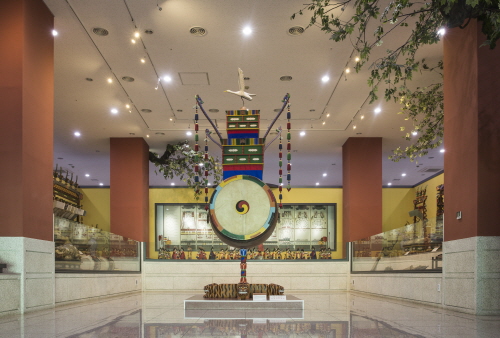
Music records left by Daegakhoebu of 1759 and Akhak Gwebeom of 1743
The literature room explains how music, which is often passed down only through sound, was preserved in scores and books. Scores compiled by the state tended to contain royal ceremonial music, while scores written by individuals tended to include music from musicians outside the palace and from the general public. Therefore, the notation style, publication date, musical form, and the copyist’s notes become clues for reading the performance practices and changes of the era.
On display are the 1902 Imjin Jinyeondo Byeong, Daegakhoebu of 1759, designated Treasure No. 1291, Akhak Gwebeom of 1743, Sambuk Geumbo of 1841, and Gagok Wonryu of 1876 compiled by Park Hyo-gwan and Ahn Min-young. For visitors accustomed to Western staff notation, it is helpful not to view scores only as symbols that can be sung immediately, but as media that recorded and transmitted court rituals, gageok, and geomungo music.
- Daegakhoebu: 1759, Treasure No. 1291
- Akhak Gwebeom: 1743
- Sambuk Geumbo: 1841
- Gagok Wonryu: 1876
- Imjin Jinyeondo Byeong: 1902
Gugak archive established in 2007 and more than 390,000 sound and video records
The audio-visual archive shows how recording technology changed the way "the sound of that time" could be preserved. The National Gugak Center’s Gugak Archive was established in 2007 and collects, preserves, and makes use of traditional music, dance, performance videos, and printed materials related to gugak from Korea and abroad. According to the museum guide, more than 390,000 items were held as of the end of 2018.
Here, visitors can encounter recording media such as cylinder phonographs, SP records, and 8mm slide film, along with a 1968 Jeju folk song reel tape, folk song recordings from the 1960s in the Kwon O-seong Collection, and photos and film from 1976–1996 in the Choi Deok-won Collection. Since listening to audio in the exhibition hall may take a long time, it is best to enter before 17:30, which is 30 minutes before the museum closes.
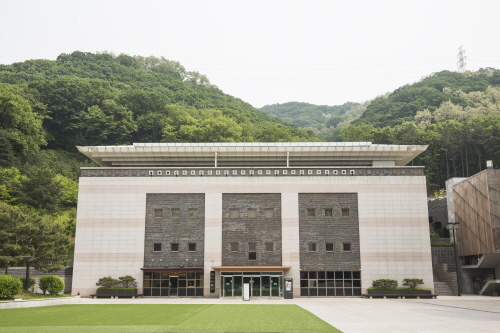
Free admission from 10:00 to 18:00; closed on Mondays and January 1
The National Gugak Museum’s official opening hours are 10:00 to 18:00, and last admission is at 17:30. It is closed every Monday and on January 1, and admission is free. Guides and operating conditions may change, so it is safest to check the National Gugak Center’s official website notices and exhibition information on the day of your visit.
The inquiry phone number is 02-580-3130, and the official website is https://www.gugak.go.kr. The address is 2364 Nambusunhwan-ro, Seocho-gu, Seoul (Seocho-dong), postal code 06757. If you choose to visit individually rather than with an exhibition explanation, ask at the information desk first whether a media guide can be rented and in which languages it is available.
- Opening hours: 10:00~18:00
- Last admission: 17:30
- Closed: Every Monday, January 1
- Admission fee: Free
- Inquiry: 02-580-3130
National Gugak Center parking fees and visit preparation changed from March 9, 2026
The museum is located within the National Gugak Center complex, so parking is available. From March 9, 2026, the general parking fee is 1,000 KRW per 10 minutes, and on Saturdays, Sundays, and public holidays, a congestion surcharge applies, raising the fee to 1,500 KRW per 10 minutes. For exhibition visitors, parking under 3 hours costs 4,000 KRW, and on weekends and public holidays it costs 6,000 KRW. Exit within 20 minutes is free, and the maximum daily fee is 45,000 KRW.
During performance and education hours, vehicles may overlap with users of Yeakdang and Umyeondang in the same complex. Especially on weekends, parking surcharges apply, so if you are only visiting the museum, it is reasonable to arrive between 10:00 and 12:00 on weekdays or to prioritize public transportation. For wheelchair or stroller use and detailed foreign-language support, it is a good idea to call 02-580-3130 before your visit to confirm the route and whether equipment can be rented.
- General fee: 1,000 KRW per 10 minutes
- Weekend/holiday general fee: 1,500 KRW per 10 minutes
- Exhibition visit under 3 hours: 4,000 KRW
- Exhibition visit under 3 hours on weekends/public holidays: 6,000 KRW
- Parking inquiry: 02-580-3019
Before You Go
- Address
- 2364 Nambusunhwan-ro, Seocho-gu, Seoul (Seocho-dong)
- Hours
- 10:00~18:00 (last admission 17:30)
- Closed
- Every Monday, January 1
- Admission
- Free
- Phone
- 02-580-3130
- Official site
- https://www.gugak.go.kr
- Parking
- Parking available at the National Gugak Center. From March 9, 2026, general parking is 1,000 KRW per 10 minutes, and 1,500 KRW per 10 minutes on Saturdays, Sundays, and public holidays. Exhibition visit under 3 hours: 4,000 KRW; weekends/public holidays: 6,000 KRW.
- Time needed
- 90~120 minutes
- Accessibility
- Media guides can be rented at the museum information desk. For detailed support for wheelchairs, strollers, and foreign-language guidance, inquiry at 02-580-3130 is recommended.
The information above is current as of the time of writing. Please check the official guide again before visiting.

Places
Nearby Attractions 5
-
 1
1
-
 2
2
-
 3
3
-
 4
4
-
 5
5
Food & Dining 4
-
 6
6
-
 7
Baeknyeonok
7
Baeknyeonok -
 8
8
-
 9
9
Events in This Area

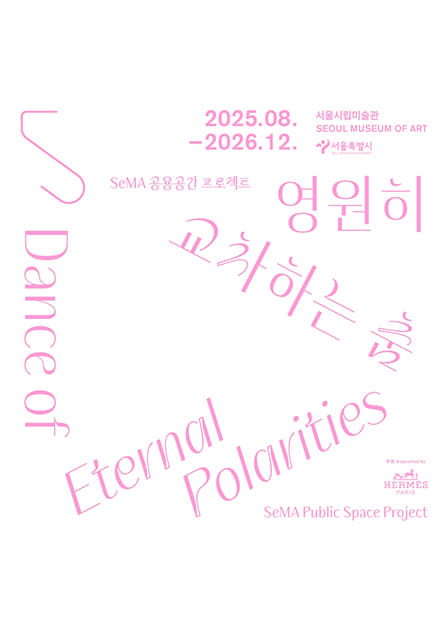
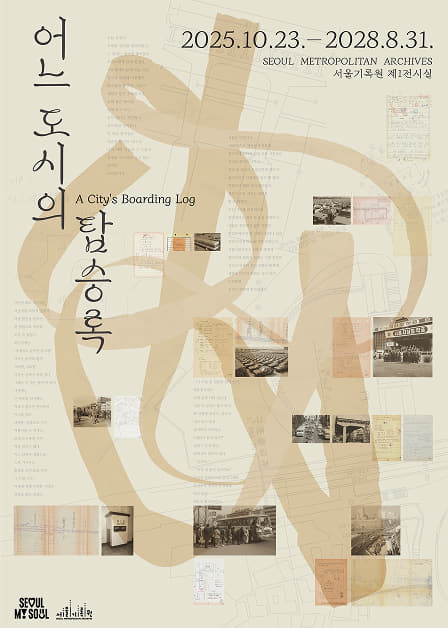
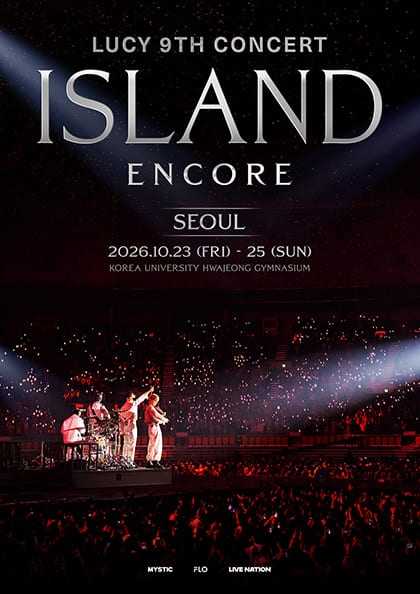
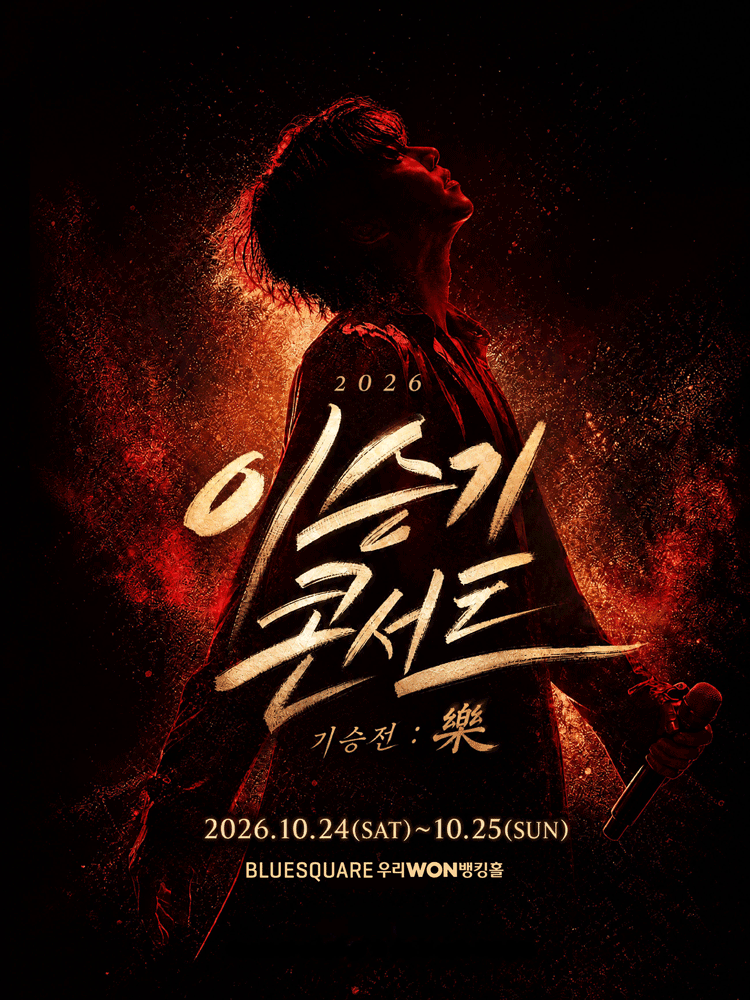
Festivals in This Area
More Travel Guides in This Area
 Travel Guide
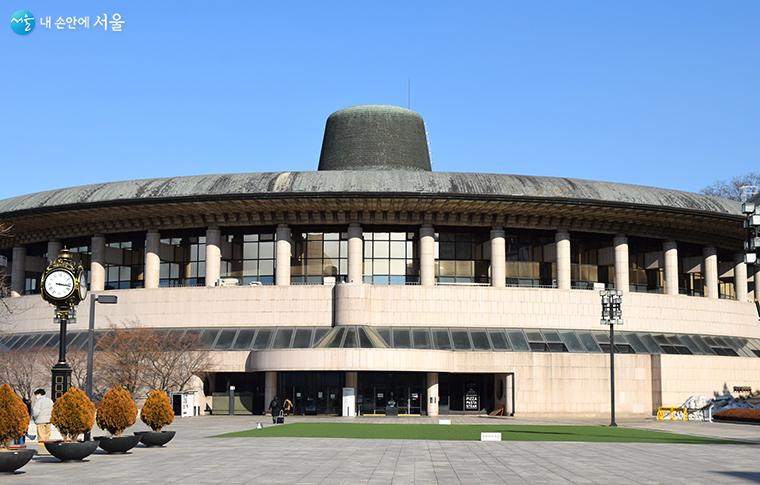
Arts Center, a Complex Arts Space with a Newly Tiled Roof at the Foot of Umeom Mountain
 Travel Guide
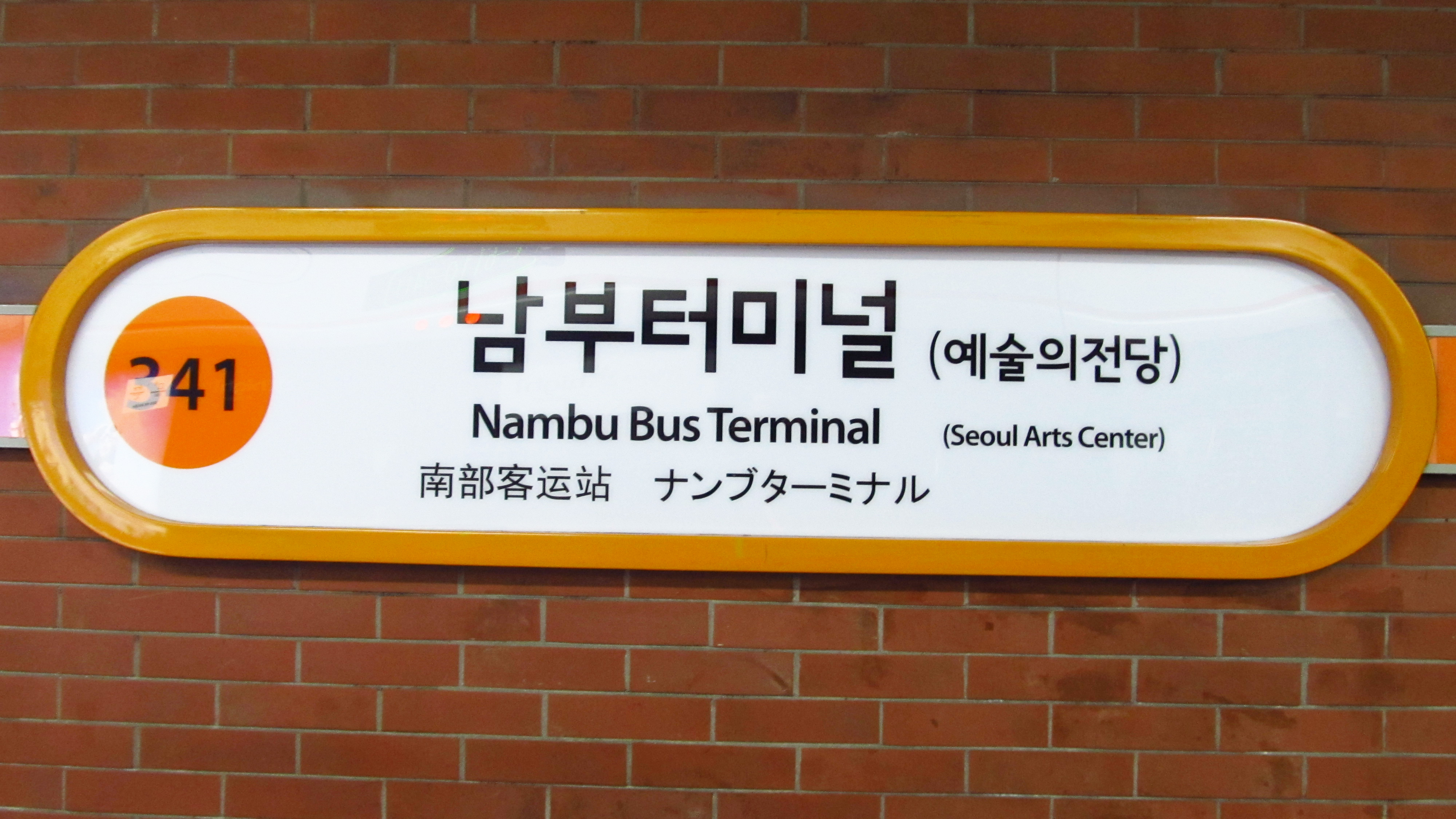
The Gateway to Seocho Where Line 3 Nambu Bus Terminal Station Branches Off to the Seoul Arts Center and Seoul Nambu Bus Terminal
 Travel Guide
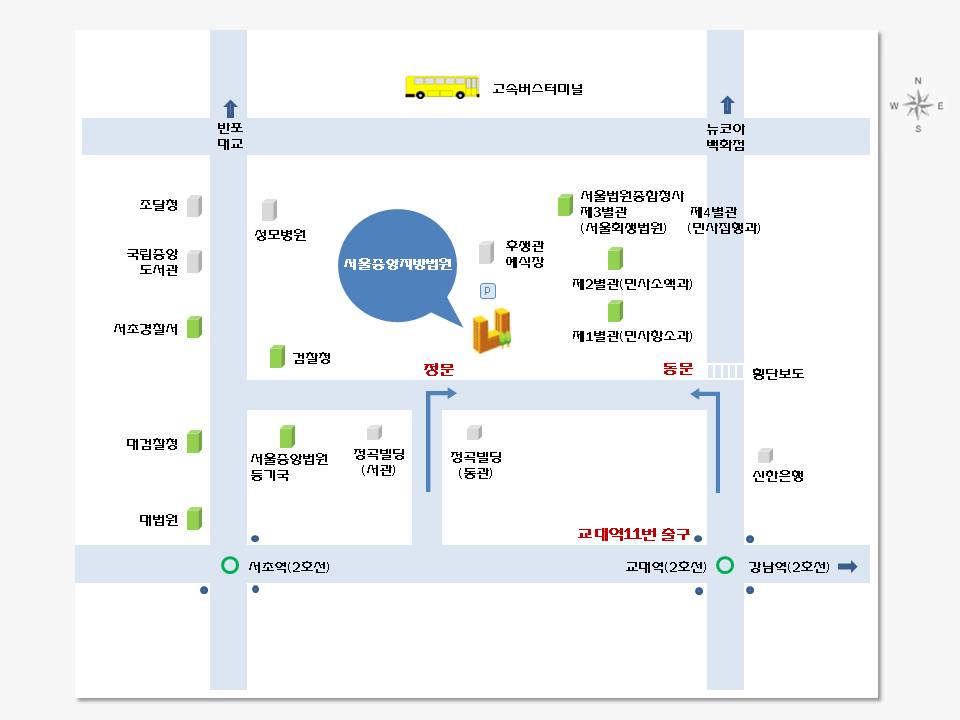
Reading the 8 Exits of Seocho Station Between the Courthouse Street and the Seoul Arts Center
 Travel Guide
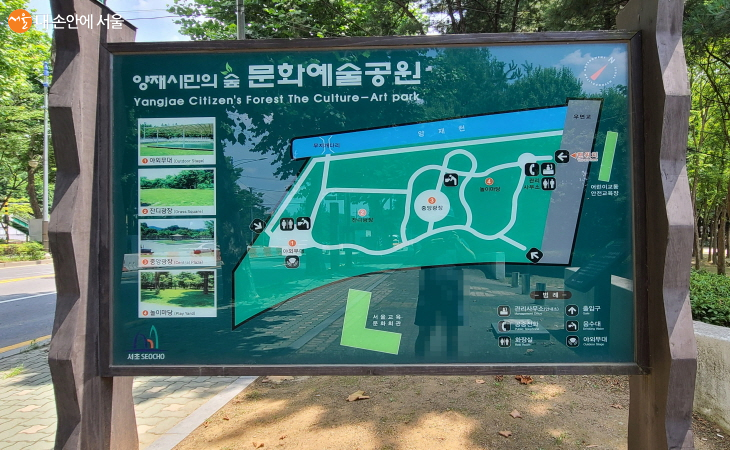
Seocho Culture and Arts Park Where Metasequoia 2-gil Meets a 200 m Red Clay Trail
Korea News
 News
News
"Overcoming the Getty curse" Jang Wonyoung, with unreal proportions and beauty straight out of a Barbie doll
 News
News
A2O LITE Tops Melon TOP100 Just 29 Hours After Debut, Setting the Fastest Record for a Debut Song
![Billlie's Tsuki 'Makes an Entrance Showing Off Her Beautiful Figure' [MK Photo]](https://kotourlive-images.s3.ap-northeast-1.amazonaws.com/news/1792027947835_957f0cb8_news_5c0023c5-e9a0-4640-9154-cb0b69d810c4.jpg) News
News
Billlie's Tsuki 'Makes an Entrance Showing Off Her Beautiful Figure' [MK Photo]
![ENHYPEN ‘Fighting for the Macau performance too!’ [★Video]](https://kotourlive-images.s3.ap-northeast-1.amazonaws.com/news/1792027887815_5057637d_news_8041e5cd-8b22-4193-bb46-880c65d944f7.jpg) News
News