Arts Center, a Complex Arts Space with a Newly Tiled Roof at the Foot of Umeom Mountain
The Seoul Arts Center, located on the foothills of Umeom Mountain in Seocho-gu, Seoul, is the largest multi-purpose cultural and arts complex in Korea, built in stages from the opening of its concert hall in 1988 to the opera house in 1993. It features seven performance venues including an Opera Theater and a Concert Hall, three exhibition spaces including the Hangaram Art Museum, and an outdoor walking trail that leads into Umeom Mountain.
I’ve been here?
Your check-in helps the next traveler.
No one has checked in yet Be the first
One tap — no writing needed
Proposed in 1982, Kim Swoo-geun Selected in 1984 — A National Project at the Foot of Umyeonsan
The background to Seoul Arts Center being built at the foot of Umyeonsan in Seocho-gu, Seoul, lies in national events of the 1980s. Seoul Arts Center was a national project promoted by the government ahead of the 1986 Asian Games and the 1988 Olympics as a cultural facility for international promotion. Discussions of construction began earlier: in January 1982, the proposal was made to carry on Korean traditional culture and arts, promote international exchange, and realize public cultural welfare; in 1983, a construction headquarters was established at the Korea Culture and Arts Foundation. In May 1984, Kim Seok-cheol was selected as chief architect through an international invited competition, and a groundbreaking ceremony was held in November.
Construction was carried out in phases because of budget issues, and the opening also proceeded in stages. After establishing its operating system as the Seoul Arts Center Foundation on February 15, 1987, it opened the Music Hall and Calligraphy Hall in the first phase on February 15, 1988; the Museum of Art and Archives in the second phase in 1990; and the Opera House in the third phase in 1993, completing the complex cultural and arts institution. Architect Kim Seok-cheol designed it with a Korean-style form reminiscent of a gat hat and fan, and it was also described as 1980s postmodern architecture. The site covers 70,597 pyeong, with a total floor area of 36,522 pyeong.
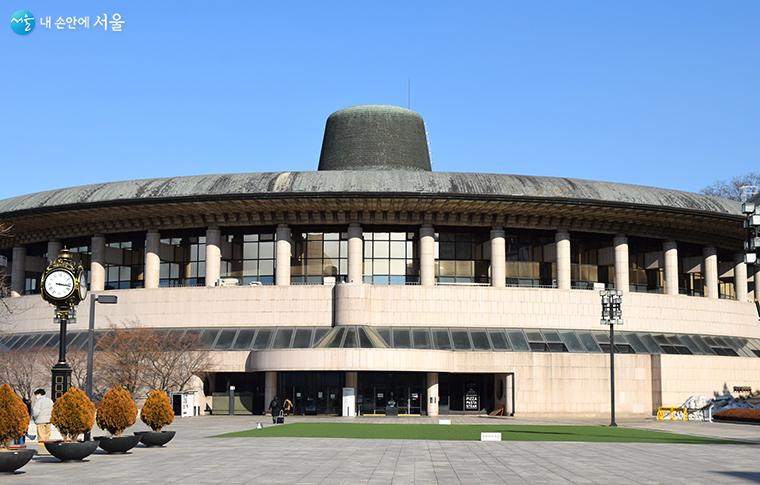
Opera House Crowned with a Gat — 2,270-seat Opera Theater, CJ Towol Theater, and Jayu Small Theater
The most conspicuous building at Seoul Arts Center is the Opera House, which opened in 1993. With its distinctive shape symbolizing the crown of a gat hat, it is regarded as the center's emblem and houses the Opera Theater, dedicated to opera and ballet; the CJ Towol Theater, primarily for musicals and plays; and the Jayu Small Theater, focused on small-scale experimental performances.
The Opera Theater is Korea's first theater dedicated to opera and ballet, combining a proscenium-arch stage and a classical horseshoe-shaped layout with modern seating. It has 2,270 seats in total (1,980 general-sale seats and 290 seats withheld from sale). In the same building, the CJ Towol Theater has 1,004 seats in total—557 on the first floor, 254 on the second, and 193 on the third. Built as a scaled-down version of the Opera Theater, it is used not only for opera and ballet but also for plays and musicals.
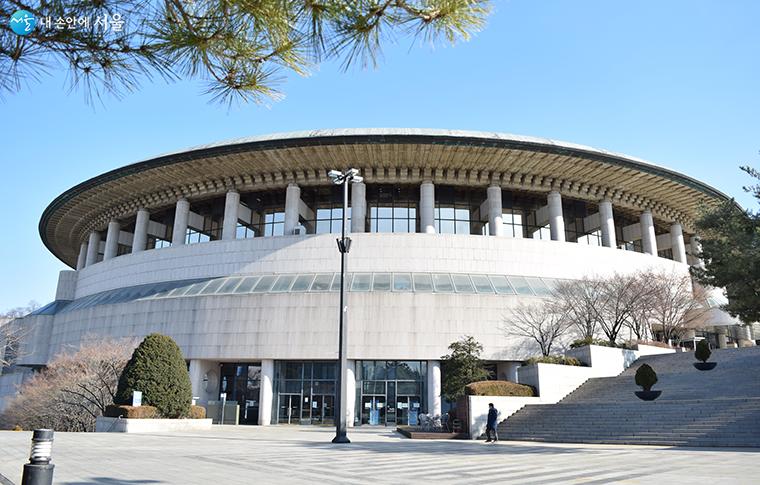
2,505-seat Concert Hall and 354-seat Recital Hall — The Music Hall's Three Performance Venues
The Music Hall, which opened in 1988, was South Korea's first venue dedicated to classical music. Following renovations in 2005, it reached its current capacity of 2,505 seats. Its three-tier seating area has a distinctive arena-style spatial design, and the seats behind the stage can also be used for choir members.
The same Music Hall contains the 354-seat Recital Hall, used mainly for solo recitals and chamber music, while its newest performance space is the IBK Chamber Hall. Opened in August 2020, this venue has around 100 seats, making it the smallest in the Music Hall. Located on basement level 1, it was converted from a rehearsal space into a concert hall.
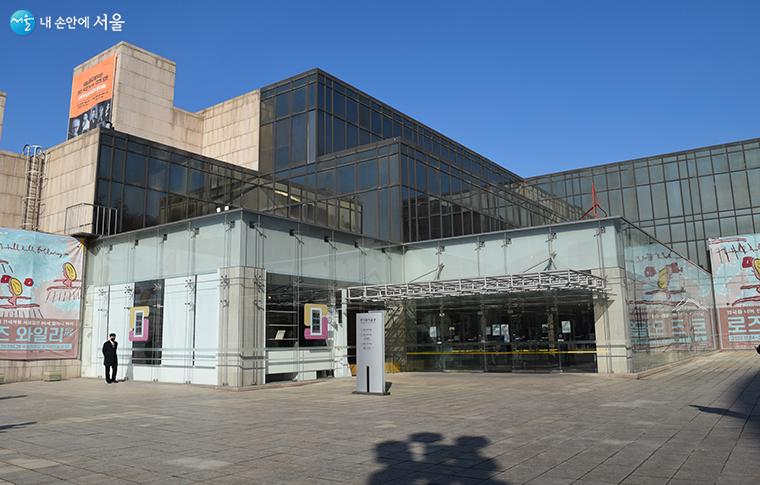
Hangaram Art Museum, Seoul Calligraphy Art Museum, and Hangaram Design Museum — Hangaram Art Museum Under Renovation Since October 2025
Opened in 1990, Hangaram Art Museum is a space for exhibitions of visual art and underwent renovations in 2003. The building has one basement floor and three above-ground floors, with six exhibition halls and storage facilities. However, visitors should check before visiting, as Hangaram Art Museum began remodeling work in October 2025. Under normal operations, viewing hours are 10:00–19:00, it is closed every Monday, and its main phone number is 02-580-1300.
The Seoul Calligraphy Art Museum, a dedicated calligraphy exhibition venue, opened as part of the first phase together with the Music Hall on February 15, 1988, and is described as the world's only calligraphy museum. Hangaram Design Museum, which covers the field of design, was registered in 1999 as Korea's first museum specializing in design; domestic and international design exhibitions are held in its three first-floor galleries. Exhibition admission fees vary by exhibition. One special exhibition held at Hangaram Art Museum in 2024–2025 charged KRW 22,000 for adults, KRW 17,000 for teenagers, and KRW 14,000 for children, and was open Tuesday through Sunday from 10:00 to 19:00 (last admission at 18:00), closing every Monday. It is safest to check the exact fee again for each exhibition.
Exit 5 of Nambu Terminal Station on Line 3: Official and Actual Walking Times Differ
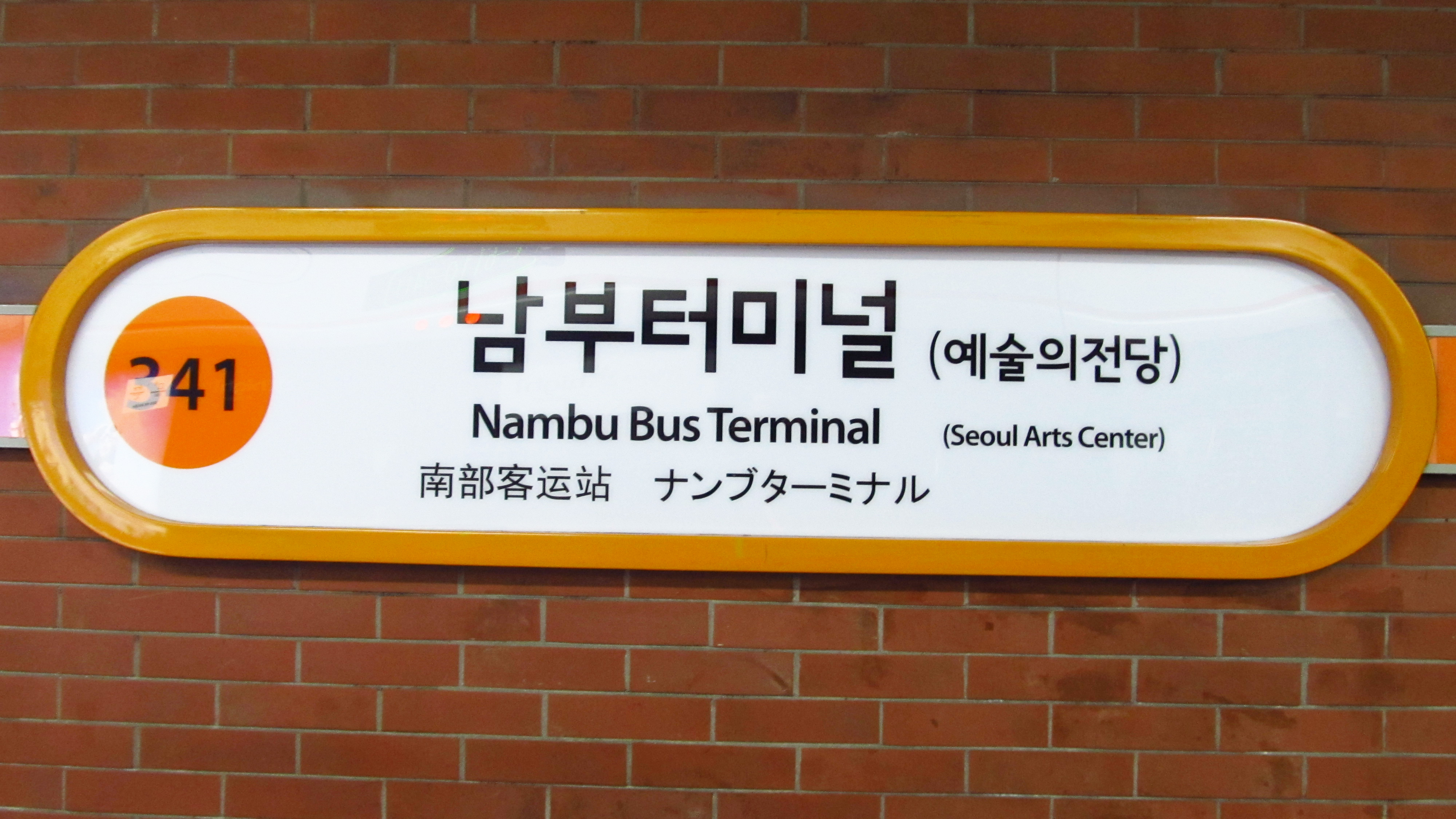
The nearest subway station is Nambu Terminal (Seoul Arts Center) Station on Seoul Metropolitan Subway Line 3, near Seoul Nambu Bus Terminal and Seoul Arts Center. The station was originally named Freight Terminal Station, but was renamed Nambu Terminal (Seoul Arts Center) Station on April 1, 1990. Official information from ticketing outlets says it is about a 10-minute walk from Exit 5, but because it is near Nambu Terminal and the Seocho IC on the Gyeongbu urban expressway, traffic congestion is often severe, and some accounts say the actual walk takes about 10–15 minutes.
If walking is inconvenient, take Seocho Village Bus 22 from in front of Exit 5 (Nambu Terminal Station ↔ Seoul Arts Center ↔ National Gugak Center). Seocho Village Bus 17, running from Yangjae Station toward Bangbae Station and Sadang Station, also passes Seoul Arts Center. Numerous bus routes, including 405, 406, 5413, 3200, 3300, 3400, M4455, M5532, and 6008, also stop here. For performancegoers, a shuttle bus between Exit 5 of Nambu Terminal Station and Seoul Arts Center runs only from 18:30 to 19:30 on weekday evenings, and from 13:30 to 14:30 and 18:30 to 19:30 on weekends and public holidays. It does not operate on Mondays, days without performances, or for morning performances.
Parking for 611 Cars at the Music Hall and 699 at the Opera House; First 30 Minutes Free
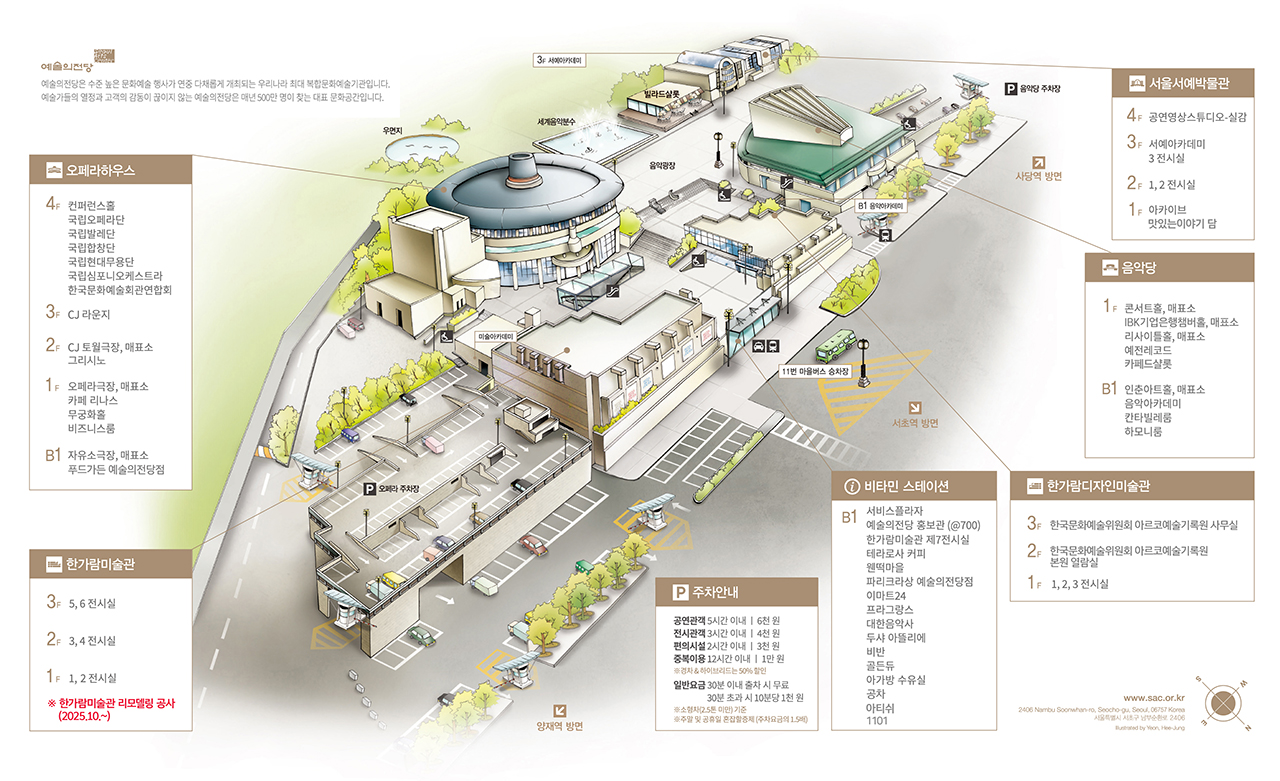
There are two parking areas for private vehicles. The Music Hall parking lot holds 611 cars and is close to the Concert Hall, IBK Chamber Hall, Recital Hall, and Calligraphy Art Museum. The Opera parking lot holds 699 cars and is adjacent to the Opera Theater, CJ Towol Theater, Jayu Small Theater, and Hangaram Art Museum. Parking is free if exiting within 30 minutes. Afterward, the standard rate is KRW 1,000 per 15 minutes (KRW 1,500 during weekend and public-holiday congestion surcharges); performance patrons pay KRW 6,000 for five hours (KRW 9,000 on weekends and public holidays), and exhibition visitors pay KRW 4,000 for three hours (KRW 6,000 under the congestion surcharge).
Because Seoul Arts Center is consistently close to full on weekends and public holidays throughout the year, it resumed weekend and public-holiday surcharge rates and discontinued combined discounts for eco-friendly and compact vehicles from September 1, 2022. Official guidance also states that arriving by car may make timely admission difficult due to parking congestion, and delays in entry caused by parking congestion are not compensated through ticket exchanges or refunds. Public transportation is the safer option during popular evening performances or weekend daytime hours.
Same-Day Discount Tickets — Fixed-Price Discounts for Culture Nuri Card Holders, Ages 7–24, and Ages 69+
Seoul Arts Center operates a separate public-benefit discount program. For Culture Nuri Card holders, those aged 7–24, and those aged 69 or older, specially discounted tickets for limited seats are sold only on the day of a performance. Tickets priced at KRW 30,000 or less cost KRW 5,000, while tickets above KRW 30,000 cost KRW 10,000; purchases are available from 9:00 a.m. However, same-day discount tickets cannot be collected by a proxy, so the purchaser must collect them in person at the venue with identification and supporting documents.
General reservations can be made by phone or online (PC or mobile) without a separate reservation fee, and the online payment processor is INICIS. However, once issued, a ticket is treated as a negotiable instrument and cannot be reissued if lost, exchanged, or refunded, so it must be kept safely. Members in Gold, Blue, and Green tiers, as well as corporate members, can receive 5–40% discounts on performances and exhibitions.
No Admission for Preschool Children — Queues Repeatedly Mentioned by Visitors
Seoul Arts Center applies strict age requirements for attendance. Performances may be attended only by elementary school students and older, and admission is not permitted if proof of viewing age cannot be provided, regardless of whether the person has a ticket or is accompanied by a guardian (except for performances intended for children). Actual performance detail pages also specify that preschool children are not admitted even if enrolled in school or accompanied by a guardian and holding a ticket; for 2025 performances, attendance is permitted for those born in or before 2018.
A recurring point in visitor reviews from 2025 is the queue for popular exhibitions. One review said that even on a rainy weekend afternoon, queue numbers reached the 300s and admission remained delayed after entering. It also noted disappointment that the free docent simply read information verbatim, making it difficult to understand. On the other hand, lockers were praised for being available throughout the waiting and viewing period at the low cost of KRW 1,000.
Up to the Umyeonsan Wish Tower — Mountain Trails and Daeseongsa Temple for Before or After a Performance
The outdoor spaces of Seoul Arts Center are a walking course in themselves. Between the buildings are intimate courtyards, a Korean garden, and a pond with fountains, while other areas include Nori Madang for traditional performances and Stone Square for jazz and pop concerts. Music Square, between the Music Hall and the Calligraphy Art Museum, features the World Music Fountain and a cafe.
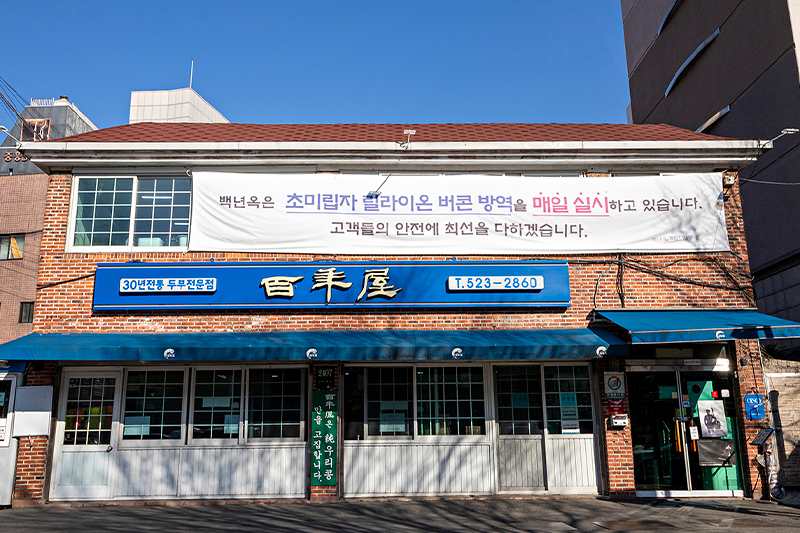
If time permits, follow the mountain trail behind the complex up Umyeonsan to Daeseongsa Temple. It is said that the Indian monk Marananta fell ill while traveling to Baekje in the first year of King Chimnyu's reign, recovered after drinking water from Umyeonsan, and built Daeseong Chodang there—the predecessor of Daeseongsa. A little farther uphill, visitors can also find the Wish Tower, built as people place stones one by one with their individual wishes. Right beside Seoul Arts Center are the National Gugak Center and Korea National University of Arts, while across the road is Baeknyeonok, a tofu specialty restaurant operating since 1992.
Before You Go
- Address
- 2406 Nambusunhwan-ro, Seocho-gu, Seoul
- Hours
- Exhibition venues (Hangaram Art Museum, Seoul Calligraphy Art Museum, and Hangaram Design Museum): 10:00–19:00 (last admission 18:00), open Tuesday–Sunday and closed every Monday / Performance venues: hours vary by performance schedule / Customer Center (1668-1352): Tuesday–Sunday 09:00–20:00, excluding lunch break 12:00–13:00 / Parking: 07:00–23:00
- Closed
- Exhibition venues are closed every Monday. The Customer Center is also closed every Monday and on the days of Seollal and Chuseok. Performance venues have no regular closure days and follow the performance schedule.
- Admission
- Outdoor spaces and plazas are open free of charge. Performance and exhibition fees vary by session and exhibition (e.g., one special exhibition in 2024–2025 charged KRW 22,000 for adults). With same-day discount tickets, Culture Nuri Card holders, those aged 7–24, and those aged 69 or older pay KRW 5,000 for all tickets priced at KRW 30,000 or less, and KRW 10,000 for all tickets above KRW 30,000 (limited quantities; no proxy collection).
- Phone
- Main: 02-580-1300 / Tickets and Customer Center: 1668-1352
- Official site
- https://www.sac.or.kr
- Transport
- About a 10–15-minute walk from Exit 5 of Nambu Terminal (Seoul Arts Center) Station on Subway Line 3. Take Seocho Village Bus 22 in front of Exit 5 (→ Seoul Arts Center → National Gugak Center) or Seocho Village Bus 17 (Yangjae Station ↔ Bangbae Station ↔ Sadang Station). Trunk buses including 405, 406, and 5413 also stop here. On performance days, a limited shuttle operates between Exit 5 and Seoul Arts Center (weekdays 18:30–19:30; weekends 13:30–14:30 and 18:30–19:30; no service on Mondays or for morning performances).
- Parking
- Music Hall parking: 611 vehicles; Opera parking: 699 vehicles (1,310 total). Free for up to 30 minutes, then KRW 1,000 per 15 minutes (KRW 1,500 on weekends and public holidays). Performance patrons: KRW 6,000 for five hours (KRW 9,000 on weekends); exhibition visitors: KRW 4,000 for three hours (KRW 6,000 on weekends). Parking is consistently close to full on weekends and public holidays; public transportation is recommended.
- Time needed
- 1–2 hours for exhibitions, 2–3 hours for performances (including intermission), or half a day including an outdoor walk
- Accessibility
- Dedicated wheelchair seating is available at each performance venue, including 22 seats at the Opera Theater. Disabled persons holding a welfare card receive parking-fee reductions (full same-day exemption for grades 1–3; exemption equivalent to viewing time for grades 4–7). Foreign-language guidance is limited to the English-language level of the website.
The information above is current as of the time of writing. Please check official guidance again before visiting.

Places
Nearby Attractions 5
-
 1
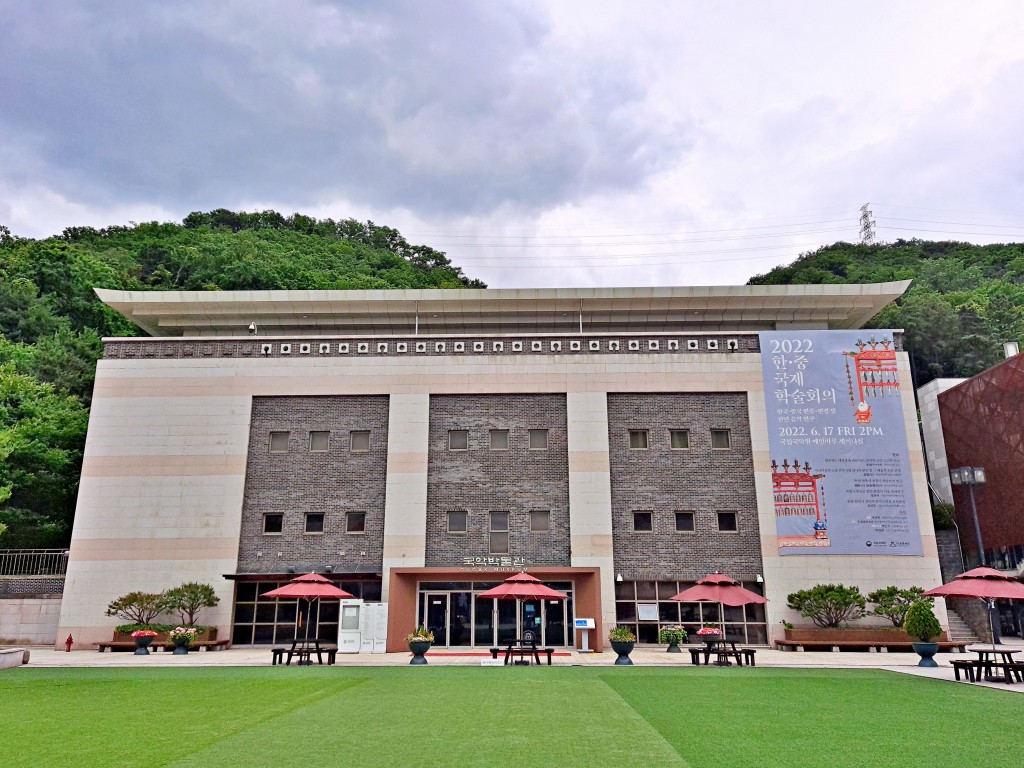
National Gugak CenterA place to watch and experience traditional music and dance performances.
1
National Gugak CenterA place to watch and experience traditional music and dance performances. -
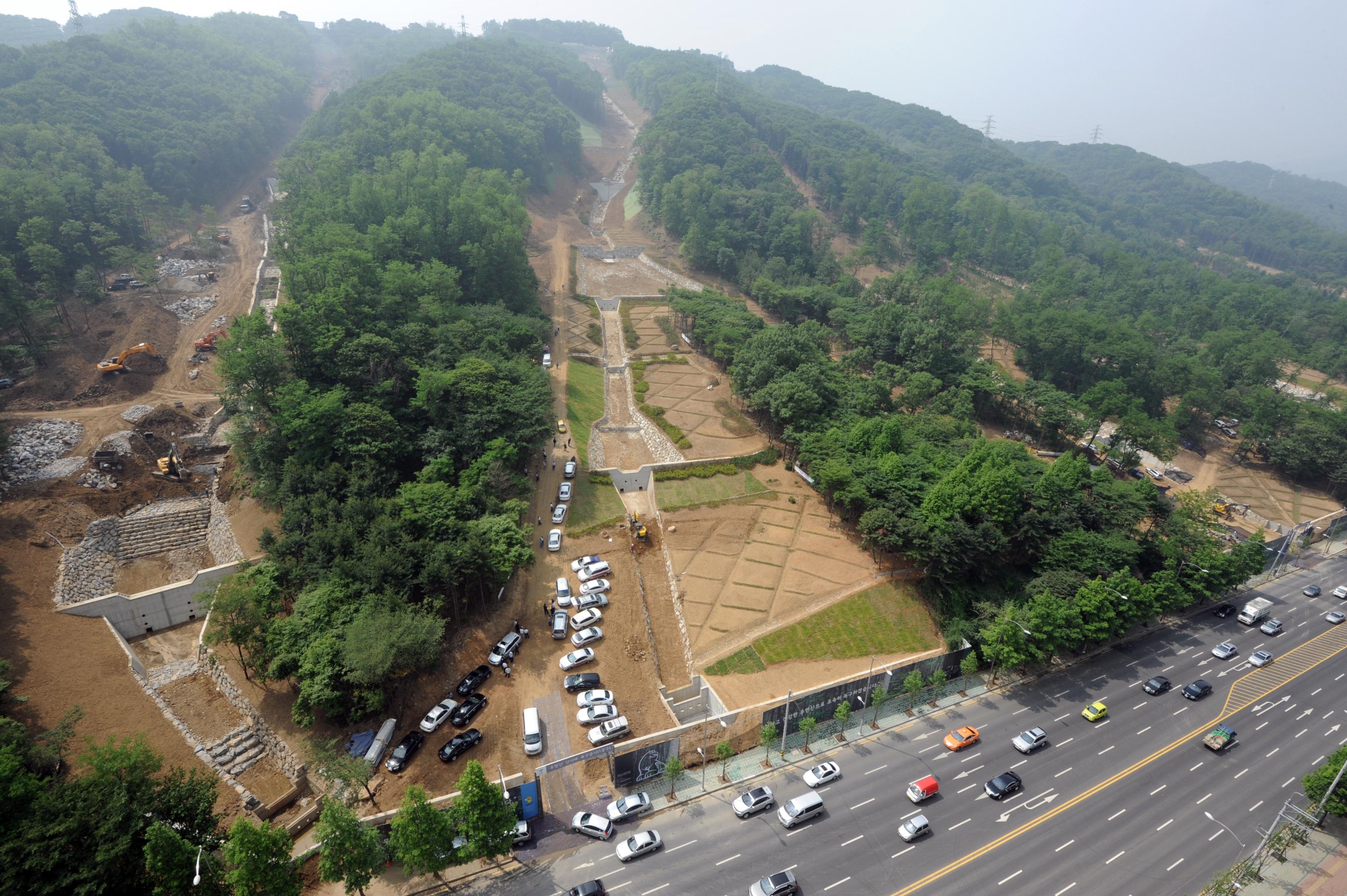 2
2
-
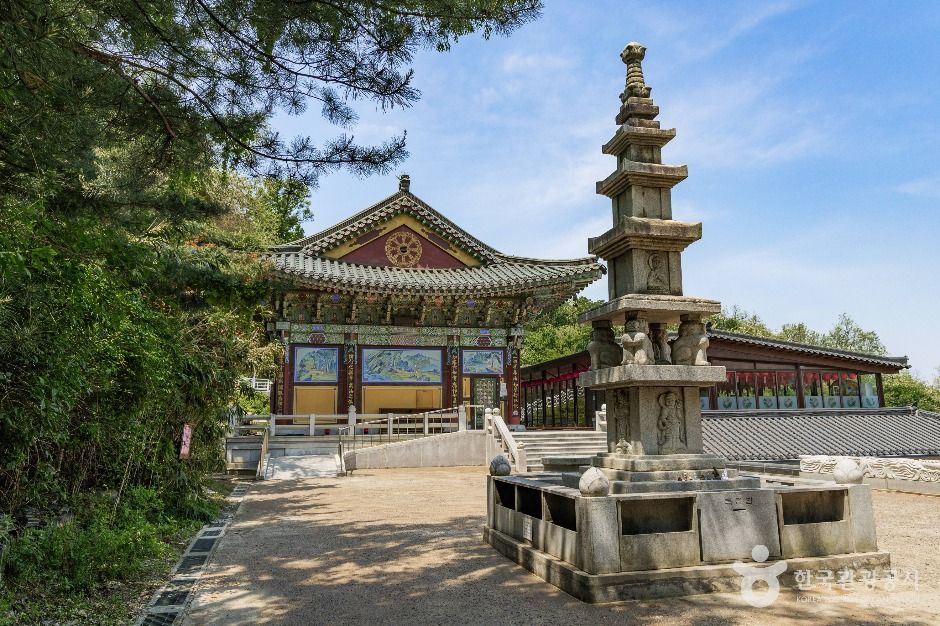 3
3
-
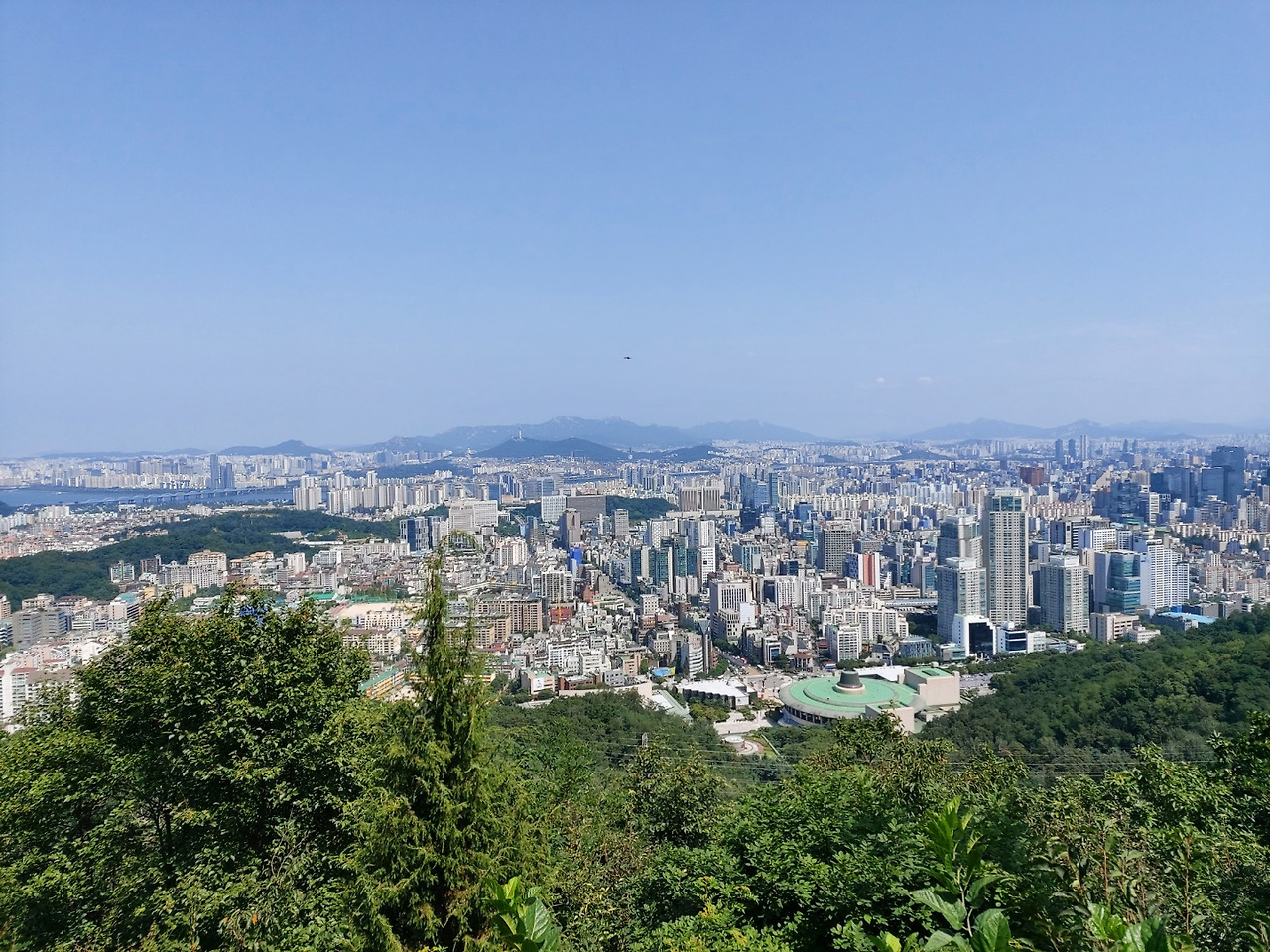 4
4
-
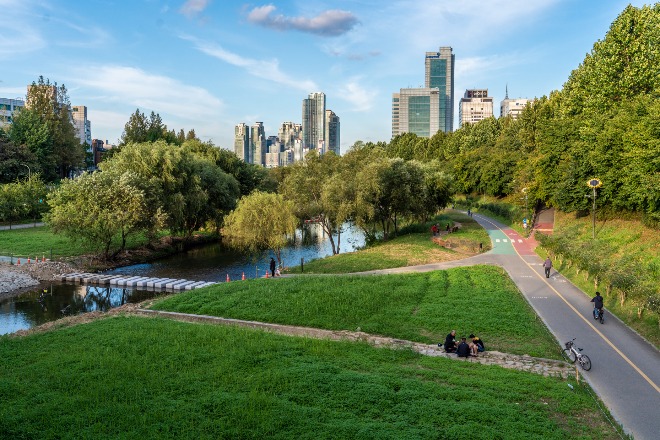 5
Yangjae Citizens' Forest ParkA spacious forest path for a relaxing stroll and a great place to rest.
5
Yangjae Citizens' Forest ParkA spacious forest path for a relaxing stroll and a great place to rest.
Food & Dining 1
-
 6
6
Events in This Area
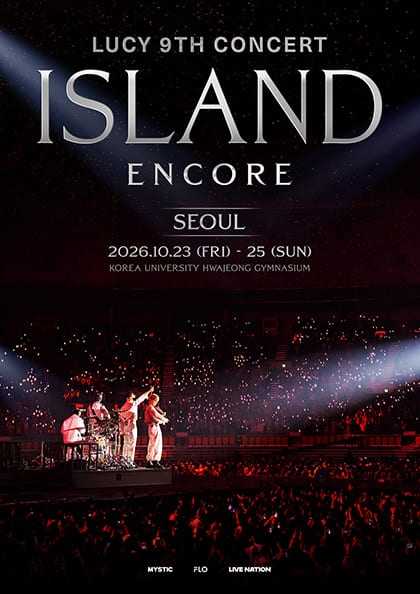
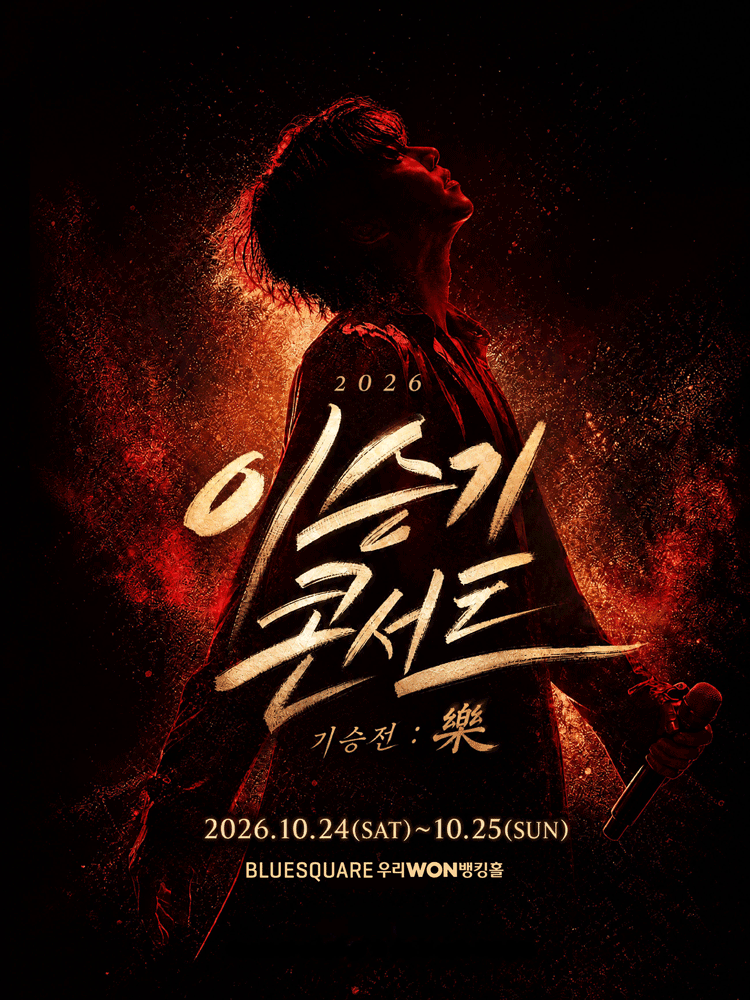
Festivals in This Area
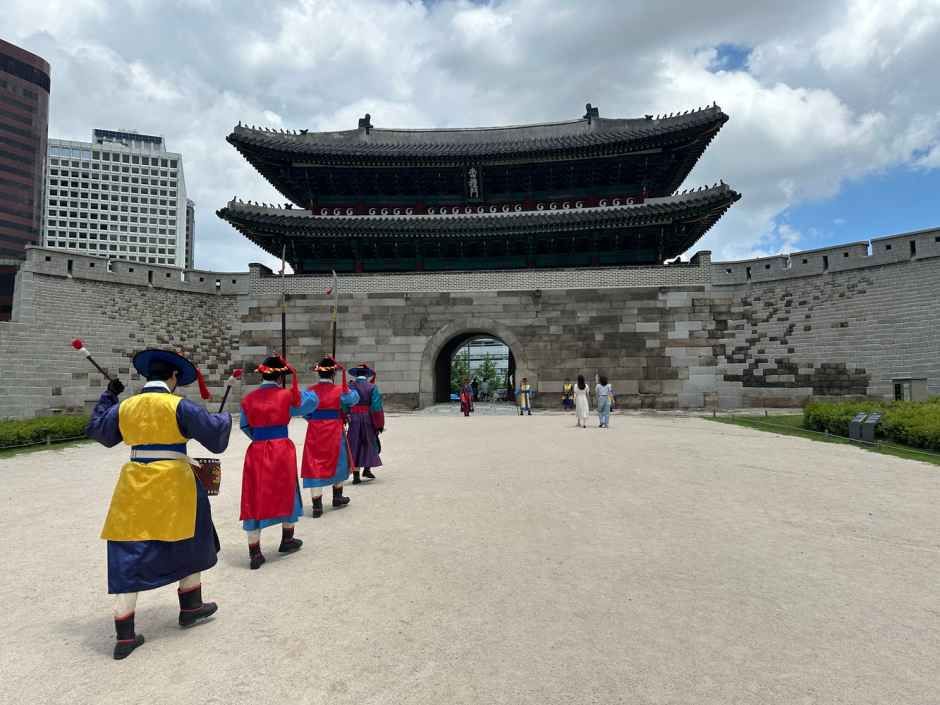
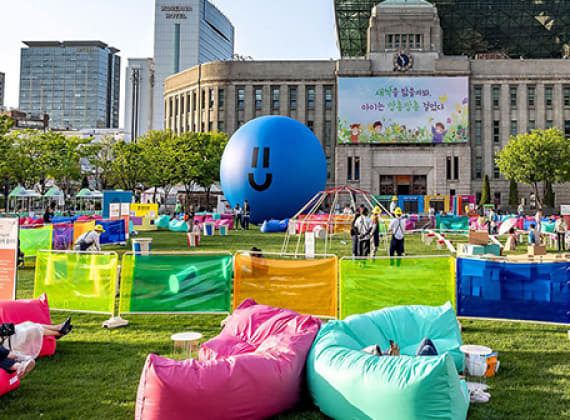
More Travel Guides in This Area
 Travel Guide
The Gateway to Seocho Where Line 3 Nambu Bus Terminal Station Branches Off to the Seoul Arts Center and Seoul Nambu Bus Terminal
 Travel Guide
Encounter Joseon-era Music Through Your Ears First: 7 Exhibition Rooms at the National Gugak Center Museum
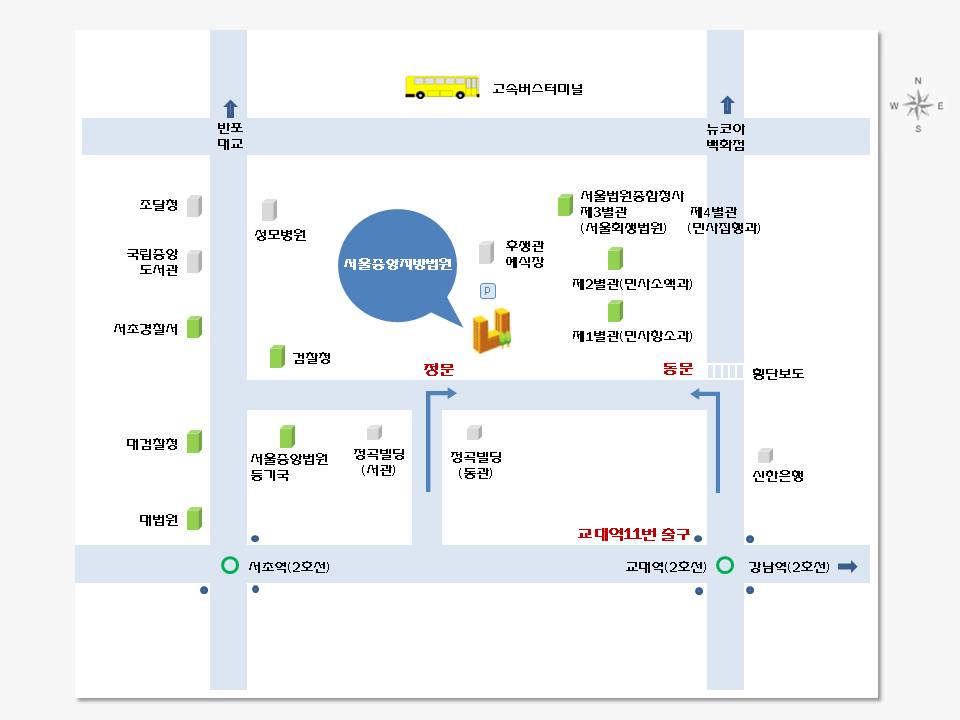 Travel Guide
Reading the 8 Exits of Seocho Station Between the Courthouse Street and the Seoul Arts Center
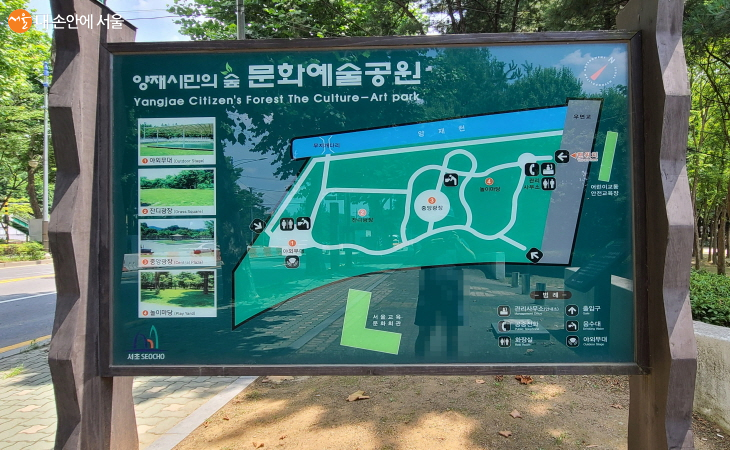 Travel Guide
Seocho Culture and Arts Park Where Metasequoia 2-gil Meets a 200 m Red Clay Trail
Korea News
 News
News
BTS’s “Arirang” Surpasses 5 Billion Streams…Highest Among Albums Released This Year
!['Salon Drip' San: "ATEEZ's 'reverse export' feeling... We didn't expect the 'Bad' craze" [RE:TV]](https://kotourlive-images.s3.ap-northeast-1.amazonaws.com/news/1791944381066_82499d27_news_5532e781-915c-426a-aab0-e4580e1952e8.jpg) News
News
'Salon Drip' San: "ATEEZ's 'reverse export' feeling... We didn't expect the 'Bad' craze" [RE:TV]
 News
News
“He gathered nine BoAs to create Girls’ Generation” — Lee Soo-man’s uncanny girl-group visuals send fans into a frenzy
 News
News