Reading Hanyangdoseong’s Northern Ridge from 342 m Baegakmaru
Baegakmaru is the 342-meter summit of Baegaksan Mountain, where you can encounter both the guardian mountain of Joseon-era Hanyang and the Baegak section of Hanyangdoseong. The perceived difficulty varies greatly depending on whether you take on the long stairs from the Changuimun side or approach along the fortress wall from the Malbawi side.

I’ve been here?
Your check-in helps the next traveler.
11 people viewed this week Be the first
One tap — no writing needed
The 342 m summit of Baegaksan, indicated by the name “Maru”
Baegakmaru is the summit of 342 m-high Baegaksan, and “maru” is a native Korean word meaning the very top or summit. Baegaksan was also called Baegak, Myeonaksan, and Gonggeuksan, and together with Namsan, Inwangsan, and Naksan, it is the highest of the four inner mountains surrounding Hanyang.
At the summit stands a marker reading “白岳山 342m.” This area is a key point on the Baegak section of the Hanyangdoseong, situated midway along the route connecting Jahamun, Cheongundae, Baegak Gokseong, Sukjeongmun, and Malbawi along the fortress wall. The Bukak Control Post and Vulcan positions, installed and operated from 1979, remain today as restored markers recalling their former appearance after being removed before 2000.
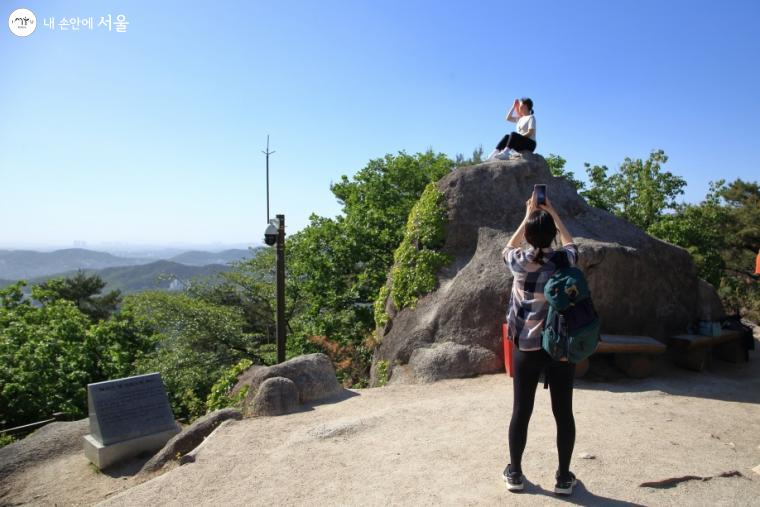
A ridge where the 1396 Hanyangdoseong and the 1968 January 21 Incident overlap
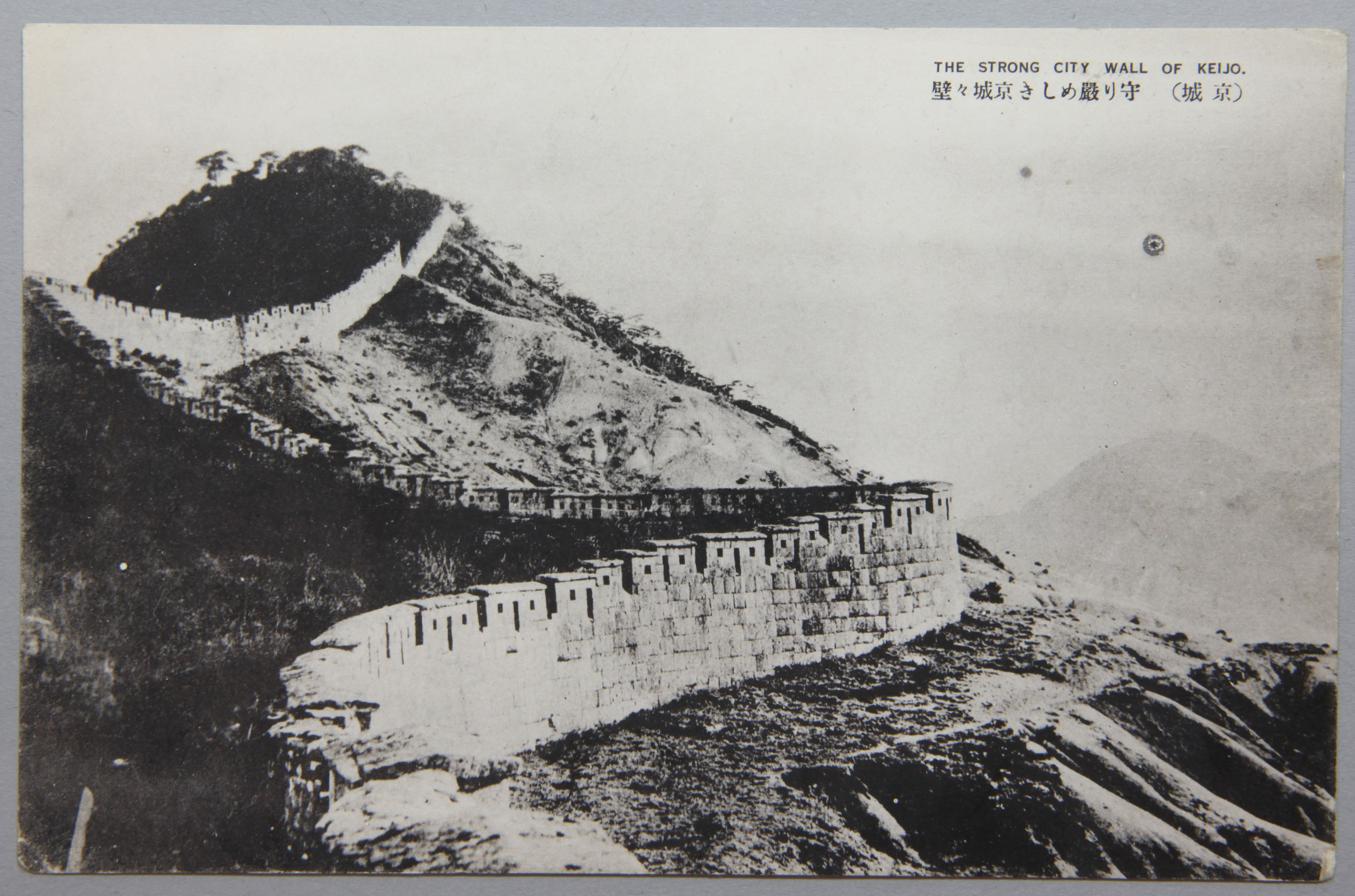
Baegak is the mountain that became the reference point for building the fortress when Joseon established Hanyang as its capital. Seoul Metropolitan Government materials explain the context in which Jeong Do-jeon designated Baegaksan as Hanyang’s main mountain, noting that the walls in the Baegak section reveal both the northern terrain and the capital’s defensive line.
This ridge also contains traces of modern history. Going from Baegakmaru toward Cheongundae and Gokjang, visitors pass the “January 21 Incident Pine,” associated with the armed infiltrators who entered the area on January 21, 1968, in an attempted attack on the Blue House. According to Seoul’s visitor information, the pine still bears 15 bullet marks, and the Baegaksan area was closed to the public for about 40 years after the incident before opening to citizens in 2007.
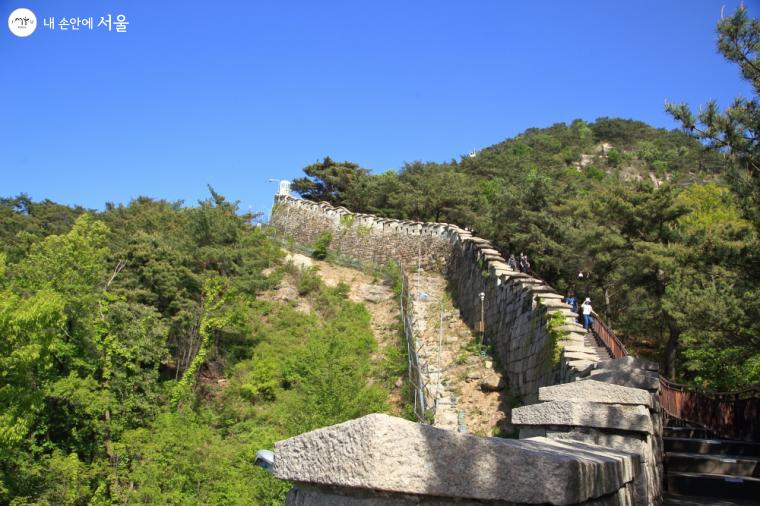
From Jahamun to Baegakmaru: deciding whether to tackle about 1,000 steps
If the summit is your only destination, approaching from Jahamun is the most direct option, but the route from Jahamun to Baegakmaru consists of a continuous steep staircase. A Seoul citizen reporter described the stairs as “almost a thousand,” and even after the route opened in 2007, the section from Jahamun to Baegakmaru has been introduced as one of the steepest paths in the Baegak section.
Jahamun is located at 118 Changuimun-ro, Jongno-gu, Seoul. From Exit 3 of Gyeongbokgung Station on Subway Line 3, take bus 7212, 1020, or 7022, get off at the Jahamun Pass–Yun Dong-ju Literature Museum stop, and walk for about two minutes. Because of the demanding uphill climb, practical items include athletic shoes with nonslip soles, water, and a small bag that leaves your hands free on the stairs.
Approaching from Malbawi means reaching the fortress wall before the summit
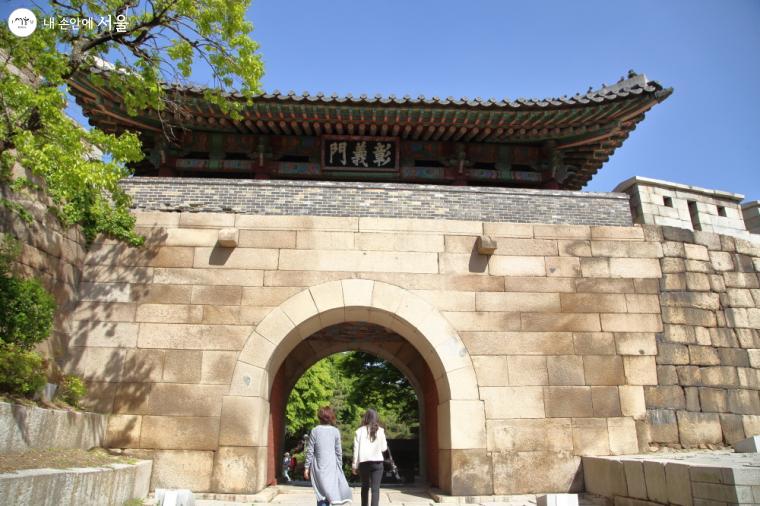
If you want to break up the stair climbing, you can start from Malbawi and head to Baegakmaru via Sukjeongmun, Chotdaebawi, Baegak Gokseong, and Cheongundae. The Korea Heritage Agency suggests taking village bus Jongno 02 from Exit 2 of Anguk Station on Line 3, getting off at Waryong Park, and then walking along the Hanyangdoseong for about 20 minutes.
The entire Baegak section runs 4.7 km from Jahamun to Hyehwamun, and the official Seoul Hanyangdoseong guide gives a standard duration of about three hours. Even if you plan to turn back after seeing only Baegakmaru, it is better to set aside at least two hours, allowing time for the wall, stairs, and rest stops. The official route includes the Dolphin Shelter and Baegak Shelter, where you can pause during the long uphill climb from the Jahamun direction.
Open all 365 days, with recommended seasonal hours until 5–7 p.m.
The Baegaksan Hanyangdoseong has operated under a self-guided access system since January 1, 2023, so the entrance gates are not opened and closed on a fixed schedule. Official information states that it is open year-round 365 days a year, admission is free, and there is no limit on the number of visitors. Therefore, there are no designated closing days, and separate admission reservations are not required.
However, recommended visiting hours for safety vary by season. From November to February, they are 09:00–17:00; in March–April and September–October, 07:00–18:00; and from May to August, 07:00–19:00. In summer, account for heat and sudden rain, while in winter, watch for icy stairs and early sunsets. Rather than spending too long near the summit, it is safer to decide on your descent route first.
The defensive line becomes clear when you continue to Cheongundae, Baegak Gokseong, and Sukjeongmun
Moving from Baegakmaru toward Cheongundae brings you to a viewpoint overlooking Gyeongbokgung Palace and the Gwanghwamun area. Cheongundae stands at 293 m above sea level, and its name was modeled on Baegundae in Bukhansan to commemorate the full opening of Baegaksan. It offers simultaneous views toward central Seoul and Bukhansan, but photography may be restricted near military or security facilities according to on-site instructions.
Baegak Gokseong, which follows, is a structure created by projecting part of the wall outward to observe and defend against enemies. Sukjeongmun is the northern gate of the Hanyangdoseong and was designated Historic Site No. 10 together with the Hanyangdoseong in 1963. Rather than photographing Baegakmaru and ending your visit, walk on to include Cheongundae and the Gokseong; the route helps explain why the summit, palace, and defensive facilities were arranged along a single ridge.
A place where buses are preferable to parking and stairs matter more than strollers
Because Baegakmaru itself is a summit on a mountain ridge, it is difficult to specify a road address or on-site parking lot. The most practical access address is Jahamun at 118 Changuimun-ro, Jongno-gu, Seoul, while the lot-number address for the Malbawi Information Center is given as San 2-1, Samcheong-dong, Jongno-gu, Seoul. Official information for the Baegak section recommends public transportation because parking space is limited.
With wooden stairs and sloping fortress paths at the heart of the route, it is not suitable for wheelchairs or strollers. For visitor inquiries, check the latest notices on the Seoul Hanyangdoseong website and the Korea Heritage Agency’s Baegaksan Hanyangdoseong information first. The former published phone numbers were Jahamun Information Center 02-730-9924–5, Malbawi Information Center 02-765-0298, and Sukjeongmun Information Center 02-747-2152, but confirm their current operating status before visiting.
- Recommended route: Jahamun → Baegakmaru → January 21 Incident Pine → Cheongundae → Baegak Gokseong → Sukjeongmun or Malbawi
- Entire Baegak section: 4.7 km from Jahamun to Hyehwamun, approximately three hours officially
- Admission: Free
- Closing days: None; open year-round 365 days a year
Before You Go
- Address
- 118 Changuimun-ro, Jongno-gu, Seoul (access reference for Jahamun)
- Hours
- Open year-round 365 days (self-guided access system). Recommended seasonal visiting hours: November–February 09:00–17:00, March–April and September–October 07:00–18:00, May–August 07:00–19:00
- Closed
- None
- Admission
- Free
- Phone
- Jahamun Information Center 02-730-9924–5 / Malbawi Information Center 02-765-0298 / Sukjeongmun Information Center 02-747-2152 (these numbers appeared in previous notices; confirm the latest information before visiting)
- Official site
- https://seoulcitywall.seoul.go.kr/wallcourse/1.do
- Transport
- Jahamun: Exit 3 of Gyeongbokgung Station on Line 3 → buses 7212, 1020, or 7022 → get off at Jahamun Pass–Yun Dong-ju Poets’ Hill → walk two minutes. Malbawi: Exit 2 of Anguk Station on Line 3 → Jongno 02 bus → get off at Waryong Park → walk about 20 minutes along the Hanyangdoseong
- Parking
- Parking is limited; public transportation is recommended
- Time needed
- Entire Baegak section: 4.7 km, about three hours; main Baegaksan Hanyangdoseong section: approximately two hours
- Accessibility
- Not suitable for wheelchair or stroller access because the route consists mainly of long stairs and steep mountain paths. The official information page provides an English menu
The information above is current as of the time of writing. Check the official information again before visiting.

Places
Nearby Attractions 5
-
 1
1
-
 2
2
-
 3
3
-
 4
4
-
 5
5
Food & Dining 5
-
 6
6
-
 7
7
-
 8
8
-
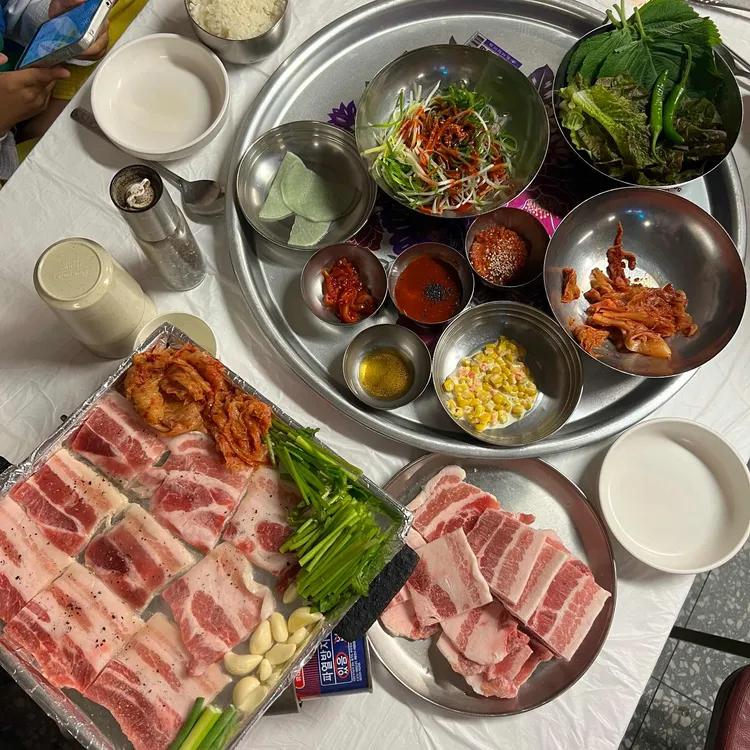 9
Restaurant
9
Restaurant -
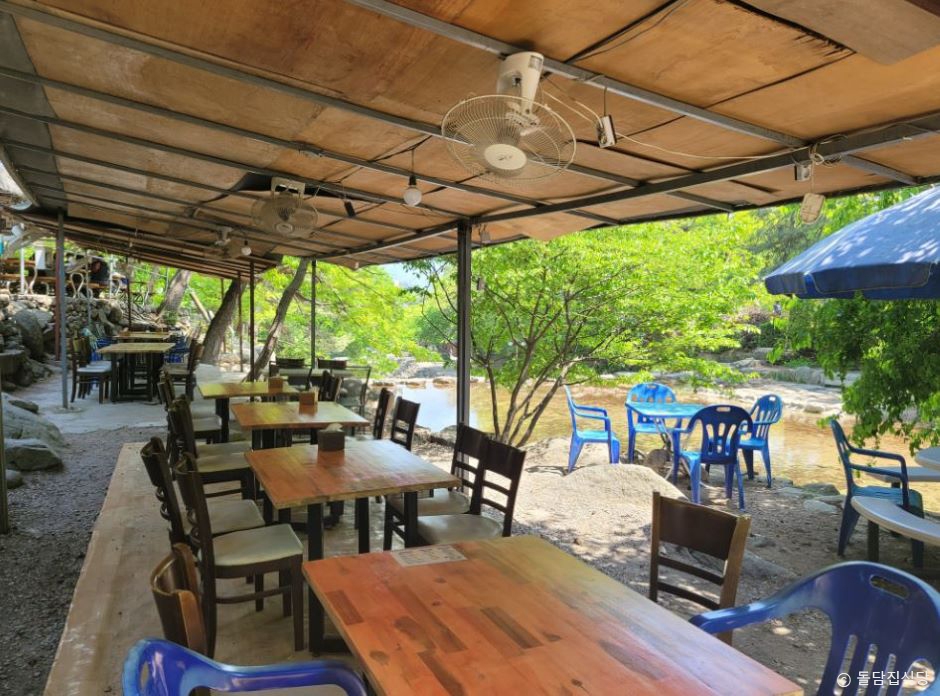 10
10
Events in This Area

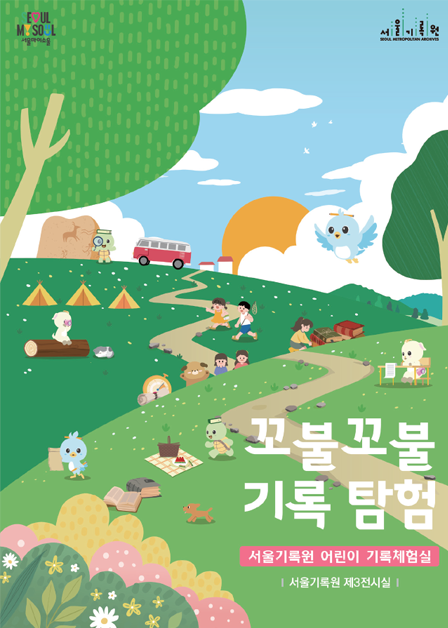

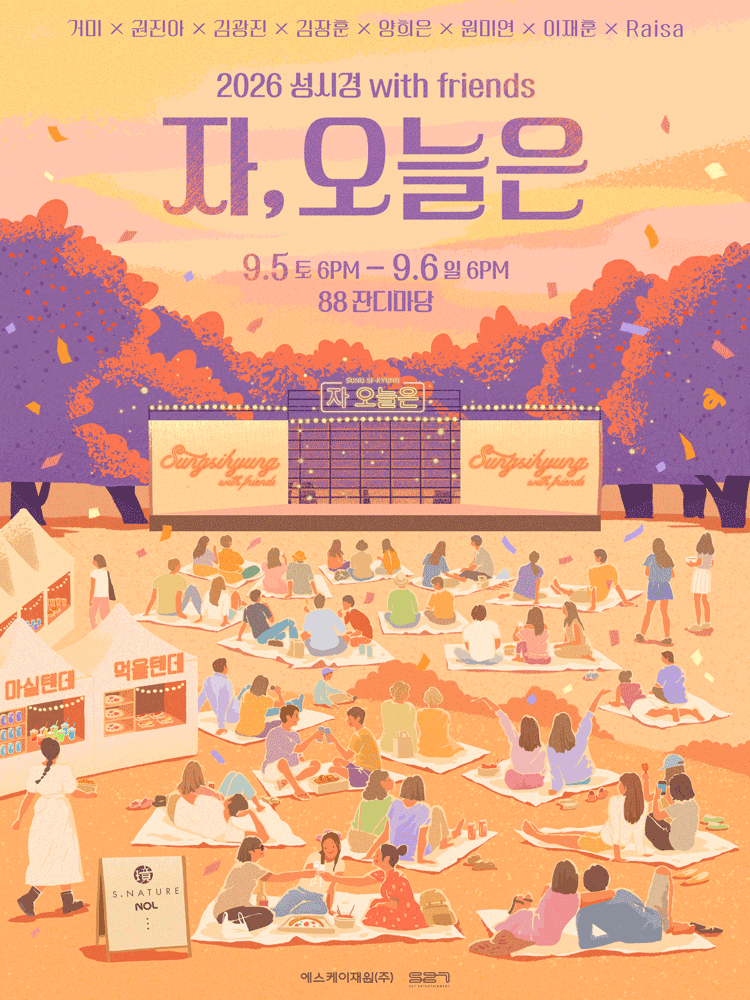

Festivals in This Area

More Travel Guides in This Area
 Travel Guide
LCK’s Stage Beneath Jonggak Station: LoL Park
 Travel Guide
Understanding Blue Square Through Hangangjin Station’s Underground Passage and Its 1,766 Seats
 Travel Guide
Dior Seongsu in a Glass Greenhouse: From Reservations to 30 Minutes of Parking
 Travel Guide
Seven Luck Casino Gangnam COEX Branch at the Samseong-dong Convention Annex
Korea News
 News
News
‘NewJeans Expulsion’ Danielle Releases Her First YouTube Video… “We Don’t Know What Will Happen Next”
![aespa’s North American Tour Has Remaining Seats Despite ‘$49’ Bargain Prices… A Stark Popularity Gap with KATSEYE [TEN Starfield]](https://kotourlive-images.s3.ap-northeast-1.amazonaws.com/news/1788485037424_a59b1932_naver_rank_thumb_0000774618_1788485037424.jpg) News
News
aespa’s North American Tour Has Remaining Seats Despite ‘$49’ Bargain Prices… A Stark Popularity Gap with KATSEYE [TEN Starfield]
![[Photo] TWICE’s Dahyun attends a film festival red carpet as an actress](https://kotourlive-images.s3.ap-northeast-1.amazonaws.com/news/1788485316508_edd43ecd_news_870a60a6-6f11-4d73-aa7c-48d91318a0f7.jpg) News
News
[Photo] TWICE’s Dahyun attends a film festival red carpet as an actress
![[On-Site Video] “We’re Departing Separately Together”… BIGBANG Begins ‘COSMOS’ World Tour](https://kotourlive-images.s3.ap-northeast-1.amazonaws.com/news/1788485226518_c5719641_news_fdd4764a-0f4e-4968-8e4e-e98a02872f88.jpg) News
News