
Jochiwon 1927 Art Center: How a 100-Year-Old Silk Factory Became a Cultural Space
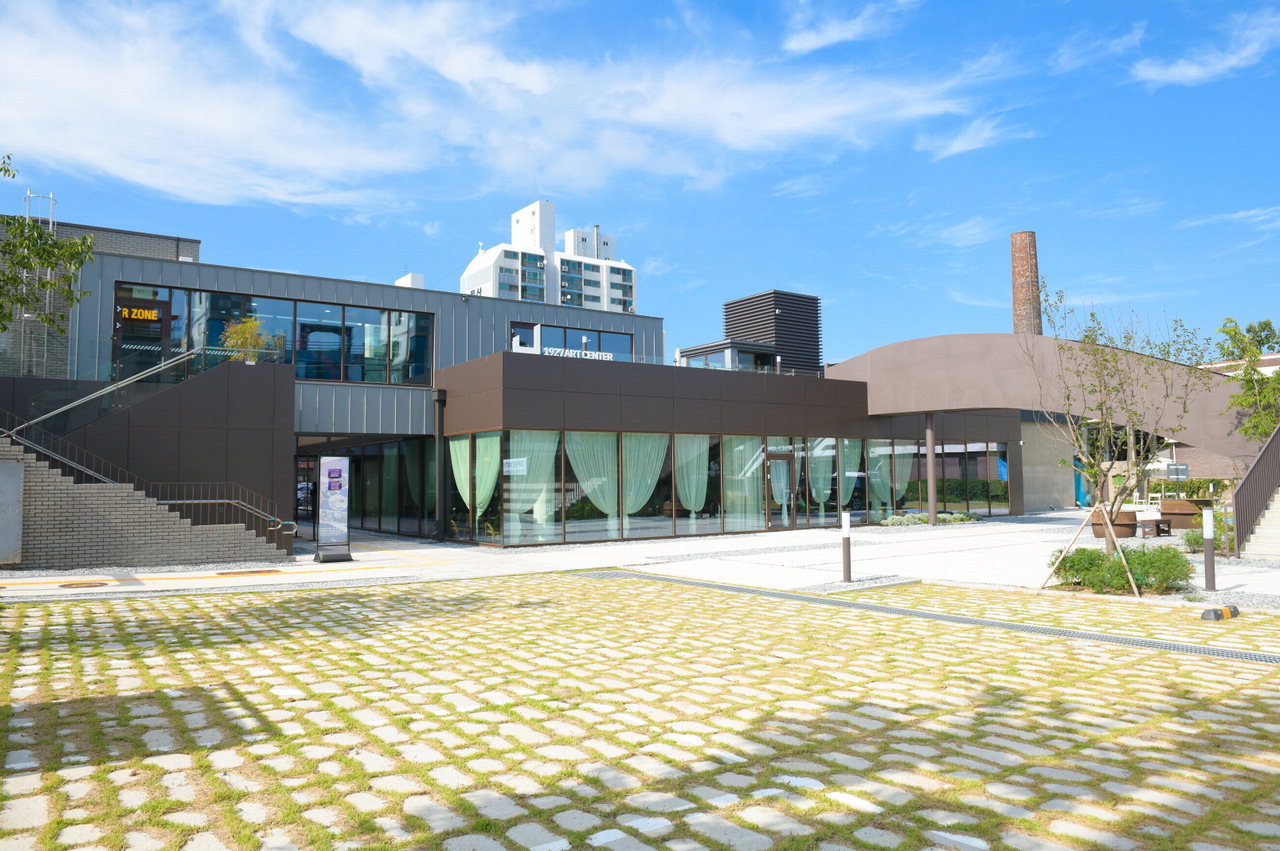
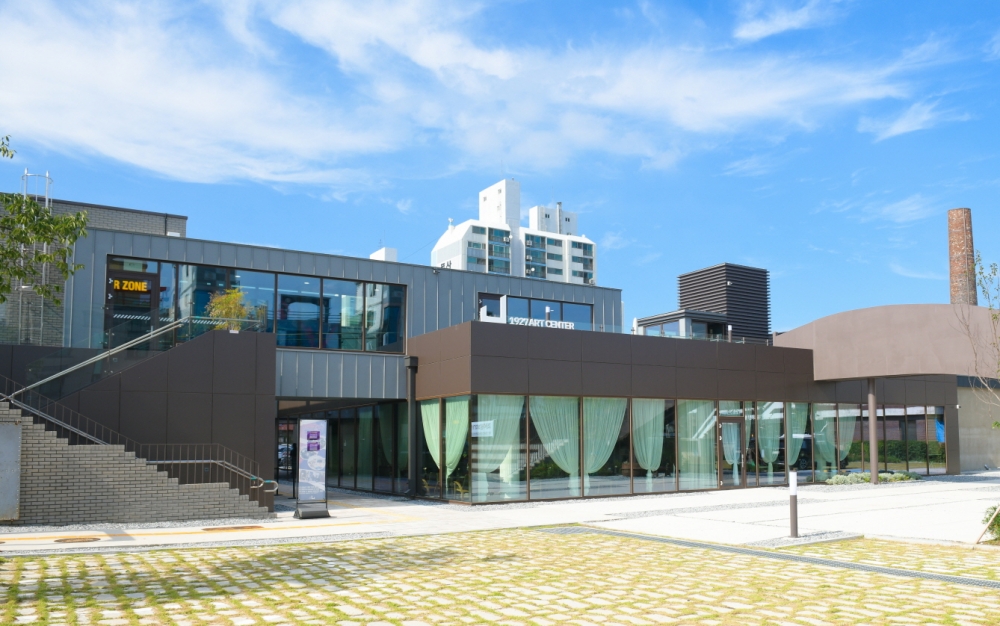
Located in the old downtown area of Jochiwon-eup, Sejong, the Jochiwon 1927 Art Center is a multipurpose cultural space created by revitalizing the former Sanil Silk Factory, built in 1927 and later operated as the Hallim Paper Factory, through an urban regeneration project. Preserving traces of the old factory, including its chimney and water tank, it features a café, exhibition spaces, a performance hall with around 150 seats, and a children's VR experience center. It is a 10-minute walk from Jochiwon Station.
The History of the Building, Beginning at the Sanil Silk Factory in 1927
The name Jochiwon 1927 Art Center itself points directly to the year the building was completed. The building was first constructed in 1927, during the Japanese colonial period, as the Sanil Silk Factory, a silk-reeling factory that extracted thread from silkworm cocoons. After Korea's liberation, it operated as the Samchung Knitting Factory, producing fabrics and other goods. During the Korean War, it was also used for six years as a temporary school building for Jochiwon Girls' High School.
The factory later returned to industrial use and operated as the Hanlim Paper Factory for approximately 30 years, from the 1970s until 2003. After closing in 2003, it remained an abandoned factory in the middle of a residential neighborhood for more than a decade and nearly two decades. Although few records or drawings from the time of its construction remained and the building was in poor condition, its framework was preserved rather than demolished, eventually providing the foundation for its regeneration.
Why the Gyeongbu Line Railway and Sericulture Led to the Construction of a Silk Factory in Jochiwon
The place name “Jochiwon” cannot be explained separately from the railway that passes through the area. Construction of the Gyeongbu Line began in 1899 and was completed in 1905. When the line passed through Jochiwon, Jochiwon Station was established, and from that time the town began growing as an important transportation hub. The reason Sanil Silk chose Jochiwon rather than another area for its large-scale silk-thread factory in 1927 was that the railway made it convenient to transport raw materials and finished products, while sericulture was well developed in the surrounding region.
In other words, the site of Jochiwon 1927 Art Center is a product of the period when modern transportation networks and local industry came together and the city expanded. After Sejong Special Self-Governing City was launched, the center of administration and transportation shifted toward Daejeon and the vicinity of Government Complex Sejong. As a result, old downtown Jochiwon lost vitality for a time, and the factory site also remained vacant for many years as part of that trend.
From Sejong City's Purchase in 2017 to the Opening in August 2022
The abandoned former Hanlim Paper Factory began moving again in 2017, when Sejong City purchased the site. After it was selected as a site for the Ministry of Culture, Sports and Tourism's cultural regeneration project for former industrial facilities, full-scale discussions about regeneration began. Seoul Architecture Comprehensive Architects Office Co., Ltd. was responsible for the design, carrying it out from March to July 2021, with construction beginning in September of the same year. The completed art center was built on a site of 6,169㎡, with a building area of 1,614㎡ and a total floor area of 1,703㎡. It has two above-ground floors and a structure combining steel framing with reinforced concrete.
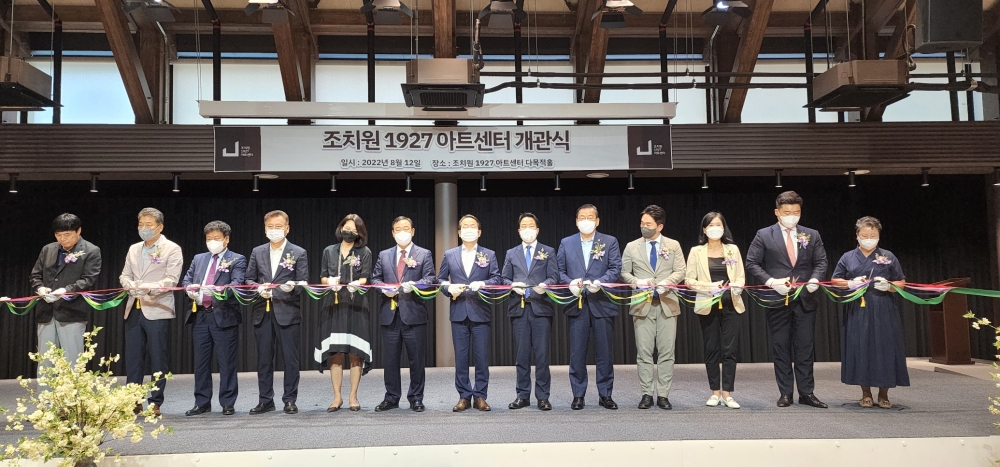
The opening had initially been announced for July 21, 2022, but the official opening ceremony actually took place at 4 p.m. on August 12 of the same year. Choi Min-ho, mayor of Sejong, local lawmakers, and the chair of the city council attended, accompanied by a celebratory performance by a local vocal ensemble. Owned by Sejong City and operated under contract by the private operator Jeongdong 1928 Co., Ltd., the building received the Korean Architecture Culture Award in 2023. It was also designated as the city's second Outstanding Architectural Asset, following Jochiwon Cultural Garden (No. 1) and the Jang Uk-jin Birthplace (No. 3).
Why the Chimney and Water Tank Were Preserved, and Cafe Heida
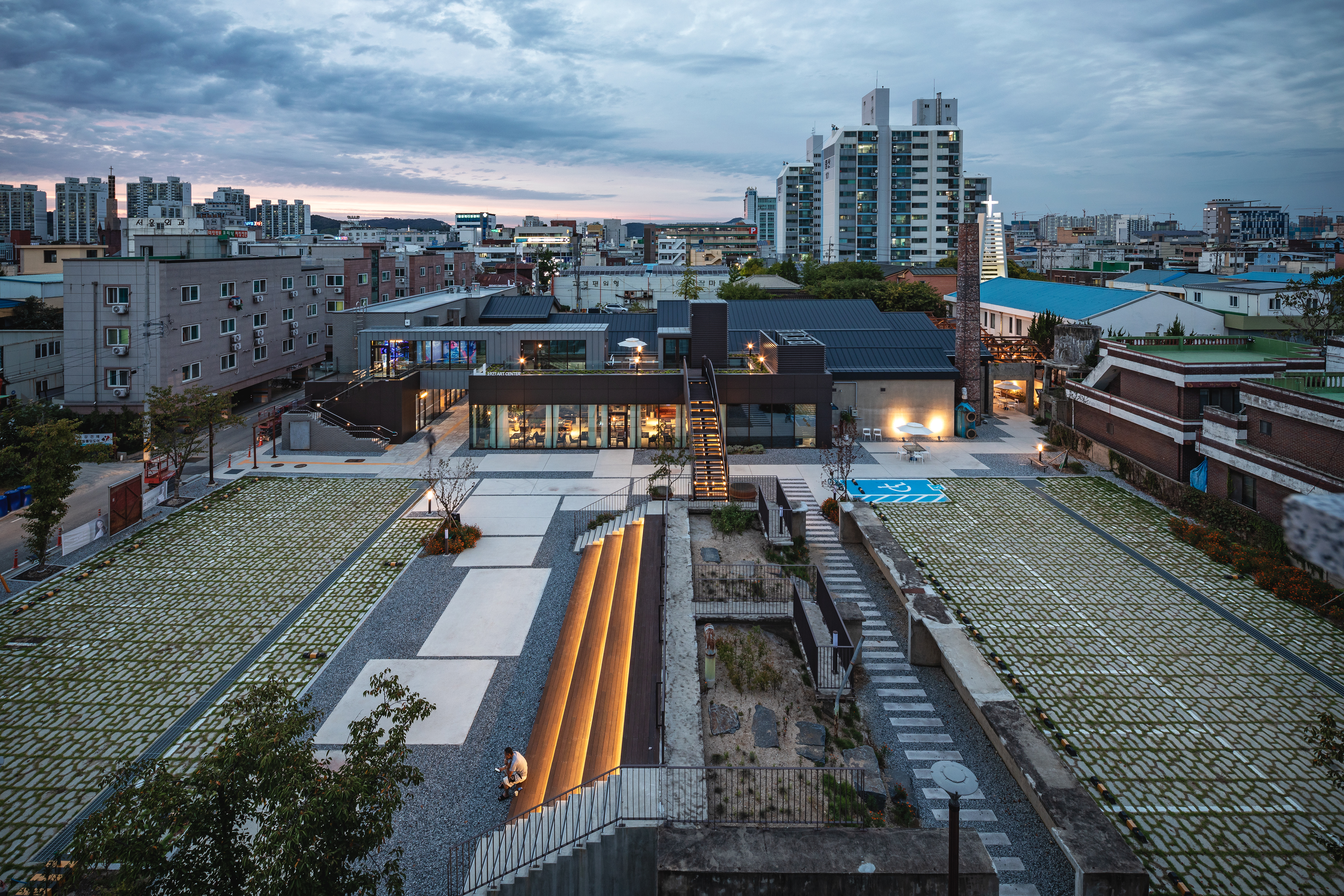
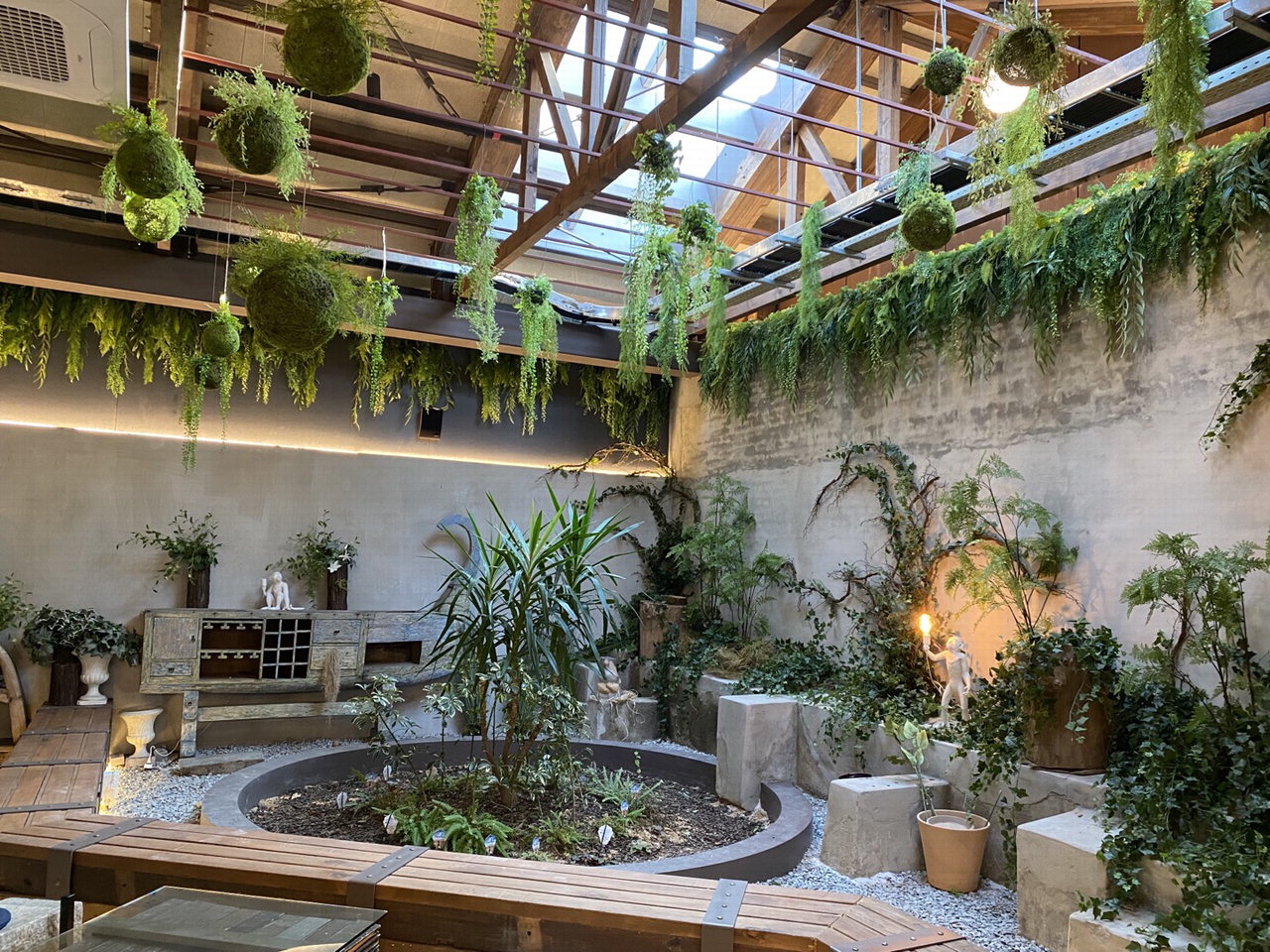
The key to the design was making traces of the old facility visible rather than tearing down the building and constructing a new one. Symbolic elements of the industrial heritage, such as the brick chimney, oil tank, water tank, and wooden truss roof used during the Hanlim Paper period, remain in various places today, set alongside modernly reinterpreted structures. The former water-tank area was transformed into an exhibition space called “Saem,” preserving the texture of the corroded walls and using the space for hands-on programs such as backdrop painting, in which visitors paint pictures.
Inside the building is Cafe “Heida,” furnished with mother-of-pearl tables. It operates as a brunch cafe during the day and as a pub serving craft beer and wine in the evening. It is introduced as an F&B venue offering beverages, bakery items, brunch, and wine. Since it connects directly to the multipurpose hall, it is a convenient place to stop before or after a performance or event.
Haksadong Gallery and a Multipurpose Hall with Approximately 150 Seats
The exhibition space Haksadong Gallery opened with “Memories Woven from Thread and Paper: Rewriting the Story,” an inaugural exhibition by artists Jeon Kwang-young, Kim Min-jung, and Jeong Da-woon, who work with hanji and fabric. Since then, it has also operated an artists' workshop for creators active in fields such as publishing, photography, architecture, and games. Solo and group exhibitions by visual artists have continued steadily. More recently, an example such as the group exhibition “Winter Garden 54°C,” held with artists residing in the workshop, donated all admission fees collected through voluntary contributions to low-income local residents.
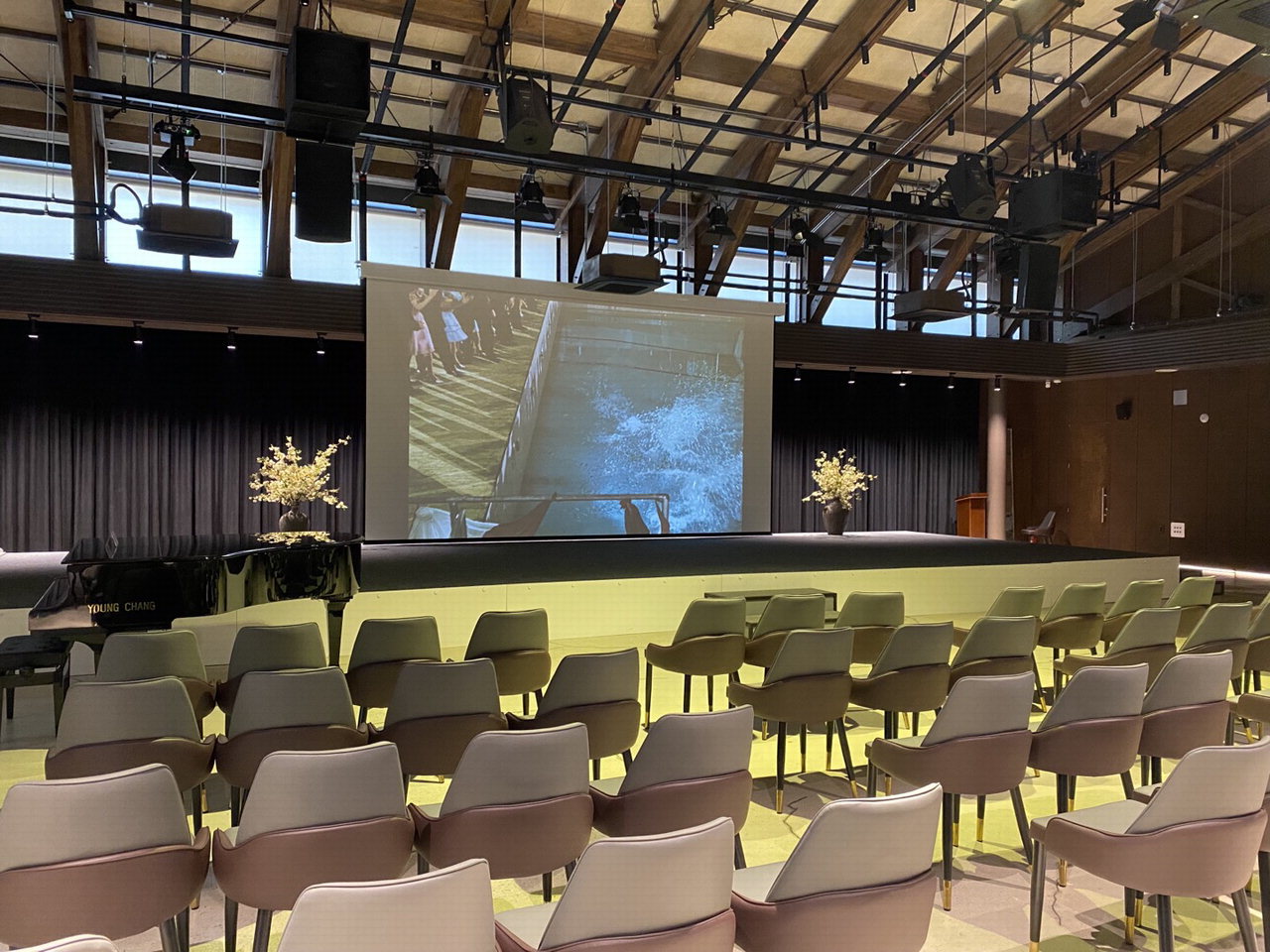
The multipurpose hall has approximately 150 seats and is equipped with a stage, seating, screen, and sound system capable of hosting concerts, film screenings, exhibitions, and various other performances. Bookshelves covering one wall create a library-like atmosphere. Visitor reviews also note that around lunchtime, families use the space much like a dining area or enjoy reading there.
KT Kids Zone: What to Check in Advance When Visiting with Children
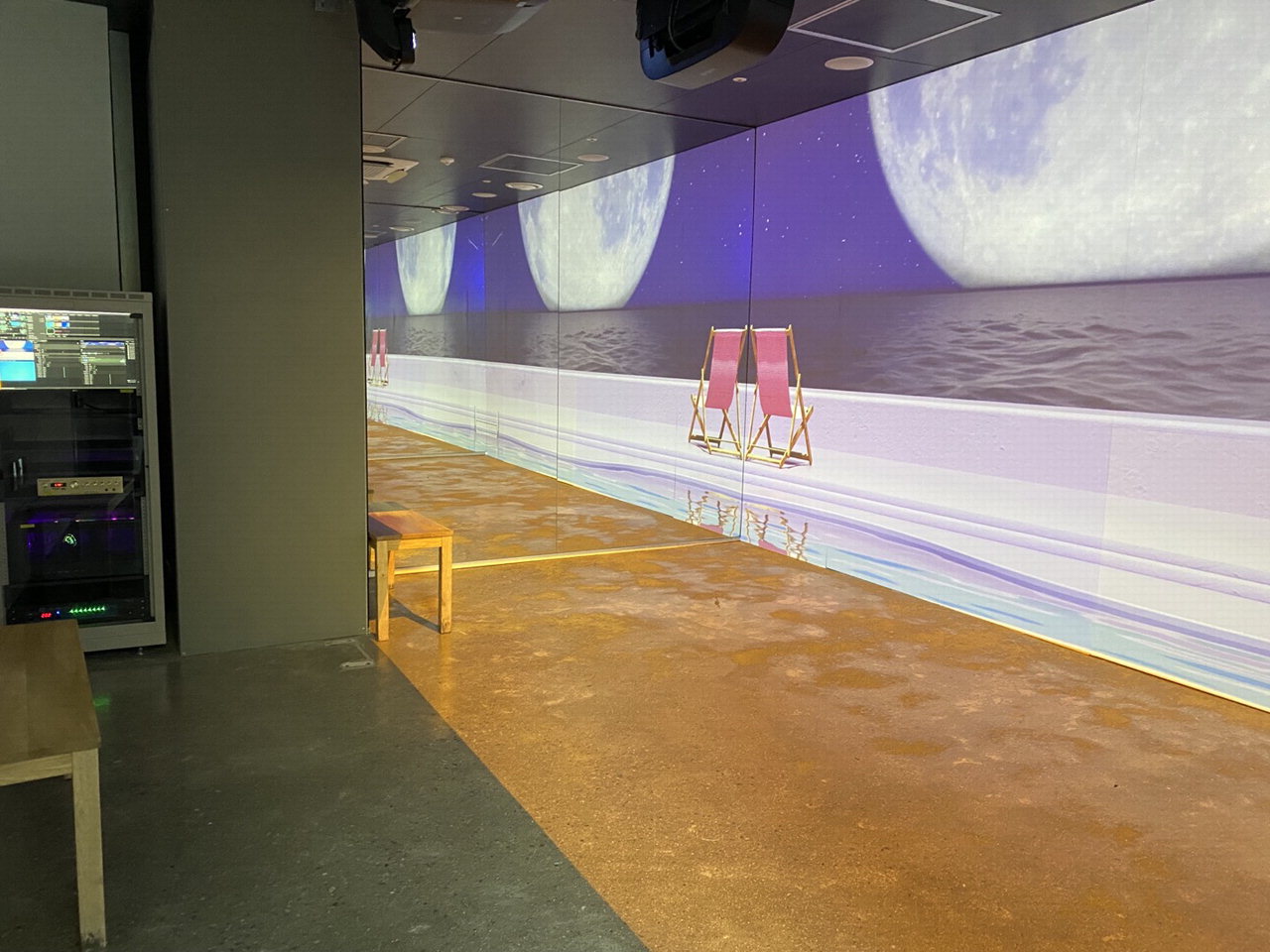
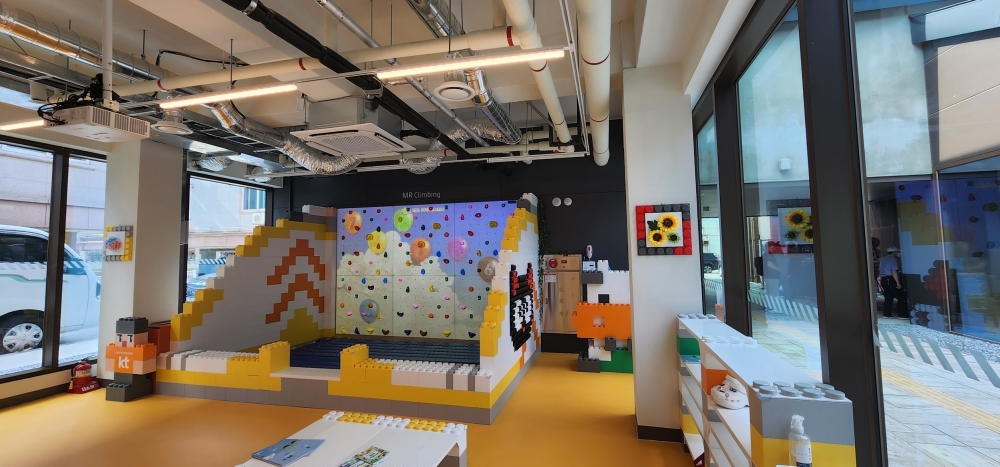
The annex of the art center houses a Kids Zone, a children's VR experience area created by telecommunications company KT. It is open from 9 a.m. to 5:50 p.m., and all VR experience facilities are closed every Monday. Sessions last 50 minutes, with up to eight sessions per day. Children from 4 to 12 years old may enter, and children aged 7 or younger who have not yet entered elementary school must be accompanied by a guardian. The fee is 2,000 won per child for one hour.
The first-floor Kids Zone includes experience devices such as “Real Cube,” which offers spectacular visuals; “Real Dance,” where visitors learn K-pop dance using AI; and interactive climbing, where participants climb an indoor wall while completing missions. The second-floor VR Zone has seven types of virtual-reality devices for both adults and children, ranging from shooting games and racing to roller-coaster-style machines. It is well suited to families who want to combine the experience with a visit to the cafe and exhibitions.
A 10-Minute Walk from Jochiwon Station: Directions and Parking
Jochiwon 1927 Art Center is located at 76 Daecheop-ro, Jochiwon-eup, Sejong Special Self-Governing City. Online map and ticket services also list it as 17 Saenae 4-gil or by its lot-based address, 60-1 Nam-ri. The main telephone number is 044-862-1927. The most reliable way to reach it is by train; it takes about 10 minutes on foot from Jochiwon Station. The trip from Seoul's Gangnam Express Bus Terminal to Jochiwon takes approximately 1 hour and 40 minutes, while traveling from Busan to Jochiwon Station via Daejeon with a KTX transfer takes about two hours.
If traveling by car, information indicates that parking lots are available on both sides of the pedestrian bridge in front of the art center, although whether they are free and the exact number of spaces have not been separately confirmed. Since the center is located inside an alley in the old downtown area, entering the exact road-name address into your navigation system is the best way to avoid getting lost.
Hours, Admission, and a Pre-Visit Checklist
Operating hours vary somewhat depending on when the information was recorded. At the time of reporting in autumn 2023, the center was introduced as operating from 10 a.m. to 11 p.m.; as of the first half of 2025, map services listed hours from 9 a.m. to 9 p.m. Before visiting, it is safest to call 044-862-1927 to check that day's rental schedule and whether an exhibition change is underway. Admission to the cultural complex itself is free. The KT Kids Zone is the main area with a separate fee, while the cafe and exhibitions are free to enter.
A visitor account posted by a Sejong village reporter during a winter weekday afternoon in December 2023 repeatedly mentioned the open feeling created by the high ceilings, as well as displays of objects such as a sewing machine, an old camera, and a tape machine that show the building's age of 100 years. The cafe's system of enjoying a brunch menu, receiving a vibrating pager, and then moving to a seat has also been described, so visitors should be aware that there may be a wait during mealtimes.
A Half-Day Course Combining Jochiwon Cultural Garden and the Jang Uk-jin Birthplace
Jochiwon Cultural Garden, Sejong City's Outstanding Architectural Asset No. 1, is a 15-minute walk from Jochiwon 1927 Art Center. Centered on the original Jochiwon water purification plant built in 1935, the site supplied drinking water to local residents and water for steam locomotives at Jochiwon Station for 78 years, until operations ended in 2013. It became the present cultural complex through a cultural regeneration project for former industrial facilities in 2019. Adding the Jang Uk-jin Birthplace, Outstanding Architectural Asset No. 3, makes it possible to plan a route covering three modern and contemporary architectural assets in Jochiwon's old downtown area.
All three sites share the fact that they were revived through urban regeneration projects. A half-day itinerary that visits the exhibition and cafe at Jochiwon 1927 Art Center in the morning, followed by Cultural Garden and the Jang Uk-jin Birthplace in the afternoon, works well without being overly demanding. Since the three sites are within walking distance of Jochiwon Station, it is easy to plan a full-day course without a private car.
Before You Go
- Address
- 76 Daecheop-ro, Jochiwon-eup, Sejong Special Self-Governing City
- Hours
- 09:00–21:00 (map listing as of 2025). During reporting in 2023, hours were listed as 10:00–23:00, so calling before visiting is recommended. The KT Kids Zone operates from 09:00–17:50.
- Closed
- No regular closing day has been confirmed for the cultural complex as a whole. The KT Kids Zone (VR experience facility) is closed every Monday.
- Admission
- Free admission to the cultural complex. The KT Kids Zone costs 2,000 won per child for one hour (ages 4–12; 50 minutes per session; eight sessions per day; children aged 7 or younger must be accompanied by a guardian).
- Phone
- 044-862-1927
- Official site
- https://jcw1927.co.kr
- Transport
- Approximately a 10-minute walk from Jochiwon Station
- Parking
- Parking lots on both sides of the pedestrian bridge in front of the art center (free status and capacity unconfirmed)
- Time needed
- 1–2 hours (2–3 hours including the cafe and VR experience)
The information above is accurate as of the time of writing. Check the official information again before visiting.

Places
Nearby Attractions 5
-
 1
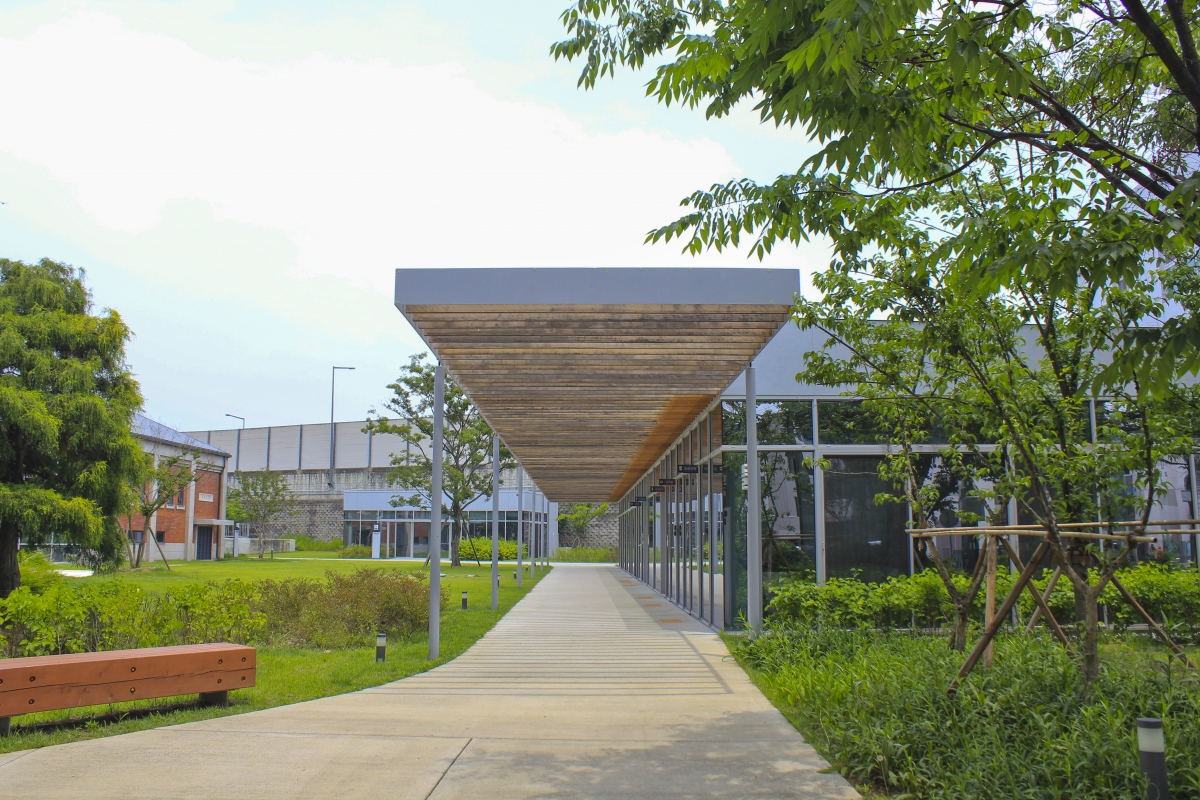
Jochiwon Cultural GardenAn exhibition and relaxation space created through the regeneration of the former Jochiwon Water Purification Plant.
1
Jochiwon Cultural GardenAn exhibition and relaxation space created through the regeneration of the former Jochiwon Water Purification Plant. -
 2
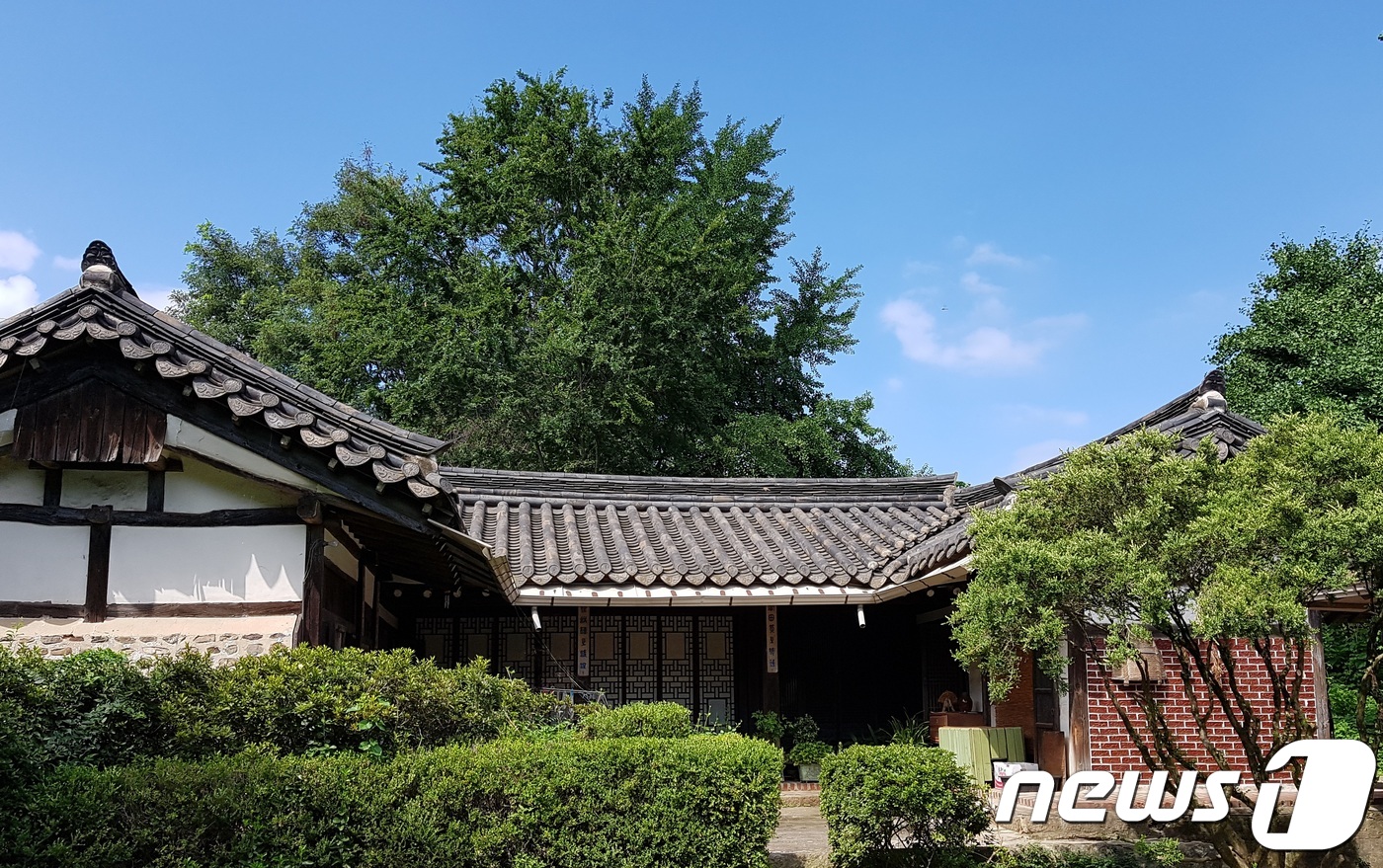
Jang Uk-jin's BirthplaceA place to explore the birthplace of painter Jang Uk-jin and the surrounding village scenery.
2
Jang Uk-jin's BirthplaceA place to explore the birthplace of painter Jang Uk-jin and the surrounding village scenery. -
 3
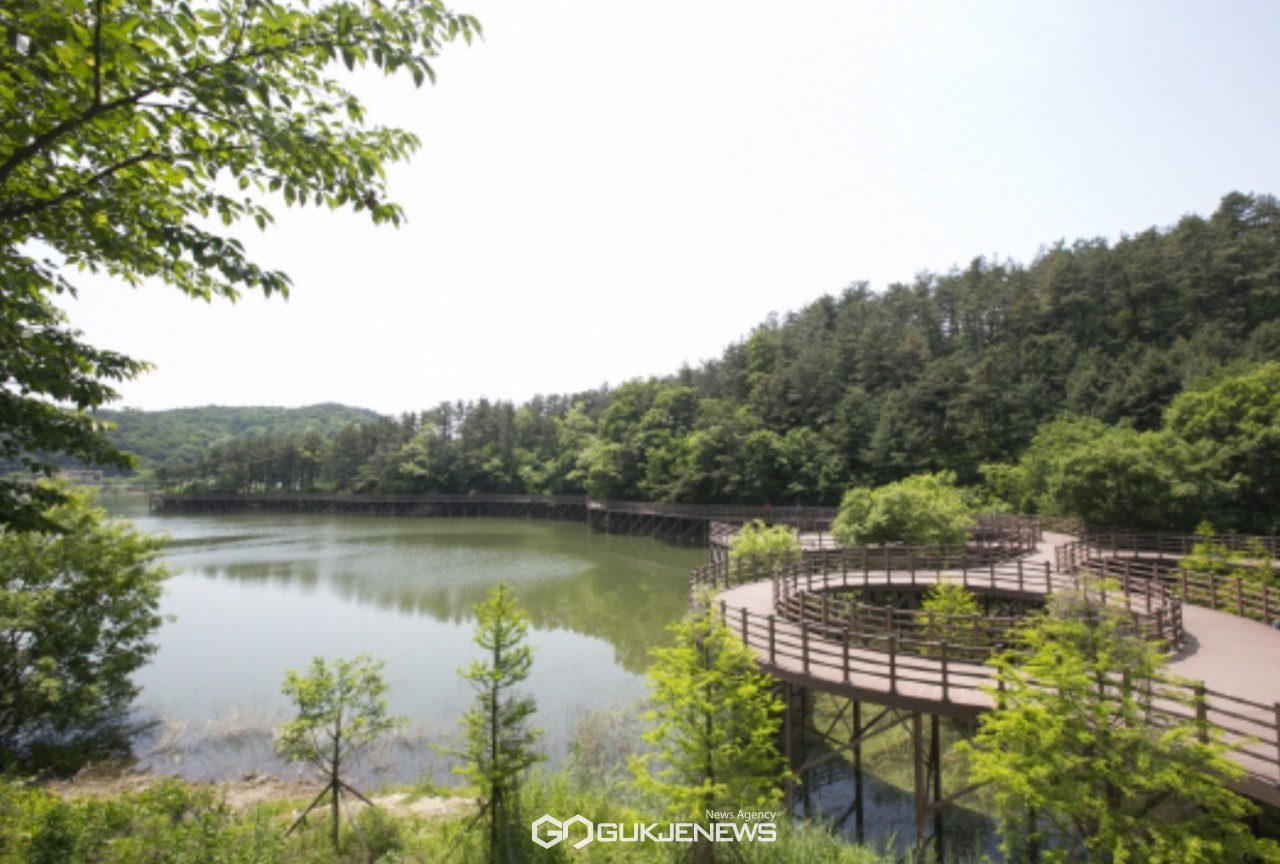
Gobok Natural ParkA park where visitors can stroll around Gobok Reservoir and enjoy the natural scenery.
3
Gobok Natural ParkA park where visitors can stroll around Gobok Reservoir and enjoy the natural scenery. -
 4
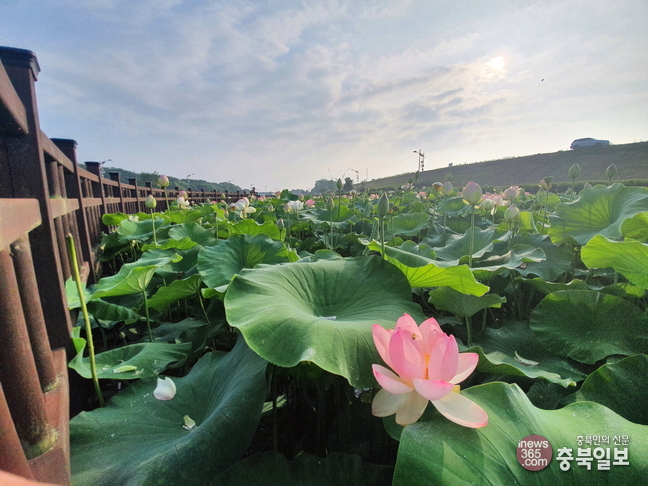
Jocheon Lotus ParkA park where visitors can walk along Jocheon Stream while enjoying lotus flowers and colonies of water miscanthus.
4
Jocheon Lotus ParkA park where visitors can walk along Jocheon Stream while enjoying lotus flowers and colonies of water miscanthus. -
 5
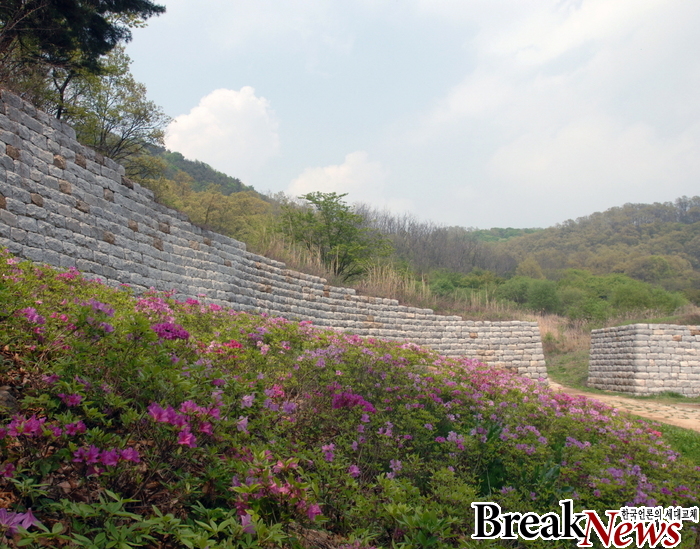
Unjusanseong FortressA place to explore fortress ruins and the surrounding forest scenery along mountain trails.
5
Unjusanseong FortressA place to explore fortress ruins and the surrounding forest scenery along mountain trails.
More Travel Guides in This Area
 Travel Guide
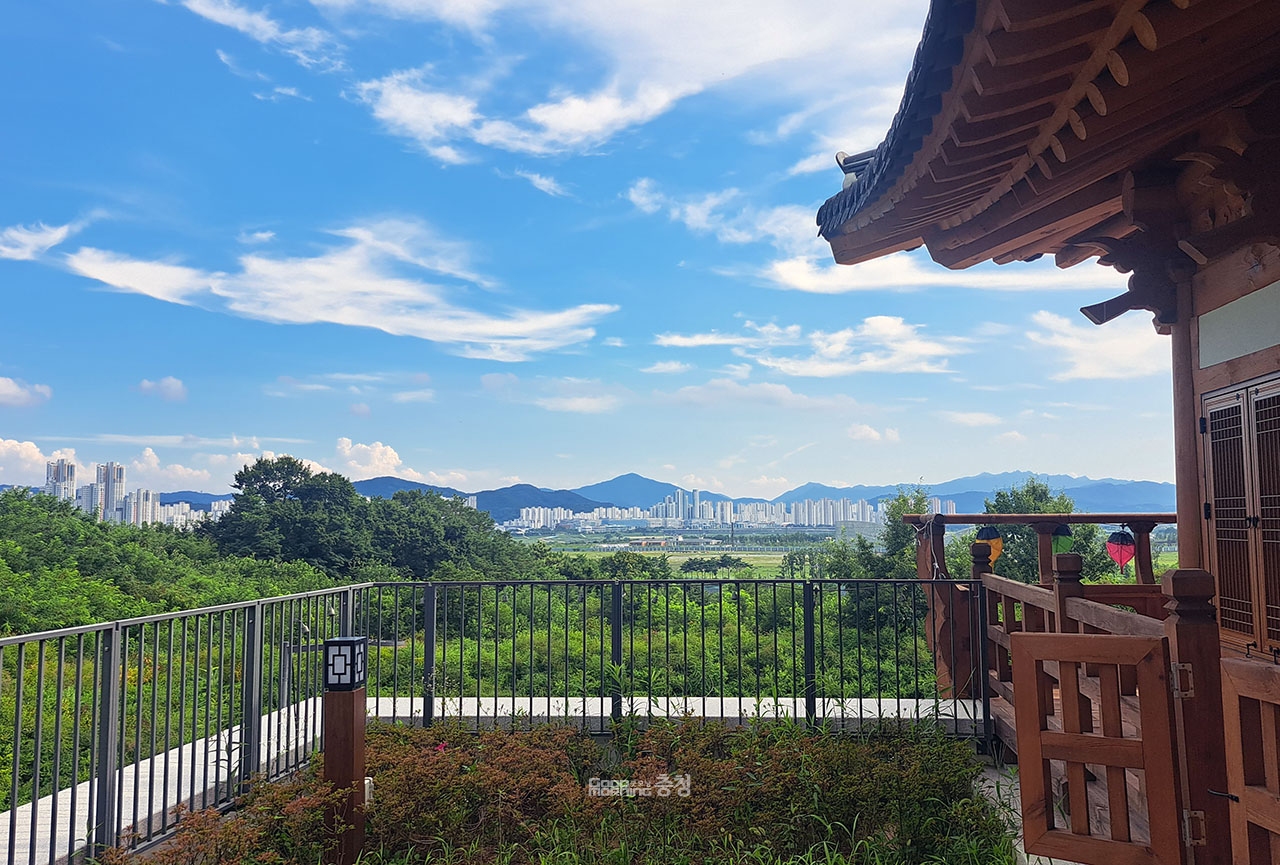
Sejong Traditional Culture Experience Center on the Slopes of Jeonwolsan Mountain
 Travel Guide
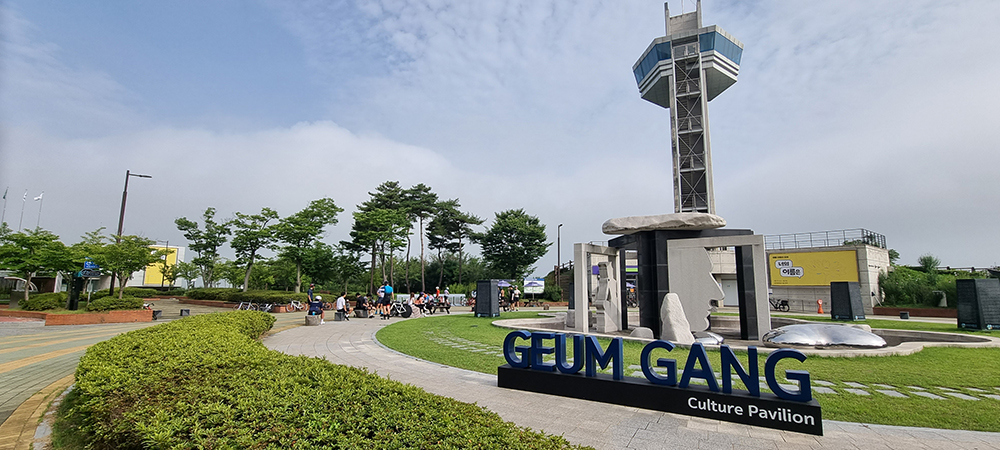
Sejongbo Geumgang Cultural Center
 Travel Guide
Geumgang Natural Recreation Forest
 Travel Guide
Jeonwolsan Rose of Sharon Theme Park — Sejong’s Garden with Over 300 Varieties of the National Flower Across 130,000 m²
Korea News
![ZEROBASEONE ‘ZEROBASEONE Shining Even at Night!’ [★Video]](https://kotourlive-images.s3.ap-northeast-1.amazonaws.com/news/1786629298196_13d8a4bb_news_075face7-fb4e-402c-b833-25ccaf88cf8f.jpg) News
News
ZEROBASEONE ‘ZEROBASEONE Shining Even at Night!’ [★Video]
 News
News
Kwon Eun-bi, First Comeback Since Moving from Woollim to RBW: “Aiming for a September Release”
 News
News
“Did Jungkook’s connection continue?” Pop star Usher spotted warmly hugging BTS’s RM and J-Hope
 News
News