
Sejongbo Geumgang Cultural Center
Geumgang Cultural Center is a two-story cultural space attached to Sejongbo, the first weir completed among the sections of the Four Rivers Restoration Project in April 2011. Equipped with a gallery, café, residents’ community center, and rooftop observation deck, it has served as a free exhibition space for local artists. Located along the Geum River in Naseong-dong, Sejong City, between Chamsaem Mugunghwa Garden and Dongnakjeong, a pavilion from the Joseon Dynasty, it is also a popular rest stop for travelers on foot and by bicycle.
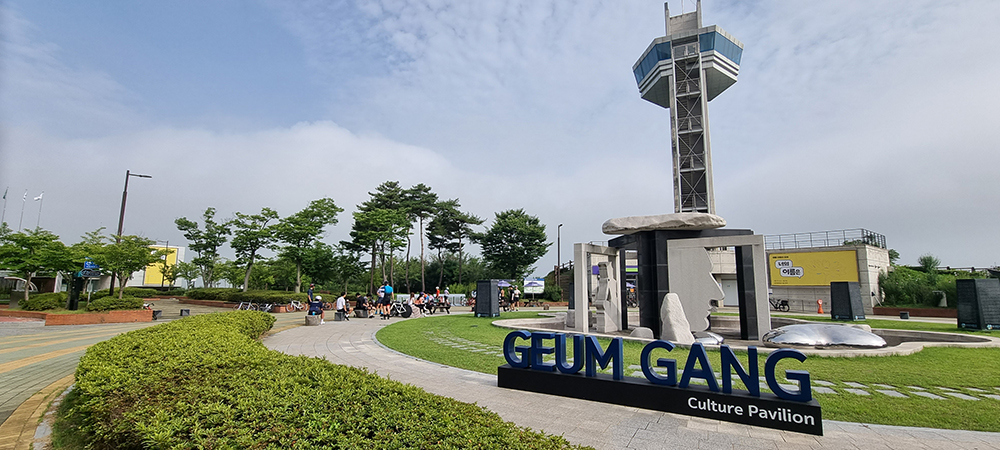
Sejongbo, the First Completed Section of the Four Major Rivers Project, in 2011
Sejongbo, which includes the Geumgang Culture Center, is a structure built as part of the Lee Myung-bak administration's Four Major Rivers Restoration Project. In October 2011, Sejongbo was the first of all the weirs in the Four Major Rivers Project to be completed—so much so that KDI's Nara Economy published an article titled “The First Completion of the Four Major Rivers! Visiting Sejongbo.”
The Four Major Rivers Restoration Project itself was a large-scale river improvement project that began with the groundbreaking ceremony for the Nakdonggang District on December 29, 2008, and received a budget of 22 trillion won through April 22, 2012. The weir in the Sejong City section was designed not merely as a flood-control facility but as a symbol of the new city. According to Sejong City's official travel information, it is a landmark-style weir whose structure expresses the originality of King Sejong's alphabet, the scientific nature of the rain gauge, and swallows—the symbol of old Yeongi County—riding the waves of the Geumgang. The two-story annex next to Sejongbo is today's Geumgang Culture Center, while its address, 82 Nari-ro, is a lot number along the Geumgang that has been used since the days of Yeongi County, before Sejong City was launched.
The Decision to Dismantle and the Decision to Preserve It Again — Sejongbo's Fate Shaken Whenever the Government Changes
Sejongbo did not enjoy an entirely smooth course even after its completion. As water-quality and ecological controversies surrounding the Four Major Rivers weirs continued, its sluice gates were opened in May 2018. In September 2020, during the Moon Jae-in administration, an agreement was reached to dismantle Sejongbo on the Geumgang, partially dismantle Gongjubo, and keep Baekjebo open permanently. This decision also provoked opposition from farmers using irrigation water, including those in nearby Buyeo County.
Afterward, with the change of government, the policy of permanently opening and dismantling the Four Major Rivers weirs was withdrawn again and shifted toward preservation. More recently, it has been reported that authorities are considering restoring the cancellation of the decisions to dismantle Sejongbo and Juksanbo on the Yeongsangang as part of the “renaturalization of the Four Major Rivers.” In other words, the structure called Sejongbo, where this building stands, has itself been at the center of South Korea's river-policy debate for more than a decade, and the Geumgang Culture Center has served as a gateway for explaining the site of that debate.
What the Two-Story Building Contains — Gallery, Café, and Open Studio
The K-water Sejongbo office building has two floors. The first floor contains offices and an information desk, while the rear has a rest area and a terrace overlooking the Geumgang. The second floor brings together a seminar room, café, exhibition room, residents' community space, and open studio, and the rooftop has an observation deck.
The second-floor café sells coffee and beverages for a fee, but visitors commonly noted in 2022 that prices were lower than at commercial cafés. The Geumgang Open Studio and community center inside the café area are free to use, and regular classes are held in the community space. However, it has also been noted that the open studio is intended for users with some experience, such as video editing, so it is not a place where anyone can casually borrow and use cameras or filming equipment. 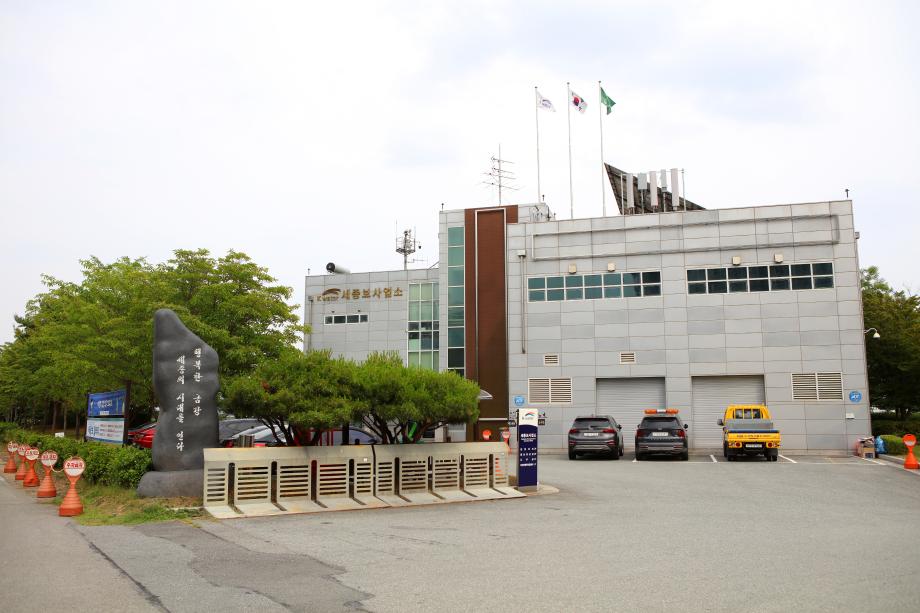
Gyeryongsan and Handuri Bridge Seen from the Rooftop Observation Deck
An article written in 2020 by the head of the Sejong City branch of the Sejong Arts Association described the Geumgang Culture Center as having a beautiful panoramic view of the Geumgang, with distant Gyeryongsan and Sejong City spreading out like a panorama through the windows, resembling a framed painting. Beyond the floor-to-ceiling glass of the second-floor community space, the Geumgang landscape with Handuri Bridge stretches into view. 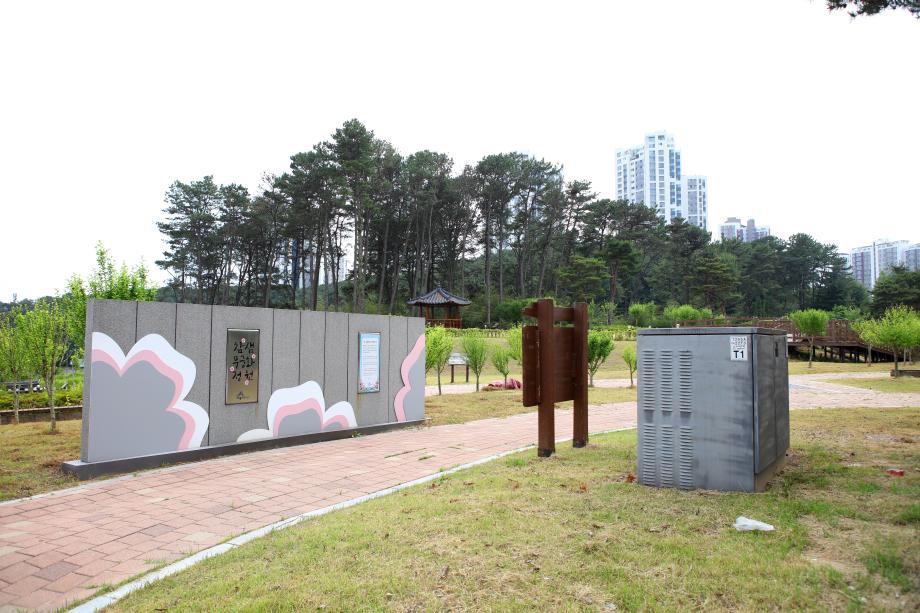
A 2022 visitor account names the rooftop observation deck as one of the best places in Sejong to see the Geumgang. From the rooftop, the view opens toward Wonsusan across the river and the direction of the Government Complex Sejong. However, it has not been officially confirmed whether the observation deck's hours are the same as those of the café and gallery or whether it closes separately. It is therefore safest to check at the first-floor information desk on the day of your visit whether the rooftop is open. 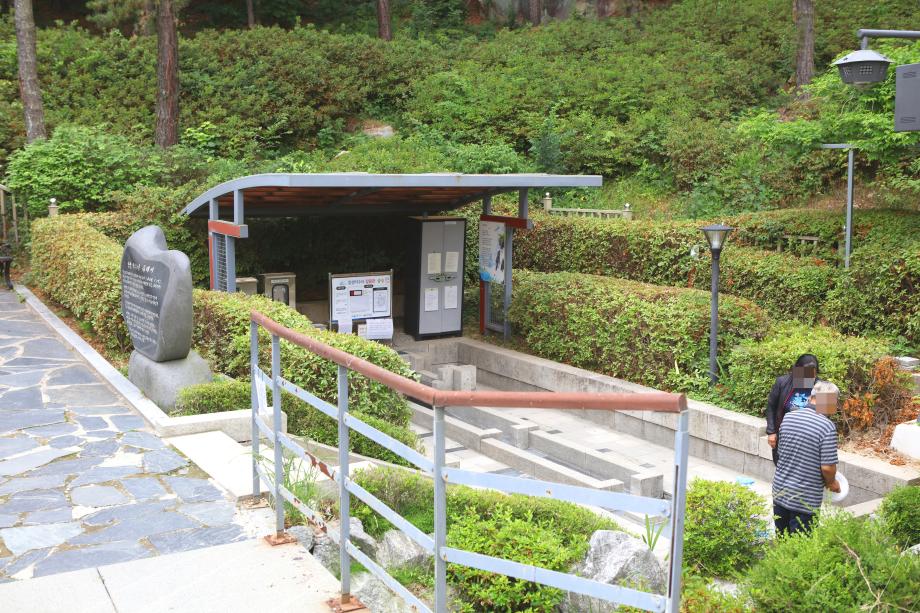
A Regional Artists' Exhibition Space Continuing from the Riverside Art Fair of 2016
The Sejongbo Gallery on the second floor of the Geumgang Culture Center is a highly practical space for local artists. In the early period after Yeongi County became Sejong Special Self-Governing City, cultural spaces were severely lacking. For this reason, the Sejong Arts Association signed a business agreement with the Geumgang Culture Center in 2016 and began holding a riverside art fair in the form of solo exhibitions using the cultural space. Since opening, Sejongbo Gallery has rented out its exhibition space free of charge, and in 2019 it renovated the exhibition area and café to improve the quality of its exhibitions.
In fact, a solo exhibition by artist Kim Seon-nam was held in August 2019, and Kim Myeong-ok's Western painting exhibition “Forest of Dreams” was held in December 2021. During the COVID-19 period, when in-person viewing was difficult, the center also photographed the exhibited works and released them online through the YouTube channel “Geumgang Culture Center.” The article also reports that activities such as calligraphy, Korean painting, and calligraphy-design clubs run by residents, a certification booth for the Geumgang bicycle tour, and river-culture programs for young people are operated together, bringing the annual number of visitors to approximately 160,000. Exhibition schedules are not permanent and change according to the artist and theme, so if you plan to visit for a specific exhibition, it is best to check the gallery's latest announcements beforehand.
A Rest Stop on the Geumgang Naru-gil — For People Passing on Foot or by Bicycle
Sejongbo, where the Geumgang Culture Center is located, is also a stop along the second section of Sejong City's officially designated Happy City Perimeter Trail, “Geumgang Naru-gil.” The 19.7-kilometer route starts at Sejong City Hall, passes Haenmuri Bridge, Hangeul Park, Aramchan Bridge, and Hapgangjeong, and returns to the starting point; it takes about five hours on foot or one hour and 40 minutes by bicycle. After passing beneath Geumnam Bridge and Handuri Bridge, the Sejongbo Residents' Community Center—in other words, the Geumgang Culture Center building—appears on the right.
This section also overlaps with the National Cross-Country Bicycle Road. The National Cross-Country Bicycle Road connects Ara West Sea Lock and the Nakdonggang Estuary Bank over a total distance of 633 kilometers. Accounts by riders passing near Sejongbo include records of completing the section from Daecheong Dam to Sejongbo in a single day. It can be said that cyclists and local residents out for a walk stop at this building as a rest area more often than hikers do.
Chamsaem Mugunghwa Garden and Dongnakjeong, a Joseon-era Pavilion — Places to Explore Together on Foot
“Chamsaem Mugunghwa Garden” is located directly in front of the Sejongbo office. This themed garden plants rose of Sharon in six categories according to flower color: Baedal-gye, Baekdansim-gye, Jeokdansim-gye, Jadansim-gye, Cheongdansim-gye, and Asadal-gye. Citizens are said to have taken the lead in deciding the site and selecting its name.
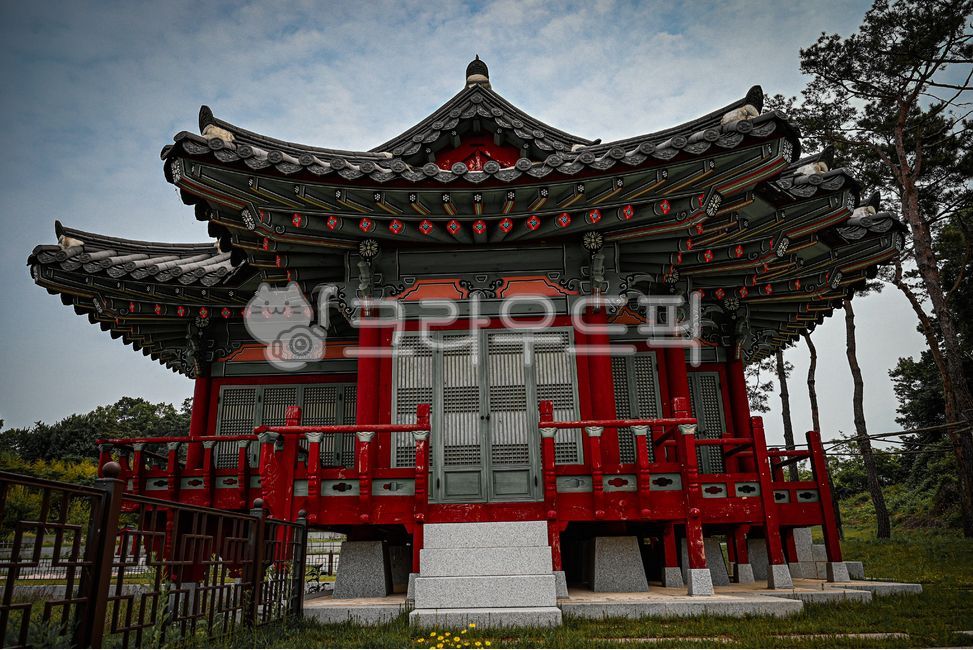
A little farther along in the upstream direction is Dongnakjeong Pavilion, designated as Sejong City Cultural Heritage Material No. 8 in December 2012. Built by Im Mok, who served as magistrate of Yangyang Dohobu in the 19th year of King Sejong's reign, or 1437, the pavilion stands on a hill beside the Geumgang at Lot 101, Naseong-dong. It measures three bays across the front and two bays along the side. The setting itself—Sejongbo, newly created by the Four Major Rivers Project, facing a pavilion built more than 500 years earlier on the same riverside—is a highlight of exploring this area.
Avoid Mondays and Check Outdoor Event Schedules in Advance
If you are planning a visit, the first thing to note is the day of the week. A 2022 visitor account explicitly states that the entire Sejongbo office is closed on Mondays and advises visitors to avoid that day. Gallery admission and use of the community center are free; the only usual paid expense is a beverage at the second-floor café. 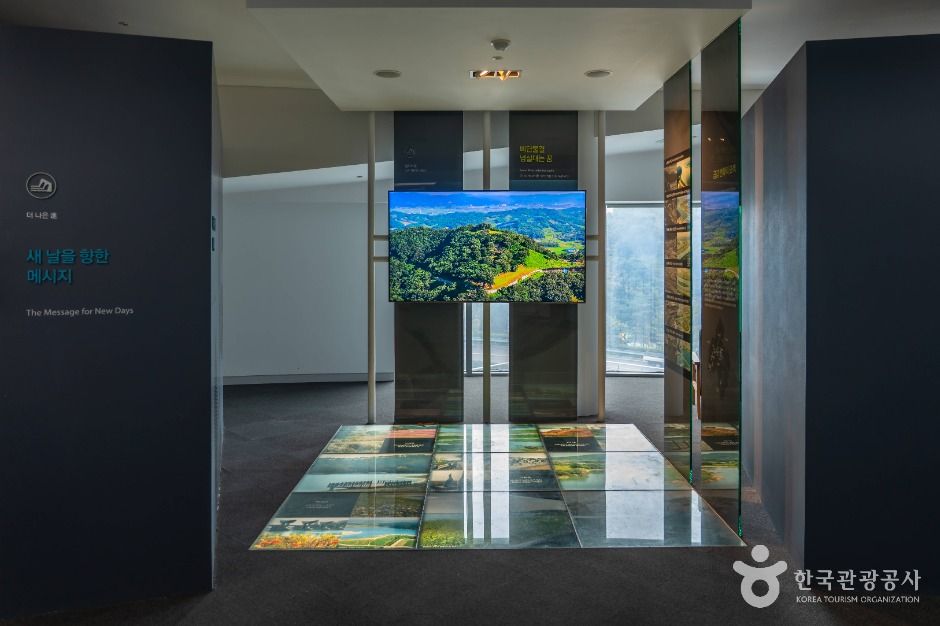
Outdoor events are also held from time to time in addition to indoor exhibitions. For example, an environmental concert on the theme of “Water, River, Birds” was held on the Sejongbo outdoor deck in October 2021. The notice at the time asked visitors to enjoy it while walking because there were no designated seats. Since there are quite a few occasional programs rather than permanent events, if you are visiting for a specific purpose—such as an exhibition or concert—checking the latest announcements from the Sejong City Contents Hub or the Geumgang Culture Center YouTube channel before your visit can help prevent a wasted trip. The main telephone number and exact opening and closing times could not be officially confirmed during this research, so it is advisable to check again at the information desk on site.
Before You Go
- Address
- 2nd floor, 82 Nari-ro, Sejong Special Self-Governing City
- Hours
- Exact opening and closing times have not been officially confirmed. However, visitor accounts confirm that the entire K-water Sejongbo office is closed every Monday.
- Closed
- Every Monday (the entire Sejongbo office is closed)
- Admission
- Free (gallery and community center use are free; café beverages require separate payment)
- Official site
- https://www.kwater.or.kr/cust/sub02/sub02/sub04/promotion21Page.do?s_mid=1074
- Transport
- Located along the Geumgang in Naseong-dong, Sejong City, within the same living area as the Government Complex Sejong and the National Sejong Arboretum. Sejong City bus fares are 1,500 won for all sections (1,400 won by card), and up to three transfers are allowed within 60 minutes after getting off. However, the specific route number that stops in front of this building could not be confirmed.
The information above is current as of the time of writing. Check the official guidance again before visiting.

Places
Nearby Attractions 5
-
 1
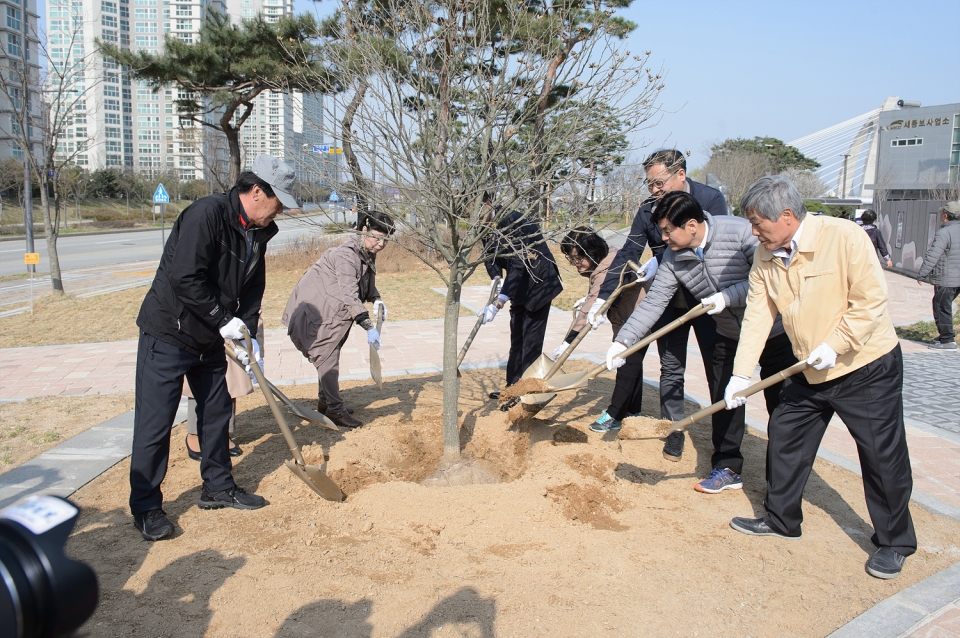
Chamsaem Mugunghwa GardenA themed garden along the Geumgang River where visitors can stroll while admiring various varieties of rose of Sharon.
1
Chamsaem Mugunghwa GardenA themed garden along the Geumgang River where visitors can stroll while admiring various varieties of rose of Sharon. -
 2
Dongnakjeong Historical ParkA historical park where visitors can explore Dongnakjeong, a pavilion from the Joseon period, along with its historic remains.
2
Dongnakjeong Historical ParkA historical park where visitors can explore Dongnakjeong, a pavilion from the Joseon period, along with its historic remains. -
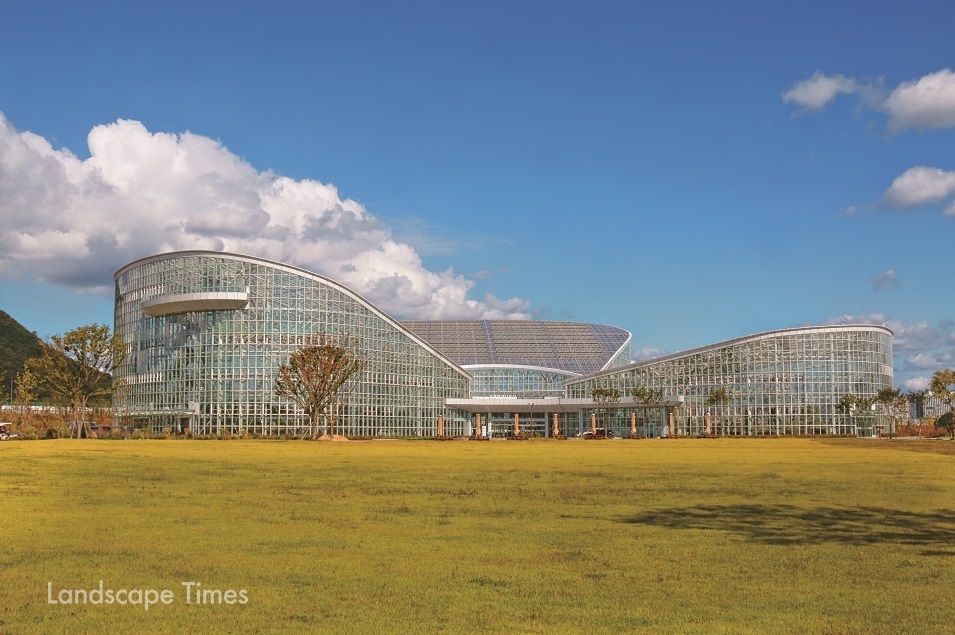 3
National Sejong ArboretumAn arboretum where visitors can explore a variety of themed plant gardens, including greenhouses and a Korean traditional garden.
3
National Sejong ArboretumAn arboretum where visitors can explore a variety of themed plant gardens, including greenhouses and a Korean traditional garden. -
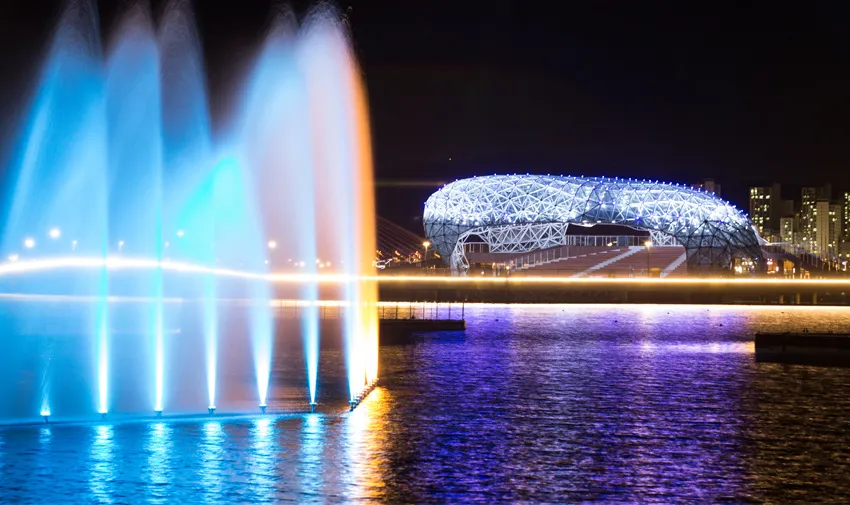 4
Sejong Lake ParkAn urban retreat where visitors can enjoy the lake, an artificial island, and green walking paths.
4
Sejong Lake ParkAn urban retreat where visitors can enjoy the lake, an artificial island, and green walking paths. -
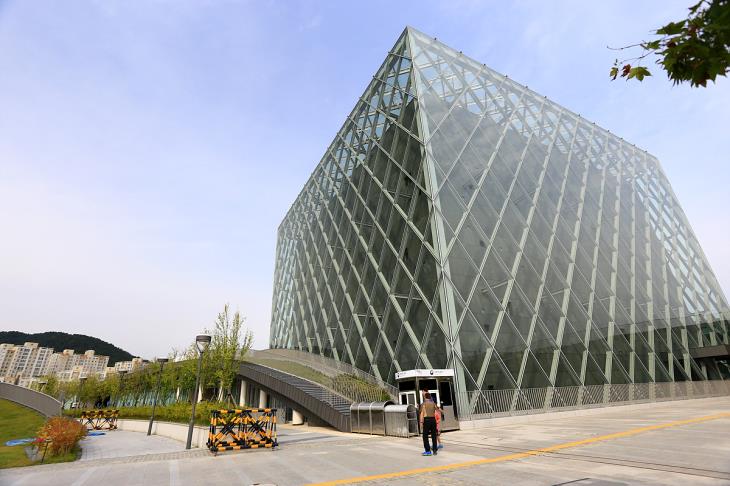 5
Presidential ArchivesAn archive where records of past presidents and the modern history of the Republic of Korea are exhibited and explored through interactive experiences.
5
Presidential ArchivesAn archive where records of past presidents and the modern history of the Republic of Korea are exhibited and explored through interactive experiences.
Food & Dining 4
-
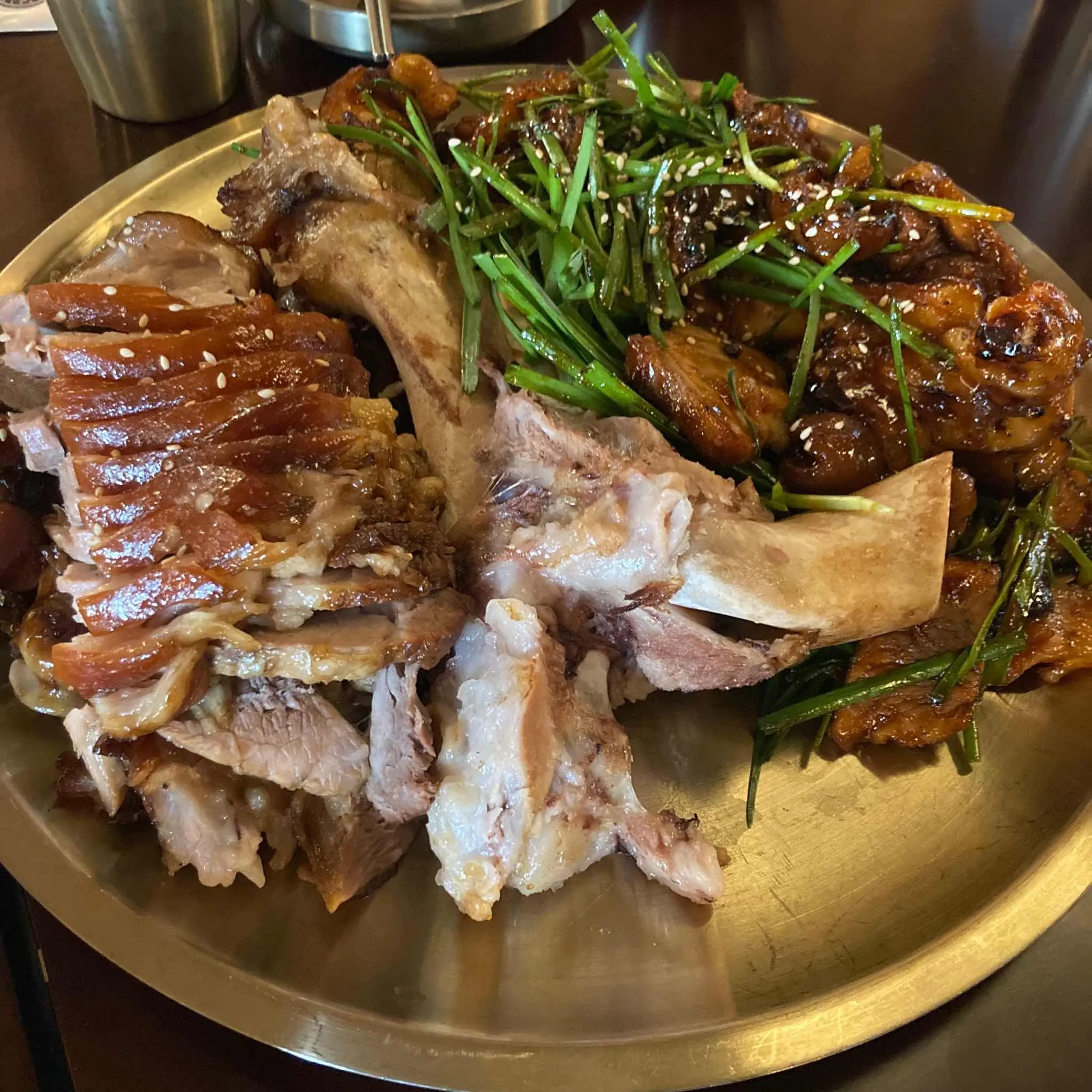 6
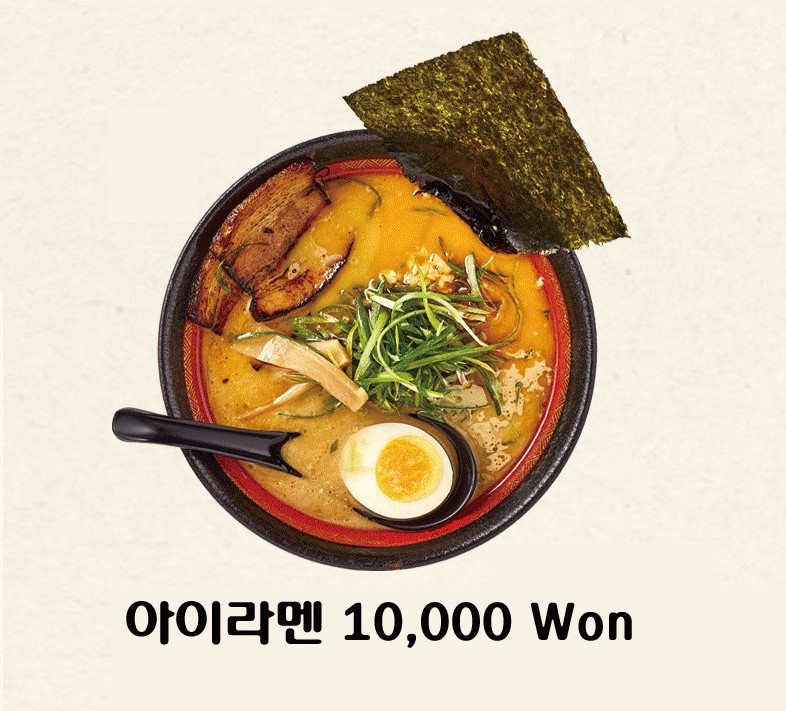
CheongmigwanA Korean restaurant specializing in jokbal (pig’s feet), bossam (boiled pork wraps), makguksu (buckwheat noodles), and more.
6
CheongmigwanA Korean restaurant specializing in jokbal (pig’s feet), bossam (boiled pork wraps), makguksu (buckwheat noodles), and more. -
 7
7
-
 8
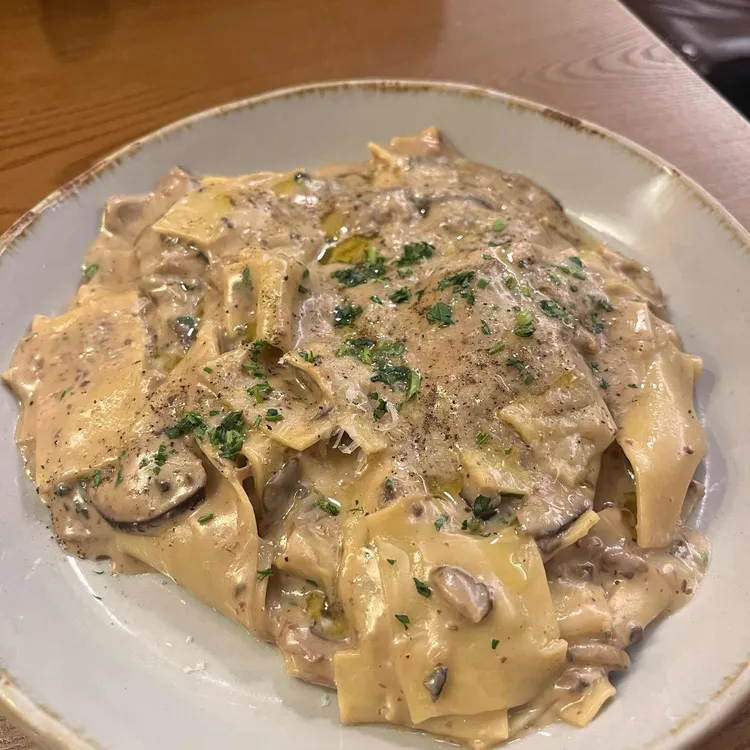
Gwanghwamun Mijin Sejong BranchA restaurant serving buckwheat noodles, pork cutlets, and spicy stir-fried octopus.
8
Gwanghwamun Mijin Sejong BranchA restaurant serving buckwheat noodles, pork cutlets, and spicy stir-fried octopus. -
 9
9
More Travel Guides in This Area
 Travel Guide
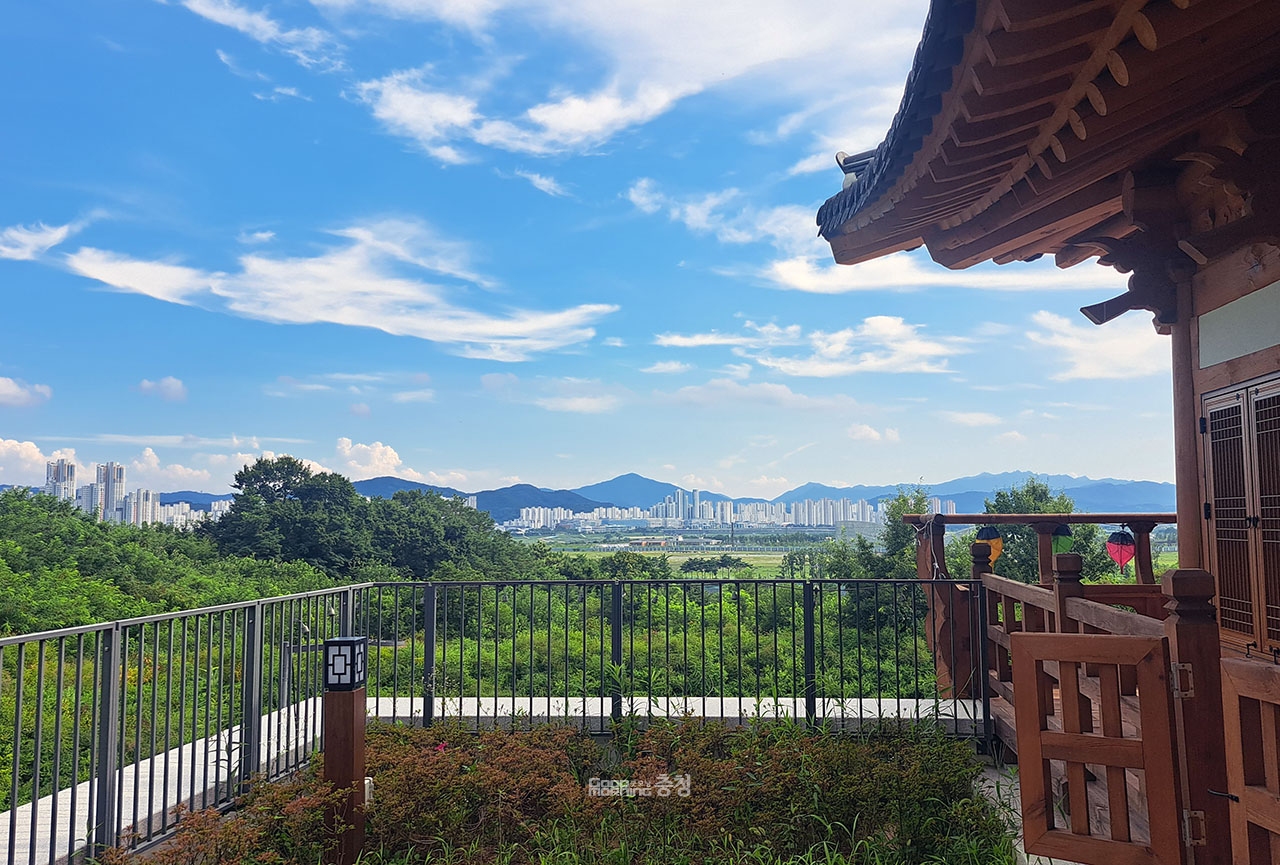
Sejong Traditional Culture Experience Center on the Slopes of Jeonwolsan Mountain
 Travel Guide
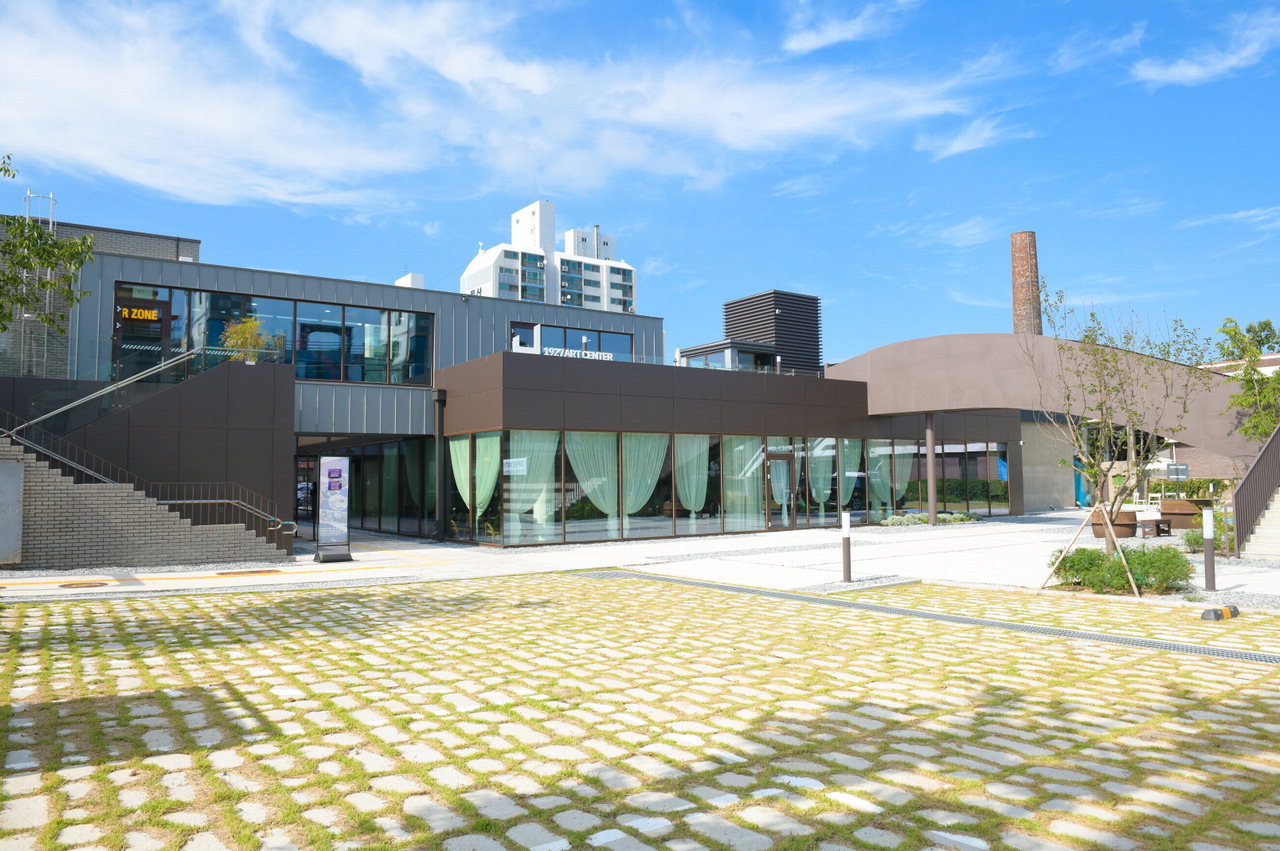
Jochiwon 1927 Art Center: How a 100-Year-Old Silk Factory Became a Cultural Space
 Travel Guide
Geumgang Natural Recreation Forest
 Travel Guide
Jeonwolsan Rose of Sharon Theme Park — Sejong’s Garden with Over 300 Varieties of the National Flower Across 130,000 m²
Korea News
![ZEROBASEONE ‘ZEROBASEONE Shining Even at Night!’ [★Video]](https://kotourlive-images.s3.ap-northeast-1.amazonaws.com/news/1786629298196_13d8a4bb_news_075face7-fb4e-402c-b833-25ccaf88cf8f.jpg) News
News
ZEROBASEONE ‘ZEROBASEONE Shining Even at Night!’ [★Video]
 News
News
Kwon Eun-bi, First Comeback Since Moving from Woollim to RBW: “Aiming for a September Release”
 News
News
“Did Jungkook’s connection continue?” Pop star Usher spotted warmly hugging BTS’s RM and J-Hope
 News
News