A Mountain Hanok Village Built by Residents in 2013, Osung Hanok Village
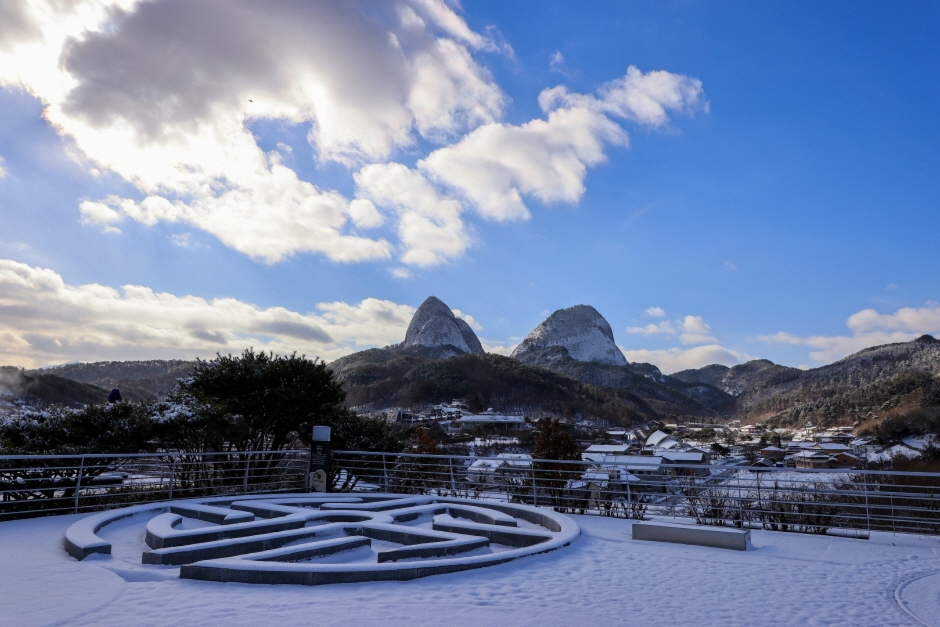
Osung Hanok Village is a real residential village created in 2013 through the collective efforts of local residents, surrounded by Mount Jongnam, Mount Wibong, and Mount Seobang. You can explore its traditional hanok houses, cafés, galleries, independent bookstore, and Osungje Pavilion in about an hour, but the operating hours of individual facilities and whether parking-lot construction is underway should be checked separately from general village visits.

I’ve been here?
Your check-in helps the next traveler.
26 people viewed this week Be the first
One tap — no writing needed
Why a Newly Built Hanok Village Looks Like an Old Village in 2013
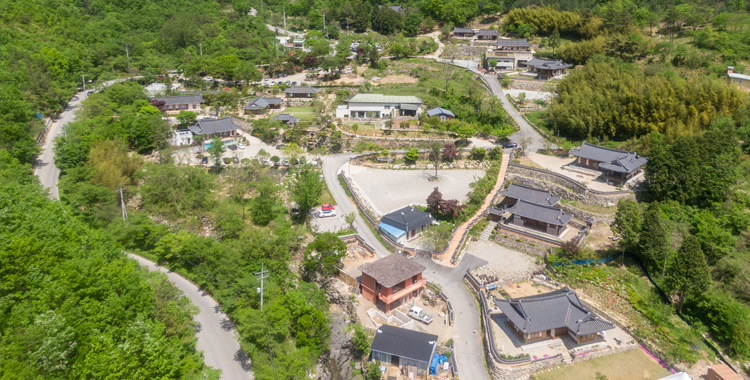
Oseong Hanok Village is located in Soya-myeon, Wanju-gun, Jeonbuk State, and was developed relatively recently, in 2013. Because residents joined forces to create a hanok village in a place that originally did not even have a village hall, it is easy to mistake it for a traditional village dating back to the Joseon period. However, except for a few historic residences, most of the hanok buildings are newly constructed.
The mountainous terrain, with Jongsan Mountain, Wibong Mountain, and Seobang Mountain surrounding the village, determines the present landscape. Wanju-gun introduces the area as having about 20 traditional hanok houses. The hanok buildings are both actual residences for local residents and a lifestyle-oriented tourist destination with cafés, galleries, and forest experience trails.
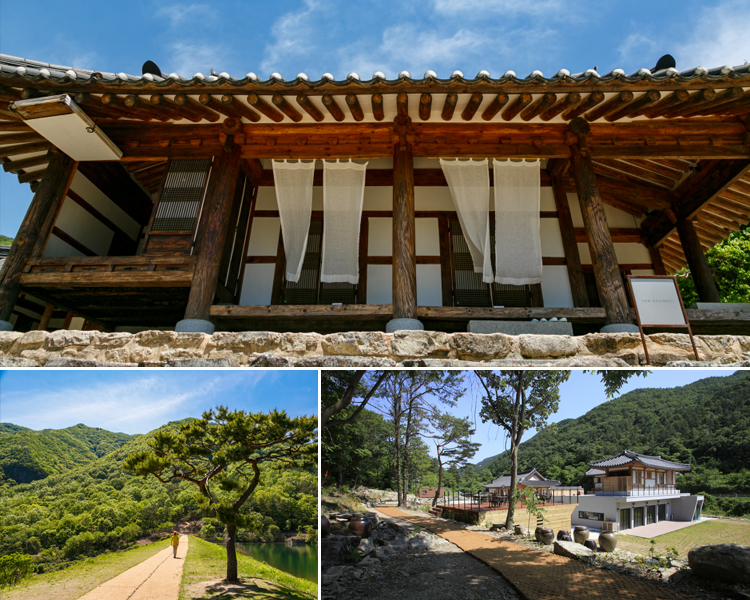
Enter Oseong Hanok Culture Center as Your Destination
For foreign visitors coming for the first time, it is safest to enter both “Oseong Hanok Culture Center” and the address “73 Odo-gil, Soya-myeon, Wanju-gun, Jeonbuk State” into a map app. The address listed for the survey site on Wanju-gun’s tourism page is this location, and its coordinates are latitude 35.906907 and longitude 127.236798.
Because the entire village is not a single paid museum, there is no structure in which visitors can see the interiors of all the hanok buildings from one ticket office. Oseong Hanok Village itself is introduced as an open space with no separate admission fee, but private homes and accommodations, as well as individual historic residences, cafés, and galleries, each have their own operating policies and access restrictions.
Transfer Route from Samnye Station and Samnye Public Bus Terminal
When traveling by rail, a route from Yongsan Station to Samnye Station is introduced. According to information from 2021, Mugunghwa trains operated eight times a day from 05:46 to 22:45, with a travel time of approximately 3 hours and 20 minutes. If traveling by bus from Seoul, buses from Seoul Nambu Bus Terminal to Samnye operated 15 times a day from 06:15 to 20:05, with a stated travel time of 2 hours 10 minutes to 3 hours 10 minutes.
At the Samnye Public Bus Terminal stop, the recommended route is to take local bus 381, transfer to local bus 806 at Moraenae Stop, and get off at Oseong Pungryu School Stop. After getting off, the distance to Awon Historic House is described as approximately 120 meters on foot. However, this information is based on 2021 data, so the latest service intervals and stop locations should be checked on the day of departure. This is not a place that can be reached directly from a subway station.
There Is No Admission Fee, but You Cannot Automatically Enter Awon Historic House
General village sightseeing is listed as open year-round, with no regular closing day specified. Oseong Hanok Village itself is introduced as a space with no admission fee, but individual historic residences such as Awon Historic House and Soya Historic House, along with accommodations, cafés, and galleries, are separate from general village access.
Therefore, walking through the alleys and viewing the exterior scenery should not be regarded as the same as viewing the interiors of historic residences. Since the village includes spaces where residents actually live, do not enter private property or areas reserved for lodging guests without permission. Because information about photography-prohibited areas, English guidance, audio guides, and cash payments is not provided consistently by location, this article cannot make definitive claims about them.
How Awon Historic House and Soya Historic House Present Different Periods
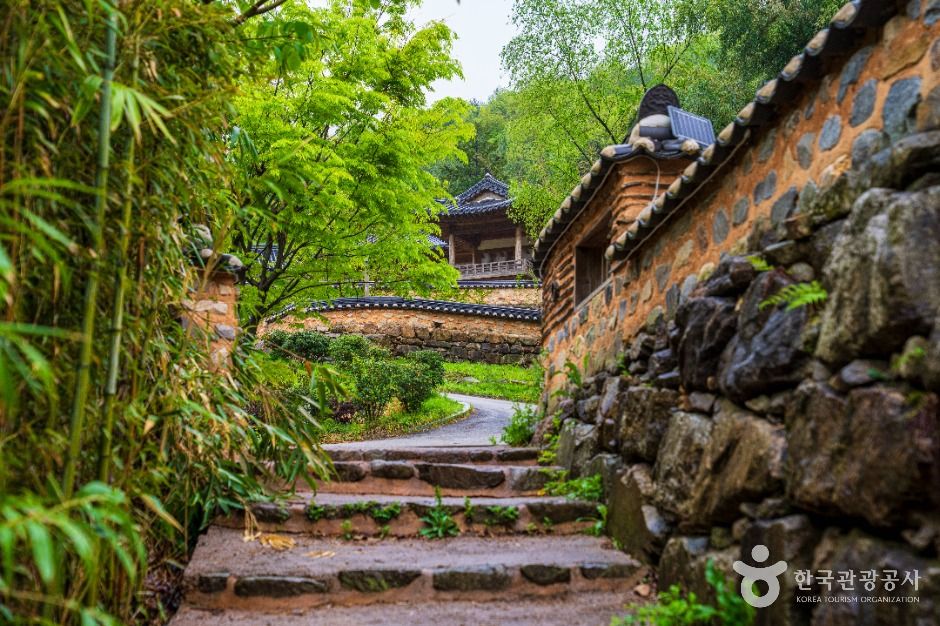
Awon Historic House is a hanok reinterpreted in a modern way by relocating a 250-year-old historic house from Jinju and a 150-year-old historic house from Jeongeup. The restoration took 15 years. In other words, the “traditional character” of Oseong Hanok Village does not mean that all its buildings are original structures from the same period. Rather, it comes from preserving old historic houses by relocating them and arranging them alongside newly built hanok.
Soya Historic House was created by relocating 180-year-old historic houses from Gochang and Muan and turning them into hanok accommodations and a traditional culture experience center. It has nine guest rooms, a café, and a bookstore, while Jewoldang has eight lifted windows. Other places introduced within the village include Nogeunjae, Sodamwon, Jukrimwon, Yechon, Hyurim, Hyu-an-jae, and Sansuchon. The village should therefore be understood not as one single building with the same name, but as a collection of multiple historic houses and lodging facilities.
Order for Visiting the BTS Filming Site and the Stone Bridge in Front of Café Dube
In 2019, BTS stayed here for one week and filmed the “BTS 2019 SUMMER PACKAGE” music video and photobook. Because of this background, some visitors come looking for specific filming scenes, but the filming locations do not mean that every space in the village can be freely recreated or accessed. Separate entry rules apply to residents’ spaces and individual facilities.
The Korea Tourism Organization introduces the village as having small galleries run by artists, atmospheric cafés, and independent bookstores. The stone bridge in front of Café Dube is known as a popular photography spot, while Oseongje Lake is introduced as a place for walking and relaxation. Based on review materials, the Masil-gil route around the village scenery, Hanok Culture Center, and lake can be completed in under one hour.
Distinguish Cherry Blossom Parking from the 2026 Public Parking Lot Plan
According to Wanju-gun materials from 2026, a public parking lot is planned in the area around 395-1, Daeheung-ri, Soya-myeon. The planned area is 8,918 square meters, with a total of 92 parking spaces: five large-vehicle spaces and 87 small-vehicle spaces. The project period is from 2023 to 2026, with completion scheduled for June 2026 and a total project budget of 3,300 million won.
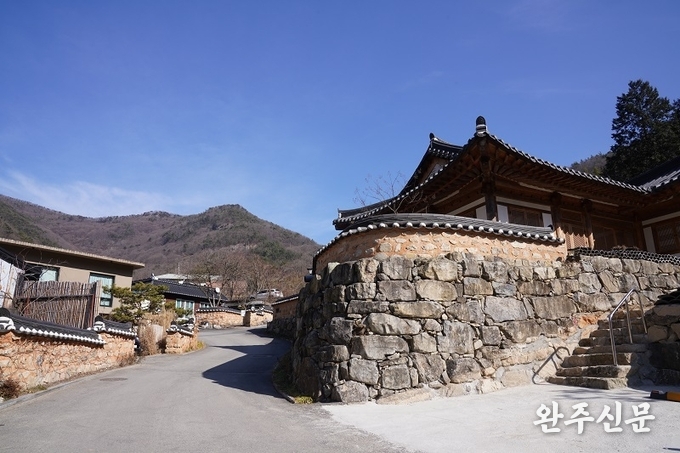
These figures indicate the planned scale and do not guarantee that the parking spaces are currently available for use. During peak cherry blossom season, major hubs such as the Awon parking lot may become congested, and reviews suggest that visiting in the morning is more efficient. If driving, do not park in village alleys in a way that blocks residents’ traffic. The completion and operation status of the public parking project, as well as parking fees, should be checked separately at the time of your visit.
For Wheelchair Travelers, Uneven Surfaces and a Lack of Facilities Are the First Things to Notice
Barrier-free information from the Korea Tourism Organization indicates that there is a level difference at the main entrance and that there are no accessible restrooms, accessible elevators, or designated disabled parking spaces. Wheelchair rental is also unavailable, and the site is described as inaccessible by subway or low-floor bus.
No convenience services for visitors with visual or hearing impairments are indicated either, so the site may not be suitable for travelers who require independent mobility. General sightseeing is open year-round, but operating hours for individual facilities vary by facility. The official website is http://www.osvillage.net/. The Korea Tourism Organization travel article lists 063-290-2727 as a contact number, while the Wanju-gun culture and tourism page lists 063-290-3991.
Numbers to Know When Continuing Along the Soya Hanok Village Road by Bicycle
If you wish to travel by bicycle instead of walking, you can refer to Course 4 of Wanju-gun’s “Soya Hanok Village Road.” The starting point is Soya Elementary School, and the destination is Oseong Hanok Village. The total round-trip distance is 12 kilometers, and the difficulty level is intermediate.
This course includes an uphill section of approximately 100 meters at the 6-kilometer point. Therefore, the fitness required for a short village walk differs from that needed for bicycle access. If you plan to ride on mountain roads, take into account both the intermediate-course rating and the uphill section. Oseong Hanok Village is also included among “Wanju’s Five Pleasures,” one of Wanju-gun’s representative recommended attractions.
Before You Go
- Address
- Oseong Hanok Culture Center, 73 Odo-gil, Soya-myeon, Wanju-gun, Jeonbuk State
- Hours
- Open year-round. Operating hours for individual facilities, including hanok homestays, vary by facility.
- Admission
- Oseong Hanok Village itself is introduced as an open space with no separate admission fee. Individual historic houses, cafés, and facilities require separate confirmation of operating policies and fees.
- Phone
- 063-290-2727
- Official site
- http://www.osvillage.net/
- Transport
- Public transportation information introduces a route using local bus 381 from the Samnye Public Bus Terminal stop, transferring to local bus 806 at Moraenae Stop, getting off at Oseong Pungryu School Stop, and walking approximately 120 meters to Awon Historic House.
- Parking
- Public parking lot construction plan: 8,918 square meters, 92 spaces in total (five large-vehicle spaces and 87 small-vehicle spaces); scheduled completion in June 2026. Current availability and fees require separate confirmation.
- Time needed
- Based on review materials, the Masil-gil route for viewing the village scenery is introduced as a course taking under one hour.
- Accessibility
- According to Korea Tourism Organization information, there are no accessible restrooms, elevators, designated parking spaces, wheelchair rentals, or convenience services for visitors with visual or hearing impairments, and there is a level difference at the main entrance.
The information above is accurate as of the time of writing. Check the official guidance again before visiting.

Places
Nearby Attractions 3
-
 1
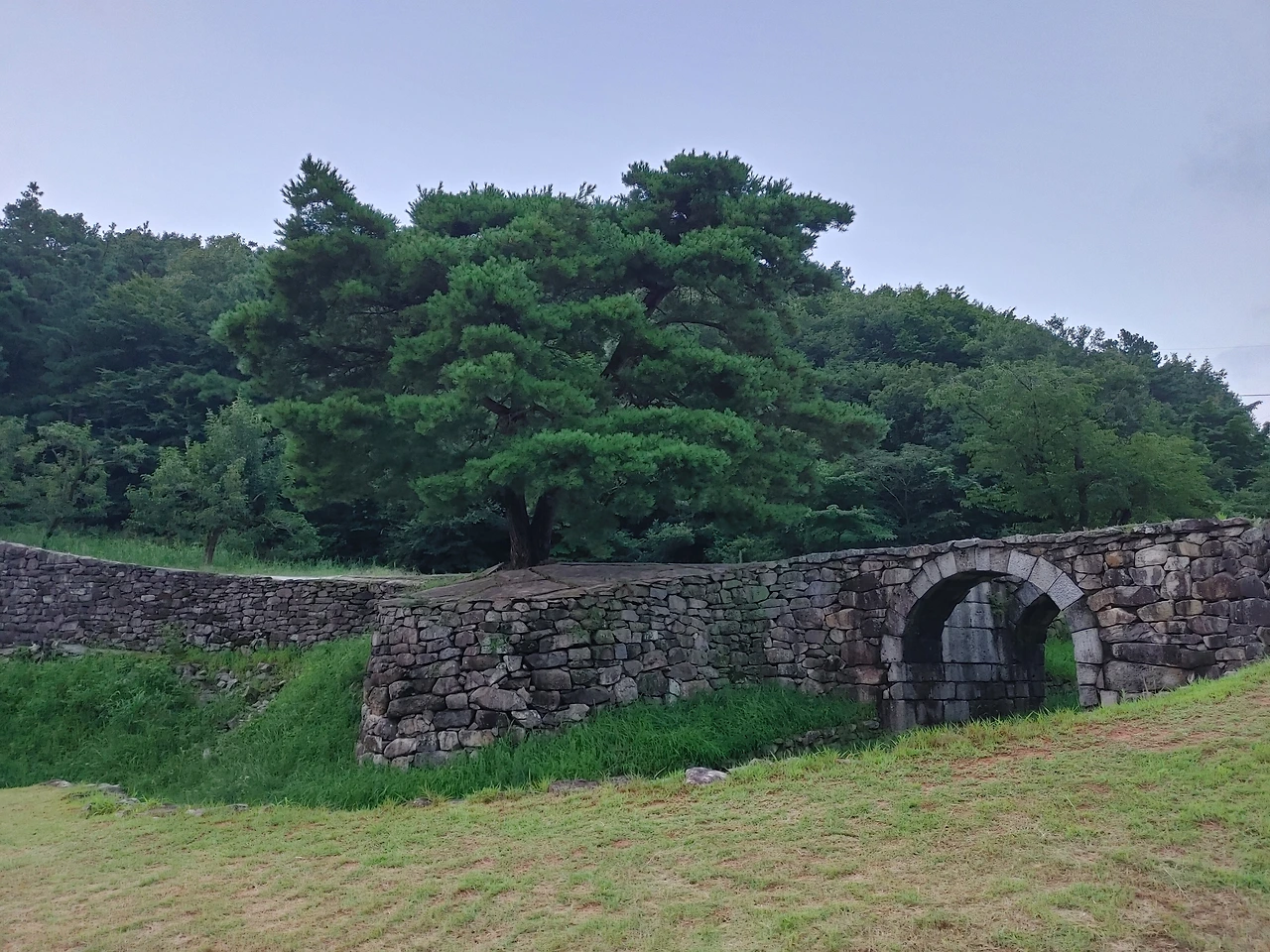
Wibongsanseong FortressA place to explore the walls of a Joseon-era mountain fortress and the surrounding mountain trails.
1
Wibongsanseong FortressA place to explore the walls of a Joseon-era mountain fortress and the surrounding mountain trails. -
 2
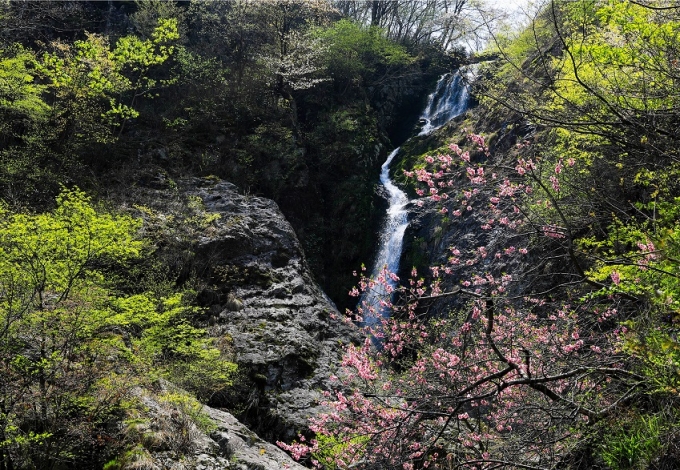
Wibong WaterfallA place to enjoy the scenery of a waterfall cascading down in two streams and the surrounding valley.
2
Wibong WaterfallA place to enjoy the scenery of a waterfall cascading down in two streams and the surrounding valley. -
 3
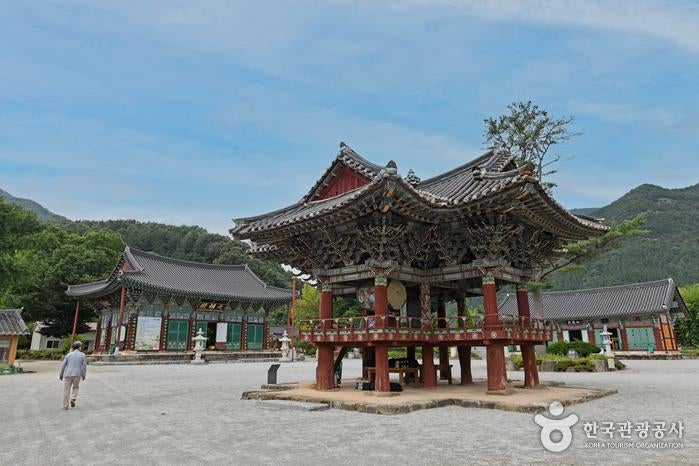
Songgwangsa TempleA place to view traditional Buddhist temple architecture at an ancient temple nestled on the slopes of Jongnamsan Mountain.
3
Songgwangsa TempleA place to view traditional Buddhist temple architecture at an ancient temple nestled on the slopes of Jongnamsan Mountain.
Food & Dining 3
-
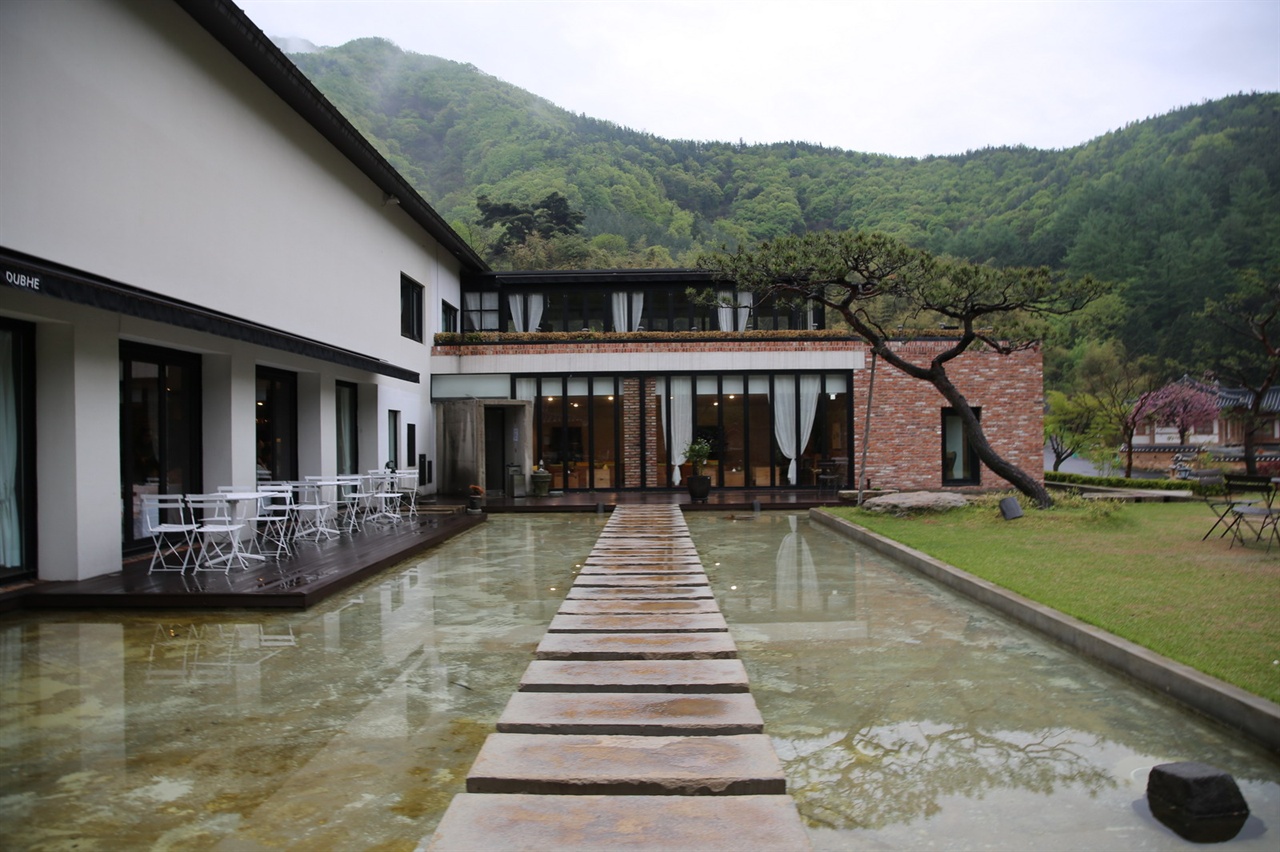 4
Dube CafeA café where you can enjoy drinks and desserts while taking in views of a hanok and the lake.
4
Dube CafeA café where you can enjoy drinks and desserts while taking in views of a hanok and the lake. -
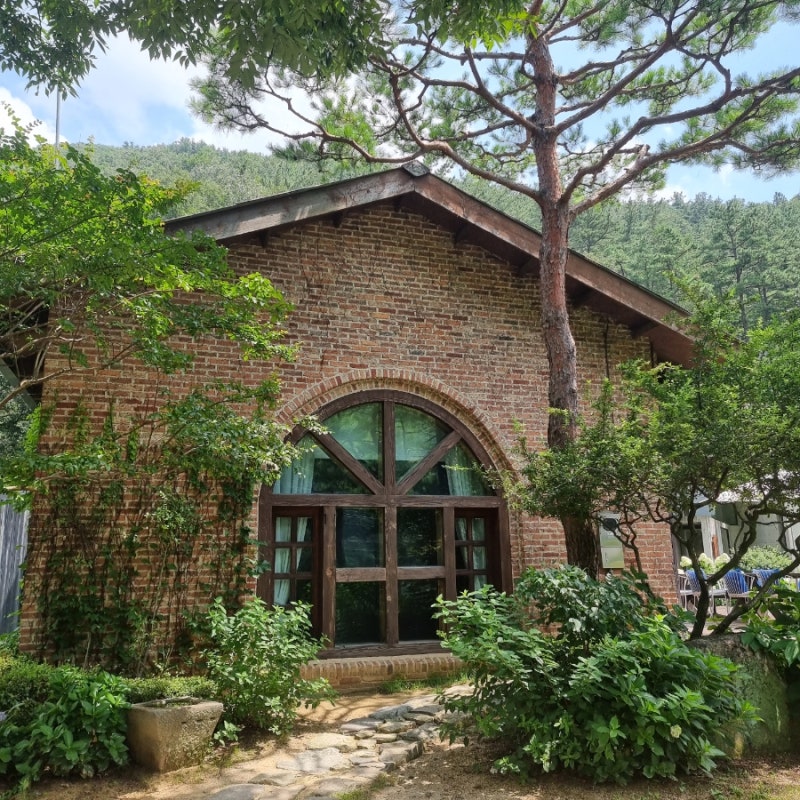 5
Os GalleryA gallery café where you can enjoy drinks and relax while viewing the exhibited works.
5
Os GalleryA gallery café where you can enjoy drinks and relax while viewing the exhibited works. -
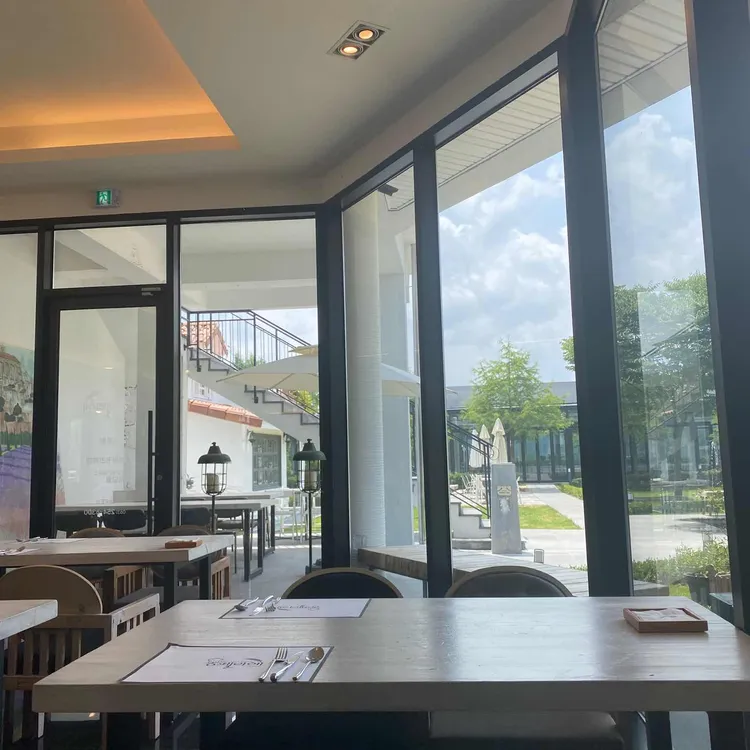 6
6
Events in This Area

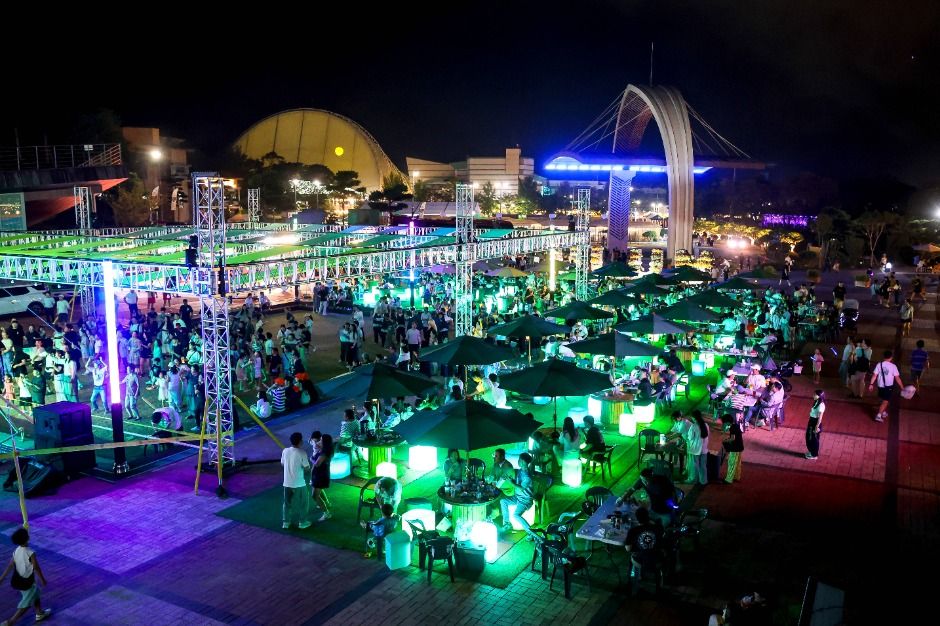


Festivals in This Area



More Travel Guides in This Area
 Travel Guide
A Day’s Walking Route Through Jeonju Hanok Village, Beneath More Than 700 Roofs
 Travel Guide
How to Read the Northern Toilet Site and the National Treasure Five-Story Stone Pagoda at Wanggung-ri Palace Site Together
 Travel Guide
Baekje King Mu’s Mireuksa Revealed by the 639 Sarira Enshrinement Record
 Travel Guide
Jinan Red Ginseng Spa Has Been Closed Since May 2025—Confirm Its Reopening First
Korea News
 News
News
'Rami Controversy' NewJeans' Hyein Has Grown More Mature, Yet Is Still Adorable… A Cat Draped in Luxury Brands
 News
News
“If you get too close, I’ll bite”… BTS’s V issues a chilling warning to Jungkook
 News
News
“BTS No Longer Needs the Grammys”… Kim Tae-hoon Assesses the ‘Grammys Boycott’
![[Exclusive] Oh My Girl’s YooA, who switched to acting, parts ways with Saram Entertainment after just one year](https://kotourlive-images.s3.ap-northeast-1.amazonaws.com/news/1787658671060_036c47f7_news_8a403746-8bba-4e3c-8827-19d99be6d4fb.jpg) News
News