Muju Wild Grape Wine Cave, Transformed from a Work Tunnel into a Wine Cellar
Muju Wild Grape Wine Cave is a wine venue created when Muju County leased and remodeled a tunnel dug for construction work during the building of the Muju Pumped-Storage Power Station in 2007. Check the admission fee, seasonal closing times, wine foot-bath operating details, and official address before visiting.
I’ve been here?
Your check-in helps the next traveler.
No one has checked in yet Be the first
One tap — no writing needed
How the Muju Pumped-Storage Power Plant Work Tunnel Became a Wine Cave in 2013
Muju Meoru Wine Cave is a space excavated as a work tunnel during the construction of the Muju pumped-storage power plant. Construction of the pumped-storage power plant and tunnel excavation took place over seven years, from April 1988 to May 1995.
Muju County leased the tunnel in 2007 and remodeled it, and the cave opened on May 14, 2013. It is now operated as a space for aging, storing, and selling wine, as well as offering free tastings. It also contributes to increasing the income of mountain-grape growers and revitalizing the local economy.
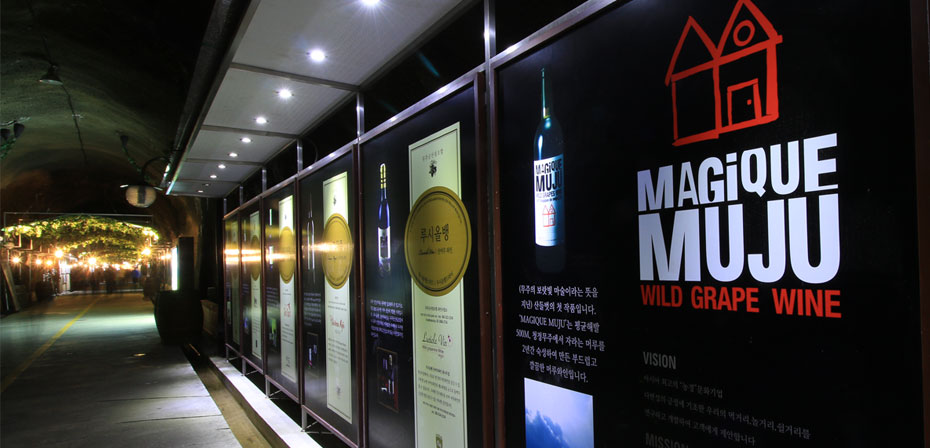
The 290 m Section Open to Visitors at an Elevation of 450 m on Jeoksangsan Mountain
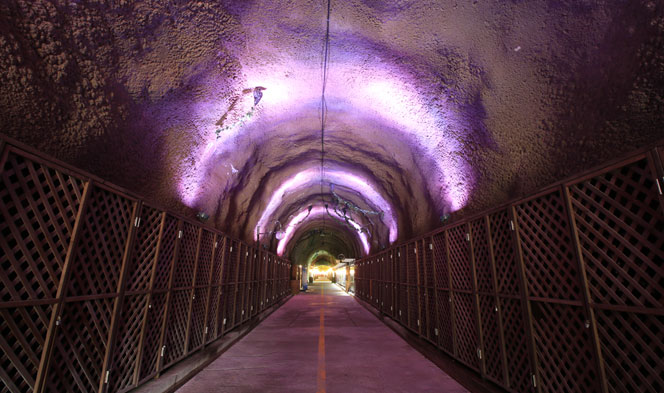
The cave is located halfway up Jeoksangsan Mountain at an elevation of approximately 450 m. Its total length is 579 m, but only a 290 m section is used by visitors, so the entire tunnel should not be assumed to be open to tourists.
According to the official information, the interior is 4.7 m high and 4.5 m wide, with an average annual temperature of 13–14°C. These figures match a July 2021 visitor review describing the interior as cool and refreshing like a refrigerator even in midsummer, so bringing a light outer layer is worthwhile even during the hot season.
2,000-Won Admission Ticket and Seasonal Admission Closing Times as of 2026
As confirmed in 2026, admission to the cave costs 2,000 won for individuals, while groups of 20 or more pay 1,800 won per person. Free wine tasting is included with admission, so visitors can use the tasting area after purchasing their tickets.
From April through October, the cave operates from 10:00 to 17:30, with admission closing at 17:00. From November through March, it operates from 10:00 to 16:30, with admission closing at 16:00. It is closed every Monday; if Monday is a public holiday, it closes the following day. It is also closed on Lunar New Year's Day and Chuseok Day.
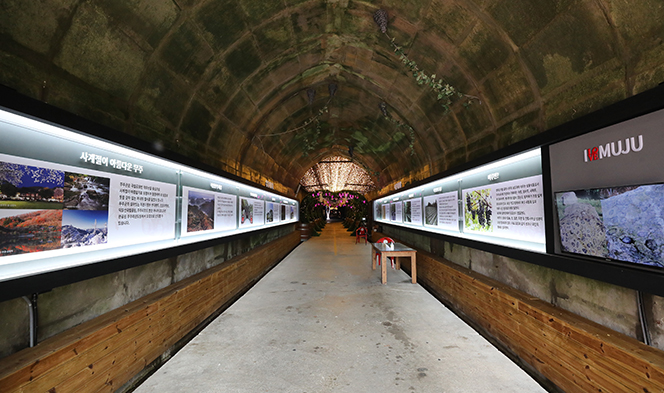
Meeting the Mountain-Grape Spirit and an Installation Made from 9,000 Wine Bottles Inside the Cave
Inside, visitors can see the Mountain-Grape Spirit and the Mountain-Grape Jangseung Couple. There are also exhibitions of old photographs of Muju and landscape photographs of Muju, so the route is not limited to viewing wine storage areas.
Facilities recreating Poseokjeong and a waterwheel are also located inside the cave. At the top of the slope is an installation titled “Pure Instinct Muju Mountain Wine Cave,” made from 9,000 wine bottles. These 9,000 bottles represent Muju Gucheondong.
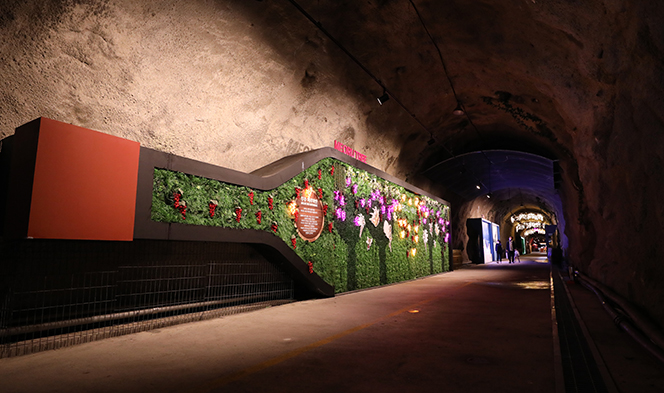
Wine Foot Bath: a 15-Minute Experience with Sequential Admission After On-Site Ticketing
The wine foot bath takes place inside the cave. As confirmed in 2026, the fee is 3,000 won for adults and 2,500 won for children under seven who have not yet started school. The experience lasts 15 minutes, with five minutes allotted for preparation.
Visitors enter sequentially after purchasing tickets on site, and the ticket office is at the entrance to the foot-bath area. The maximum capacity per session is 55 people: five two-person seats accommodate 10 people, five four-person seats accommodate 20 people, and five five-person seats accommodate 25 people. From April through October, it operates from 10:00 to 17:00; from November through March, it operates from 10:00 to 16:00. Maintenance takes place daily from 12:00 to 13:00.
The Route from Muju IC into Jeoksangsan Mountain Along Sanseong-ro
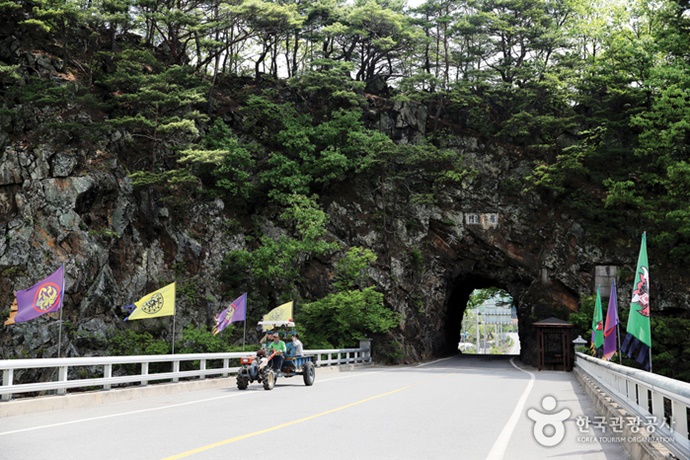
The official facility address is San 119-5, Bukchang-ri, Jeoksang-myeon, Muju-gun (359 Sanseong-ro). When arriving by car, the route turning right at Muju IC is approximately 12.50 km and takes about 17 minutes, while the route turning left is approximately 23.78 km and takes about 32 minutes.
For entry toward Anguksa Temple, the indicated route travels 1.70 km along Sanseong-ro, then continues for another 1.73 km before turning left. The parking lot in front of the cave is listed as offering free parking, but because no parking-fee information was found on the official page, it is safest to follow the signs on site.
What to Confirm at 063-322-4720 and On-Site Prohibitions
The inquiry telephone number is 063-322-4720, and the official website is https://tour.muju.go.kr/cave/index.do. Bus routes and stops for public transportation, as well as walking time from the stop to the cave, could not be confirmed in the published information. Foreign travelers planning to travel directly from a train station or terminal should therefore ask about transportation by phone in advance.
Wheelchair access is stated to be possible, but stroller accessibility inside the cave could not be confirmed in the publicly available materials. Pets are prohibited inside the cave, and disruptive behavior is also prohibited. There is no published information on whether photography is prohibited, whether payment is cash-only, or whether English information and an audio guide are available. Travelers who require photography or language support should therefore confirm these details by phone before entering.
How to Continue Your Visit to the First Floor of Wine House and Oak House
The first floor of Wine House sells eco-friendly agricultural and specialty products from Muju, while the second floor is used as an office. Therefore, visitors who want to look at local agricultural and specialty products after touring the cave should visit the first floor of Wine House.
Oak House is an experience and labeling venue shaped like two oak barrels. Inside the cave, mountain wine is also presented stored in a row in a wooden warehouse. Rather than focusing only on tasting, it is worth observing how storage, sales, and experiences are combined in one place.
Before You Go
- Address
- San 119-5, Bukchang-ri, Jeoksang-myeon, Muju-gun (359 Sanseong-ro)
- Hours
- April–October 10:00–17:30 (admission closes at 17:00) / November–March 10:00–16:30 (admission closes at 16:00)
- Closed
- Every Monday; the following day when Monday is a public holiday; Lunar New Year's Day and Chuseok Day
- Admission
- Individual 2,000 won / Group 1,800 won (20 or more people) / Wine foot bath: adults 3,000 won, children under seven who have not started school 2,500 won
- Phone
- 063-322-4720
- Official site
- https://tour.muju.go.kr/cave/index.do
- Transport
- Right-turn route from Muju IC: approximately 12.50 km and 17 minutes; left-turn route: approximately 23.78 km and 32 minutes. Via Sanseong-ro toward Anguksa Temple
- Parking
- Parking lot available in front of the cave. Listed as free parking.
- Accessibility
- Wheelchair access available. Stroller accessibility could not be confirmed in the publicly available materials.
The information above is current as of the time of writing. Check the official information again before visiting.

Places
Nearby Attractions 2
-
 1
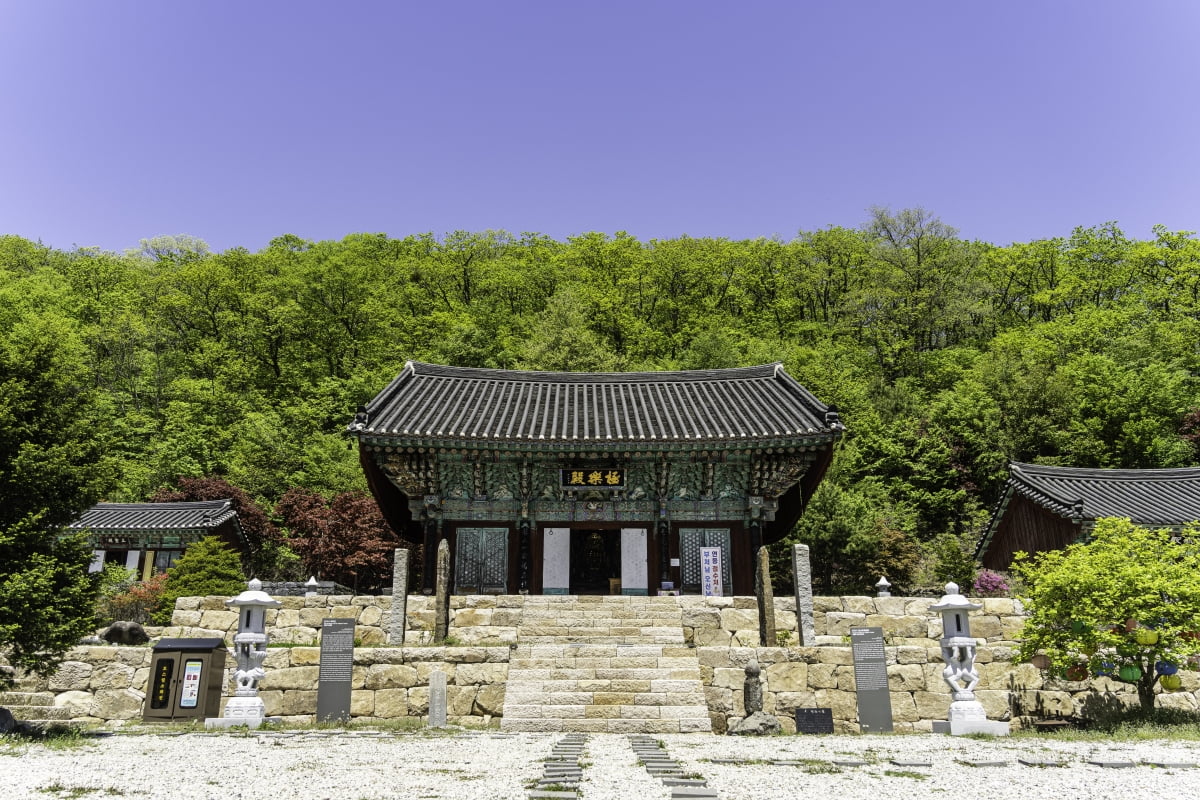
Anguksa TempleA place to explore the ancient temple and cultural heritage located at the summit of Jeoksangsan Mountain.
1
Anguksa TempleA place to explore the ancient temple and cultural heritage located at the summit of Jeoksangsan Mountain. -
 2
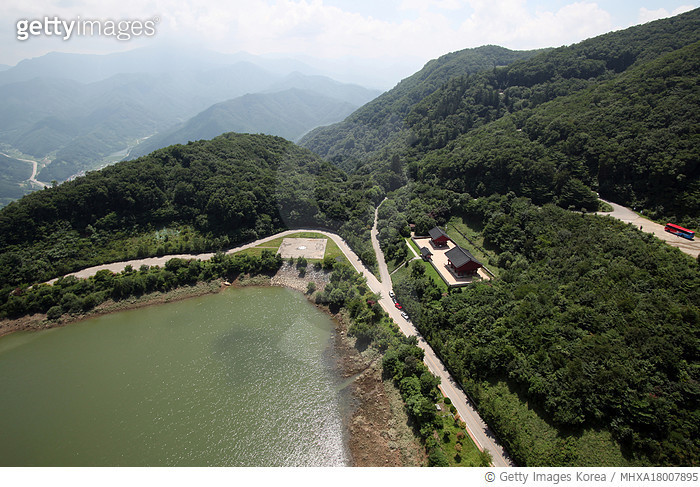
Historic Site of Jeoksangsan Mountain SagoA site where you can explore the remains of the archive depot that once housed the Annals of the Joseon Dynasty.
2
Historic Site of Jeoksangsan Mountain SagoA site where you can explore the remains of the archive depot that once housed the Annals of the Joseon Dynasty.
Food & Dining 3
-
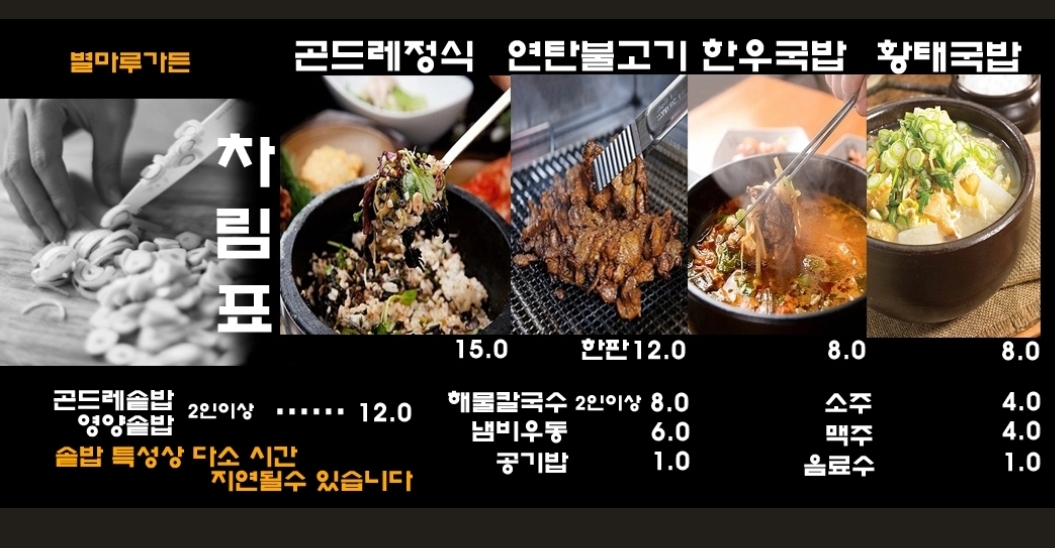 3
Byeolmaru GardenA restaurant near the lower reservoir of the pumped-storage power plant where you can enjoy spicy freshwater fish stew.
3
Byeolmaru GardenA restaurant near the lower reservoir of the pumped-storage power plant where you can enjoy spicy freshwater fish stew. -
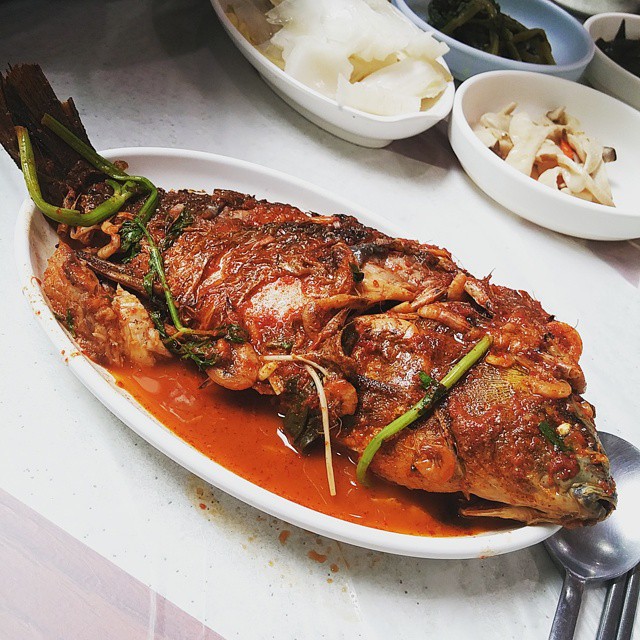 4
GangnaruA place to enjoy eojuk and spicy fish stew made with freshwater fish, along with doribaengbaengi.
4
GangnaruA place to enjoy eojuk and spicy fish stew made with freshwater fish, along with doribaengbaengi. -
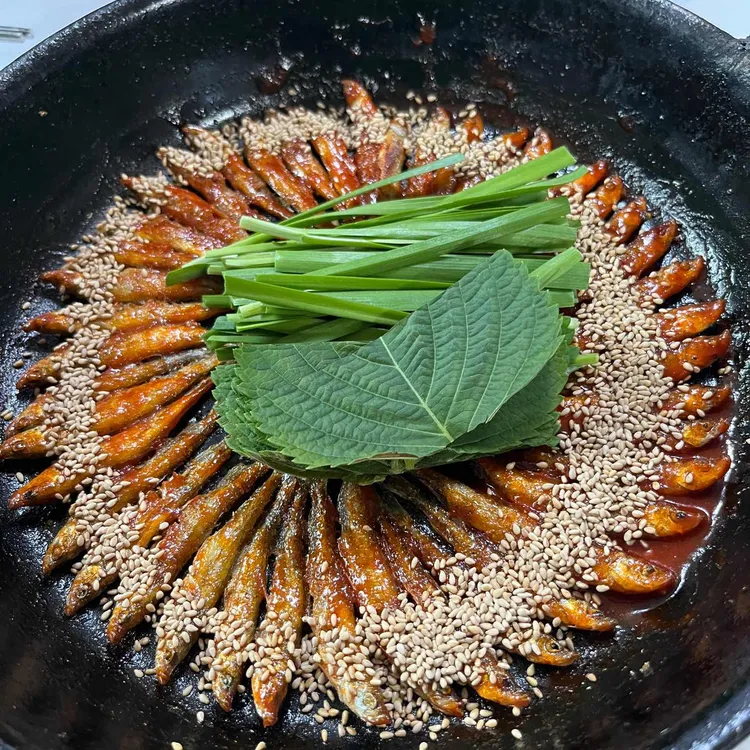 5
5
Events in This Area
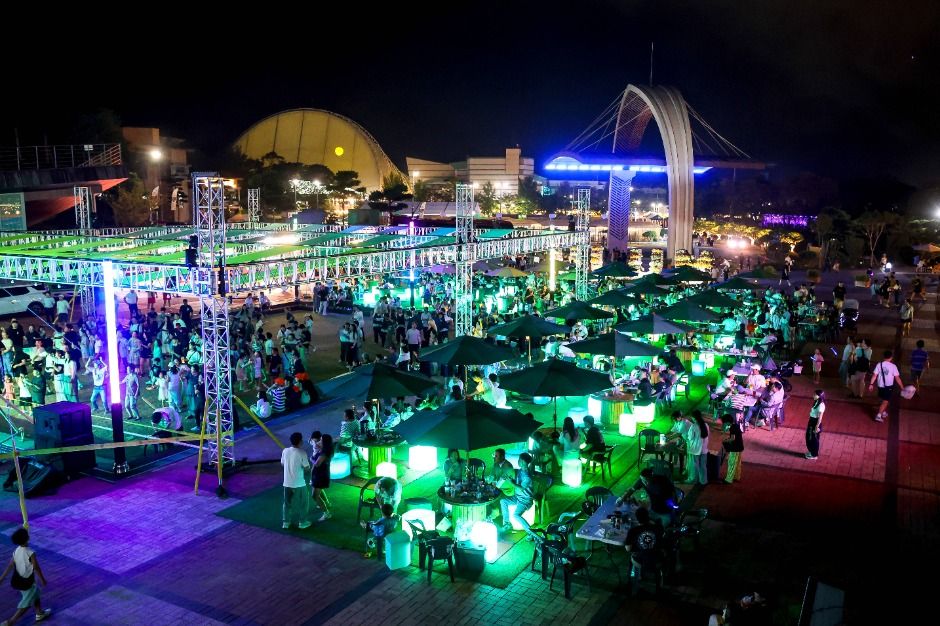

Festivals in This Area

More Travel Guides in This Area
 Travel Guide
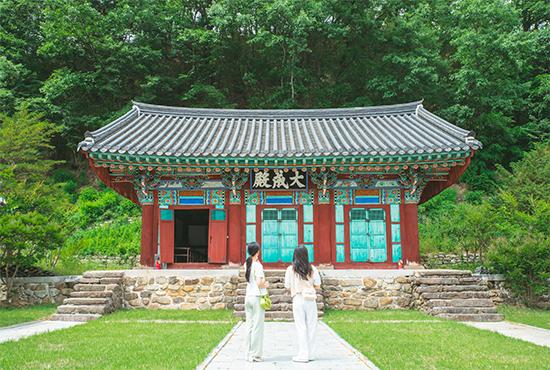
The enshrinement space of Muju Hyanggyo, founded in 1398 and moved twice to escape tigers
 Travel Guide
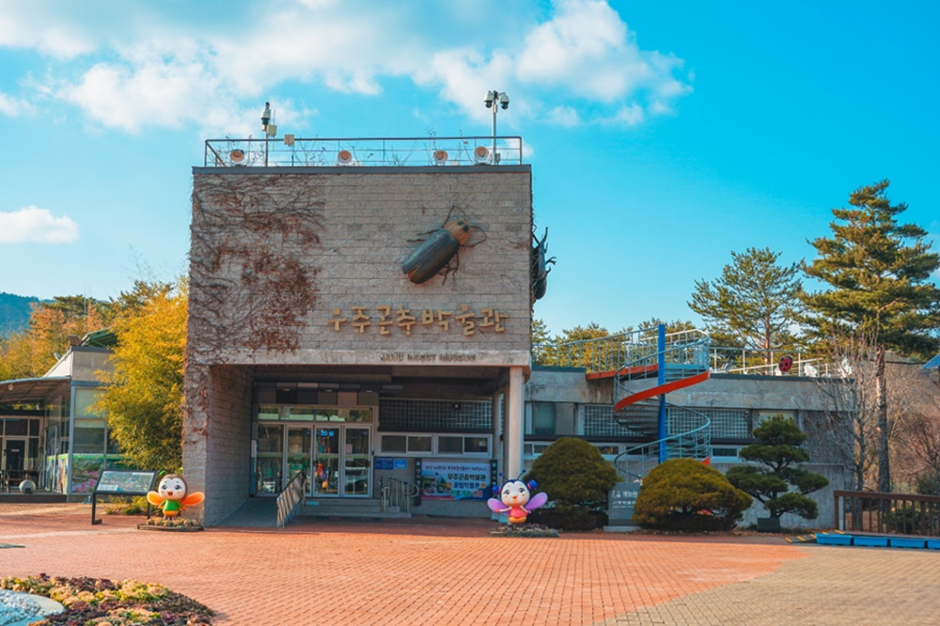
Fireflies, Stars, and a Subtropical Greenhouse at 1324 Museol-ro
 Travel Guide
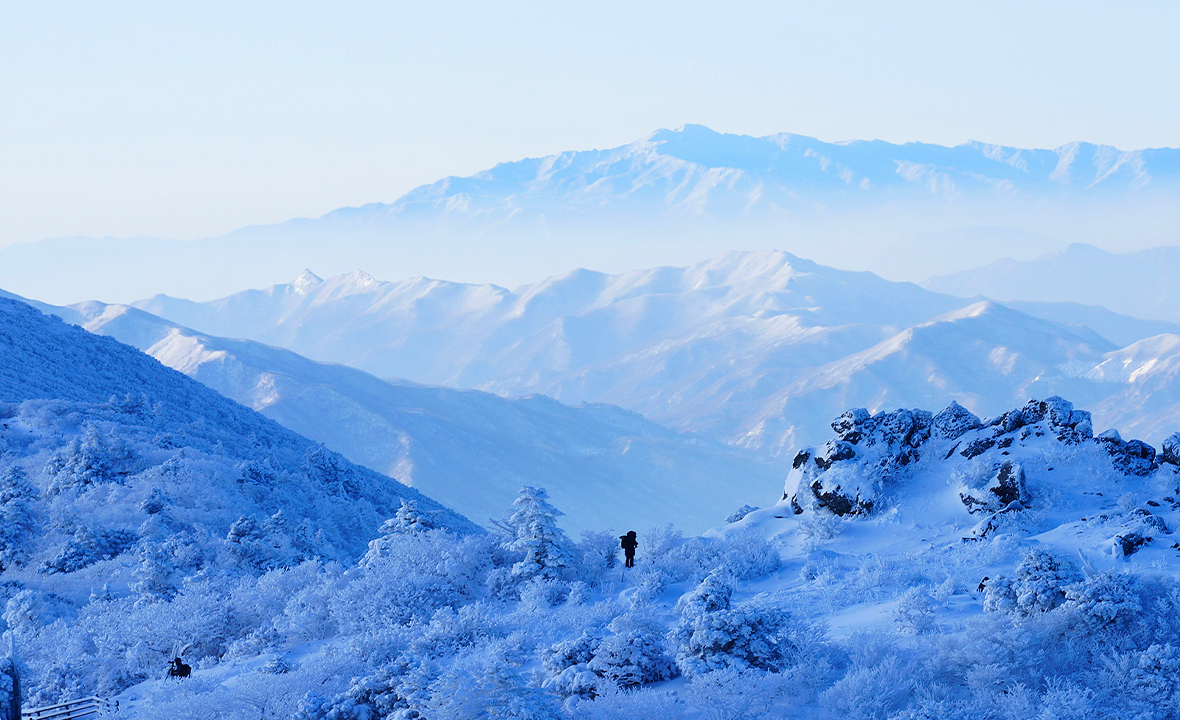
0.6 km to Hyangjeokbong at 1,614 m: The Shortest and Highest Route through Muju Deogyusan
 Travel Guide
![Han So-hee, Radiant Beauty After Going Blonde… Unmatched Aura [N Shot]](https://kotourlive-images.s3.ap-northeast-1.amazonaws.com/news/1788056981544_83c8b0b3_news_66e33b45-cf84-4724-87d9-d1340820437d.jpg)
![BOYNEXTDOOR’s Sungho selected as the new MC of ‘Show! Music Core’ [Official Statement]](https://kotourlive-images.s3.ap-northeast-1.amazonaws.com/news/1787908108799_a3cc378e_news_9a3cd086-931c-4b58-b977-4a5ac371238a.jpg)
![[Photo] KISS OF LIFE’s Natty Shows Off Her Glamorous Figure](https://kotourlive-images.s3.ap-northeast-1.amazonaws.com/news/1787908133694_557864f4_news_016e92e2-55c1-4838-9702-eb03b2ad56ec.jpg)
![Hyeri “Cute Wink” [★Photo]](https://kotourlive-images.s3.ap-northeast-1.amazonaws.com/news/1787908093800_c9b7529f_news_9274613b-0b8f-4076-a430-25a1545a679d.jpg)