0.6 km to Hyangjeokbong at 1,614 m: The Shortest and Highest Route through Muju Deogyusan
Deogyusan National Park is home to Hyangjeokbong (1,614 m), located in the central section of the Baekdudaegan mountain range. You can choose between a 1.2-km round trip from Seolcheonbong to Hyangjeokbong after taking the tourist gondola, or a hike from Gucheondong Valley via Baengnyeonsa Temple, depending on your purpose and fitness level.
I’ve been here?
Your check-in helps the next traveler.
No one has checked in yet Be the first
One tap — no writing needed
Baekdudaegan’s 229.43㎢, Designated a National Park on February 1, 1975
Deogyusan National Park spans Muju-gun and Jangsu-gun in Jeonbuk State, as well as Geochang-gun and Hamyang-gun in Gyeongnam, covering 229.43㎢. It was designated as Korea’s 10th national park on February 1, 1975, and Hyangjeokbong Peak, at 1,614 m above sea level, is the fourth-highest peak in South Korea.
According to tourism information from Jeonbuk State, the mountain’s name is said to derive from the meaning “a generous mother mountain rich in virtue.” Water flowing down the northern slopes joins the Geum River, while streams on the eastern side form a source of the Nakdong River. If you are visiting from Muju, it is best to distinguish between an itinerary focused only on the summit and one that also includes a walk through the Muju Gucheondong Valley.
From the Tourist Gondola at 185 Manseon-ro to Seolcheonbong at 1,520 m
The starting point for reaching Hyangjeokbong in the shortest time is the tourist gondola ticket office at Muju Deogyusan Resort, located at 185 Manseon-ro, Seolcheon-myeon, Muju-gun, Jeonbuk State. The gondola ascends to Seolcheonbong, and the one-way distance from Seolcheonbong to Hyangjeokbong is 0.6 km.
According to the Korea National Park Service’s guide for the Seolcheonbong–Hyangjeokbong route, the round-trip distance is 1.2 km and the recommended time is 40 minutes. However, wind and ice on ridges at elevations above 1,500 m differ from conditions on a lowland walk, so you should prepare hiking shoes with slip-resistant soles. Gondola operating hours and inspection dates may vary depending on the season and weather, making it essential to check the resort’s announcements again on the day of departure.
Reservation System for 1,350 Visitors on the Seolcheonbong–Hyangjeokbong Route: What to Know Before Entry Closes
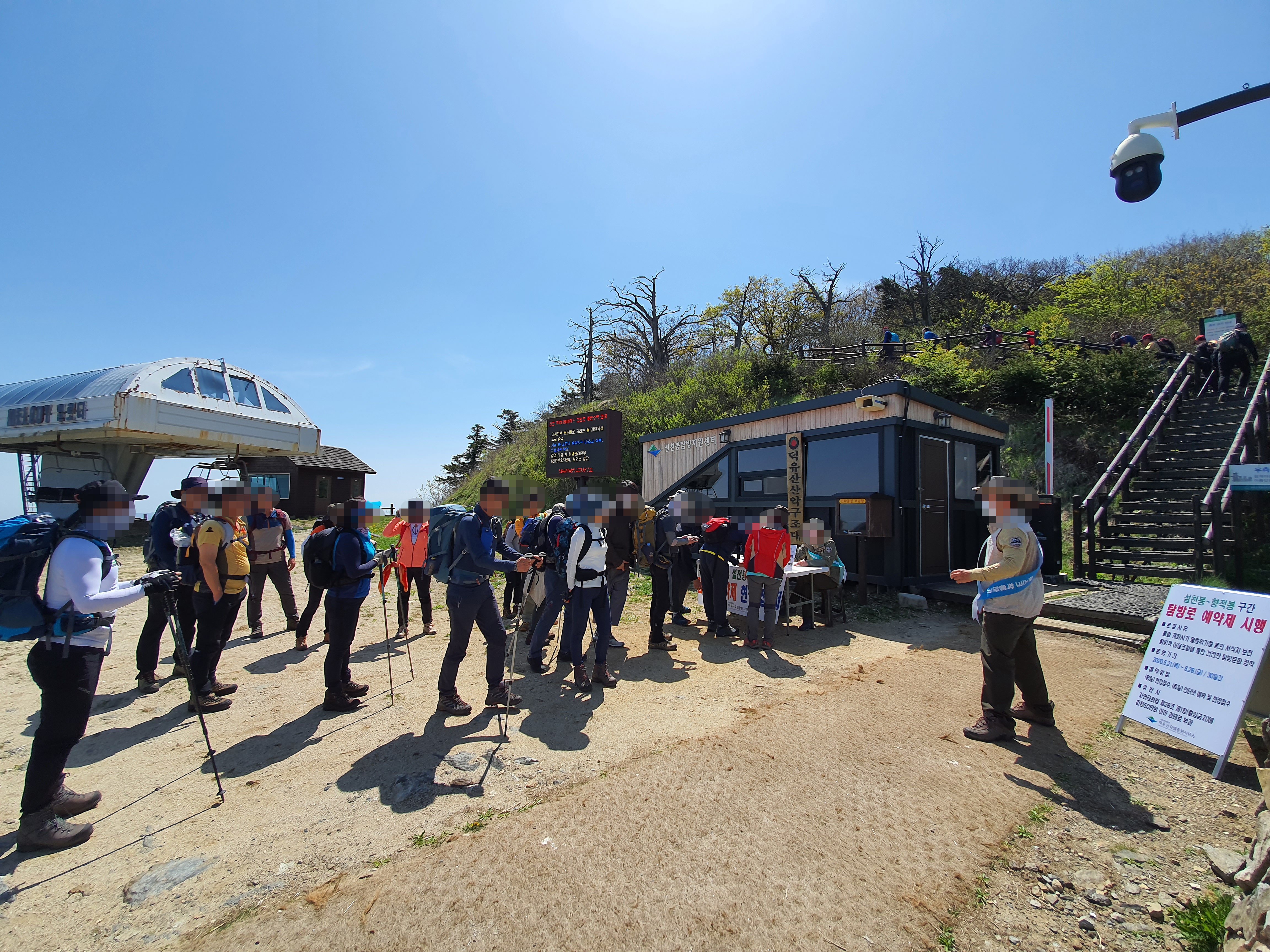
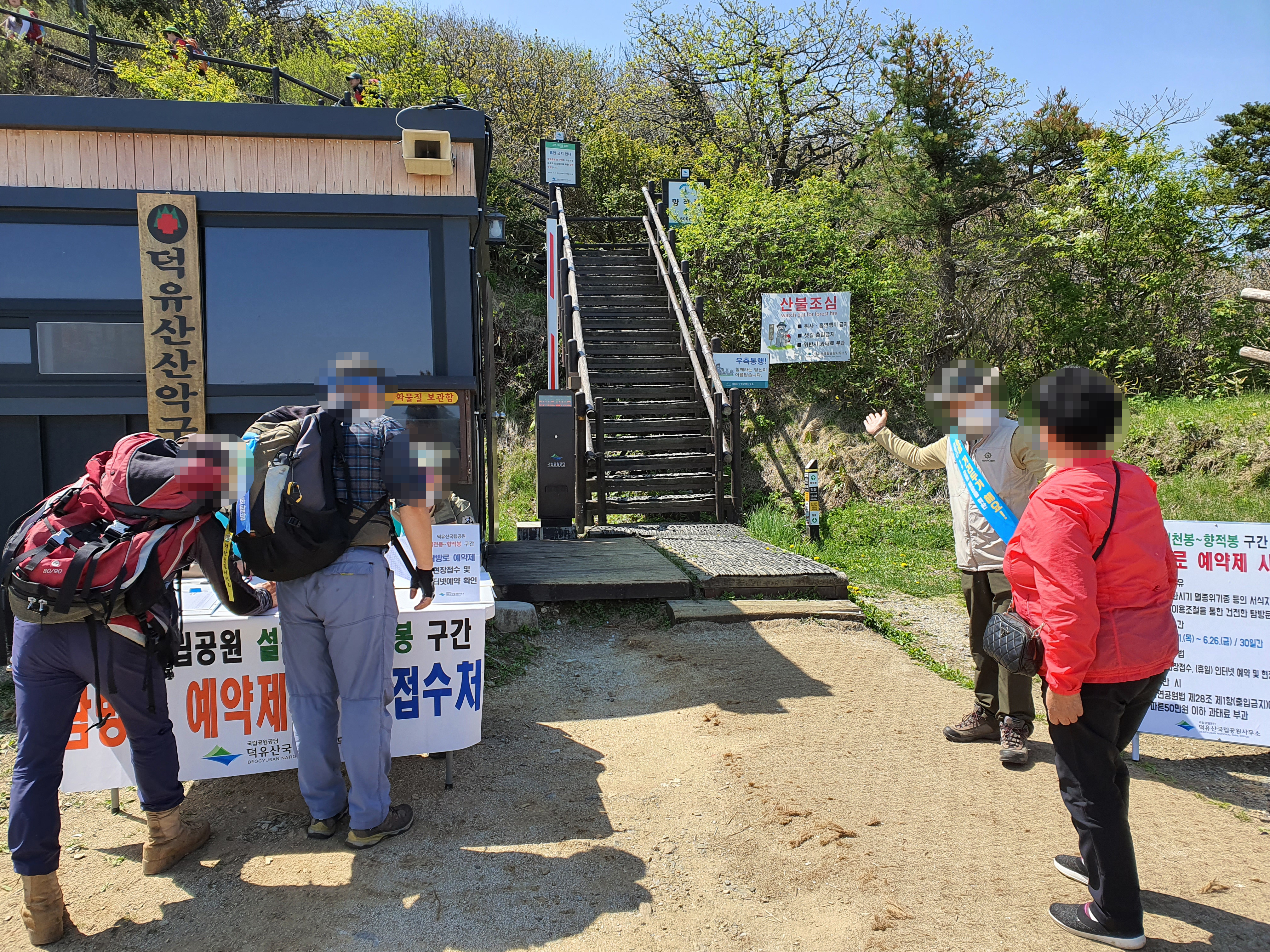
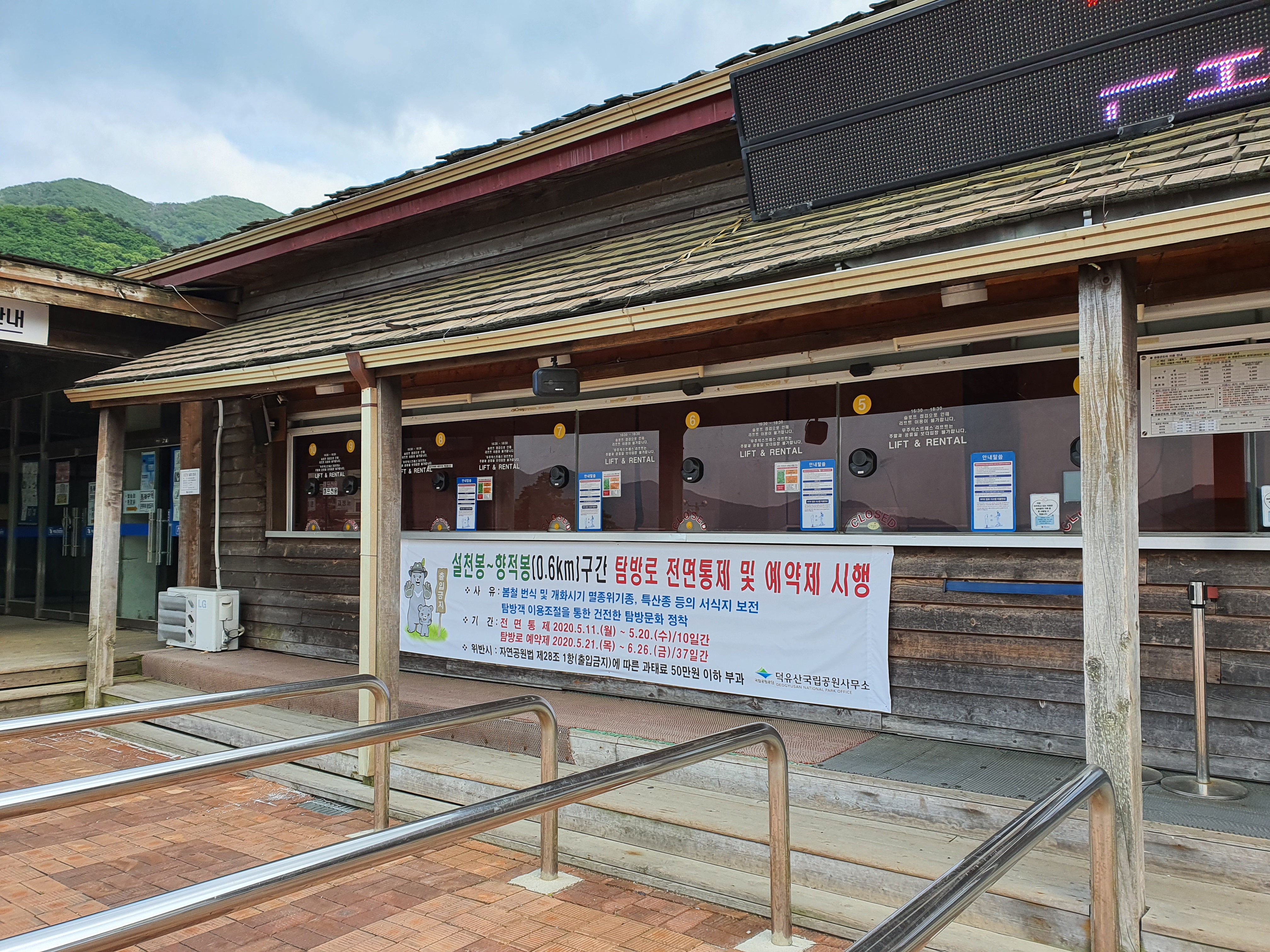
Part of the Seolcheonbong–Hyangjeokbong route operates under a reservation system during certain periods to protect vegetation. An example period announced by the Korea National Park Service runs from May 19 to June 22, with a daily capacity of 1,350 visitors. Online reservations and on-site registration are both available, but whether the daily capacity has been reached may vary by date.
The operating hours stated in the notice are 10:00–16:00 on weekdays and 09:00–16:30 on weekends and public holidays, with entry closing at 15:30 and 16:00, respectively. These times apply to the trail and may change depending on gondola operations and weather conditions. The route may be closed when severe weather alerts, such as heavy rain or typhoons, are issued, so it is safer to avoid an itinerary that arrives just before the final entry time solely to take a summit photograph.
8.5 km from Baengnyeonsa to Hyangjeokbong: A Different Day from a Gondola Round Trip
If you want to spend more time walking, consider the approximately 8.5 km hike from the Gucheondong Trail Support Center via Baengnyeonsa to Hyangjeokbong. Since this route is described as taking more than three hours to reach the summit, it requires a different level of fitness and descent planning from the 40-minute gondola round-trip outing.
Muju Gucheondong is known for its valley scenery extending from Naje Tongmun to Baengnyeonsa beneath Bukdeogyusan, with 33 scenic sites distributed throughout the area. If you climb from the valley to the summit and descend by gondola, you must coordinate the gondola’s last departure, the resort parking lot, and your vehicle-retrieval route before setting out. Conversely, if you ascend by gondola and descend toward Baengnyeonsa, you must arrange separate transportation for the return journey.
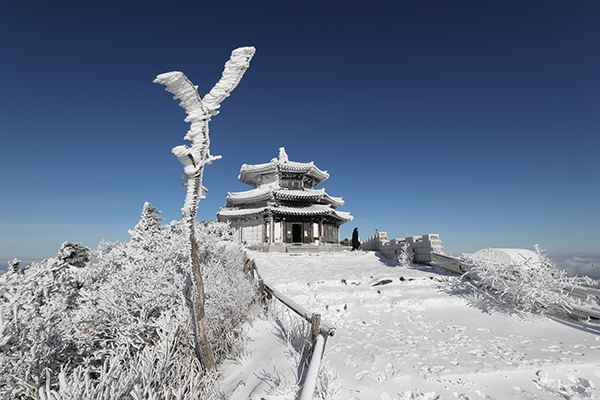
Winter Frost Flowers and Summer Subalpine Zones: Why Preparation Differs for the Same 0.6 km
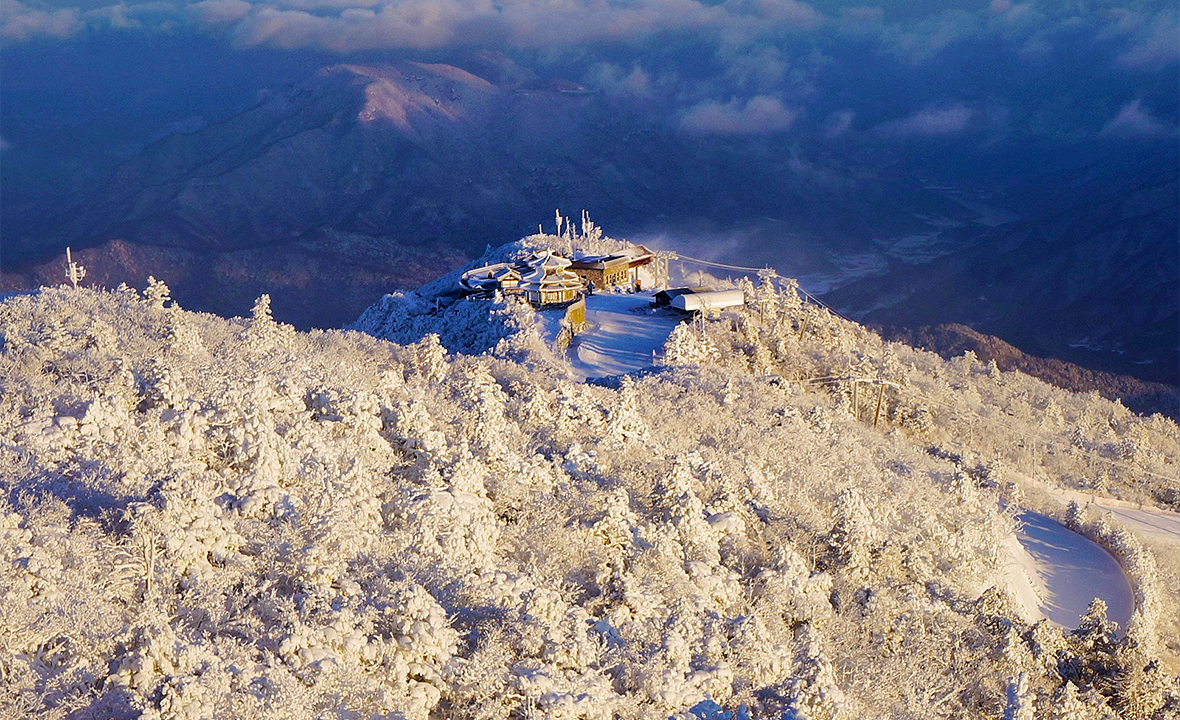
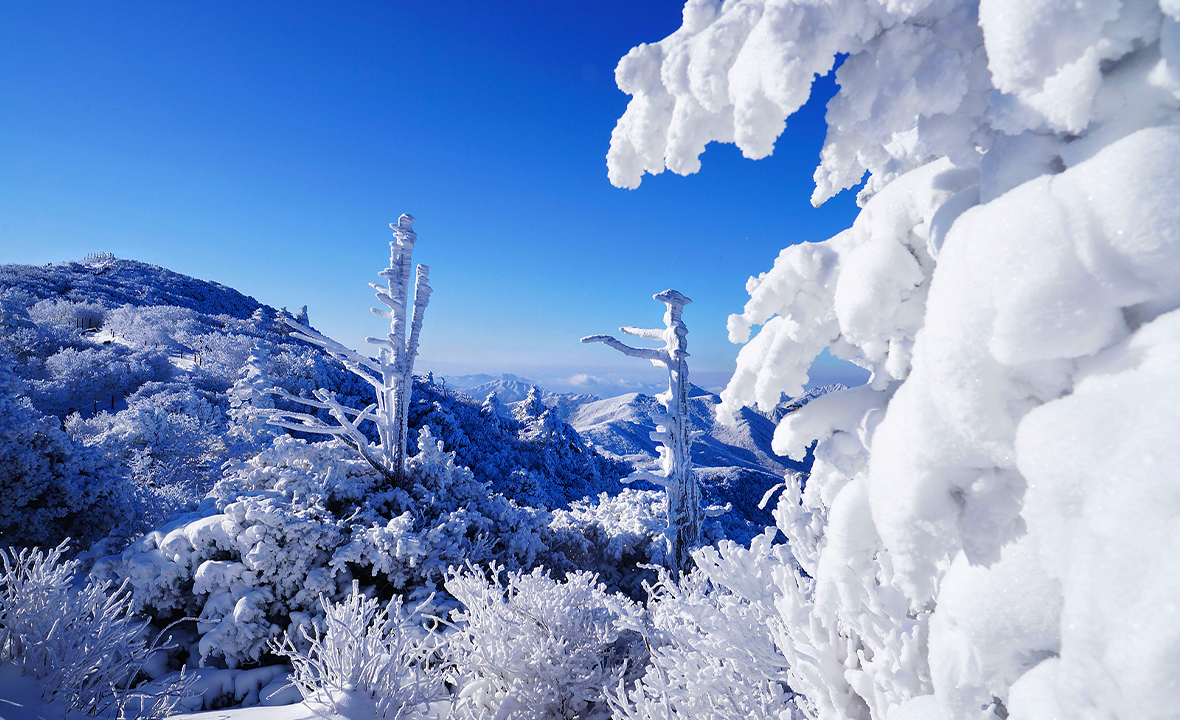
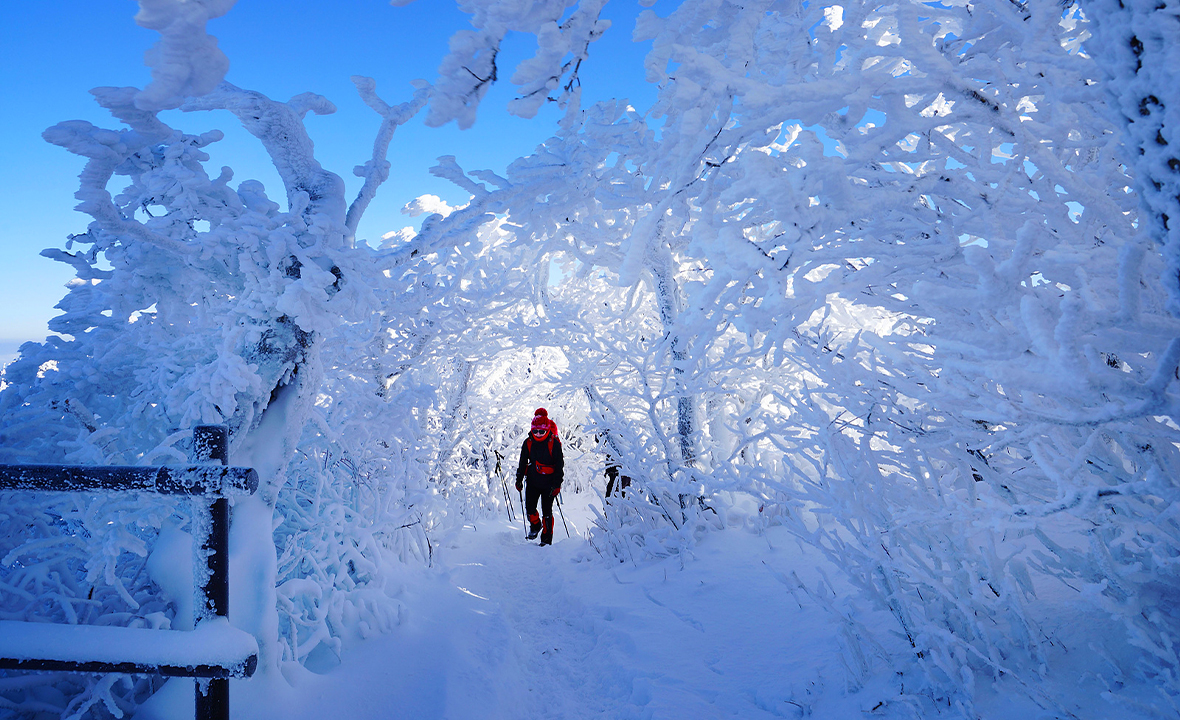
The area around Hyangjeokbong has high conservation value as a subalpine ecosystem. In winter, strong winds, ice, and low perceived temperatures can coincide even along the short distance between Seolcheonbong and Hyangjeokbong, while in spring and early summer, whether the reservation system is in operation becomes a key factor in planning. Regardless of the season, it is advisable to bring a windproof jacket, water, and slip-resistant hiking shoes as basic equipment.
The distance from Seolcheonbong to Hyangjeokbong is 0.6 km, but rather than planning only for a quick summit visit and return, you should allow 40 minutes for the round trip plus time for gondola queues, ticketing, and parking. Waiting times may be longer during the winter peak season, while weather conditions can change quickly in the afternoon during summer. No official general accessibility guidance has been confirmed regarding whether strollers and standard wheelchairs can reach the summit of Hyangjeokbong, so visitors with limited mobility should contact the national park office before departure about trail conditions, closures, and facilities.
For Cars, Use 185 Manseon-ro; For Inquiries, Call the Deogyusan National Park Office at 063-322-3174
Visitors arriving by car can enter the Muju Deogyusan Resort parking lot. The Seolcheonbong–Hyangjeokbong trail guide also lists the parking location as 185 Manseon-ro, Seolcheon-myeon, Muju-gun, Jeonbuk State. Parking fees and operating arrangements may vary depending on the resort season and events, so check the resort’s information before visiting.
Inquiries about trail closures, reservations, and weather conditions can be directed to the Deogyusan National Park Office at 063-322-3174. The official Deogyusan National Park trails page is provided on the Korea National Park Service website, and Muju-gun tourism information also states that gondola operating hours vary by weekday, weekend, public holiday, and season. By public transportation, one option is to travel via Muju Public Bus Terminal and take a local bus toward Muju Resort or Gucheondong. However, routes and timetables change frequently, so reconfirm them with the terminal based on your departure date.
Choosing Between a Summit-Only Visit and a Full-Day Hike
The gondola and the Seolcheonbong–Hyangjeokbong round trip are suitable for travelers who want a brief experience of ridges at elevations above 1,500 m. However, the tourist gondola fee is a resort facility fee, not a national park admission fee, so check the ticket types and prices for your date on the official Muju Deogyusan Resort website. General admission to Deogyusan National Park itself is free.
By contrast, the route is suitable for people able to handle a hike of more than three hours if they want to include Gucheondong Valley and Baengnyeonsa. Access to the summit may be restricted during heavy snow, strong winds, or heavy-rain alerts, and taking the gondola does not eliminate the need for warm and windproof clothing. If you lack stamina or are unfamiliar with icy mountain trails, it is more practical to make only the round trip from Seolcheonbong to Hyangjeokbong and leave plenty of time for the descent.
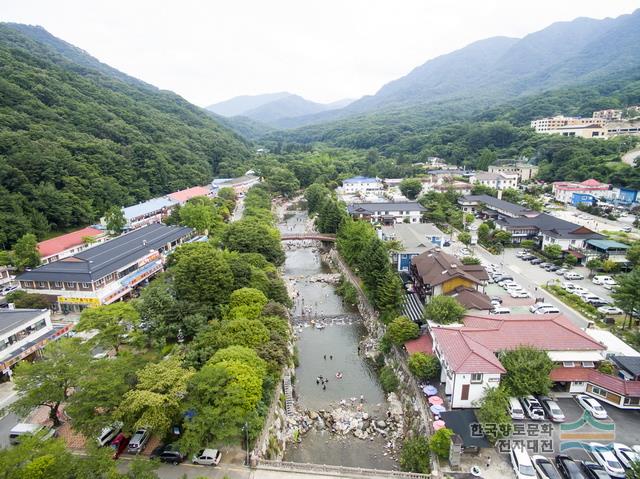
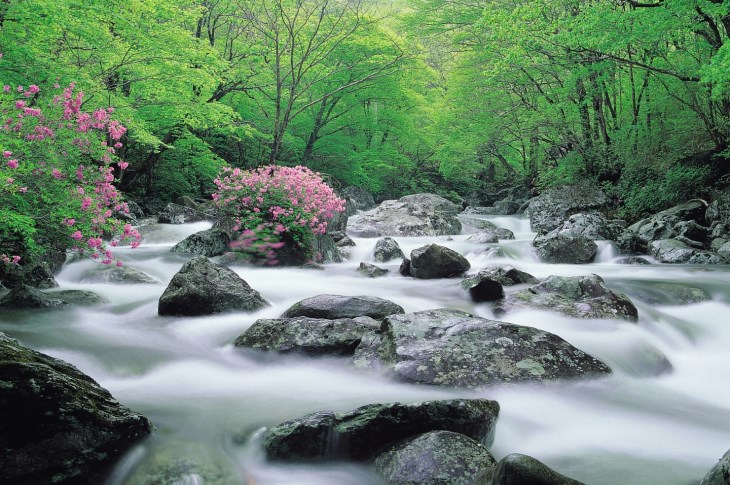
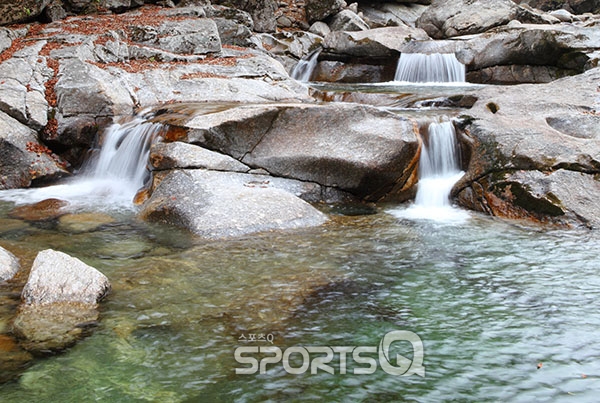
Eight On-Site Images You Can Find at Muju Deogyusan
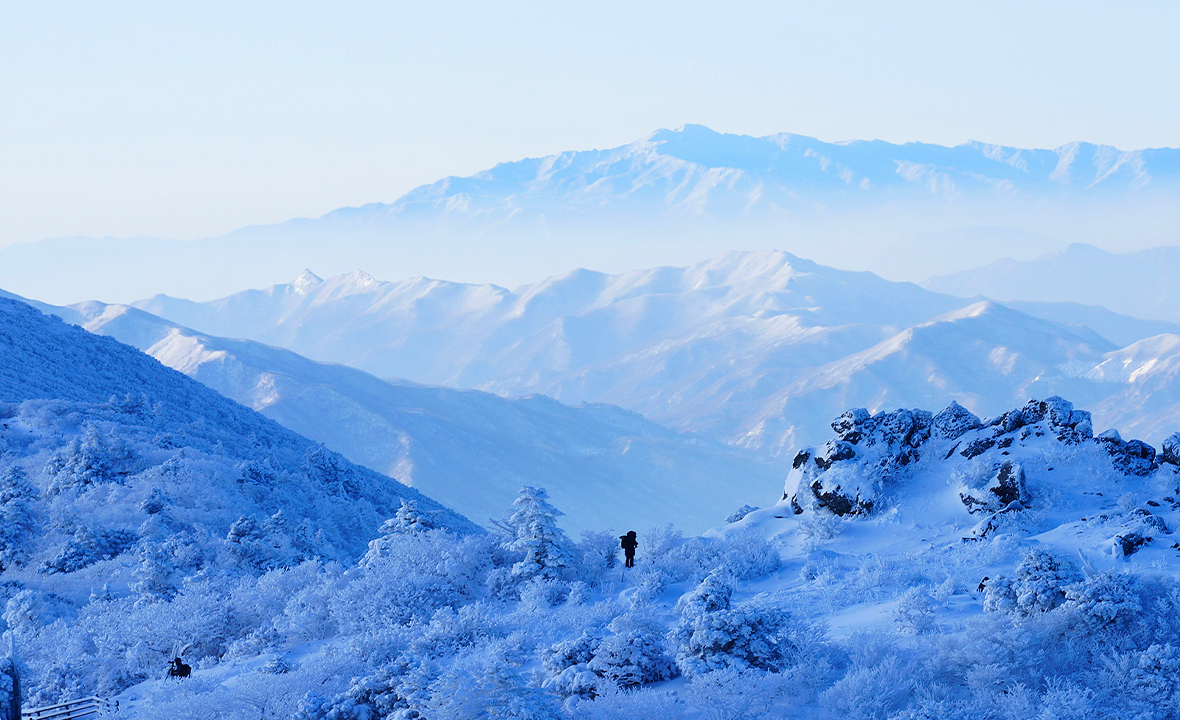
Deogyusan’s ridges and trails show completely different conditions depending on the season. The photographs below are images related to Deogyusan provided by the Korea National Park Service and the Jeonbuk State tourism page, serving as reference material for the Seolcheonbong–Hyangjeokbong hike and the park scenery.
The photographs do not guarantee the actual snow cover, fog, or closure status on the day of your visit. Before departing, check both the Korea National Park Service trail-control information and the Muju Deogyusan Resort tourist gondola announcements.
Before You Go
- Address
- 185 Manseon-ro, Seolcheon-myeon, Muju-gun, Jeonbuk State
- Hours
- According to the Seolcheonbong–Hyangjeokbong reservation guide: weekdays 10:00–16:00, weekends and public holidays 09:00–16:30 (subject to change depending on gondola operations and weather)
- Closed
- Closures or changes may occur depending on severe weather alerts, gondola inspections, and other conditions
- Admission
- General admission to Deogyusan National Park is free. The tourist gondola requires a separate fee; check the official Muju Deogyusan Resort announcements for prices
- Phone
- 063-322-3174
- Official site
- https://www.knps.or.kr/front/portal/visit/visitCourseMain.do?parkId=120800&menuNo=7020089
- Transport
- Local buses toward Muju Resort and Gucheondong are available from Muju Public Bus Terminal. Check routes and timetables with the terminal based on your departure date
- Parking
- Parking is available at Muju Deogyusan Resort (185 Manseon-ro, Seolcheon-myeon, Muju-gun, Jeonbuk State). Check the resort announcements for fees and operating details
- Time needed
- After taking the tourist gondola, approximately 40 minutes for the 1.2 km Seolcheonbong–Hyangjeokbong round trip
- Accessibility
- No official information has confirmed whether the trail to the Hyangjeokbong summit is generally accessible by wheelchair or stroller. Visitors with limited mobility are advised to inquire in advance
The information above is current as of the time of writing. Check the official information again before visiting.

Places
Nearby Attractions 5
-
 1
1
-
 2
2
-
 3
3
-
 4
4
-
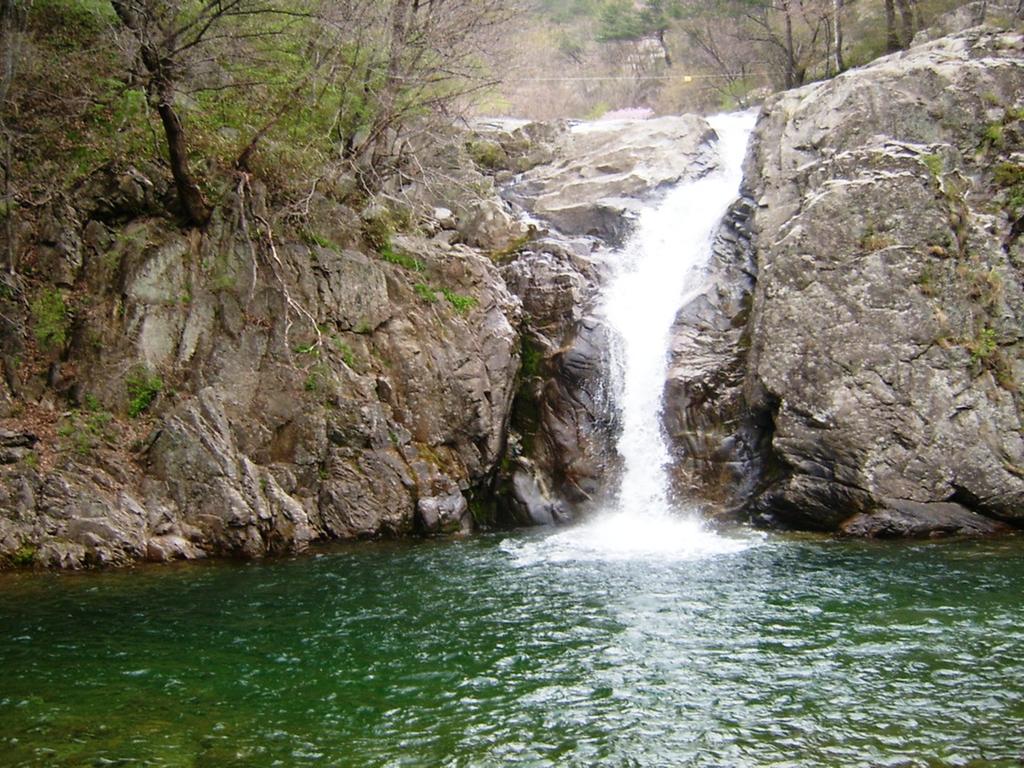 5
5
Food & Dining 5
-
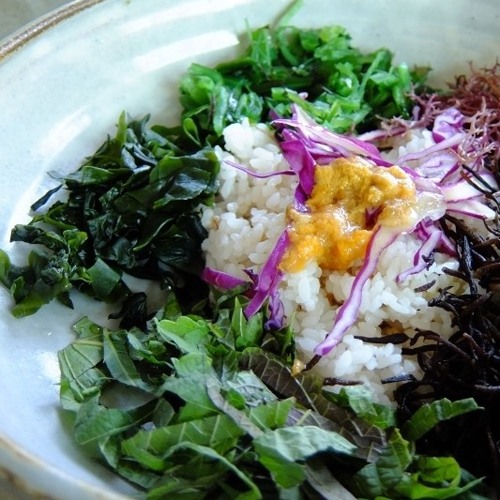 6
Muju Hyang
6
Muju Hyang -
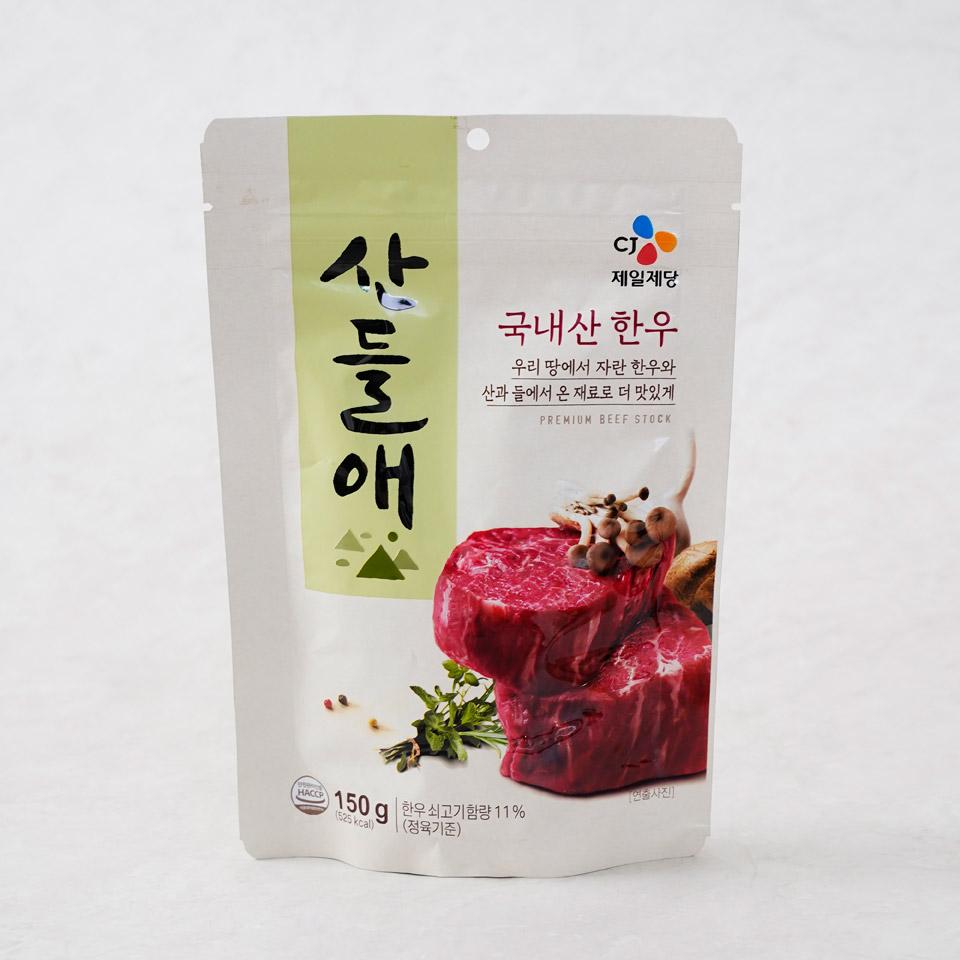 7
Sandeul-ae
7
Sandeul-ae -
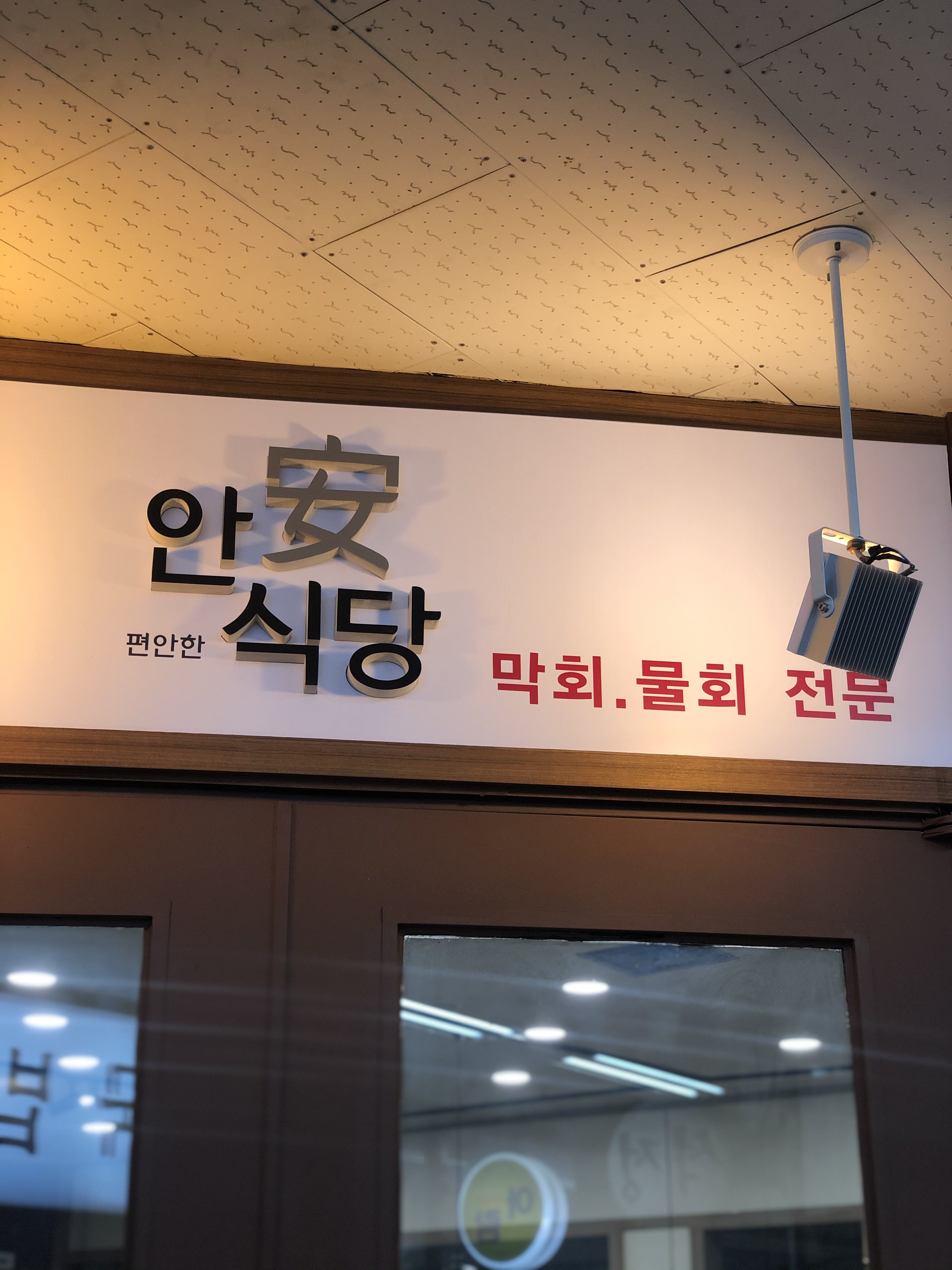 8
Ansikdang
8
Ansikdang -
 9
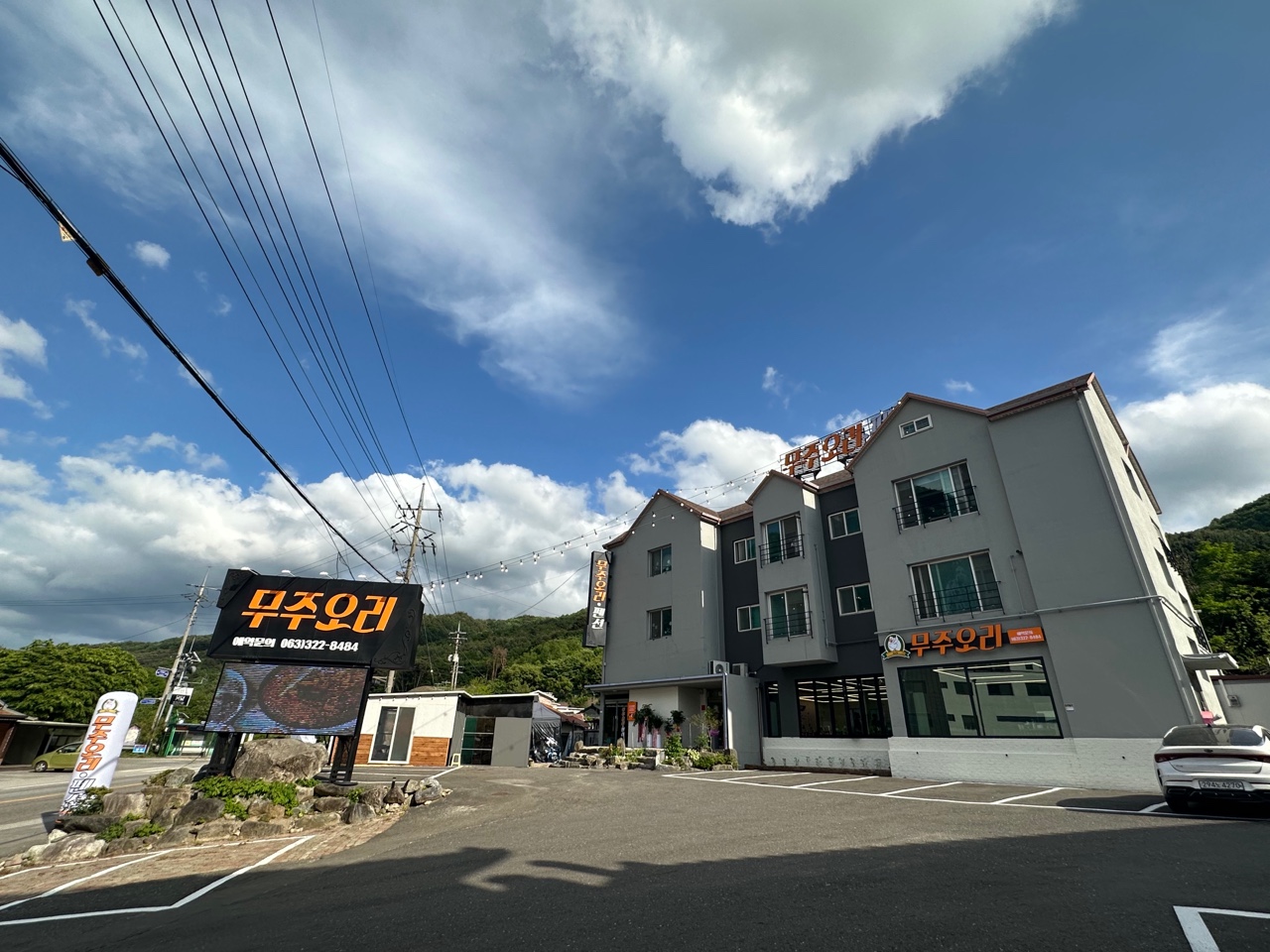
Muju Ori
9
Muju Ori -
 10
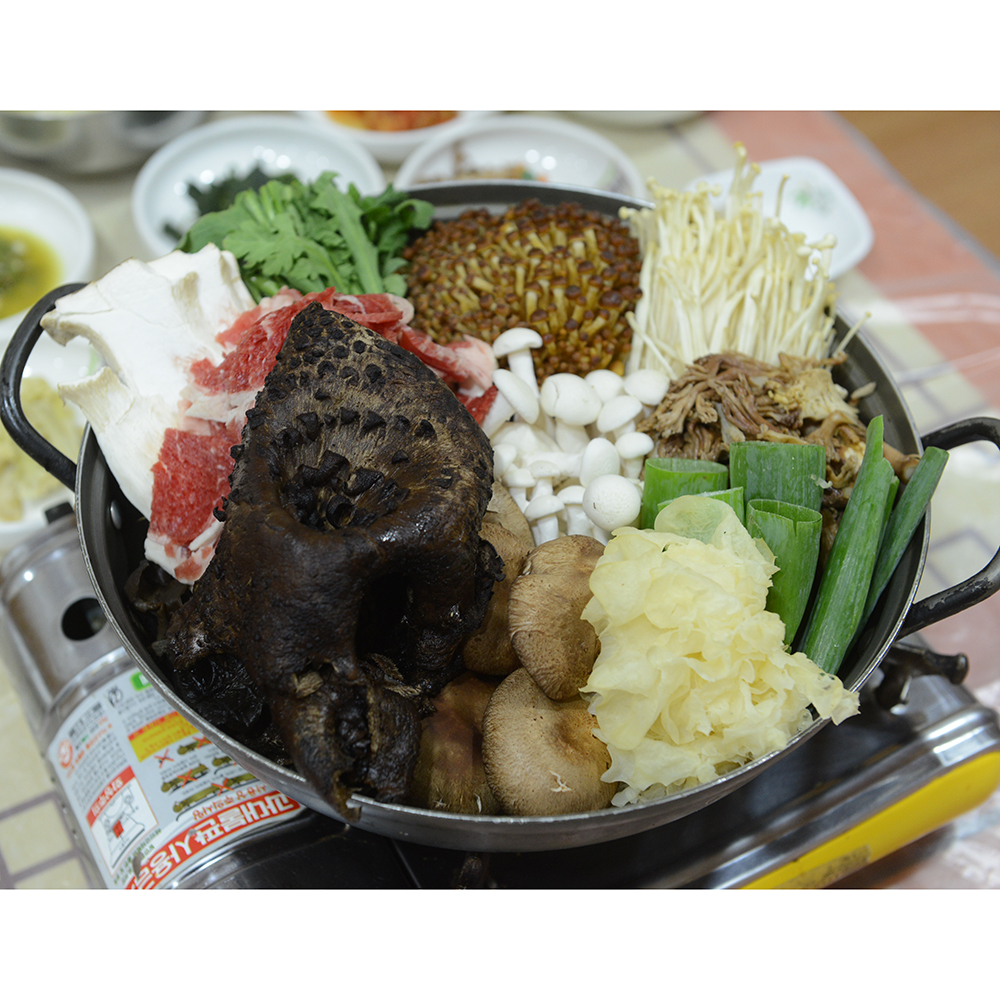
Guchindong
10
Guchindong
Events in This Area


Festivals in This Area


More Travel Guides in This Area
 Travel Guide
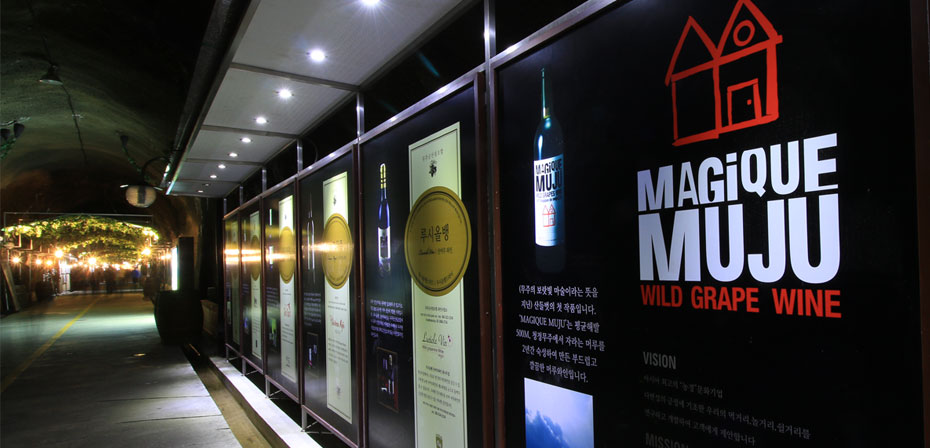
Muju Wild Grape Wine Cave, Transformed from a Work Tunnel into a Wine Cellar
 Travel Guide
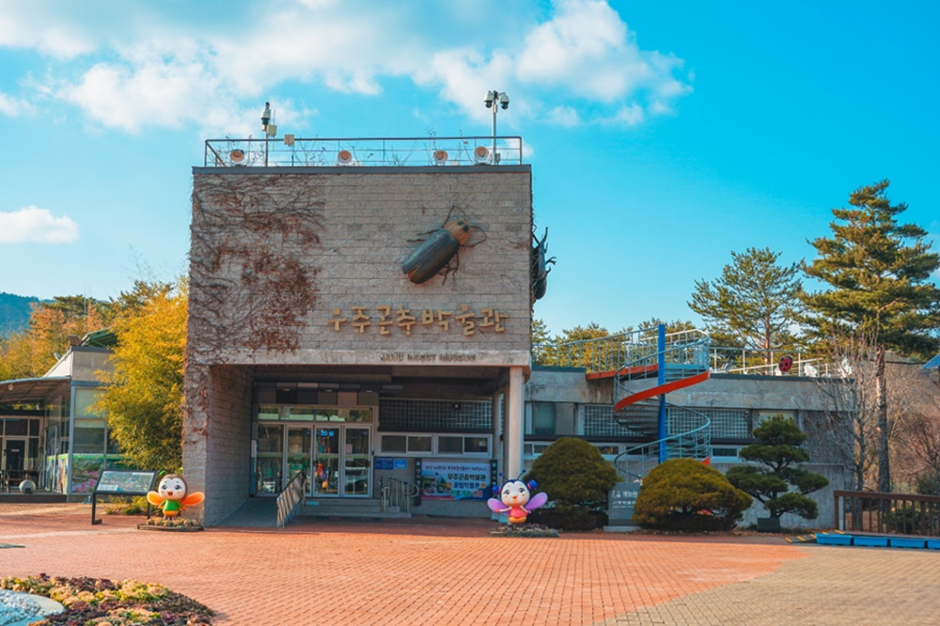
Fireflies, Stars, and a Subtropical Greenhouse at 1324 Museol-ro
 Travel Guide
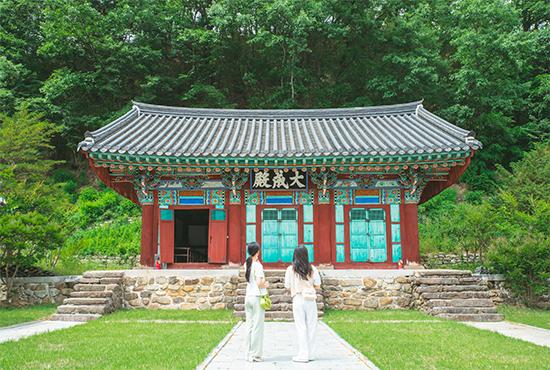
The enshrinement space of Muju Hyanggyo, founded in 1398 and moved twice to escape tigers
 Travel Guide
Jinan Red Ginseng Spa Has Been Closed Since May 2025—Confirm Its Reopening First
Korea News
 News
News
"Overcoming the Getty curse" Jang Wonyoung, with unreal proportions and beauty straight out of a Barbie doll
 News
News
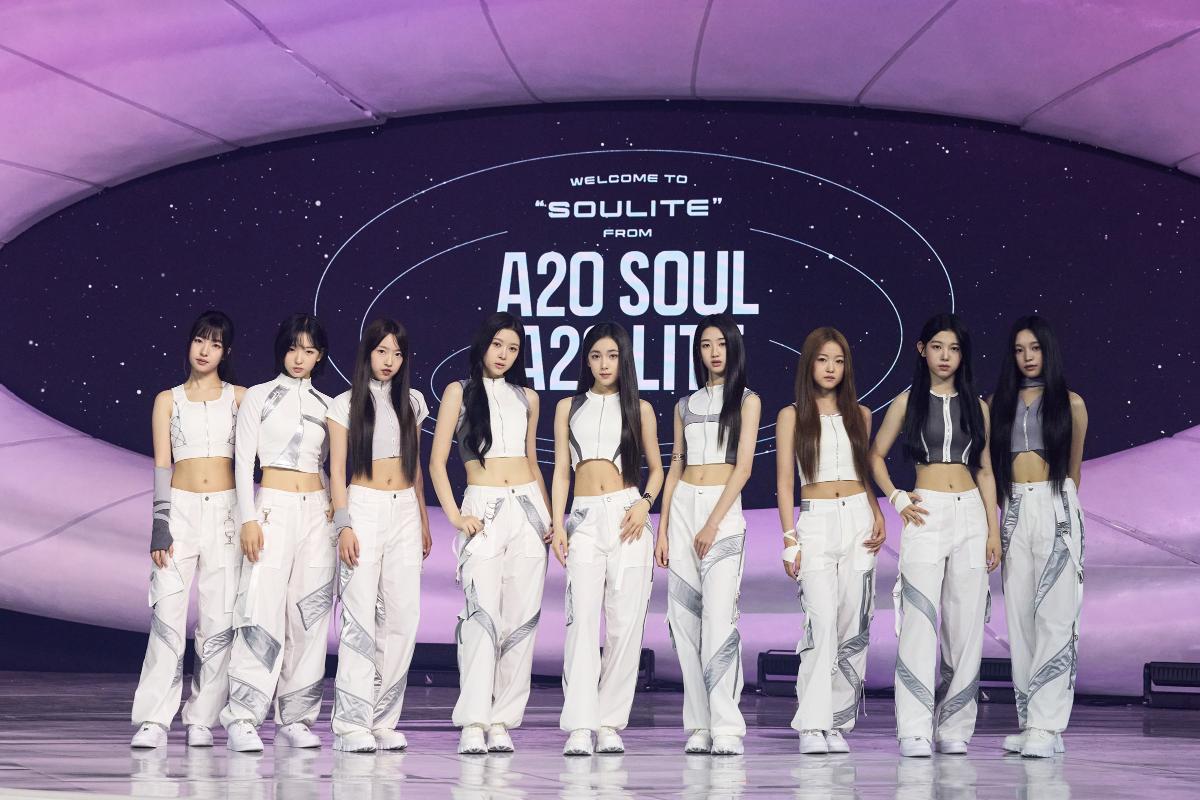
A2O LITE Tops Melon TOP100 Just 29 Hours After Debut, Setting the Fastest Record for a Debut Song
![Billlie's Tsuki 'Makes an Entrance Showing Off Her Beautiful Figure' [MK Photo]](https://kotourlive-images.s3.ap-northeast-1.amazonaws.com/news/1792027947835_957f0cb8_news_5c0023c5-e9a0-4640-9154-cb0b69d810c4.jpg) News
News
Billlie's Tsuki 'Makes an Entrance Showing Off Her Beautiful Figure' [MK Photo]
![ENHYPEN ‘Fighting for the Macau performance too!’ [★Video]](https://kotourlive-images.s3.ap-northeast-1.amazonaws.com/news/1792027887815_5057637d_news_8041e5cd-8b22-4193-bb46-880c65d944f7.jpg) News
News