A Hanok Gothic Cathedral Remaining on Hwasan at the End of the Geum River: Nabawi Cathedral
Nabawi Cathedral is a Catholic pilgrimage site built at the foot of Hwasan along the Geum River. It is distinguished by the combination of a traditional hanok and a Gothic-style brick bell tower in one building. Visitors can also explore the site of Father Kim Dae-geon's arrival in Joseon in 1845, the History Museum, the Marian Garden, and the Stations of the Cross, although access along the mountain path and to the interior is limited.
I’ve been here?
Your check-in helps the next traveler.
26 people viewed this week Be the first
One tap — no writing needed
Why the Name ‘Nabawi’ Originated at the Foot of a Volcano by the Geum River
Nabawi Catholic Church is located in Hwasan-ri, Mangseong-myeon, Iksan-si, Jeonbuk State, on a hill between a rural village and greenhouses along the Geum River. The church explains that the name ‘Nabawi’ was given because there is a broad rock at the foot of Hwasan, while Uam Song Si-yeol named it ‘Hwasan,’ meaning that the mountain is beautiful.
Because of this terrain, the church does not look like an independent building on level ground. The path from the parking lot to the church is somewhat steep, and going up Hwasan behind it leads to the Garden of the Virgin Mary, the statue of Father Kim Dae-geon, the Stations of the Cross, and Manggeumjeong. A March 2019 travel review mentioned the scenery viewed from the hill and the ample parking space.
How It Grew from a 1882 Mission Station into a Church in 1907
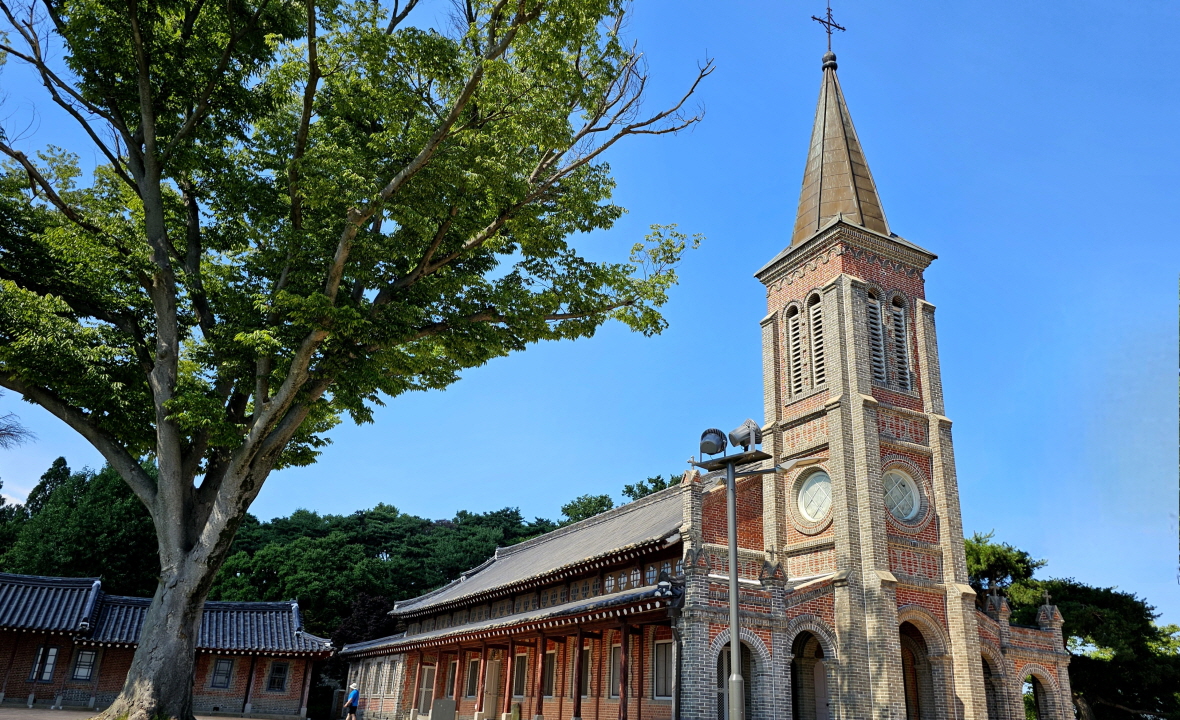
Nabawi Mission Station was established in 1882 and designated as a parish in 1897. Its first pastor was Father Joseph Vermorel, whose Korean name was Jang Yak-seul; he lived from 1860 to 1937. When the new church was built in 1907, there were approximately 2,900 parishioners, and by around 1930 the number had reached 3,200.
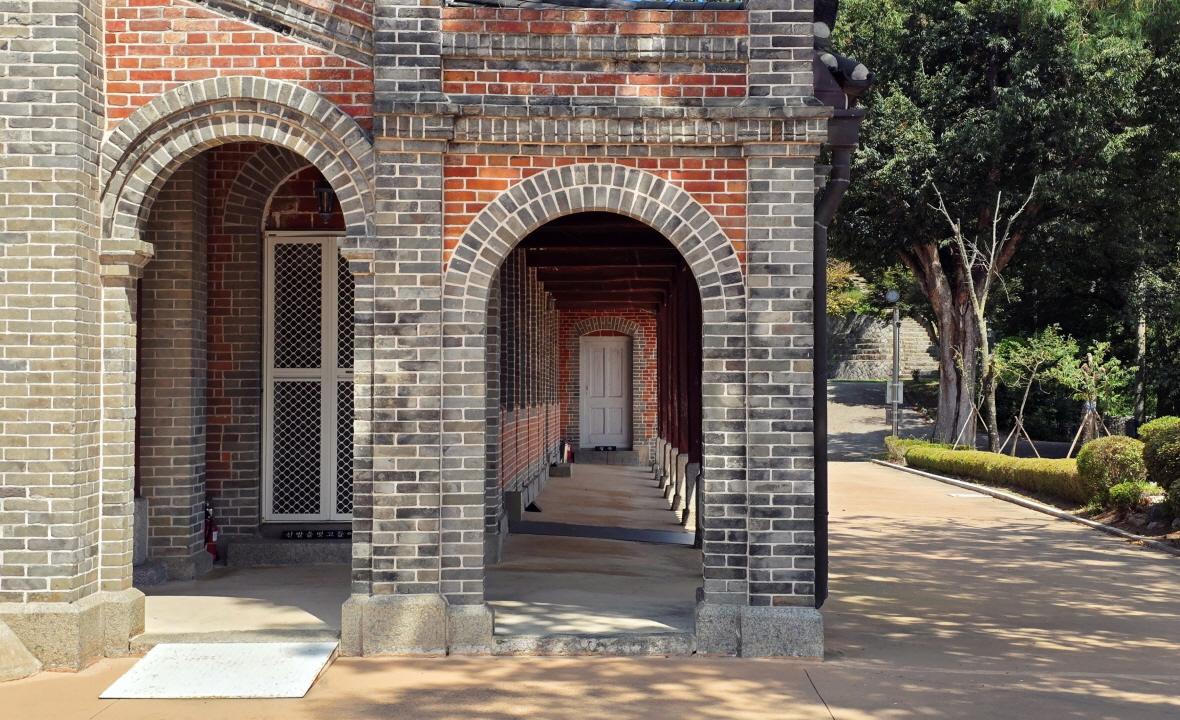
As the community of believers grew, the building also changed. In 1916, Father Vermorel removed part of the front section of the traditional Korean-style church and built a Gothic brick bell tower, also replacing the existing wooden walls with brick. Consequently, the red-brick bell tower can be seen from the front, while the sides and rear reveal a traditional Korean-style structure with a hipped-and-gabled roof covered in Korean tiles.
The 1906 Wooden Floor and Chinese-Made Altars Inside the Church
Inside the church, traces of the partitions that separated male and female worshippers according to Confucian tradition remain on the pillars. The wooden floor retains its original appearance from the building’s construction in 1906, so examining the traditional elements of the floor and pillars before the exterior Gothic bell tower makes it easier to understand the building’s transformation.
There are three altars, which were made at the Lazarist Monastery in Nanjing, China, and brought here when the church was built. Part of the remains of Saint Father Kim Dae-geon and Saint Bishop Daveluy are enshrined in the altar on the right. More than 100-year-old religious artifacts made in China, including a statue of Jesus, candlesticks, a baptismal font, and the 14 Stations of the Cross, also remain. However, the latest public information does not confirm visiting hours or photography rules for general visitors, so during Mass visitors should quietly tour only the exterior and areas open to the public.
The Place Where Father Kim Dae-geon Arrived on October 12, 1845
Father Kim Dae-geon was ordained at the Jinjiahng Catholic Church in Shanghai on August 17, 1845. On August 31 of the same year, he began sailing aboard the Raphael with Bishop Ferréol, Father Daveluy, and 11 Korean believers. After leaving Shanghai and traveling by sea for 42 days, they dropped anchor at around 8 p.m. on October 12, 1845, near Hwasan at Nabawi, Hwangsanpo, away from Ganggyeong.
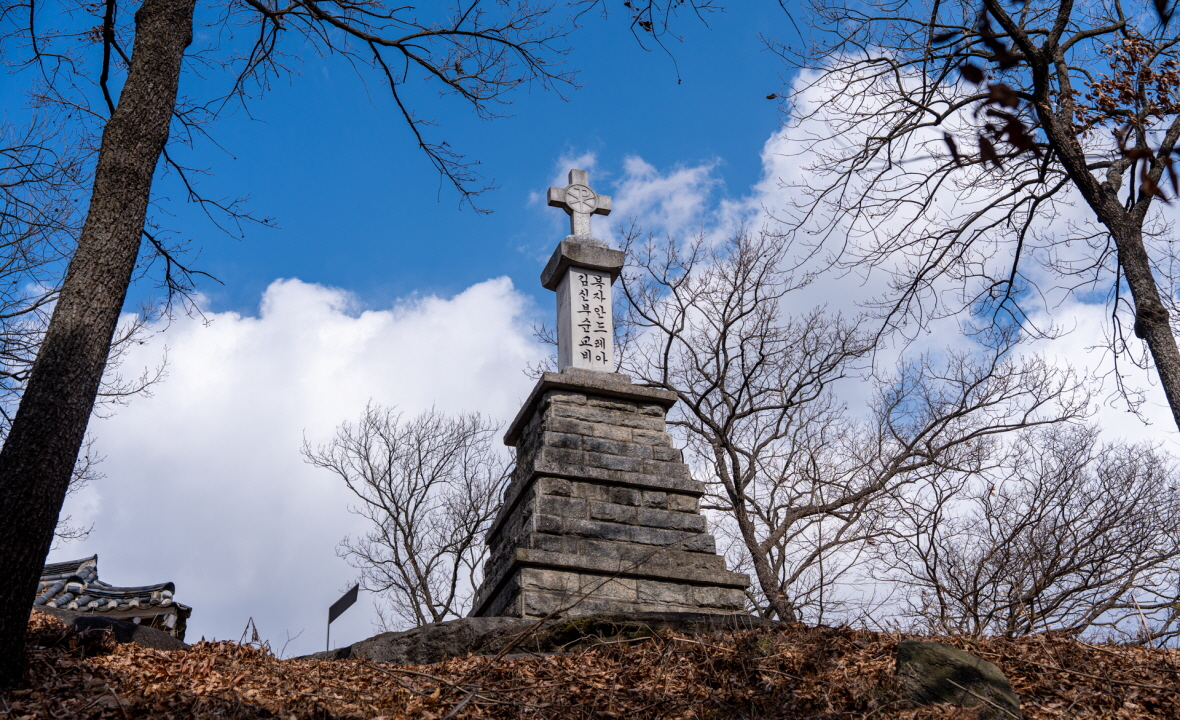
Today, a stone statue of Father Kim Dae-geon stands on Hwasan behind the church. In 1955, believers from Nabawi Parish erected a martyrdom memorial tower to commemorate the 110th anniversary of the landing and the 30th anniversary of his beatification. The tower was modeled on the size of the Raphael; the martyrdom monument is 15 ja high, the memorial stele is 6 ja high, and the cross is 4 ja high. Iksan City designated the memorial tower as a local heritage site in 2018.
The History Museum Next to the Church Is Closed on Mondays
Nabawi Holy Ground is advertised as having no regular closing days, but the Nabawi Holy Ground History Museum is closed every Monday. The museum is open from 09:00 to 18:00, and admission is free. Housed in the former priest’s residence, the museum displays early 19th-century woodblock-printed liturgical books and more than 1,000 exhibits.
Free admission does not mean that every indoor space is always open. Public visiting hours inside the church, photography restrictions, and the availability of English information or an audio guide are not separately listed in the public information. Foreign visitors should first check whether the museum and church doors are open, and during Mass it is safest not to use the worship space like a sightseeing route.
Choosing a Mountain Trail from the Garden of the Virgin Mary to Manggeumjeong
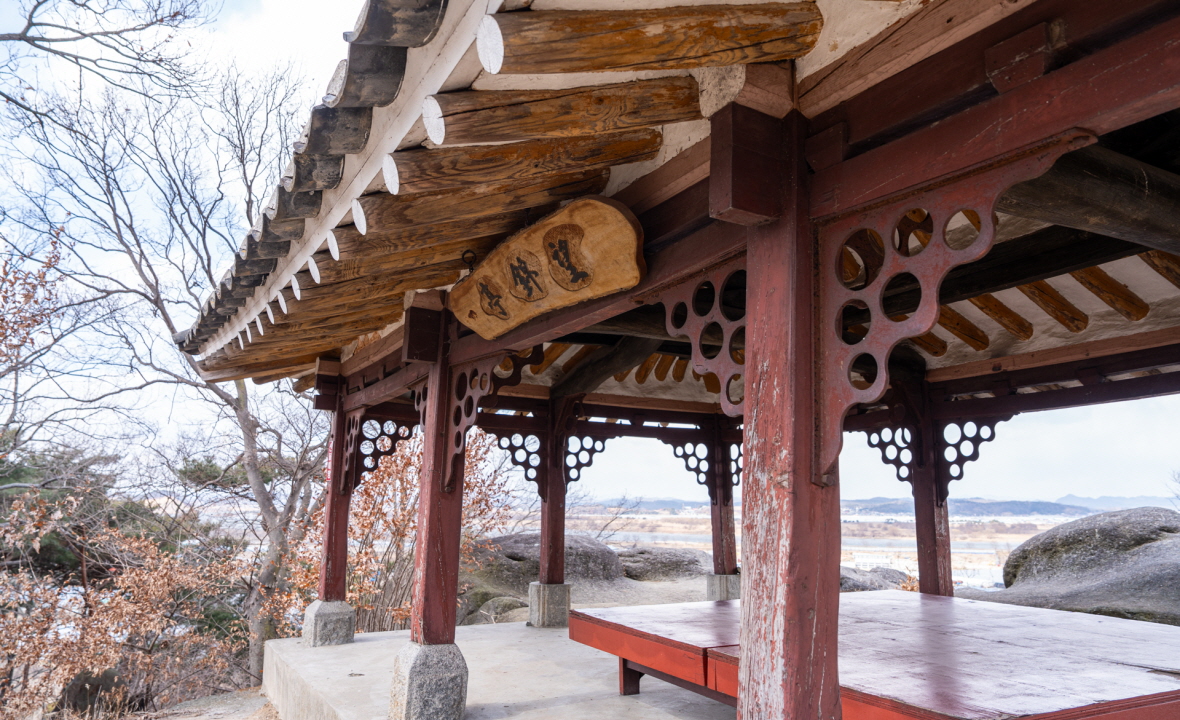
The Garden of the Virgin Mary features the ‘Queen of Peace’ and an outdoor Mass area that can accommodate approximately 1,200 people. Course 1 of the Stations of the Cross begins behind the Garden of the Virgin Mary and climbs to Manggeumjeong. Manggeumjeong is a pavilion built in 1915 by Father Vermorel on the summit of Hwasan, where the first bishop of the Daegu Diocese held annual retreats.
The church states that visitors who find the mountain trail demanding can use Course 2, which begins behind the retreat house and passes the landing point. However, an accessible-tourism guide explains that the Stations of the Cross and Manggeumjeong are on the mountain side and difficult to access by wheelchair. Wheelchair access is possible as far as the Garden of the Virgin Mary and the statue of Father Kim Dae-geon, so visitors unable to climb to the summit may find it more realistic to set this section as their destination.
The Actual Route from Ganggyeong Station by Bus 3330
If traveling by train, get off at Ganggyeong Station, go to Daeheung Market Bus Stop, and take Bus 3330 toward Hamyeol. Official information states that the bus ride takes about 10 minutes to Hwabuk Bus Stop. Since bus intervals are not publicly available, visitors should also consider taking a taxi directly from the station.
A taxi from Ganggyeong Station takes about 7 minutes and costs 6,500–7,000 won. If you choose a walking pilgrimage route, the walk from Ganggyeong Station to Nabawi Holy Ground takes about one hour. From Seoul Nambu Bus Terminal, travel approximately 2 hours and 40 minutes to Iksan Express Bus Terminal, then take Bus 3100 or 3200 to the Hamyeol transfer center, transfer again to Bus 3330 toward Ganggyeong, and get off at Hwabuk Bus Stop.
Driving Times from Different Starting Points and Parking Conditions
The address is 146 Nabawi 1-gil, Mangseong-myeon, Iksan-si, Jeonbuk State, postal code 54514. The official website states that travel takes approximately 2 hours and 40 minutes from Seoul and Gyeonggi, 3 hours and 40 minutes from Busan, and 2 hours and 20 minutes from Mokpo.
A March 2019 travel review noted ample parking, while an accessible-tourism guide lists one accessible parking space and an accessible restroom. The total number of regular parking spaces and parking fees have not been confirmed. The route from the parking lot to the church is sloped but manageable by wheelchair; although the exterior can be toured, entering the church and the Chapel of Healing is difficult.
Things Easy to Miss When Visiting Around Mass Times
According to the church’s official schedule, weekday Mass is at 6:00 a.m. on Mondays and 11:00 a.m. on Wednesdays and Fridays. On Tuesdays and Thursdays it is at 7:00 p.m., changing to 7:30 p.m. from May through September. Mass on the first Saturday is held at 11:00 a.m. and is listed as a Marian devotion and family sanctification Mass.
Sunday Mass is at 6:00 p.m. on Saturday, 6:00 a.m. on Sunday, and 10:00 a.m. on Sunday; the 10:00 a.m. service is the main parish Mass. The entire holy site is free, the contact number is 063-861-8182, and the official website is http://www.nabawi.kr/. On October 12, a commemorative event marks the landing of Father Kim Dae-geon and his companions during their first entry into Joseon, with participants traveling 3.5 km from the Raphael access road to the church. On this date, expect a route centered more on religious events and greater crowds than usual.
Who Will Enjoy This Holy Site and Who May Find It Inconvenient
Nabawi Catholic Church suits visitors who want to compare a traditional Korean-style roof and a Gothic bell tower in one building, and examine the 1906 wooden floor and three altars brought from Nanjing, China. Connecting the church, history museum, Garden of the Virgin Mary, statue of Father Kim Dae-geon, and martyrdom memorial tower in one visit reveals more than architectural photographs alone, allowing visitors to trace changes since the 1845 arrival and the establishment of the mission station in 1882.
Conversely, it has significant limitations for travelers who need guaranteed access to every indoor area or an English audio guide, and for wheelchair users wishing to reach Manggeumjeong and the Stations of the Cross. Manual wheelchairs can enter the history museum, but electric wheelchairs may have difficulty, and entering the Chapel of Healing is also difficult. The holy site has pursued a comprehensive improvement plan from 2016 through 2025, so the areas available for use may vary depending on the time of your visit.
Before You Go
- Address
- 146 Nabawi 1-gil, Mangseong-myeon, Iksan-si, Jeonbuk State
- Hours
- Nabawi Holy Ground History Museum: 09:00–18:00. Church Mass schedule: Monday 06:00 / Tuesday and Thursday 19:00 (19:30 from May to September) / Wednesday and Friday 11:00 / first Saturday 11:00 / Saturday 18:00 / Sunday 06:00 and 10:00
- Closed
- The holy ground is listed as having no regular closing days; the Nabawi Holy Ground History Museum is closed every Monday
- Admission
- Free
- Phone
- 063-861-8182
- Official site
- http://www.nabawi.kr/
- Transport
- Train: Get off at Ganggyeong Station → walk to Daeheung Market Bus Stop → Bus 3330 toward Hamyeol → get off at Hwabuk Bus Stop (about 10 minutes). Taxi from Ganggyeong Station: about 7 minutes, 6,500–7,000 won. Walking pilgrimage from Ganggyeong Station to the holy ground: about 1 hour. From Iksan Express Bus Terminal: Bus 3100 or 3200 → Hamyeol transfer center → Bus 3330 → Hwabuk Bus Stop.
- Parking
- A travel review confirms ample parking, and an accessible-tourism guide confirms one accessible parking space. The number of regular parking spaces and parking fees could not be confirmed.
- Accessibility
- The route from the parking lot to the church is somewhat sloped but wheelchair-accessible. The church exterior can be toured by wheelchair, but entering the church and the Chapel of Healing is difficult. Manual wheelchairs can enter the history museum, while electric wheelchairs may have difficulty. Wheelchair access to the Stations of the Cross and Manggeumjeong is difficult, but movement is possible as far as the Garden of the Virgin Mary and the statue of Father Kim Dae-geon. One accessible parking space and an accessible restroom are available.
The information above is current as of the time of writing. Check the official information again before visiting.

Places
Events in This Area

Festivals in This Area

More Travel Guides in This Area
 Travel Guide
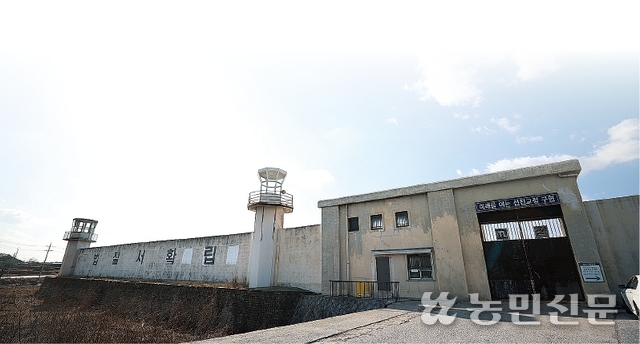
The Iksan Prison Set: A Closed School Turned into a Movie Prison
 Travel Guide
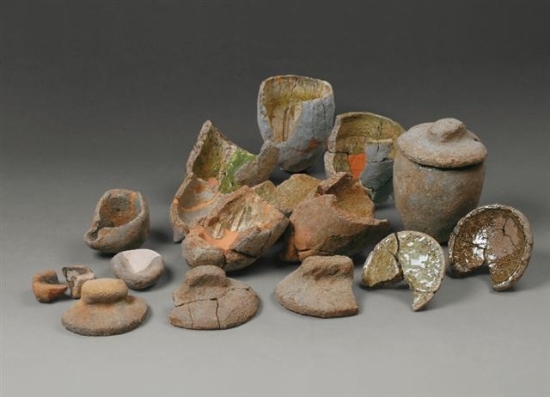
Baekje King Mu’s Mireuksa Revealed by the 639 Sarira Enshrinement Record
 Travel Guide
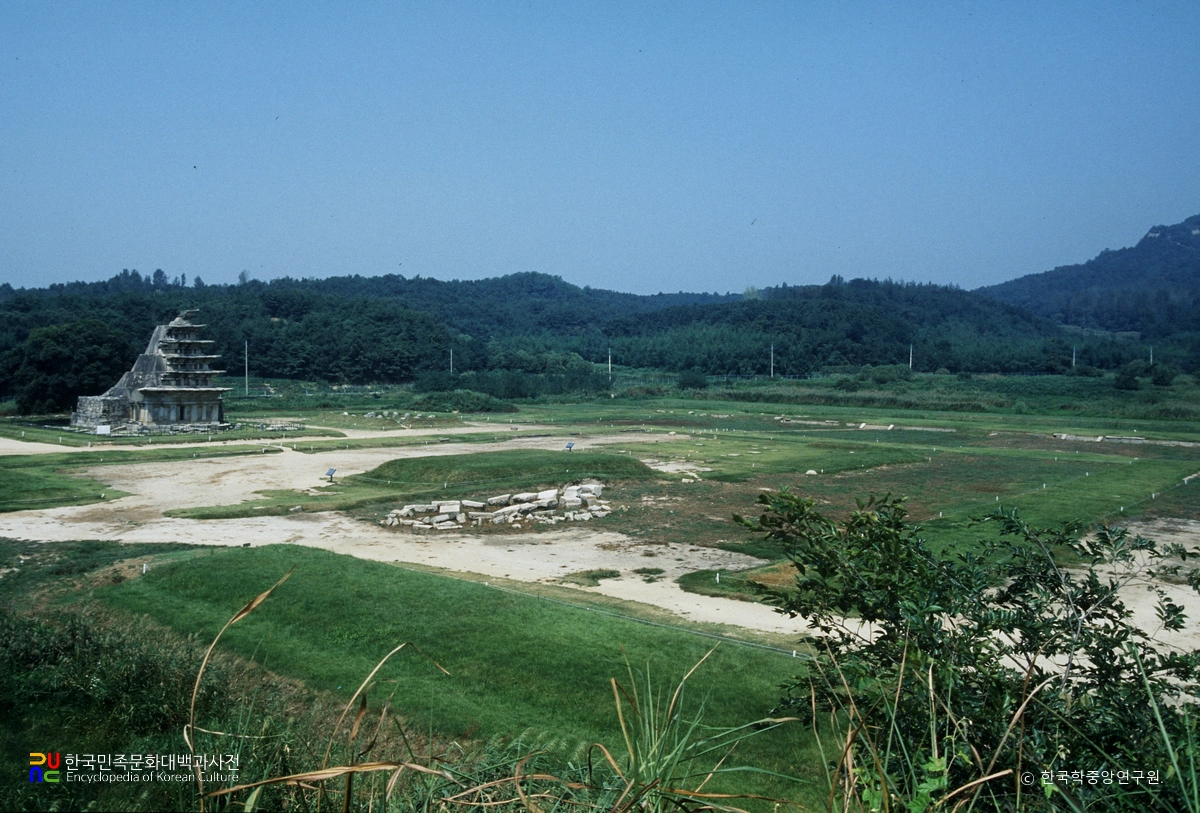
How to Read the Northern Toilet Site and the National Treasure Five-Story Stone Pagoda at Wanggung-ri Palace Site Together
 Travel Guide
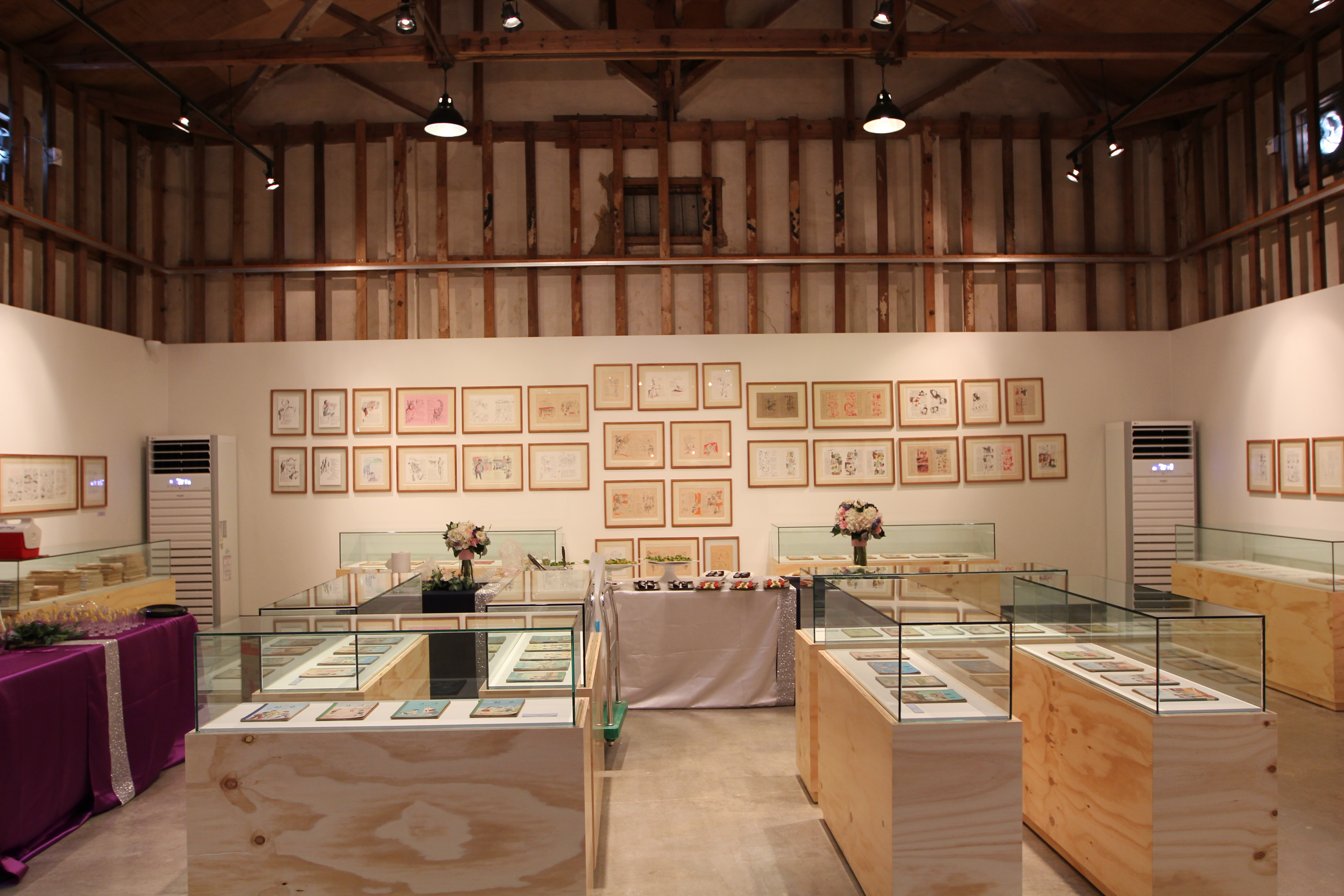
How to See Grain Warehouses, Books, and Media Art Together at Samrye Culture and Arts Village
Korea News
 News
News
‘NewJeans Expulsion’ Danielle Releases Her First YouTube Video… “We Don’t Know What Will Happen Next”
![aespa’s North American Tour Has Remaining Seats Despite ‘$49’ Bargain Prices… A Stark Popularity Gap with KATSEYE [TEN Starfield]](https://kotourlive-images.s3.ap-northeast-1.amazonaws.com/news/1788485037424_a59b1932_naver_rank_thumb_0000774618_1788485037424.jpg) News
News
aespa’s North American Tour Has Remaining Seats Despite ‘$49’ Bargain Prices… A Stark Popularity Gap with KATSEYE [TEN Starfield]
![[Photo] TWICE’s Dahyun attends a film festival red carpet as an actress](https://kotourlive-images.s3.ap-northeast-1.amazonaws.com/news/1788485316508_edd43ecd_news_870a60a6-6f11-4d73-aa7c-48d91318a0f7.jpg) News
News
[Photo] TWICE’s Dahyun attends a film festival red carpet as an actress
![[On-Site Video] “We’re Departing Separately Together”… BIGBANG Begins ‘COSMOS’ World Tour](https://kotourlive-images.s3.ap-northeast-1.amazonaws.com/news/1788485226518_c5719641_news_fdd4764a-0f4e-4968-8e4e-e98a02872f88.jpg) News
News