A 2.5-Hour Walking Route Tracing Colonial Exploitation, Starting at Gunsan Inner Harbor
Gunsan Modern History Street is a historic downtown district centered on Gunsan Inner Harbor, linking museums, the former customs office, bank buildings, a pontoon pier, Dongguksa Temple, and a Japanese-style house in Sinheung-dong. Rather than simply taking photos along the street, it is best explored as a journey that follows, step by step, how the port and rice distribution became connected to the colonial exploitation system after the opening of the port in 1899.
I’ve been here?
Your check-in helps the next traveler.
No one has checked in yet Be the first
One tap — no writing needed
Traces of the “Port of Rice” Left at Gunsan Inner Harbor After the Opening of the Port in 1899
Gunsan Modern History Street is not a single admission facility but a historical district linking the old city centers of Jangmi-dong, Yeonghwa-dong, and Wolmyeong-dong with the inner harbor. Gunsan grew as a port city on the west coast after the opening of the port in 1899, and during the Japanese colonial period, rice exports and port and financial facilities were concentrated here. The Gunsan Modern History Museum’s chronology records that the amount of rice shipped from Gunsan Port to Japan exceeded 2 million seok in 1934.
For this reason, it is more accurate to understand the street not merely as “a place with beautiful modern buildings,” but as a site where the port, customs office, banks, and docks operated as one system. This is also why Gunsan City introduces the Time Travel Village as an urban space reflecting the pain of exploitation and the city’s resistance to it. In 1919, the Honam region’s first March 1st Independence Movement took place in Gunsan, and in 1927, the Okgu Farmers’ Protest occurred.
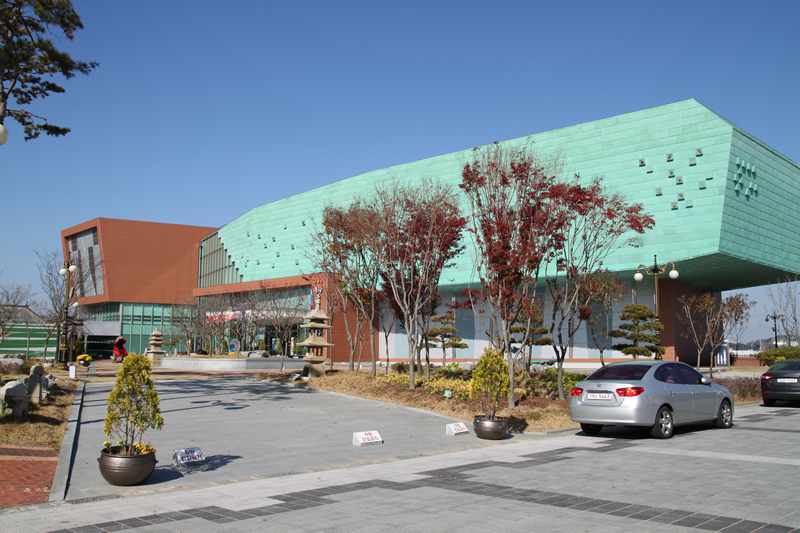
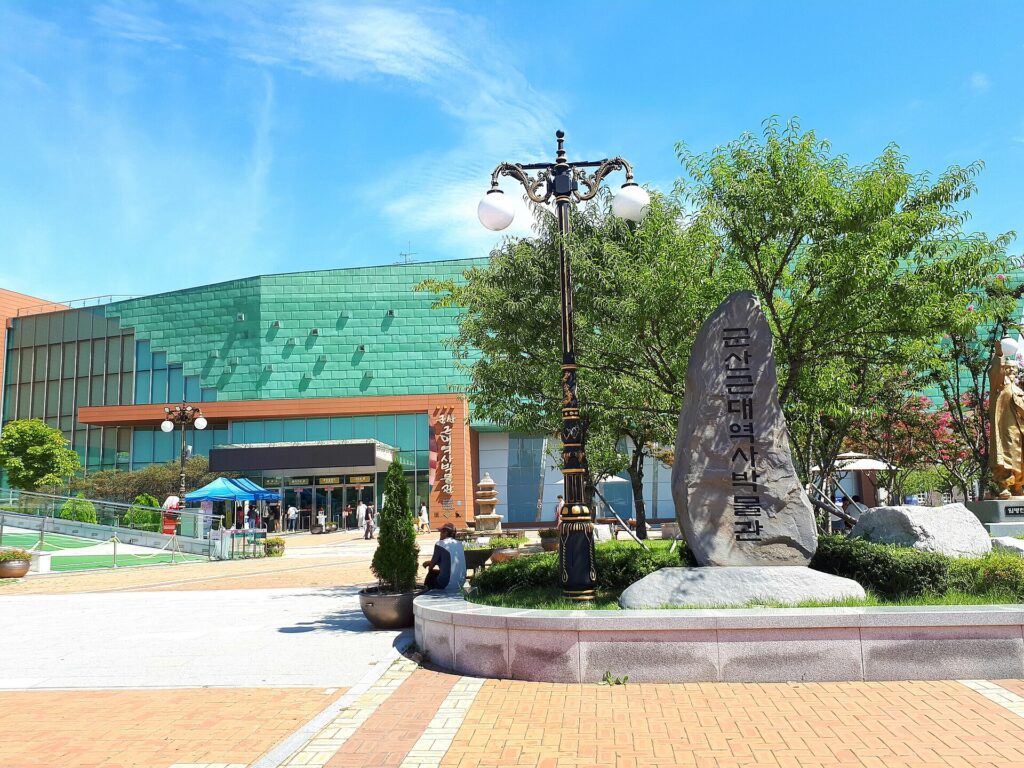
Starting at the Museum at 240 Haemang-ro with a 3,000-won Combined Ticket
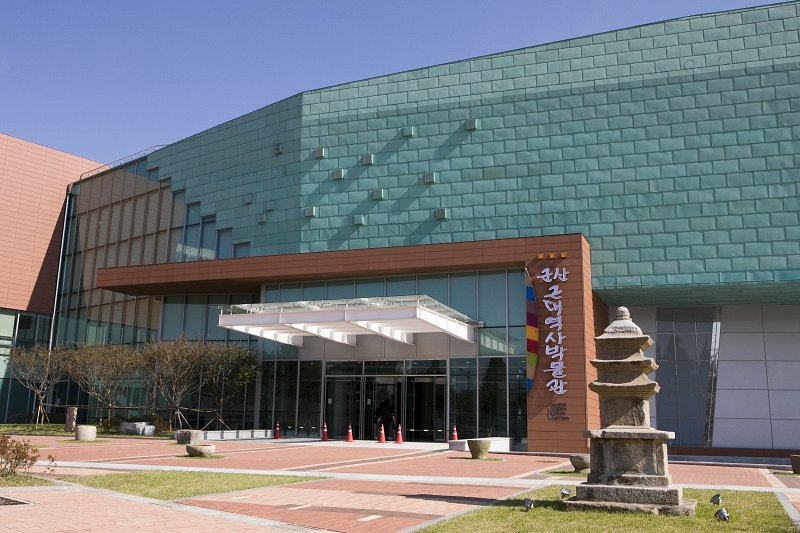
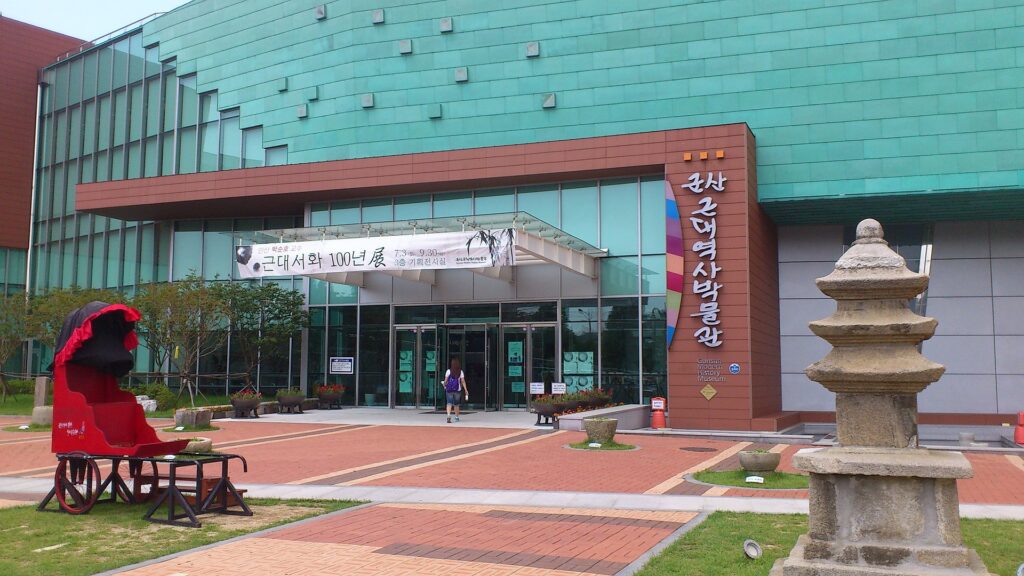
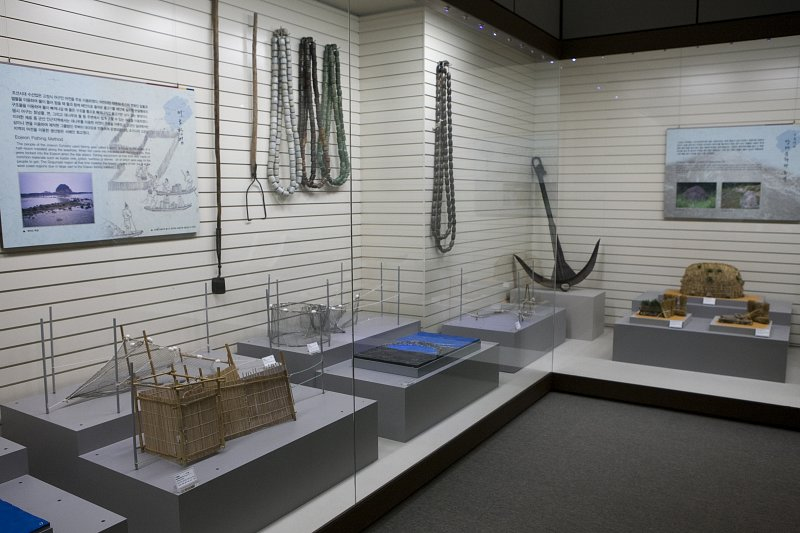
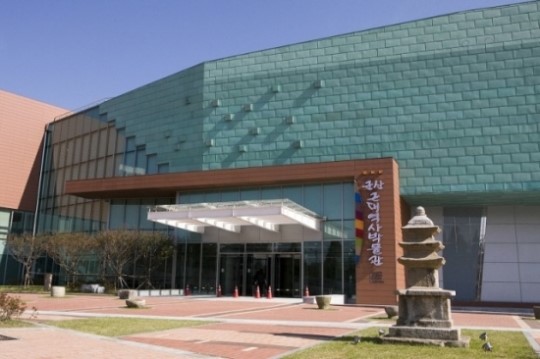
If this is your first visit, setting the Gunsan Modern History Museum (240 Haemang-ro, Gunsan-si, Jeonbuk State) as your first stop is efficient both for route planning and context. The museum project began in 2007 and the museum opened in September 2011. It occupies a site of 8,348㎡, with a total floor area of 4,248㎡, and consists of one basement level and three above-ground floors. The first floor contains the Maritime Logistics History Hall and Children’s Museum, the second floor contains the Modern Archives and Gyujanggak Room, and the third floor contains the Modern Life Hall and Special Exhibition Hall.
Hours are 09:00–18:00 from March to October, with admission closing at 17:30, and 09:00–17:00 from November through February, with admission closing at 16:30. The museum is closed every Monday, January 1, and on days designated by the mayor. The adult individual price for the combined museum ticket is 3,000 won and includes the museum, the Museum of Modern Art, the Museum of Modern Architecture, and the Wi Bong naval vessel at Jinpo Maritime Theme Park. The museum information desk can be reached at 063-454-5953, and the official website is https://museum.gunsan.go.kr.
Connecting the 1908 Old Gunsan Customs House and Two Bank Buildings in 20 Minutes
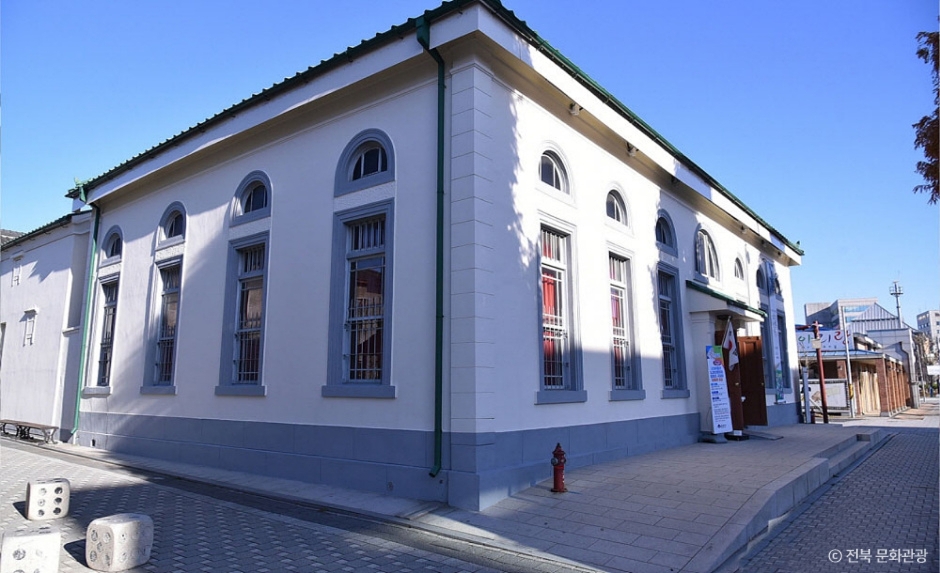
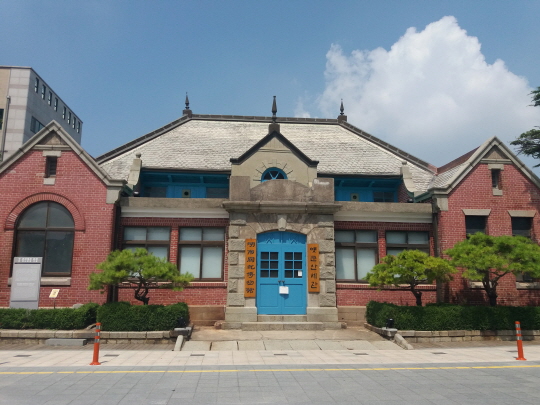
From the area in front of the museum toward the inner harbor, you can connect the Honam Customs Museum, the Museum of Modern Art, and the Museum of Modern Architecture within a short distance. The Honam Customs Museum is the former main building of the old Gunsan Customs House, completed in 1908. Along with Seoul Station and the former headquarters building of the Bank of Korea, it is cited as a representative surviving example of Western neoclassical architecture in Korea. If you first think of its customs function, it becomes clear that this was a place where goods and people entering and leaving the port were managed.
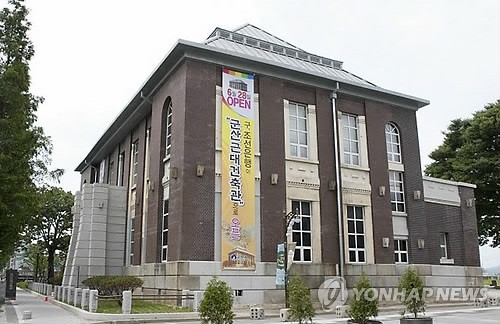
The Museum of Modern Art uses the former Gunsan branch of Japan’s 18th Bank, while the Museum of Modern Architecture uses the former Gunsan branch of the Joseon Bank as an exhibition space. Japan’s 18th Bank was headquartered in Nagasaki, and the “18” in its name referred to the order in which it received its establishment license. If you purchased the combined ticket, visiting these two buildings on the same day after the museum allows you to make full use of what the 3,000-won ticket covers.
Understanding the Port’s Changing Levels at Haemanggul Tunnel and the Floating Docks Built in 1926
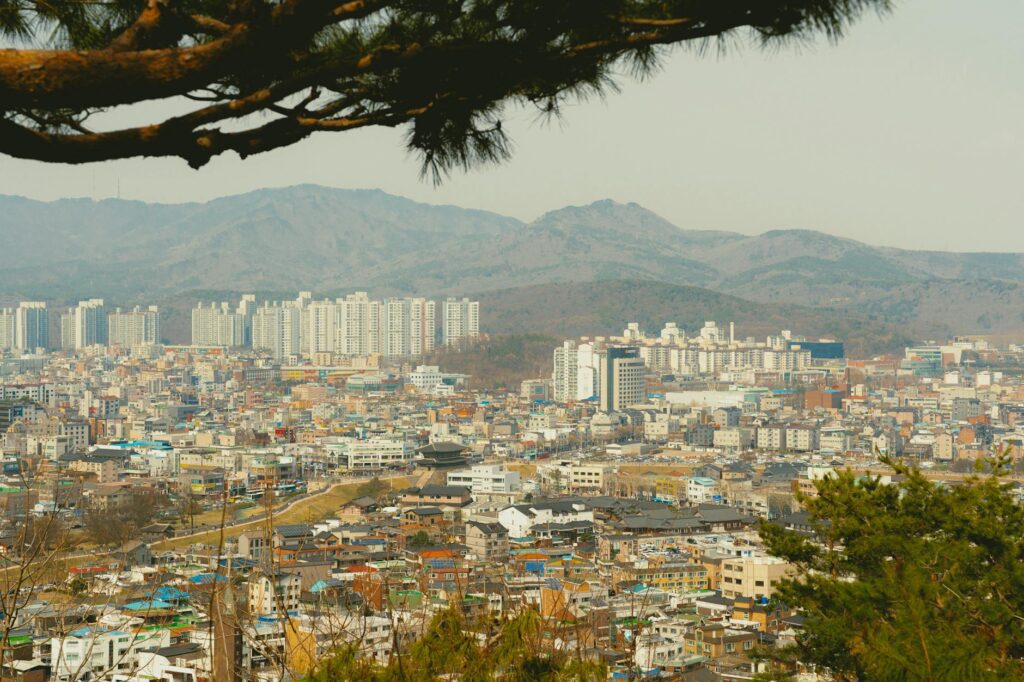
After the bank buildings, connect the inner harbor’s floating docks and Haemanggul Tunnel. The floating docks, also called buoyant platforms, were built to rise and fall with the water level, reflecting Gunsan Inner Harbor’s role as a center of maritime trade and logistics. Gunsan’s harbor construction was carried out in a second phase from 1918 to 1921 and a third phase from 1926 to 1932; three floating docks were built during the third phase.
Haemanggul Tunnel was completed in 1926 after being built through Haemangnyeong Pass to connect Haemang-dong with downtown Gunsan. If you only view the museum’s indoor exhibits, it is easy to miss why the port facilities gathered in this location. Seeing the inner harbor and buoyant platforms first, then moving toward Haemanggul Tunnel in the direction of the hill, makes it easier to understand the terrain linking the sea, docks, and old city center.
The Temple That Changed from Geumgangsa in 1909 to Dongguksa After Liberation
Continuing from the inner harbor area to Dongguksa allows you to see together the traces that Japanese residents’ lives and religion left in the city during the colonial period. Dongguksa was founded in 1909 by the Japanese monk Uchida Bulkwan, and its Daeungjeon Hall was built in 1913. It was called Geumgangsa at the time; after the monk Kim Nam-gok took it over following liberation, its name was changed to Dongguksa.
Dongguksa is known as a Japanese-style temple that remains in Korea, and Daeungjeon Hall was designated a National Registered Cultural Heritage in July 2003. Visitors who simply want to look around the temple quietly can choose to visit it before the museum and bank buildings, but to understand its background, it is better to arrive after seeing the port and financial buildings. Dongguksa can be contacted at 063-462-5366.
A 2-Hour-30-Minute Time Road to the Hirotsu House Built in 1935
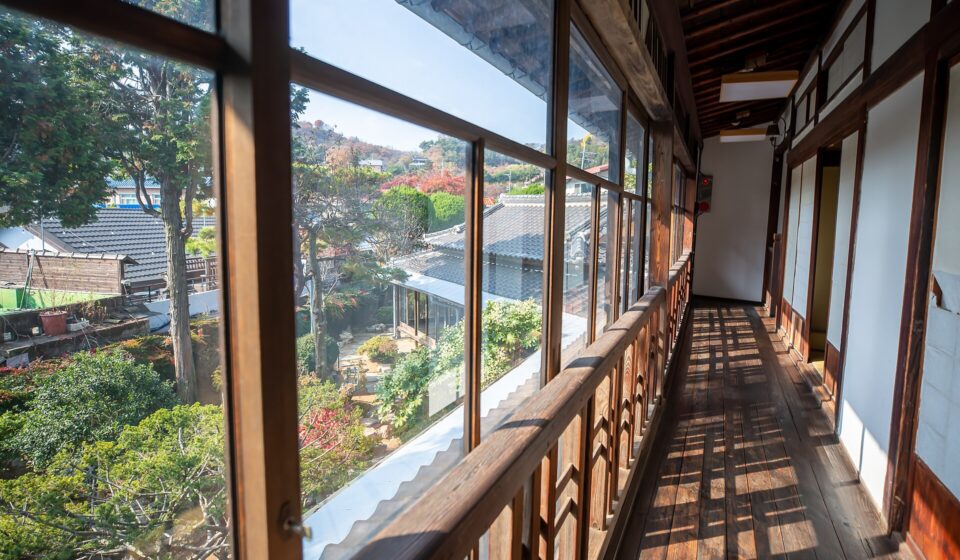
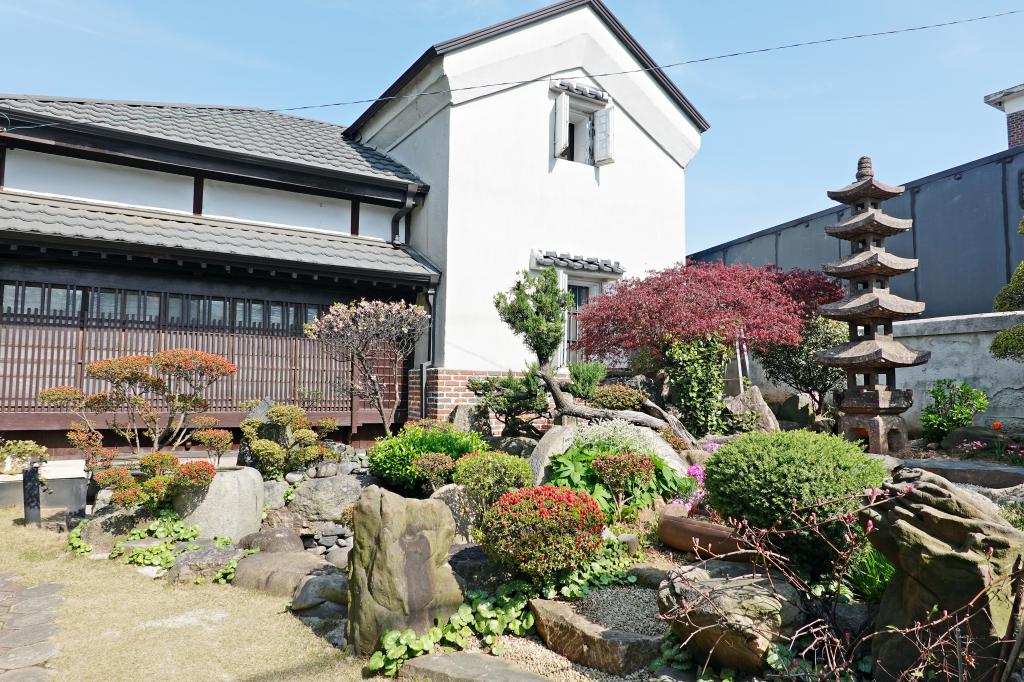
The Japanese-style house in Sinheung-dong is a significant historical stop at the eastern end of Gunsan Modern History Street. The house is known to have been built in 1935 by Hirotsu Keisaburo, a Japanese landowner, and is a National Registered Cultural Heritage that prompts reflection on the lives of Japanese landlords and the structure of rural exploitation during the Japanese colonial period. Rather than focusing first on its status as a film and drama location, it is worth remembering who built it and the year 1935.
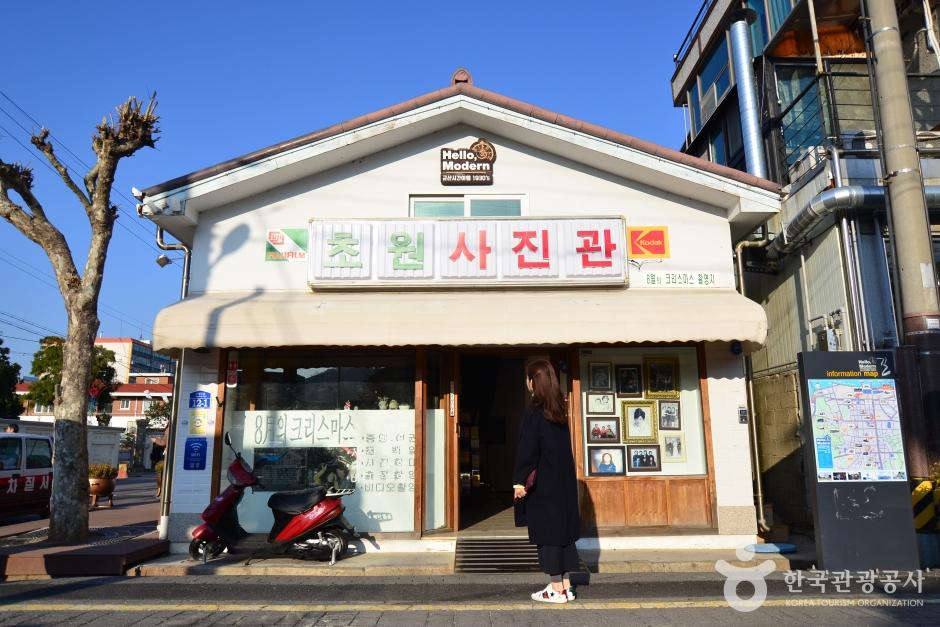
Gunsan City operates the free cultural tourism guide accompaniment tour B-course, “Time Road,” in the following order: museum → Honam Customs Museum → Chowon Photo Studio → Japanese-style house in Sinheung-dong → Malshepherd's purse Village → Dongguksa. The tour takes no more than 2 hours and 30 minutes and departs at 10:00 a.m. or 1:30 p.m.; you must arrive at the museum entrance 10 minutes before departure. It does not operate on Mondays, advance reservations are not required, and inquiries can be made at 063-454-3338.
A Practical Route Starting at the Modern History Museum Bus Stop and the Parking Lot at 32 Naehang 2-gil
By public transportation, take local bus routes 1, 2, 8, or 9 from the Gunsan Intercity Bus Terminal stop and get off at the “Modern History Museum” stop. By car, it is convenient to set the Modern History Museum parking lot at 32 Naehang 2-gil, Gunsan-si, Jeonbuk State, as your destination. The museum has eight accessible parking spaces, a gently sloped path to the main entrance, and eight wheelchairs available for loan.
The recommended time is about 2 hours for a walk focused on the inner harbor buildings without exhibitions, 2 hours and 30 minutes for the Time Road guided course, and 3 hours for the modern-history-street tour for students and groups. The Maritime Logistics History Hall and Modern Life Hall at the museum provide information on audio guides in Korean, English, Chinese, and Japanese. However, the Time Travel Village includes alleys, hills, and walking sections, so people who have difficulty walking for long periods may prefer to visit only the museum and inner harbor buildings or consider using the city tour information service as well.
- Official cultural tourism information: https://www.gunsan.go.kr/tour
- On Mondays, when the museum is closed, both exhibition viewing and accompaniment tours may be restricted.
- The combined ticket is 3,000 won per adult and is separate from restaurant and café charges.
Before You Go
- Address
- Around 240 Haemang-ro, Gunsan-si, Jeonbuk State (based on the Gunsan Modern History Museum)
- Hours
- The street is open for viewing at all times. Gunsan Modern History Museum: 09:00–18:00 from March to October (last admission 17:30), 09:00–17:00 from November to February (last admission 16:30)
- Closed
- The street is open at all times. Gunsan Modern History Museum: closed every Monday, January 1, and on days designated by the mayor
- Admission
- Walking around the street is free. Gunsan Modern History Museum combined ticket: 3,000 won per adult (includes the museum, Museum of Modern Art, Museum of Modern Architecture, and Wi Bong naval vessel)
- Phone
- Gunsan Modern History Museum information desk 063-454-5953 / Cultural tourism guide accompaniment tour 063-454-3338
- Official site
- https://www.gunsan.go.kr/tour
- Transport
- Take local bus routes 1, 2, 8, or 9 from the Gunsan Intercity Bus Terminal stop and get off at the Modern History Museum stop
- Parking
- Modern History Museum parking lot: 32 Naehang 2-gil, Gunsan-si, Jeonbuk State. Eight accessible parking spaces
- Time needed
- About 2 hours for the inner harbor buildings, no more than 2 hours and 30 minutes for the Time Road guided tour, and 3 hours for the modern-history-street group tour
- Accessibility
- A gently sloped path to the museum entrance, eight accessible parking spaces, and eight wheelchairs available for loan. Audio guides for some museum exhibits are available in Korean, English, Chinese, and Japanese
The information above is current as of the time of writing. Please check the official information again before visiting.

Places
Nearby Attractions 5
-
 1
1
-
 2
2
-
 3
3
-
 4
4
-
 5
5
Food & Dining 5
-
 6
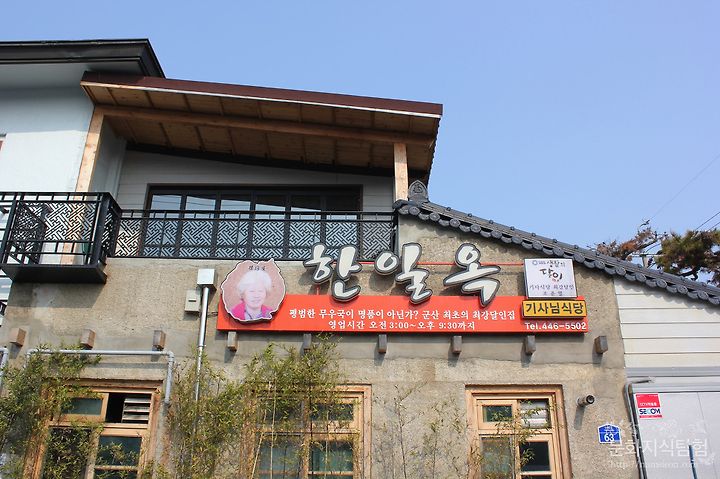
Arirang Restaurant
6
Arirang Restaurant -
 7
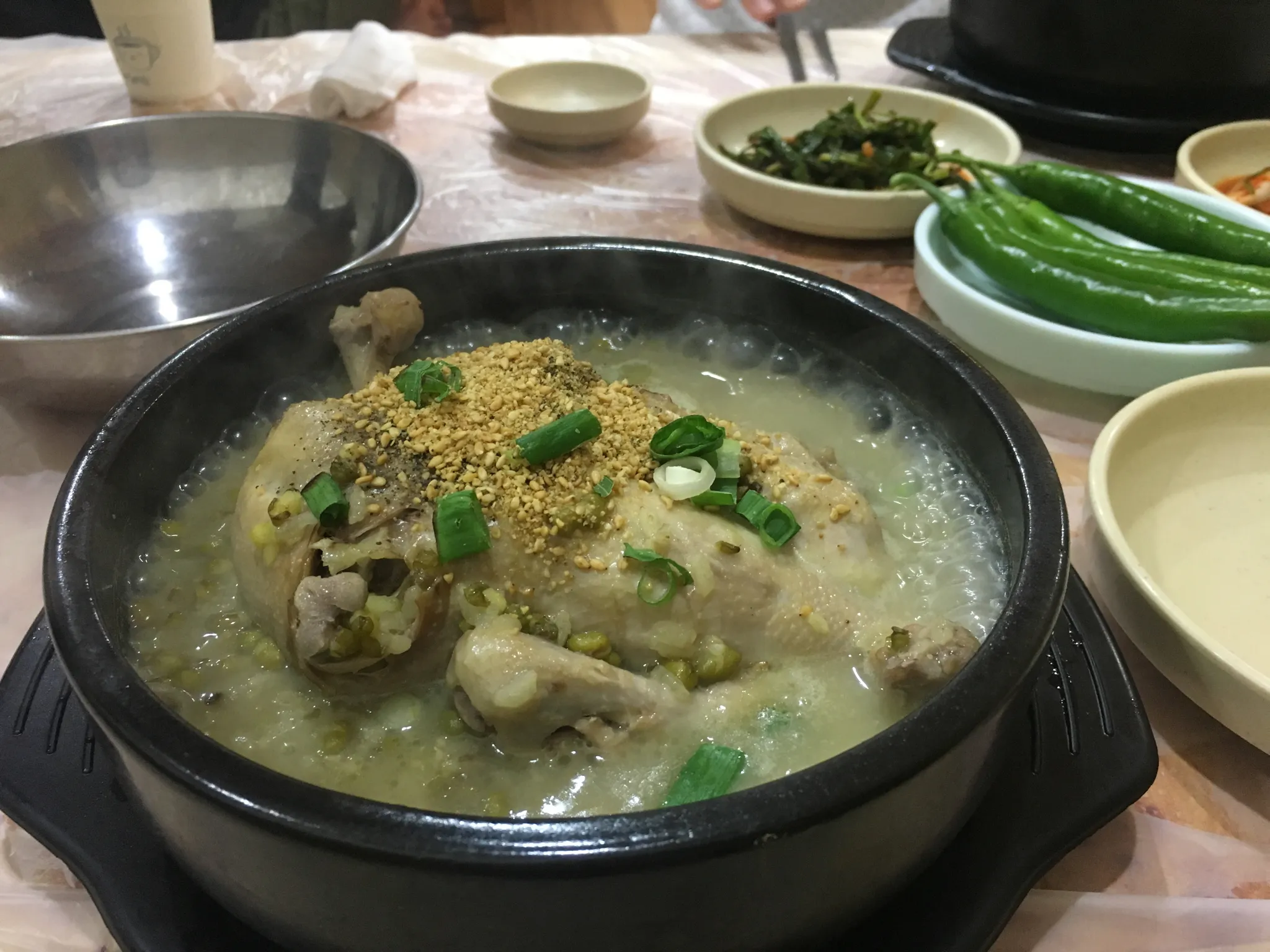
Hanilok
7
Hanilok -
 8
8
-
 9
9
-
10Jilin Province
Events in This Area

Festivals in This Area

More Travel Guides in This Area
 Travel Guide
33.9 km Straight Line over the Sea: Where to Stop along Gunsan’s Saemangeum Seawall
 Travel Guide
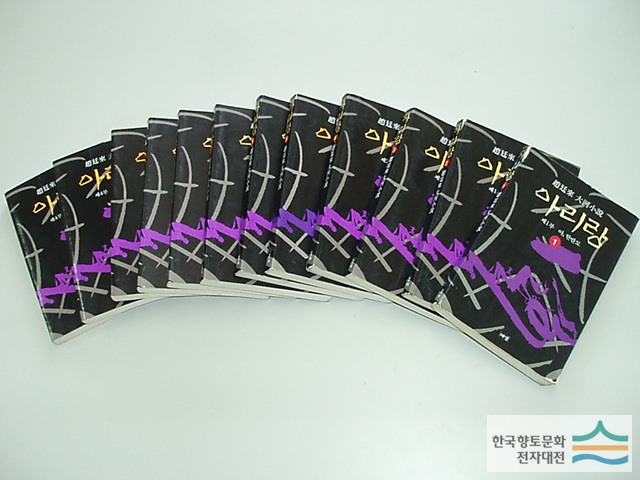
Reading the Map of Exploitation in Jo Jeong-rae’s Arirang amid the Fields of Juksan-myeon, Gimje
 Travel Guide
How to Read the Northern Toilet Site and the National Treasure Five-Story Stone Pagoda at Wanggung-ri Palace Site Together
 Travel Guide
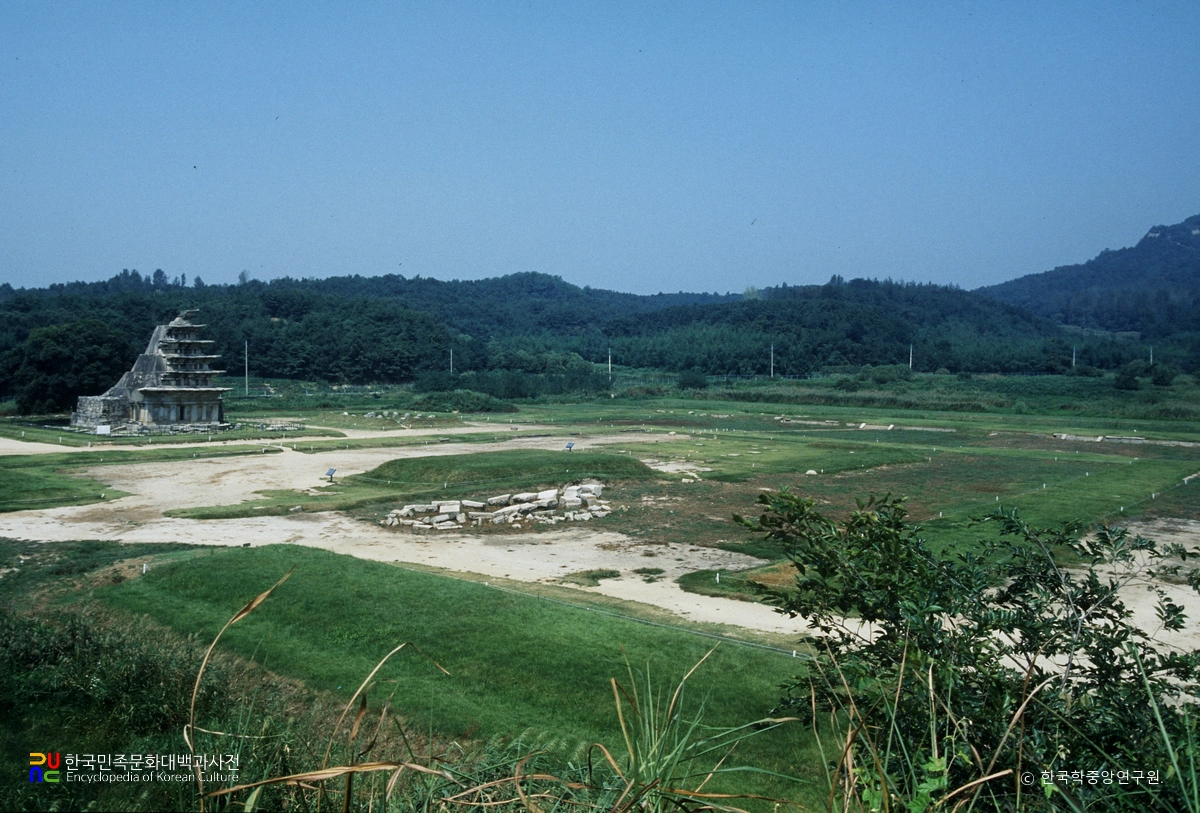
Baekje King Mu’s Mireuksa Revealed by the 639 Sarira Enshrinement Record
Korea News
 News
News
'Rami Controversy' NewJeans' Hyein Has Grown More Mature, Yet Is Still Adorable… A Cat Draped in Luxury Brands
 News
News
“If you get too close, I’ll bite”… BTS’s V issues a chilling warning to Jungkook
 News
News
“BTS No Longer Needs the Grammys”… Kim Tae-hoon Assesses the ‘Grammys Boycott’
![[Exclusive] Oh My Girl’s YooA, who switched to acting, parts ways with Saram Entertainment after just one year](https://kotourlive-images.s3.ap-northeast-1.amazonaws.com/news/1787658671060_036c47f7_news_8a403746-8bba-4e3c-8827-19d99be6d4fb.jpg) News
News