Japanese-Style Temple and Joseon Buddhist Statues at Dongguksa Temple in Gunsan
Gunsan Dongguksa Temple began as a Japanese Soto Zen missionary center in 1909 and was built at its current site in 1913. Within the same grounds, visitors can see the 1932 Daeungjeon Hall, a mid-Joseon-era clay Sakyamuni Buddha triad, the Statue of Peaceful Girl, and the Memorial Stone for the Victims of the March 1st Movement.
I’ve been here?
Your check-in helps the next traveler.
24 people viewed this week Be the first
One tap — no writing needed
From a 1909 Mission Station to Dongguksa in the 1950s
Dongguksa began in 1909, when the Japanese Soto Zen sect established a mission station in Gunsan. A Japanese-style temple was built at its current location in 1913, and during the Japanese colonial period it was known as Geumgangsa or Geumgang Seonsa. After Korea's liberation, the Korean Buddhist community took over the temple, and it was renamed Dongguksa in the 1950s.
Today, Dongguksa is a branch temple of Seonunsa Temple in Gochang, the 24th district headquarters of the Jogye Order of Korean Buddhism. Japanese Buddhist architectural traces and a Korean Buddhist devotional space overlap in one location, making it easy to understand Gunsan's modern urban development and colonial history along a short walking route.
Japanese-Style Features to See in the 1932 Daeungjeon Hall
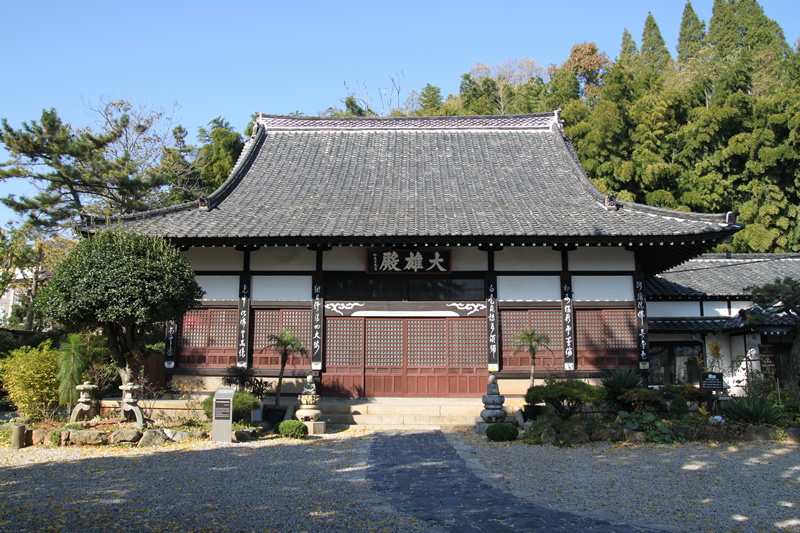
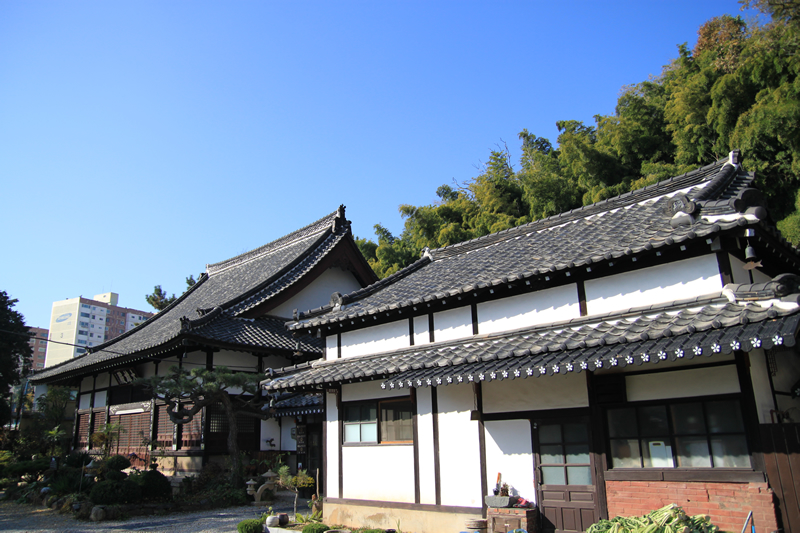
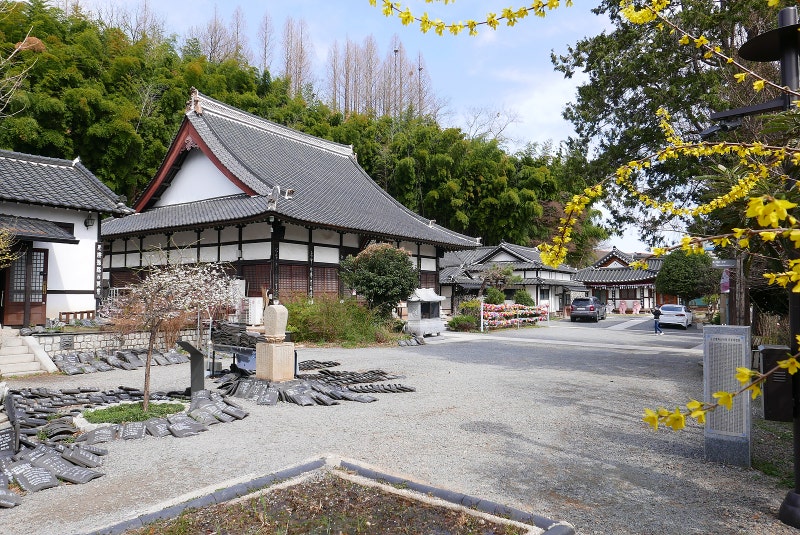
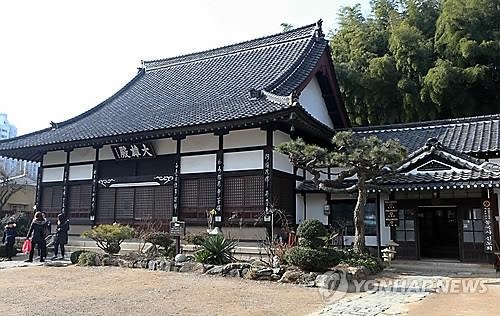
The current Daeungjeon Hall is a wooden structure built in 1932 and is a National Registered Cultural Heritage site. It was designated as Registered Cultural Heritage on July 15, 2003, and its National Registered Cultural Heritage registration number is No. 64. The address is 16 Dongguksa-gil, Gunsan-si, Jeonbuk State (Geumgwang-dong).
The building features a steeply pitched gable roof, wooden sliding windows, and the curved eaves commonly seen in Japanese temples. Some of the altar and dancheong decoration inside have been restored in modern times, but the basic structure and spatial layout retain their original form. The monks' quarters connected by a corridor also preserve the style of Japanese wooden architecture.
Where Is the 1650 Clay Sakyamuni Buddha Triad?
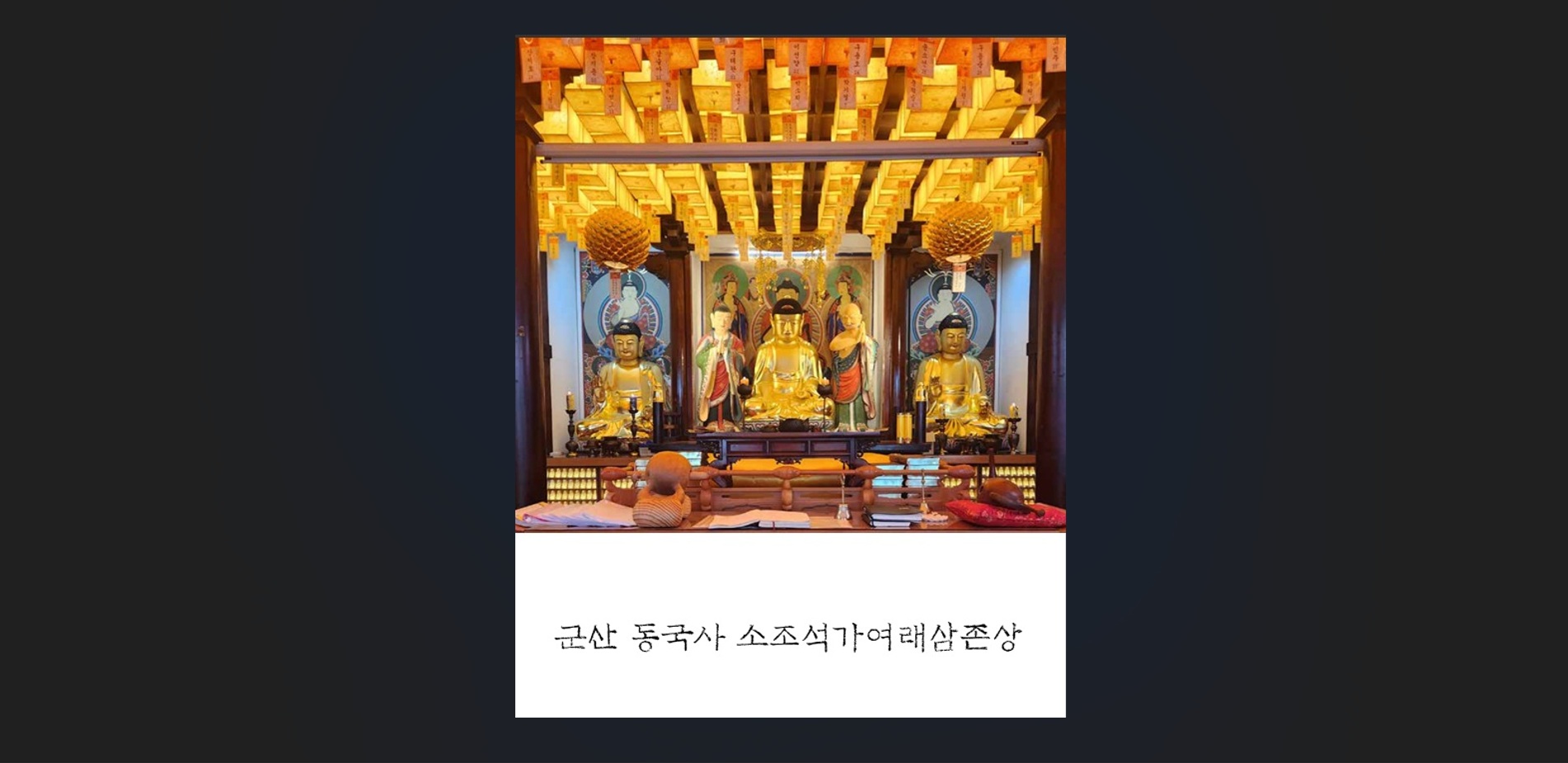
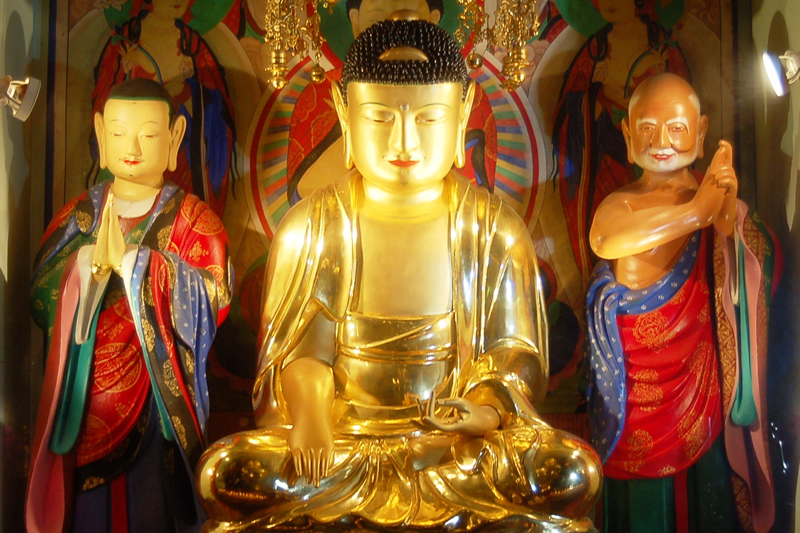
Dongguksa houses a clay Sakyamuni Buddha triad made around 1650, during the middle Joseon period. The triad consists of Sakyamuni Buddha in the center, with Kasyapa and Ananda on either side. Standing over 150 cm tall, it is the only surviving large clay triad of its kind in Korea.
Consecration relics, including a huryeongtong container and documentary materials, were discovered inside the statues. Sculptor-monks Hoyeon Taeho, Byeogam Gakseong, and Eungmae participated in their creation, and the triad was designated a National Treasure on September 5, 2011. The Daeungjeon Hall and the triad are key highlights that present architectural and Buddhist heritage from different periods in one visit.
The Repentance Monument and the 2015 Statue of Peace
In Dongguksa's courtyard stands a stone monument engraved in 2012 with a statement of repentance that the Japanese Soto Zen sect issued in 1992 to acknowledge and apologize for its past. Reading this monument alongside the temple's Japanese-style architecture helps explain why Dongguksa has become a place that preserves traces of the colonial period while addressing present-day remembrance and reconciliation.
In front of the monument is a Statue of Peace, erected through donations in 2015 to mark the 70th anniversary of Korea's liberation. Beside the statue is a bell pavilion in a traditional Japanese style, and its temple bell is said to have been cast in Kyoto, Japan, in 1919. The grounds also contain stone statues of the Thirty-Three Avalokitesvaras and twelve zodiac principal deities.
From Sunrise to Sunset: A Route with No Ticket Booth
As of 2022, Dongguksa's visiting hours are listed as unrestricted, from sunrise to sunset, and it is listed as open every day year-round. Admission is free, so there is no need to purchase a ticket at a separate ticket booth. For inquiries, call 063-446-5114 (Gunsan Modern History Comprehensive Information Center). The official information website is https://tour.gunsan.go.kr/tour.
Dongguksa is located in an alley in Geumgwang-dong, Gunsan-si. A one-night, two-day itinerary combining the Gunsan Modern History Museum, Tteundari Pier, and Chowon Photo Studio is recommended; Dongguksa is listed as 700 m from Chowon Photo Studio, about two minutes by car. Travel reviews also record walking 10–20 minutes between nearby attractions, making this area suitable for travelers who want to connect Gunsan's modern cultural district on foot.
Practical Conditions for Regular Parking and Wheelchair Access
Regular parking facilities are listed as unavailable, so visitors traveling by passenger car should not plan on parking directly in front of Dongguksa. When the temple is not busy because of an event, vehicles for visitors with disabilities may park on the grounds. When on-site parking is unavailable, parking is required on a side road near the temple.
The temple entrance road is steep, so assistance is needed for wheelchair access, and the gravel-covered grounds make independent wheelchair movement difficult. However, the restroom building has an accessible restroom, and a wooden ramp has been installed on the stone platform, allowing wheelchair entry into the building.
A Three-Minute Mountain Path Behind the Restrooms and Visiting Time
According to visitor reviews, it takes about 30 minutes to tour the grounds. A short visit is possible by viewing the Daeungjeon Hall and triad, repentance monument, Statue of Peace, and bell pavilion in sequence. However, the visit takes longer if you compare the building's Japanese-style windows and eaves or walk to the surrounding modern cultural heritage sites.
A dense bamboo grove lies behind the Daeungjeon Hall. The mountain path starts in front of the restrooms and takes about three minutes to climb. Because of the incline, it is not suitable for wheelchair users. A one-night, two-day Gunsan travel vlog including Dongguksa was posted on January 24, 2023, and can be used as a reference for an actual travel route.
Before You Go
- Address
- 16 Dongguksa-gil, Gunsan-si, Jeonbuk State (Geumgwang-dong)
- Hours
- No restrictions (sunrise to sunset)
- Closed
- None (open year-round)
- Admission
- Free
- Phone
- 063-446-5114 (Gunsan Modern History Comprehensive Information Center)
- Official site
- https://tour.gunsan.go.kr/tour
- Transport
- Dongguksa is listed as 700 m from Chowon Photo Studio, about two minutes by car.
- Parking
- Regular parking facilities are listed as unavailable; vehicles for visitors with disabilities may park on the grounds when there is no event-related congestion.
- Time needed
- About 30 minutes to tour the grounds, according to reviews
- Accessibility
- The entrance road is steep and gravel on the grounds limits wheelchair movement, but on-site entry for vehicles serving visitors with disabilities and use of an accessible restroom are available as Information.
The information above is current as of the time of writing. Check the official information again before visiting.

Places
Nearby Attractions 2
-
 1
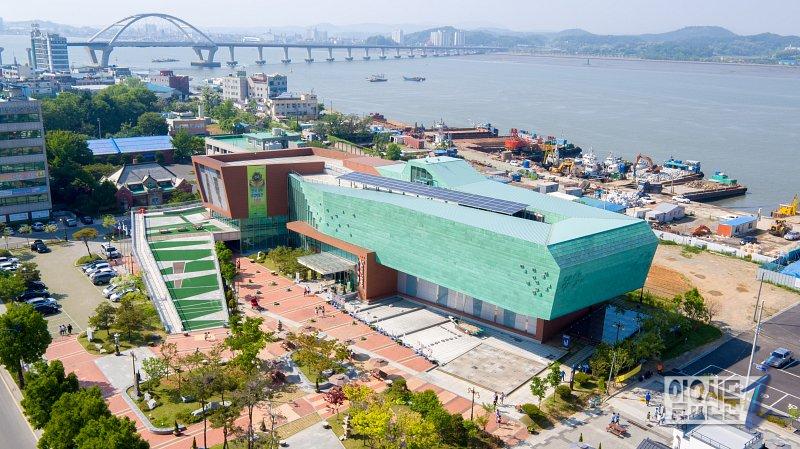
Gunsan Modern History MuseumA museum showcasing Gunsan’s modern culture and maritime history.
1
Gunsan Modern History MuseumA museum showcasing Gunsan’s modern culture and maritime history. -
 2
Chowon Photography StudioA place to explore the filming locations of the movie “Christmas in August” and take photos.
2
Chowon Photography StudioA place to explore the filming locations of the movie “Christmas in August” and take photos.
Food & Dining 3
-
 3
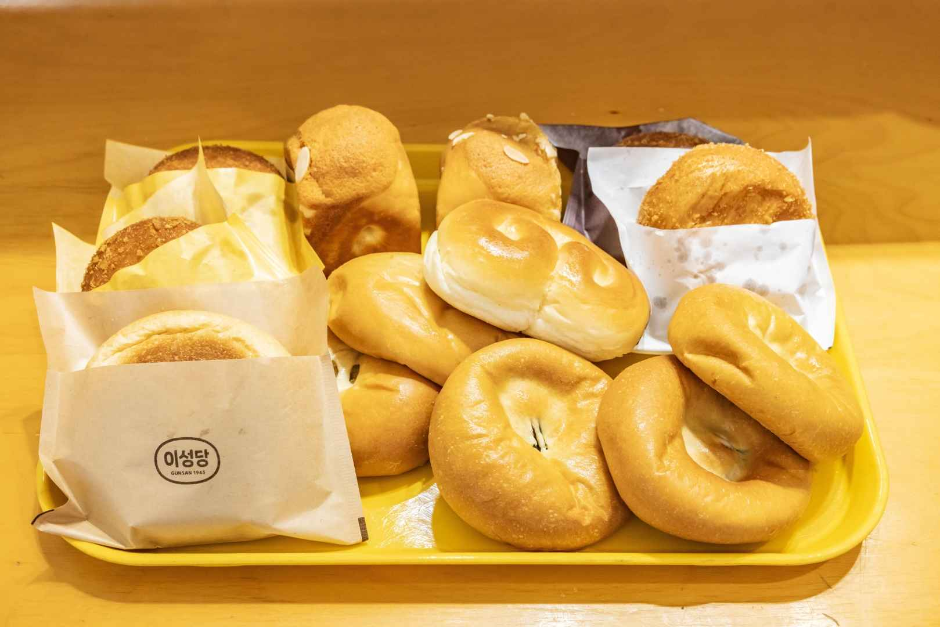
IseongdangA bakery in Gunsan where you can taste and purchase red bean buns, vegetable buns, and other baked goods.
3
IseongdangA bakery in Gunsan where you can taste and purchase red bean buns, vegetable buns, and other baked goods. -
 4
4
-
 5
5
Events in This Area
Festivals in This Area

More Travel Guides in This Area
 Travel Guide
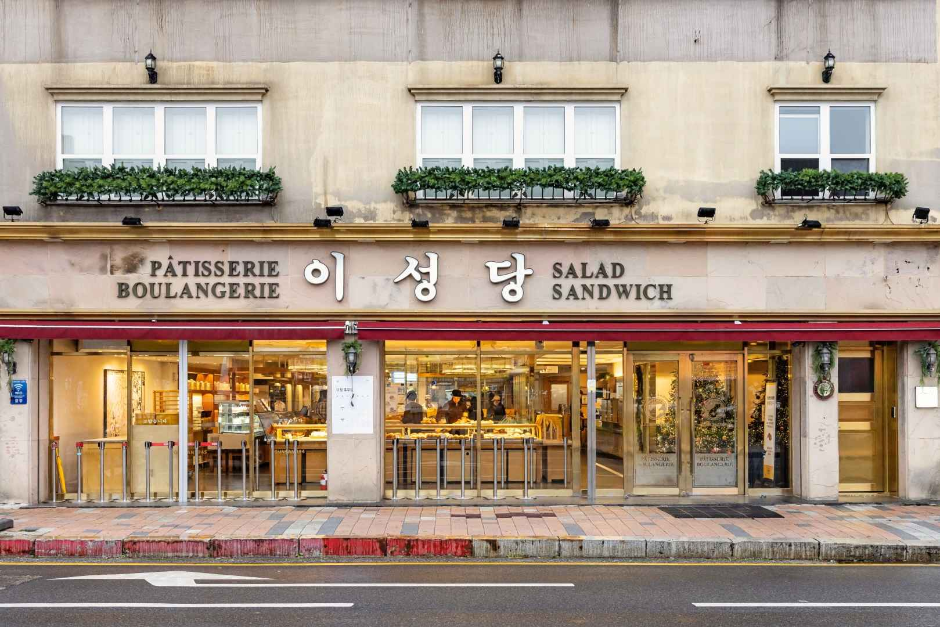
Iseongdang Main Store on Jungang-ro in Gunsan, with Lines for Red Bean Buns Since 1945
 Travel Guide
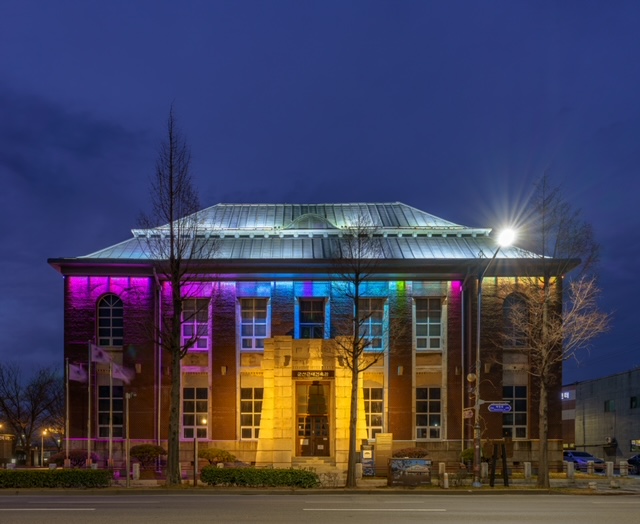
Gunsan’s Port Financial History Through the Former Gunsan Branch of the Bank of Joseon, Built in 1923
 Travel Guide
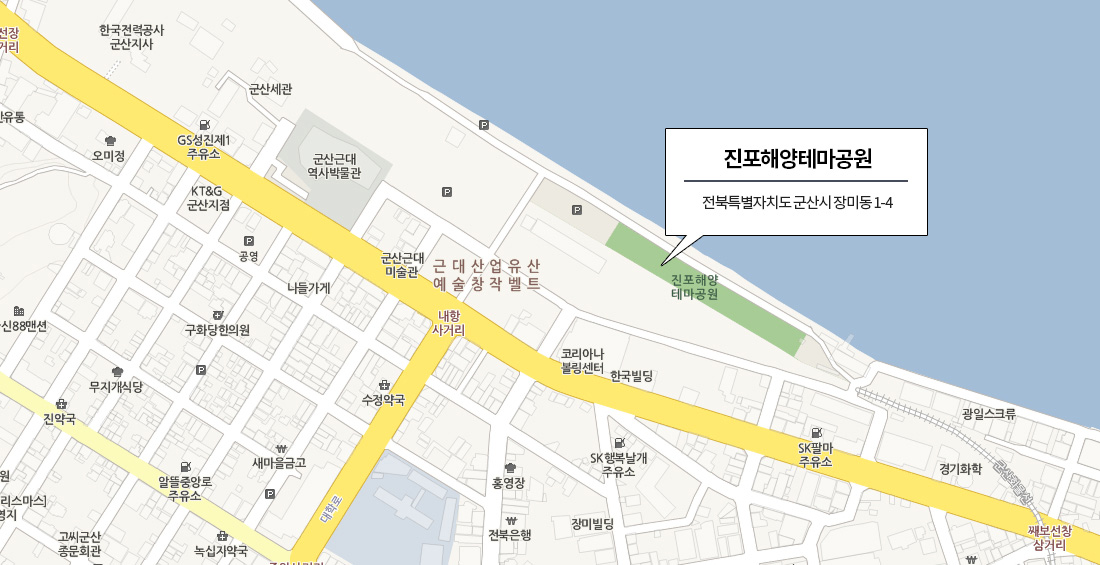
Jinpo Maritime Theme Park at Gunsan Inner Harbor, from the First Floor of the Wibongham to a 3D Video of the Battle of Jinpo
 Travel Guide
A 2.5-Hour Walking Route Tracing Colonial Exploitation, Starting at Gunsan Inner Harbor
Korea News
 News
News
‘NewJeans Expulsion’ Danielle Releases Her First YouTube Video… “We Don’t Know What Will Happen Next”
![aespa’s North American Tour Has Remaining Seats Despite ‘$49’ Bargain Prices… A Stark Popularity Gap with KATSEYE [TEN Starfield]](https://kotourlive-images.s3.ap-northeast-1.amazonaws.com/news/1788485037424_a59b1932_naver_rank_thumb_0000774618_1788485037424.jpg) News
News
aespa’s North American Tour Has Remaining Seats Despite ‘$49’ Bargain Prices… A Stark Popularity Gap with KATSEYE [TEN Starfield]
![[Photo] TWICE’s Dahyun attends a film festival red carpet as an actress](https://kotourlive-images.s3.ap-northeast-1.amazonaws.com/news/1788485316508_edd43ecd_news_870a60a6-6f11-4d73-aa7c-48d91318a0f7.jpg) News
News
[Photo] TWICE’s Dahyun attends a film festival red carpet as an actress
![[On-Site Video] “We’re Departing Separately Together”… BIGBANG Begins ‘COSMOS’ World Tour](https://kotourlive-images.s3.ap-northeast-1.amazonaws.com/news/1788485226518_c5719641_news_fdd4764a-0f4e-4968-8e4e-e98a02872f88.jpg) News
News