Walking Among 23 Silla Tombs in Gyeongju Daereungwon to Cheonmachong
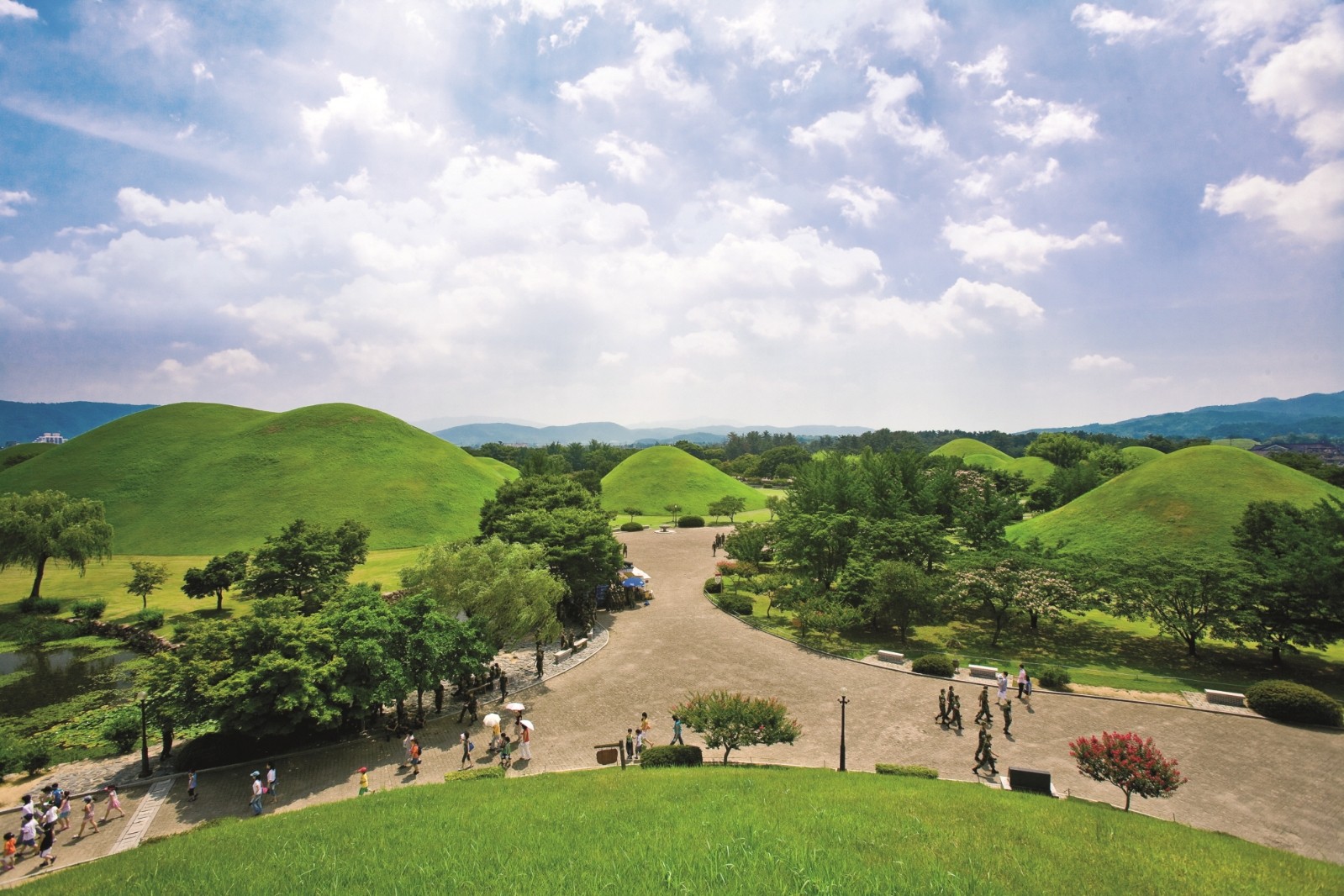
Gyeongju Daereungwon is Historic Site No. 512, where 23 tombs from the Silla period are gathered across a 126,500-square-meter site. The outdoor tomb complex is free to visit from 09:00 to 22:00, but Cheonmachong, which is open to the public, requires a separate admission fee.

I’ve been here?
Your check-in helps the next traveler.
16 people viewed this week Be the first
One tap — no writing needed
23 Silla tombs gathered across 126,500㎡
Gyeongju Daereungwon is Historic Site No. 512, a tumulus park where 23 ancient tombs from the Silla period are gathered across a 126,500㎡ site. The Daereungwon area is a historic-heritage district in central Gyeongju that includes the Hwangnam-dong Ancient Tombs, as well as the Nodong-ri, Noseo-ri, Hwangnam-ri, Hwango-ri, and Inwang-ri Ancient Tombs.
Inside the park are tombs including Cheonmachong, Hwangnamdaechong, Geomchong, and the tomb traditionally identified as King Michu's Tomb. Although this is a place where visitors can see the enormous burial mounds up close, not all tombs can be entered; the only tomb open to the public is Cheonmachong.
The 1973 excavation turned Cheonmachong into today's exhibition space
Cheonmachong is Tumulus No. 155 and the only tomb in Daereungwon whose interior can be viewed. During excavation research in 1973, a painting of a heavenly horse was unearthed on a horse-cloth, along with a gold crown, a gold belt, and a gold crown cap, revealing aspects of royal Silla funeral culture.
The Heavenly Horse Painting is a Silla-period artwork painted on a horse flap, a board hung beside the saddle to prevent mud from splashing when riding. Cheonmachong was restored in the form of a representative Silla stone-piled wooden-chamber tomb, allowing visitors to combine a Daereungwon walk viewing the outside of the burial mounds with an examination of a tomb's interior structure.
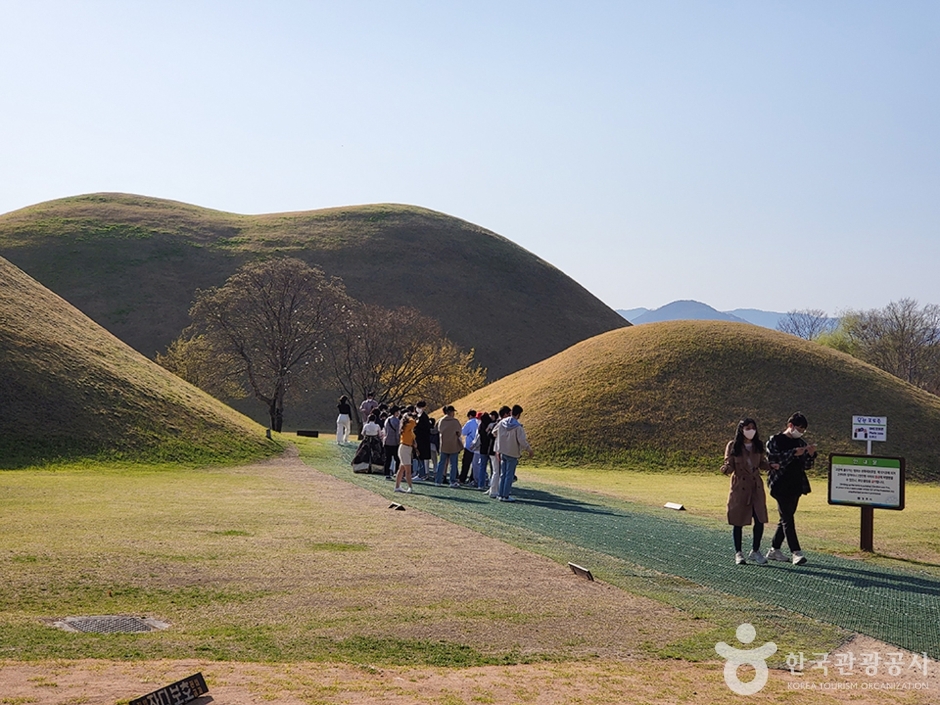
The two mounds of Hwangnamdaechong form a paired tomb believed to belong to a couple
Hwangnamdaechong, whose scale stands out at Daereungwon, was excavated from 1973 to 1975. The Korea Tourism Organization describes it as the tomb of a presumed married couple and explains that its two connected burial mounds form a paired tomb.
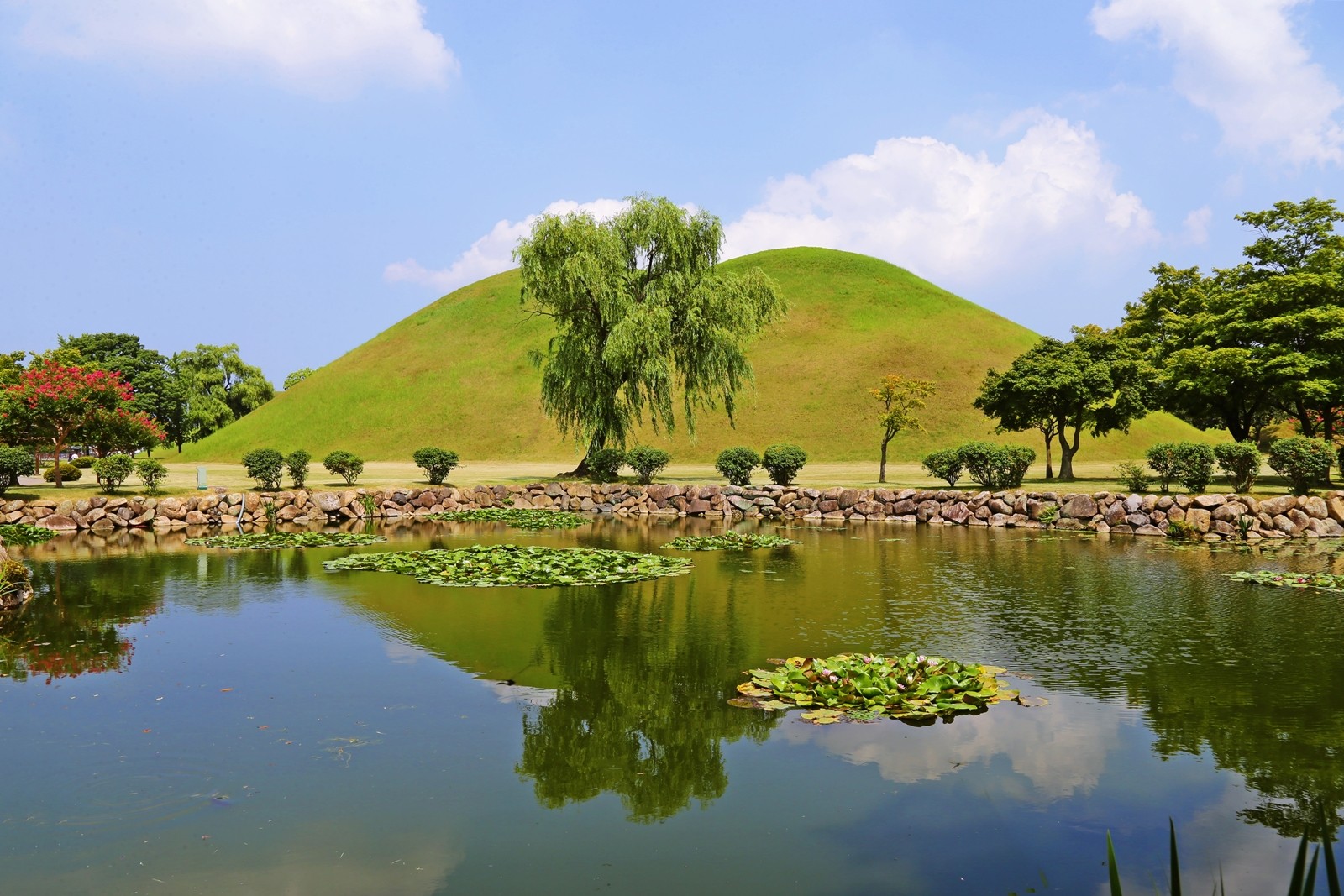
Therefore, Daereungwon is not simply a park for viewing grassy hills; it is a place to compare the scale at which tombs of Silla's ruling class were built in central Gyeongju. The walking trail around Hwangnamdaechong and the pond is worth seeing before or after visiting the interior of Cheonmachong, but it is not intended for visitors to climb onto the burial mounds.
Free admission from 09:00 to 22:00; only Cheonmachong has a separate fee
The outdoor area of Daereungwon operates from 09:00 to 22:00 according to the 2026 visitor information and is open year-round. Admission to Daereungwon is free, and ticket sales close at 21:30 according to the guidance. Although Daereungwon admission fees were abolished on May 4, 2023, Cheonmachong remains a separately ticketed attraction.
Individual admission to Cheonmachong is 3,000 won for adults, 2,000 won for youths, and 1,000 won for children. Group admission is 2,400 won for adults, 1,600 won for youths, and 800 won for children. If you plan to see only the outdoor tombs, you can enter free of charge, but you must pay the Cheonmachong admission fee separately to view the interior structure and excavated artifacts.
- Main telephone: 054-750-8650
- Official information: https://www.gyeongju.go.kr/tour/page.do?area_uid=203&cmd=2&funnel_id=WP_584976&funnel_source=content_article&mnu_uid=2292
From a city bus in Gyeongju to Wolsung-dong Community Center
When traveling from central Gyeongju to Daereungwon, visitors can take buses 10, 11, or 600, get off at the Wolsung-dong Community Center stop, and walk for no more than 10 minutes. Foreign travelers can enter both the bus route number and stop name into a map app to make it easier to confirm the destination.
Daereungwon's lot-based address is 31-1, Hwangnam-dong, Gyeongju-si, Gyeongsangbuk-do, and its road-name address is 9, Gyerim-ro, Gyeongju-si, Gyeongsangbuk-do. The entrances are Information as three locations—the main gate, rear gate, and east gate—so you can choose the closest one depending on your accommodation or the activities before and after your visit. No specific subway station or exit number is provided in the official information for Gyeongju Daereungwon.
Parking at the main gate is paid; Jjoksaem temporary parking is free
If you arrive by car, you can use the Daereungwon public parking lot in front of the main gate or the Nodong Public Parking Lot near the rear gate; both are listed as paid facilities. The Korea Tourism Organization lists the parking fee for small vehicles as 2,000 won, while Gyeongju City information also lists 4,000 won for large vehicles.
If you need free parking, the Jjoksaem temporary parking lot, accessed via Wonhwa-ro 181beon-gil, is listed as an option. Since the available parking spaces at Daereungwon itself and detailed time-based fee standards are not provided in the information materials, it is safer not to plan an itinerary relying only on the main-gate parking lot during weekends or the magnolia blooming season.
- In front of the main gate: Daereungwon Public Parking Lot, paid
- Near the rear gate: Nodong Public Parking Lot, paid
- Access via Wonhwa-ro 181beon-gil: Jjoksaem Temporary Parking Lot, free
After March 20, expect to wait in line at the magnolia photo spot
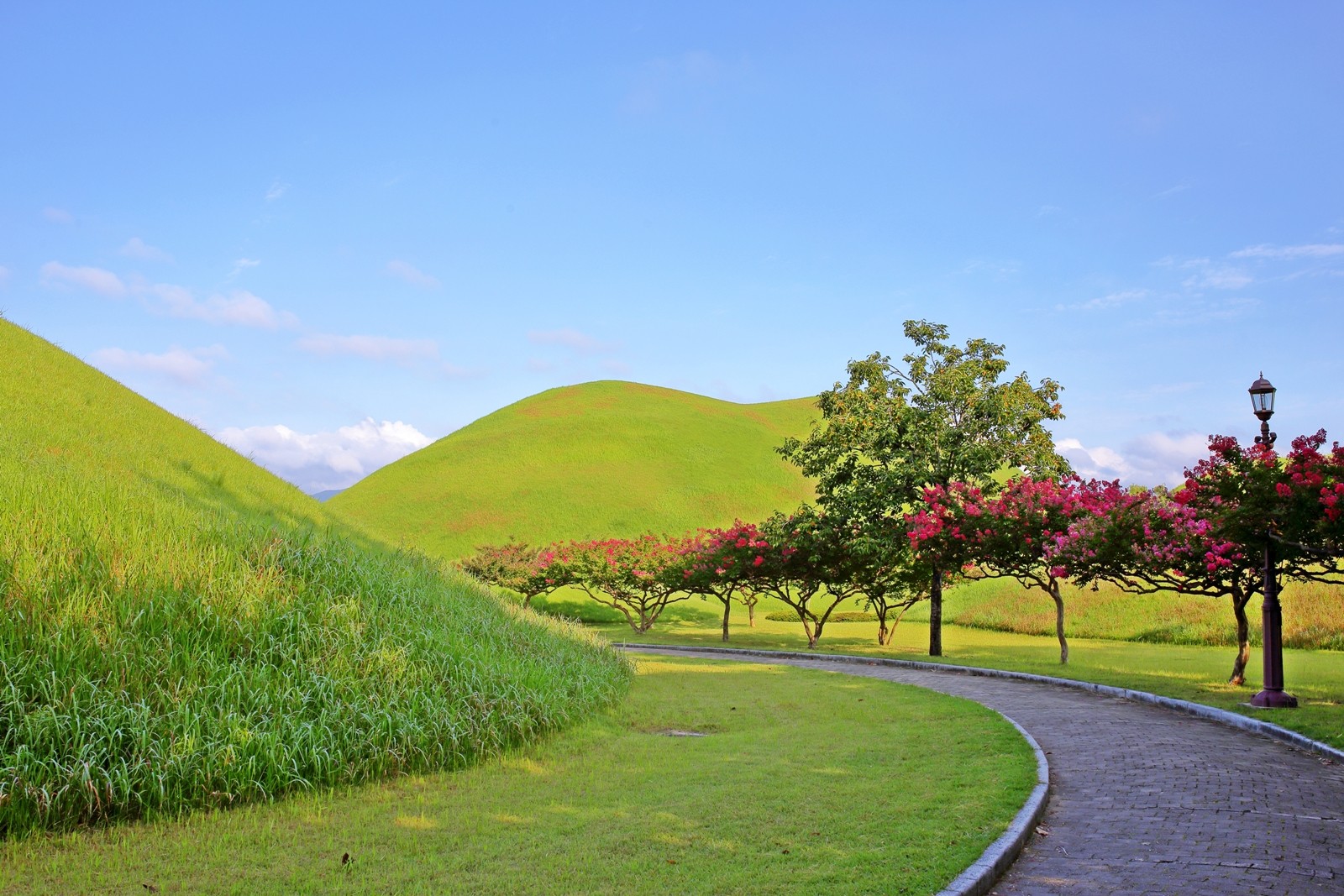
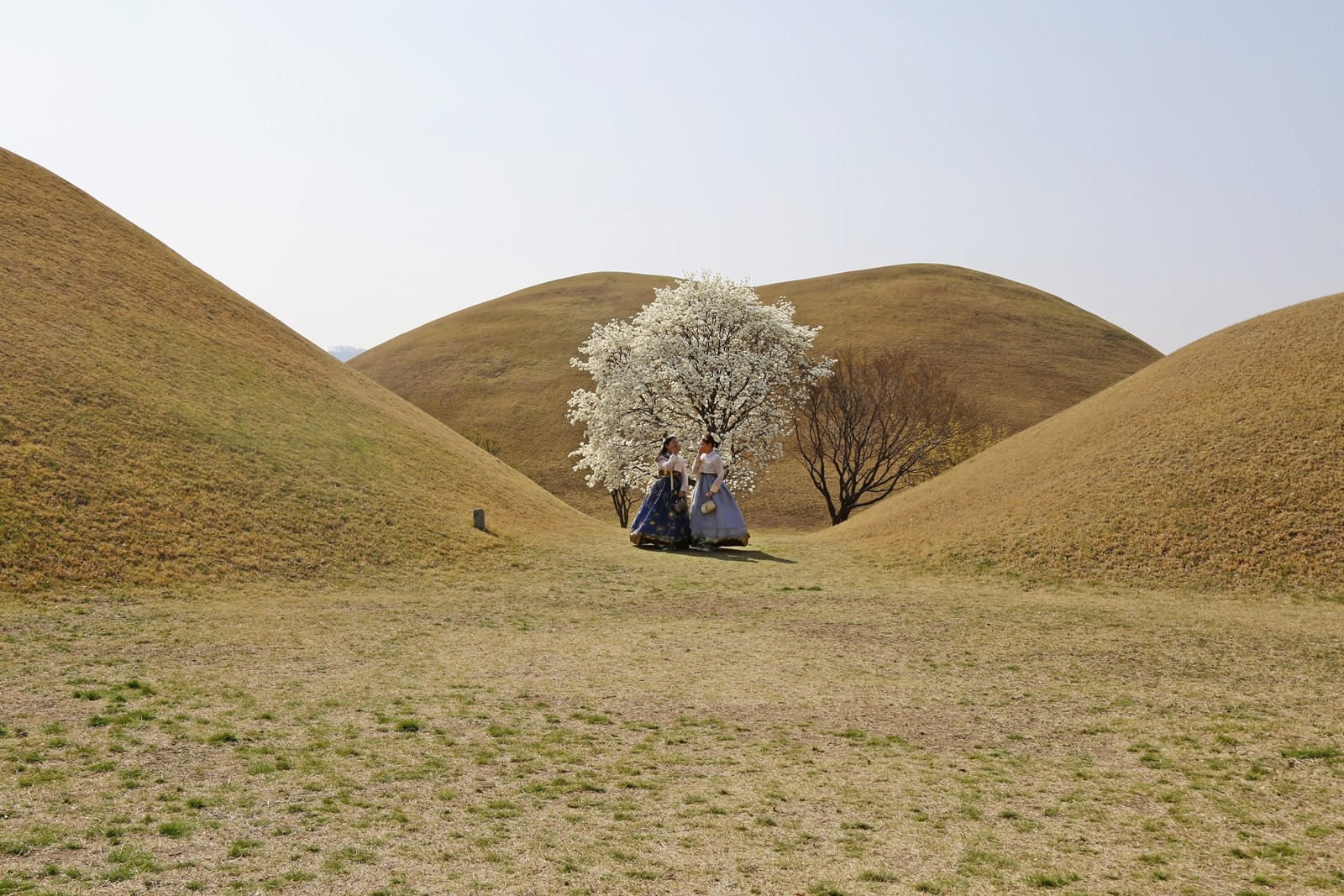
Daereungwon has a photo spot with magnolia trees standing between two gently curved burial mounds. Gyeongju City information gives the magnolia blooming period as late March, after the 20th, so visitors planning spring photographs can use this period as a reference.
Official tourism information introduces the photo spot as a place where photography queues may become long. If photographing the magnolias is your main goal, expect crowds; adding the walking trail between the cherry-blossom-covered Tomb of King Michu and the burial mounds allows you to change your route if the wait at one spot becomes too long.
Food, pets, and electric vehicles are restricted inside the park
To protect the cultural heritage, bringing food and beverages into Daereungwon is restricted. Pets and electric vehicles are also restricted, so travelers planning to bring snacks or pets should divide their itinerary and spend those activities outside the park.
The interior of the ancient tomb park is flat and its walking paths are well maintained, so wheelchair and stroller access is described as relatively easy. Wheelchairs and strollers can be rented at the main-gate ticket booth, and information is provided about an accessible restroom, a dedicated parking lot, and ramps at the main entrance and along the paths. There is no nursing room.
From a 30-minute walk to 1.5 hours including Cheonmachong
Visitor reviews repeatedly report that touring Daereungwon takes approximately 30 minutes to 2 hours, while itineraries including Cheonmachong are recorded as taking about 1.5 hours. Viewing only the tomb exteriors and walking paths can be quick, but including the interior of Cheonmachong and the photo spot increases the time spent there.
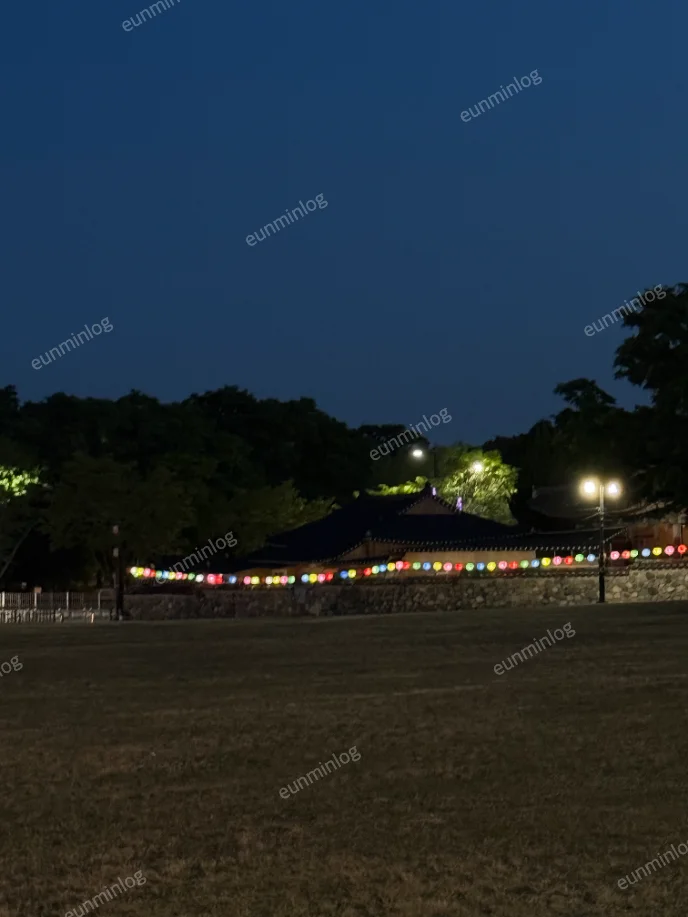
Daereungwon is easy to combine with heritage sites in central Gyeongju, including Donggung Palace and Wolji Pond, Cheomseongdae, Wolseong, the Gyeongju National Museum, Woljeonggyo Bridge, and Gyochon Village. It is also introduced as a place illuminated at night, but specific events, such as the 2023 Daereungwon Media Art event, ran for a limited period. At that time, the media art event operated from May 4 to June 4, 2023, from 19:30 to 22:00, with admission ending at 21:30.
A Daereungwon route that first-time visitors may easily overlook
First-time visitors may easily mistake the free outdoor area and paid Cheonmachong for attractions covered by the same admission fee. After entering the ancient tomb park free of charge through the main gate, visitors can decide whether to tour Cheonmachong. To save money, you can choose to walk around viewing only the exteriors, while those who want to see the inside of a Silla tomb should prepare the separate adult Cheonmachong fee of 3,000 won.
Daereungwon is in the Hwangnam-dong urban area, but the itinerary involves walking outdoors between ancient tombs. Taking advantage of the 09:00–22:00 operating hours, 21:30 ticket-sales closing time, and year-round opening, you can divide your visit by seeing the magnolias and burial mounds during the day and adding the illuminated scenery after sunset. The official information does not specify whether English information or audio guides are available, nor does it state which interior areas prohibit photography or restrict tripods.
Before You Go
- Address
- 31-1, Hwangnam-dong, Gyeongju-si, Gyeongsangbuk-do / Road-name address: 9, Gyerim-ro, Gyeongju-si, Gyeongsangbuk-do
- Hours
- 09:00–22:00, ticket sales close at 21:30
- Closed
- Open year-round
- Admission
- Daereungwon: free. Cheonmachong individual admission: adults 3,000 won, youths 2,000 won, children 1,000 won. Cheonmachong group admission: adults 2,400 won, youths 1,600 won, children 800 won.
- Phone
- 054-750-8650
- Official site
- https://www.gyeongju.go.kr/tour/page.do?area_uid=203&cmd=2&funnel_id=WP_584976&funnel_source=content_article&mnu_uid=2292
- Transport
- Take bus 10, 11, or 600; get off at the Wolsung-dong Community Center stop; walk no more than 10 minutes
- Parking
- Daereungwon Public Parking Lot and Nodong Public Parking Lot: paid. Jjoksaem Temporary Parking Lot: free. VisitKorea-listed parking fee: 2,000 won.
- Time needed
- Approximately 30 minutes to 2 hours based on reviews; approximately 1.5 hours including Cheonmachong based on reviews
- Accessibility
- The ancient tomb park is flat and its walking paths are well maintained, making wheelchair and stroller access relatively easy. Wheelchair and stroller rentals are available at the main-gate ticket booth; an accessible restroom and dedicated parking lot are available, and ramps are installed at the main entrance and along the paths. No nursing room.
The information above is accurate as of the time of writing. Check the official information again before visiting.

Places
Nearby Attractions 2
-
 1
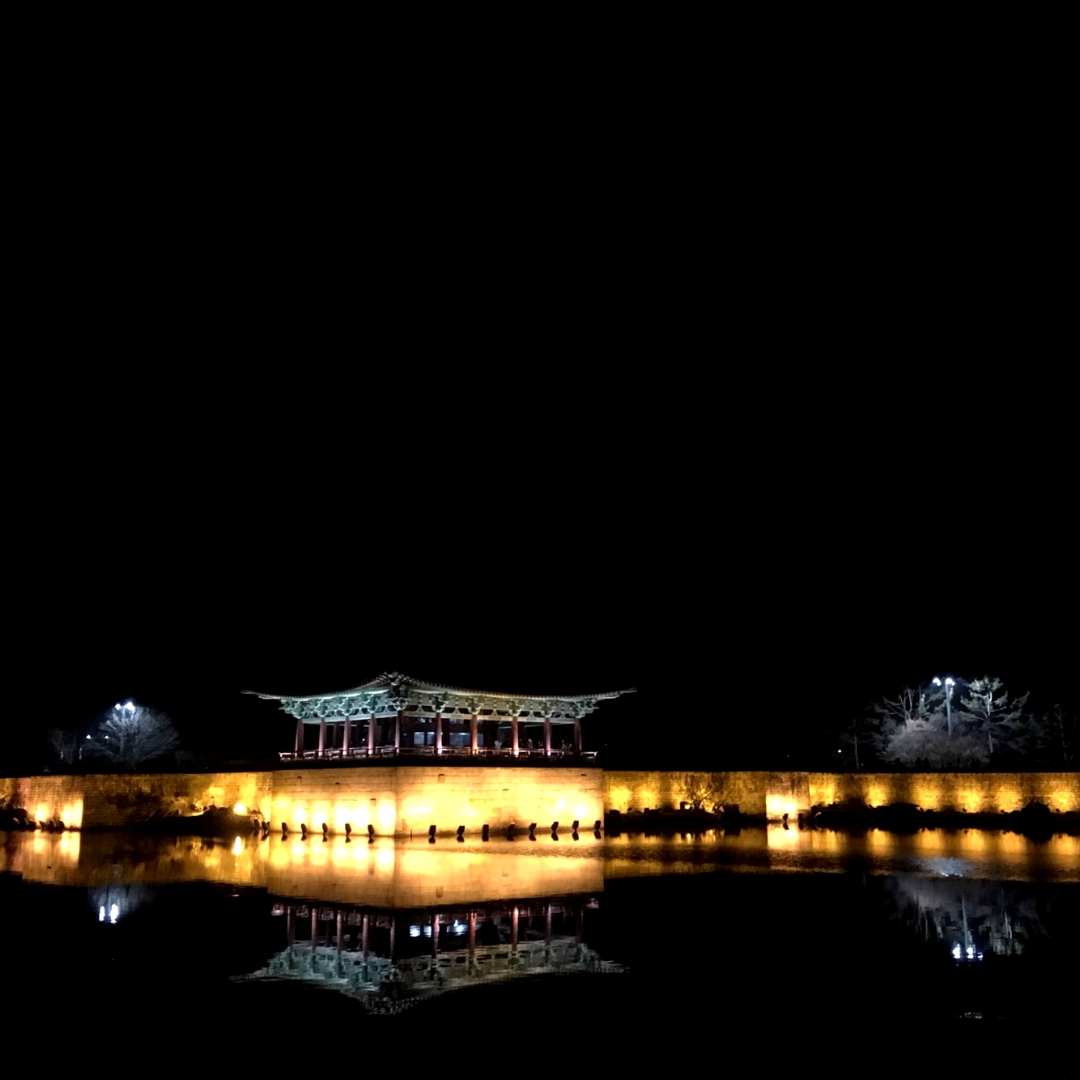
Donggung Palace and Wolji PondA place to stroll while admiring the site of a Unified Silla royal detached palace and the scenery of its pond.
1
Donggung Palace and Wolji PondA place to stroll while admiring the site of a Unified Silla royal detached palace and the scenery of its pond. -
 2
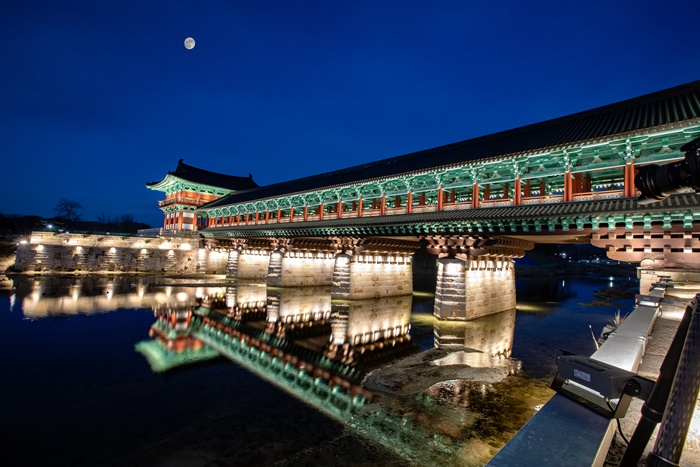
Woljeonggyo BridgeA place to cross a restored Silla-period bridge and enjoy the night view and surrounding scenery.
2
Woljeonggyo BridgeA place to cross a restored Silla-period bridge and enjoy the night view and surrounding scenery.
Food & Dining 3
-
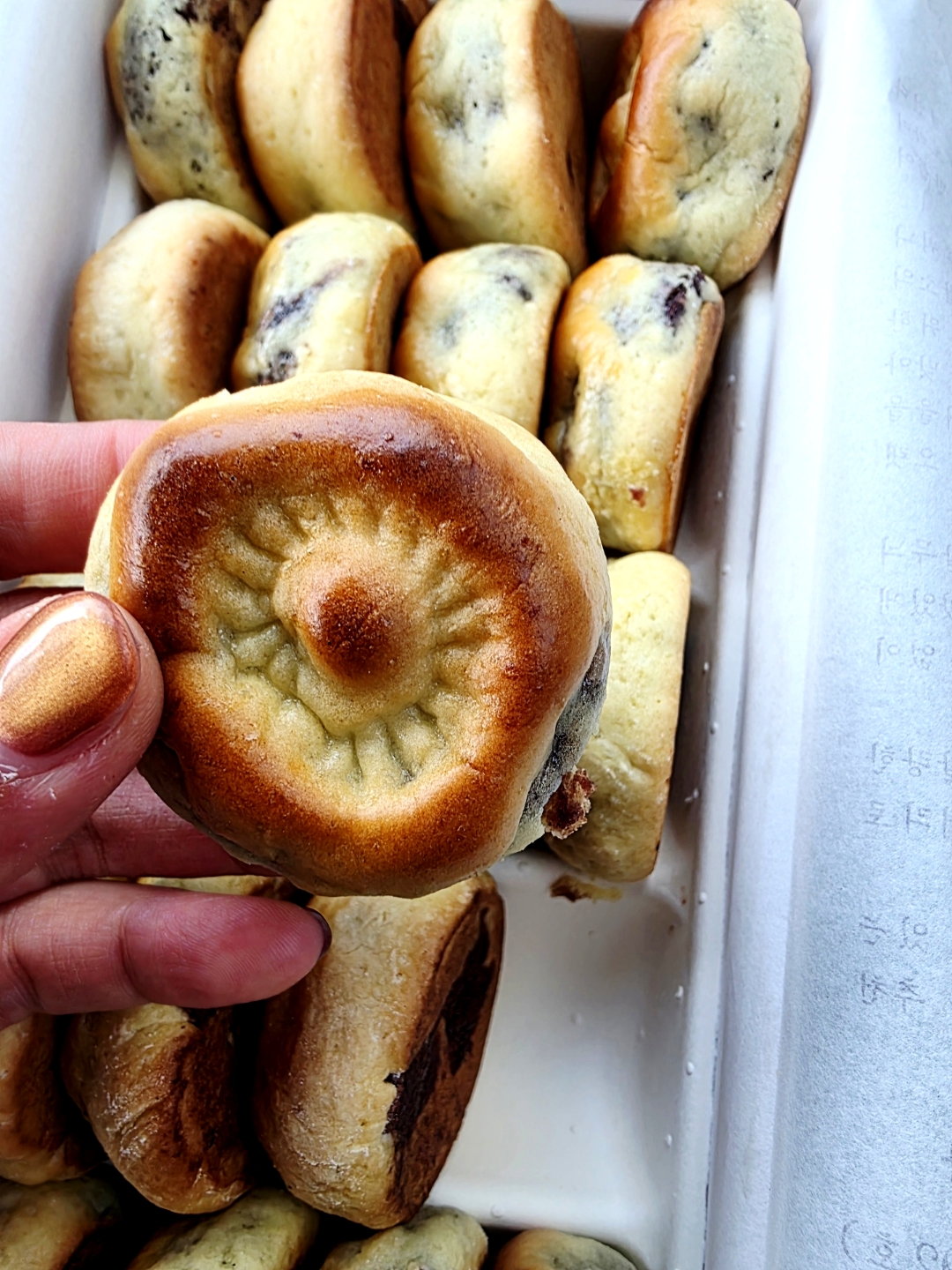 3
3
-
 4
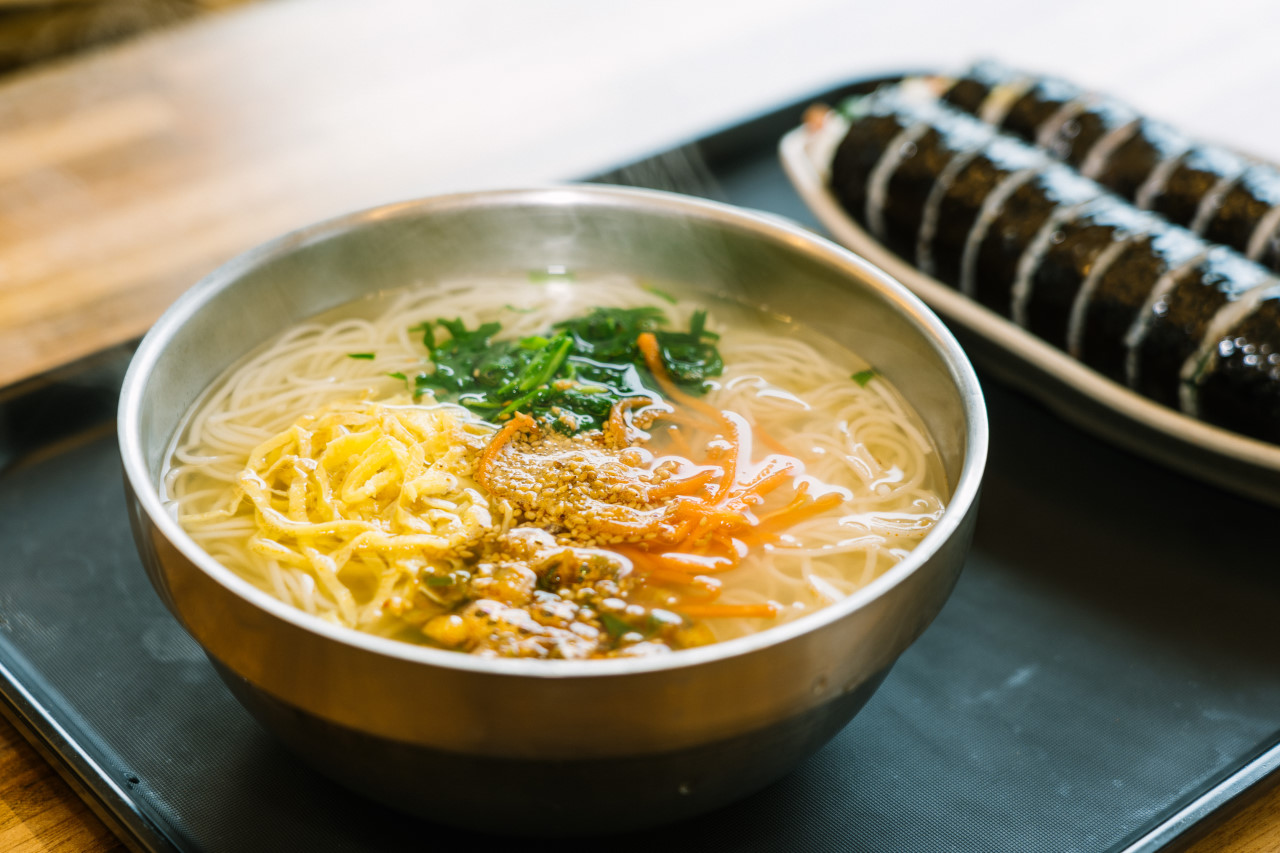
Gyori Gimbap Main BranchA place to enjoy gimbap generously filled with egg strips and banquet noodles.
4
Gyori Gimbap Main BranchA place to enjoy gimbap generously filled with egg strips and banquet noodles. -
 5
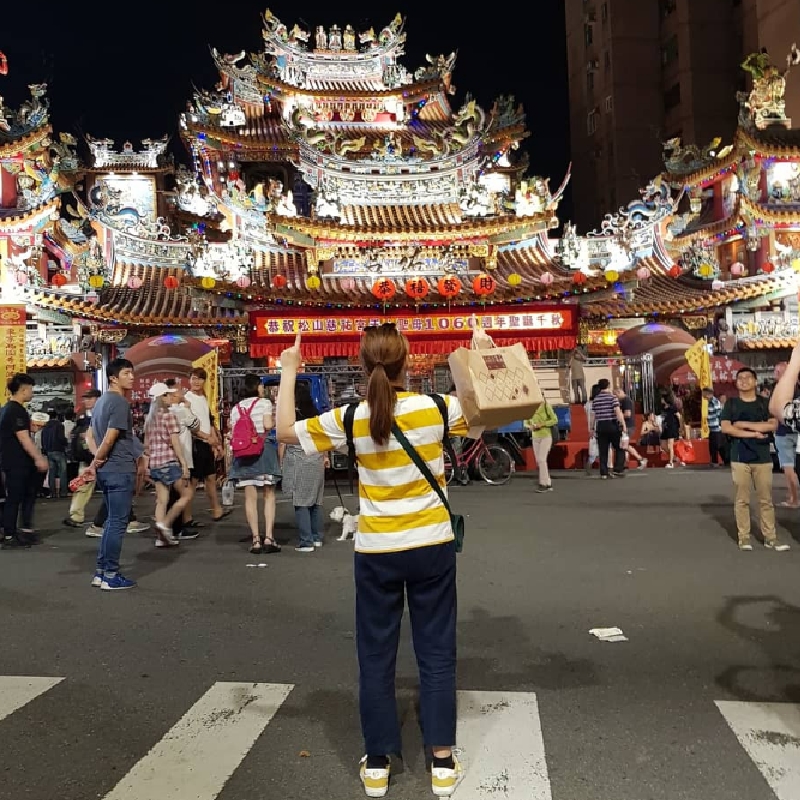
Gyeongju Wonjo KonggukA place to enjoy traditional soybean soup and soybean noodles served with doughnuts.
5
Gyeongju Wonjo KonggukA place to enjoy traditional soybean soup and soybean noodles served with doughnuts.
Events in This Area
Festivals in This Area
More Travel Guides in This Area
 Travel Guide
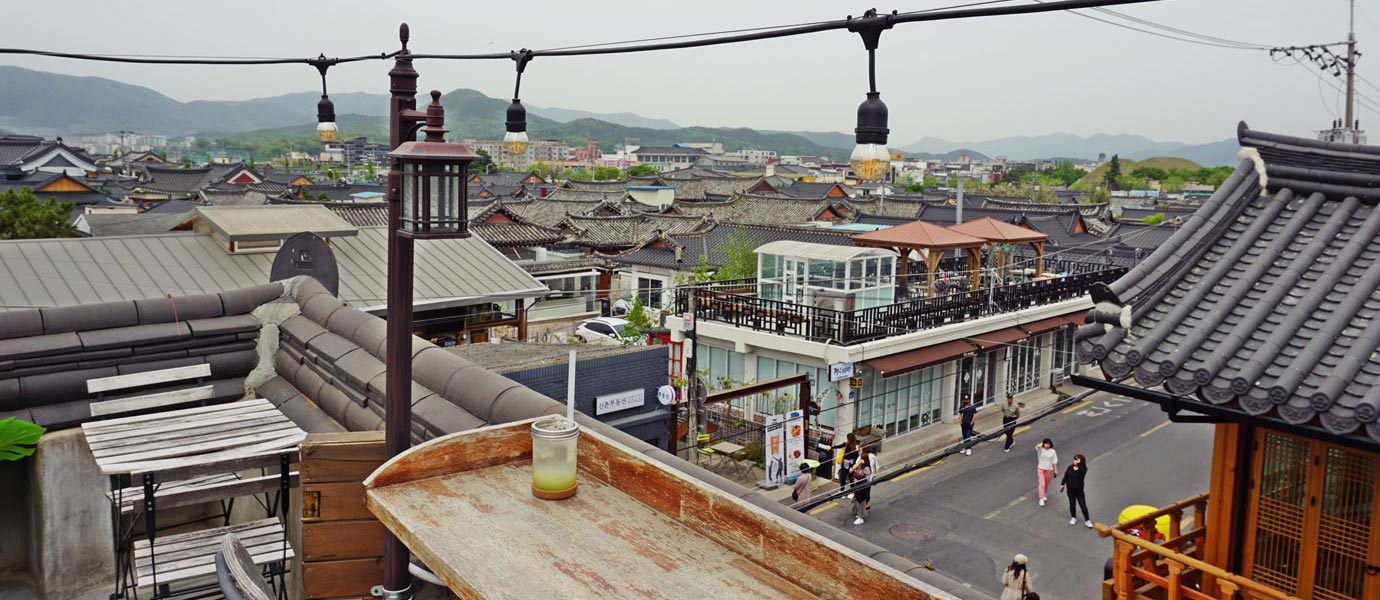
Why the Hanok Alley Beside Daereungwon’s Stone Wall Became Hwangnidan-gil
 Travel Guide
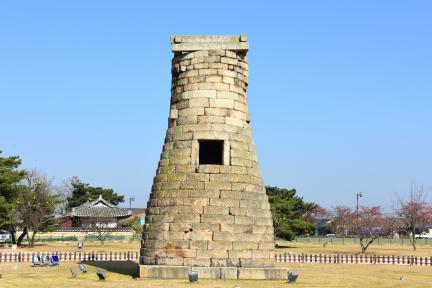
The Silla Sky Left by 27 Stone Tiers: Cheomseongdae in Gyeongju
 Travel Guide
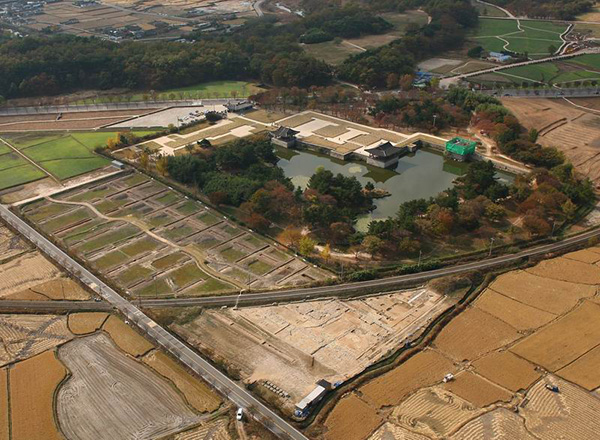
Wolji, Created in 674: A Night at the Illuminated Silla Royal Palace
 Travel Guide
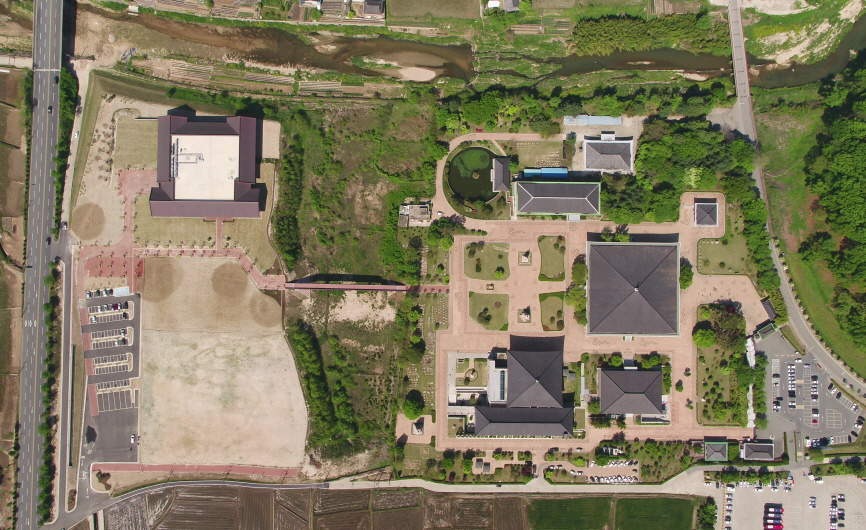
Reading a Millennium of Silla History in One Place: Gyeongju National Museum
Korea News
 News
News
During Stray Kids’ stage, a “thud” left him bleeding… Lee Know was taken to the hospital
 News
News
'Comeback' LE SSERAFIM holds a confident and relaxed press conference
 News
News
Jang Won-young: This girl has grown so much… Shares childhood photos to celebrate her birthday
 News
News