Wolji, Created in 674: A Night at the Illuminated Silla Royal Palace
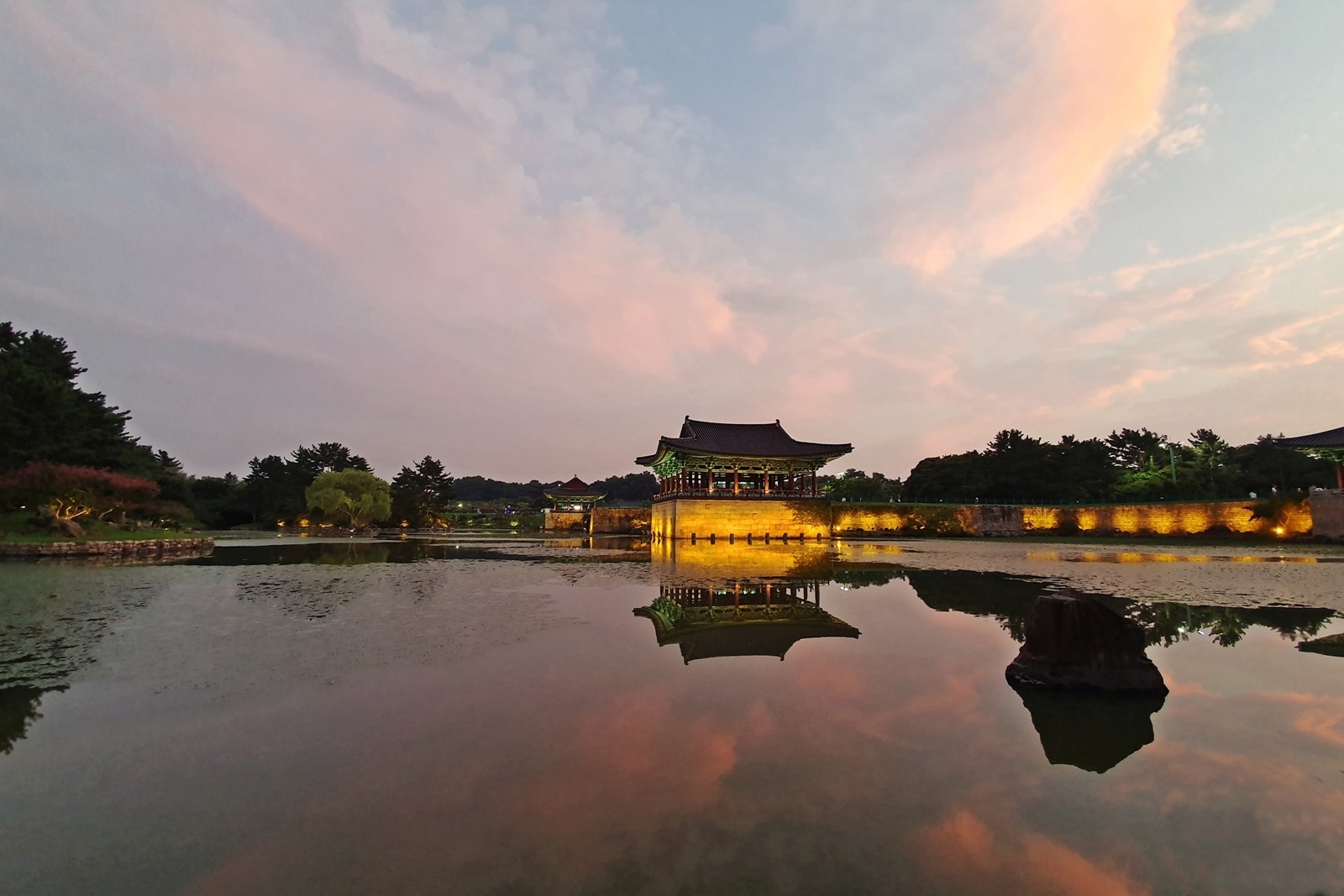
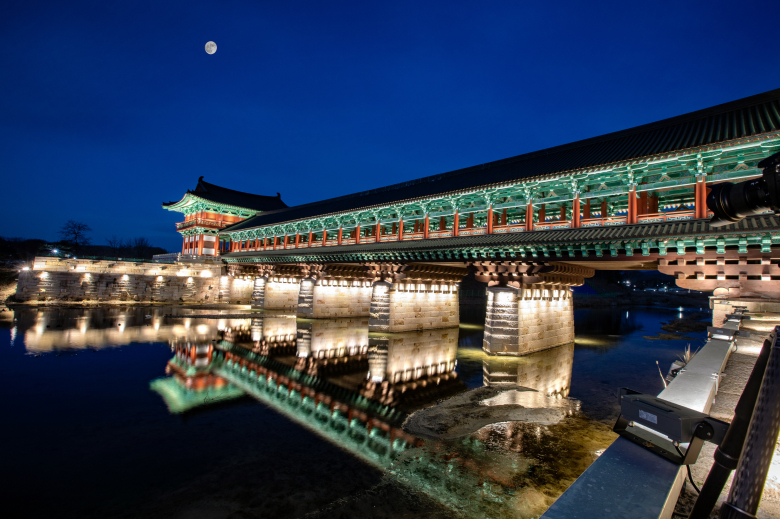
Donggung Palace and Wolji Pond in Gyeongju are the remains of a Unified Silla royal palace where Wolji was created in 674, the 14th year of King Munmu’s reign, and Donggung, the crown prince’s secondary palace, was established in 679. During the day, visitors can examine the pond’s contours and the building sites; in the evening, an efficient approach is to follow the illuminated structures and their reflections on the water before the 21:30 admission cutoff.
I’ve been here?
Your check-in helps the next traveler.
No one has checked in yet Be the first
One tap — no writing needed
Why Wolji and the Crown Prince's Palace Were Located East of the Royal Capital in the 14th Year of King Munmu's Reign
Donggung Palace and Wolji Pond are the site of a palace located east of Wolseong, the royal palace of Unified Silla. According to the Samguk Sagi, a pond was dug in 674, the 14th year of King Munmu's reign, and flowers, rare birds, and animals were raised there. In 679, after the unification of the Three Kingdoms, Donggung Palace, where the crown prince would reside, was constructed. The present site is Historic Site No. 18, designated on January 21, 1963, with a designated area of 350,042㎡.
This was not only the crown prince's residence but also a space where banquets were held for national celebrations and the reception of honored guests. The name Imhaejeon means “a hall overlooking the sea,” reflecting the landscaping concept of designing Wolji to resemble the sea. The straight and curved embankments of the pond and its small islands can be understood as a design intended to create a waterscape for the royal capital rather than merely provide decoration.
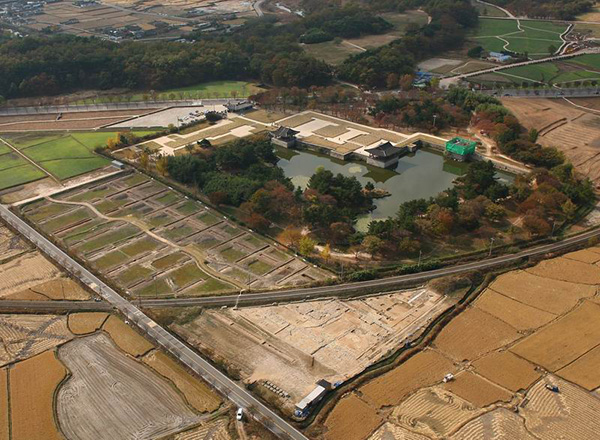
The Name Returned from “Anapji” to “Donggung Palace and Wolji” in 2011
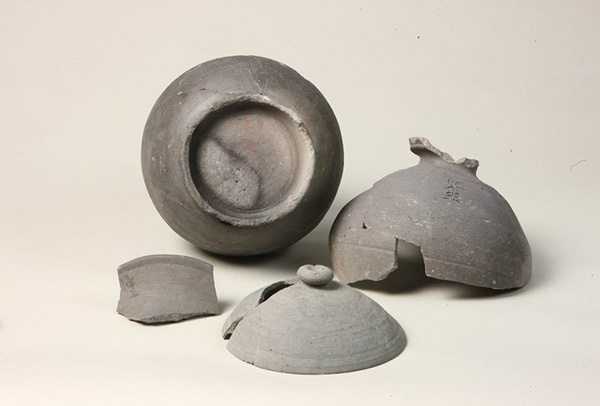
After the palace site fell into ruin during the Joseon period, the name “Anapji,” meaning a pond where wild geese and ducks played, came into widespread use. However, dredging and excavation surveys conducted in 1975–1976 confirmed most of the form of Silla-era Wolji. As the dates inscribed on excavated roof tiles and roof-end tiles with floral designs matched the documentary records, the character of the site could be confirmed in greater detail.
Gyeongju City began using the name “Donggung Palace and Wolji” in 2011. Since 2007, the National Research Institute of Cultural Heritage, Gyeongju, has been investigating the eastern area of the former Anapji site and examining the possibility that central government offices were located around Donggung Palace. Excavation records identify inscribed pottery excavated from Well No. 1, the remains of Buildings Nos. 1, 3, and 4, and the inlet of Drainage Channel No. 1.
09:00–22:00: Get Your Ticket Before 21:30 If You Only Want to See the Night View
Opening hours are 09:00–22:00 year-round, and ticket sales and admission close at 21:30. Admission is 3,000 won for adults, 2,000 won for soldiers and youths, and 1,000 won for children. For inquiries, call 054-750-8655. Official facility information is available on the Gyeongju Culture and Tourism page and the historic-site information page of the Gyeongju City Facilities Management Corporation.
If you plan to visit only at night, it is best to arrive at least 40–60 minutes before the admission closing time. Allow 60–90 minutes to walk along the pond while viewing the building remains and their reflections on the water, or about 90 minutes if you also want to read the daytime site information panels carefully. During winter, Gyeongju tourism course information separately states that the site operates until 21:00, so it is safest to check the notice for the day again before visiting from November through February.
Main Gate at 102 Wonhwa-ro and Free Parking at 504-1 Inwang-dong
The road-name address is 102 Wonhwa-ro, Gyeongju-si, Gyeongsangbuk-do, and the administrative location of the site is around 517 Inwang-dong. Visitors arriving by car can use the free parking lot exclusively for Donggung Palace and Wolji at 504-1 Inwang-dong. During periods when nighttime visitors are concentrated, it is advisable to allow extra time, including the walk from the parking area to the ticket office.
For public transportation, use the “Donggunggwolji” bus stop, stop number 05261. Confirmed routes serving the stop include Nos. 11, 12, 153, and 600. Gyeongju tourism maps show Route 710 connecting Gyeongju Station, the terminal, the rear gate of Cheonmachong, Hwangnidan-gil, Donggung Palace and Wolji, and Bomun Tourist Complex. Route 711 runs via Gyeongju Station, the terminal, Hwangnidan-gil, Donggung Palace and Wolji, Tongiljeon, and Bulguksa.
Do Not Look Only at the Reflections: How to Read the Embankments and Building Sites in Daylight First
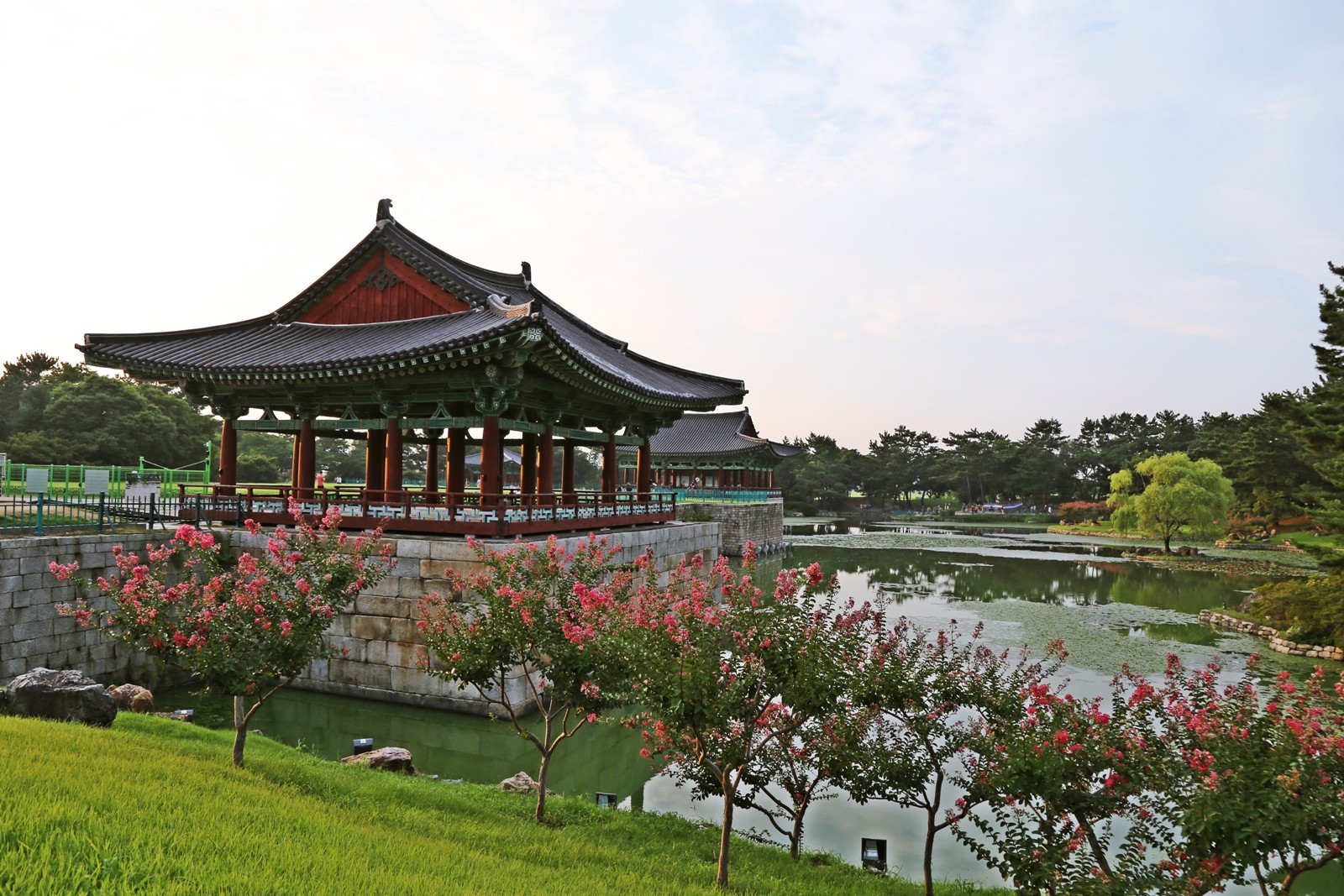
Donggung Palace and Wolji is widely known for its nighttime lighting, but Gyeongju City's 2023 travel guide recommends viewing the pond and garden structure during the day. In daylight, first follow the walking path around the pond to understand the contours of the embankments, the small islands, the restored buildings, and the relationship between the excavated building sites. Then, viewing the same places again after sunset makes it easier to compare what the lighting and reflections emphasize.
If photography is your only goal, it is better to walk one full circuit around the pond than to remain near the entrance for a long time. Areas where the building lights and water appear together may become crowded, so if you are traveling with someone, one person can keep the route clear while the other decides the shooting order to save time. The railings and walking paths are within a protected heritage area, so avoid setting up tripods or taking photographs that obstruct passage.
An Evening Route of About 1.5 km Taking in Cheomseongdae and the Gyeongju National Museum
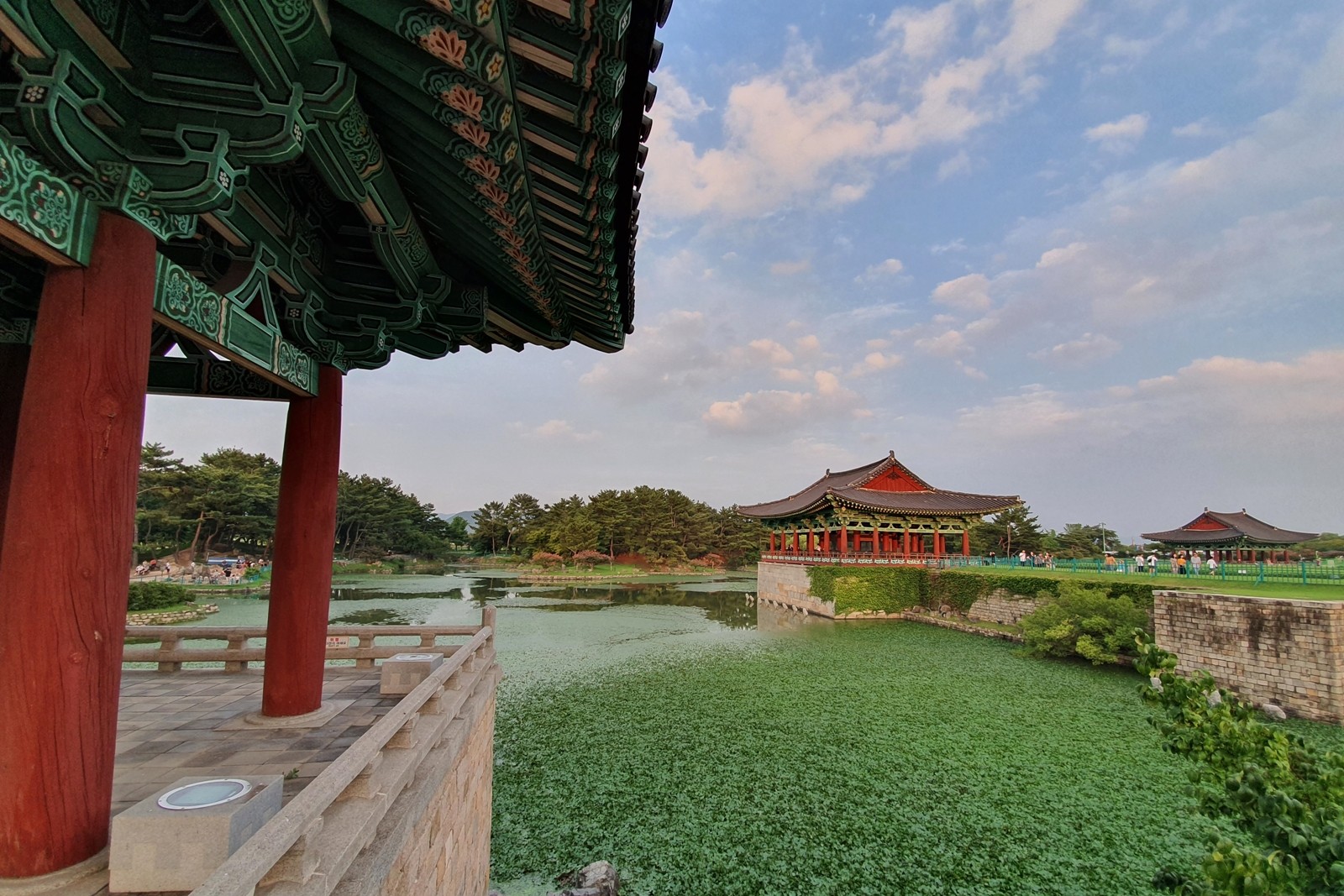
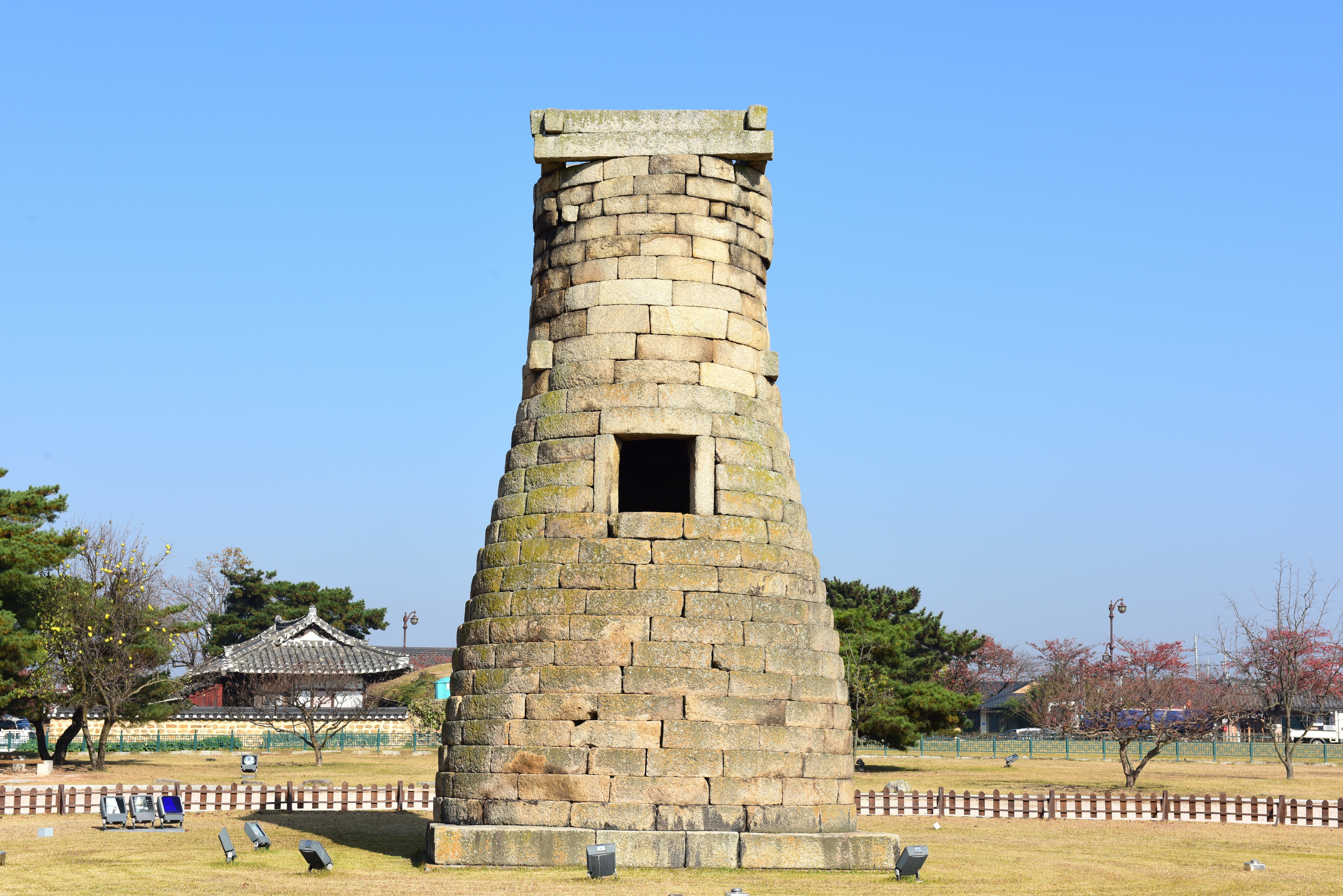
Donggung Palace and Wolji is at the eastern end of the Wolseong District, where the Gyeongju National Museum, Wolseong, and Cheomseongdae are clustered, making it easy to plan a daylong route. Gyeongju tourism information describes the walk from Wolseong to Cheomseongdae as taking five minutes, and from Cheomseongdae to Donggung Palace and Wolji you can follow the urban route along Wonhwa-ro. A natural plan is to visit the Gyeongju National Museum and the Wolseong area during the day, have dinner around 18:00, and then enter Donggung Palace and Wolji.
If walking feels difficult, combining the route with buses is more practical. The official tourism map explains that most major attractions in the city center are generally on level ground and accessible by bicycle, but at night you should calculate both the rental return time and the time needed to view the lighting. Wheelchair users can apply for the cultural interpretation service at the Gyeongju Accessible Tourism Assistance Center at least two weeks before their trip; Donggung Palace and Wolji is included among the destinations served.
Four Preparations More Important Than the “Night View Focus” Repeated in Reviews
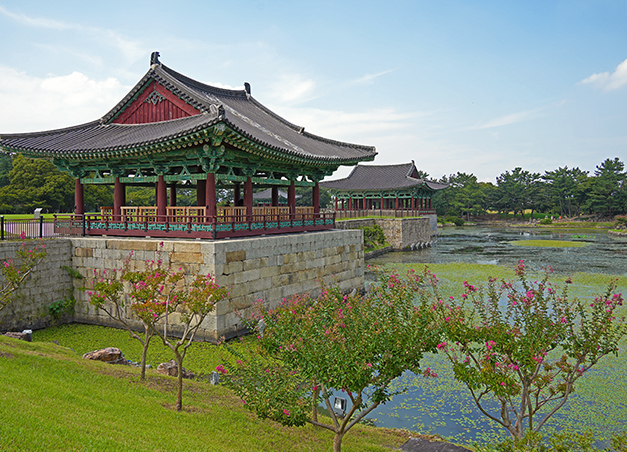
Visitor reviews show especially strong demand for seeing the illuminated pond and reflections of the buildings, and repeatedly advise visitors not to miss the 21:30 admission deadline. Therefore, on weekends and holidays, when visitors begin to increase just before sunset, it is best to check in advance whether the online historic-site ticketing system, gjpass.kr, is in use and what the situation is on site.
First, prepare an outer layer appropriate for the season, as the air near the water can feel cold at night. Second, if you plan to see both the daytime and nighttime views, prepare water and a light snack in advance. Third, check the information board immediately after admission for the locations of restrooms and amenities within the site. Fourth, if you need foreign-language information, the Gyeongju English tourism page lists the operating hours, fees, and address, but it is safest to inquire by phone in advance about the languages available for on-site interpretation and detailed barrier-free support.
Who Will Enjoy Donggung Palace and Wolji, and Who May Find the Nighttime Crowds Burdensome
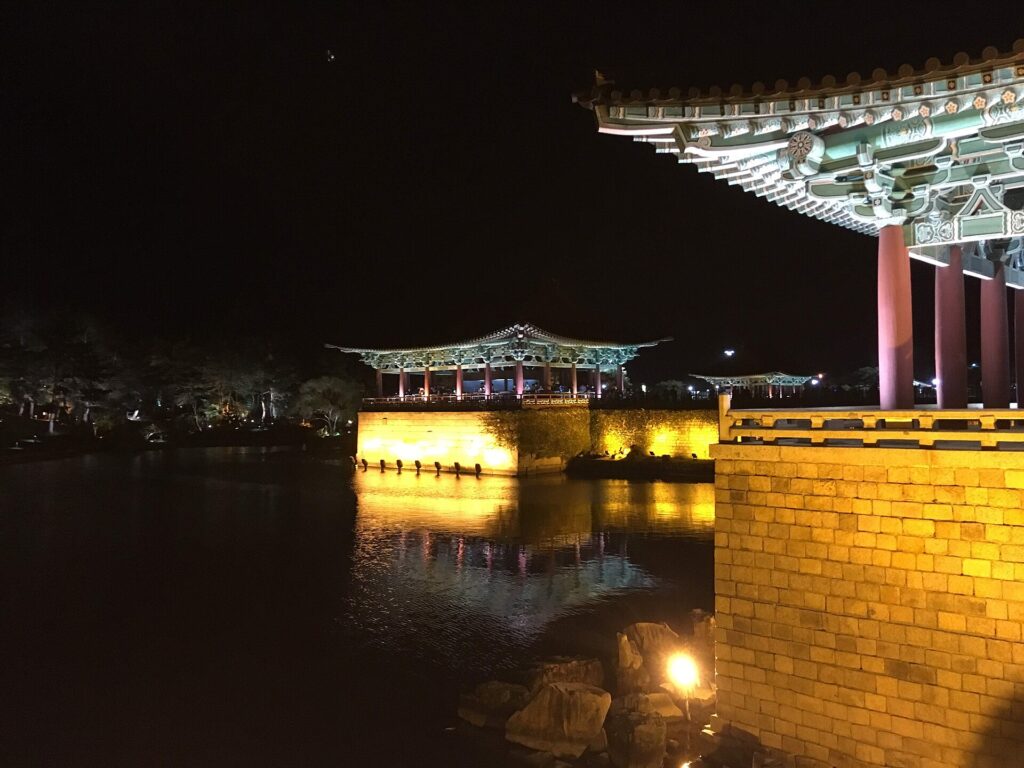
For those who want to see the palace-and-garden layout of the Silla royal capital, excavation results, and pond landscaping together, it is suitable to divide the visit into 30 minutes during the day and 60 minutes at night. With adult admission relatively low at 3,000 won, free dedicated parking, and numerous city bus stops, the site is easy for both families and independent travelers to access. Since viewing ends at 22:00, it can also be included in an itinerary after dinner.
On the other hand, if you expect a quiet nature walk or a completely dark nighttime landscape, it is better to avoid crowded periods. This is an urban heritage site viewed mainly through its restored buildings, lighting, and reflections on the water, and arriving late makes it difficult to use the route fully between the 21:30 admission cutoff and the 22:00 closing time. To appreciate the site's history, do not photograph only the pond; it is better to read the on-site information panels and the guidance for the adjacent excavation areas as well.
Before You Go
- Address
- 102 Wonhwa-ro, Gyeongju-si, Gyeongsangbuk-do
- Hours
- 09:00–22:00 (ticket sales and admission close at 21:30; check before visiting because winter operating information states that the site operates until 21:00)
- Closed
- Open year-round
- Admission
- Adults 3,000 won / soldiers and youths 2,000 won / children 1,000 won
- Phone
- 054-750-8655
- Official site
- https://www.gyeongju.go.kr/tour/page.do?area_uid=50&cmd=2&mnu_uid=2292
- Transport
- Use the Donggung Palace and Wolji bus stop (05261). Routes 11, 12, 153, and 600 are confirmed to serve the stop. Route 710 connects Gyeongju Station, the terminal, Hwangnidan-gil, Donggung Palace and Wolji, and Bomun Tourist Complex; Route 711 runs toward Gyeongju Station, the terminal, Hwangnidan-gil, Donggung Palace and Wolji, and Bulguksa.
- Parking
- Dedicated Donggung Palace and Wolji parking available (504-1 Inwang-dong, Gyeongju-si; free)
- Time needed
- 60–90 minutes focusing on the nighttime view; about 90 minutes for both daytime and nighttime visits
- Accessibility
- The site is eligible for free disability cultural interpretation services from the Gyeongju Accessible Tourism Assistance Center; applications are recommended at least two weeks before the trip. Inquiries by phone are recommended for details about on-site wheelchair and stroller routes and foreign-language interpretation.
The information above is current as of the time of writing. Check the official information again before visiting.

Places
Nearby Attractions 5
-
 1
1
-
2
-
 3
3
-
4Donggung and Wolji
-
 5
5
Food & Dining 3
-
 6
6
-
 7
7
-
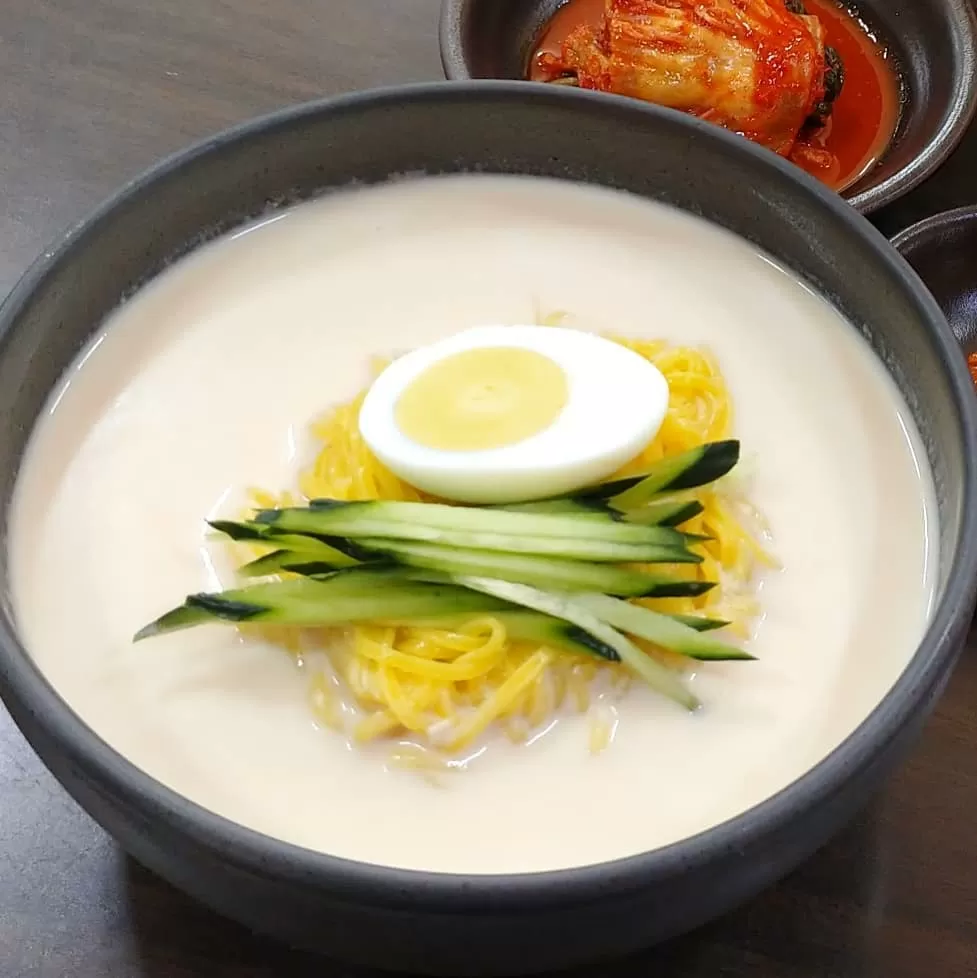 8
Gyeongju Wonjo Kongguk
8
Gyeongju Wonjo Kongguk
Events in This Area
Festivals in This Area
More Travel Guides in This Area
 Travel Guide
Reading a Millennium of Silla History in One Place: Gyeongju National Museum
 Travel Guide
How to Walk in the Footsteps of Bunhwangsa Temple and the Silla Capital
 Travel Guide
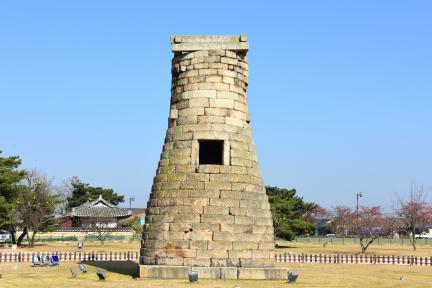
The Silla Sky Left by 27 Stone Tiers: Cheomseongdae in Gyeongju
 Travel Guide
Why the Hanok Alley Beside Daereungwon’s Stone Wall Became Hwangnidan-gil
Korea News
![Did Jang Won-young ‘break up’? From the airport to social media, she was decked out in Brand D [MD Issue]](https://kotourlive-images.s3.ap-northeast-1.amazonaws.com/news/1790644492843_025fcab4_news_06d49363-285b-4cd5-93e3-ace2c4344710.jpg) News
News
Did Jang Won-young ‘break up’? From the airport to social media, she was decked out in Brand D [MD Issue]
 News
News
Oh, What a Surprise… BLACKPINK’s Rosé—Did She Get a Bob Cut?
![[On-Site Photos] “Equipped with a Third Eye”… RM’s Intense Eye Contact](https://kotourlive-images.s3.ap-northeast-1.amazonaws.com/news/1790644823332_c0c6ec29_news_001c0a59-4eb7-40e6-af6a-4f26183f5e8c.jpg) News
News
[On-Site Photos] “Equipped with a Third Eye”… RM’s Intense Eye Contact
 News
News