Reading a Millennium of Silla History in One Place: Gyeongju National Museum
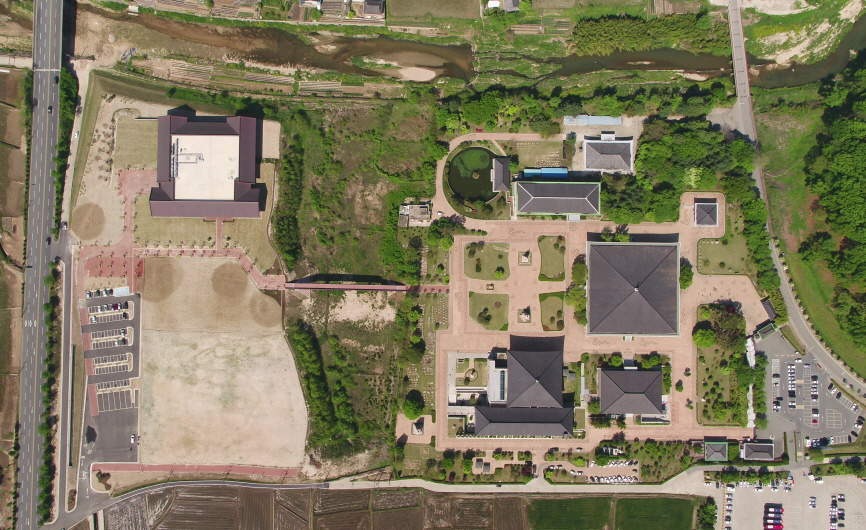
Gyeongju National Museum is a free museum where you can explore Gyeongju’s thousand-year history through the Silla History Gallery, Silla Art Gallery, Wolji Gallery, and outdoor exhibitions. It takes about 25 minutes by bus from Gyeongju Station on the KTX line, and the Children’s Museum requires a separate reservation.
I’ve been here?
Your check-in helps the next traveler.
20 people viewed this week Be the first
One tap — no writing needed
How to Get There from KTX Gyeongju Station by Buses 700 and 711
Travelers arriving in Gyeongju for the first time can depart from KTX Gyeongju Station. Take bus 700 and get off in front of Donggung Palace and Wolji Pond. The bus ride takes 25 minutes, and the walk from the bus stop to the museum takes 3 minutes. If you take bus 711, get off at the National Museum of Gyeongju bus stop.
From the intercity or express bus terminal, or Gyeongju Station, you can take buses Woljeong 1, Woljeong 2, 11, 600, or 605. From the Hwangnidan-gil parking lot, the Woljeong 1 and Woljeong 3 circular buses run to the National Museum of Gyeongju via Gyochon Hanok Village and Woljeonggyo Bridge.
Visiting Hours from 10:00 to 18:00 and Saturday Night Opening in 2026
Regular visiting hours are 10:00–18:00, and last admission is 30 minutes before closing. From March 1, 2026, extended night opening will take place every Saturday from 18:00 to 20:00 from March through October.
Regular closing days are January 1, Lunar New Year's Day, and Chuseok. The second Monday of March and November is a temporary closure day, but the grounds and outdoor exhibition areas operate normally. The permanent exhibition halls and Children's Museum are free, while special exhibitions may require a paid ticket.
From the Silla History Gallery to the Wolji Gallery After Free Admission
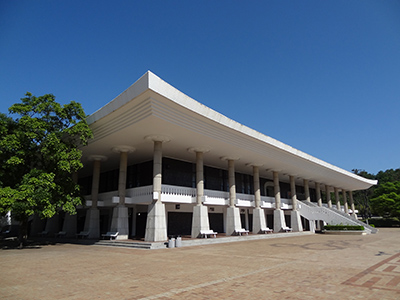
The Silla History Gallery covers Silla, which existed in the southeastern part of the Korean Peninsula from 57 BCE to 935 CE. The exhibition consists of Gallery 1, introducing the beginnings of Silla's thousand-year history; Gallery 2, focusing on its golden culture; Galleries 3a and 3b, covering the unification of the Three Kingdoms and Unified Silla culture; and the Gukeun Memorial Gallery.
The Silla Art Gallery opened in May 2002, and in 2021 it added the Sound Experience Hall for the Divine Bell of King Seongdeok and the Buddhist Temple Gallery. With more than 750 works of art from the Three Kingdoms period through the Unified Silla period, it is ideal to visit after following the historical timeline in the history gallery.
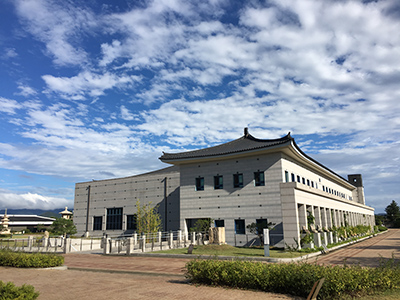
The Wolji Gallery, Featuring More Than 1,100 Artifacts from Donggung Palace and Wolji Pond
The Wolji Gallery displays more than 1,100 selected artifacts by theme from approximately 30,000 national heritage objects from the Unified Silla period discovered at Donggung Palace and Wolji Pond. It is a space that conveys the scale and nature of the excavated artifacts to travelers who may find it difficult to understand the Donggung Palace and Wolji Pond site through the outdoor scenery alone.
The museum facilities guide lists 13 facilities, including the main gate, Silla History Gallery, Special Exhibition Gallery, Silla Art Gallery, Wolji Gallery, outdoor exhibition area, and bell pavilion. The cafeteria is identified as Ediya, and the convenience store as 7-Eleven, allowing visitors to take a short break and make purchases during their visit.
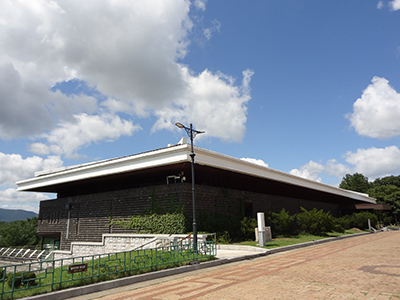
The Divine Bell of King Seongdeok, Completed in 771, and Outdoor Stone Artifacts
The outdoor exhibition area displays more than 1,300 stone objects, including bronze bells, stone pagodas, stone Buddhas, stone lanterns, monument bases, and stone components from building platforms. Even without visiting every indoor gallery, visitors can appreciate the scale of Silla and Unified Silla stone culture outdoors.
The bell pavilion houses National Treasure No. 29, the Divine Bell of King Seongdeok. King Gyeongdeok, the 35th king of Silla, began having it made for his father, King Seongdeok, and it was completed in 771 during the reign of King Hyegong. The outdoor exhibition area also features the three-story stone pagoda from the site of Goseonsa Temple, National Treasure No. 38.
Why Flash Photography and Food Are Prohibited in the Galleries
Photography using flash, tripods, or selfie sticks is prohibited in the galleries, and photography for commercial purposes is not permitted. If you want to take photographs, follow the instructions for each exhibit and avoid taking out a selfie stick.
Bringing food or beverages into the galleries or consuming them inside is restricted. Pets other than guide dogs are also not allowed. Visitors planning to bring snacks or pets should therefore consider the available spaces outside the galleries in advance.
The Children's Museum Is Free, but Reservations Are Limited to the First 60 Applicants
The Children's Museum is located in the basement of the Special Exhibition Gallery and is free to visit. Hours are 10:00–17:50, and the visit and hands-on activities take 50 minutes. It operates in eight sessions per day, so visitors should allocate separate time from their general exhibition visit.
Admission is limited to 60 people per session, with reservations made online on a first-come, first-served basis. The most important distinction for families visiting for the first time is that this is not a system where they can wait on-site for an empty spot. Free lockers are available at the entrance.
A One-Hour Itinerary and How to Use the Silla Millennium Library
Reviews and sample itineraries sometimes allocate about one hour to the National Museum of Gyeongju. To explore the Silla History Gallery, Silla Art Gallery, Wolji Gallery, and outdoor exhibition area in detail, it is better to plan more than an hour; however, one hour can serve as a benchmark for an itinerary focused on seeing the highlights quickly.
The Silla Millennium Library is a library where visitors can consult books held by the museum, and its hours are 10:00–18:00. Only on-site consultation and copying are available, while lending collection materials for use outside the museum is restricted. For inquiries, call 054-740-7630. The address is 186 Iljeong-ro, Gyeongju-si, Gyeongsangbuk-do, postal code 38171, and the main telephone numbers are 054-740-7500 and 054-740-7501.
Sumukdang and Gocheongji, Educational Spaces Since 2007
Sumukdang, a traditional Korean-style house, and Gocheongji Pond have primarily been used as educational and event spaces at the museum since 2007. One reason for the museum's current layout is that it includes spaces for educational programs and events alongside galleries displaying artifacts.
The National Museum of Gyeongju operates various educational programs, including the Gyeongju Children's Museum School, which has more than 60 years of history, and has also established the Children's Museum. Silla Millennium Repository contains viewable storage exhibitions, general galleries, a reading room, and nine storage rooms, while the Silla Millennium Library is an in-museum library for consulting books in the collection.
Before You Go
- Address
- 186 Iljeong-ro, Gyeongju-si, Gyeongsangbuk-do (Postal code 38171)
- Hours
- 10:00–18:00; extended night opening 18:00–20:00 (from March 1, 2026, every Saturday from March through October)
- Closed
- January 1, Lunar New Year's Day, and Chuseok each year; temporary closure on the second Monday of March and November
- Admission
- Free (permanent exhibition galleries, Children's Museum, and special exhibitions; excluding paid special exhibitions)
- Phone
- 054-740-7500, 054-740-7501
- Official site
- https://gyeongju.museum.go.kr/kor/
- Transport
- From KTX Gyeongju Station, take bus 700 → get off in front of Donggung Palace and Wolji Pond; 25-minute ride and 3-minute walk; take bus 711 → get off at the National Museum of Gyeongju; buses Woljeong 1, Woljeong 2, 11, 600, and 605 are also available
- Time needed
- About 1 hour based on reviews and sample itineraries; Children's Museum visit and activities take 50 minutes
The information above is current as of the time of writing. Check the official information again before visiting.

Places
Nearby Attractions 3
-
 1
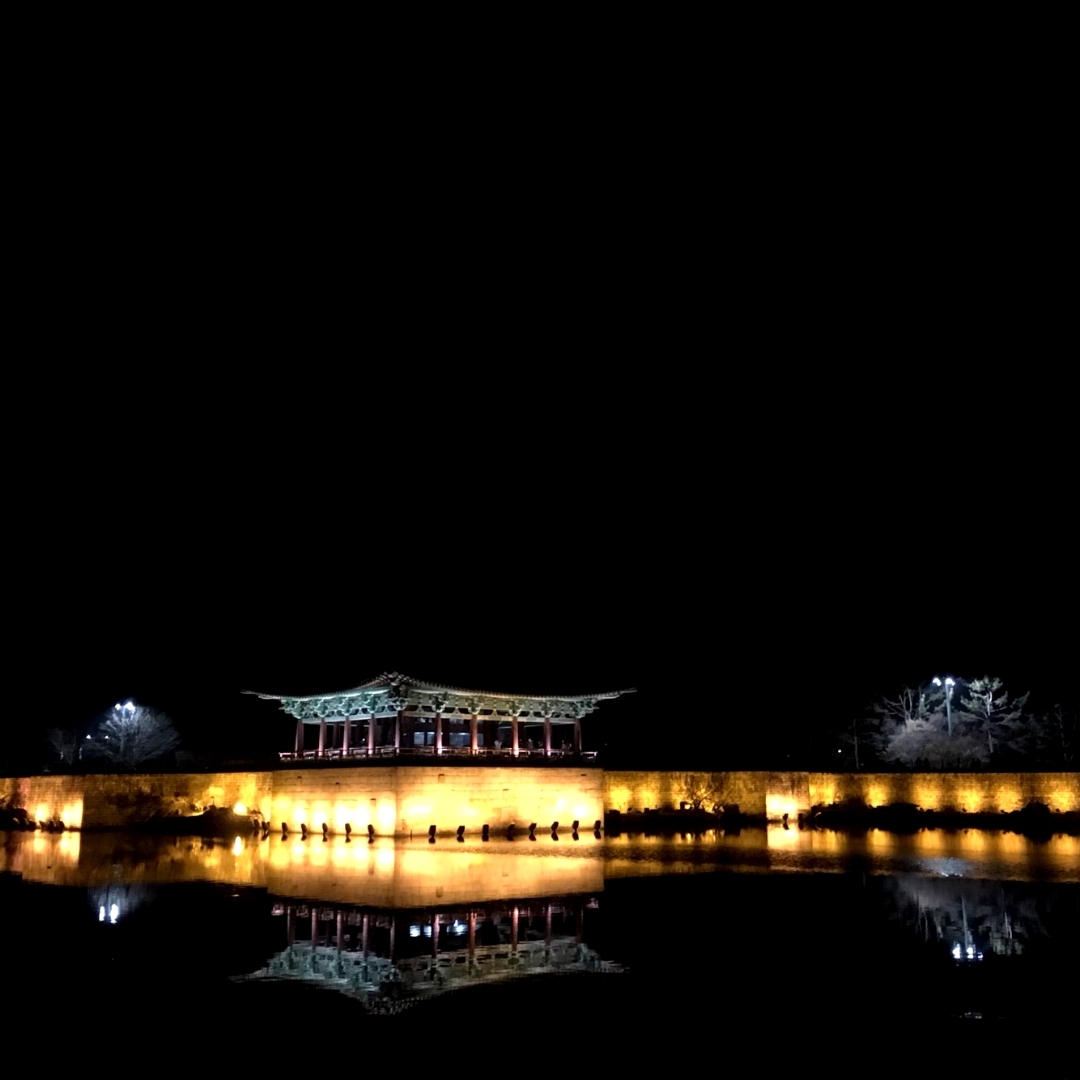
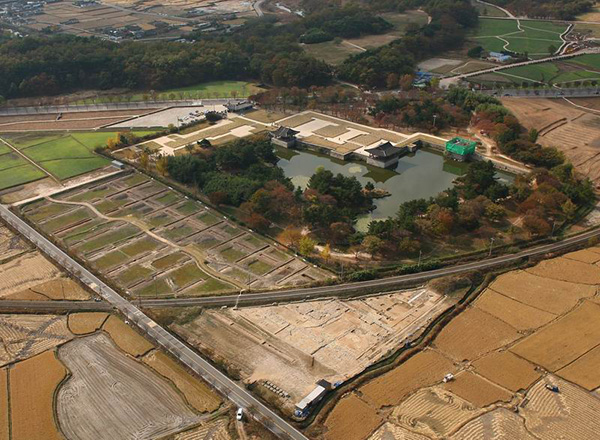
Donggung Palace and Wolji Pond, GyeongjuA historic site where you can stroll around the former site of a secondary palace of the Silla royal court and its pond while enjoying the night view
1
Donggung Palace and Wolji Pond, GyeongjuA historic site where you can stroll around the former site of a secondary palace of the Silla royal court and its pond while enjoying the night view -
 2
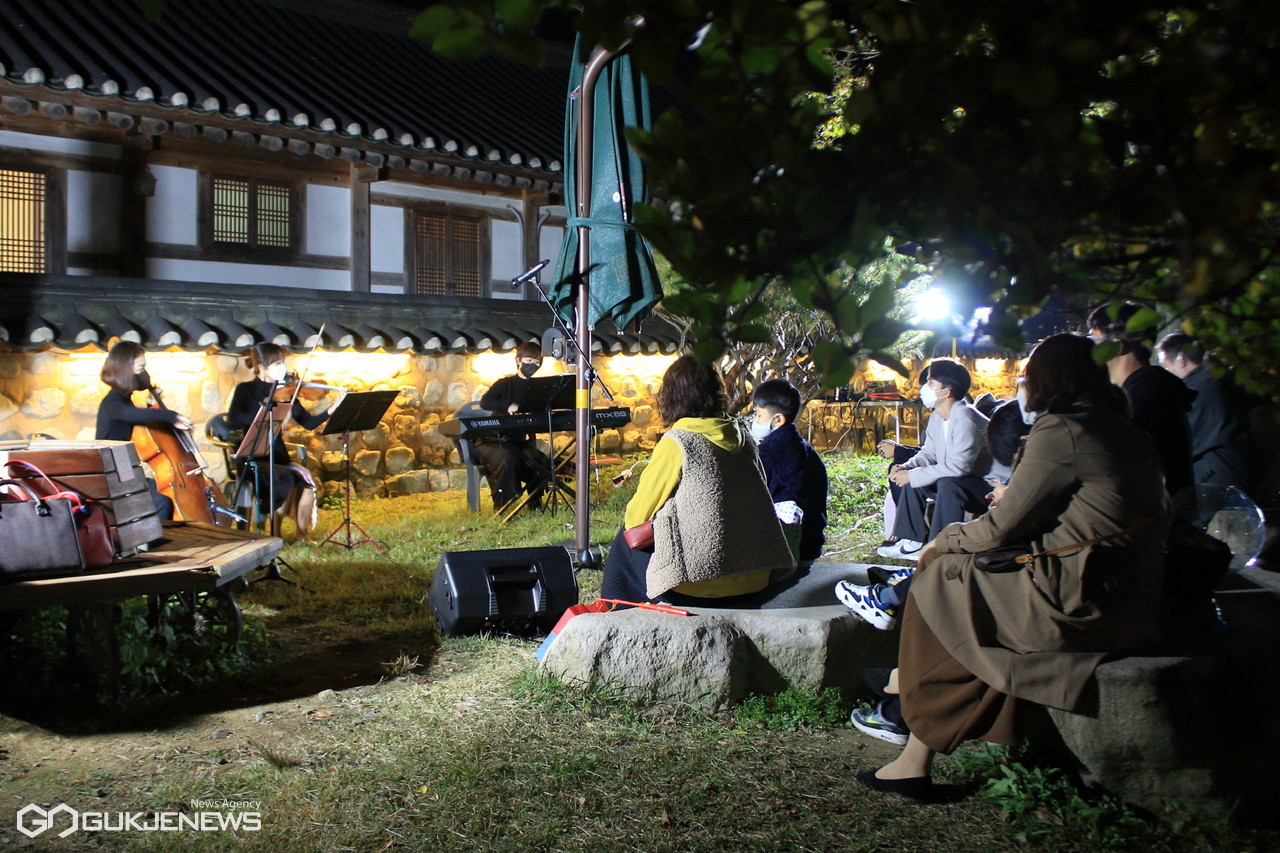
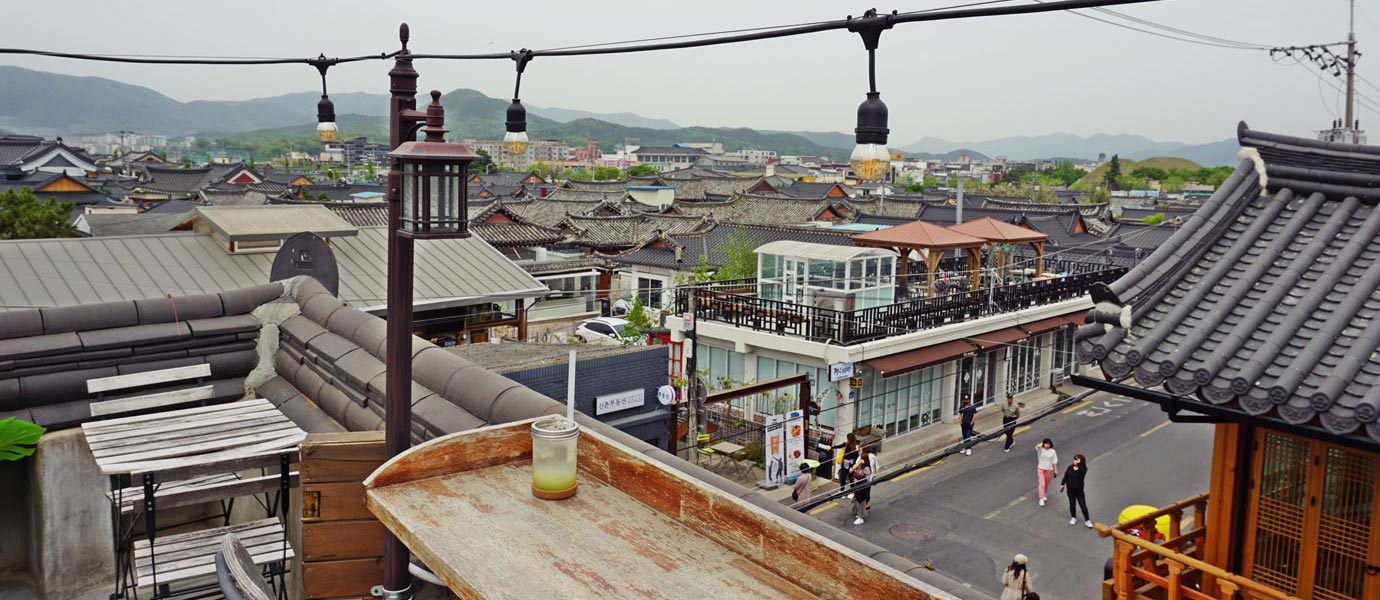
Gyochon Hanok VillageA historic and cultural village where you can explore the traditional house of the Choe clan of Gyeongju and traditional hanok homes
2
Gyochon Hanok VillageA historic and cultural village where you can explore the traditional house of the Choe clan of Gyeongju and traditional hanok homes -
 3
3
Food & Dining 2
-
 4
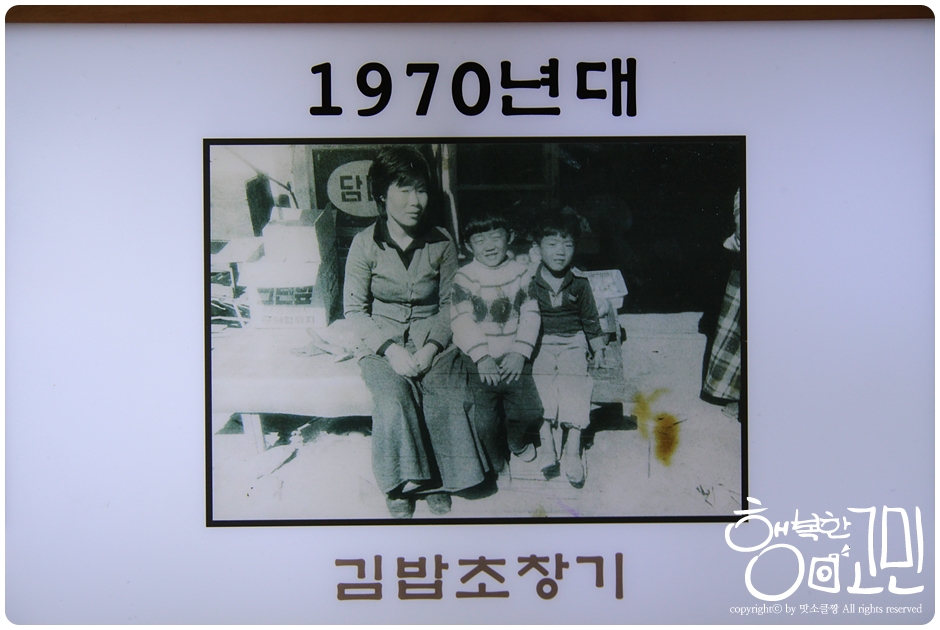
Gyori GimbapA representative snack restaurant in Gyeongju, known for gimbap filled with shredded egg and Korean banquet noodles.
4
Gyori GimbapA representative snack restaurant in Gyeongju, known for gimbap filled with shredded egg and Korean banquet noodles. -
 5
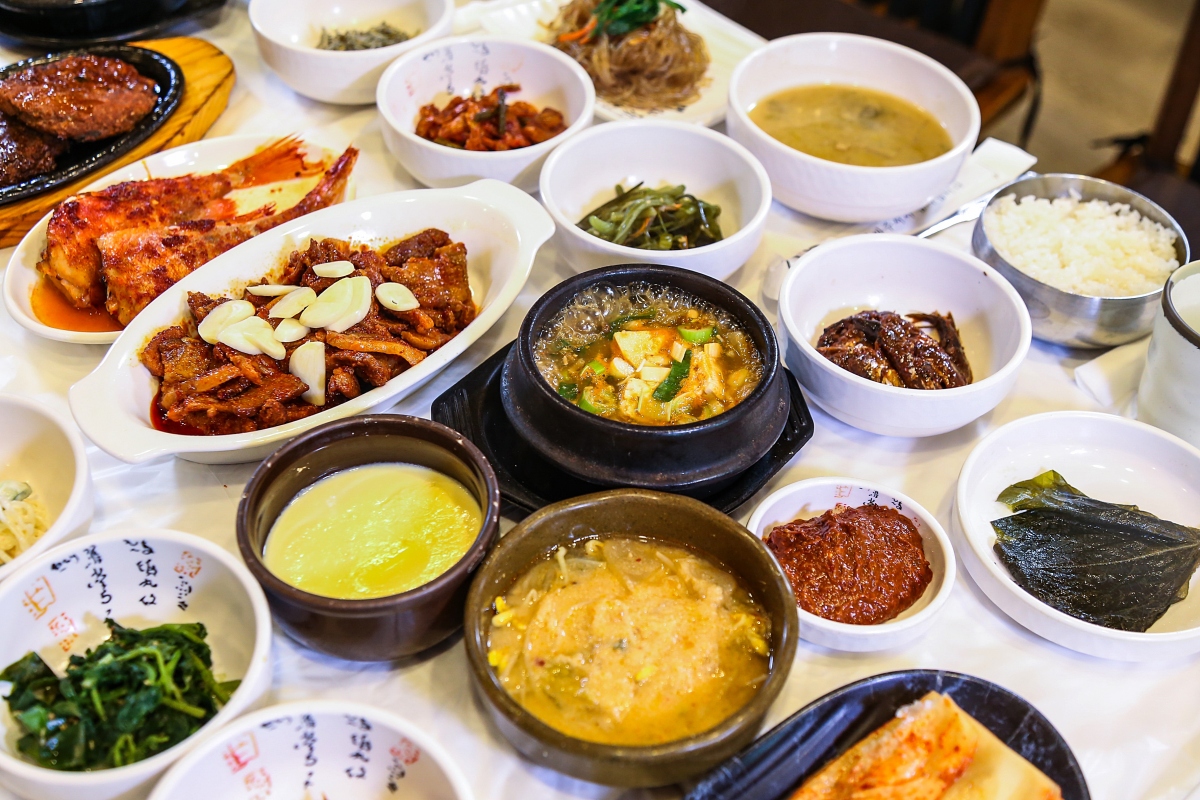
Ipungnyeo Guro SsambapA restaurant serving traditional Korean ssambap with a variety of leafy greens and side dishes.
5
Ipungnyeo Guro SsambapA restaurant serving traditional Korean ssambap with a variety of leafy greens and side dishes.
Events in This Area
Festivals in This Area
More Travel Guides in This Area
 Travel Guide
Wolji, Created in 674: A Night at the Illuminated Silla Royal Palace
 Travel Guide
Why the Hanok Alley Beside Daereungwon’s Stone Wall Became Hwangnidan-gil
 Travel Guide
Walking Among 23 Silla Tombs in Gyeongju Daereungwon to Cheonmachong
 Travel Guide
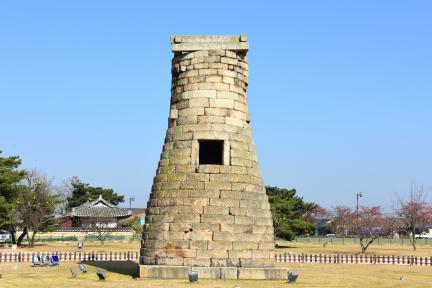
The Silla Sky Left by 27 Stone Tiers: Cheomseongdae in Gyeongju
Korea News
 News
News
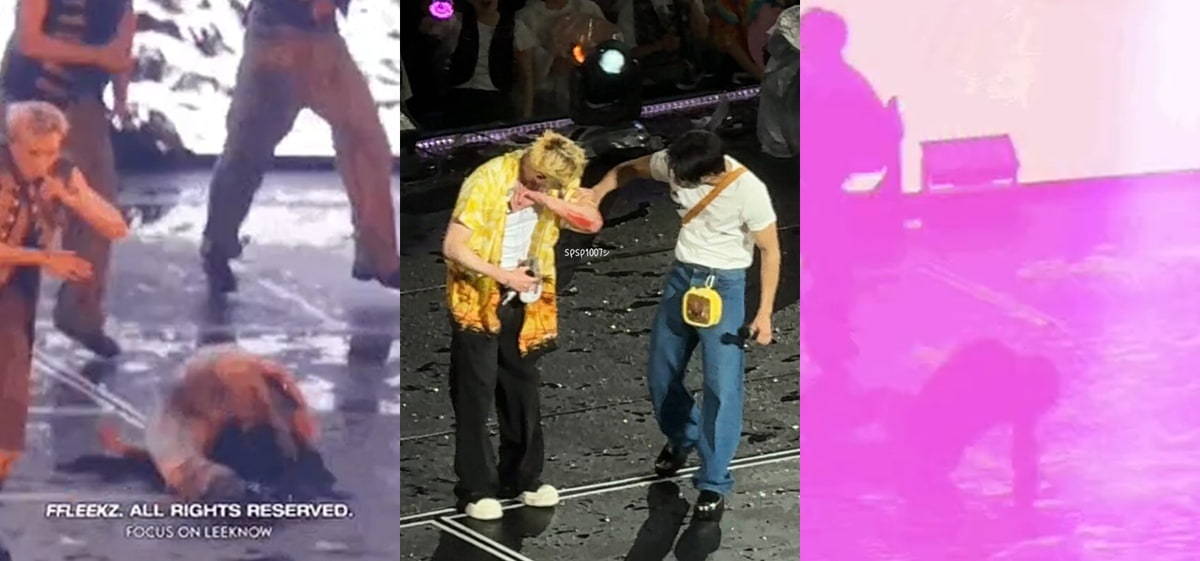
During Stray Kids’ stage, a “thud” left him bleeding… Lee Know was taken to the hospital
 News
News
'Comeback' LE SSERAFIM holds a confident and relaxed press conference
 News
News
Jang Won-young: This girl has grown so much… Shares childhood photos to celebrate her birthday
 News
News