From the Western Foot of Cheonchuksan Mountain to Daeungbojeon Hall: How to Enter Bulyeongsa Temple
Bulyeongsa Temple is a Buddhist nuns’ temple on the western foot of Cheonchuksan Mountain in Uljin, where visitors can explore its history dating from the late Unified Silla period to the early Goryeo period, along with the 13-kilometer-long Bulyeongsa Valley. Since the temple requires a walk of approximately 1.5 kilometers after parking, plan the walking distance and operating hours before considering the admission fee.
I’ve been here?
Your check-in helps the next traveler.
36 people viewed this week Be the first
One tap — no writing needed
Why Bulyeongsa Temple Stands on the Western Foot of Cheonchuksan Mountain
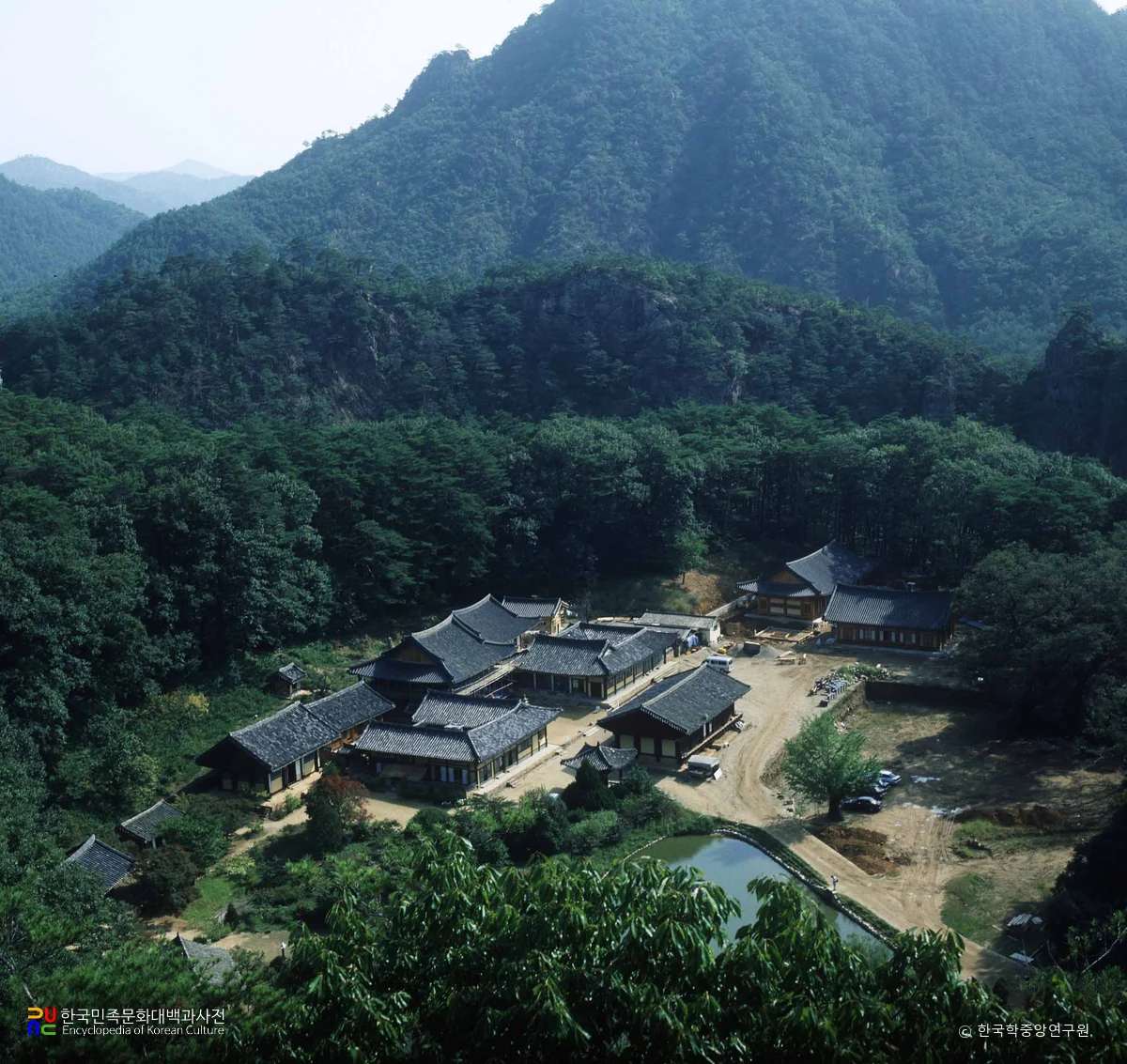
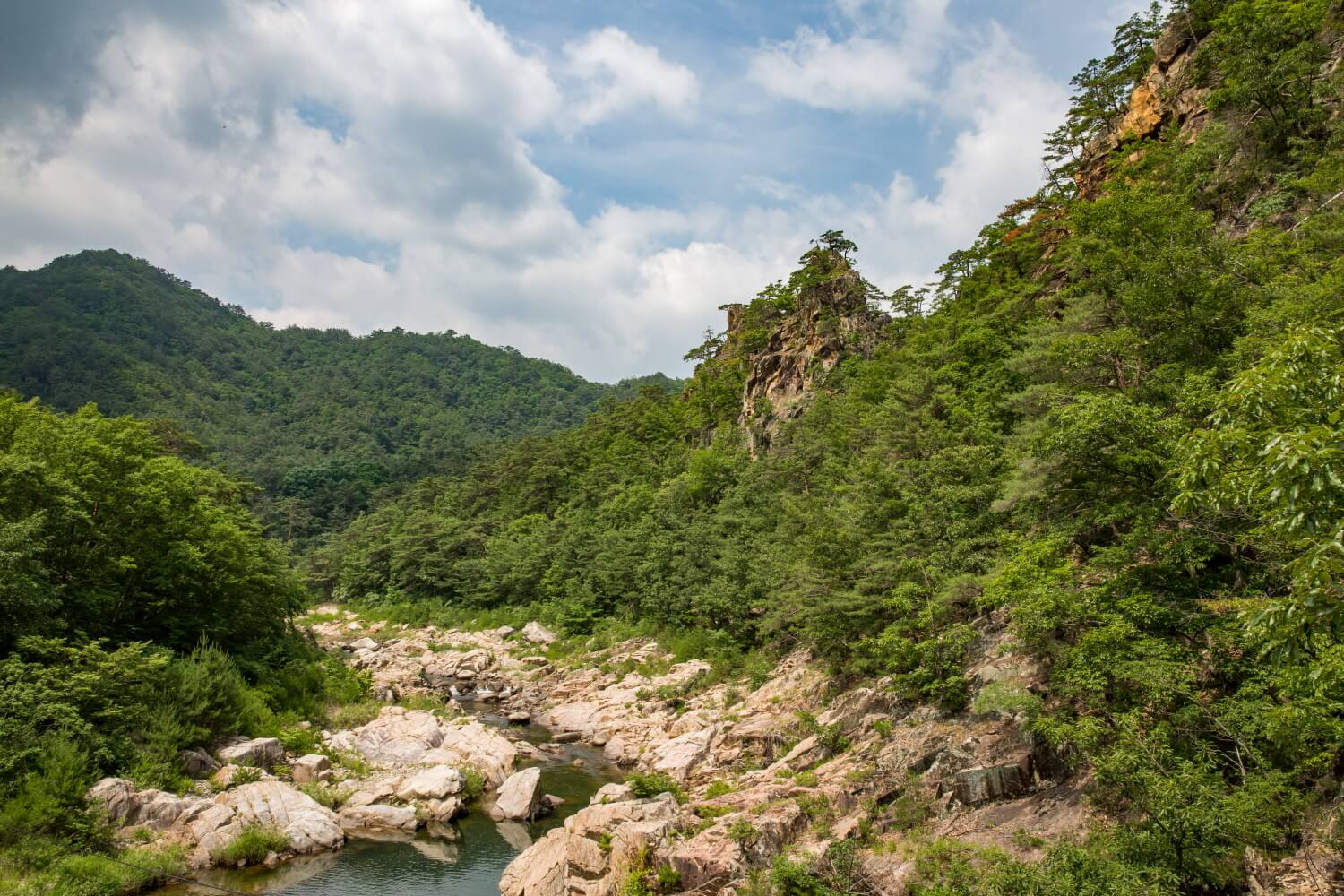
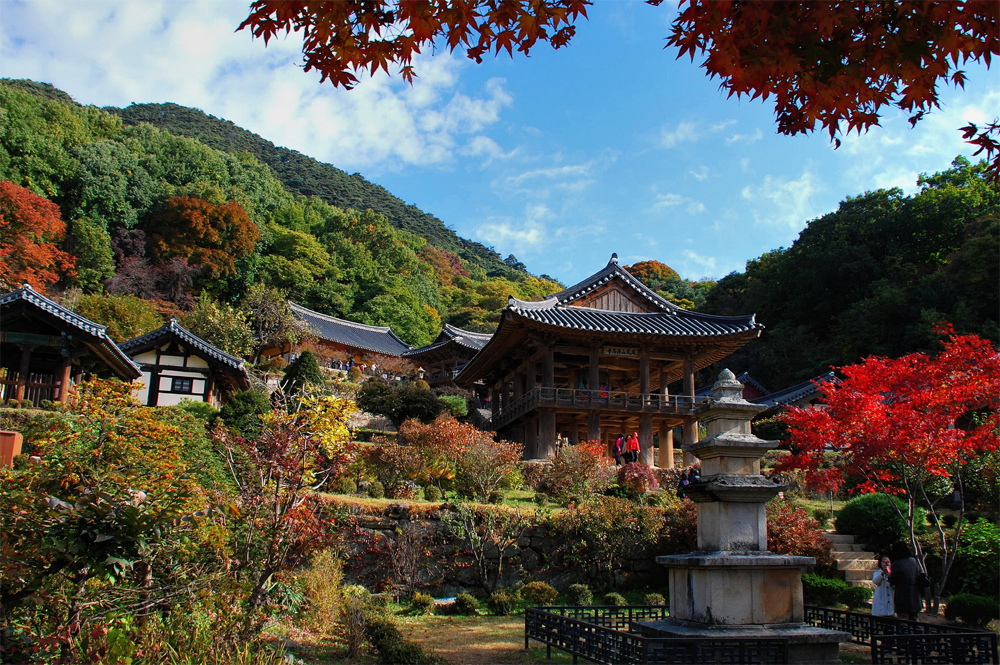
Bulyeongsa Temple is a Buddhist temple located on the western foot of Cheonchuksan Mountain in Geumgangsong-myeon, Uljin-gun, Gyeongsangbuk-do. The nearby Bulyeongsa Valley is described as approximately 13 km long, with unusual rock formations and dense forests creating a mountainous landscape leading to the temple.
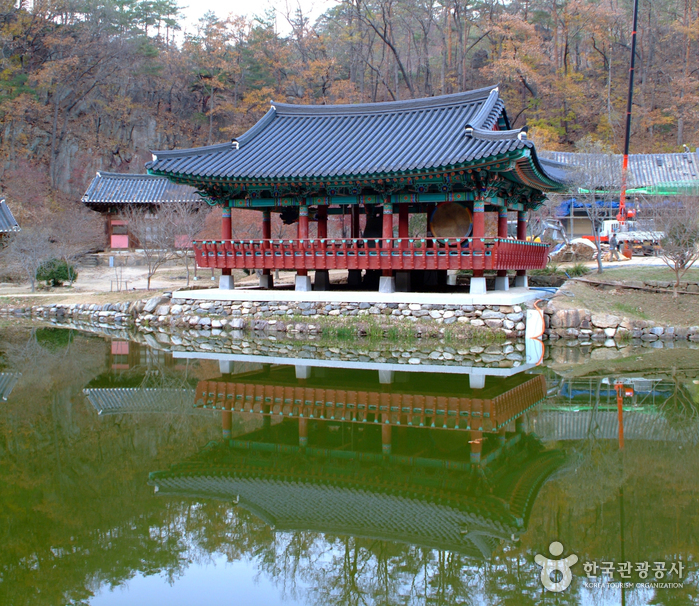
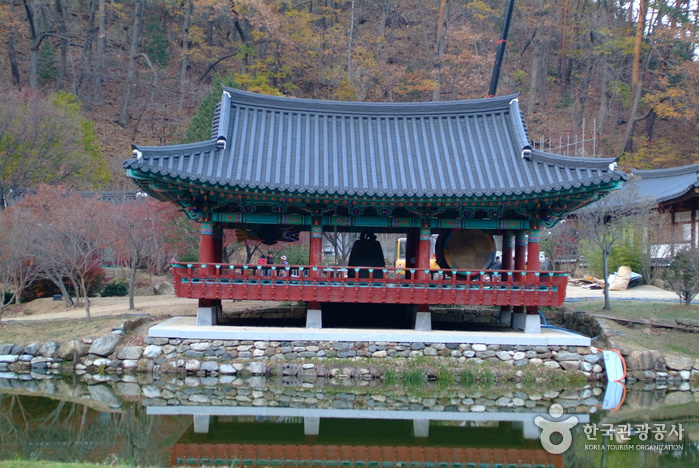
This site is introduced in Uljin-gun tourism materials as the largest Buddhist nuns’ temple on Korea’s east coast. The temple grounds contain a pond and vegetable gardens, while the surviving buildings include Daeungbojeon Hall, Eungjinjeon Hall, Geungnakjeon Hall, Myeongbujeon Hall, Josajeon Hall, Chilseonggak Pavilion, Beomjonggak Pavilion, Sansingak Pavilion, and Uisangjeon Hall.
Distinguishing the 651 Founding Legend from the 1370 Record
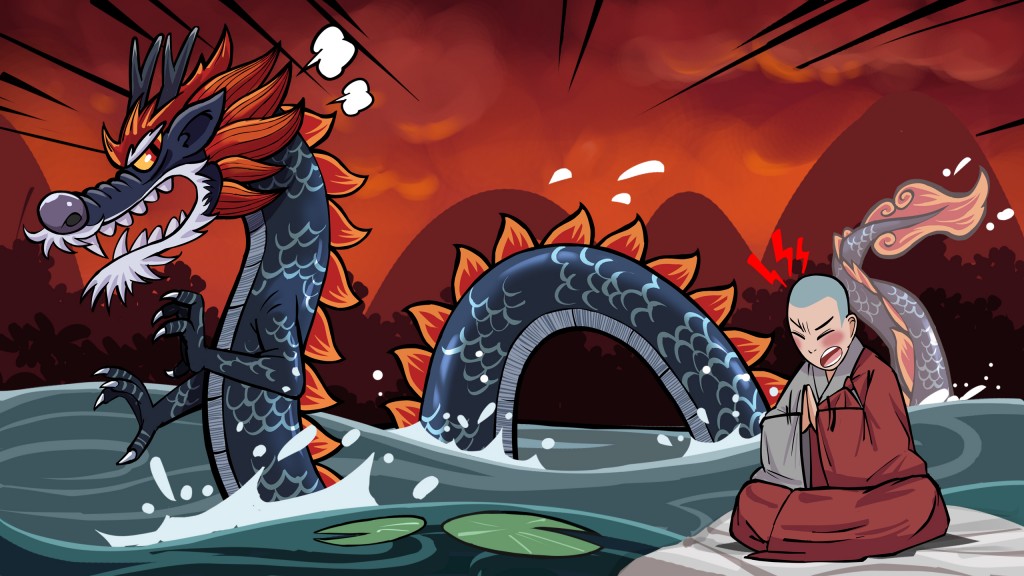
According to tradition, in 651, the fifth year of the reign of Queen Jindeok, Master Uisang saw terrain on Cheonchuksan Mountain where the shadow of the Buddha appeared and founded Bulyeongsa Temple. However, the Encyclopedia of Korean Culture judges that this account of Uisang’s founding was added in later generations under the influence of similar founding stories associated with Buseoksa Temple in Yeongju and Naksansa Temple in Yangyang.
Based on archaeological and stylistic assessments, the three-story stone pagoda, one of the oldest surviving artifacts, follows the Silla stone-pagoda style, placing the founding period between the late Unified Silla period and the early Goryeo period. The oldest record of Bulyeongsa is Record of the Founding of Cheonchuksan Bulyeongsa, left in 1370, the 19th year of King Gongmin’s reign, by Yu Baek-yu, an academician of Hallim. The temple’s former names are recorded as Bulgwi-sa and Bulyeongam.
The Present Halls Shaped by Fires in 1396 and 1720
In 1396, the fifth year of King Taejo’s reign, a fire destroyed most of the temple except Nahanjeon Hall, and Soseol rebuilt it in 1397. Another fire broke out in 1720, the 46th year of King Sukjong’s reign, destroying most of the buildings except Yeongsanjeon Hall. The temple was reconstructed in 1725, the first year of King Yeongjo’s reign.
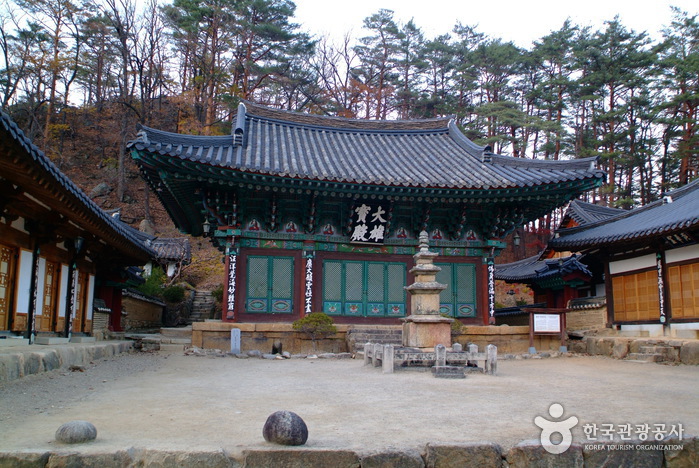
The present Daeungbojeon Hall is a building reconstructed in 1725. It is a multi-bracket-system paljak-roof building with three bays at the front and three bays at the side, featuring brackets with three exterior projecting arms and four interior projecting arms, as well as a double-eaved paljak roof using rafters and secondary rafters.
The Easily Missed Stone Tortoise and Three-Story Stone Pagoda in Front of Daeungbojeon
The foundation platform in front of Daeungbojeon consists of carefully finished facing stones and capstones, with a stone tortoise decoration in the lower section. Inside, a Sakyamuni Buddha triad is enshrined, and an aged painted finish preserving 18th-century dancheong techniques also remains.
The three-story stone pagoda originally stood east of Hwanghwadang Hall but was moved and restored south of the front of Daeungbojeon in 1977. The pagoda was designated a Gyeongsangbuk-do Tangible Cultural Heritage on January 25, 1979, while Daeungbojeon was designated a Treasure on May 2, 1994.
The 1733 Yeongsanhoesangdo and Buddhist Artifacts Designated as Treasures
Bulyeongsa’s Yeongsanhoesangdo was painted in 1733, the ninth year of King Yeongjo’s reign, and designated a Treasure on August 8, 1997. The Buddhist canopy was designated a Treasure on June 23, 2021, and Eungjinjeon Hall was designated a Treasure on July 15, 1981.
The temple also contains Uisangjeon Hall, which enshrines Master Uisang. However, the detailed display locations, viewing availability, and photography restrictions for the artifacts have not been confirmed in the available guidance materials, so visitors should not assume that the interiors can be viewed simply by reaching the front of the halls.
The 1.5 km from the Parking Lot and What to Know Before Reaching Bulyeongsa
The address is 48 Bulyoungsa-gil, Geumgangsong-myeon, Uljin-gun, Gyeongsangbuk-do. Korea Tourism Organization guidance indicates that parking is available, but Uljin-gun advises that visitors must walk a considerable distance from the temple gate to the temple grounds.
A visit review from August 2022 records walking approximately 1.5 km from the parking lot to Bulyeongsa. Bus route numbers, stop names, station-exit information, and the exact walking time from the ticket office to the actual temple grounds have not been confirmed. Foreign visitors relying solely on public transportation should therefore plan their final means of transportation separately after arriving in Uljin.
- Parking: Listed as available
- Walking: An August 2022 review mentions approximately 1.5 km from the parking lot to the temple grounds
- Restrooms: Restrooms are indicated in the visitor information
08:00–17:00 Operating Information and Possible On-Site Restrictions
Recent travel information lists the visiting hours as 08:00–17:00. Korea Tourism Organization guidance lists the site as open year-round, but the official latest operating hours by season have not been confirmed. Admission is listed as 2,000 won for adults, 1,500 won for teenagers, and 1,000 won for children.
Groups of 30 or more are listed as eligible for a 10% discount, while senior visitors are listed as eligible for free admission. Official parking fees, whether cash or card payments are accepted, English-language guidance or audio guides, wheelchair and stroller accessibility, and restricted-access areas have not been confirmed. Although some reviews describe the temple grounds as level areas around a pond, the 1.5 km section between the parking lot and the grounds makes this difficult to apply to travelers who require mobility assistance.
- Main telephone: 054-783-5004
- Official website: http://bulyoungsa.kr
- Photography restrictions, queues, and dress or footwear rules: Not confirmed
How to Combine Bulyeongsa Valley and Seongnyugul Cave in a One-Day Itinerary
Bulyeongsa Valley is approximately 13 km long, with unusual rock formations and forests extending around the temple. Rather than quickly viewing only the temple and returning, it is easier to understand the site’s terrain by planning the 1.5 km section from the parking lot to the temple grounds together with the valley scenery.
According to a visitor review, Seongnyugul Cave is approximately 30 minutes by car from Bulyeongsa. Since the recommended viewing time for Bulyeongsa has not been confirmed, it is safer to schedule the temple and valley walk first within the listed 08:00–17:00 hours and add Seongnyugul Cave as a separate part of the itinerary.
Before You Go
- Address
- 48 Bulyoungsa-gil, Geumgangsong-myeon, Uljin-gun, Gyeongsangbuk-do
- Hours
- 08:00–17:00 (based on recent travel information; the official latest operating hours have not been confirmed)
- Closed
- Listed as open year-round in Korea Tourism Organization guidance
- Admission
- Adults 2,000 won / Teenagers 1,500 won / Children 1,000 won; 10% discount for groups of 30 or more; seniors listed as free
- Phone
- 054-783-5004
- Official site
- http://bulyoungsa.kr
- Transport
- Reviews mention approximately 1.5 km on foot from the parking lot to the temple grounds. Bus route numbers, stop names, and exit information could not be confirmed
- Parking
- Listed as available. Parking fees could not be confirmed through official or public sources; some travel information lists 2,000 won
- Time needed
- Reviews mention approximately 1.5 km on foot from the parking lot to the temple grounds, but the recommended viewing time for the grounds could not be confirmed
- Accessibility
- There is an approximately 1.5 km walking section between the parking lot and the temple grounds, which are described as level areas around a pond. Wheelchair and stroller accessibility could not be confirmed
The information above is current as of the time of writing. Check the official guidance again before visiting.

Places
Nearby Attractions 3
-
 1
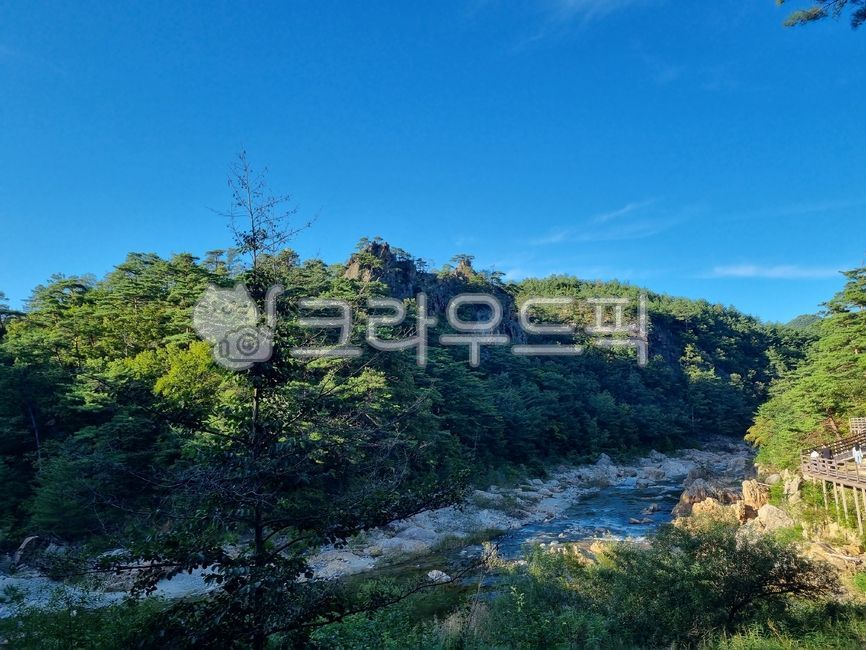
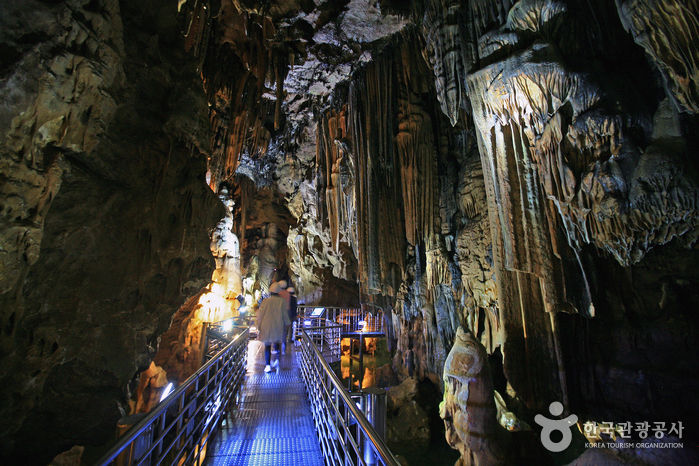
Uljin Bulyeongsa Temple Valley AreaA scenic site where visitors can walk along a mountain stream amid奇岩怪石 and forests
1
Uljin Bulyeongsa Temple Valley AreaA scenic site where visitors can walk along a mountain stream amid奇岩怪石 and forests -
 2
2
-
 3
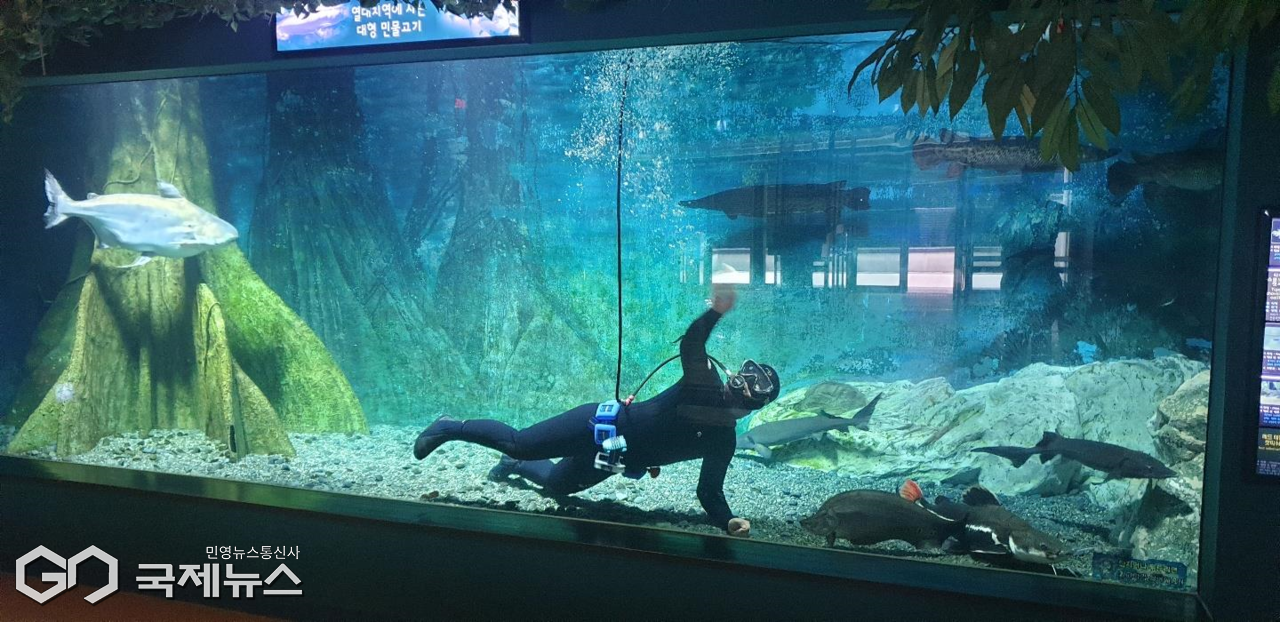
Gyeongsangbuk-do Freshwater Fish Ecology Experience CenterA place to learn about freshwater fish ecology through exhibitions and hands-on experiences
3
Gyeongsangbuk-do Freshwater Fish Ecology Experience CenterA place to learn about freshwater fish ecology through exhibitions and hands-on experiences
Food & Dining 2
-
 4
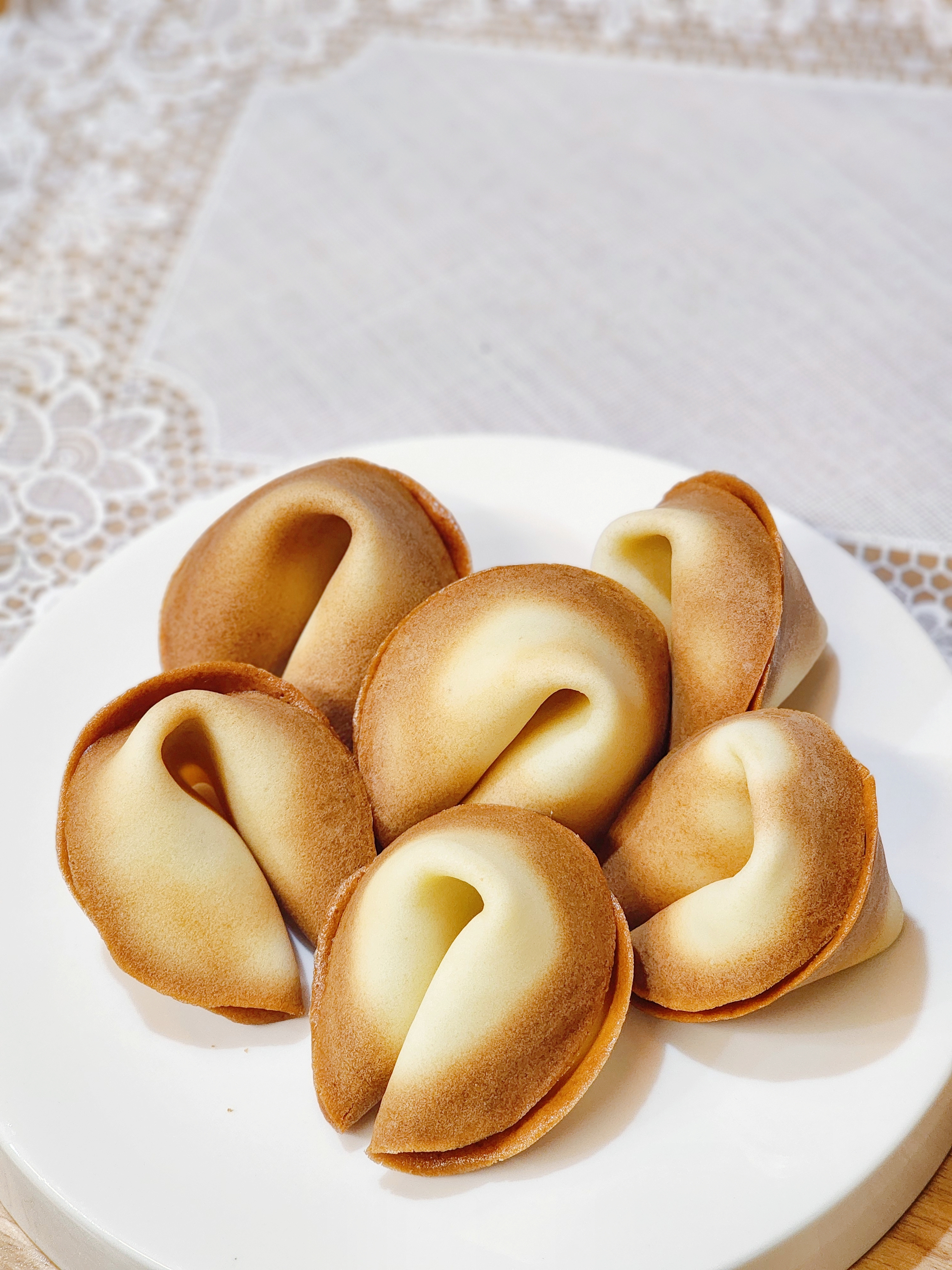
Cafe BaramilA café where you can relax while enjoying traditional tea, coffee, and desserts.
4
Cafe BaramilA café where you can relax while enjoying traditional tea, coffee, and desserts. -
 5
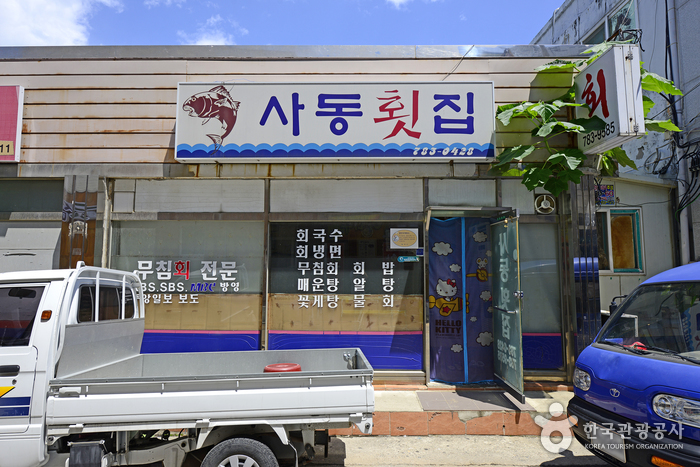
Wangbicheon Ige Daegye Wangbicheon BranchA restaurant serving crab dishes such as crab jjageul and crab meat bibimbap.
5
Wangbicheon Ige Daegye Wangbicheon BranchA restaurant serving crab dishes such as crab jjageul and crab meat bibimbap.
Events in This Area
Festivals in This Area
More Travel Guides in This Area
 Travel Guide
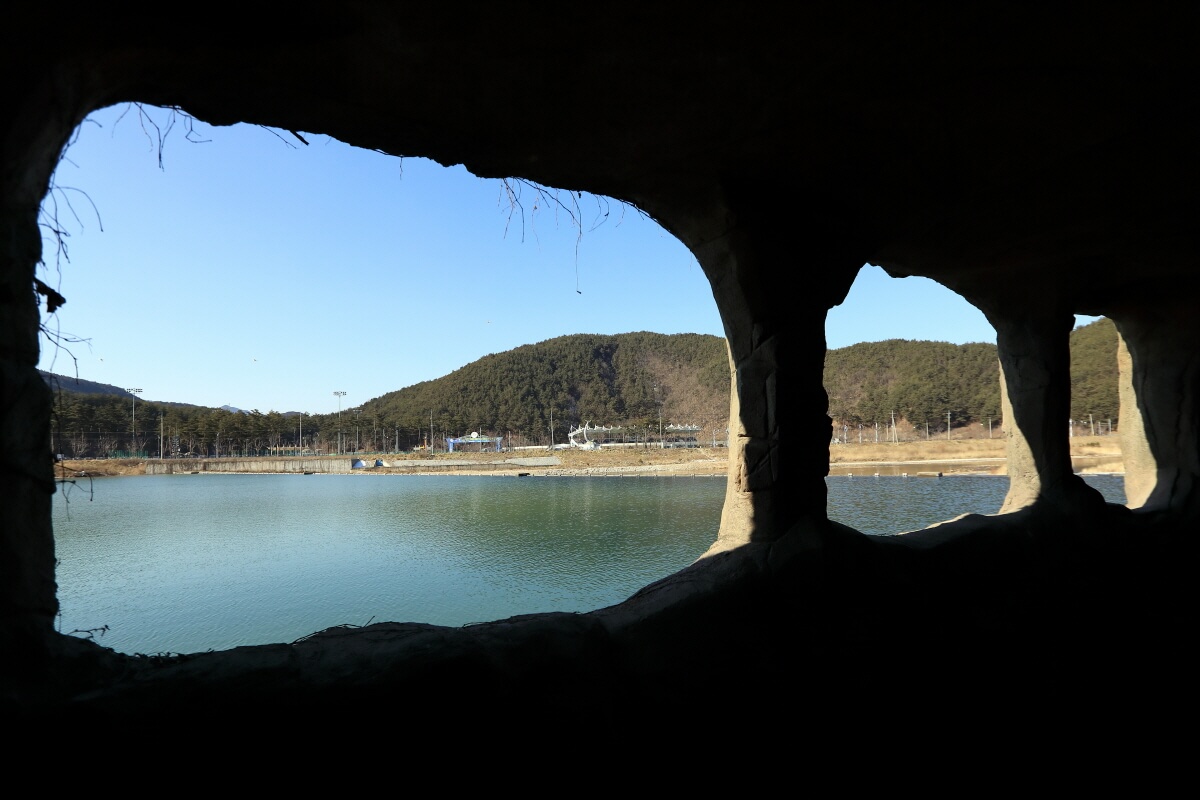
The 470-meter public section of Uljin Seongnyugul Cave, with underwater stalactites still intact
 Travel Guide
Reading Goryeo Architecture at Yeongju Buseoksa Temple, Between the Entasis Columns and the Western Buddhist Altar
 Travel Guide
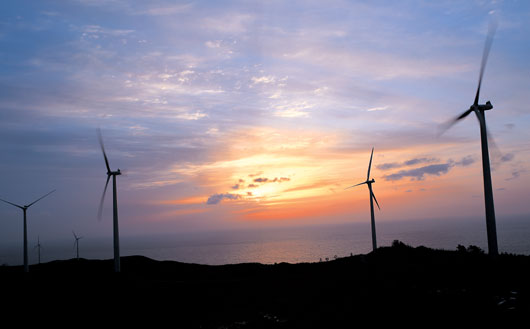
The Changpo-ri Hills of Yeongdeok, Where 24 Giant Blades Meet the East Sea Wind
 Travel Guide
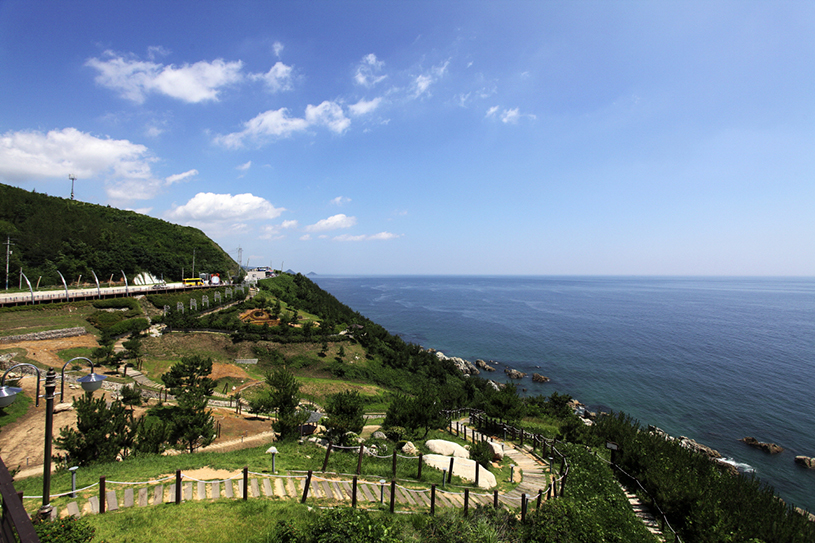
Yeongdeok Sunrise Park, Where a Snow Crab Claw Lighthouse Meets 1,500 Steps
Korea News
 News
News
‘NewJeans Expulsion’ Danielle Releases Her First YouTube Video… “We Don’t Know What Will Happen Next”
![aespa’s North American Tour Has Remaining Seats Despite ‘$49’ Bargain Prices… A Stark Popularity Gap with KATSEYE [TEN Starfield]](https://kotourlive-images.s3.ap-northeast-1.amazonaws.com/news/1788485037424_a59b1932_naver_rank_thumb_0000774618_1788485037424.jpg) News
News
aespa’s North American Tour Has Remaining Seats Despite ‘$49’ Bargain Prices… A Stark Popularity Gap with KATSEYE [TEN Starfield]
![[Photo] TWICE’s Dahyun attends a film festival red carpet as an actress](https://kotourlive-images.s3.ap-northeast-1.amazonaws.com/news/1788485316508_edd43ecd_news_870a60a6-6f11-4d73-aa7c-48d91318a0f7.jpg) News
News
[Photo] TWICE’s Dahyun attends a film festival red carpet as an actress
![[On-Site Video] “We’re Departing Separately Together”… BIGBANG Begins ‘COSMOS’ World Tour](https://kotourlive-images.s3.ap-northeast-1.amazonaws.com/news/1788485226518_c5719641_news_fdd4764a-0f4e-4968-8e4e-e98a02872f88.jpg) News
News