How to See Toegye’s Study Space and the Nakdong River Scenery at Dosan Seowon
Dosan Seowon is a Joseon-era Confucian academy established in 1574, originating from Dosan Seodang, where Toegye Yi Hwang studied and taught his disciples. This guide organizes the information first-time visitors need, focusing on how to take Express Bus 3 from Andong Station or the terminal, seasonal opening hours and admission fees, and the actual sightseeing route.
I’ve been here?
Your check-in helps the next traveler.
No one has checked in yet Be the first
One tap — no writing needed
How to take Express 3 from Andong Station to the Dosanseowon terminus
Travelers visiting for the first time can use Andong Station or Andong Intercity Bus Terminal as their starting point. The Express 3 city bus runs from the terminal and Andong Station to the Dosanseowon terminus. According to the official information, five buses operate per day, and the journey takes about 45 minutes. Departure times from Andong Station and the terminal are 08:15, 09:35, 12:15, 13:15, and 16:15.
Return buses depart from Dosanseowon at 09:40, 11:10, 14:10, 14:55, and 17:50. Since departures are infrequent, it is safer to decide on your return time before entering. The alternative bus 512 operates only once a day, departing from the Gyeongan Passenger garage at 10:50, passing Dosanseowon, and making the return trip at 12:10.
- Andong Intercity Bus Terminal ARS: 054-857-8298
- Gyeongan Passenger: 054-821-4071
- Dongchun Passenger: 054-821-2102
- Andong Bus: 054-859-4571
- National Station Information: 1544-7788
Admission begins at 09:00, but closing times vary by season
The operating hours and admission closing time for Dosanseowon need to be confirmed.
The closing days need to be confirmed.
Admission fees and exemption eligibility need to be confirmed. The main telephone number is 054-856-1073, and the official website is the official Dosanseowon page of Andong City. The address is 154 Dosanseowon-gil, Dosan-myeon, Andong-si, Gyeongsangbuk-do.
A layout spanning from Dosanseodang in 1561 to the completion of the seowon in 1576
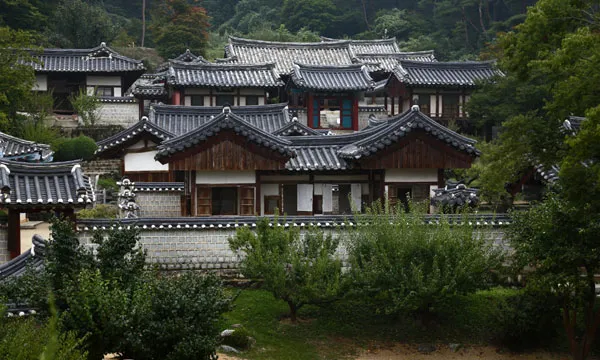
Dosanseowon was built in 1574 to honor the scholarship and virtuous conduct of Toegye Yi Hwang. However, its core is Dosanseodang, which predates it. Established in 1561 by Toegye Yi Hwang after he returned to his hometown, Dosanseodang was built for scholarly research and educating younger students, and is introduced as the oldest building within the seowon.
After Toegye Yi Hwang died in 1570, it was decided in 1572 to enshrine his spirit tablet at Sangdeoksa, and Dosanseowon was completed in 1576, six years after his death. Nongウンjeongsa, which served as a dormitory for Confucian students, was also built at the same time. Therefore, the buildings visible on site are not a single complex created all at once, but the result of an individual's study space expanding into areas for education and ancestral rites.
In 1575, the seowon received the royal plaque reading “Dosanseowon,” written by Han Seok-bong, and became a royally chartered seowon. In 1615, Wolcheon Jo Mok was added for joint veneration; in 1792, King Jeongjo's memorial rite and the Dosan special examination were held; and in 1796, Sisadan was built.
An east–west symmetrical tour from Jindomun to Jeongyodang
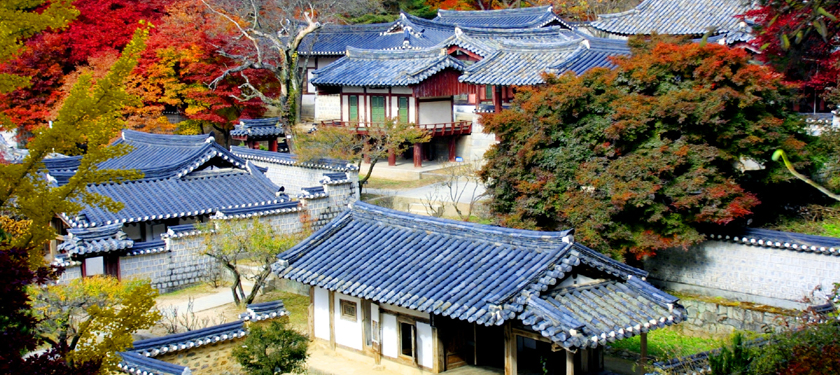
Dosanseowon is broadly divided into the Dosanseodang area and the larger Dosanseowon area surrounding it. The educational facilities were arranged symmetrically on both sides, based on Jindomun, the entrance gate, and Jeongyodang in the center. At first, pass through Jindomun and compare the buildings on either side of Jeongyodang to understand the spatial layout easily.
Dongjae and Seojae are buildings where Confucian students lived and studied. The building on the eastern side of Dosanseodang is called Bagyakjae, while the western building is called Honguijae. Behind Dongjae is Jangpangak, where woodblocks for books were stored. In 2003, its 2,790 woodblocks were transferred to the Korea Studies Advancement Center.
Gwangmyeongsil is a library divided into eastern and western sections, corresponding to today's library. At the highest point of the seowon, Sangdeoksa and Jeonsacheong, where preparations for ancestral rites were made, stand across a three-gate boundary. Sangdeoksa is Treasure No. 211, and Jeongyodang is Treasure No. 210.
How to see the pillow, plum-blossom inkstone, and armillary sphere at Okjin-gak
Okjin-gak is an exhibition hall for Toegye Yi Hwang's artifacts, completed in 1970. It displays his personal belongings, writings, and artifacts, including the pillow and mat he used during his lifetime. If you want to see not only the arrangement of the seowon buildings but also the everyday objects of a scholar, it is worth adding Okjin-gak as a separate stop.
Exhibits include a plum-blossom inkstone, jade seal, document chest, bamboo staff, plum-blossom lamp, tuho game, and armillary sphere. This list allows visitors to explore stationery and scientific instruments as well as architecture at Dosanseowon, where it is easy to pass through after looking only at the buildings. Since no confirmed information is available about the exhibition scope or photography restrictions at Okjin-gak, visitors should follow the regulations on site.
The recommended time for touring all of Dosanseowon is approximately 1–2 hours, based on visitor reviews. The walking distance and slope from the ticket office to the main buildings, as well as wheelchair and stroller accessibility, could not be confirmed from the available information. Travelers with mobility difficulties should therefore contact the main number, 054-856-1073, in advance.
Make use of the free commentary available from 10:00 to 17:00 on weekends
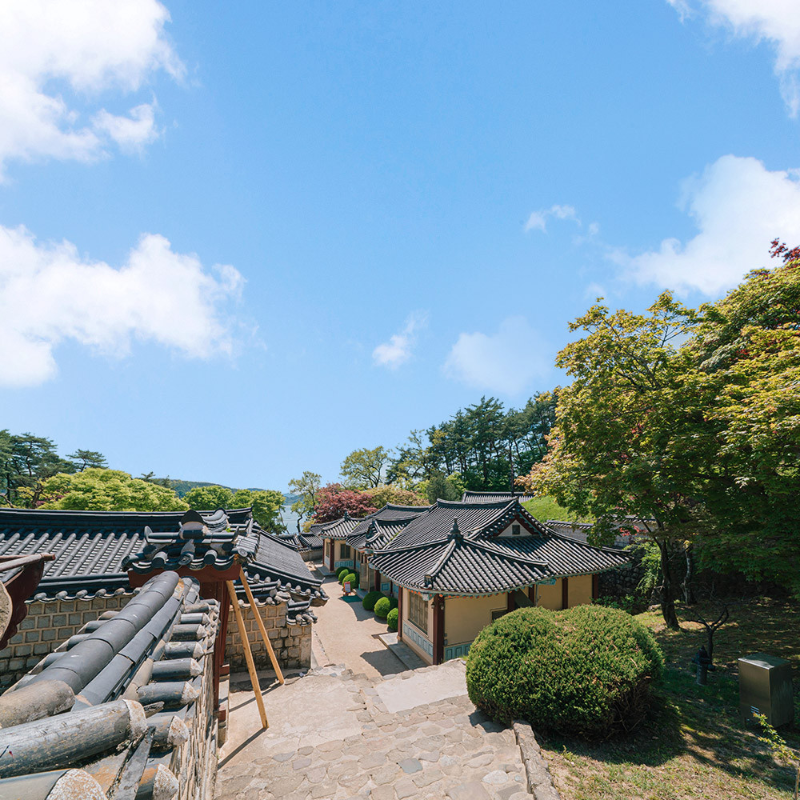
On Saturdays, Sundays, and public holidays, the free commentary program “Learning Dosanseowon Properly” is offered from 10:00 to 17:00. The program explains the values preserved by the seowon and the teachings of Toegye Yi Hwang. For foreign visitors unfamiliar with Korean seowon architecture or Confucian educational institutions, matching the commentary schedule can make the site easier to understand than simply reading the building names.
About 40 commentary assistants, including instructors from the Dosanseowon Seonbi Culture Training Center and associate stewards of Dosanseowon, participate in the free commentary. However, the available information does not specify the starting location for individual tours or whether commentary is offered in different languages. The availability of English explanations or an audio guide has also not been confirmed, so visitors who specifically require English commentary should verify the telephone information before visiting.
Memorial rites are held every spring and autumn. Since the atmosphere and visitor routes may differ during events, visitors should follow instructions around Sangdeoksa, the ritual area.
Upper Andong Lake scenery and a 324,945-square-meter historic site
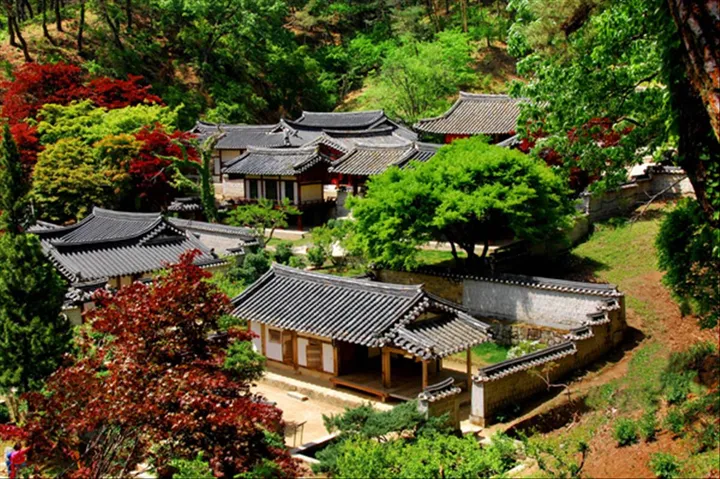
Dosanseowon is located in Togye-ri, Dosan-myeon, Andong-si, and is connected to the scenery around the Nakdong River upstream of Andong Lake. Oebyeongsan and Naebyeongsan surround the area like a folding screen, while across Gasonghyeop in the upper reaches of the Nakdong River, Songnim and Doksan are presented as part of the landscape. Rather than viewing only the buildings quickly and leaving, take time to look at the mountains and water around the seowon as well.
In 1969, the Dosanseowon area was designated Historic Site No. 170. The designated area covers 19 parcels of woodland, fields, and paddies, totaling 324,945 square meters. Records state that Dosanseowon was designated Historic Site No. 170 in the same year, and in 2019, “Seowon, Korean Neo-Confucian Academies,” comprising nine sites nationwide, was inscribed on the World Heritage List.
Dosanseodang was designated Treasure No. 2105 in 2020, and Nongunjeongsa was designated Treasure No. 2106. Considering also the fact that Dosanseowon was protected from the 1870 decree ordering the abolition of seowon by the Daewongun, the current building arrangement and ritual spaces demonstrate how an educational institution of the Joseon period was preserved as modern cultural heritage.
What cannot be confirmed before visiting by car
Large vehicles cannot enter via the existing Dosanseowon access road. Tour buses and other large vehicles must travel from National Route 35 through the Dosan Interchange toward Togye-ri, pass Togye Bridge, and use the detour road leading to Dosanseowon. The section leading from the Dosanseowon Three-Way Intersection, the existing access road junction, to Dosanseowon prohibits entry by large vehicles.
Information provided does not confirm parking availability, parking fees, whether payment is cash-only, the permitted scope of photography, restricted areas, or access restrictions caused by seasons, rain, or events. Therefore, visitors using large vehicles should plan around the detour road. If photography or parking is central to the trip, contact the main number, 054-856-1073, or the management office at 054-840-3772.
Dosanseowon is not merely a short walking attraction but a historic site to explore by connecting Dosanseodang, Nongunjeongsa, Jindomun, Jeongyodang, Gwangmyeongsil, Dongjae and Seojae, Jangpangak, Sangdeoksa, Jeonsacheong, and Okjin-gak. Allowing time for both the bus return schedule and a 1–2-hour visit helps you avoid missing the five daily Express 3 departures.
Before You Go
- Address
- 154 Dosanseowon-gil, Dosan-myeon, Andong-si, Gyeongsangbuk-do
- Hours
- (Needs confirmation)
- Closed
- (Needs confirmation)
- Admission
- (Needs confirmation)
- Phone
- 054-856-1073
- Official site
- https://www.andong.go.kr/dosanseowon/main.do
- Transport
- Express 3: five departures per day from the terminal and Andong Station, approximately 45 minutes. Departures 08:15·09:35·12:15·13:15·16:15 / Departures from Dosanseowon 09:40·11:10·14:10·14:55·17:50. Bus 512: one departure per day, leaving the Gyeongan Passenger garage at 10:50 and making the round trip to Dosanseowon at 12:10.
- Time needed
- Approximately 1–2 hours for a tour, based on visitor reviews
The information above is current as of the time of writing. Check the official information again before visiting.

Places
Nearby Attractions 3
-
 1
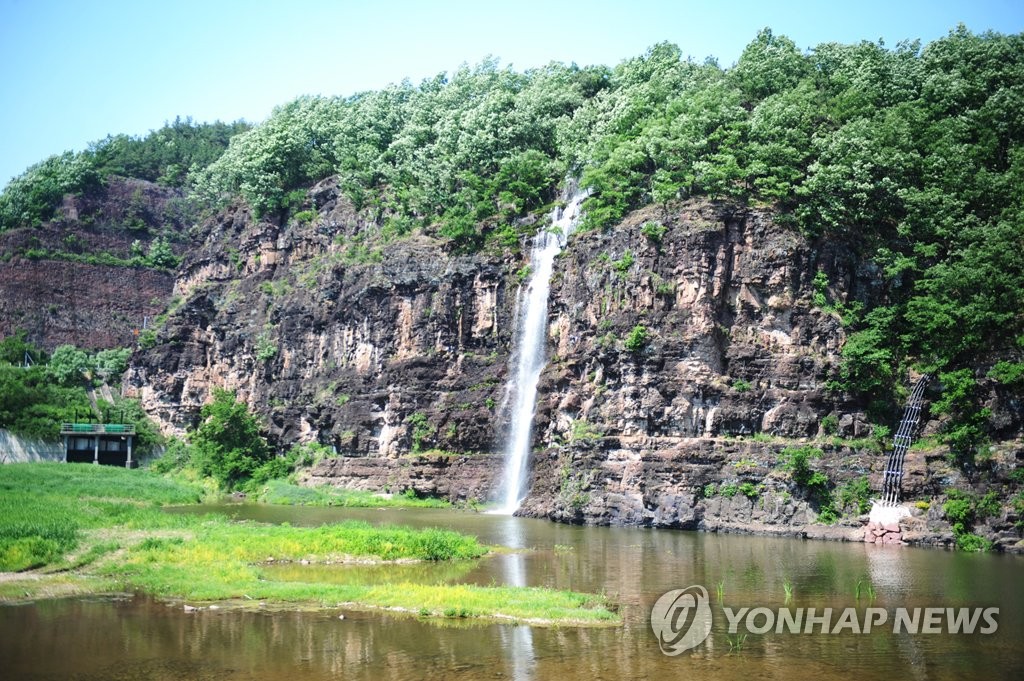
Gosanjeong PavilionA place to admire a Joseon-era pavilion and the surrounding scenery amid the cliffs of the Nakdong River.
1
Gosanjeong PavilionA place to admire a Joseon-era pavilion and the surrounding scenery amid the cliffs of the Nakdong River. -
 2
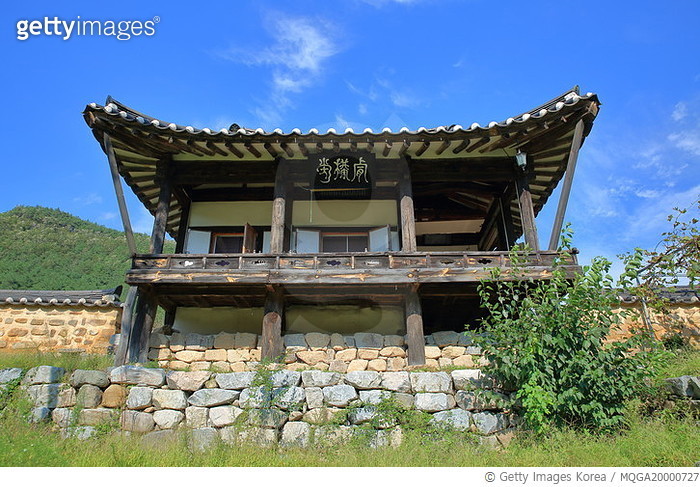
Nongam Head HouseA place to explore the traditional head-family architecture and views of the Nakdong River at Nongam Yi Hyeon-bo’s historic residence.
2
Nongam Head HouseA place to explore the traditional head-family architecture and views of the Nakdong River at Nongam Yi Hyeon-bo’s historic residence. -
 3
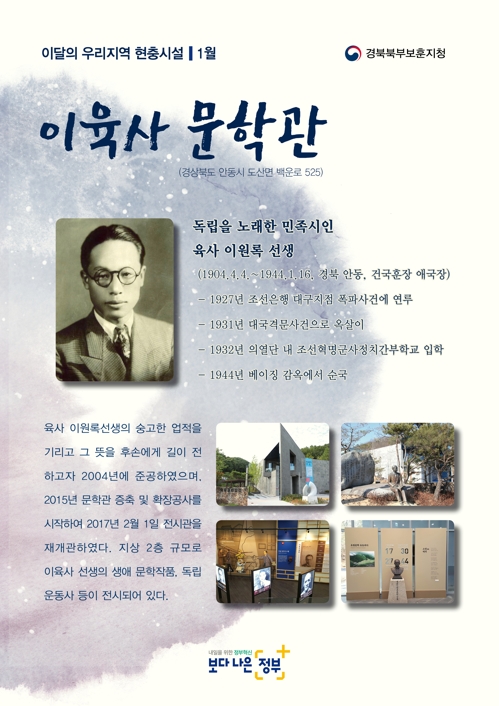
Yi Yuk-sa Literary MuseumA literary museum exhibiting materials on the literature and independence movement of poet Yi Yuk-sa.
3
Yi Yuk-sa Literary MuseumA literary museum exhibiting materials on the literature and independence movement of poet Yi Yuk-sa.
Food & Dining 3
-
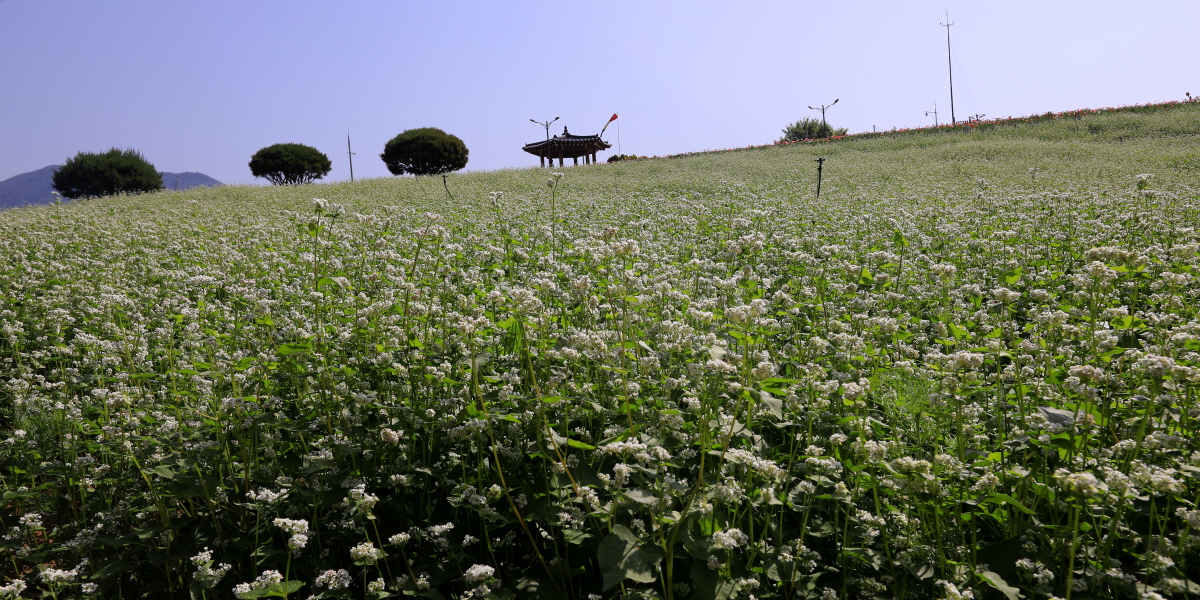 4
Memilkkot PimyeonA restaurant serving local cuisine centered on homemade buckwheat noodles and seasonal wild greens.
4
Memilkkot PimyeonA restaurant serving local cuisine centered on homemade buckwheat noodles and seasonal wild greens. -
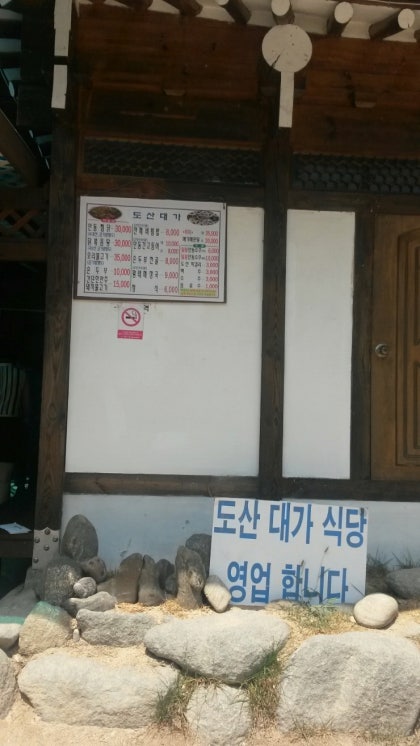 5
Dosandaega RestaurantA restaurant serving regional dishes such as Andong jjimdak, salted mackerel, and wild greens bibimbap.
5
Dosandaega RestaurantA restaurant serving regional dishes such as Andong jjimdak, salted mackerel, and wild greens bibimbap. -
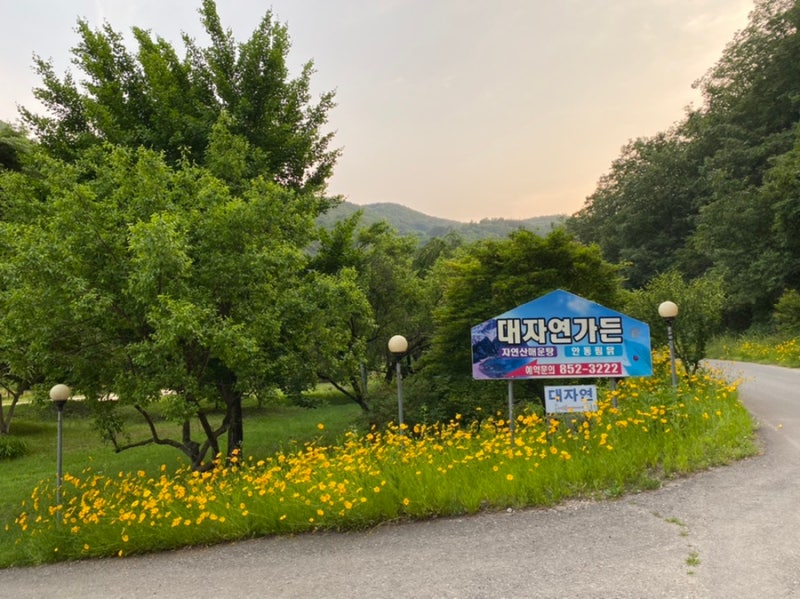 6
Daejayeon GardenA restaurant serving set meals with salted mackerel, freshwater spicy fish stew, and chicken dishes.
6
Daejayeon GardenA restaurant serving set meals with salted mackerel, freshwater spicy fish stew, and chicken dishes.
Events in This Area
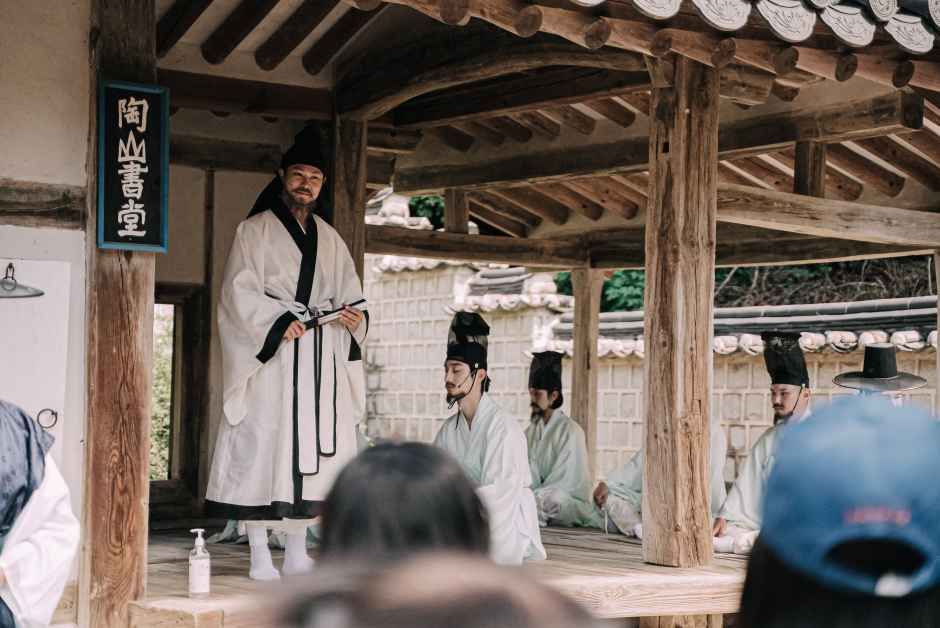
Festivals in This Area
More Travel Guides in This Area
 Travel Guide
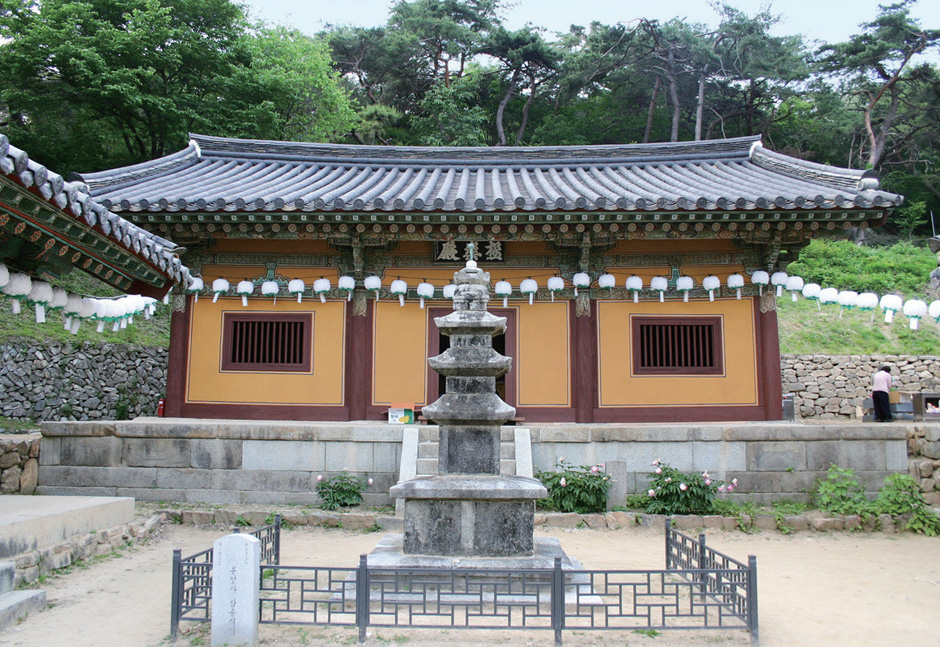
Bongjeongsa Temple Beneath Cheondeungsan Mountain, Andong’s Mountain Retreat Linking Geungnakjeon and Daeungjeon
 Travel Guide
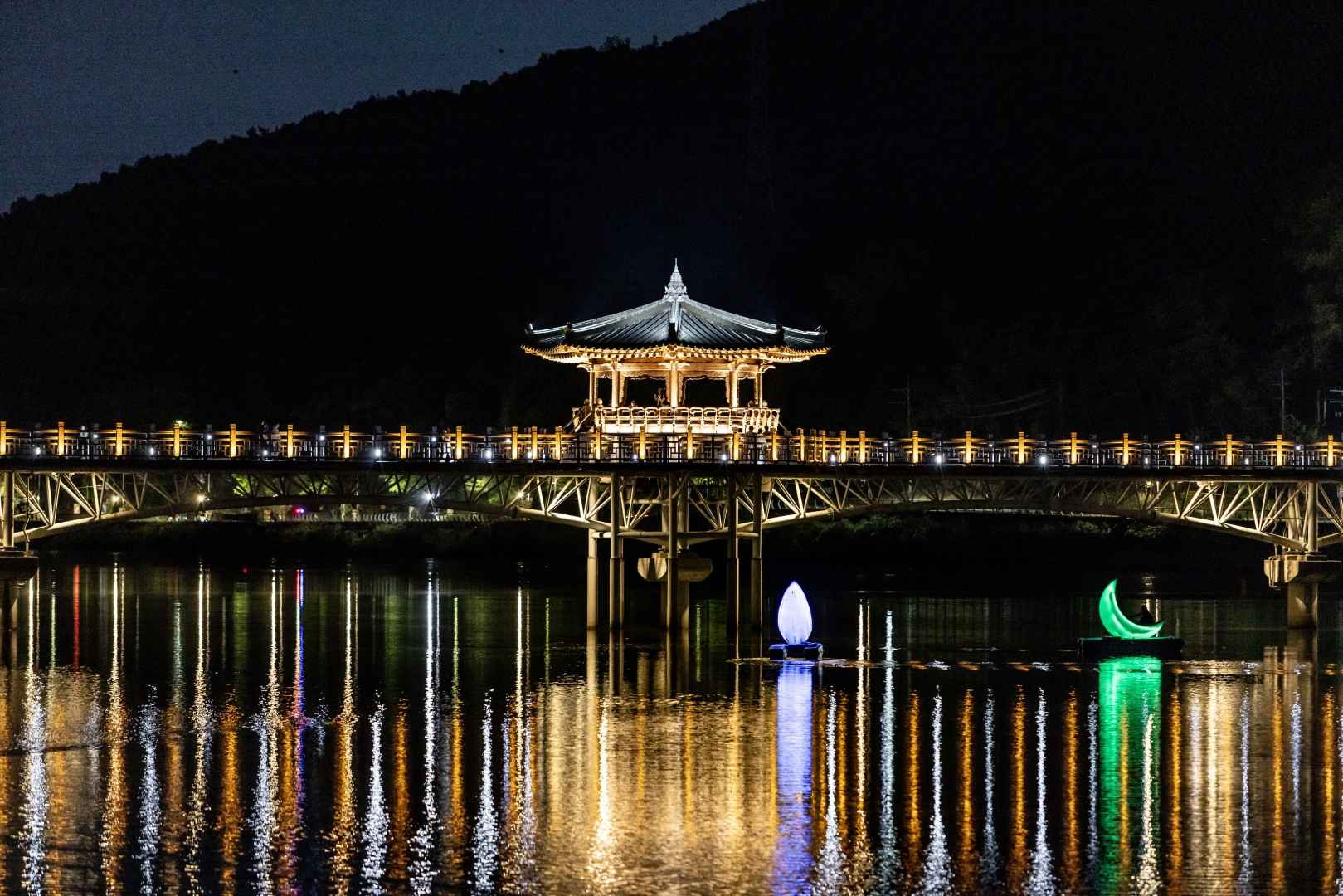
Andong Wolyeonggyo Bridge, 387 m, Connecting the Stories of Moonlight and Straw Shoes
 Travel Guide
Andong Old Market’s Jjimdak Alley and the Market’s Present Day, 1970
 Travel Guide
From Baekundongseowon in 1542 to a UNESCO Seowon: Yeongju Sosuseowon
Korea News
![BLACKPINK’s Lisa Dominates the VMA Red Carpet in a Sheer Corset Dress and Red Fur [Star Issue]](https://kotourlive-images.s3.ap-northeast-1.amazonaws.com/news/1790557894714_010e956a_news_94409db1-fab6-40bf-bc7b-4b985b1fbac7.jpg) News
News
BLACKPINK’s Lisa Dominates the VMA Red Carpet in a Sheer Corset Dress and Red Fur [Star Issue]
![BLACKPINK’s Jisoo Spotted by Surprise with BIGBANG in London… Their Special Loyalty as Labelmates [IS High Cut]](https://kotourlive-images.s3.ap-northeast-1.amazonaws.com/news/1790557854683_6ea979f5_news_caab62e5-8462-43c8-8622-da794f3df9de.png) News
News
BLACKPINK’s Jisoo Spotted by Surprise with BIGBANG in London… Their Special Loyalty as Labelmates [IS High Cut]
 News
News
Tattoos All Over Her Body… AOA’s Jimin Draws Shocked Attention After Kwon Mina’s ‘Bullying’ Allegations
![You’ll Have to Look Twice… Choi Min-a-soo Perfectly Pulls Off Everything from a Daring Illusion Dress at the Awards Ceremony to Long Braided Hair [RE:STAR]](https://kotourlive-images.s3.ap-northeast-1.amazonaws.com/news/1790492384850_1f293dad_news_d834c50e-0685-43ef-9aa5-6995cd6d8848.jpg) News
News