Reading Goryeo Architecture at Yeongju Buseoksa Temple, Between the Entasis Columns and the Western Buddhist Altar
Yeongju Buseoksa Temple is a Hwaeom Buddhist temple founded in 676 by Master Uisang. Along a single route, visitors can see Muryangsujeon, a National Treasure and wooden structure from the Goryeo period, as well as Josadang, a stone lantern, and stone retaining walls. It is accessible by Bus 327 from Punggi Station, but it is best to check the return bus first, considering the service intervals, and allow plenty of time to slowly climb the sloping temple grounds.
I’ve been here?
Your check-in helps the next traveler.
No one has checked in yet Be the first
One tap — no writing needed
The Background to Uisang's Hwaeom Temple Entering Bonghwangsan Mountain in 676
Buseoksa Temple is a Hwaeom Buddhist temple founded by Master Uisang in 676, the 16th year of Silla King Munmu's reign. Yeongju City Culture and Tourism introduces Buseoksa as a temple housing five National Treasures, six Treasures, and two Gyeongsangbuk-do Tangible Cultural Heritage items. Its address is 345 Buseoksar-ro, Buseok-myeon, Yeongju-si, Gyeongsangbuk-do.
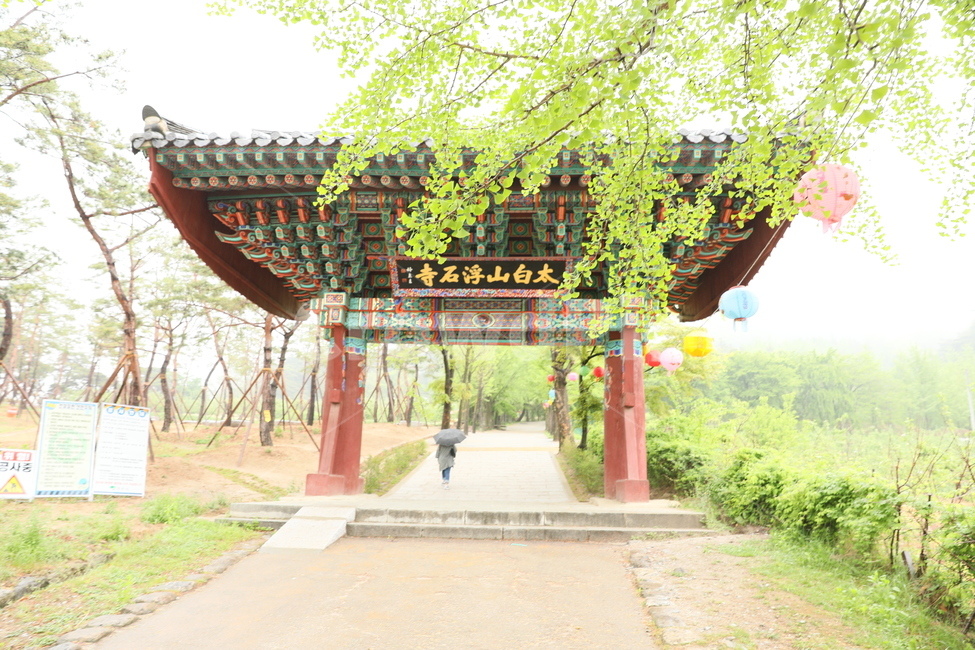
The central axis of this temple does not unfold all at once on level ground. From the entrance, visitors pass through Cheonwangmun and Anyangnu, climb several tiers of stone embankments, and reach Muryangsujeon. For travelers who have difficulty with stairs and slopes, this may be more demanding than a short sightseeing stop. Rather than passing quickly through the grounds, it is better to allow 1.5 to 2 hours for the round trip and climb at a comfortable pace.
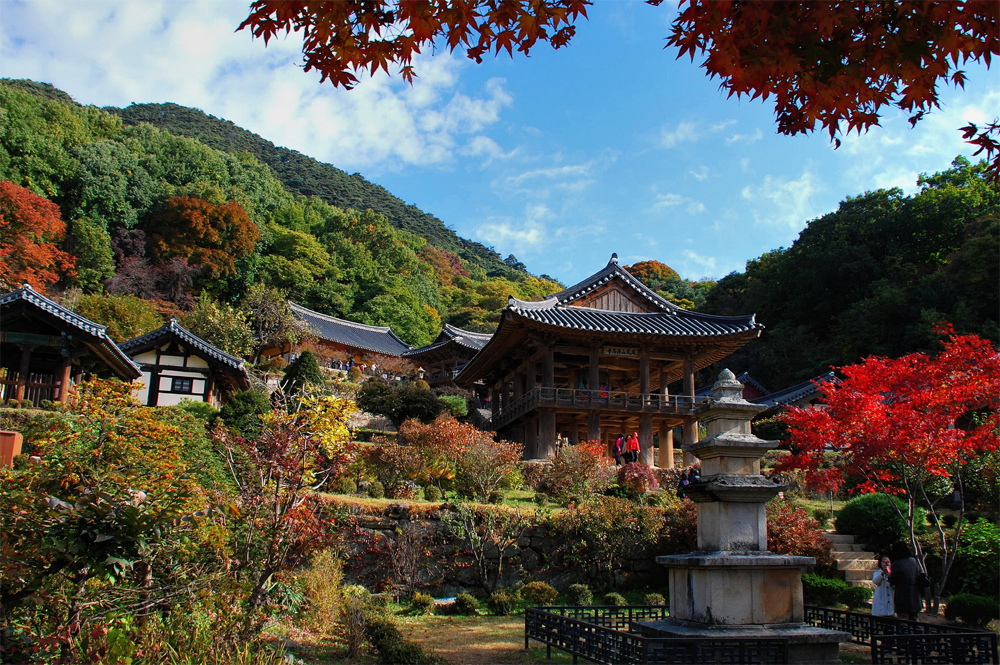
Why the Altar in the National Treasure Muryangsujeon Is Set to the West Rather Than Straight Ahead
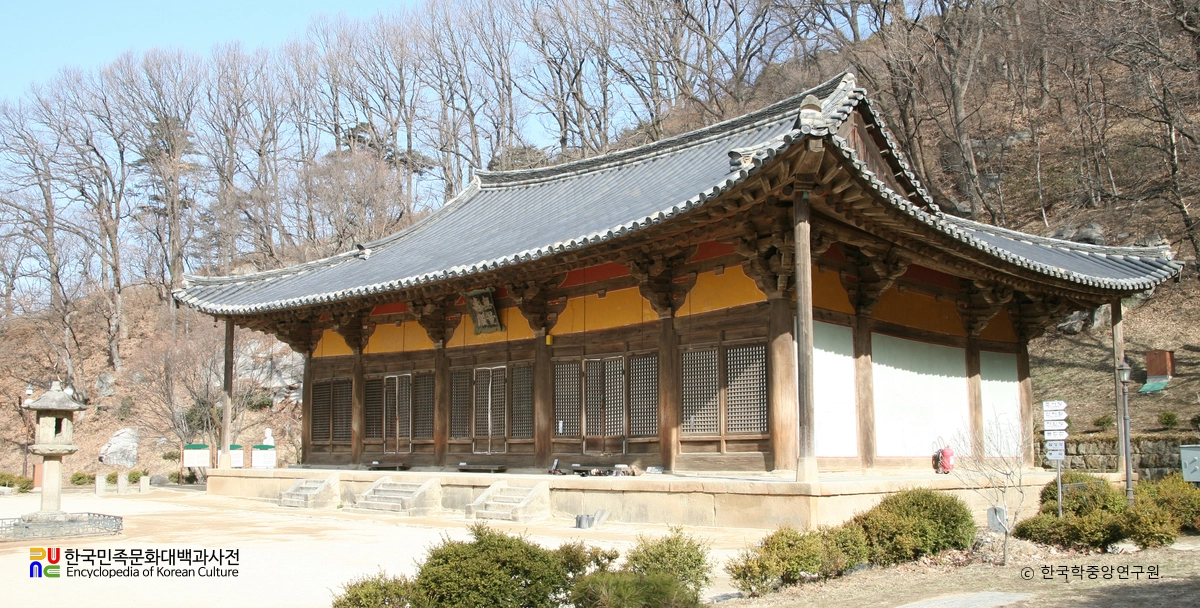
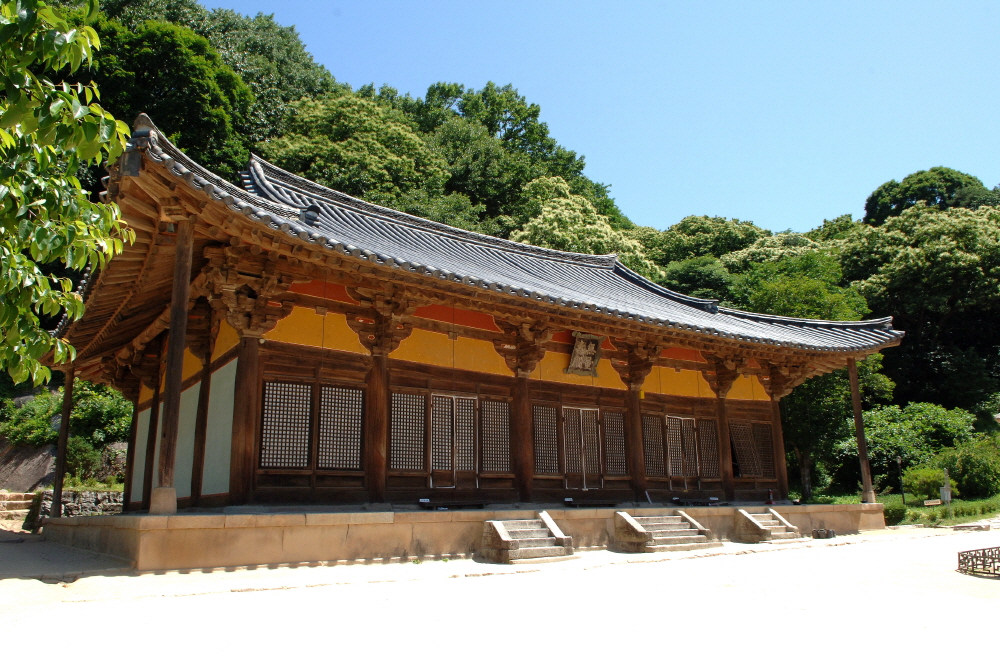
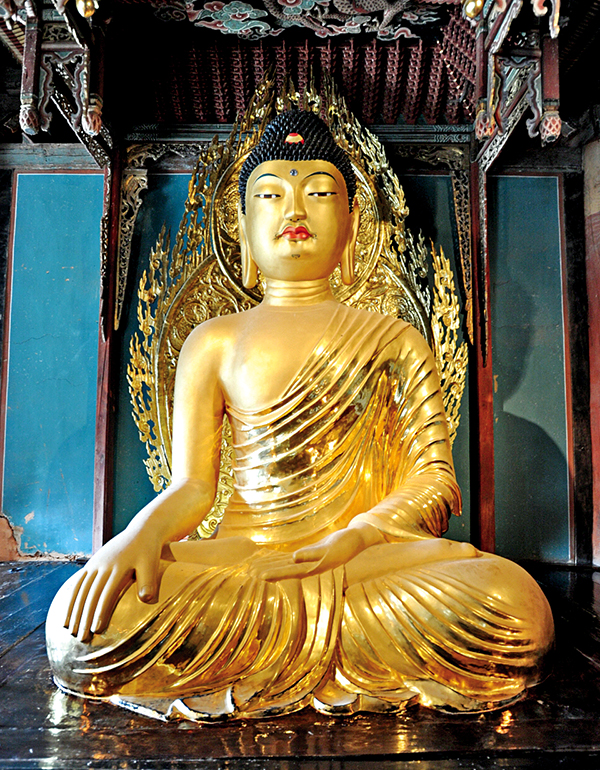
Muryangsujeon is a mid-Goryeo-period building designated a National Treasure on December 20, 1962. The National Heritage Portal records it as one building, and enshrined inside Muryangsujeon is the National Treasure seated clay statue of Amitabha Buddha at Yeongju Buseoksa Temple.
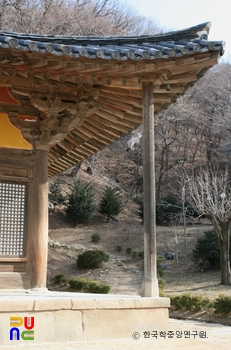
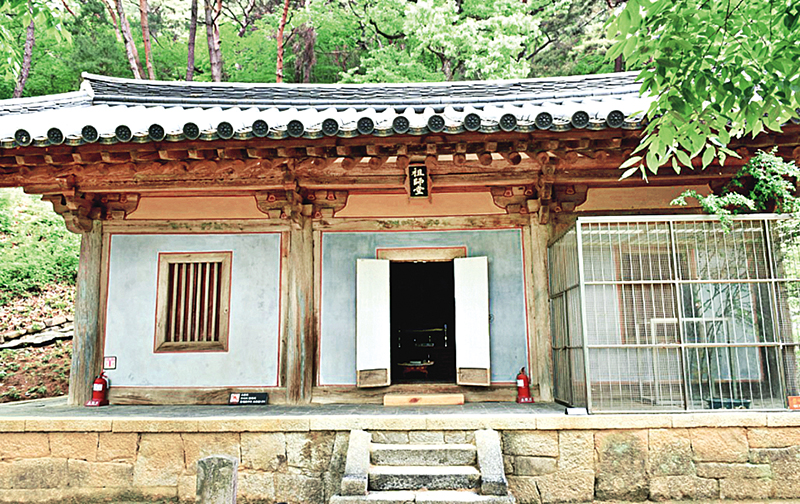
Unlike in a typical Buddhist hall, the statue is not placed at the rear directly in front but is shifted toward the west and faces east. This is connected to the Buddhist spatial concept that Amitabha Buddha resides in the Western Paradise, explaining why the building's central axis and the statue's orientation feel different when standing before the altar. Looking together at the entasis columns, the bracket sets assembled above the columns in the jusimpo system, and the exposed rafters makes the structure of this hall clearer.
From Anyangnu Past the Stone Lantern to Muryangsujeon: 3 Things to See Before Taking Photos
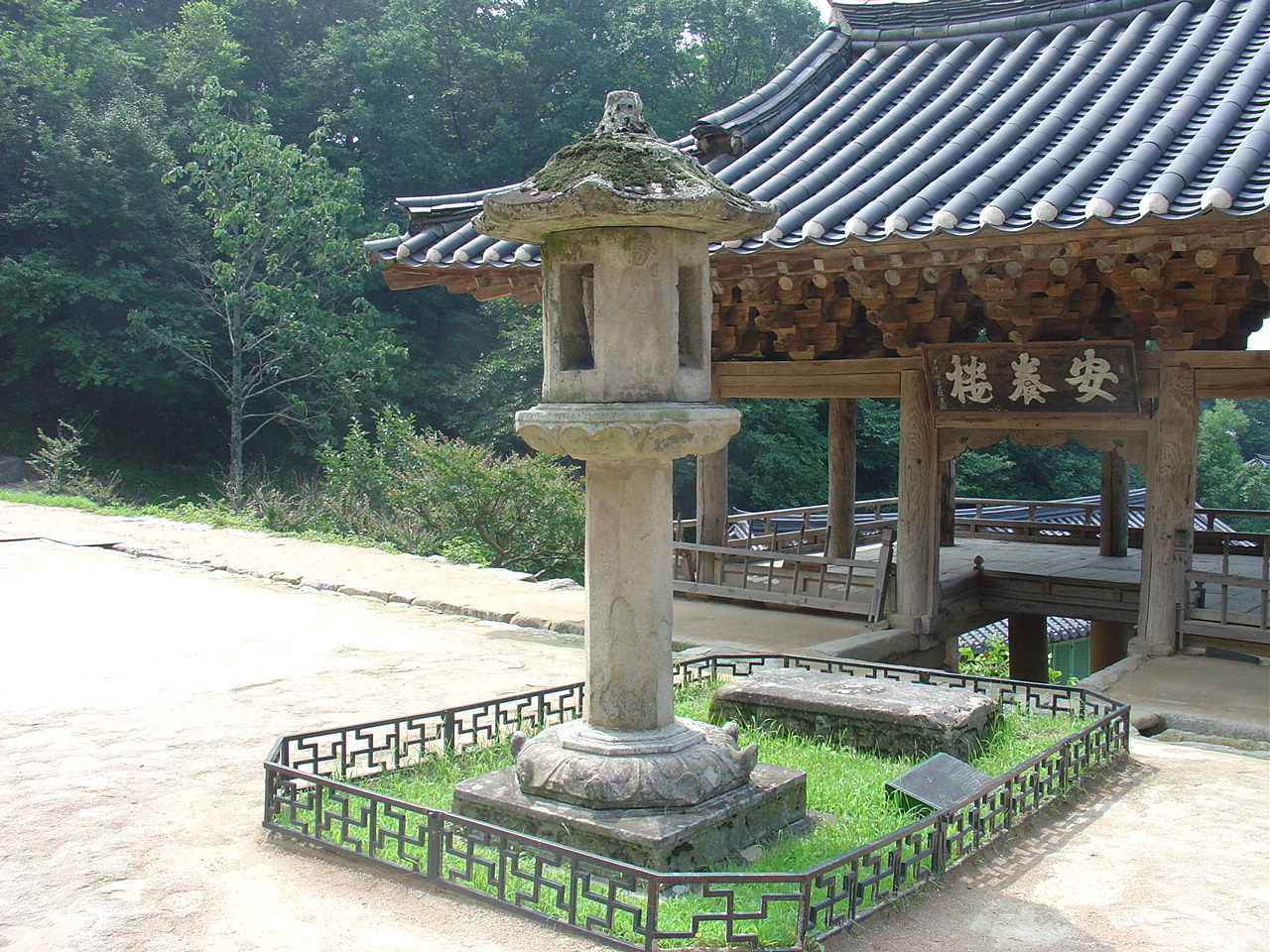
The stone lantern in front of Muryangsujeon is a stone monument designated a National Treasure. Centered on the fire chamber that held the light, the lantern consists of a base stone and a roof stone. It draws the eye across the courtyard in front of Muryangsujeon, and official tourism photographs from Yeongju introduce the lantern together with Muryangsujeon.
After passing through Anyangnu, first look at the stone lantern in the front courtyard, then the columns and bracket sets of Muryangsujeon, and finally Buseok behind the hall. Following this order reduces overlap in the walking route. Buseok is known as the rock associated with the Chinese characters in the temple's name meaning “floating rock,” and it is located behind Muryangsujeon. Since worship and visitor order take priority inside the hall, avoid loud voices and flash photography.
The Passage of Time Preserved in the 1377 Josa-dang and the 1490 and 1613 Renovation Records
Rather than seeing only Muryangsujeon and leaving, it is worth continuing north to Josa-dang. Josa-dang is a National Treasure, and the building is believed to date from 1377. During the Joseon period, records remain of renovations to Josa-dang in 1490, Anyangnu in 1576, and Muryangsujeon in 1613. The present temple grounds are therefore the result of repairs and management carried out across several eras since the temple's Silla foundation.
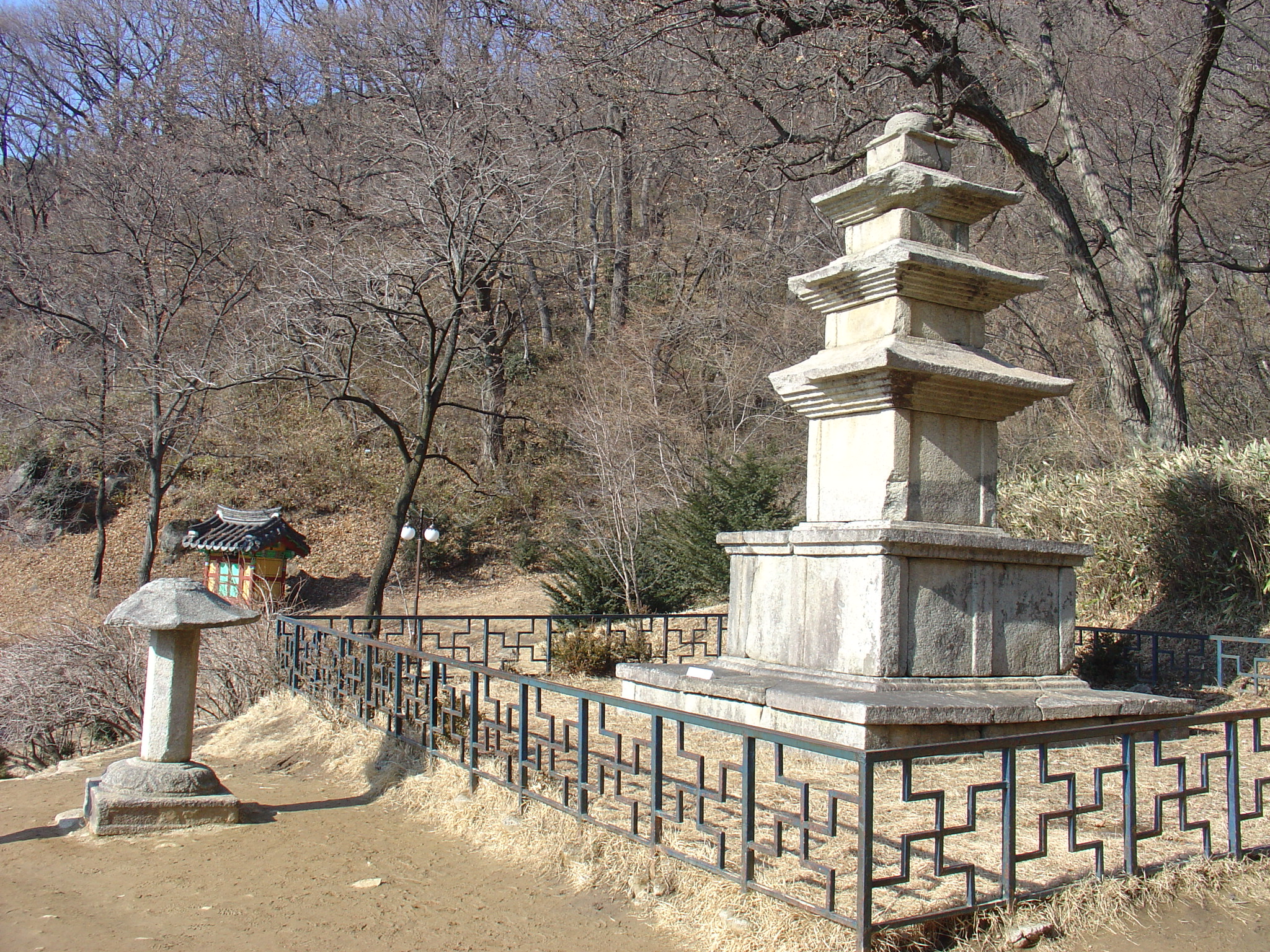
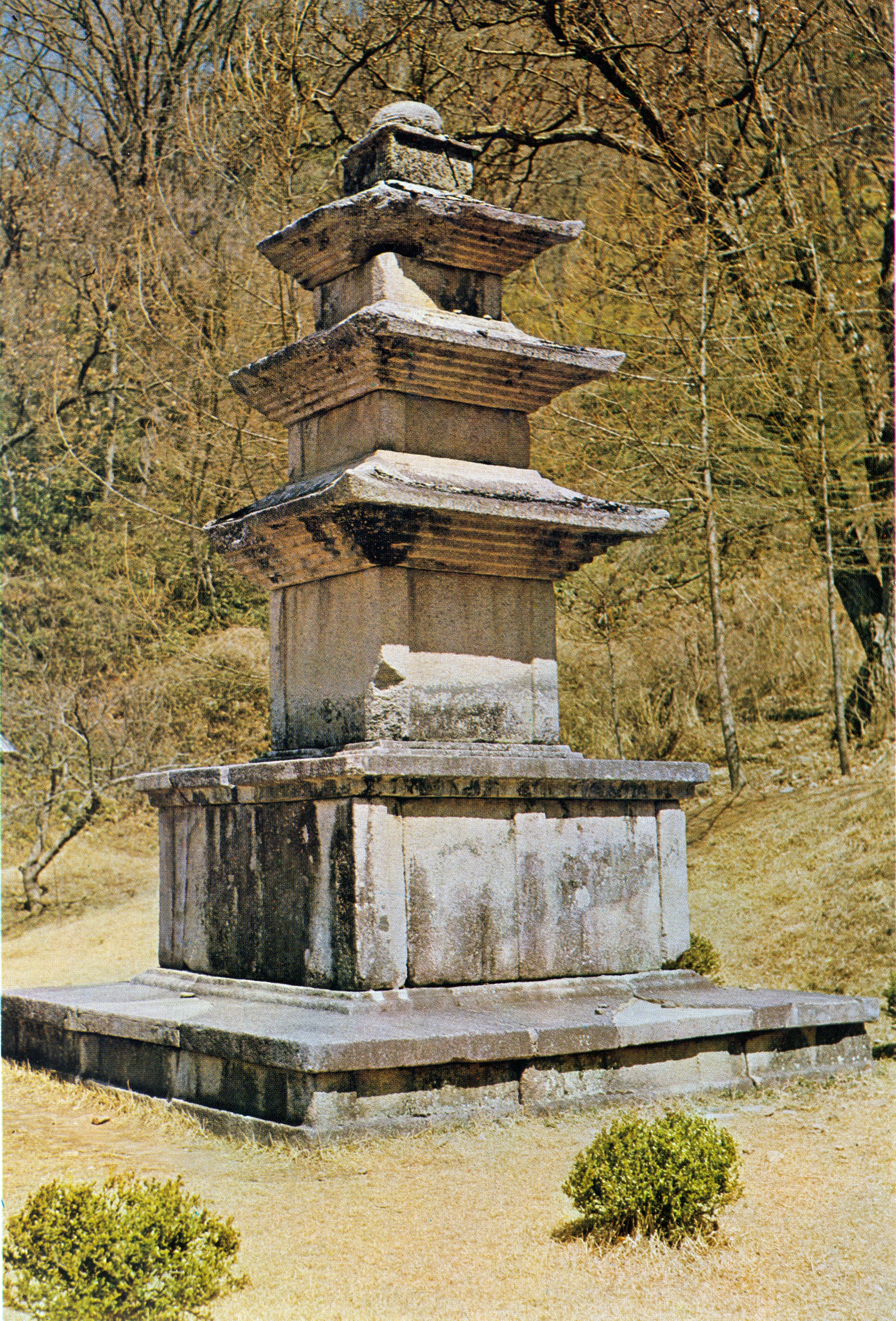
The murals in Josa-dang are preserved separately. Instead of expecting to freely view the originals up close, it is more accurate to examine the hall's location and protective environment. Yeongju's official guide also lists the Josa-dang murals, Goryeo woodblocks, a three-story stone pagoda, and the seated stone statue of a Buddha at Bukji-ri among Buseoksa's cultural heritage.
Adult Admission at 2,000 Won and Passenger-Car Parking at 3,000 Won: Costs to Check at the Ticket Booth
The individual admission fees posted on Yeongju City's Culture and Tourism page are 2,000 won for adults, 1,500 won for middle and high school students, and 1,000 won for elementary school students. For groups of 30 or more, the listed fees are 1,800 won for adults, 1,300 won for middle and high school students, and 800 won for elementary school students. The notice states that these rates have applied since April 15, 2019, and that credit-card payment is available.
Parking fees are 2,000 won for compact cars, 3,000 won for passenger cars and cargo vehicles under 1 ton, 4,500 won for 25-seat minibuses, and 6,000 won for large buses. The ticket-booth telephone number is 054-633-3258, the parking-lot ticket booth is 054-631-4762, and the temple inquiry number is 054-633-3464. Since on-site operations may vary depending on the season, events, and facility conditions, it is safest to call and confirm on the day of departure.
A Practical Approach: Bus 327 from Punggi Station and a 12-Minute Walk from the Buseoksa Stop
For public transportation, it is easiest to start at KTX Punggi Station. The National Heritage Visiting Campaign guide says to take bus 327 from the bus stop at Punggi Station, get off at the Buseoksa stop, and walk for about 12 minutes. Yeongju's guide describes the city bus ride as approximately 20 minutes from Punggi to Buseoksa and about 40 minutes from Yeongju, with 15 services per day on each route.
Bus times may change, and the uphill route continues from the mountain-temple entrance to the temple grounds. After arriving at Punggi Station, first check the departure time of the return bus from Buseoksa and avoid a schedule that depends on catching the last bus. By car, the temple can be reached via Punggi IC toward Punggi. Yeongju's tourism map lists the drive from Sosuseowon, Seonbichon, and Seonbi Sesang to Buseoksa as approximately 15 minutes, and about 30 minutes from Yeongju Station.
- Public transportation: KTX Punggi Station → Bus 327 → Buseoksa stop → approximately 12 minutes on foot
- City bus reference: approximately 20 minutes from Punggi, approximately 40 minutes from Yeongju
- By car: paid parking; 3,000 won for passenger cars
Choosing a Visiting Time with Autumn Weekend Crowds and Slopes in Mind
Buseoksa is a place where the trees and mountain landscape enter the view together, but vehicle and pedestrian routes easily overlap during peak foliage periods and on weekends. A 2023 autumn visitor review reported that the area was crowded enough for roadside parking to appear instead of parking-lot spaces. If you want to take photographs or enjoy a quiet visit, it is advantageous to pass through the ticket booth in the morning.
The official tourism page did not separately provide fixed opening hours for visitors or regular closing days. Therefore, rather than filling in operating hours without confirmation, the most accurate approach is to call Buseoksa at 054-633-3464 or the ticket booth at 054-633-3258 before visiting and ask whether it is open that day and when ticket sales end. Wheelchair and stroller users face significant limitations to independent travel because there are many stone-embankment stairs and sloping paths, so assistance from companions and an on-site route check are necessary.
Pairing a Yeongju Itinerary after Buseoksa with Sosuseowon and Seonbichon in 15-Minute Segments
If you want to continue from Buseoksa to Yeongju's Confucian cultural heritage, you can visit Sosuseowon, Seonbichon, and Seonbi Sesang on the same day. Yeongju's tourism map indicates that the drive from these three places to Buseoksa takes approximately 15 minutes. If time allows, a realistic plan is to allocate 1.5 to 2 hours for Buseoksa, 15 minutes for travel, and separate time for Sosuseowon and Seonbichon.
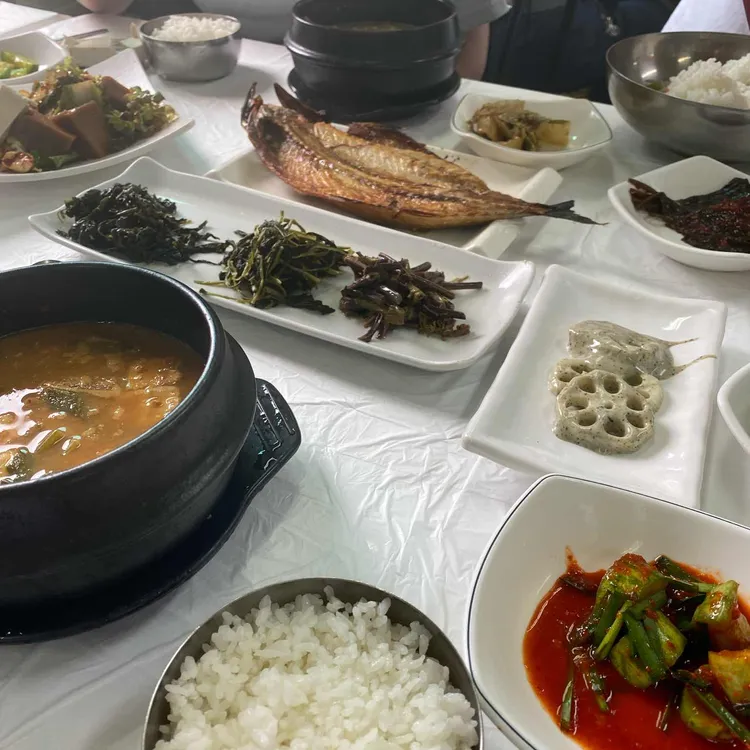
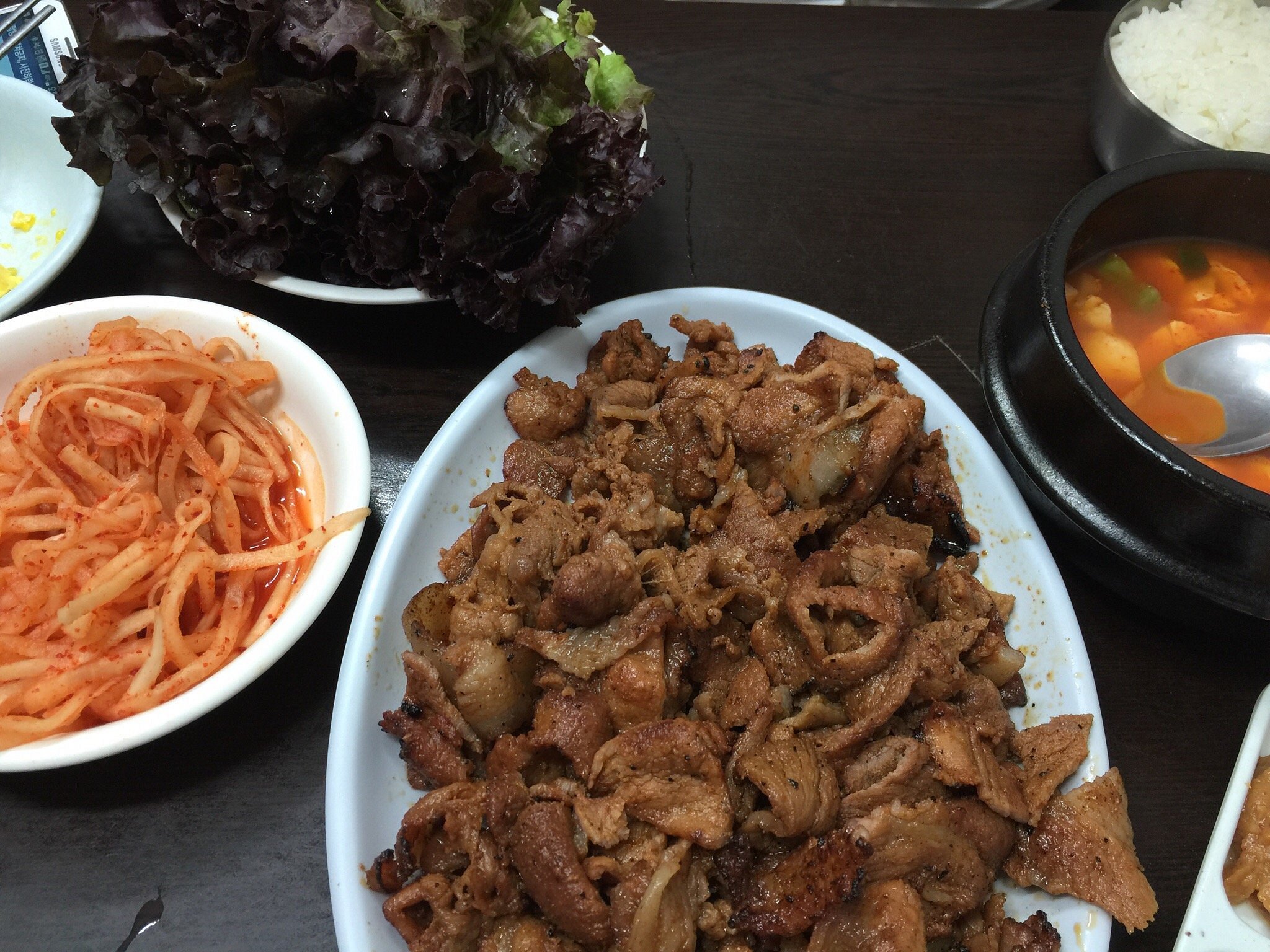
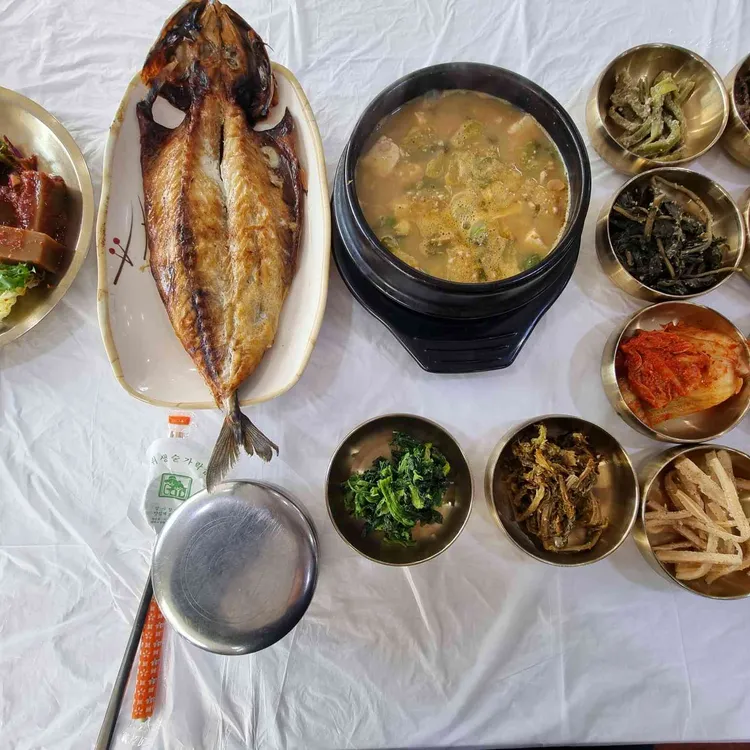
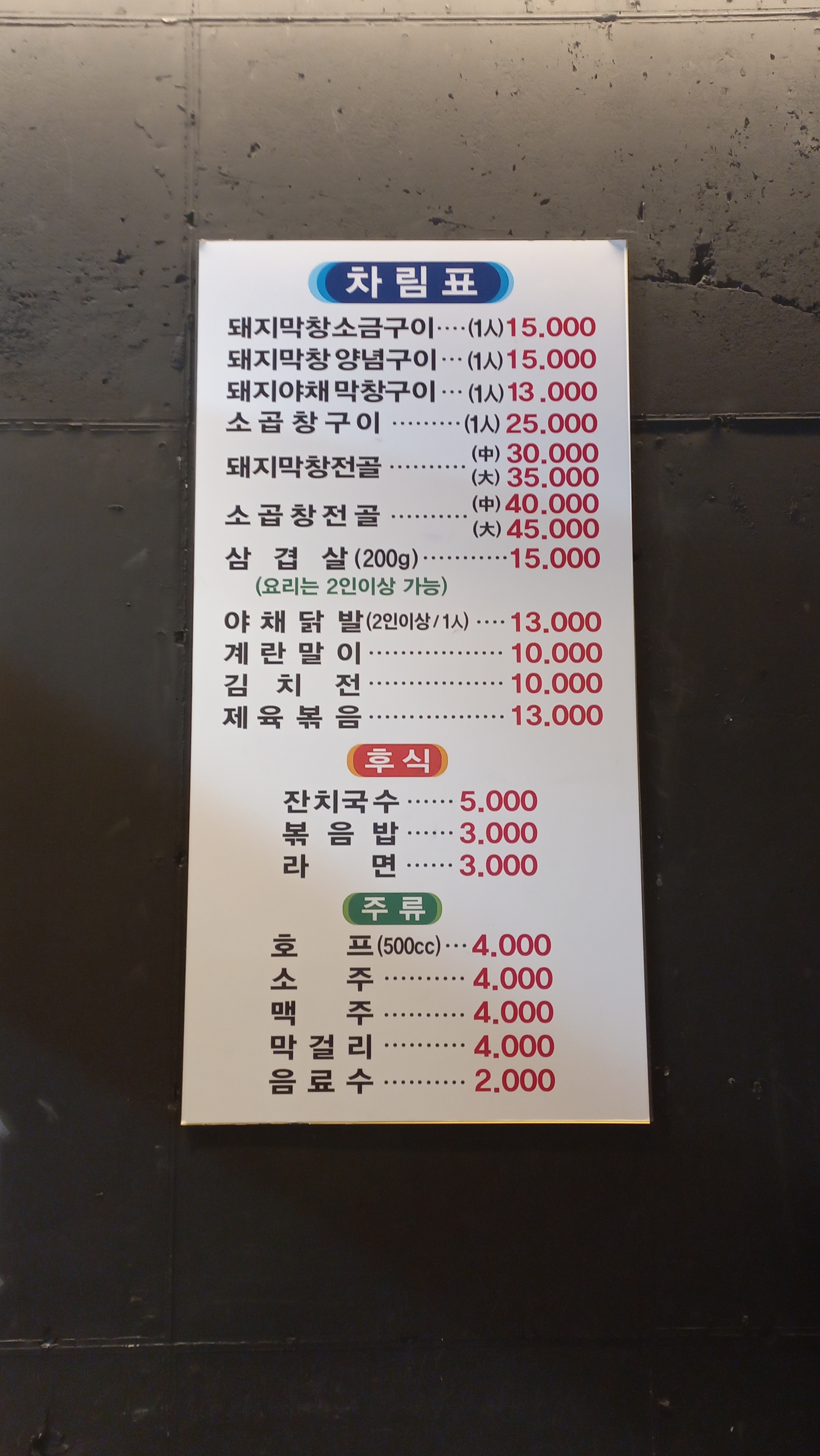
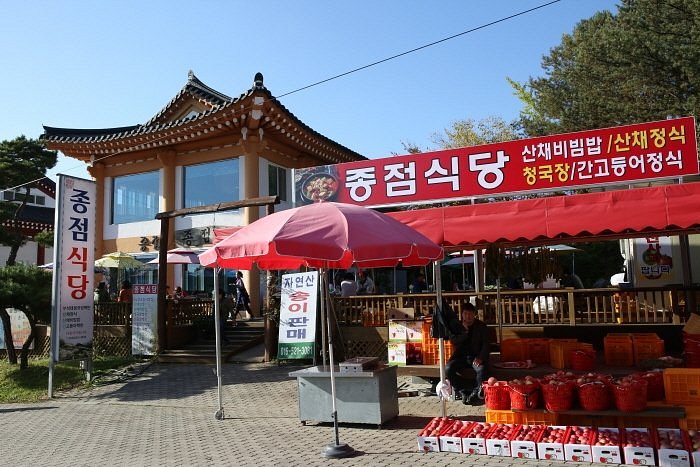
At the restaurant district near the entrance to Buseoksa, you can choose local dishes such as wild-vegetable bibimbap and cheonggukjang. Jami-ga, listed on Yeongju's tourism page, is located at 311 Buseoksar-ro and is open from 07:00 to 19:00, with 240 seats and access to free public parking. However, calculate temple sightseeing and meal time separately, and check in advance whether each establishment is open on holidays and during the peak season.
Before You Go
- Address
- 345 Buseoksar-ro, Buseok-myeon, Yeongju-si, Gyeongsangbuk-do
- Admission
- Individual: adults 2,000 won, middle and high school students 1,500 won, elementary school students 1,000 won. Groups of 30 or more: adults 1,800 won, middle and high school students 1,300 won, elementary school students 800 won.
- Phone
- 054-633-3464
- Official site
- https://www.yeongju.go.kr/open_content/tour/page.do?mnu_uid=586&tree_uid=54
- Transport
- Take bus 327 from KTX Punggi Station, get off at the Buseoksa stop, then walk approximately 12 minutes. According to Yeongju's guide, the city bus takes approximately 20 minutes from Punggi and about 40 minutes from Yeongju.
- Parking
- Paid parking lot. Compact cars 2,000 won, passenger cars and cargo vehicles under 1 ton 3,000 won, small buses 4,500 won, large buses 6,000 won.
- Time needed
- 1.5 to 2 hours round trip recommended
- Accessibility
- Numerous stone-embankment stairs and uphill slopes make independent travel difficult for wheelchair and stroller users. The availability of foreign-language guidance could not be confirmed.
The information above is current as of the time of writing. Check the official guidance again before visiting.

Places
Nearby Attractions 5
-
 1
1
-
 2
2
-
 3
3
-
 4
4
-
 5
5
Food & Dining 5
-
 6
6
-
 7
7
-
 8
8
-
 9
9
-
 10
Buseoksa Terminal Restaurant
10
Buseoksa Terminal Restaurant
Events in This Area
Festivals in This Area
More Travel Guides in This Area
 Travel Guide
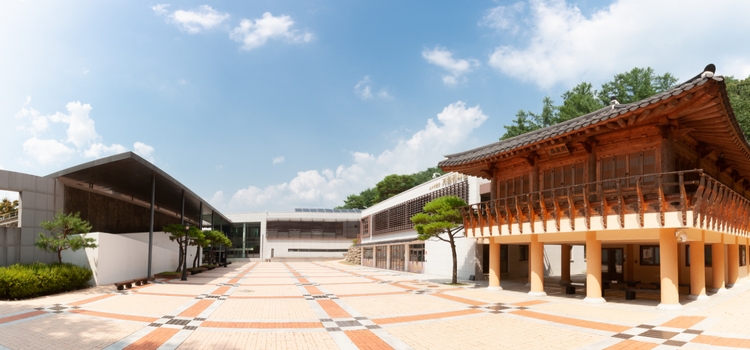
From Baekundongseowon in 1542 to a UNESCO Seowon: Yeongju Sosuseowon
 Travel Guide
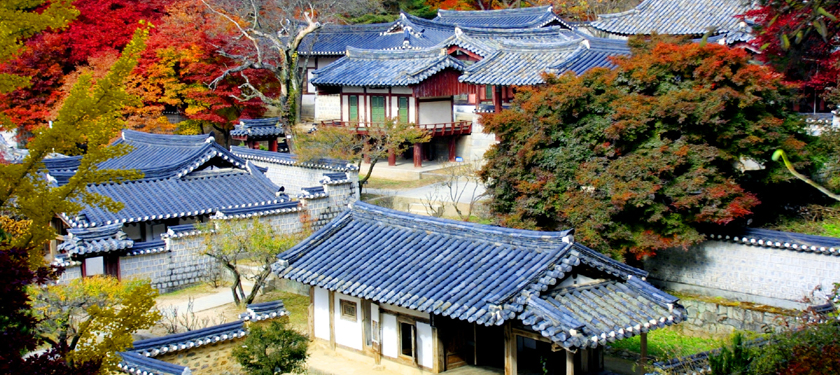
How to See Toegye’s Study Space and the Nakdong River Scenery at Dosan Seowon
 Travel Guide
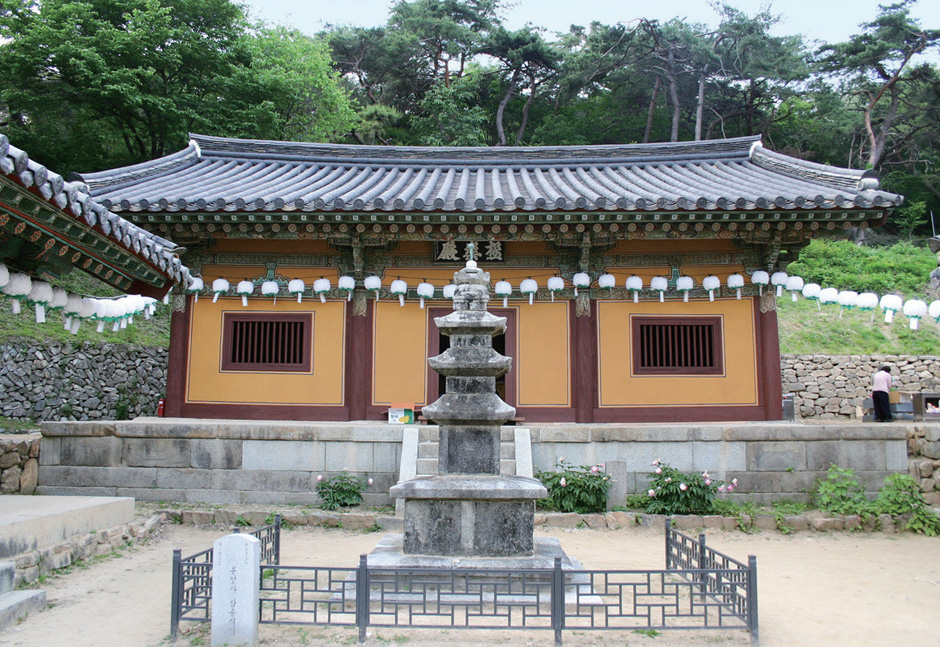
Bongjeongsa Temple Beneath Cheondeungsan Mountain, Andong’s Mountain Retreat Linking Geungnakjeon and Daeungjeon
 Travel Guide
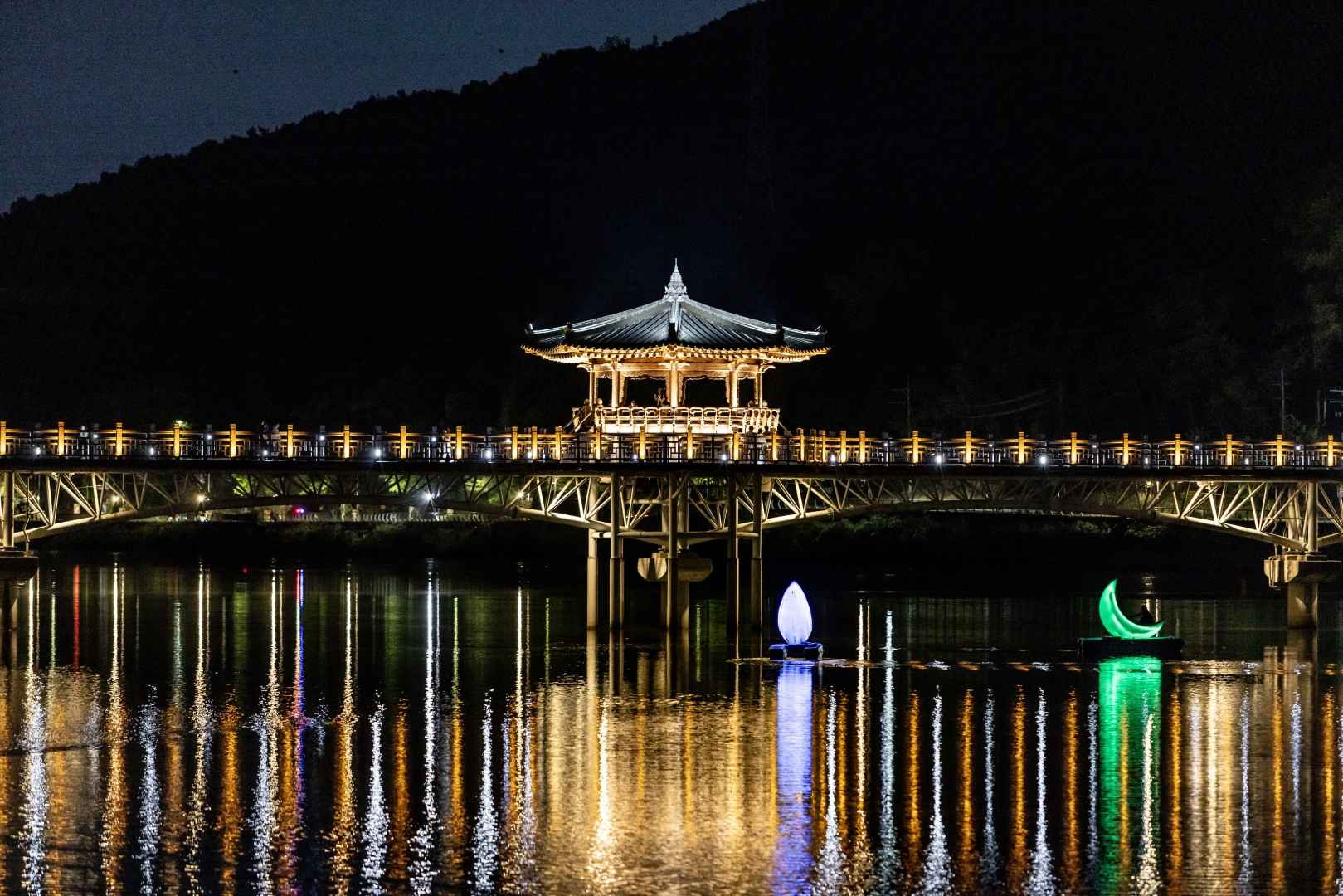
Andong Wolyeonggyo Bridge, 387 m, Connecting the Stories of Moonlight and Straw Shoes
Korea News
![Did Jang Won-young ‘break up’? From the airport to social media, she was decked out in Brand D [MD Issue]](https://kotourlive-images.s3.ap-northeast-1.amazonaws.com/news/1790644492843_025fcab4_news_06d49363-285b-4cd5-93e3-ace2c4344710.jpg) News
News
Did Jang Won-young ‘break up’? From the airport to social media, she was decked out in Brand D [MD Issue]
 News
News
Oh, What a Surprise… BLACKPINK’s Rosé—Did She Get a Bob Cut?
![[On-Site Photos] “Equipped with a Third Eye”… RM’s Intense Eye Contact](https://kotourlive-images.s3.ap-northeast-1.amazonaws.com/news/1790644823332_c0c6ec29_news_001c0a59-4eb7-40e6-af6a-4f26183f5e8c.jpg) News
News
[On-Site Photos] “Equipped with a Third Eye”… RM’s Intense Eye Contact
 News
News