Jeonju Goblin Market, Open at 4:00 a.m. and Gone by 9:00 a.m.
Jeonju Goblin Market is a direct-sales market that opens every dawn along the Jeonjucheon Stream, between Ssakjeondari and Maegokgyo bridges, across from Nambu Market. You can browse vegetables, fruit, and fish, as well as tofu and cheonggukjang, but official information about buses, parking, cash payments, and foreign-language assistance has not been confirmed.
I’ve been here?
Your check-in helps the next traveler.
11 people viewed this week Be the first
One tap — no writing needed
04:00–09:00, a market that appears only along the Jeonjucheon riverside
Jeonju Dokkaebi Market is a marketplace that opens every dawn between Ssaejeondari and Maegokgyo along the Jeonjucheon riverside, opposite Jeonju Nambu Market. According to Jeonju City’s official tourism information, it operates daily year-round from 04:00 to 09:00 and is a market that can be explored free of charge.
Media reports have described it as operating for approximately five hours, from around 04:00 until around 09:00, while another report from 2023 introduced its hours as 05:00 to 10:00. If you are visiting for the first time, it is safest to plan around the official hours of 04:00–09:00 rather than assuming it will remain open until 10:00.
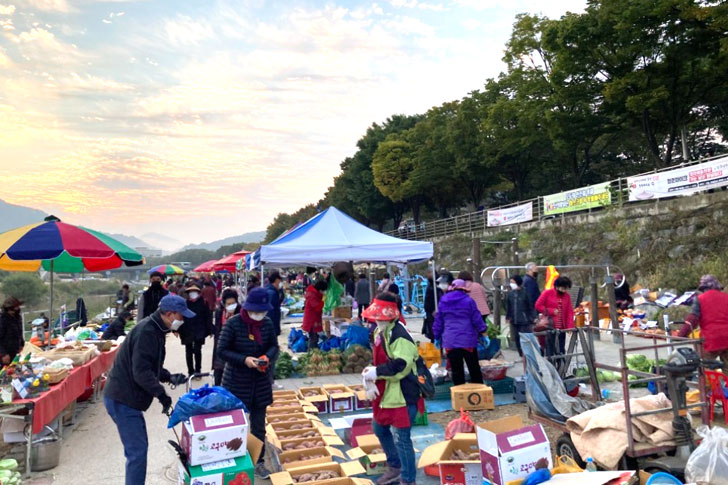
Between Ssaejeondari and Maegokgyo, the bridges are easier to find than the address
The provided address is 70, Dongwansan-dong, Wansan-gu, Jeonju-si, Jeonbuk State. On site, rather than entering only the address, it is easier to understand the location by using “the Jeonjucheon riverside opposite Jeonju Nambu Market” or “between Ssaejeondari and Maegokgyo” as your destination.
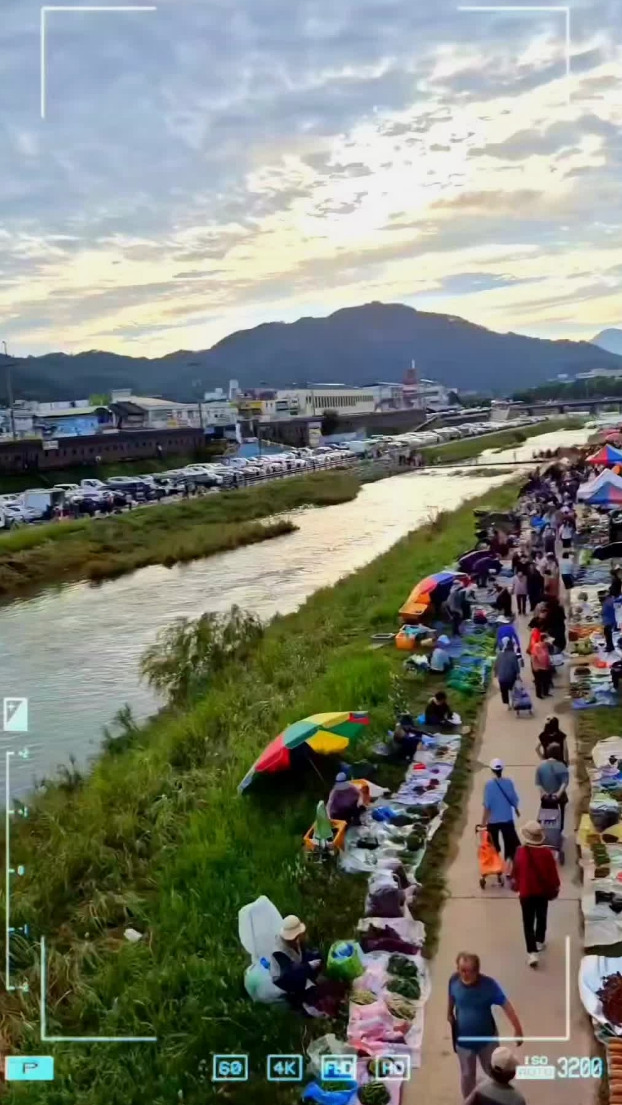
The stalls form along the southern sidewalk and riverside land between the two bridges. Since people gather in an open area along the Jeonjucheon and tents and stalls continue in a line, approach it as an outdoor marketplace rather than a market of permanent shops inside a building.
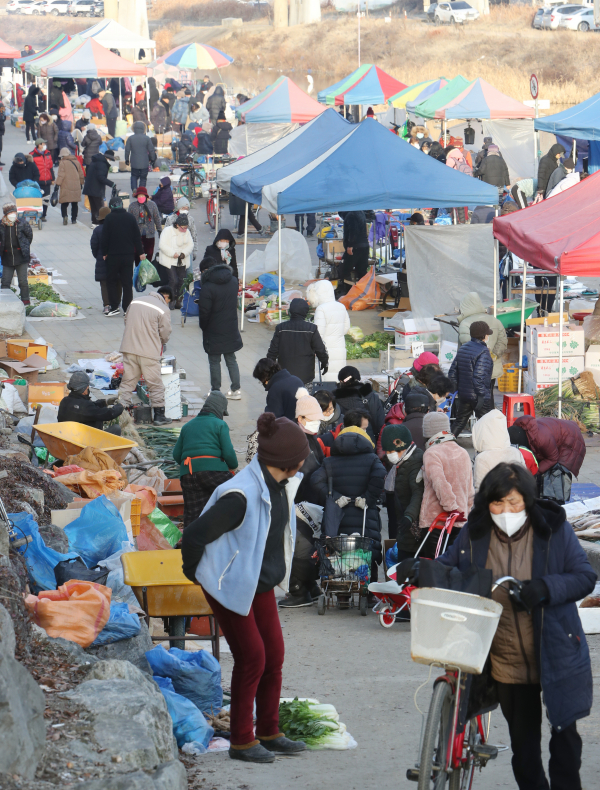
Why is it called “Dokkaebi”?
The market received this name because it appears before dawn and disappears once daylight arrives. Unlike an ordinary traditional market, where shops operate throughout the day, this marketplace is concentrated into roughly five hours at dawn, a characteristic reflected in both its name and its operating style.
The marketplace formed spontaneously, and Jeonju City introduces it as a direct-trade market where consumers and farmers meet face to face. Nambu Market is described as a traditional market with more than 200 years of history, while Dokkaebi Market functions as a separate early-morning trading area along the Jeonjucheon riverside opposite it.
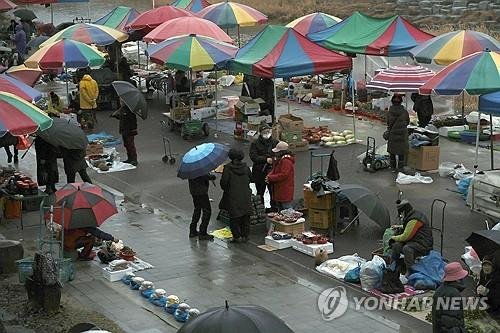
The “rice” of Ssaejeondari and the “grains” of Maegokgyo
Jeonju City’s official tourism information explains that “ssajeon,” in Ssaejeondari, means “rice market.” Maegok is said to originate from a term meaning “a place where grains are sold,” so the names of the two bridges reveal the area’s local history connected to grain trading.
Agricultural products remain central to Dokkaebi Market today. Reports say that farmers and fishermen bring goods from areas including Wanju, Jinan, Muju, and Gunsan, showing that this riverside marketplace connects downtown Jeonju with produce from surrounding regions.
From vegetables to freshwater fish: goods found at the stalls
Reported products include vegetables, fruit, fish, wild greens, medicinal herbs, freshwater fish, tofu, cheonggukjang, sesame oil, and soybeans for meju. Other reports have shown sellers offering scallions, blue crabs, gulbi, deodeok, fresh fruit, and handmade traditional sweets.
Examples of prices reported on February 6, 2024, were 5,000 won for one bundle of green onions, 3,000 won for 1 kg of cockles, 10,000 won for 1 kg of premium cockles, and 20,000 won for 1 kg of deodeok. Since these were examples from February 2024, do not use them as current price references; simply treat them as a guide and ask about the day’s prices at the early-morning stalls.
Direct trading with bargaining and complimentary extras
Bargaining takes place between vendors and customers here. A 2024 report showed a vendor adding a handful of minari to a cabbage order as a complimentary extra when a customer arrived, and Jeonju City also describes the market as a place where bargaining between buyers and sellers takes place.
A reported example from January 2023 mentioned minari being sold for 8,000 won. Another vendor was introduced as saying that they had prepared 30 bundles of scallions ahead of Lunar New Year. After choosing your goods, confirm the price and unit, and immediately ask whether any extra items are included; this suits the market’s usual trading flow.
In winter, vendors increase after 05:00 and customers after 08:00
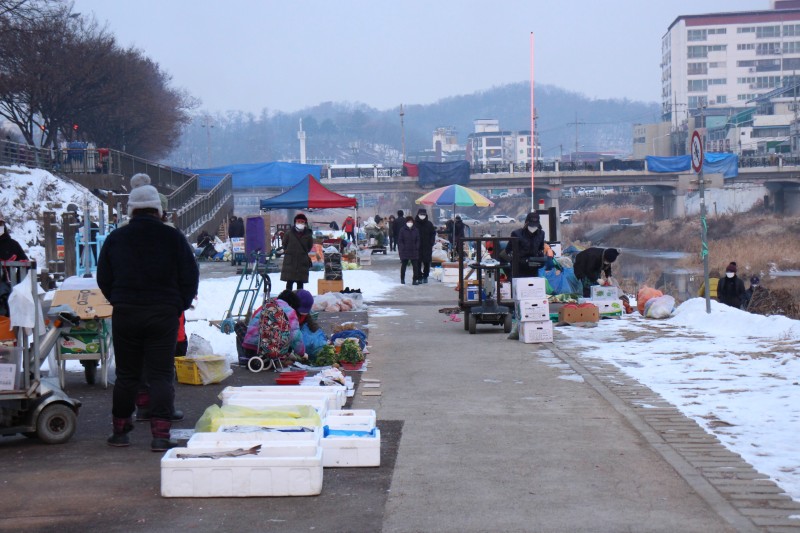
In a January 2023 report, a vendor said that during the cold winter months, sellers come out after 05:00, while many customers arrive after 08:00, when sunlight appears. Therefore, if you arrive exactly at 04:00 in winter, you should not expect every stall to be fully open already.
Another report described vendors guarding their stalls despite drizzle and cold winds. Since this is an outdoor marketplace along the Jeonjucheon, prepare warm clothing in winter and consider that the walking conditions on the riverside land and southern sidewalk may differ on rainy days or when the ground is wet.
What first-time foreign visitors should prepare and what remains unknown
The market is described as operating free of charge, but no official admission-fee listing has been confirmed. No telephone number was found in publicly available official materials, and it has also not been confirmed whether Dokkaebi Market has an official dedicated website. Operating information can be checked on Jeonju City’s tourism information page.
Official materials do not confirm the exact bus route numbers, disembarkation stop, or walking distance, nor do they confirm the name, fees, or number of spaces of a dedicated parking lot. Information is also unavailable regarding wheelchair and stroller accessibility, photography restrictions, cash-only payment, English guidance or audio guides, controlled-access areas, and closure criteria during rain or heavy snow. It is therefore best not to expect amenities that are not confirmed in this article.
No reliable review specifying a recommended viewing time could be confirmed, but based on reviews, a visit is estimated to take approximately 30 minutes to 1 hour. After exploring the early-morning marketplace, it is natural to continue toward the area around Nambu Market; however, Dokkaebi Market itself is an outdoor space between Ssaejeondari and Maegokgyo, not a tourist facility with a dedicated ticket booth or indoor viewing route.
Before You Go
- Address
- 70, Dongwansan-dong, Wansan-gu, Jeonju-si, Jeonbuk State
- Hours
- Daily, year-round, 04:00–09:00
- Closed
- Open year-round
- Admission
- Described as a free market, but no official admission-fee listing was confirmed.
- Official site
- https://tour.jeonju.go.kr/index.jeonju?menuCd=DOM_000000104002004000
- Transport
- The Jeonjucheon riverside opposite Jeonju Nambu Market, around the southern sidewalk and riverside land between Ssaejeondari and Maegokgyo. The exact bus route numbers and disembarkation stop were not confirmed.
- Parking
- Nearby public parking lots may be available, but the name, fees, and number of spaces of a dedicated Dokkaebi Market parking lot were not confirmed in official materials.
- Time needed
- Estimated at approximately 30 minutes to 1 hour based on reviews, although no reliable review directly specifying the viewing duration was confirmed.
- Accessibility
- An outdoor marketplace where tents and stalls are set up along the southern sidewalk and riverside land beside the Jeonjucheon. Ground and walking conditions may change at dawn, in rain, or during extreme cold. Wheelchair and stroller accessibility was not confirmed.
The information above is current as of the time of writing. Check the official information again before visiting.

Places
Nearby Attractions 3
-
 1
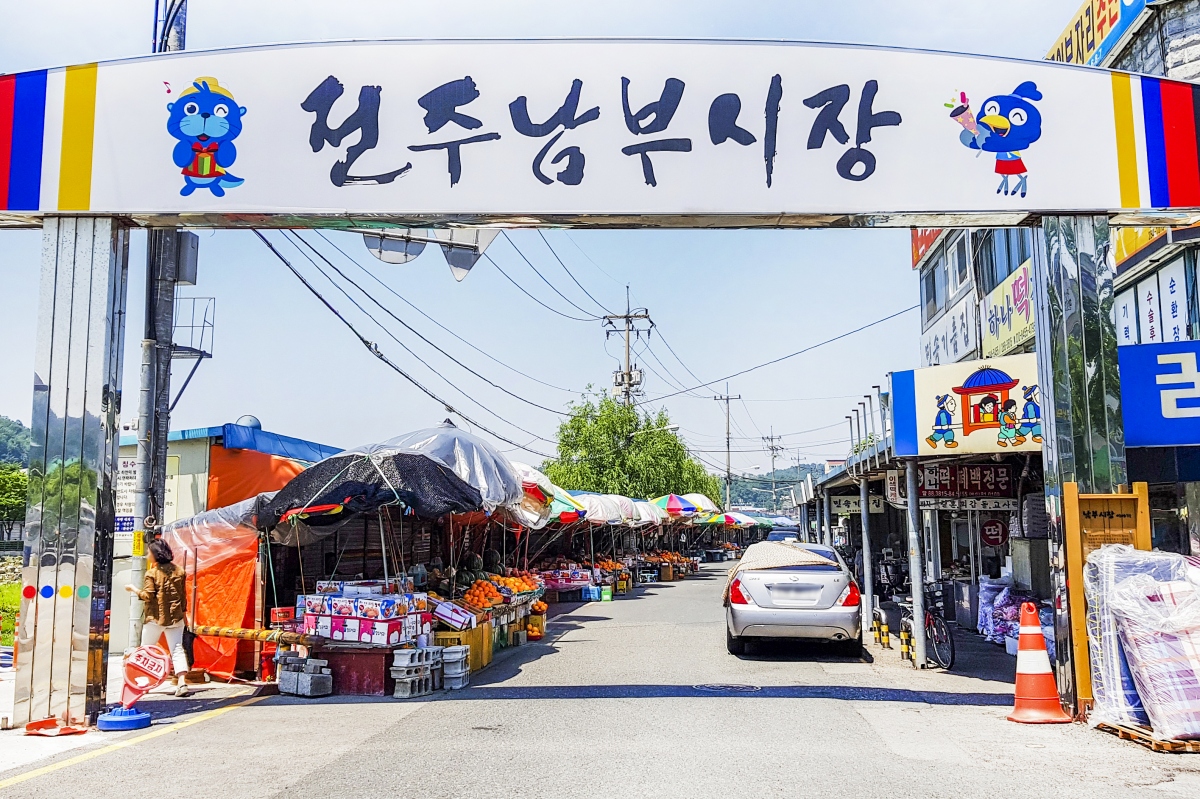
Jeonju Nambu MarketStroll through the traditional market alleys while exploring the food stalls and shops.
1
Jeonju Nambu MarketStroll through the traditional market alleys while exploring the food stalls and shops. -
 2
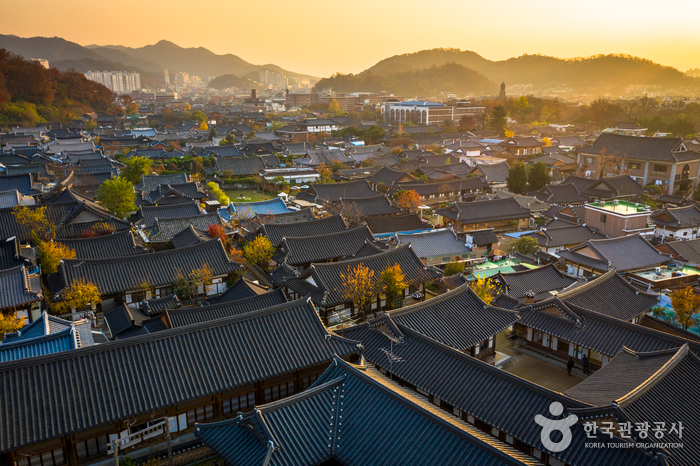
Jeonju Hanok VillageStroll through alleys lined with hanok houses and explore traditional cultural facilities.
2
Jeonju Hanok VillageStroll through alleys lined with hanok houses and explore traditional cultural facilities. -
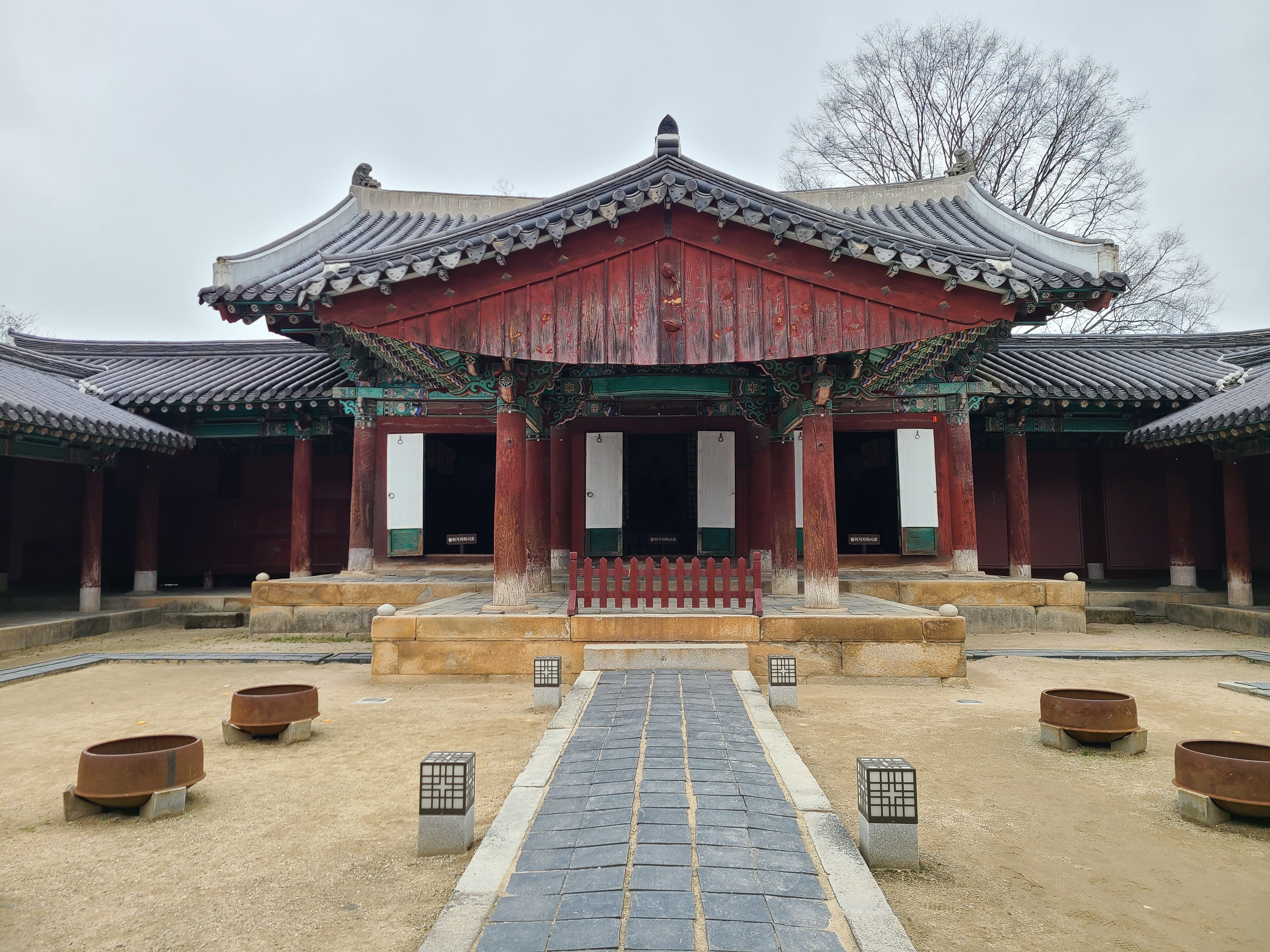 3
Gyeonggijeon ShrineExplore the historical sites of the Joseon Dynasty and the Jeonju Sago archives.
3
Gyeonggijeon ShrineExplore the historical sites of the Joseon Dynasty and the Jeonju Sago archives.
Food & Dining 3
-
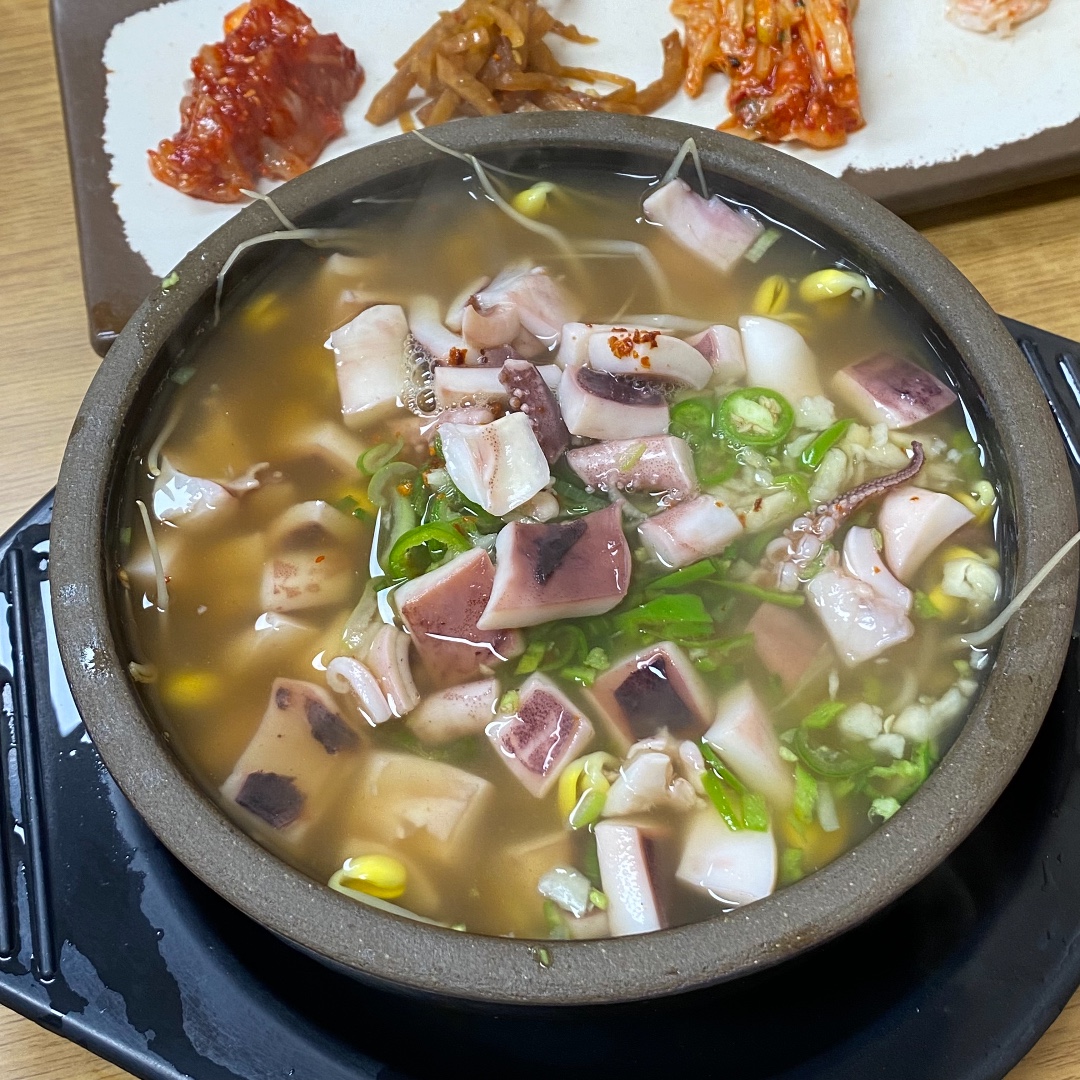 4
Hyundaiok Nambu Market BranchEnjoy Nambu Market-style bean sprout soup with rice and added squid.
4
Hyundaiok Nambu Market BranchEnjoy Nambu Market-style bean sprout soup with rice and added squid. -
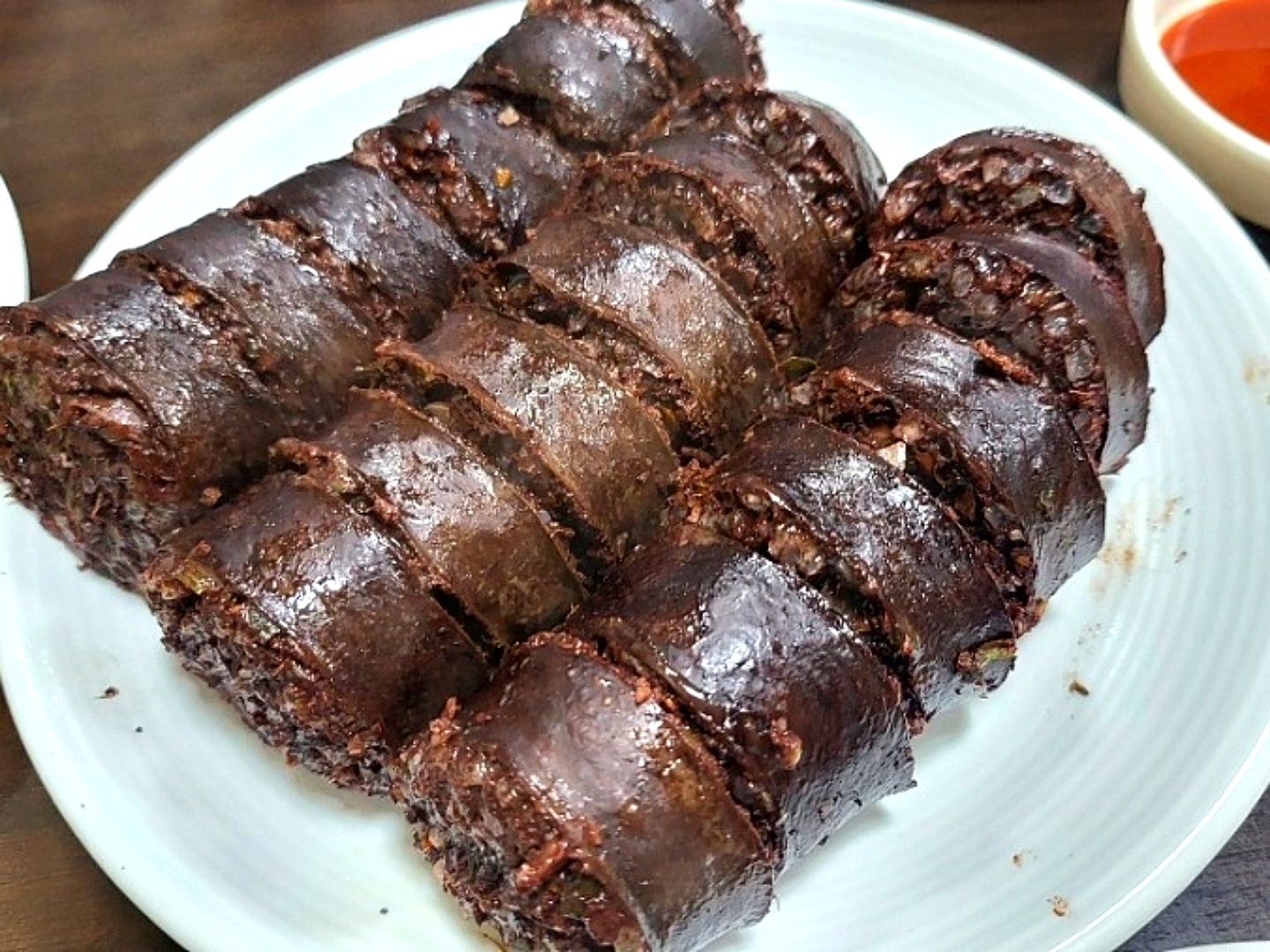 5
Jojeomrye Nammun Blood SausageA market eatery serving blood sausage and sundae-gukbap (blood sausage soup with rice).
5
Jojeomrye Nammun Blood SausageA market eatery serving blood sausage and sundae-gukbap (blood sausage soup with rice). -
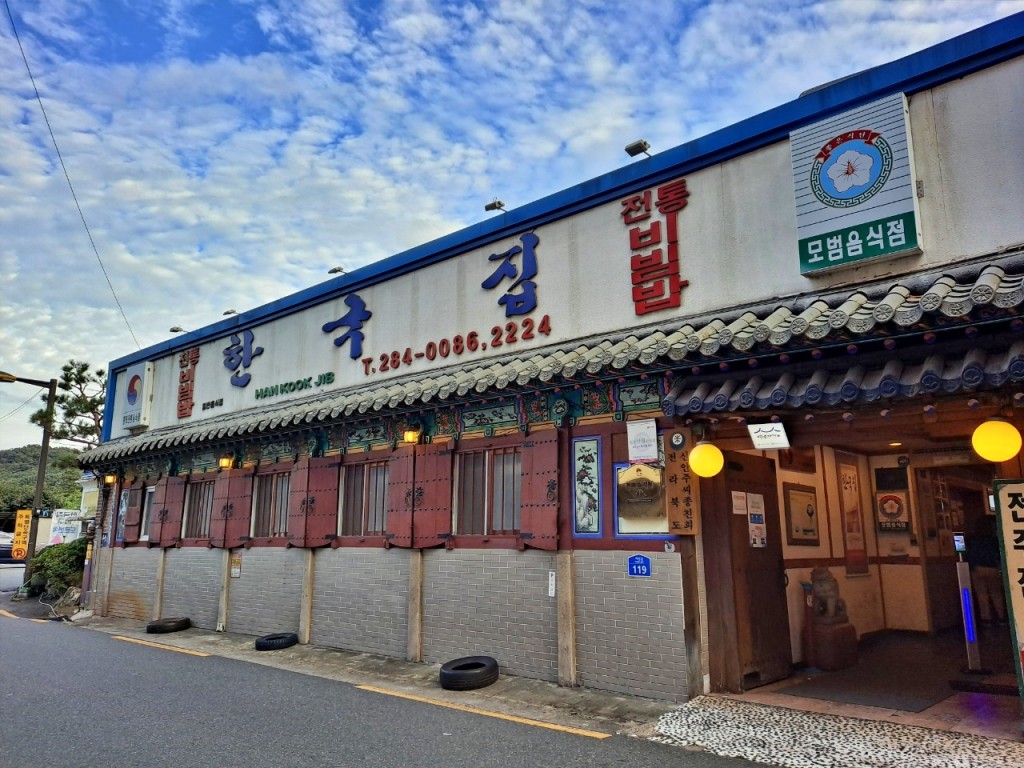 6
6
More Travel Guides in This Area
 Travel Guide
From the 1473 Market Outside Pungnammun Gate to the Dawn Goblin Market: Jeonju Nambu Market
 Travel Guide
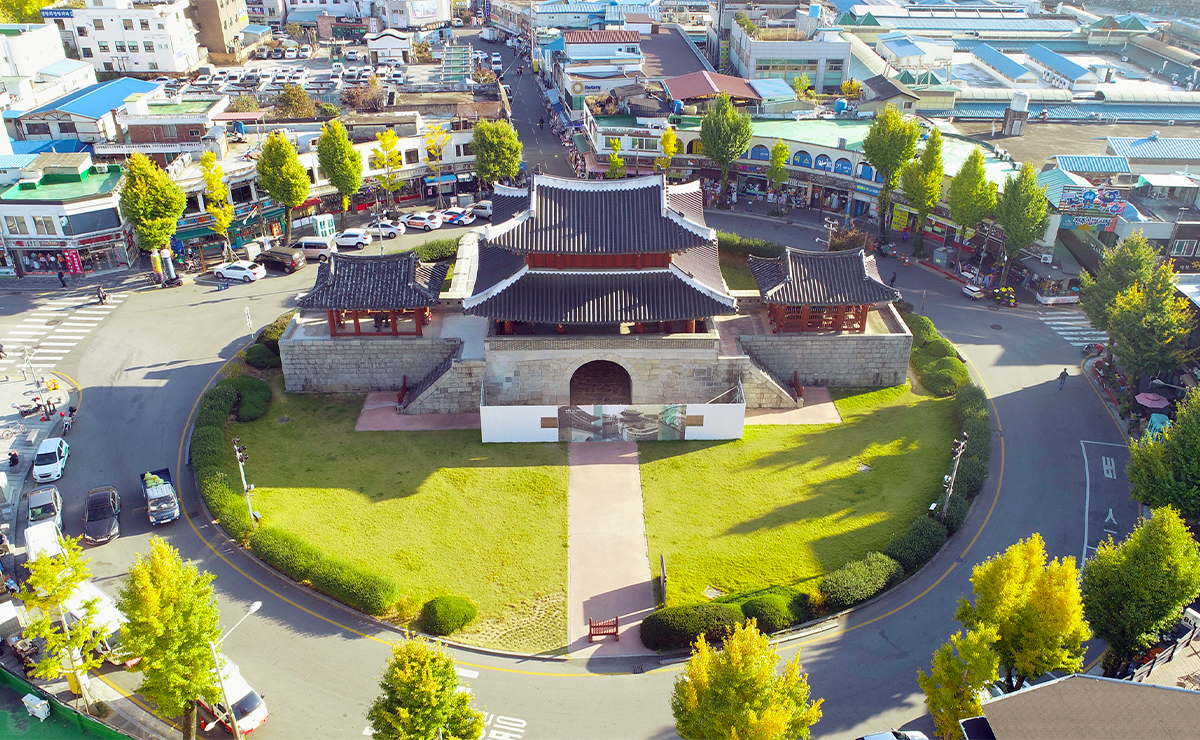
Jeonju Pungnammun Gate, the Site of Jeonju Fortress’s Southern Gate That Reclaimed Its 1768 Name
 Travel Guide
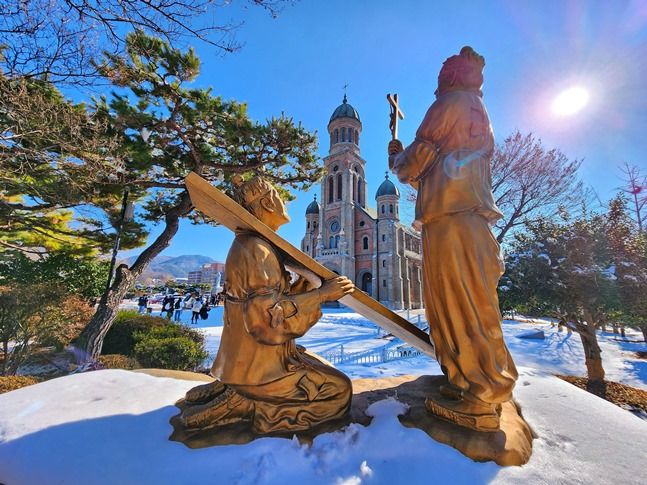
Jeondong Cathedral, where the red brick of the martyrdom site faces the tiled roofs of Gyeonggijeon
 Travel Guide
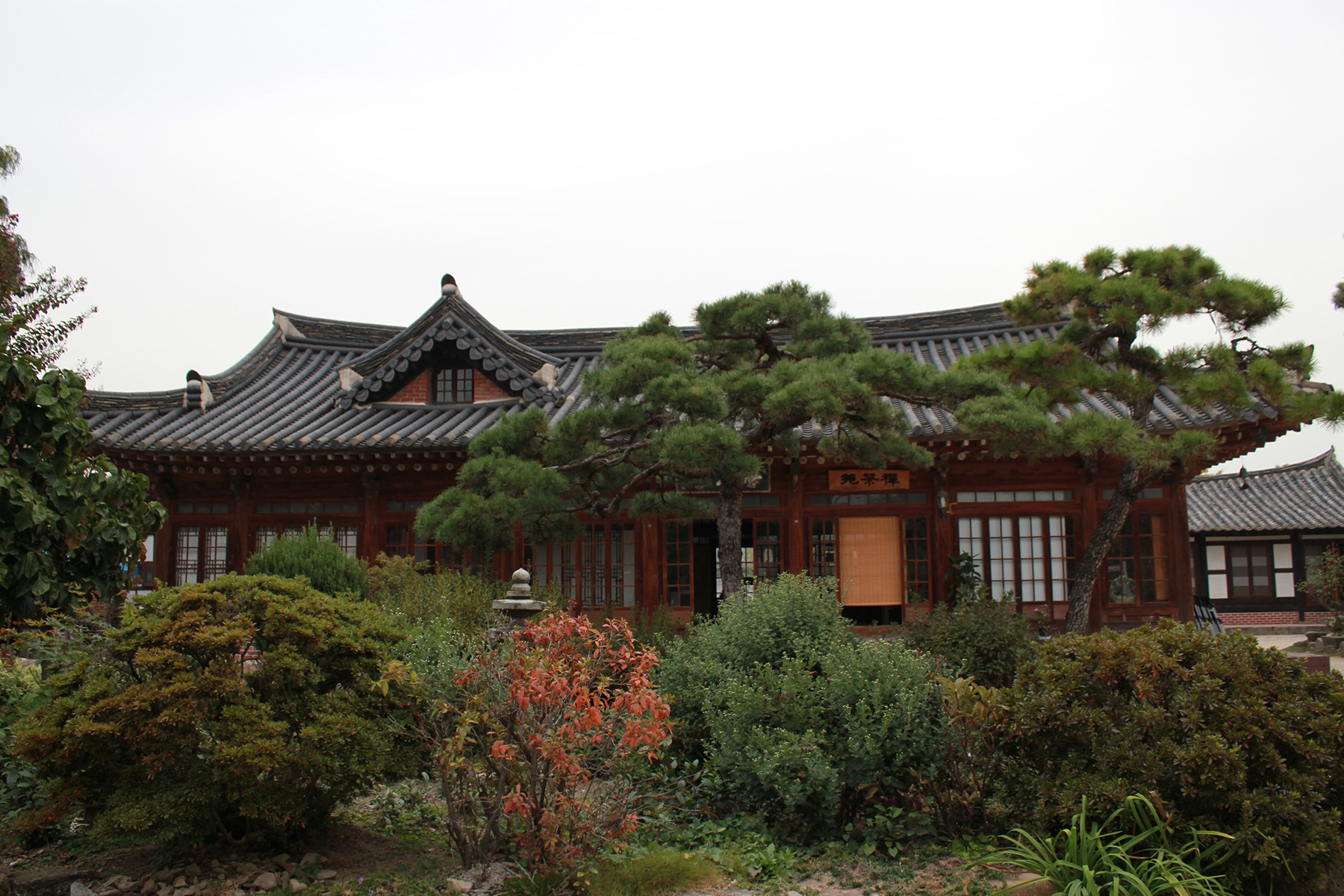
Memories of Hakindang’s 99 Rooms at 45 Hyanggyo-gil, Jeonju
Korea News
![BLACKPINK’s Lisa Dominates the VMA Red Carpet in a Sheer Corset Dress and Red Fur [Star Issue]](https://kotourlive-images.s3.ap-northeast-1.amazonaws.com/news/1790557894714_010e956a_news_94409db1-fab6-40bf-bc7b-4b985b1fbac7.jpg) News
News
BLACKPINK’s Lisa Dominates the VMA Red Carpet in a Sheer Corset Dress and Red Fur [Star Issue]
![BLACKPINK’s Jisoo Spotted by Surprise with BIGBANG in London… Their Special Loyalty as Labelmates [IS High Cut]](https://kotourlive-images.s3.ap-northeast-1.amazonaws.com/news/1790557854683_6ea979f5_news_caab62e5-8462-43c8-8622-da794f3df9de.png) News
News
BLACKPINK’s Jisoo Spotted by Surprise with BIGBANG in London… Their Special Loyalty as Labelmates [IS High Cut]
 News
News
Tattoos All Over Her Body… AOA’s Jimin Draws Shocked Attention After Kwon Mina’s ‘Bullying’ Allegations
![You’ll Have to Look Twice… Choi Min-a-soo Perfectly Pulls Off Everything from a Daring Illusion Dress at the Awards Ceremony to Long Braided Hair [RE:STAR]](https://kotourlive-images.s3.ap-northeast-1.amazonaws.com/news/1790492384850_1f293dad_news_d834c50e-0685-43ef-9aa5-6995cd6d8848.jpg) News
News