
Jeonju History Museum
This municipal museum is located next to the National Jeonju Museum at 259 Ssukgogae-ro, Hyoja-dong, Wansan-gu, Jeonju. It began in 1999 as an initiative of the Committee for the Establishment of a Local History Museum, opened in 2002 as a modern and contemporary history museum focusing on the Donghak Peasant Revolution, and was reorganized in 2005 as a local history museum covering the broader history of Jeonju. Admission is free, and visitors can explore Jeonju’s development from the Paleolithic period to modern and contemporary times in three permanent exhibition rooms: the Jeonju History Room, Jeonju Culture and Arts Room, and Donghak Peasant Revolution Room.
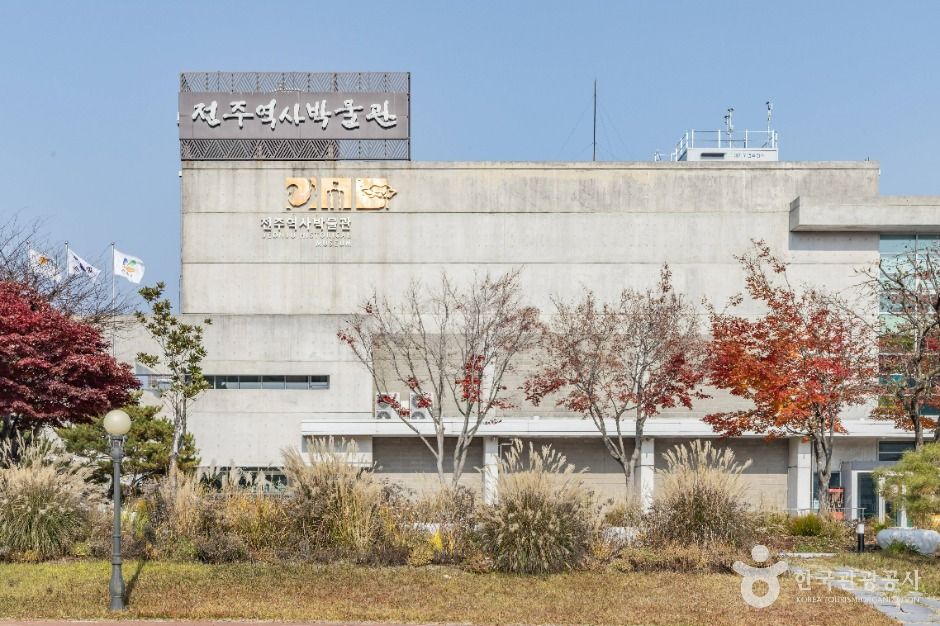

Beside the National Jeonju Museum, 259 Ssukgogae-ro, Hyoja-dong, Wansan-gu
The address of the Jeonju History Museum is 259 Ssukgogae-ro (Hyoja-dong 2-ga), Wansan-gu, Jeonju-si, Jeonbuk State, and it stands alongside the National Jeonju Museum, separated by just one road.
The largest museum in Jeonju is the National Jeonju Museum, but some consider it best to visit the Jeonju History Museum first in order to properly learn about Jeonju's history. Although it is small in scale, the entire museum is designed exclusively around Jeonju's history. Upon entering the building, whose exposed-concrete finish creates a modern atmosphere, visitors are first welcomed by the Jeonju History Gallery.
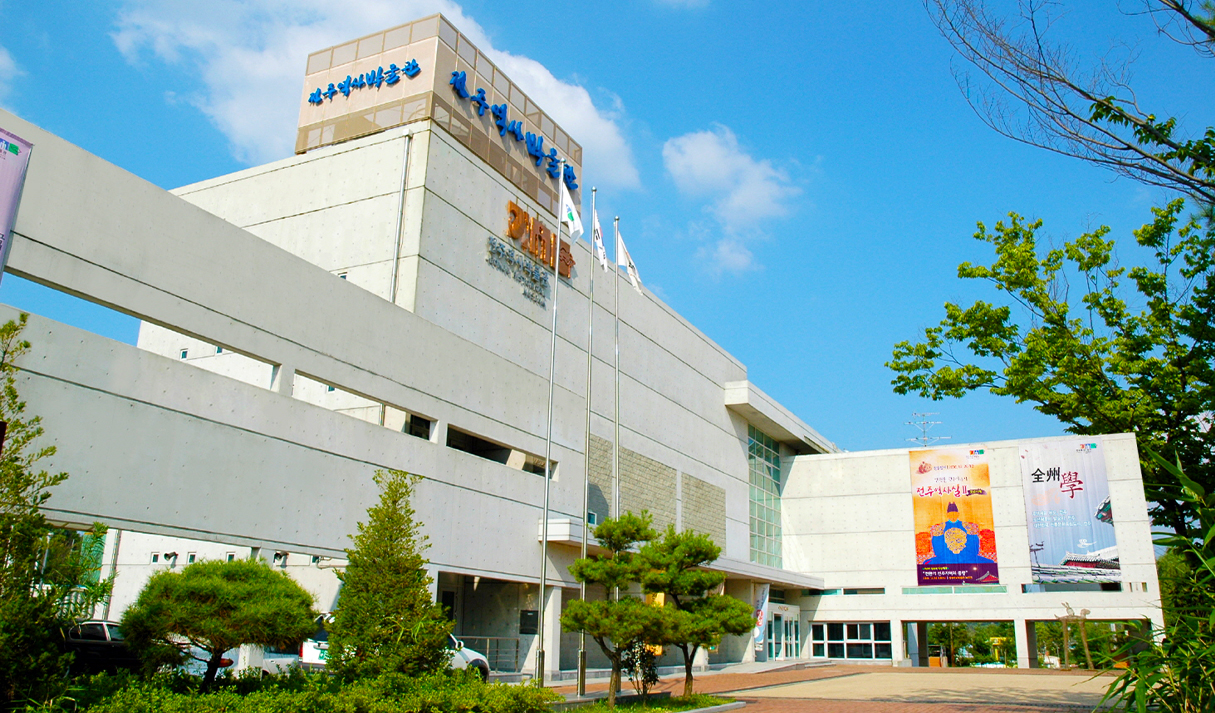
From the Local History Museum Construction Promotion Committee in 1999 to its opening in 2002
The museum's origins date to October 29, 1999, when the Jeonju Local History Museum Construction Promotion Committee was launched. Groundbreaking took place on December 16, 2000, and construction was completed by December 2001. The Donghak Peasant Revolution Memorial Foundation was selected as the first entrusted operating institution on September 22, 2001, and the Jeonju Municipal Museum Opening Preparation Planning Team was formed on December 20, 2001. Finally, the name “Jeonju History Museum” was confirmed on February 8, 2002.
Since opening in May 2002, the Jeonju History Museum has collected, managed, and exhibited more than 10,000 artifacts related to Jeonju's history and culture. At the time of its opening, however, it began as a museum of Jeonju's modern and contemporary history centered on the Donghak Peasant Revolution. It was not converted into a regional history museum exhibiting the full span of Jeonju's history until 2005. Today, it is a regional history museum established by Jeonju City and operated by the Jeonju Cultural Love Association under an entrusted-management arrangement. It presents itself as the center of “Jeonju Studies,” research aimed at discovering and systematizing the history and culture of the Jeonju area.
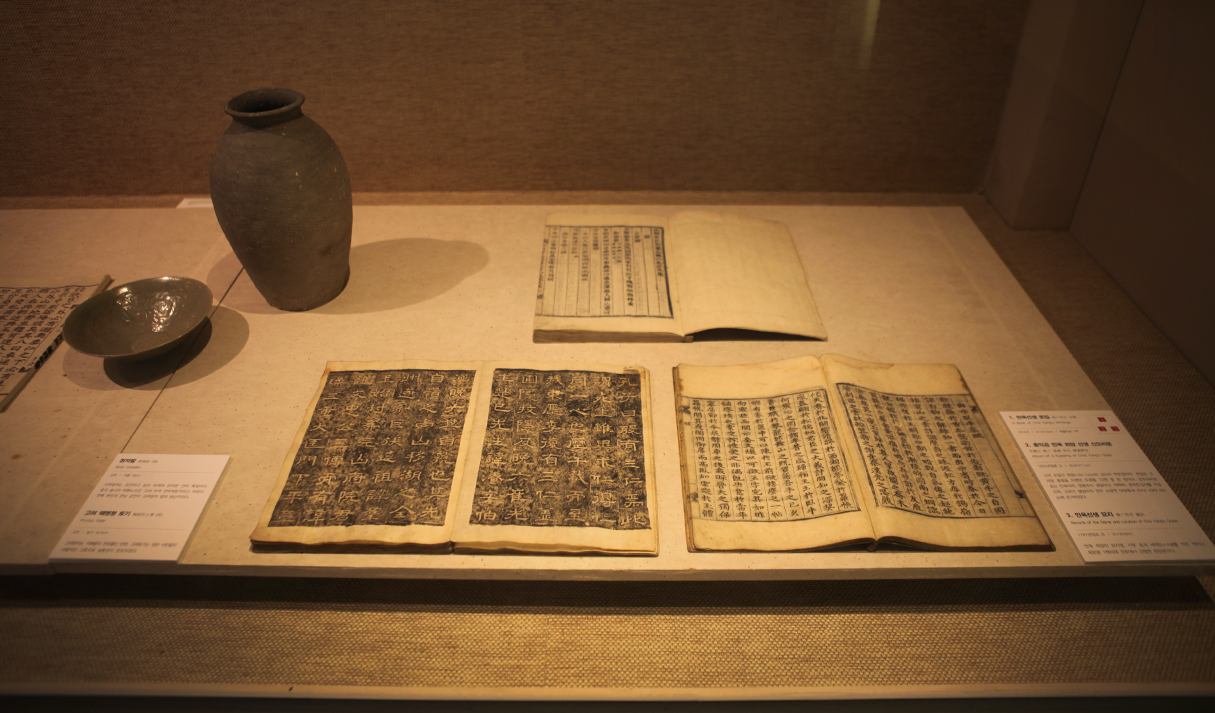
Three permanent exhibition galleries: Jeonju History, Jeonju Culture and Arts, and the Donghak Peasant Revolution
The Jeonju History Gallery is organized around Jeonju's history from prehistoric times through the modern and contemporary eras. Visitors can see how Jeonju changed through artifacts displayed by period. The Jeonju Culture and Arts Gallery focuses on the themes of hanji, publishing culture, food, sound, and calligraphy and painting in Jeonju, a city known for leading the development of culture and the arts.
The museum also operates a video room and an online museum. Regarding the original layout of the building, the Encyclopedia of Korean Culture states that it had one basement level and three floors above ground, consisting of Jeonju History Galleries 1 and 2, the Donghak Peasant Revolution Gallery, a donated and entrusted artifacts gallery, a special exhibition gallery, and an auditorium. Jeonju History Gallery 1 presented themes from prehistoric times through the Goryeo period, while Jeonju History Gallery 2 displayed the history of Jeonju during the Joseon period by theme. The donated and entrusted artifacts gallery reportedly changed its exhibits annually, with a focus on folk paintings. The permanent exhibition gallery on the first floor was later remodeled into a children's experience room.
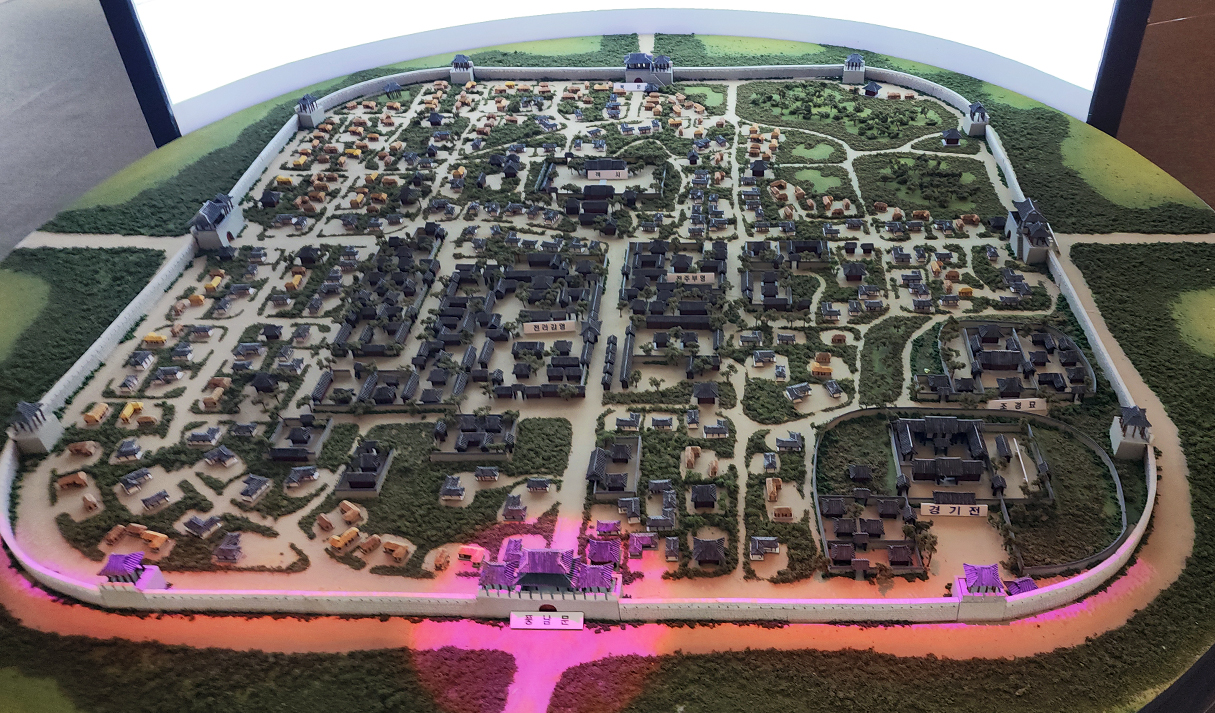
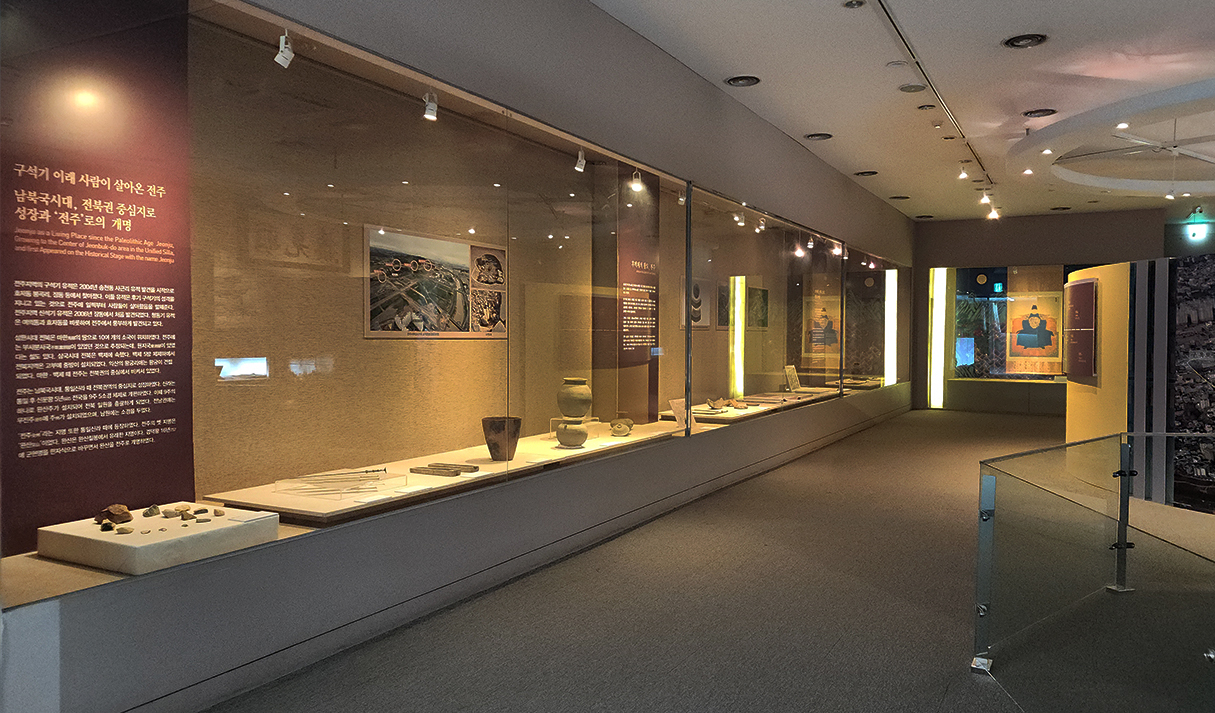
The fall of Jeonju Fortress and the Jipgangso as shown in the Donghak Peasant Revolution Gallery
The Donghak Peasant Revolution Gallery is organized around Jeonju's role as a major base of the Donghak Peasant Revolution. The Donghak Peasant Movement, which began in Gobu, Jeolla Province (present-day Jeongeup, Jeonbuk State), reached its peak when the rebels took Jeonju Fortress. Jeonju Fortress was where the Donghak peasant army concluded the Jeonju Truce with the royal court and established Jipgangso offices to pursue reforms.
However, when Qing troops responding to a request from the Joseon government entered the country along with Japanese troops, the rebels concluded a truce with the government forces. Even so, when the foreign armies did not withdraw, the Donghak peasant army rose up once again but was ultimately defeated by the Japanese army's overwhelming weaponry. In the Donghak Peasant Revolution Gallery set aside at the Jeonju History Museum, visitors can learn about the activities and tragic final days of Jeon Bong-jun and other Donghak forces through a variety of artifacts.
A basin shaped by the Noryeong Mountains and the Mangyeong River, the city of the Jeolla Provincial Government
The history of Jeonju explained in the Jeonju History Gallery begins with people settling here in the Paleolithic Age. The basin, surrounded like a folding screen by Girinbong, Godeoksan, and Moaksan, which extend from the Noryeong Mountains, provided favorable conditions for human habitation. The Samcheon and Jeonjucheon Rivers running through downtown Jeonju flow into the Mangyeong River, making the area a rich source of food.
Under these geographic conditions, Jeonju became the administrative capital of Jeolla Province, Joseon's foremost granary region, and the location of the Jeolla Provincial Government. The background behind the growth of cultural arts such as hanji, pansori, and calligraphy and painting, supported by the economic power of the granary region, forms the foundation of the Jeonju Culture and Arts Gallery's exhibitions.
Open 09:00–18:00, free admission, closed on Mondays
The Jeonju History Museum is open from 09:00 to 18:00, with admission available until 30 minutes before closing. Admission is free. The museum is closed on January 1 and every Monday. If Monday is a public holiday, it closes on Tuesday instead.
For inquiries, call 063-228-6485, extension 6. The website is https://www.jeonju.go.kr/jeonjumuseum/. Individual visitors may enter without an advance reservation, but those planning a group visit or participation in an educational program should contact the main number before visiting.
Buses 112, 554, and 999 and the “Jeonju Museum · Jeonju History Museum” stop
When arriving by car or public transportation, get off at the “Jeonju Museum, Jeonju History Museum” stop from the Samcheon-dong, Family Land, or Geumgu direction. City buses 112, 131, 149, 19, 554, 559, 62, 644, 684, 999, and 3002 stop there. Travel time is approximately 30 minutes from Jeonju Station and approximately 20 minutes from the express and intercity bus terminals and Hanok Village.
By car, the museum is approximately 10 km toward Jeongeup along National Route 1 from Jeonju IC, and approximately 8 km toward Jeonju from Seojeonju IC. However, city buses do not come very frequently to the Jeonju History Museum · National Jeonju Museum stop itself. Visitors coming from Jeonju Express Bus Terminal or Jeonju Intercity Bus Terminal should keep in mind that they may need to transfer or change buses. Buses 554 and 559 take approximately 40 minutes after passing more than 20 stops from the express and intercity bus terminal stop. Buses 644, 684, and 685 must be boarded at Geumam Entrance and also take approximately 40 minutes after passing more than 20 stops via Pungpaejigwan.
Four disabled parking spaces, stroller and wheelchair rentals — Information for families
The parking lot has four spaces reserved for visitors with disabilities. Other amenities include accessible restrooms, an accessible elevator, a step-free main entrance, wheelchair rentals, stroller rentals, and a nursing room.
Visitors with children may also want to explore the children's experience room, created by remodeling the former permanent exhibition gallery on the first floor. Every year, the museum holds an academic conference on Jeonju Studies and publishes the Jeonju Studies series and the regular academic journal Journal of Jeonju Studies. It also operates educational programs such as citizen lectures on Jeonju Studies, field trips for rediscovering Jeonju, and hands-on programs.
A half-day itinerary combined with the National Jeonju Museum—who is it suited to?
The National Jeonju Museum next door is much larger and presents archaeological artifacts from throughout Jeonbuk State as well as collections related to the Joseon royal family. The Jeonju History Museum differs in focusing exclusively on the history of one city, “Jeonju.” Since the Jeonju History Museum is considered the better place to start for properly learning about Jeonju's history, many visitors combine the two museums into a half-day itinerary, walking between them.
Special exhibitions in the special exhibition gallery change periodically, so it is best to check the current exhibitions on the website before visiting. Those expecting a large collection or spectacular displays may find the museum somewhat quiet due to its small size. However, it is an efficient choice for travelers who want to understand in a short time the formation of the city of Jeonju and the context of local history, including the Donghak Peasant Revolution.
Before You Go
- Address
- 259 Ssukgogae-ro, Wansan-gu, Jeonju-si, Jeonbuk State (Hyoja-dong 2-ga)
- Hours
- 09:00–18:00 (admission available until 30 minutes before closing)
- Closed
- Every Monday and January 1 (if Monday is a public holiday, closed on Tuesday)
- Admission
- Free
- Phone
- 063-228-6485, 063-228-6486
- Official site
- https://www.jeonju.go.kr/jeonjumuseum/
- Transport
- City buses 112, 131, 149, 19, 554, 559, 62, 644, 684, 999, and 3002 stop at the “Jeonju Museum · Jeonju History Museum” stop. Approximately 30 minutes by car from Jeonju Station and approximately 20 minutes from Jeonju Express and Intercity Bus Terminals and Hanok Village
- Parking
- Museum parking lot available (including four spaces reserved for visitors with disabilities)
- Accessibility
- Accessible restrooms and elevator, designated disabled parking spaces, step-free main entrance, wheelchair and stroller rentals, and nursing room available (as of October 2024)
The information above is current as of the time of writing. Check the official information again before visiting.

Places
Nearby Attractions 5
-
 1
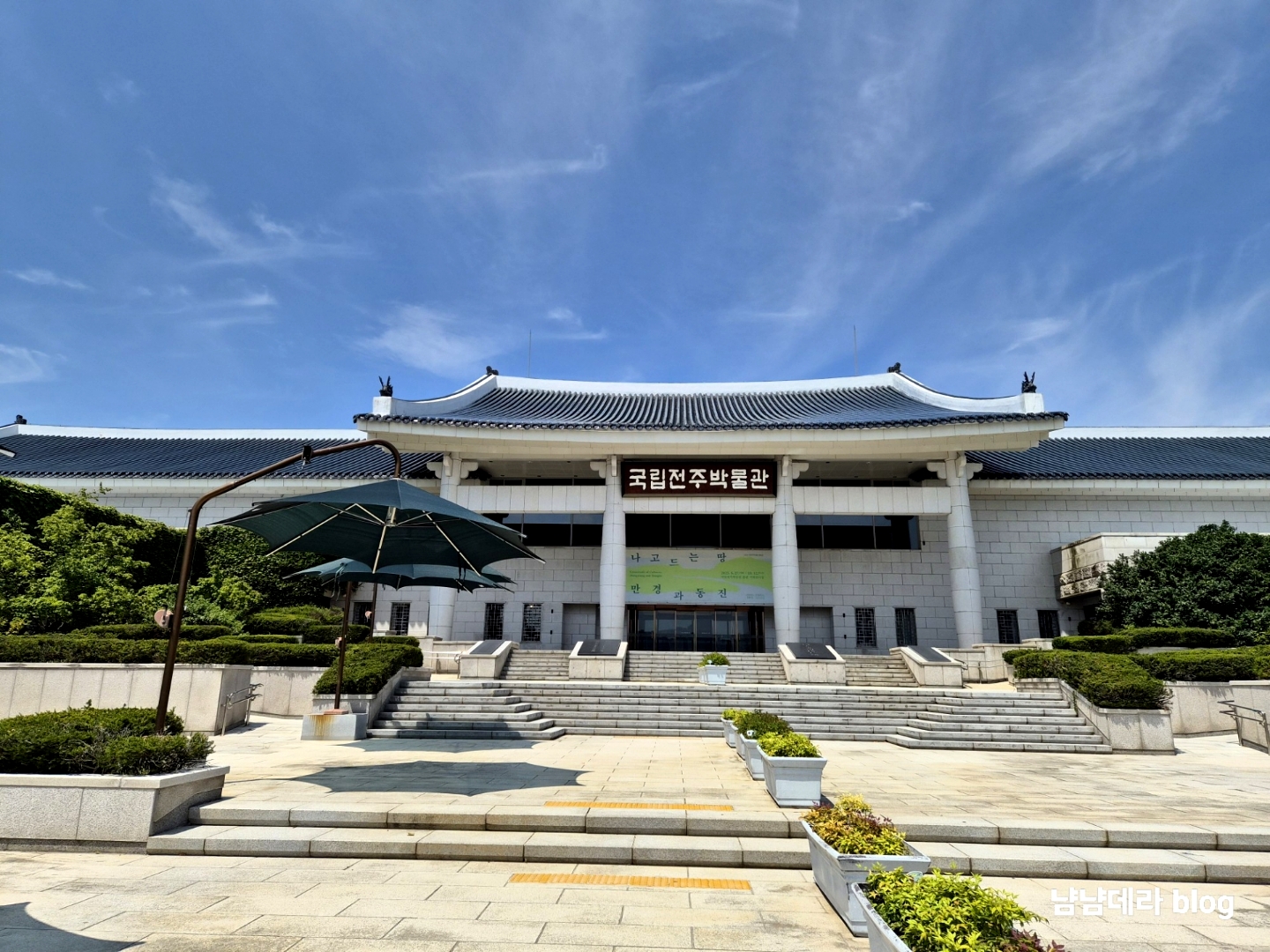
Jeonju National MuseumA museum exhibiting archaeological, historical, and art artifacts from Jeonbuk.
1
Jeonju National MuseumA museum exhibiting archaeological, historical, and art artifacts from Jeonbuk. -
 2
2
-
 3
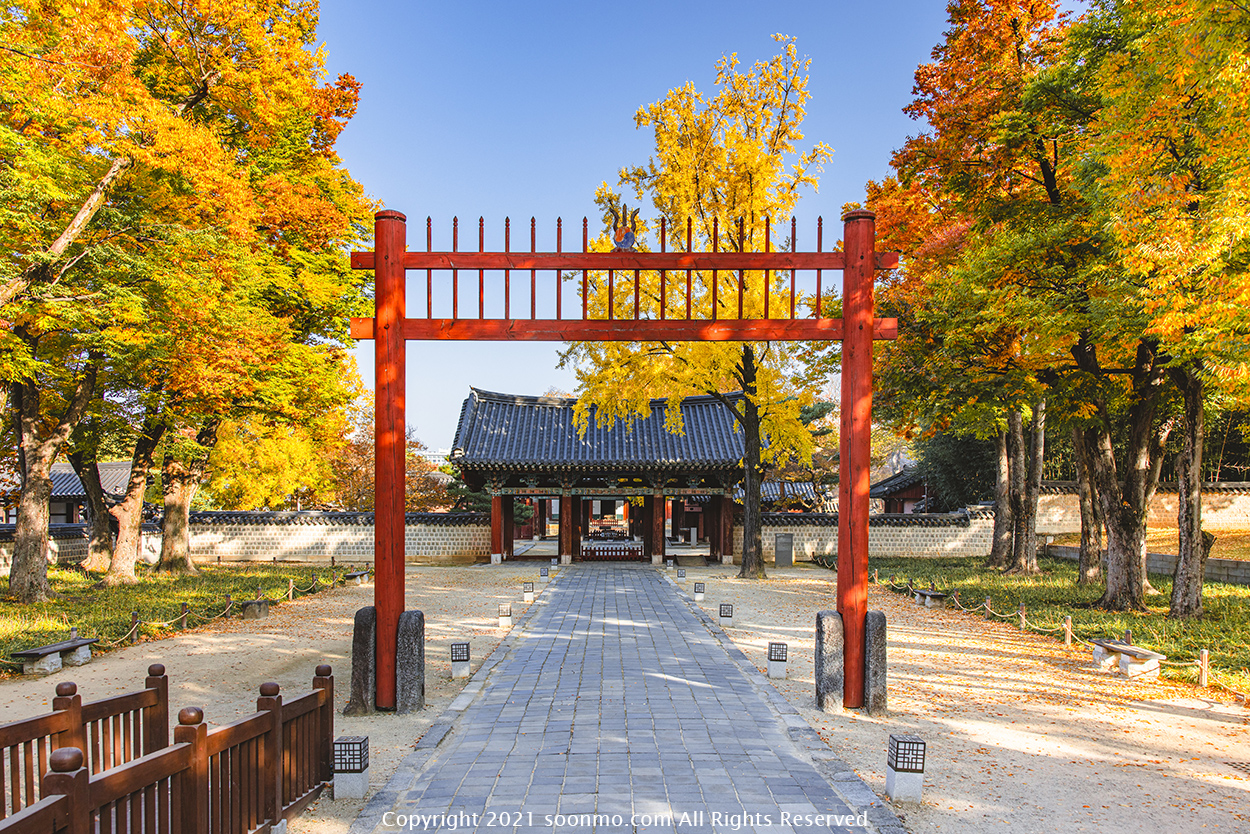
Gyeonggijeon ShrineA historic site housing the portrait of Yi Seong-gye, the founder and first king of the Joseon Dynasty.
3
Gyeonggijeon ShrineA historic site housing the portrait of Yi Seong-gye, the founder and first king of the Joseon Dynasty. -
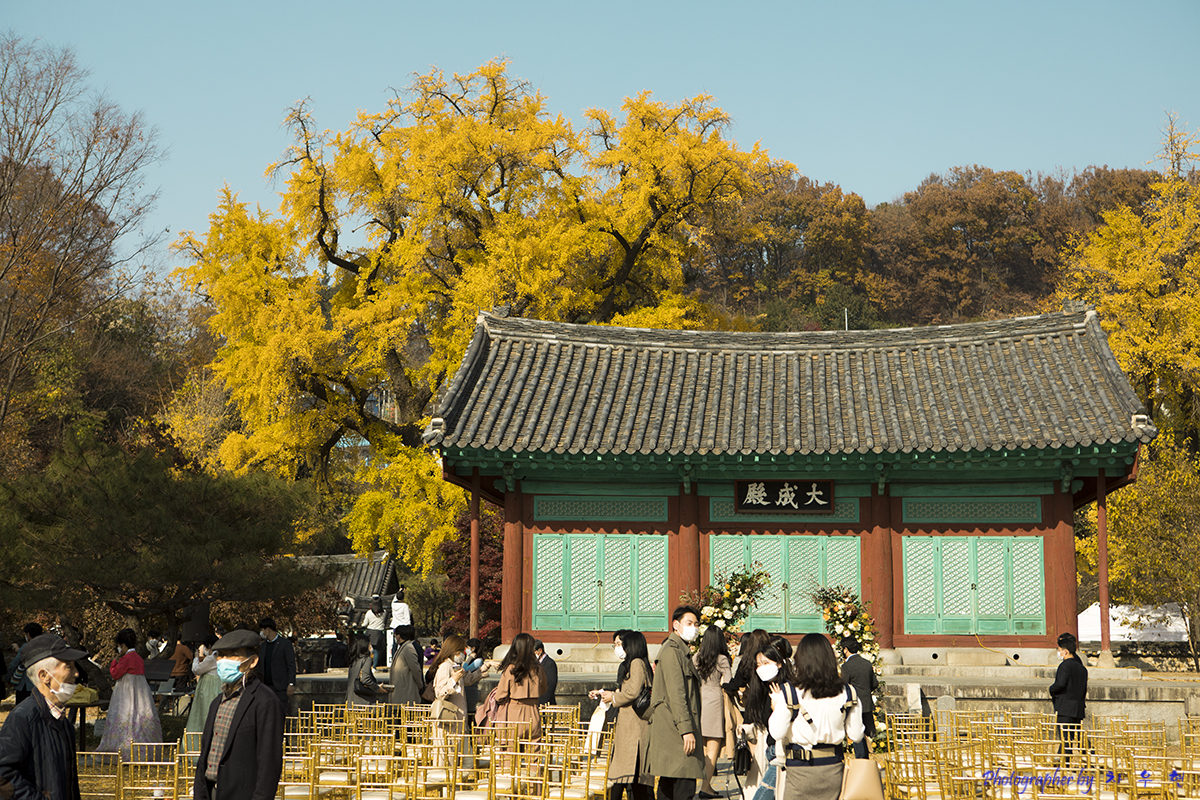 4
Jeonju HyanggyoA traditional Confucian academy preserving memorial tablets of Confucius and historic educational spaces
4
Jeonju HyanggyoA traditional Confucian academy preserving memorial tablets of Confucius and historic educational spaces -
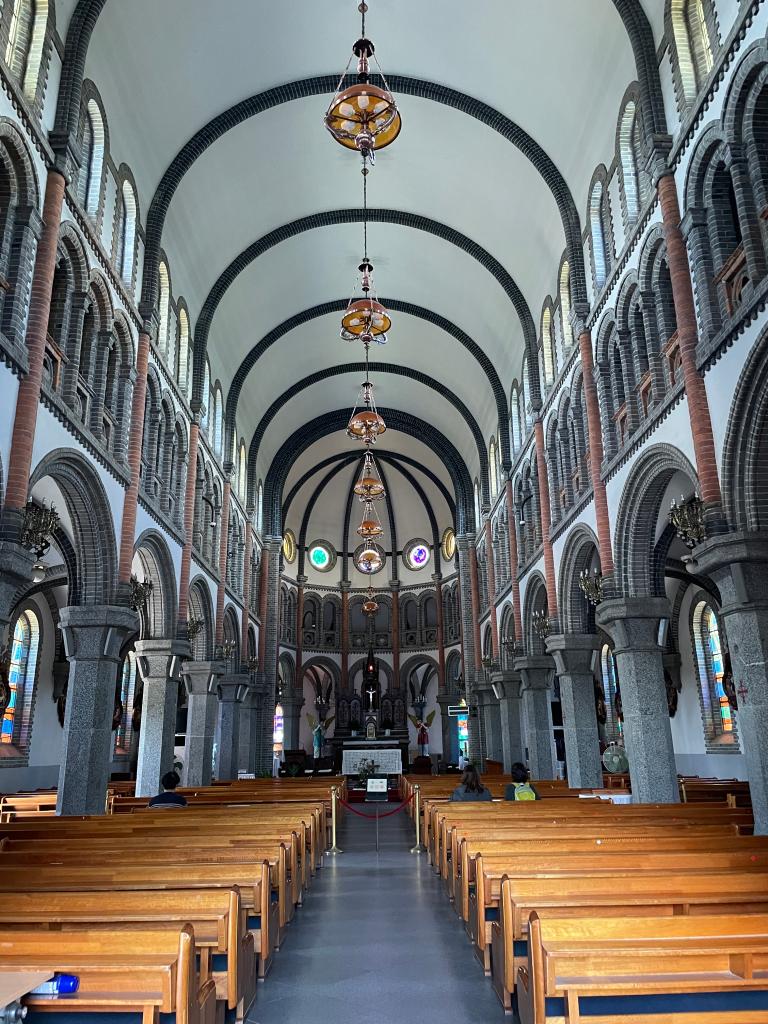 5
5
Food & Dining 5
-
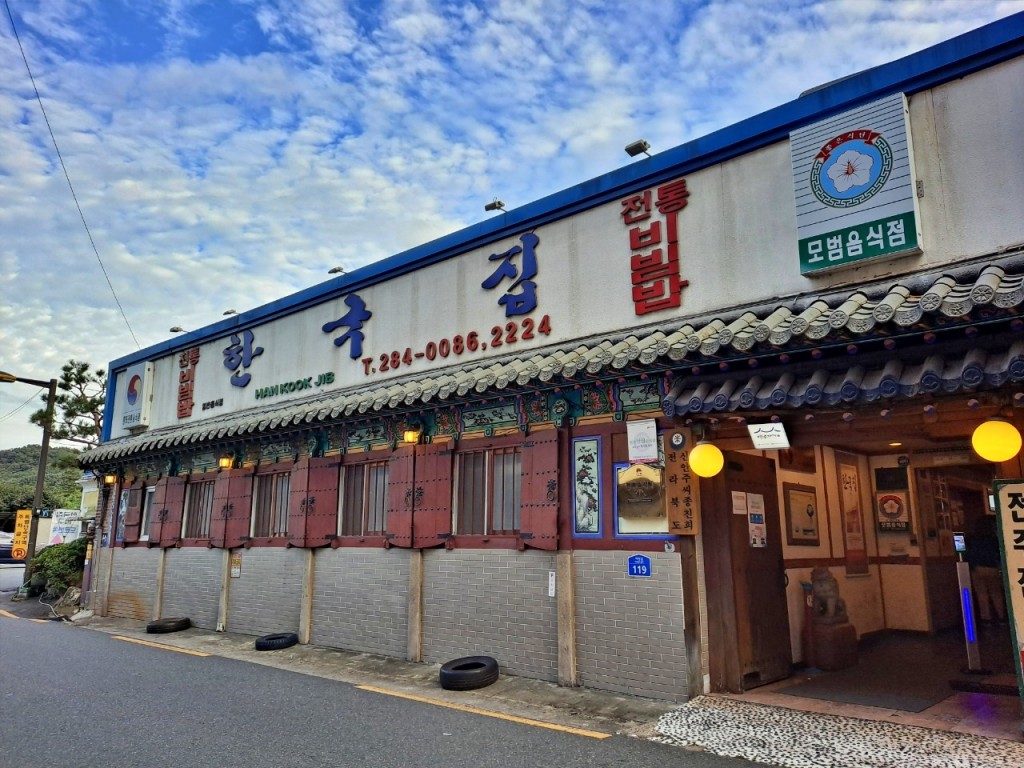 6
HangukjipA local restaurant where you can taste Jeonju bibimbap prepared in the traditional way
6
HangukjipA local restaurant where you can taste Jeonju bibimbap prepared in the traditional way -
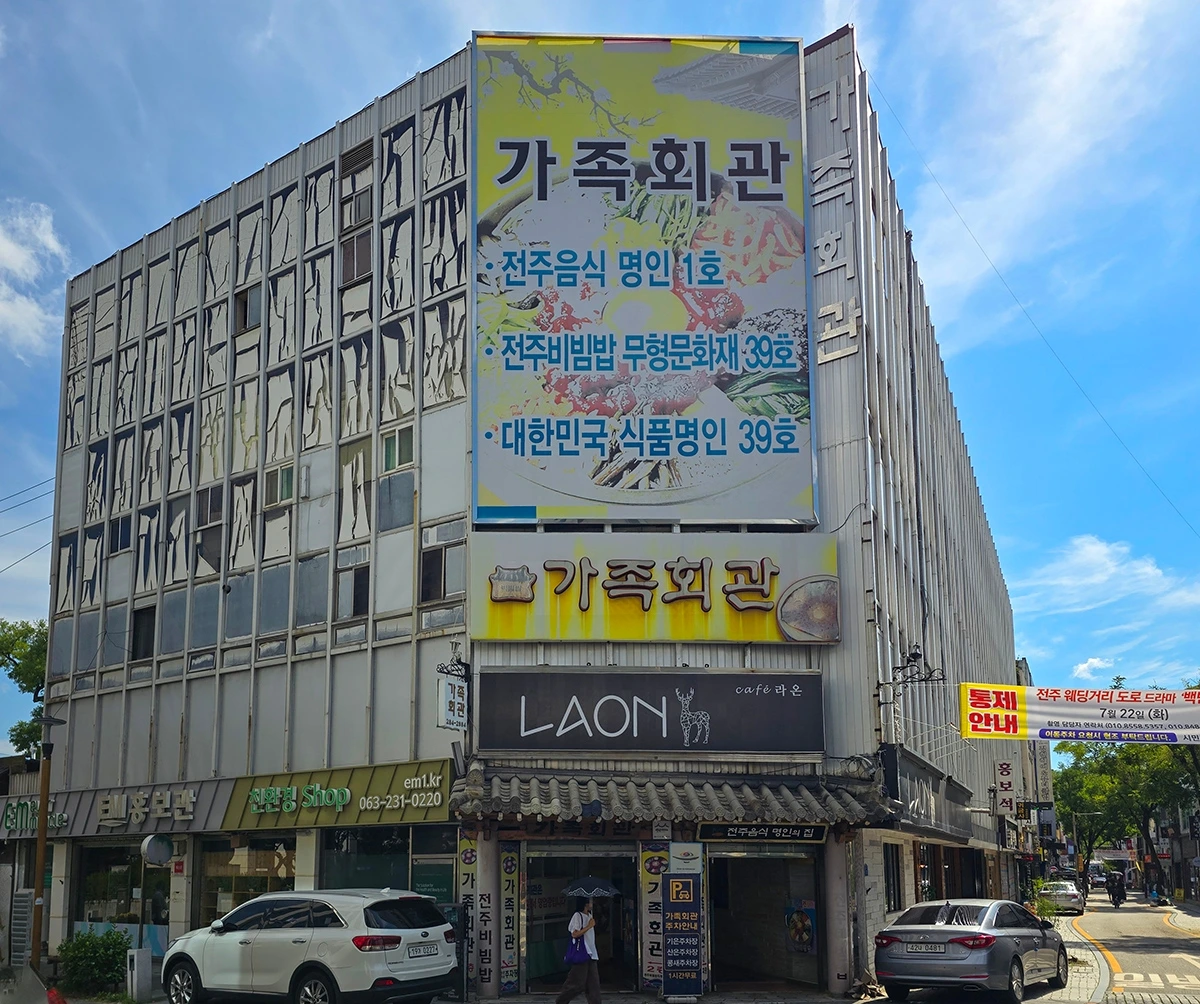 7
7
-
 8
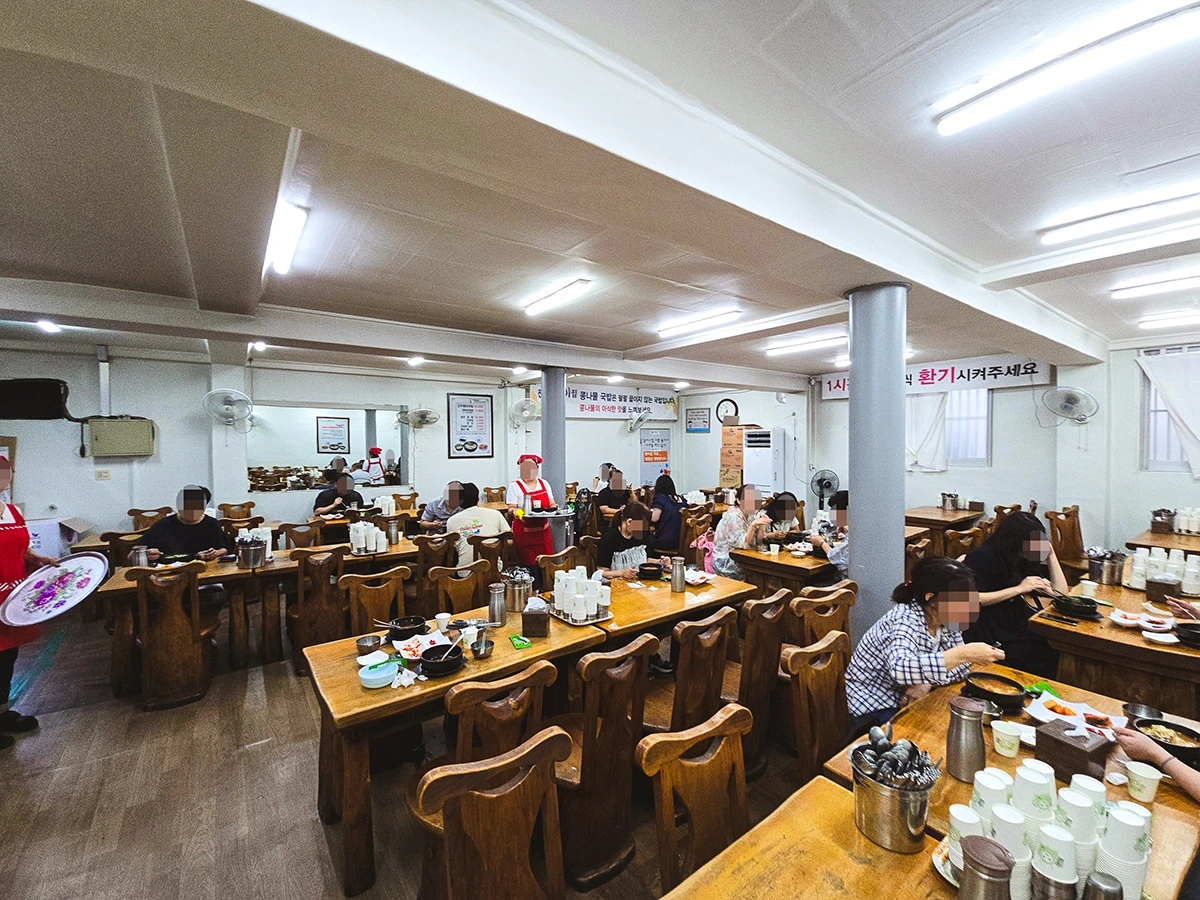
Jeonju Waengi Kongnamul Gukbap Specialty RestaurantA gukbap specialty restaurant serving Jeonju-style bean sprout gukbap.
8
Jeonju Waengi Kongnamul Gukbap Specialty RestaurantA gukbap specialty restaurant serving Jeonju-style bean sprout gukbap. -
 9
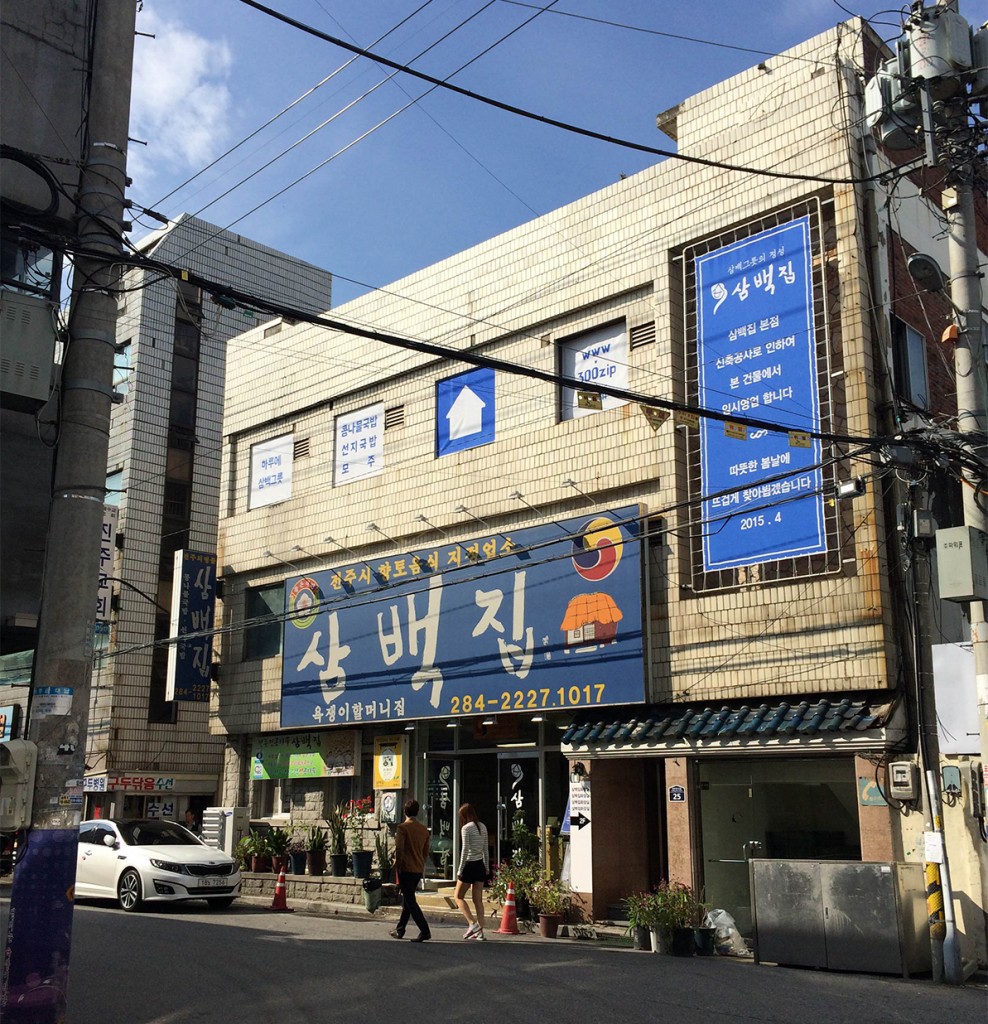
Sambaekjip Jeonju Main BranchA restaurant known for its bean sprout soup with rice and moju.
9
Sambaekjip Jeonju Main BranchA restaurant known for its bean sprout soup with rice and moju. -
 10
10
More Travel Guides in This Area
 Travel Guide
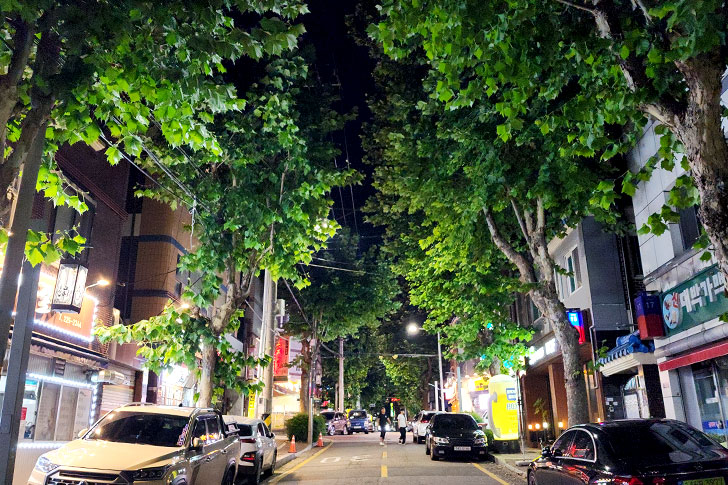
A Kettle-Centered Spread in Jeonju’s Samcheon-dong, Continuing Since the 1990s
 Travel Guide
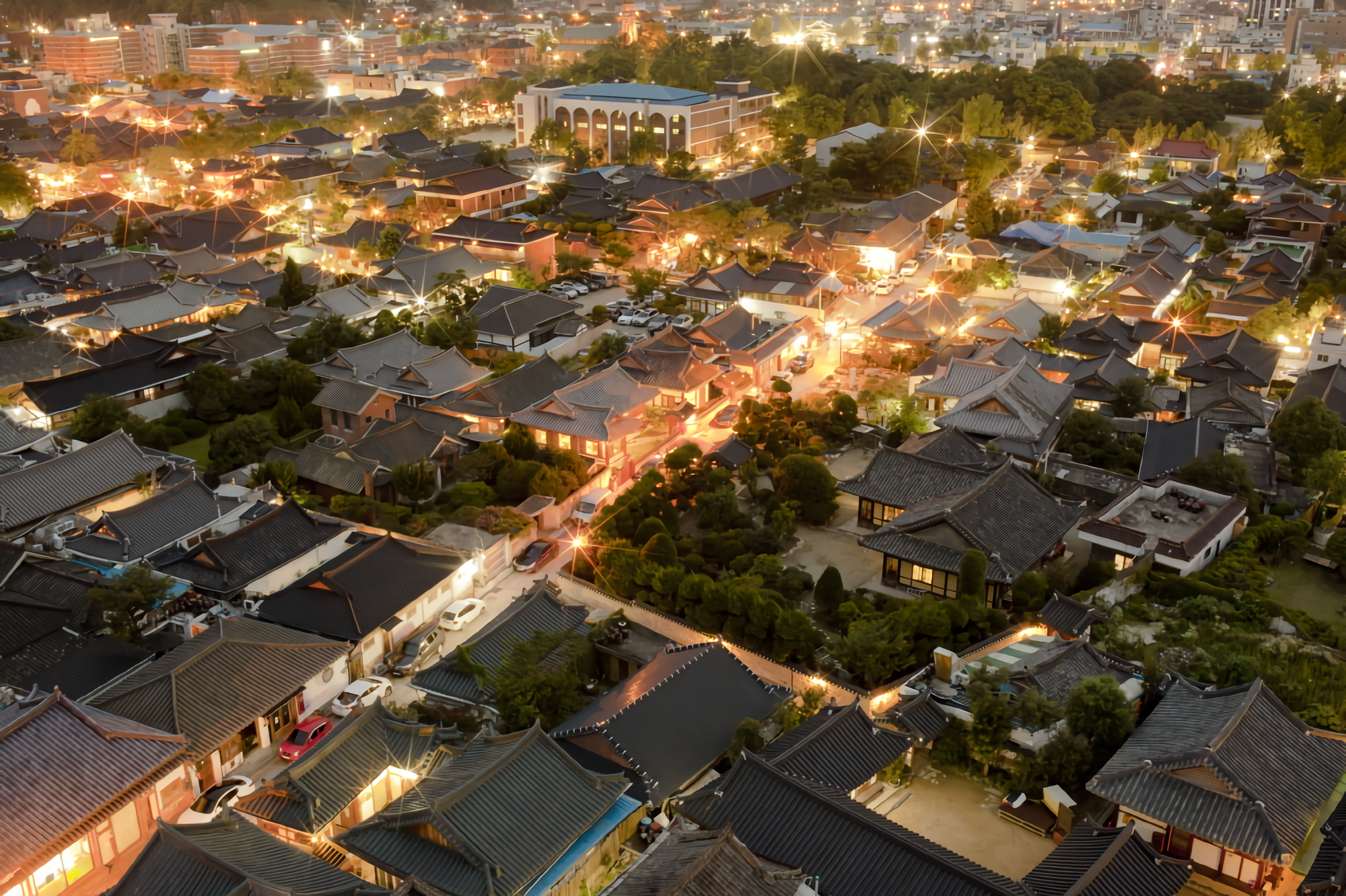
Under 700 Roofs, Jeonju Hanok Village Brings Together a Joseon Fortress Site and 1930s Residential Areas
 Travel Guide
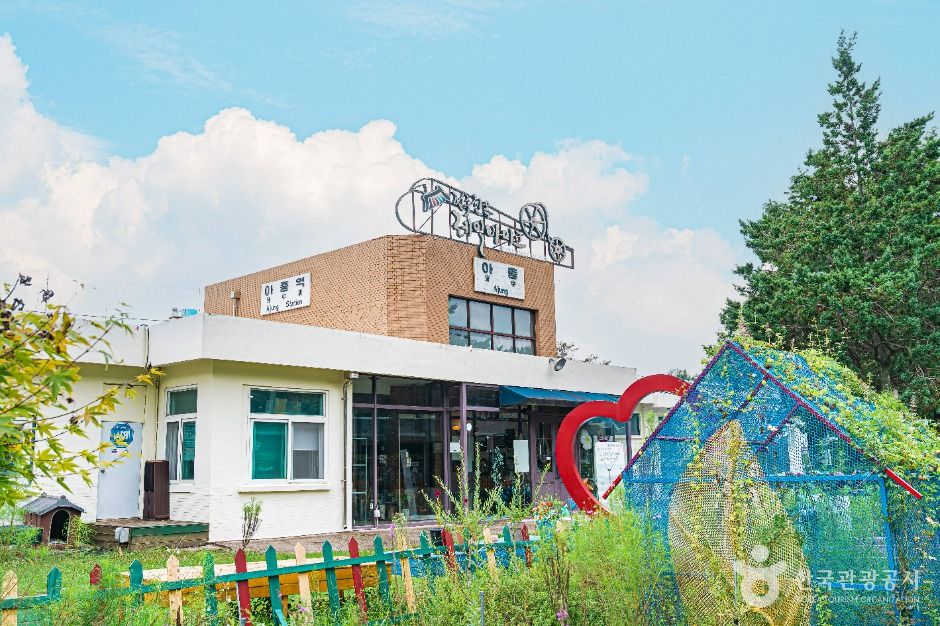
Jeonju Hanok Rail Bike on the Old Ajung Station Railway Line
 Travel Guide
Jeonju Hanji Museum
Korea News
![ZEROBASEONE ‘ZEROBASEONE Shining Even at Night!’ [★Video]](https://kotourlive-images.s3.ap-northeast-1.amazonaws.com/news/1786629298196_13d8a4bb_news_075face7-fb4e-402c-b833-25ccaf88cf8f.jpg) News
News
ZEROBASEONE ‘ZEROBASEONE Shining Even at Night!’ [★Video]
 News
News
Kwon Eun-bi, First Comeback Since Moving from Woollim to RBW: “Aiming for a September Release”
 News
News
“Did Jungkook’s connection continue?” Pop star Usher spotted warmly hugging BTS’s RM and J-Hope
 News
News