Noksan-ro Canola Flower Road: How to Safely Drive Along the 10 km Yellow Ridge
Noksan-ro in Gasi-ri, Pyoseon-myeon, Seogwipo, Jeju, is a year-round open road stretching about 10 km from the entrance to the Gasi-ri intersection to Jeongseok Airfield. From late March to early April, canola flowers and cherry blossoms bloom together, but the road is better suited to vehicle travel than walking, so plan your parking and safe driving route first.

I’ve been here?
Your check-in helps the next traveler.
32 people viewed this week Be the first
One tap — no writing needed
Approximately 10 km from the Gasiri Intersection to Jeongseok Airfield
Noksan-ro Canola Flower Road is a scenic road in the Gasiri area of Pyoseon-myeon, Seogwipo-si, Jeju Special Self-Governing Province. Guide materials introduce it as a road extending approximately 10 km from the entrance to the Gasiri Intersection to Jeongseok Airfield, while other guides describe it as an approximately 10 km section beginning at the entrance to Gasiri Village.
This is not a paid garden enclosed by a separate fence; it is a road where flowers bloom along the roadside beside the roadway. The official Jeju tourism guidebook particularly introduces a section extending approximately 4–5 km from near the Gasiri Jorangmal Experience Park and also refers to this road as Jeongseok Hangang-ro.
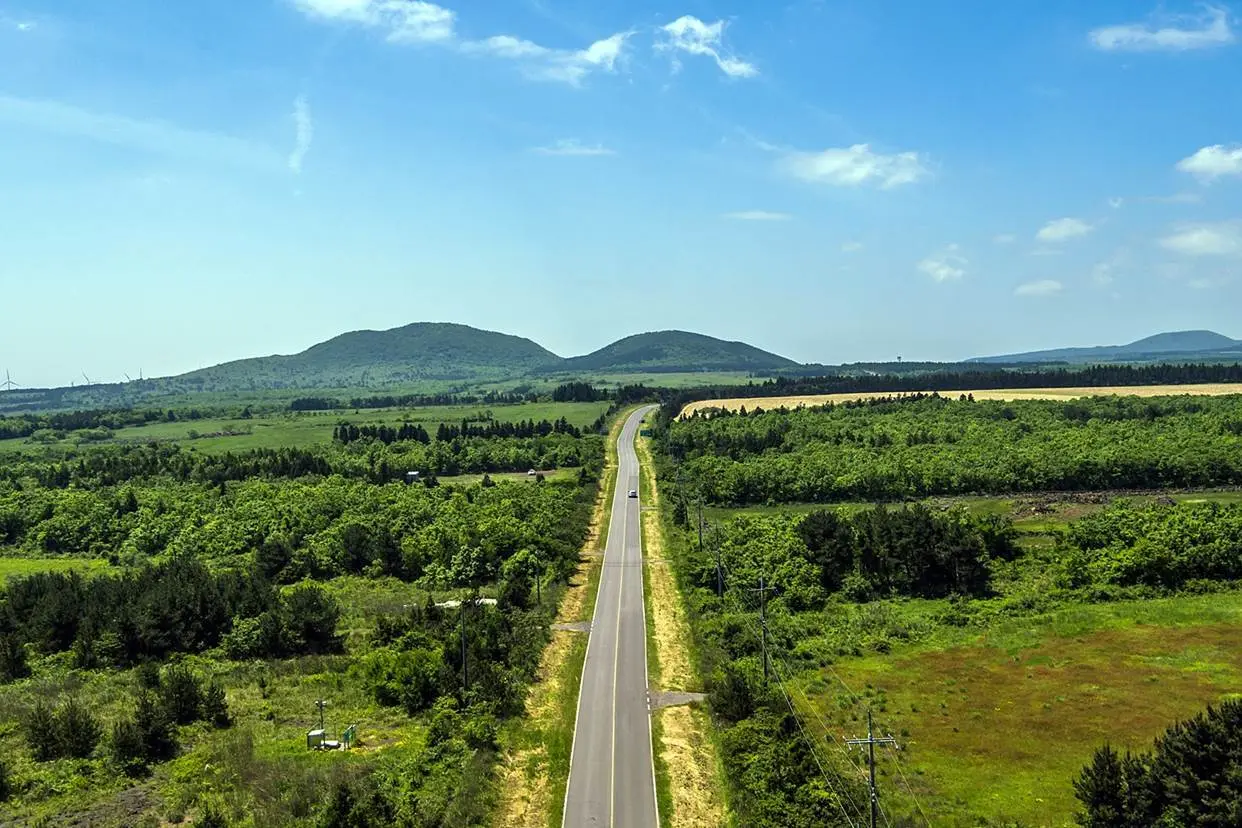
From late March to early April, when canola flowers and cherry blossoms overlap
According to information for 2026, canola flowers and cherry blossoms begin blooming after mid-March and reach full bloom from late March to early April. Other seasonal information says that canola flowers may continue from late January through late April, but describes late March to early April as the most splendid period in the mid-mountain area.
When the blooming periods overlap, yellow canola flowers and white cherry blossoms can be seen together in some sections. A canola flower festival may be held in a nearby open area when the flowers are in full bloom, but the latest festival dates and schedule were not confirmed in this guide.
A 2025 visitor guide notes that there may be so many tourists in the afternoon that no roadside parking spaces are available. If flower photography is your goal, avoid the afternoon crowds, decide where to park first, and then proceed safely.
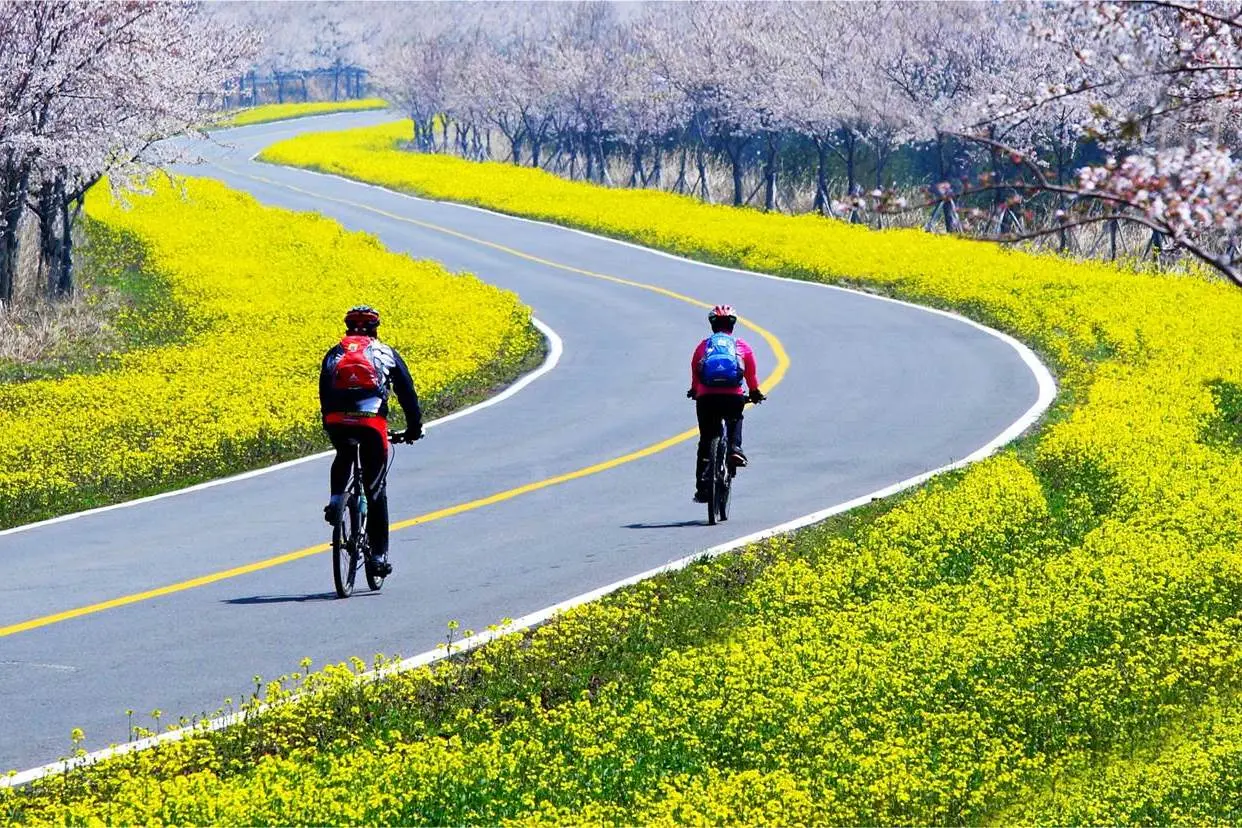
Why you should not get out of the car and walk on the road
Noksan-ro is a route for viewing the scenery while traveling by car rather than walking along the road itself. Official experience information warns that walking on the road is extremely dangerous. Therefore, it is not suitable to plan a long walk along the edge of the roadway or to step into the middle of the road to take photographs where traffic is heavy.
The Noksan-ro attraction itself is described as having no available parking facilities, and visitors are directed to use Jorangmal Experience Park for parking. However, roadside parking may be limited in the afternoon, so consider both parking at Jorangmal Experience Park and traveling from there to the actual flower road, as well as whether parking is possible on-site.
No officially accessible section has been confirmed for wheelchairs or strollers, and visitors are warned that walking itself is dangerous. For this reason, viewing the flowers from inside a vehicle should be the basic plan, and visitors should not make their own assumptions on-site about how far they may enter the flower fields or the detailed restrictions on roadside photography.
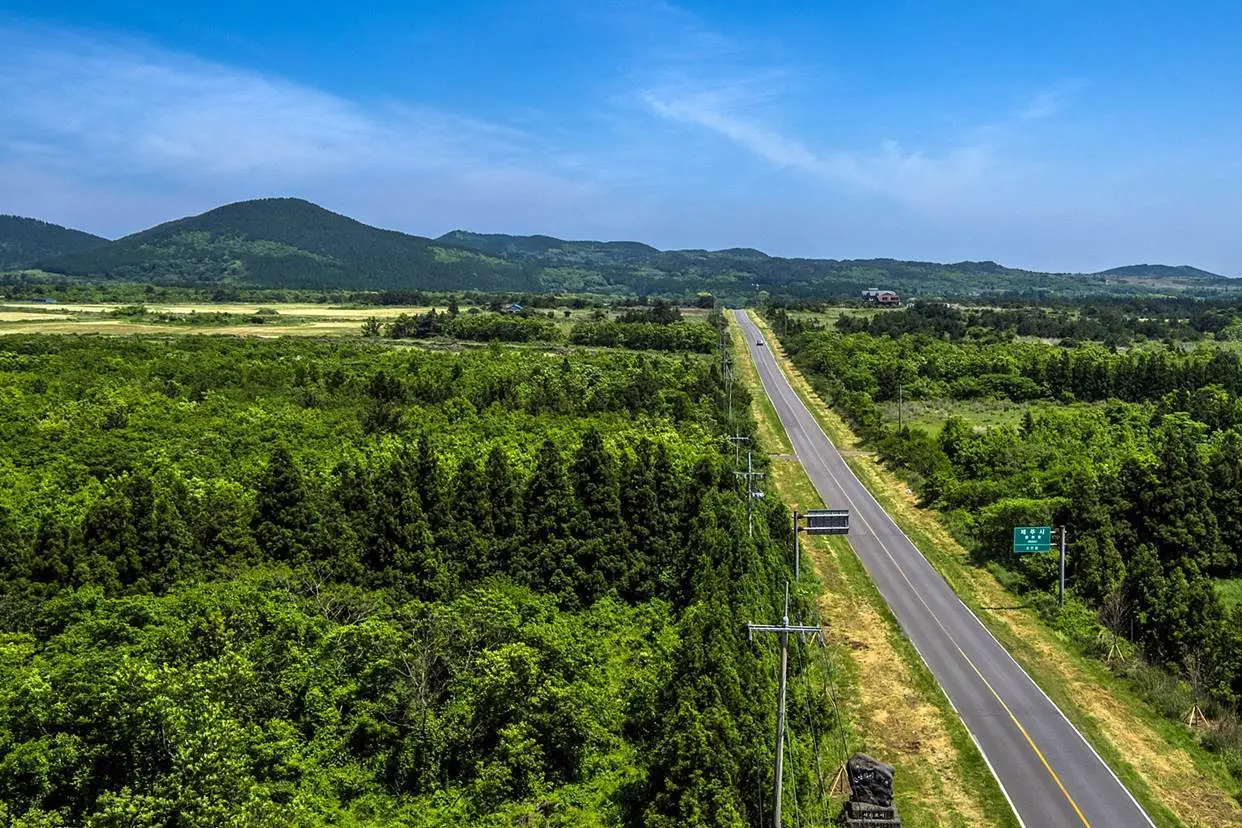
Open year-round and free, but there is no ticket booth
Tourism information for 2026 lists Noksan-ro as open at all times, with no closing days throughout the year and free admission. As a road-style attraction, it has no arrangement requiring visitors to buy tickets at a separate ticket booth or pass through by a certain closing time.
The representative contact number on the Noksan-ro information page is 0507-1371-4157, and official tourism information is available on the Visit Jeju page. However, no information has been confirmed regarding English-language guidance, an audio guide, cash-only payment, or separate monthly operating hours, so visitors should not expect to use this place like a museum.
The address is listed as San 87-15, Gasiri, Pyoseon-myeon, Seogwipo-si, Jeju Special Self-Governing Province. Some review and guide pages also list 2723-3, Gasiri, Pyoseon-myeon, Seogwipo-si as the address, so it is practical to enter either Noksan-ro or Jorangmal Experience Park into your navigation system to locate the road section.
Choose places to stop rather than finishing with a roughly 20-minute drive
Review-based guide pages list the basic travel time for Noksan-ro as approximately 20 minutes. This appears to be the approximate time needed to pass along the road and does not include the entire itinerary, such as taking photographs, visiting Jorangmal Experience Park, or traveling to nearby oreums.
Gasiri Jorangmal Experience Park and Canola Flower Plaza are introduced as places located in the village communal pasture around Noksan-ro. Some village communal pastures have canola fields covering approximately 30,000 pyeong, and wind turbines along the road create a backdrop that can be photographed together with the flower fields.
Tarabi Oreum and Gapseoni Oreum form the backdrop around the road, and according to the guides, Keunsaseumi Oreum and Jakunsaseumi Oreum are also nearby. A plan to climb an oreum is separate from the approximately 20-minute drive through the road, so do not stop recklessly while driving; move based on locations where parking is permitted.
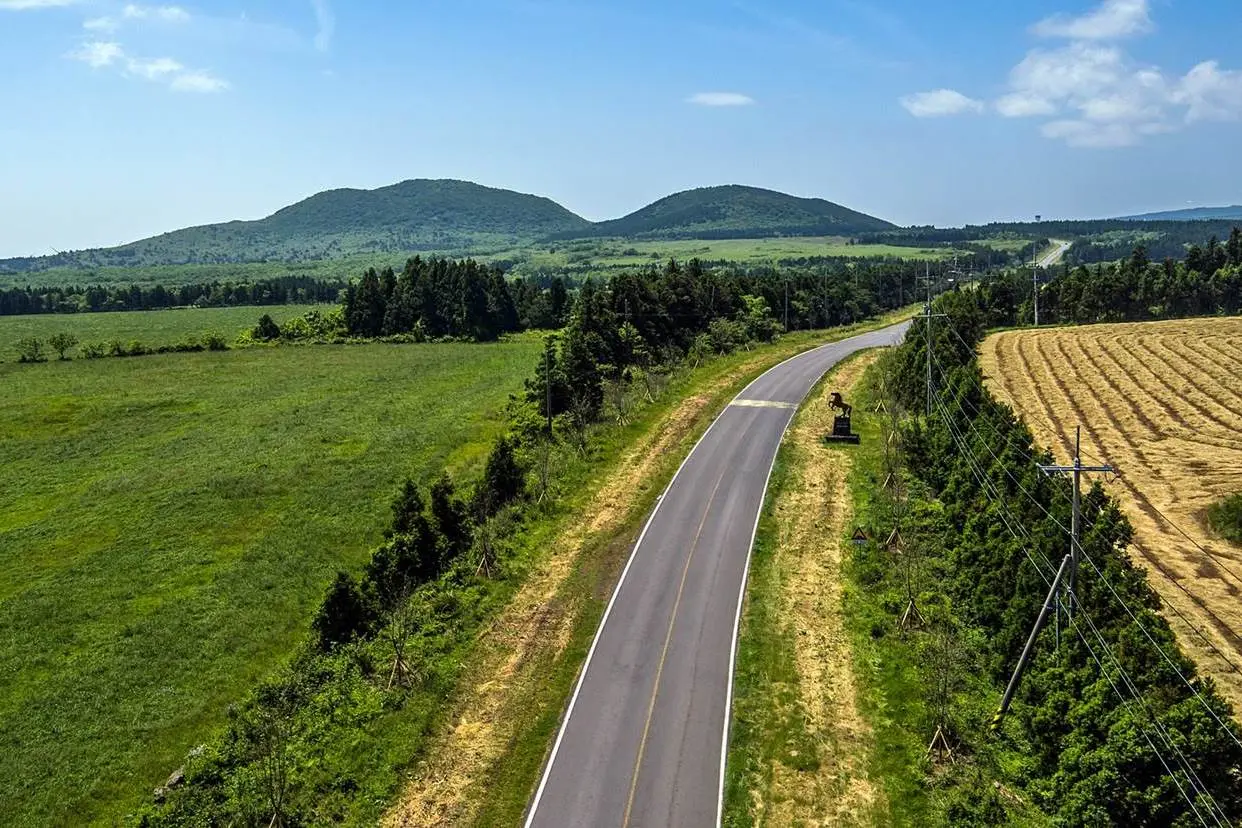
The Joseon-era Noksanjang and today's wind-power landscape
The area around Noksan-ro is introduced as being associated with the former site of Noksanjang, a government-run horse pasture during the Joseon period. Noksanjang was organized as one of the mountain horse pastures after 1709, the 35th year of King Sukjong's reign, and is described as a pasture extending 75 ri from east to west and 30 ri from north to south, where royal horses, warhorses, and relay horses were bred.
During the reign of King Jeongjo, Noksanjang was designated as a Gapmajang, and from 1794 to 1899 it was reportedly used for approximately 100 years as a specialized area for breeding Gapma, the highest-grade horses. Jorangmal Experience Park and village communal pastures still exist nearby, showing that the flower road is not merely a constructed photography site but a road connected to the pastoral landscape.
The village communal land around Gasiri is currently introduced as having a wind farm. The present landscape, where pastures, oreums, and wind turbines can be seen together, was formed through the overlap of Noksanjang's pastoral history and the land use of Gasiri's communal pasture.
A drive course included among Korea's 100 Most Beautiful Roads
Noksan-ro is introduced as a drive course selected for the “100 Most Beautiful Roads in Korea.” It connects Jeju City with Pyoseon-myeon in Gasiri, and descriptions say that in spring, canola flowers and cherry blossoms extend for approximately 10 km along both sides of the road.
Official Jeju tourism information categorizes this place as a drive, scenic and photo, spring flowers, canola flower, and cherry blossom attraction. Photographic materials from the Korea Tourism Organization record April 2019 as the period when the Noksan-ro photograph was taken, with Lee Beom-su of the Korea Tourism Organization listed as the photographer.
The medium-resolution version of the same photograph is 2,126 × 1,417 pixels. This does not guarantee the current blooming conditions; it records a past shooting date. Therefore, it should be understood as context showing that Noksan-ro has been documented as a photography destination, rather than used as a basis for judging flower conditions in a particular year.
An itinerary combining Jorangmal Experience Park, Jeongseok Aviation Hall, and Seongeup Folk Village
Nearby attractions introduced around Noksan-ro include Jorangmal Experience Park, Jeongseok Aviation Hall, and Seongeup Folk Village. Canola Flower Plaza and Jorangmal Experience Park are located around the midpoint of the road, and visitors who need parking information can use Jorangmal Experience Park as a reference point.
Local food introductions include canola bibimbap, canola udon, and fried canola flowers. However, the establishments that sell these items and their operating hours have not been confirmed, so it cannot be assumed that they are always available for purchase directly at Noksan-ro.
For first-time foreign visitors to Jeju, the most practical order is to drive through Noksan-ro, get out to view the flowers only at places where parking is permitted, and then connect Jorangmal Experience Park or Jeongseok Aviation Hall and Seongeup Folk Village as separate destinations. Walking on the road, parking on the shoulder for extended periods, and entering the flower fields without permission should be avoided.
Before You Go
- Address
- San 87-15, Gasiri, Pyoseon-myeon, Seogwipo-si, Jeju Special Self-Governing Province
- Hours
- Open at all times
- Closed
- Open year-round
- Admission
- Free
- Phone
- 0507-1371-4157
- Official site
- https://www.visitjeju.net/kr/detail/view?contentsid=CNTS_000000000000975
- Transport
- This is an approximately 10 km road extending from the entrance to the Gasiri Intersection to Jeongseok Airfield. Because the road itself is dangerous for pedestrians, it should primarily be used by vehicle.
- Parking
- Noksan-ro itself is described as having no parking facilities, and visitors are directed to use Jorangmal Experience Park. Roadside parking spaces may be limited in the afternoon.
- Time needed
- Approximately 20 minutes according to review and guide pages
- Accessibility
- Visitors are cautioned that walking on the road is extremely dangerous, so care is necessary for pedestrian viewing and the use of wheelchairs and strollers.
The information above is current as of the time of writing. Check the official information again before visiting.

Places
Nearby Attractions 3
-
 1
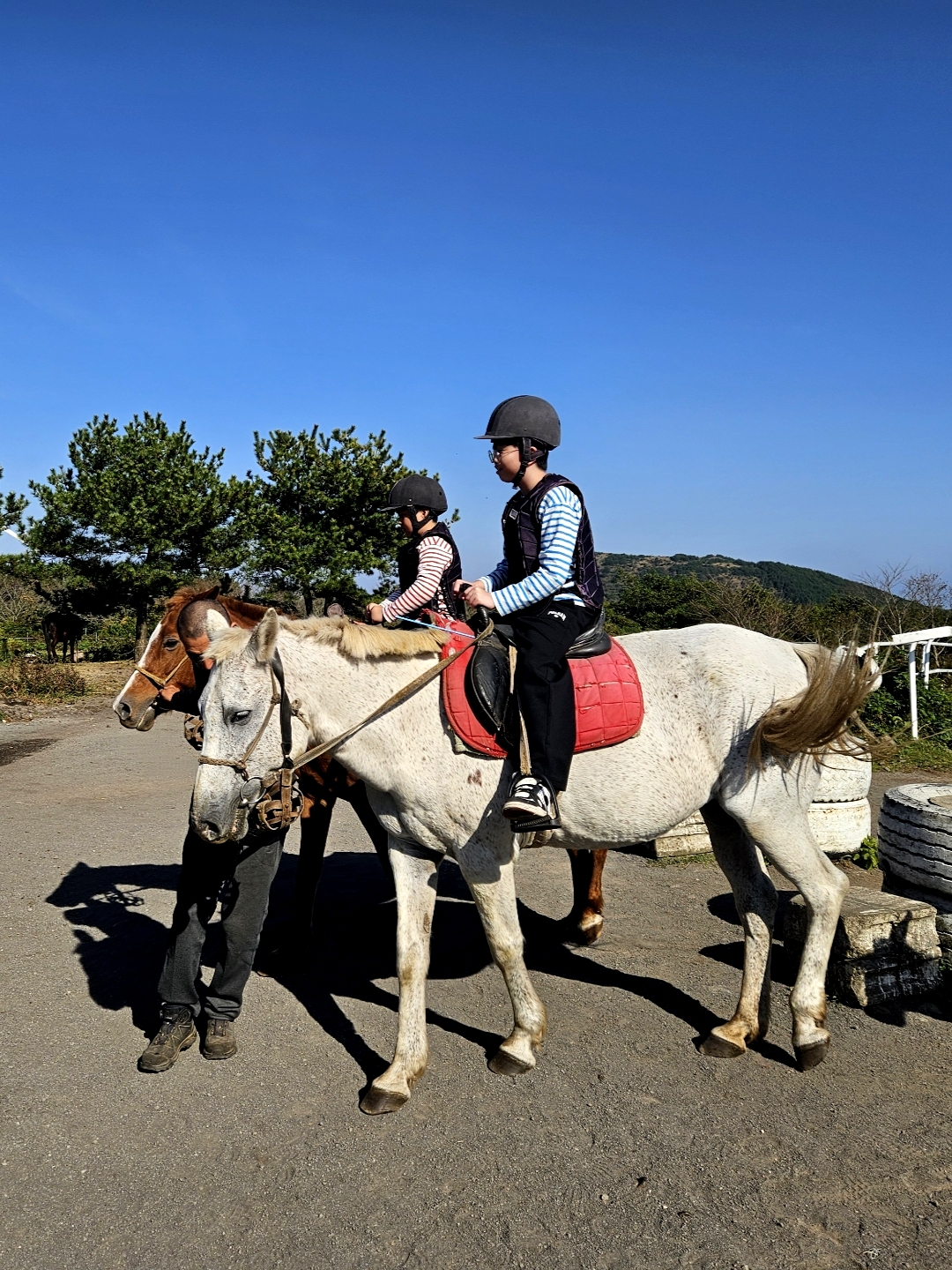
Jorangmal Experience ParkA pastoral culture space where you can enjoy the Jorangmal Museum and horseback riding experiences.
-
 2
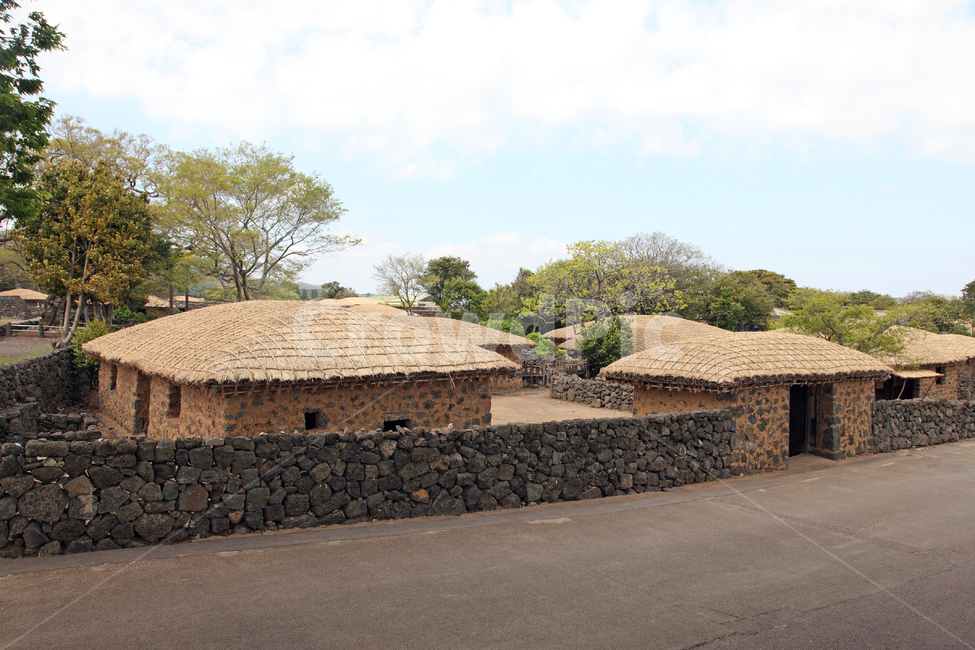
Seongeup Folk VillageA folk village where you can explore Jeju’s traditional thatched-roof houses and stone-walled paths.
-
 3
Food & Dining 3
-
 4
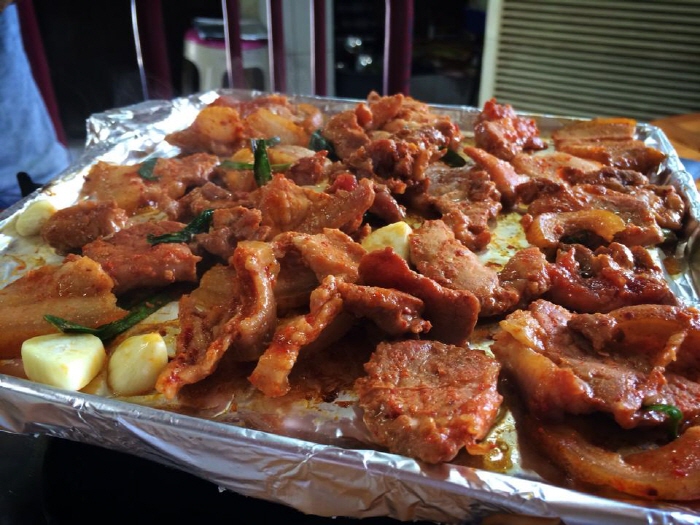
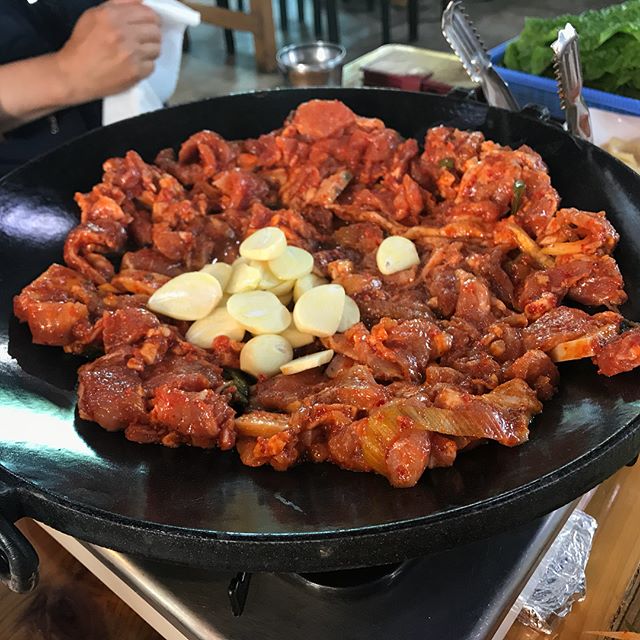
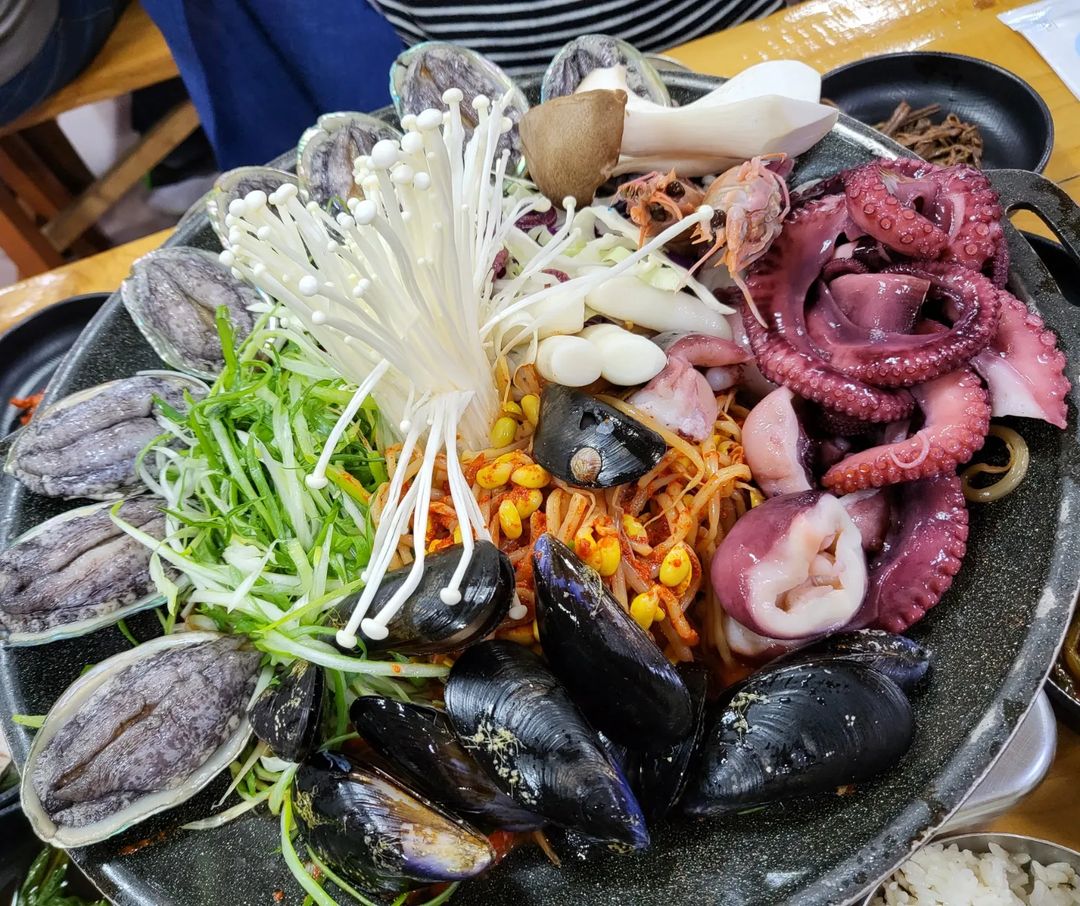
Gasi SikdangA restaurant serving Jeju-style local dishes such as sundae-guk (blood sausage soup) and duruchigi (spicy stir-fried pork).
-
 5
Namokdo RestaurantA Gasi-ri barbecue restaurant serving fresh meat, samgyeopsal, and duruchigi.
-
 6
Events in This Area
Festivals in This Area
More Travel Guides in This Area
 Travel Guide
Where a 100,000-Square-Meter Garden Meets the Oreum Landscape of Eastern Jeju
 Travel Guide
Deureukmda, where horse riding, karting, and a cafe are all in one on Beonyeong-ro 2454
 Travel Guide
Water Forests and the Story of Highland Life in Gyorae Samdasoo Village
 Travel Guide
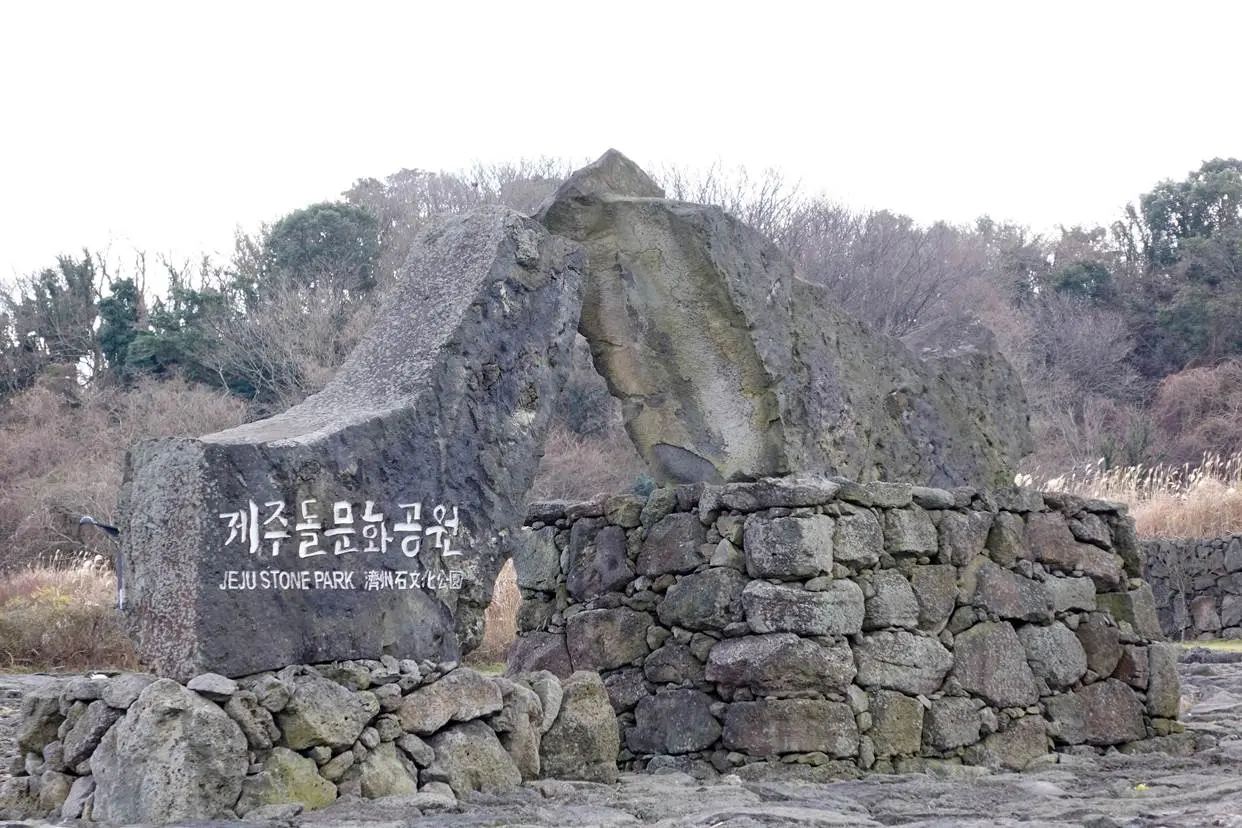
How to Walk Across Seolmundae Halmang's 1 Million Pyeong: Jeju Stone Park
Korea News
 News
'There Is No Danielle': NewJeans Unleashes a Massive B-Cut Collection to Celebrate the 4th Anniversary of Their Fandom, Bunnies
 News
G-Dragon Kneels to Propose in Public…The Recipient Turns Out to Be Daesung: “We’re Still Newlyweds”
 News
ATEEZ’s San, the Grand Duke of the North with Rock-Solid Abs
 News