How to Walk Across Seolmundae Halmang's 1 Million Pyeong: Jeju Stone Park
Jeju Stone Park is a 969,731㎡ outdoor and indoor museum that weaves together the myths of Seolmundae Halmang and the 500 Generals with the stone lifestyle culture of the Jeju people. Following its opening on June 3, 2006, the addition of the Seolmundae Halmang Exhibition Hall in June 2025 completed a tour route that connects everything from Dol Hareubang, Batdam, and Choga villages to the myths of Jeju.

I’ve been here?
Your check-in helps the next traveler.
No one has checked in yet Be the first
One tap — no writing needed
969,731㎡ Stone and Gotjawal Museum opened on June 3, 2006
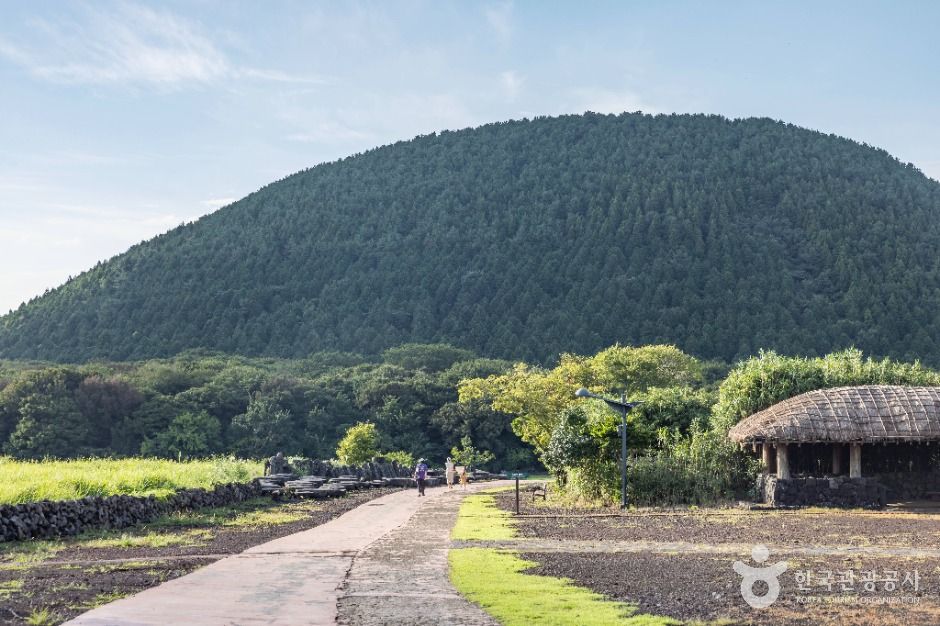
Jeju Stone Park is a public museum and ecological park located at 2023 Namjo-ro, Jocheon-eup, Jeju-si. With a site area of 969,731㎡ (approx. 293,858 pyeong), it was established on Gotjawal terrain where stones, trees, and vines harmonize. It opened on June 3, 2006, when the first phase of facilities was completed, and the park's core was formed around the Stone Museum, Stone Culture Exhibition Hall, and Jeju Traditional Thatched Village.
The theme of this place is the story of Seolmundae Halmang and the Five Hundred Generals, passed down as the creators of Jeju Island. By arranging the Path of Legends, Garden of Myths, outdoor megaliths, Dolhareubang, and traditional thatched houses along a single route, it demonstrates that 'stone' was not just a natural object but a material that constituted Jeju life, much like field walls (Batdam), gate pillars (Jeongjuseok), and child-shaped stone statues (Dongjaseok) in burial grounds.
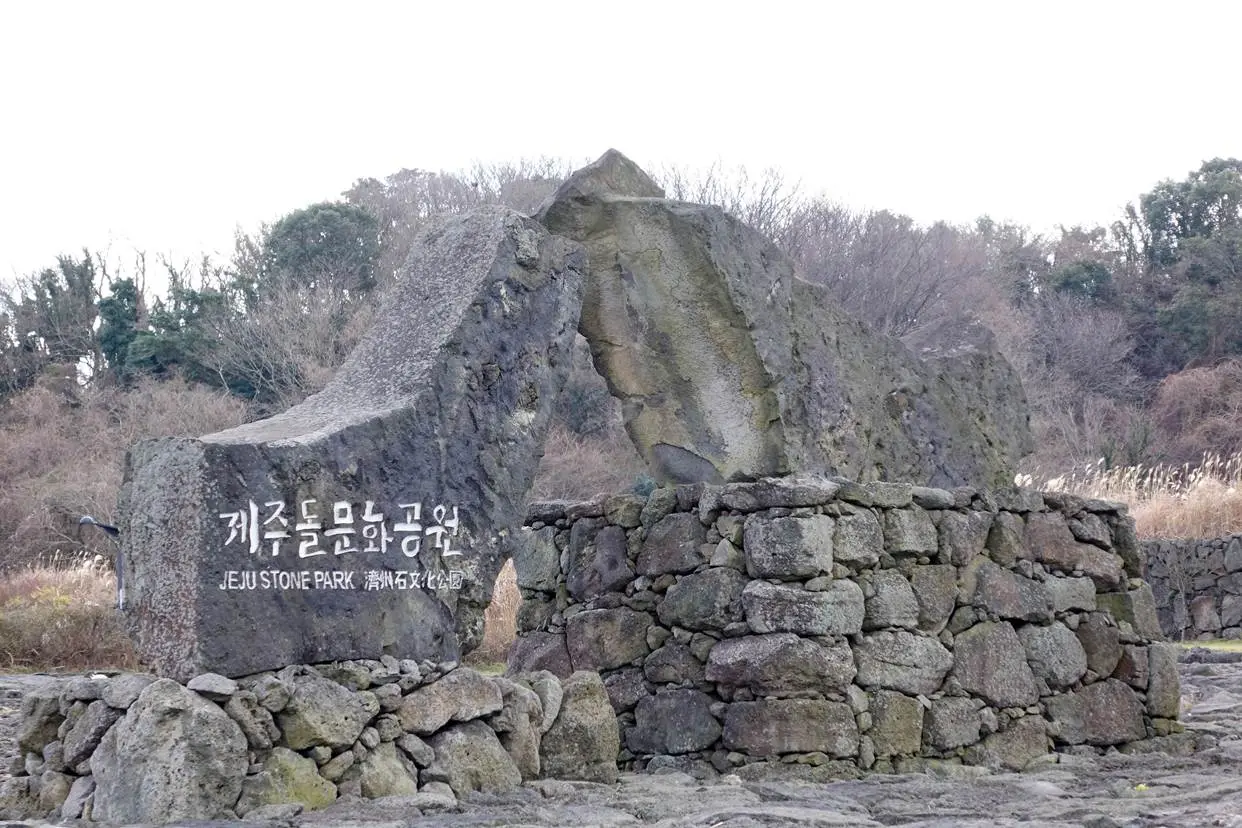
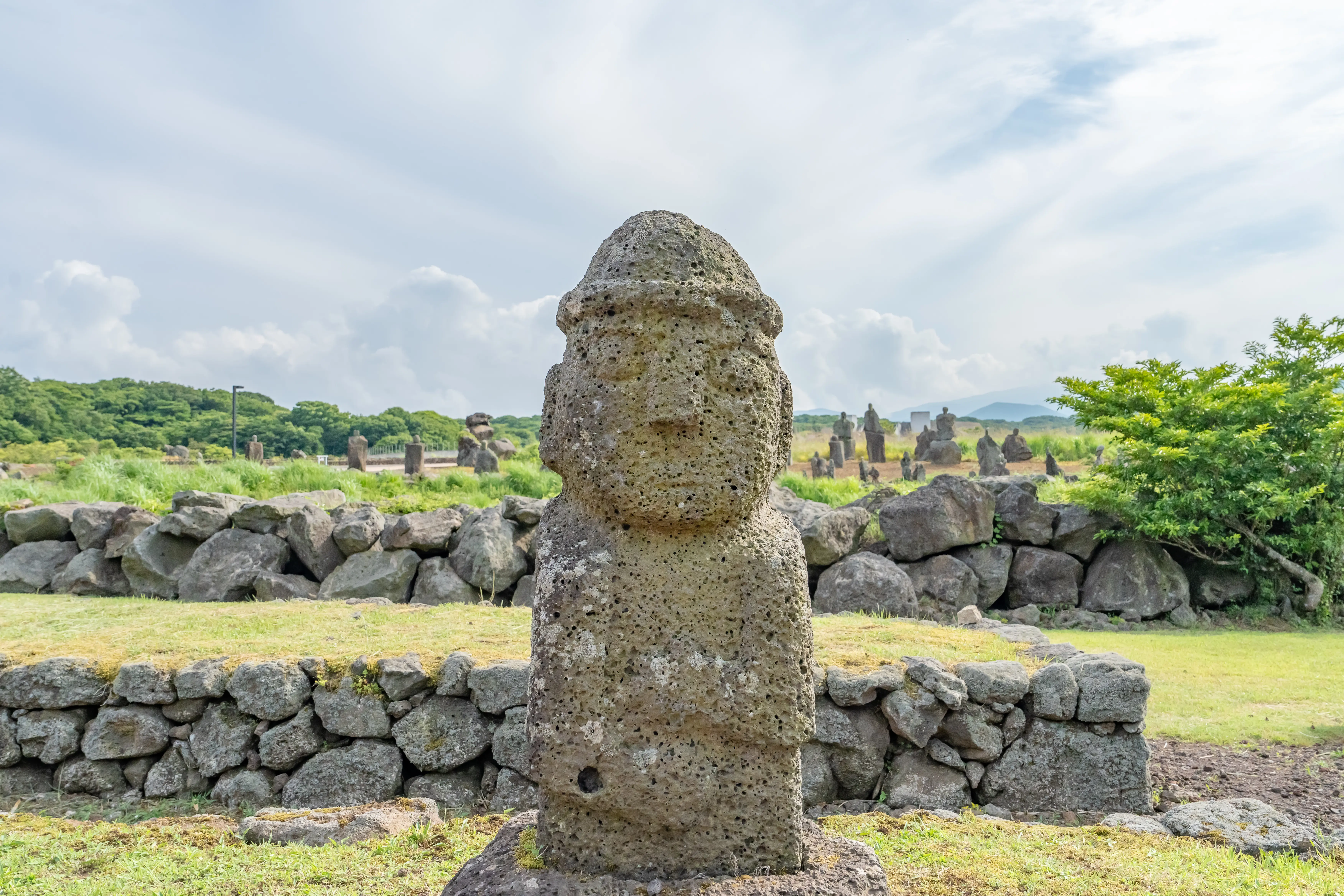
The Lifestyle of Jeju People Read Through 48 Dolhareubang and Jeongjuseok
In the outdoor exhibition area, there are 48 Dolhareubang, and you can also see Bangsatap to ward off misfortune, Jeongjuseok symbolizing the entrance to a Jeju home, and Dongjaseok placed around graves. Jeongjuseok was a device used to control the entry of people and livestock by placing stones across instead of a gate, and Dongjaseok is a resource for understanding Jeju's burial culture and view of the afterlife.
The reason the park does not treat stone culture as simple exhibition items, even recently, is clear. Jeju Special Self-Governing Province is pushing for research on Batdam and Jatdam (stone walls) in 2026, as well as surveys of stone culture in Seongsan-eup, Pyoseon-myeon, and Namwon-eup. When visiting, the context of the exhibition becomes clearer if you observe 'how stones were used for farming, livestock, and village boundaries' rather than just looking at the shapes of the sculptures.
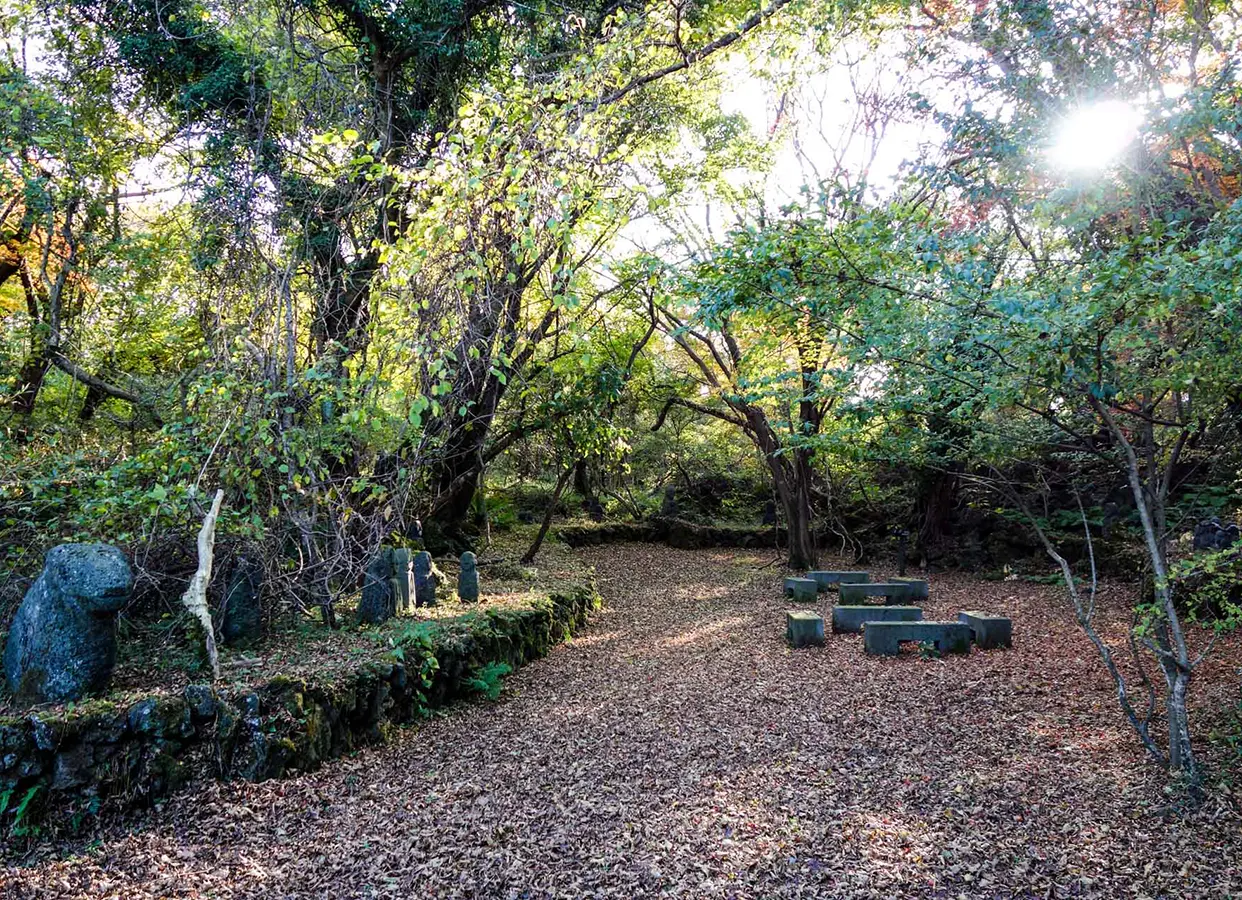
3 Courses Leading to Sky Pond, Why You Should Plan for at Least 2 Hours and 30 Minutes
Official tourist information introduces the viewing route in three courses. Course 1 leads from the Stone Museum to outdoor exhibitions, Dolhareubang, the Five Hundred Generals Gallery, Mother's Room, and the Garden of Myths. Course 2 covers stone culture from prehistoric times to modern times at the Jeju Stone Culture Exhibition Hall in the thatched-style exhibition building. Course 3 is the Jeju Traditional Thatched Village featuring Segeorijip, Dugeorijip, and a horse-driven mill.
Calculating each course at about 50 minutes, the total requires about 2 hours and 30 minutes. If you have less than 90 minutes, prioritize the indoor Stone Museum and the Garden of Myths. To see the traditional thatched village as well, it is safer to enter in the morning or early afternoon. Ticket sales close at 17:00 and viewing ends at 18:00, so entering after 15:00 makes it tight to walk all three courses.
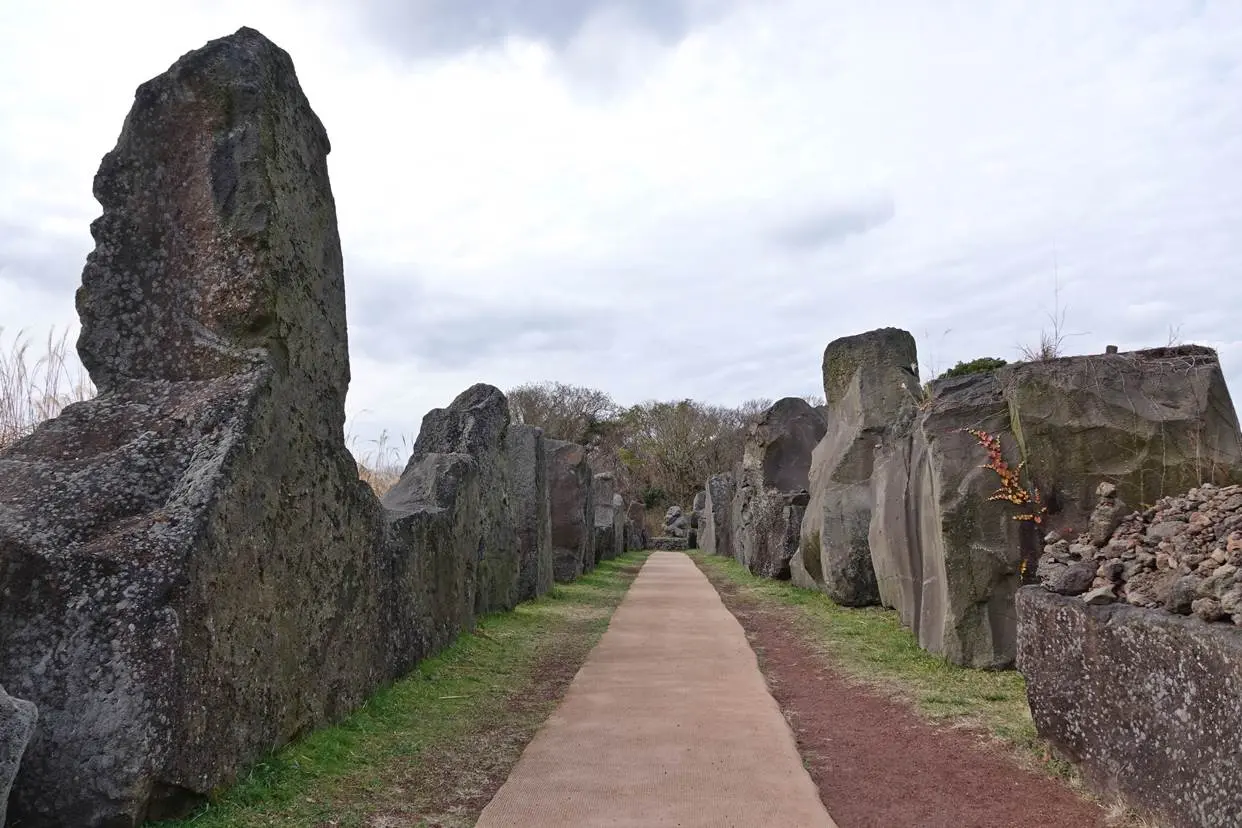
From B2 to 1F of Seolmundae Halmang Exhibition Hall, Opened in June 2025
Seolmundae Halmang Exhibition Hall opened in June 2025. It consists of four permanent exhibition halls across three floors from B2 to 1F and operates from 09:00 to 18:00, Tuesday to Sunday, same as the park. The prologue 'Halmang's Olle Trail' on B2 is an introduction collecting symbols of myth, history, and folklore.
Permanent Hall 1 is a folklore hall covering the land and stones of Jeju people and the Dolpat farming culture. Permanent Hall 2 is a Jeju history hall centered on stone culture. Permanent Hall 3 covers the archetypes of Jeju myths, and Permanent Hall 4 on B1 covers the story and spirit of Seolmundae Halmang. The exhibition hall includes a cafe, snack bar, museum shop, nursing room, and first aid room. A nursing room is also provided inside the Stone Museum information desk.
Tue–Sun 09:00–18:00, Entering for 5,000 KRW for Adults
Operating hours are 09:00 to 18:00, and ticket sales close at 17:00. The park is closed every Monday, January 1st, and on the days of Seollal and Chuseok. If Monday is a public holiday, it closes on the following first non-holiday. Operations may change during exhibition rotations or due to severe weather. It is advisable to check the day's operation status by calling 064-710-7731 or 064-710-7732 before departing.
Individual admission fees are 5,000 KRW for adults and 3,500 KRW for youth and military/police. For groups of 10 or more, the fees are 4,000 KRW and 2,800 KRW, respectively. Children aged 12 and under, Korean nationals aged 65 and over, people with disabilities, and national merit recipients are eligible for free admission, but eligibility conditions and proof should be reconfirmed through official guides before visiting. Credit card payments are accepted, and phone reservations are also possible.
- Official Website: https://www.jeju.go.kr/jejustonepark/index.htm
- Main Inquiry: 064-710-7731~7732
- Address: 2023 Namjo-ro, Jocheon-eup, Jeju-si, Jeju-do
Namjo-ro Where Bus 222 Passes; For Rental Cars, Check Free Parking First
Public transportation can be planned using the 222 general trunk bus from the Jeju Bus Information System. Bus 222 connects Pyoseon, Seongeup, Daecheon-dong, Bonggae, Donggwangyang, and Jeju Bus Terminal. According to the timetable effective February 12, 2026, the first bus is at 07:20, the last bus is at 21:35, and it runs 10 times a day. Since it is not a frequent urban route, you must check the stop and real-time arrival information on the bus information system before departure.
Recent guides from the Jeju Tourism Organization recommend rental cars, taxis, or vehicle tours to access Stone Park, located in the eastern mountainous area. Parking is available and free. As the park includes extensive outdoor walking routes, waterproof outerwear and non-slip shoes are more practical than umbrellas on rainy or windy days. Since stroller rental is not mentioned in official information, it is safer to prepare personal equipment if needed.
09:00–16:00 Commentary Reservation and a 60-Minute Jeju Stone Culture Reading
Cultural tourism commentary is recommended to be requested at least one day in advance, with reservation times from 09:00 to 16:00. Commentary operates from 10:00 to 17:00, excluding lunch hour from 12:00 to 13:00, and the last commentary begins at 16:00. Each commentary session lasts about 60 minutes, and inquiries for reservations or on-site registration can be made at 064-710-7762.
Travelers needing Korean guidance can also use the free digital guide (audio guide). As the provision of foreign language commentary is not confirmed as regular information, those requiring foreign language guidance should inquire about language support and available rental devices via the main number before visiting. Due to the long walking distances, wheelchair and stroller users are advised to separately check available viewing sections and mobility support before departure.
- Recommended Schedule: 2 hours 30 minutes for all 3 courses
- Commentary: Approx. 60 minutes per session, priority for advanced reservations
- Commentary Reservation Inquiry: 064-710-7762
Before You Go
- Address
- 2023 Namjo-ro, Jocheon-eup, Jeju-si, Jeju-do
- Hours
- Tuesday–Sunday 09:00–18:00 (Ticket sales close 17:00)
- Closed
- Every Monday, January 1st, the day of Seollal/Chuseok; if Monday is a public holiday, closed on the next non-holiday
- Admission
- Individual: Adult 5,000 KRW, Youth/Military/Police 3,500 KRW; Group (10+): Adult 4,000 KRW, Youth/Military/Police 2,800 KRW
- Phone
- 064-710-7731~7732
- Official site
- https://www.jeju.go.kr/jejustonepark/index.htm
- Transport
- Use Jeju Bus 222 (toward Pyoseon, Seongeup, Daecheon-dong, Bonggae, Donggwangyang, Jeju Bus Terminal). Check real-time stops and walking routes on the Jeju Bus Information System on the day of visit.
- Parking
- Parking available, free
- Time needed
- Approx. 2 hours 30 minutes for all 3 courses
- Accessibility
- Free digital guide (audio guide) available. Inquire before visiting regarding wheelchair/stroller accessible sections and foreign language guidance.
The above information is current as of the time of writing. Please reconfirm with official guides before visiting.

Places
Nearby Attractions 1
-
 1
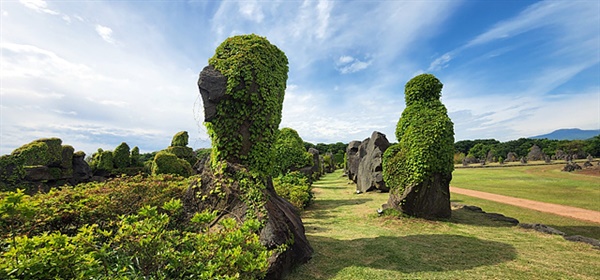
Jeju Dolmunga Park
1
Jeju Dolmunga Park
Food & Dining 5
-
 2
2
-
 3
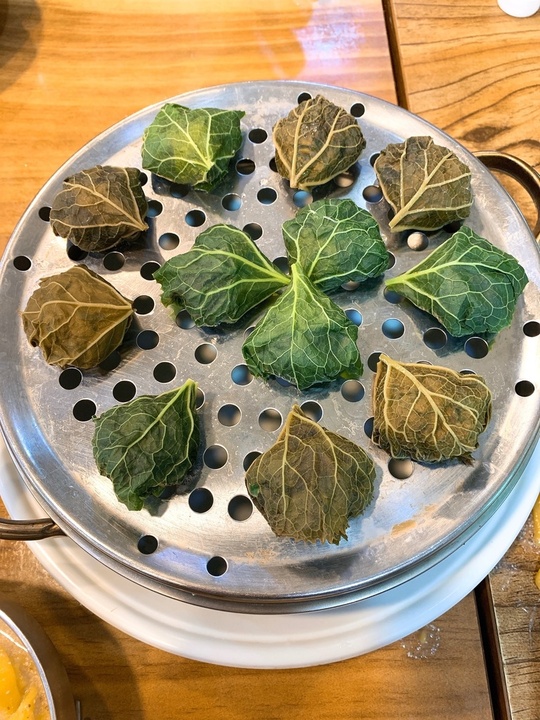
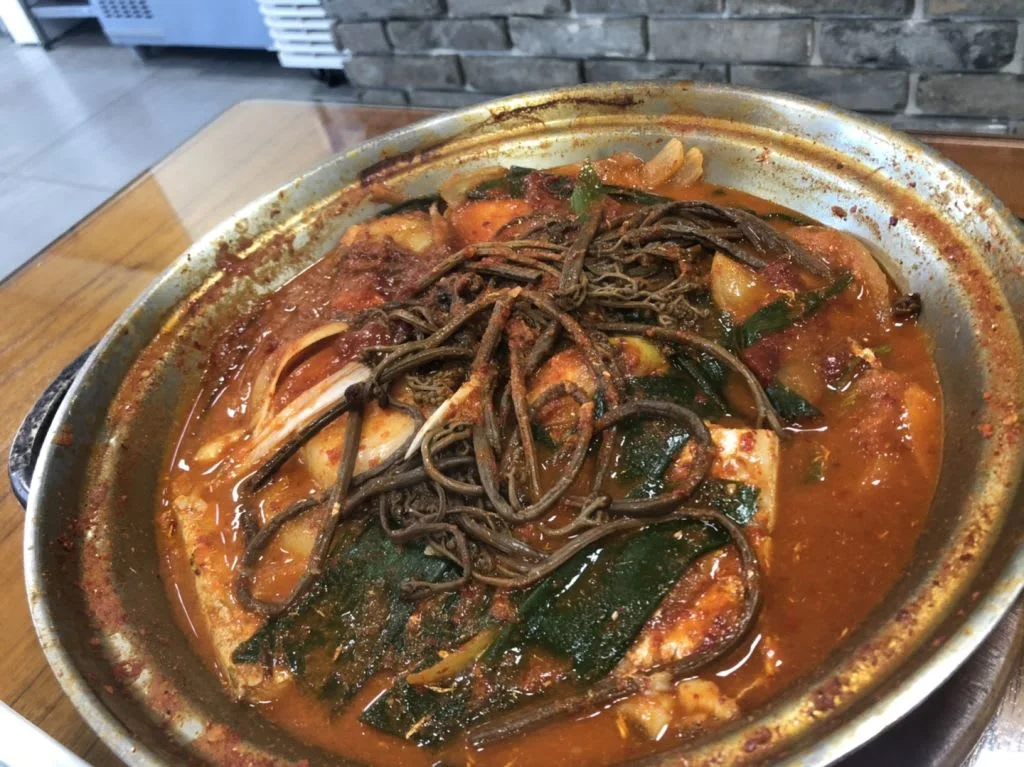
Seonheul Banjeo Halmeoni Restaurant
3
Seonheul Banjeo Halmeoni Restaurant -
 4
4
-
 5
Deullyeok-e
5
Deullyeok-e -
 6
6
Events in This Area


Festivals in This Area


More Travel Guides in This Area
 Travel Guide
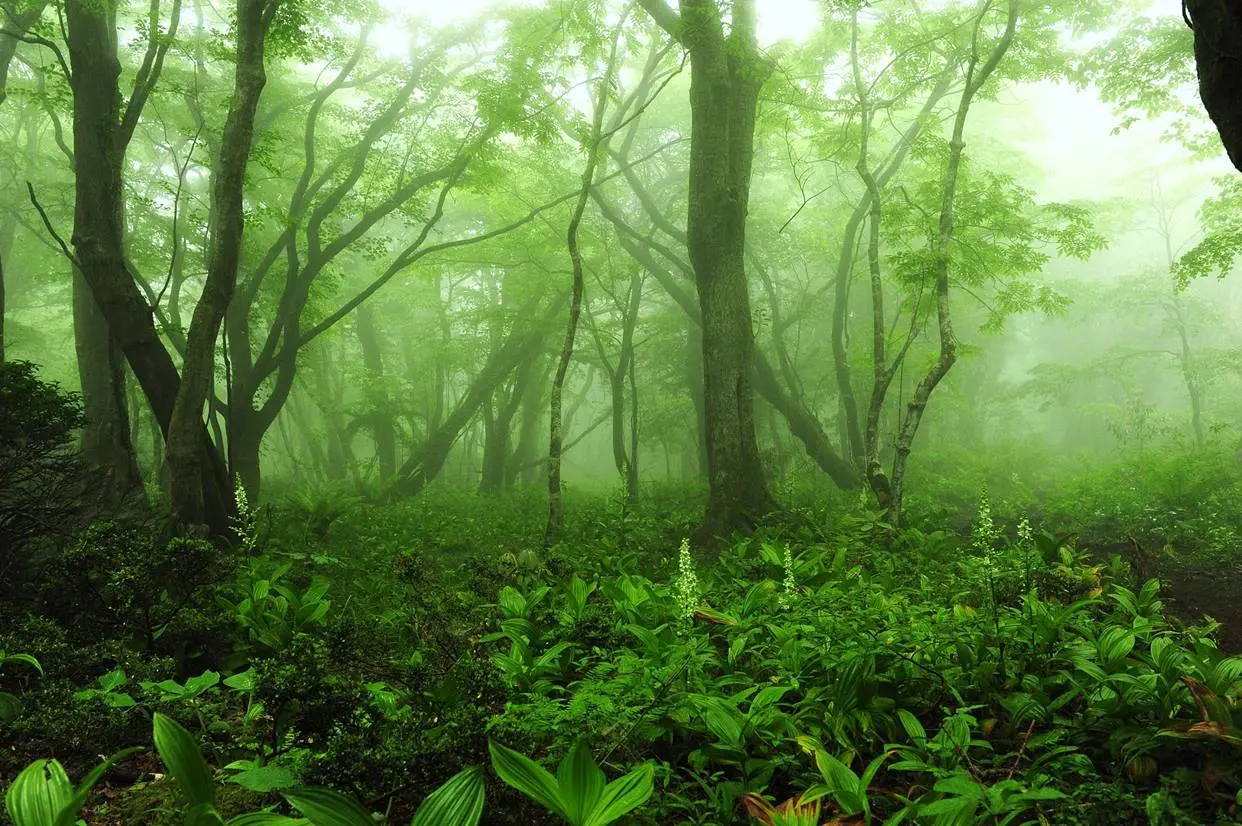
Water Forests and the Story of Highland Life in Gyorae Samdasoo Village
 Travel Guide
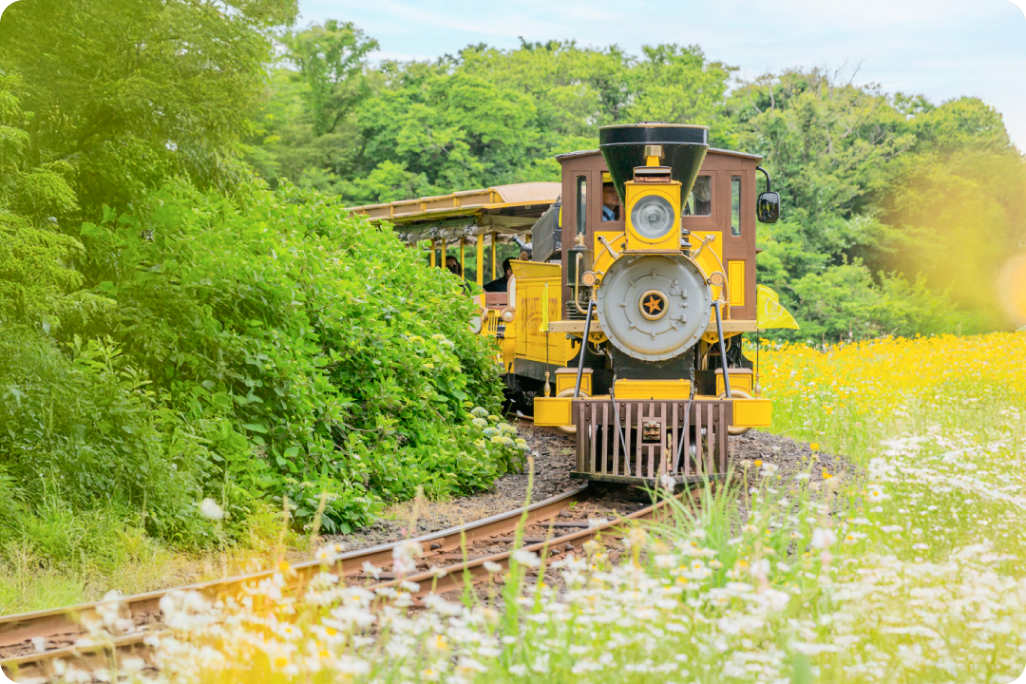
Jeju Eco Land: Walking after getting off at four stations along the Gotjawal railway
 Travel Guide
Saryeoni Forest Trail: Split Your Walk Between 10 km of Cedars and the Barrier-Free Red Oreum Trail
 Travel Guide
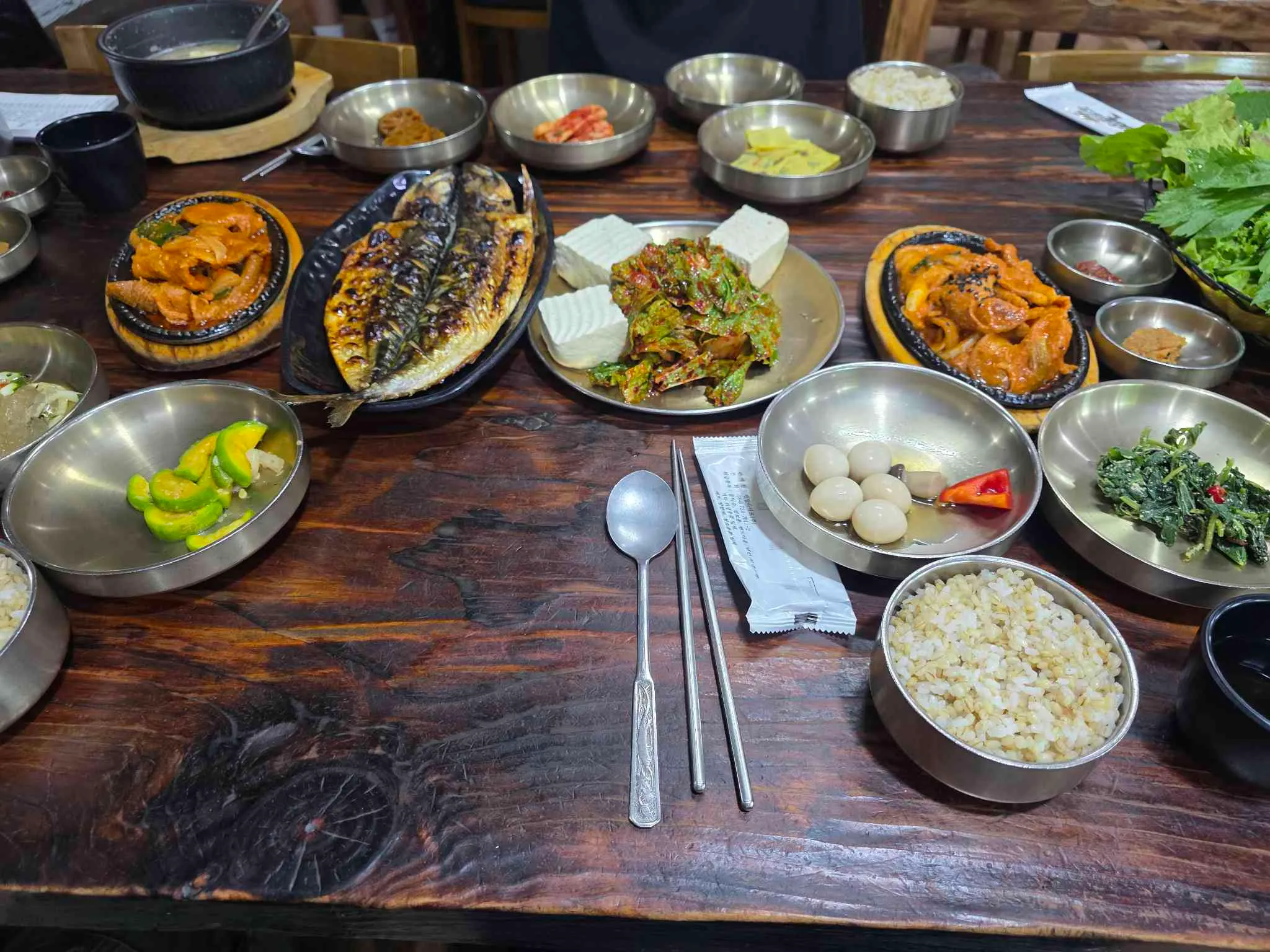
Nangtteul Jeongsik on Namjo-ro in Jocheon, before or after Jeolmul Forest Trail
Korea News
 News
News
Tom Cruise Spotted Taking a Late-Night Walk at Hangang Park… Strolled for an Hour in a Black Suit
 News
News
'Jimin, We'll always be with you' Peru Embraced 'Jimtober' Birthday Celebrations... "I'm Happy"
 News
News
BTS’s Jungkook stands alongside Messi and Ronaldo… No. 5 worldwide in TikTok views
 News
News