Seogwipo’s Hawon-dong, Where Traces of Goryeo-era Beophwasa Meet Gupumyeonji Pond
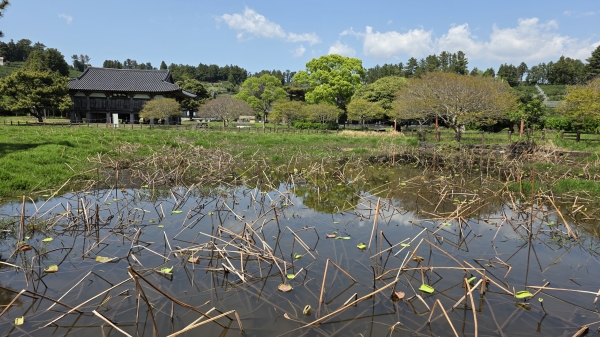
Beophwasa Temple is a Buddhist heritage site on Jeju where the remains of a Goryeo-era temple site stand alongside the present temple, rebuilt in the late 1960s. Visitors can see Daeungjeon Hall, Gupumyeonji Pond, and Guhwaru Pavilion, but publicly available information on walking distances from public transportation and indoor access is limited, so it is safest to plan primarily for viewing the historic site.
I’ve been here?
Your check-in helps the next traveler.
11 people viewed this week Be the first
One tap — no writing needed
Goryeo-era Beophwasa Temple Site Remaining on a Plain at 160–170 m Above Sea Level
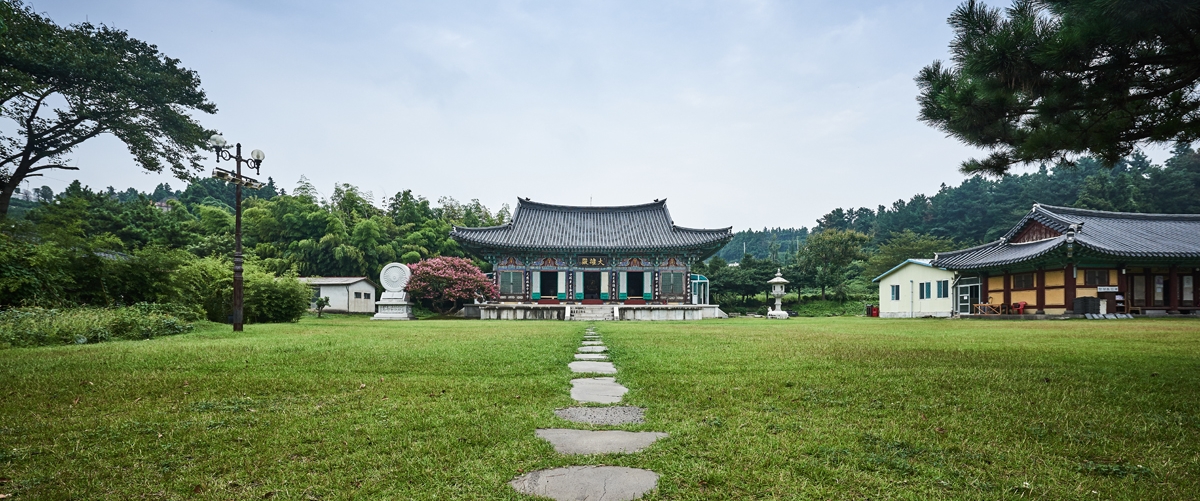
Beophwasa Temple is a place in Hawon-dong, Seogwipo-si, Jeju Special Self-Governing Province, where a Goryeo-era temple site and the current temple coexist. The Beophwasa Temple Site lies on a broad plain approximately 160–170 m above sea level, with Gangjeongcheon Stream to the east and Jungmun Hancheon Stream to the west.
Behind the temple grounds, a hill ridge at 220 m above sea level extends from east to west, while Gusanbong Peak, at 165 m above sea level, stands in front. Beophwasa Temple is currently managed and operated as a branch temple of Gwaneumsa Temple, the headquarters of the 23rd district of the Jogye Order of Korean Buddhism.
Reconstruction from 1269 to 1279 and Decline During the Joseon Period
The original buildings at the Beophwasa Temple Site are classified as dating from the Goryeo period. Roof tiles inscribed with “the sixth year of Jiayuan” were excavated during the seventh excavation, and the full inscription has been interpreted as “rebuilt in the sixth year of Jiayuan and completed in the sixteenth year of the Gi-myo year,” indicating that Beophwasa was rebuilt between approximately 1269 and 1279.
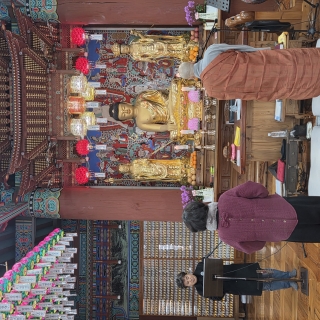
During the first half of the 14th century, a hall enshrining the Amitabha Buddha Triad, believed to have been made by artisans from the Yuan dynasty, is interpreted to have been constructed. In the early Joseon period, it was a leading temple in Jeju, owning 280 enslaved people, but by 1408 the number had fallen to 30, suggesting that the temple’s influence had weakened.
From the 1653 Record of Abandonment to Reconstruction in the Late 1960s
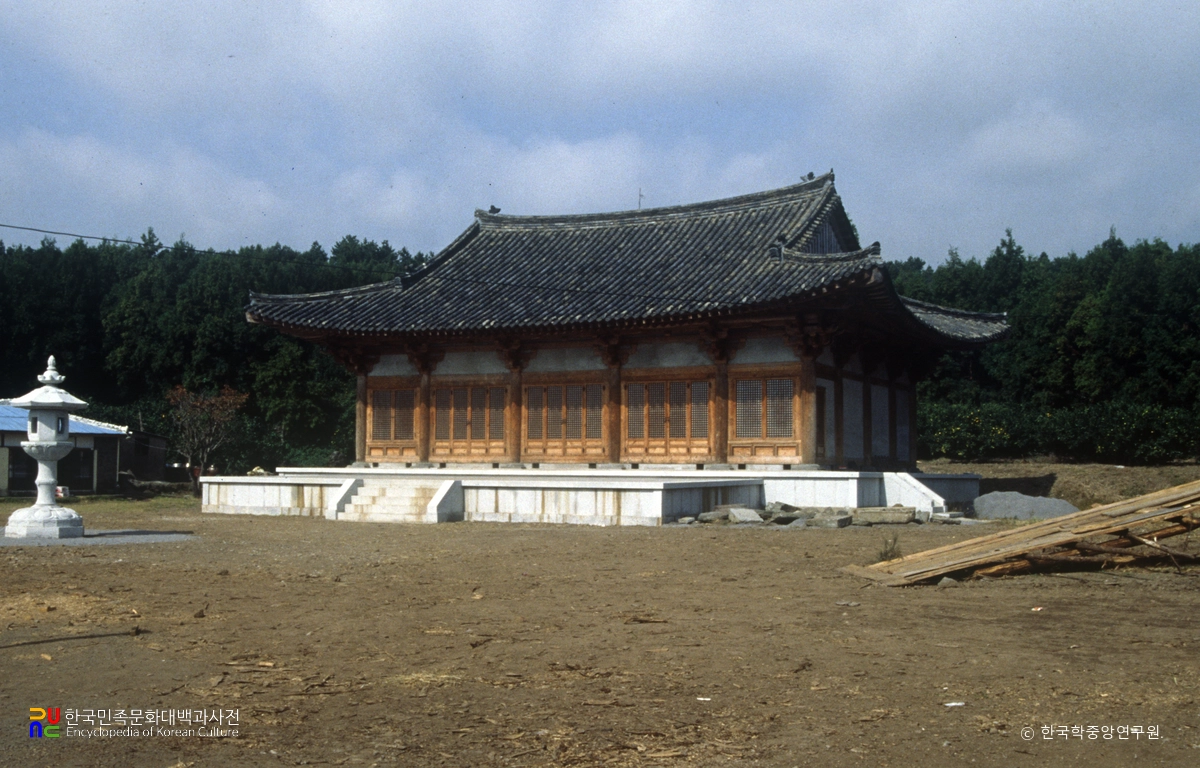
The Tamnaji, compiled in 1653, records that Beophwasa was “closed,” meaning it was already abandoned, and that several thatched-roof rooms remained. Based on this, Beophwasa is estimated to have been abandoned before the 19th century.
Records indicate that Dharma teachings were given during the winter retreat at Beophwasa in 1921, and that it operated as a propagation center of Jeju Gwaneumsa Temple in early 1926. It was later destroyed during the Jeju April 3 Incident, then rebuilt in the late 1960s, leading to the present-day temple.
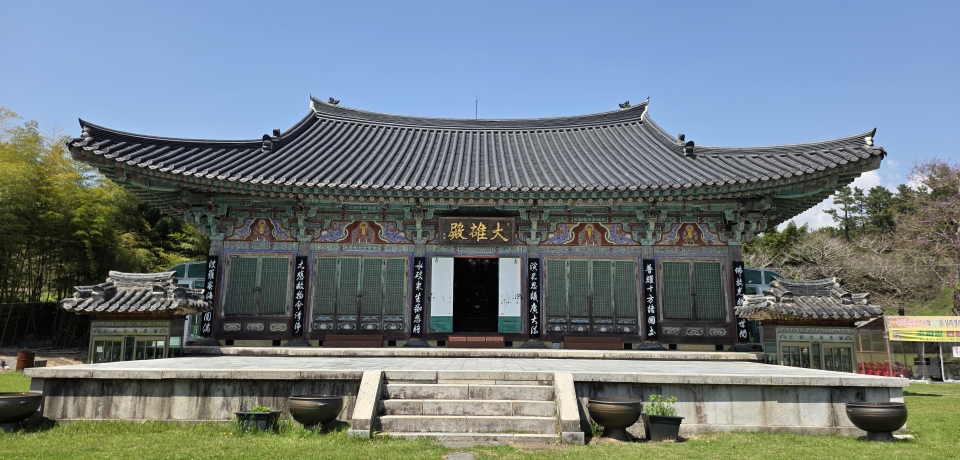
The current Daeungjeon Hall and lotus pond were restored based on the results of archaeological investigations, while some other building sites have also been partially restored. Therefore, the present buildings should not all be regarded as original Goryeo-period structures; this is a place where the restored temple and the investigated temple site can be viewed together.
Temple Layout Revealed by Excavations from 1982 to 1998
Archaeological investigations at the Beophwasa Temple Site were conducted eight times from 1982 to 1998, covering approximately 28,050 square meters. The first investigation took place from July 16, 1982, to January 26, 1983, and identified a late-Goryeo main hall site, ceramic and roof-tile fragments, and roof-end tiles with dragon-and-phoenix designs.
The excavation area is divided into a building-site zone and an area presumed to have been a lotus pond. The building-site zone contains building foundations, paths between buildings, and the remains of an outer wall. To address the difference in terrain, with higher ground in the north and lower ground in the south, five tiers of stepped stone rows were constructed. The intervals between the steps are approximately 1.5–1.8 m.
The third excavation was conducted from December 11, 1989, to January 21, 1990, covering approximately 5,280 square meters to identify Gupumyeonji Pond. The fifth investigation identified three sets of stair remains, four paths, two drainage channels, two pits for burying roof tiles, and one section of wall remains.
Suggested Order for Viewing Daeungjeon Hall, Gupumyeonji Pond, and Guhwalu Pavilion
The main facilities introduced within Beophwasa Temple are Daeungjeon Hall, Gupumyeonji Pond, and Guhwalu Pavilion. Spring water flows behind and east of Daeungjeon Hall, and the current Daeungjeon Hall and pond are facilities restored based on excavation results.
Viewing Guhwalu Pavilion south of Daeungjeon Hall together with Gupumyeonji Pond makes it easier to understand the relationship between the current temple space and the restoration of the former temple site. However, publicly available information does not confirm the extent of interior access, photography restrictions, or whether English signage or an audio guide is available, so it is more accurate not to assume that visitors can enter the halls.
Excavated artifacts include roof-end tiles with dragon-and-phoenix, floral, and Sanskrit-letter designs; fragments of celadon, buncheong ware, and white porcelain; and fragments of Chinese white porcelain and earthenware. The excavation of “Kaiyuan Tongbao” coins and small stone Buddhas also supports the interpretation that the Beophwasa Temple Site reflects the establishment of Buddhism in Jeju and exchanges in Buddhist culture between Goryeo and the Yuan dynasty.
Planning a Visit to Beophwasa Temple with Year-Round Opening and Free Admission
As of September 2026, tourist information lists Beophwasa Temple as open at all times throughout the year. Admission is listed as free, but this should be reconfirmed through official information. Public sources do not confirm whether there is a separate ticket office or the walking distance from the ticket office to the archaeological site.
The inquiry telephone number is listed as 064-738-5225, but it should be reconfirmed through an official channel. The official website is https://www.bhs108.org/.
Parking is reported to be available, but parking fees have not been confirmed. Stroller use is listed as unavailable, and public sources do not confirm wheelchair accessibility, slopes, stairs, or ground conditions. Travelers using mobility aids should call ahead for information.
Limitations When Using Buses 510 and 532 from Jeju Airport
For public transportation, routes 510 and 532, which stop at the Jeju Bus Hawon-dong bus stop, have been identified. However, publicly available information does not provide specific transfer routes from Jeju International Airport or Seogwipo Intercity Bus Terminal, stop exits, or service intervals.
The exact walking time and entrance information from the Hawon-dong bus stop to Beophwasa Temple have also not been confirmed. For foreign visitors traveling to Jeju for the first time, a practical approach is to set “15-28, Hawonbuk-ro 35beon-gil, Seogwipo-si, Jeju Special Self-Governing Province” as the destination in a map app after getting off the bus and ask the driver to confirm the direction to Beophwasa Temple before disembarking.
The address is 15-28, Hawonbuk-ro 35beon-gil, Seogwipo-si, Jeju Special Self-Governing Province, and the Ministry of Culture, Sports and Tourism’s list of traditional temples records it as a Jogye Order temple at 1071 Hawon-dong. No reliable source confirming the recommended visiting duration was found, so visitors should schedule travel time and time for walking around the temple grounds separately.
A Place Suited to Travelers Who Want to Read the Temple Site
The cultural heritage area of the Beophwasa Temple Site covers 78,120 square meters and consists of 72 parcels of land. It was designated a Jeju Special Self-Governing Province Monument on August 26, 1971. To understand the historical layers of the site, visitors should distinguish between the restored facilities visible today and the excavated remains.
This place is better suited to travelers who want to understand the layout of a Goryeo-era temple, the excavated steps and paths, and the restoration process of Gupumyeonji Pond than to those seeking a short photo stop. Conversely, travelers who require guaranteed English explanations, an audio guide, photography regulations, or interior access information may find the guidance insufficient.
Before visiting, check the directions and history sections of the official website. For operating inquiries, call 064-738-5225. Beophwasa Temple is also an active religious space, so visitors should move quietly around Daeungjeon Hall and avoid entering spaces where ceremonies or prayers are taking place without permission.
Before You Go
- Address
- 15-28, Hawonbuk-ro 35beon-gil, Seogwipo-si, Jeju Special Self-Governing Province
- Hours
- Listed as open at all times
- Closed
- Listed as open year-round
- Admission
- Listed as free, but reconfirmation through official information is required
- Phone
- Listed as 064-738-5225, but reconfirmation through an official channel is required
- Official site
- Listed as https://www.bhs108.org/, but reconfirmation through an official channel is required
- Transport
- Routes 510 and 532 have been identified as routes stopping at the Jeju Bus Hawon-dong bus stop. The exact walking time and entrance information from the stop to Beophwasa Temple have not been confirmed in public sources.
- Parking
- Listed as available. Parking fees have not been confirmed
- Time needed
- A reliable visiting duration could not be confirmed from reviews
- Accessibility
- Stroller use is listed as unavailable. Wheelchair accessibility and the conditions of slopes, stairs, and surfaces have not been confirmed in public sources.
The information above is current as of the time of writing. Check official information again before visiting.

Places
Nearby Attractions 3
-
 1
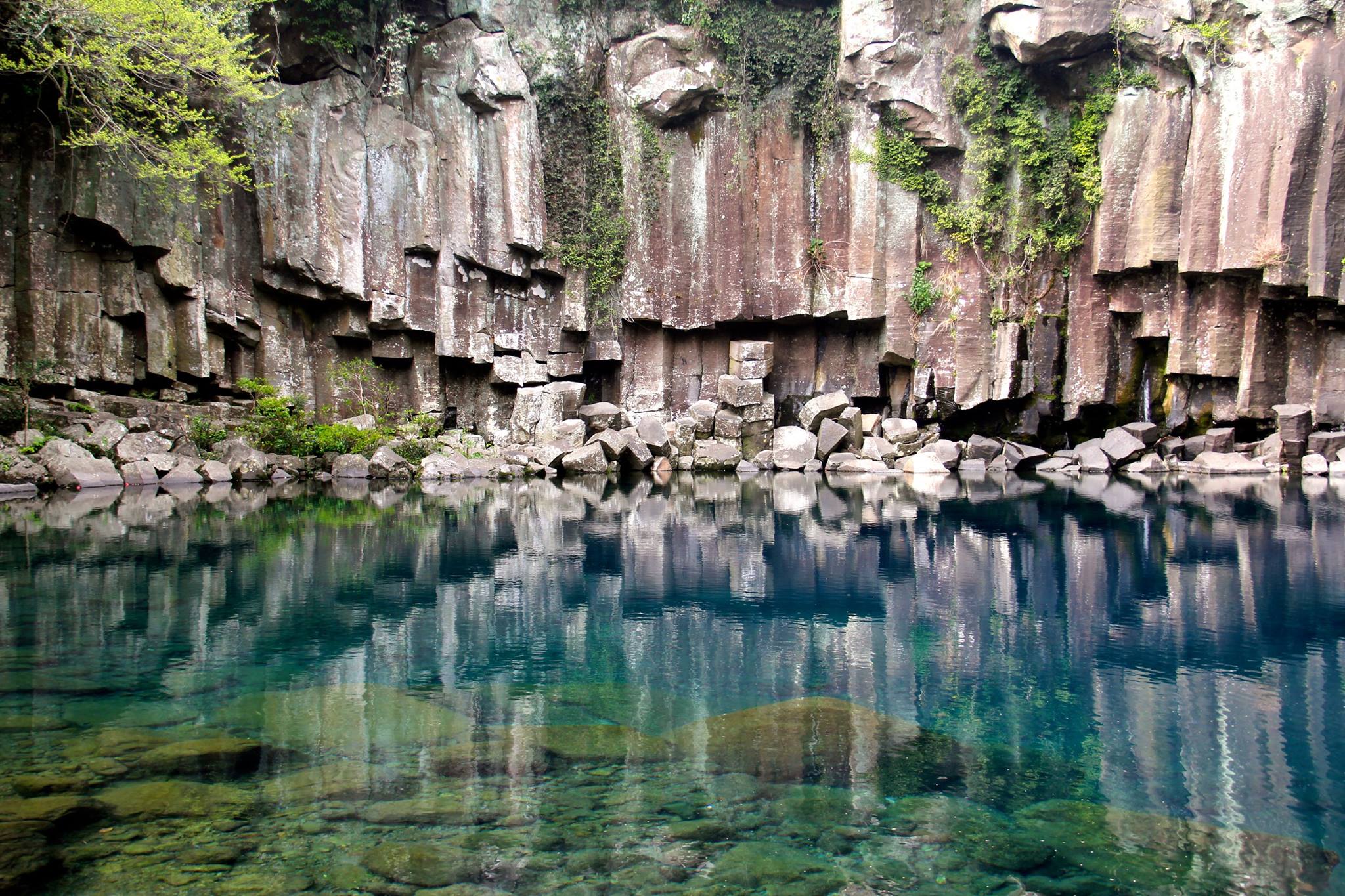
Cheonjeyeon FallsA place to explore three-tiered waterfalls and a subtropical forest walking trail
1
Cheonjeyeon FallsA place to explore three-tiered waterfalls and a subtropical forest walking trail -
 2
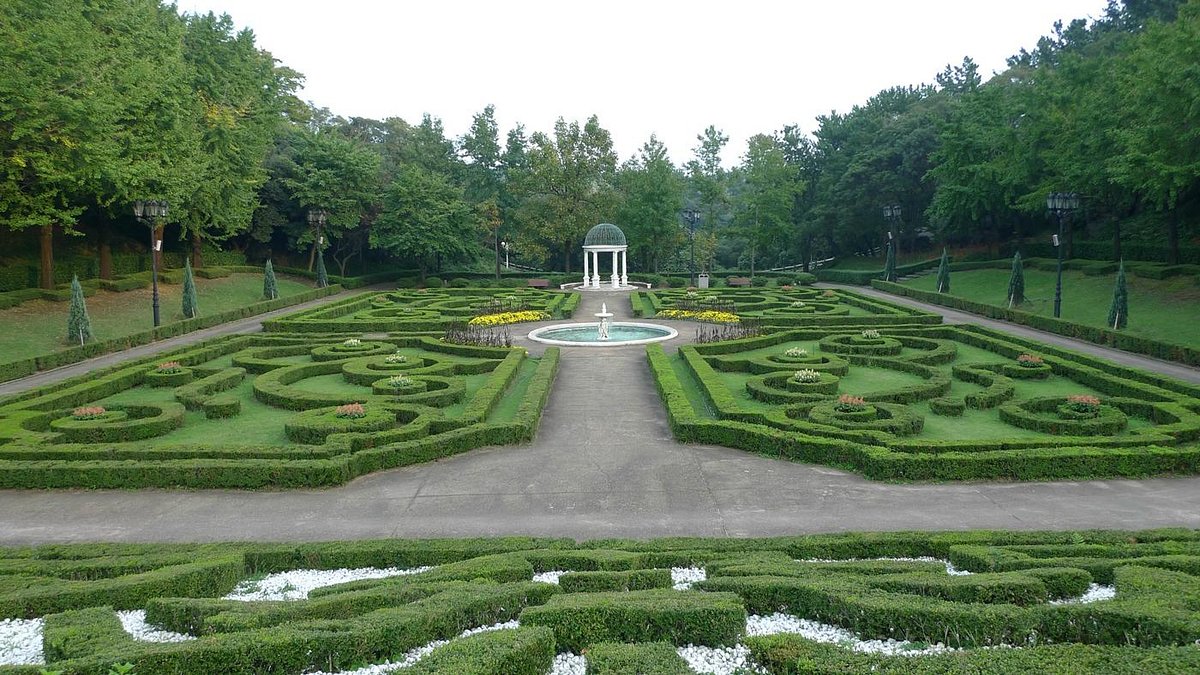
Yeomiji Botanical GardenA place to explore a large greenhouse and outdoor gardens in Eastern and Western styles
2
Yeomiji Botanical GardenA place to explore a large greenhouse and outdoor gardens in Eastern and Western styles -
 3
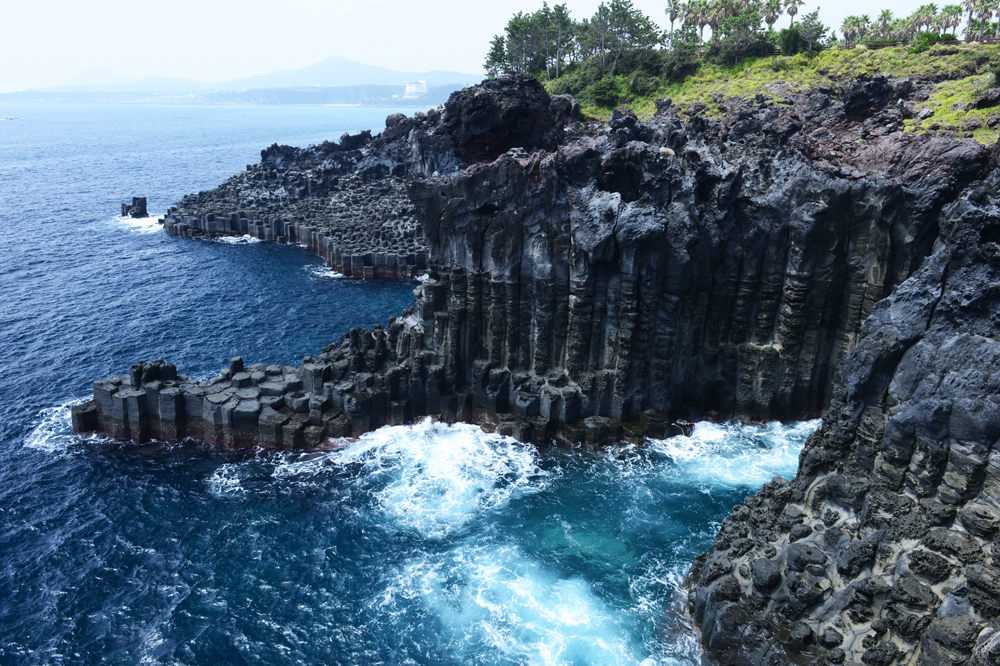
Daepo Jusangjeolli CliffA place to admire coastal cliffs of hexagonal stone columns and the waves
3
Daepo Jusangjeolli CliffA place to admire coastal cliffs of hexagonal stone columns and the waves
Food & Dining 2
-
 4
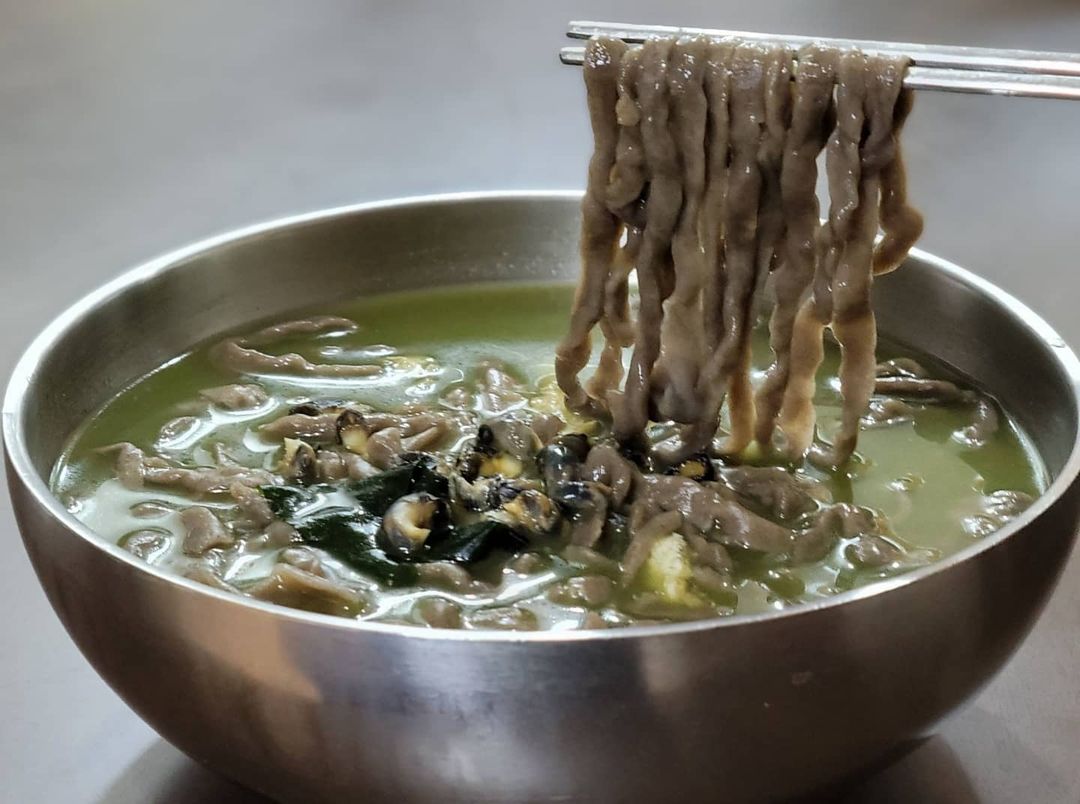
Jungmun Suduri Bomal KalguksuA place serving kalguksu noodles and bomal porridge made with broth from wild sea snails.
4
Jungmun Suduri Bomal KalguksuA place serving kalguksu noodles and bomal porridge made with broth from wild sea snails. -
 5
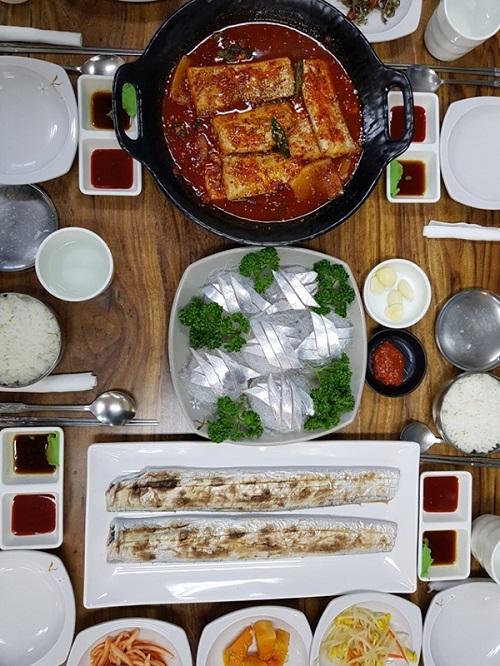
Jungmun Galchi Jorim Ijoeun RestaurantA restaurant serving Jeju-style fish dishes such as braised hairtail, grilled fish, and sashimi.
5
Jungmun Galchi Jorim Ijoeun RestaurantA restaurant serving Jeju-style fish dishes such as braised hairtail, grilled fish, and sashimi.
Events in This Area
Festivals in This Area

More Travel Guides in This Area
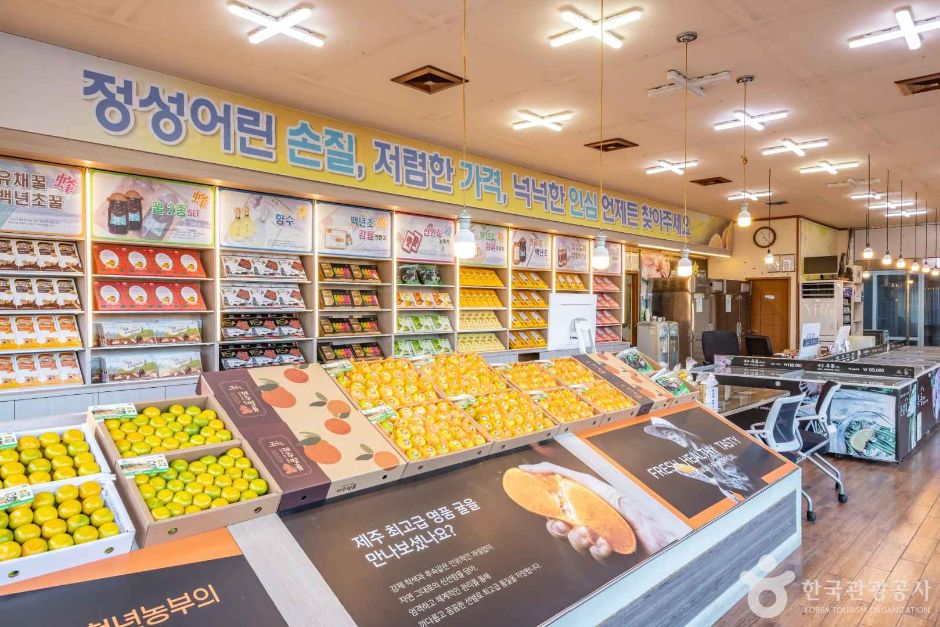 Travel Guide
How to Choose Jeju Local Gifts at 355 Cheonjeyeon-ro, Hoesu-dong
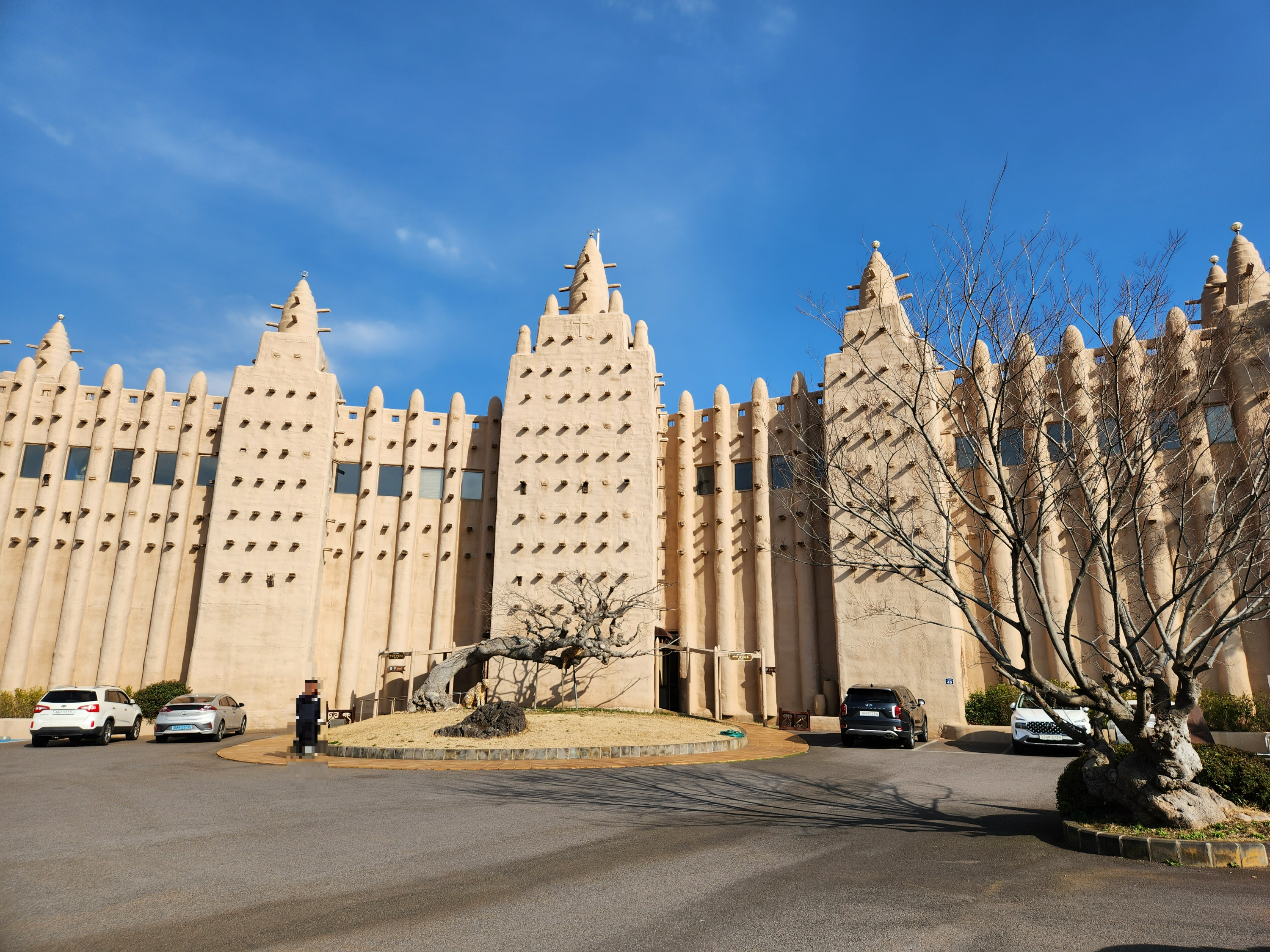 Travel Guide
Museum of African Art in Jeju Jungmun: Inspired by the Great Mosque of Djenné, Mali
 Travel Guide
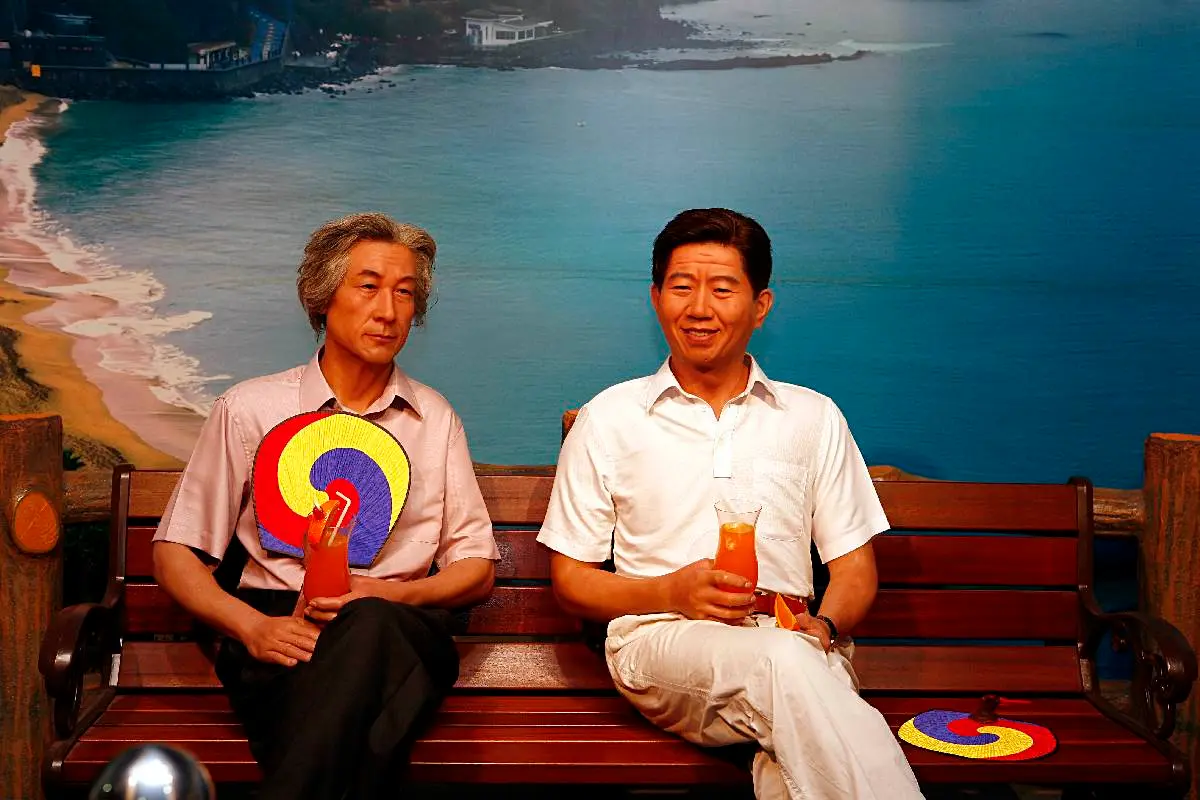
Jeju International Peace Center: The 'Island of World Peace' Exhibition Hall Opened in 2006
 Travel Guide
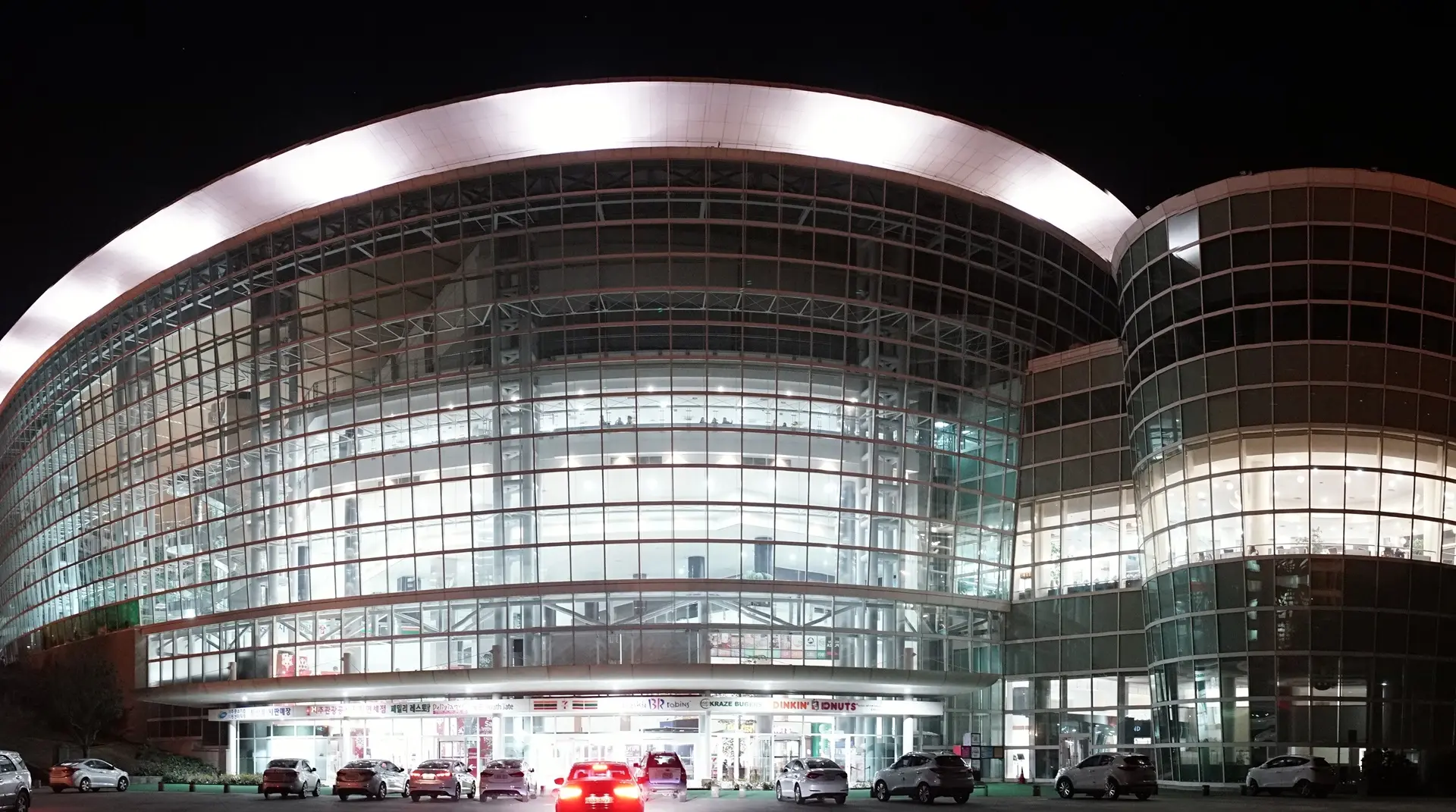
The Stage for International Conferences in the Jungmun Tourist Complex, ICC JEJU
Korea News
![BLACKPINK’s Lisa Dominates the VMA Red Carpet in a Sheer Corset Dress and Red Fur [Star Issue]](https://kotourlive-images.s3.ap-northeast-1.amazonaws.com/news/1790557894714_010e956a_news_94409db1-fab6-40bf-bc7b-4b985b1fbac7.jpg) News
News
BLACKPINK’s Lisa Dominates the VMA Red Carpet in a Sheer Corset Dress and Red Fur [Star Issue]
![BLACKPINK’s Jisoo Spotted by Surprise with BIGBANG in London… Their Special Loyalty as Labelmates [IS High Cut]](https://kotourlive-images.s3.ap-northeast-1.amazonaws.com/news/1790557854683_6ea979f5_news_caab62e5-8462-43c8-8622-da794f3df9de.png) News
News
BLACKPINK’s Jisoo Spotted by Surprise with BIGBANG in London… Their Special Loyalty as Labelmates [IS High Cut]
 News
News
Tattoos All Over Her Body… AOA’s Jimin Draws Shocked Attention After Kwon Mina’s ‘Bullying’ Allegations
![You’ll Have to Look Twice… Choi Min-a-soo Perfectly Pulls Off Everything from a Daring Illusion Dress at the Awards Ceremony to Long Braided Hair [RE:STAR]](https://kotourlive-images.s3.ap-northeast-1.amazonaws.com/news/1790492384850_1f293dad_news_d834c50e-0685-43ef-9aa5-6995cd6d8848.jpg) News
News