Jeju City Folk Five-Day Market: Where Jeju Life Comes Together on Days Ending in 2 and 7
Jeju City Folk Five-Day Market is a five-day market held on the 2nd and 7th of every month, where you can find everything from agricultural and marine products to clothing and household goods in one place. Located in Dodu 1-dong, near Jeju Airport, it is efficient to visit in the morning on market day and explore the stalls by category along with the Halmang Market.

I’ve been here?
Your check-in helps the next traveler.
15 people viewed this week Be the first
One tap — no writing needed
The Flow of the 1906 Market Days in 9 Areas of Jeju and the 1998 Relocation to Dodu 1-dong
The institutional start of Jeju’s five-day market goes back to 1906. At that time, Jeju magistrate Yun Won-gu began opening five-day markets in nine areas, including Jeju-eup, to help distribute goods, and this is introduced as the origin of Jeju’s five-day markets. Today’s Jeju Citizens’ Traditional Five-Day Market is a market that carries on that market tradition, and it moved to its current site in Dodu 1-dong in November 1998.
The current road-name address of the market is 26, Oiljangseo-gil, Jeju-si, Jeju Special Self-Governing Province, and the postal code is 63116. Public data lists the market area as 18,067㎡, and the opening year is also recorded as 1968, so it is more accurate to distinguish between the starting point of the market-day tradition and the opening/relocation history of the current market.
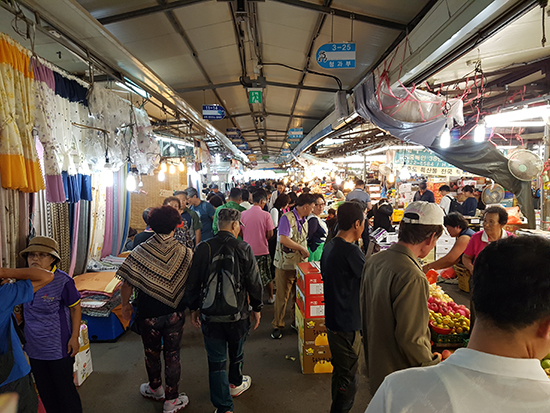
The Market Opens Only When the Date Matches: Every 2nd, 7th, 12th, 17th, 22nd, and 27th of Each Month
This market is not a place that operates every day at the same intensity like a permanent market; it is a five-day market held on the 2nd, 7th, 12th, 17th, 22nd, and 27th of each month. If your travel schedule falls on a day like August 3, 2026, when the last digit is not 2 or 7, you should adjust your route based on the next market day, August 7.
According to tourism guidance, operating hours are 08:00~18:00 on weekdays and 09:00~18:00 on Saturdays, and admission is free. It is listed as open year-round without a separate closing day, but the core market forms according to the market day, so on non-market days you should not expect all desired shops and stalls to be open. Inquiries: 064-743-5985.
- Market days: the 2nd, 7th, 12th, 17th, 22nd, and 27th of each month
- Weekday hours: 08:00~18:00
- Saturday hours: 09:00~18:00
- Admission: free
1,000+ Shops and 5 Shopping Streets: How to First Map Out What You Want
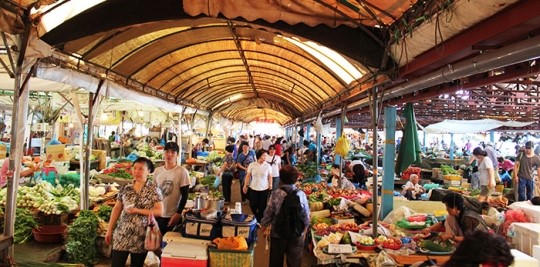
VisitJeju guidance says the market has more than 1,000 shops and parking space for up to 1,200 vehicles. The market is divided into sections by item type, and overall it is organized into five shopping streets, so rather than wandering back and forth through every aisle from the start, it is better to decide your purchasing goal first.
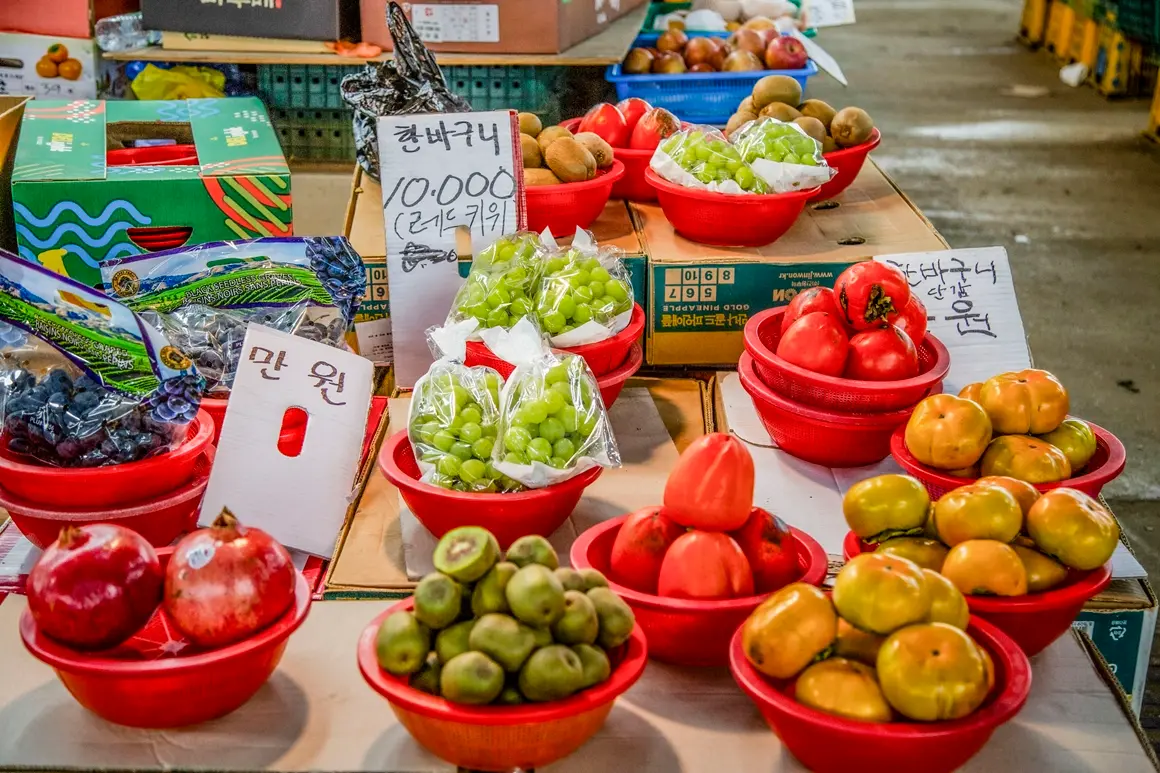
The items repeatedly mentioned in official and tourism guidance include vegetables, fruit, grains, seafood, medicinal herbs, flowers, earthenware, clothing, and daily sundries. Representative Jeju specialties include mandarin oranges, Hallabong, cutlassfish, mackerel, Okdom fish, and omegi tteok. Depending on whether you plan to eat fruit immediately at your accommodation or take it on a plane, it is best to ask the seller in advance about quantity and whether packaging is possible.
Halmang Market for Sellers Aged 65 and Over, and the Jeju Dialect Word “Halmang”
The Halmang Market inside the market is known as a section for female sellers aged 65 and over. In the Jeju dialect, “halmang” means grandmother, and in this section you can find small-scale farm produce such as vegetables and wild greens grown in kitchen gardens. Unlike areas for tourist souvenirs, the items sold and their quantity can vary by market day and season.
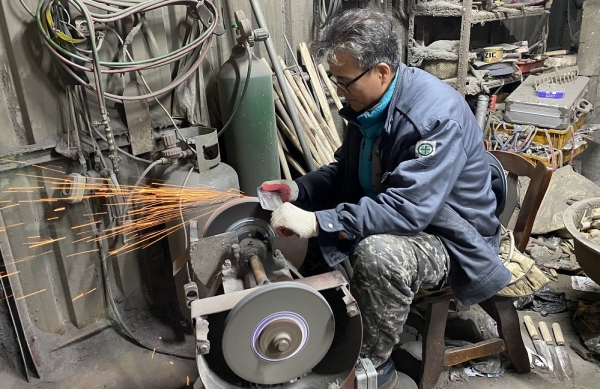
Since some stalls in Halmang Market do not have uniform price tags, it is necessary to check the unit and quantity before buying. Bringing a shopping basket or foldable bag makes it easier to separate mandarins, greens, and side dishes. A 2023 market-day news report also recorded a merchant sharpening knives and another displaying fish, showing that the market is not only about food ingredients but also about repairs and tools for daily life.
8-Minute Walk from Jejumin Sikkun Oiljang Stop and Bus Routes 202 and 462
By public transportation, the guidance widely used is that it is about an 8-minute walk from the “Jejumin Sikkun Oiljang” stop. The more northern “Jejumin Sikkun Oiljang Entrance [North]” stop is recorded as about 387m from the market and is registered in the Jeju Bus Information System under stop number 405000097.
Route information shows that buses 202 and 462 pass the “Jejumin Sikkun Oiljang Entrance [North]” stop. However, Jeju bus routes and schedules may change, so it is safest to check the direction and arrival time again in the Jeju Bus Information System just before departure. From Jeju International Airport to the market, visitor reviews describe it as about a 7-minute drive, but market-day traffic and rental car return time should be considered separately.
- Nearest stop: Jejumin Sikkun Oiljang Entrance [North], about 387m
- Reference routes: buses 202 and 462
- Market guidance stop: Jejumin Sikkun Oiljang, about an 8-minute walk
- Airport access: introduced as about a 7-minute drive
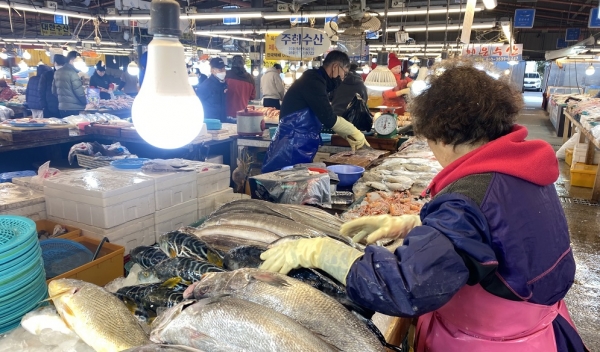
Even with Parking Space for 1,200 Cars, Why Walking Is Better Than Driving on Market Mornings
Parking is available at the market, and tourism guidance mentions parking space for up to 1,200 vehicles. A dedicated parking lot and parking tower are indicated, but because the market operates with more than 1,000 shops on market days, parking availability and waiting time can vary greatly depending on the time of visit.
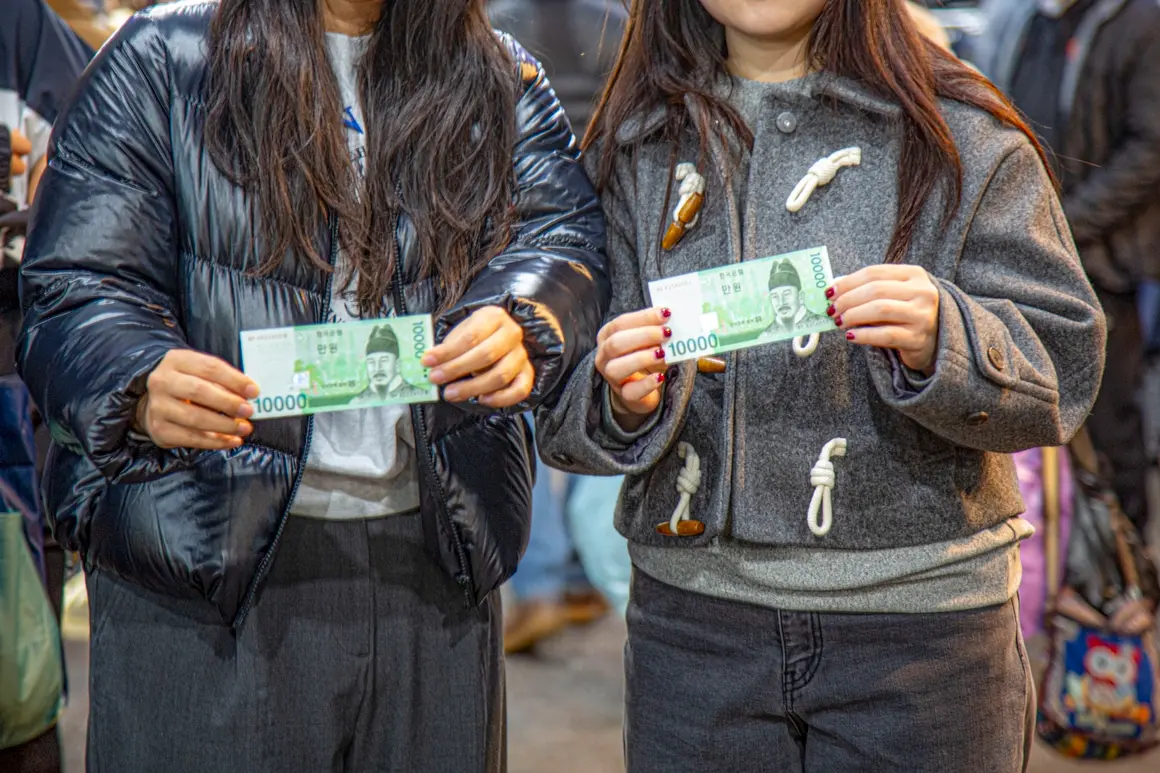
A 2024 visit review introduced the experience that there were relatively open outdoor parking spaces around 3:00 p.m., but this is only a case from a specific date and time. If you plan to buy plenty of fresh food, a car is convenient, but if you want to avoid crowds and simply browse, it is better to arrive by bus and buy only what you need. Some shops accept cards and bank transfers, but reviews say cash transactions are common, so it is a good idea to prepare some small bills as well.
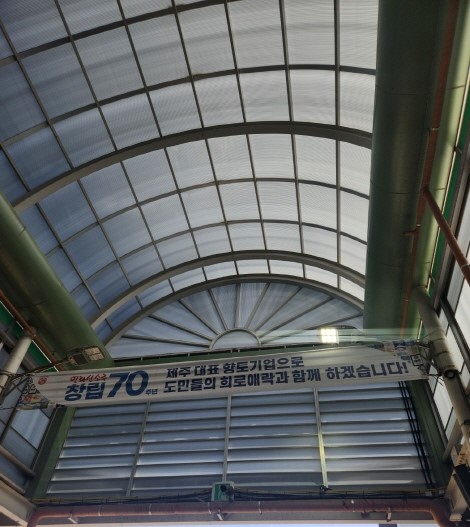
From 8:00 a.m., Plan on 90 Minutes; In the Late Afternoon, Allow for Possible Sellouts
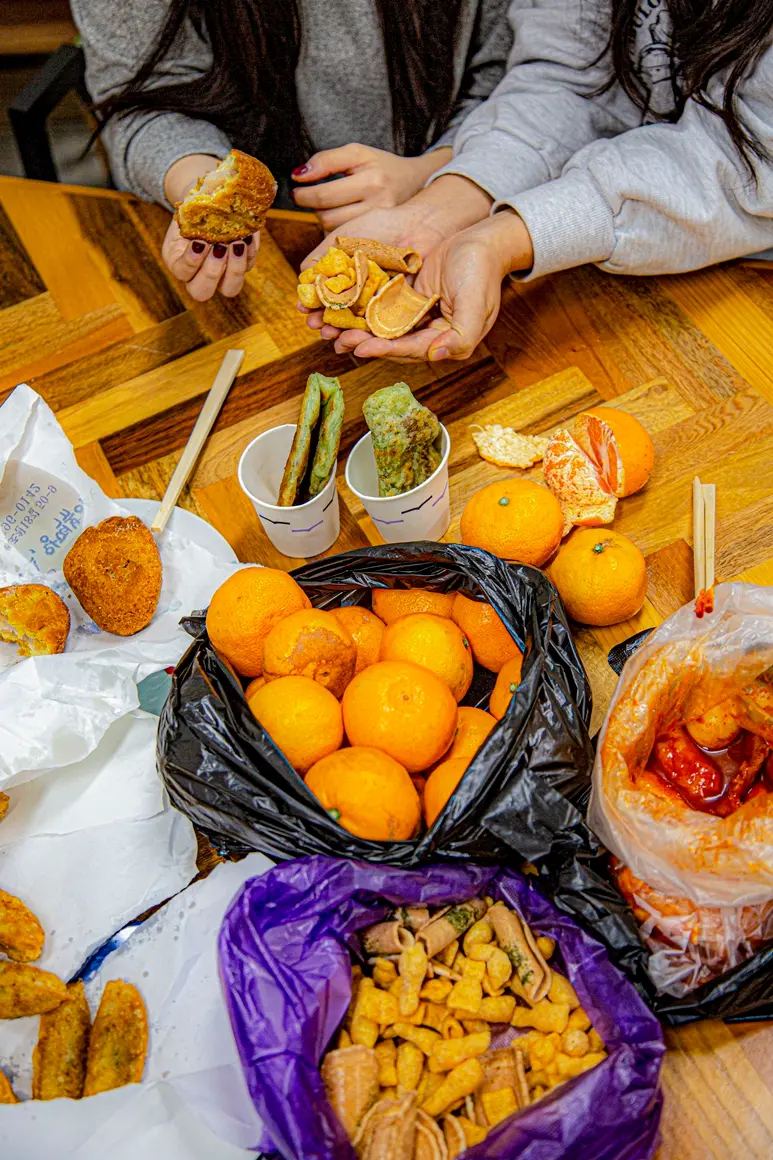
For a first visit, it is realistic to set aside 90 minutes to 2 hours. Starting in the flower and vegetable sections and then moving in order through fruit, fish, food, and general goods sections can reduce unnecessary backtracking. If you also plan to eat, you can add about 30 more minutes for the snack area, which is described as offering tteokbokki, hotteok, fried chicken, grilled fish, and donuts.
Reviews mention that many shops may be closed late in the day. Therefore, items where selection matters, such as seasonal produce, fish, and wild greens, are best viewed in the morning to around noon, and heavier purchases are more efficient to leave until the end. Since it is difficult to find consistent official information about detailed routes for wheelchair and stroller users or whether foreign language guidance is provided, it is safer to call 064-743-5985 before visiting to ask about passages, parking, and restroom locations.
Before You Go
- Address
- 26, Oiljangseo-gil, Jeju-si, Jeju Special Self-Governing Province (Dodu 1-dong)
- Hours
- Weekdays 08:00~18:00 / Saturdays 09:00~18:00
- Closed
- Open year-round (core five-day market on the 2nd, 7th, 12th, 17th, 22nd, and 27th of each month)
- Admission
- Free
- Phone
- 064-743-5985
- Official site
- https://pf.kakao.com/_pjahn
- Transport
- About an 8-minute walk from Jejumin Sikkun Oiljang stop. Jejumin Sikkun Oiljang Entrance [North] stop is about 387m away; see buses 202 and 462.
- Parking
- Parking available. Tourism guidance indicates space for about 1,200 vehicles.
- Time needed
- 90 minutes to 2 hours recommended
- Accessibility
- Customer information center, customer lounge, nursing facility, storage lockers, and cart guidance are available, but detailed wheelchair/stroller accessibility and foreign language guidance are recommended to be checked by phone before visiting
The information above is current as of the time of writing. Please check the official guidance again before visiting.

Places
Nearby Attractions 5
-
 1
1
-
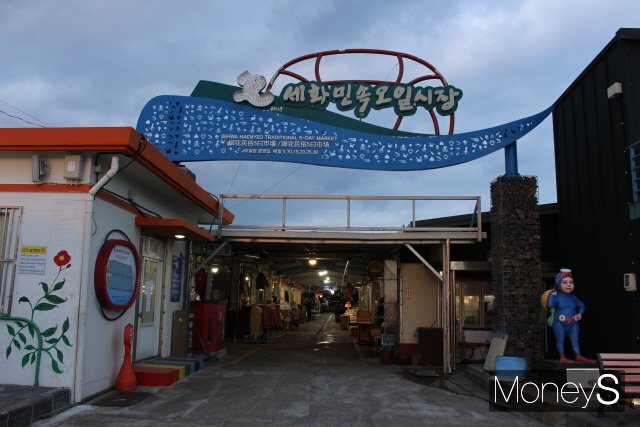 2
Jeju Folk Oil Market Entrance
2
Jeju Folk Oil Market Entrance -
 3
3
-
 4
4
-
 5
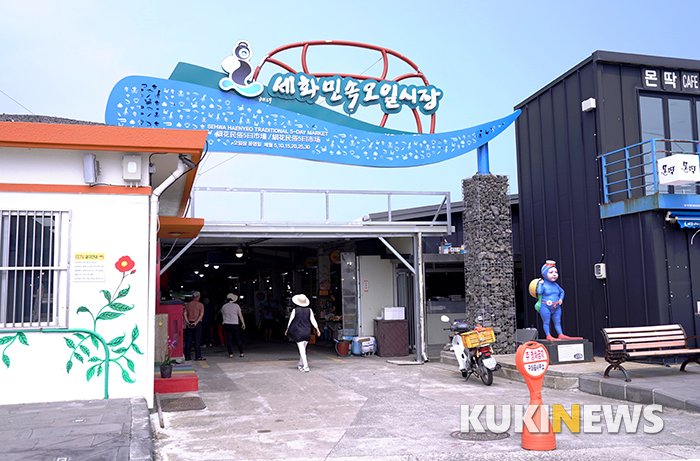
Sehwa Folk Oil Market
5
Sehwa Folk Oil Market
Food & Dining 3
-
 6
6
-
 7
7
-
 8
8
Events in This Area


Festivals in This Area

More Travel Guides in This Area
 Travel Guide
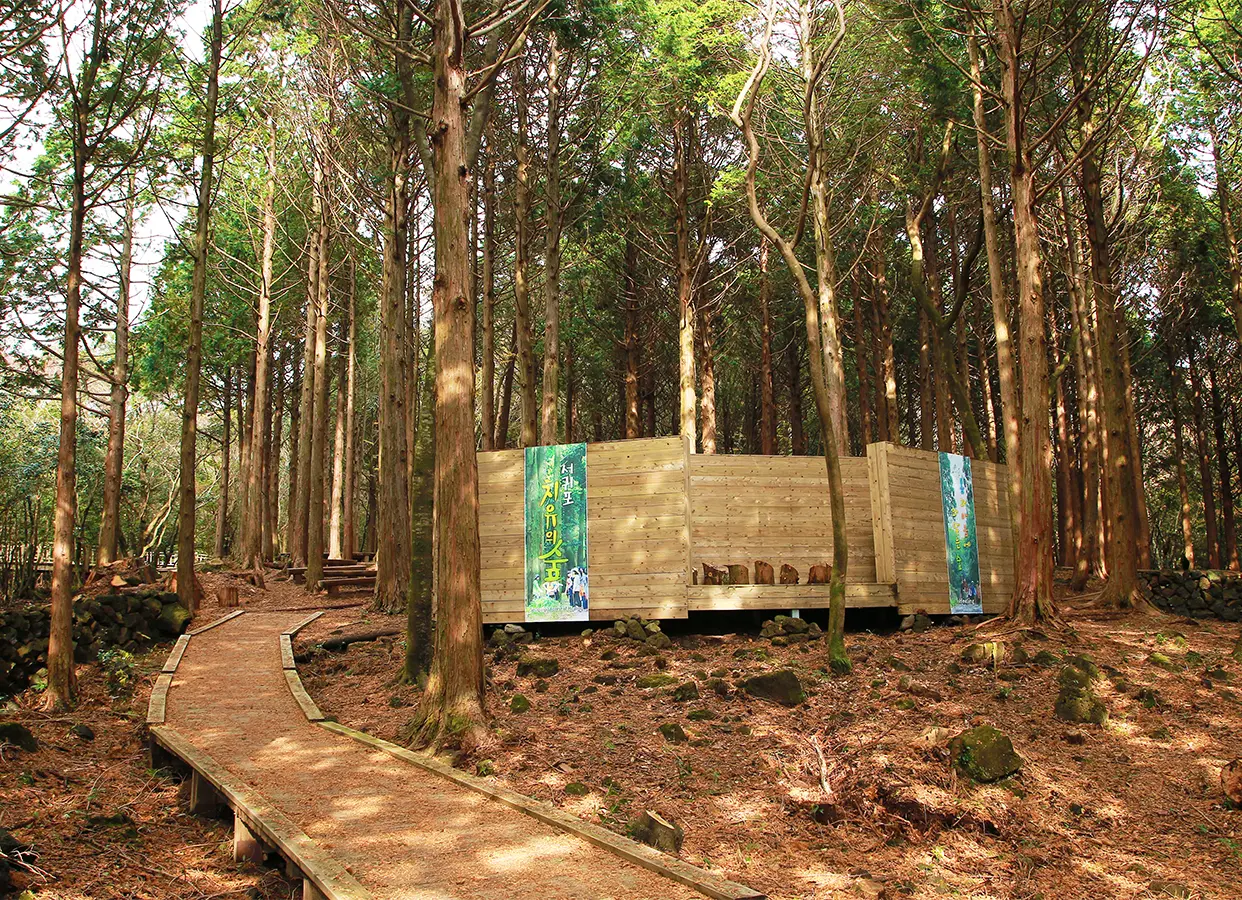
Seogwipo Healing Forest: Jeju Dialect Forest Trails and Reserved Entry Across 174 ha
 Travel Guide
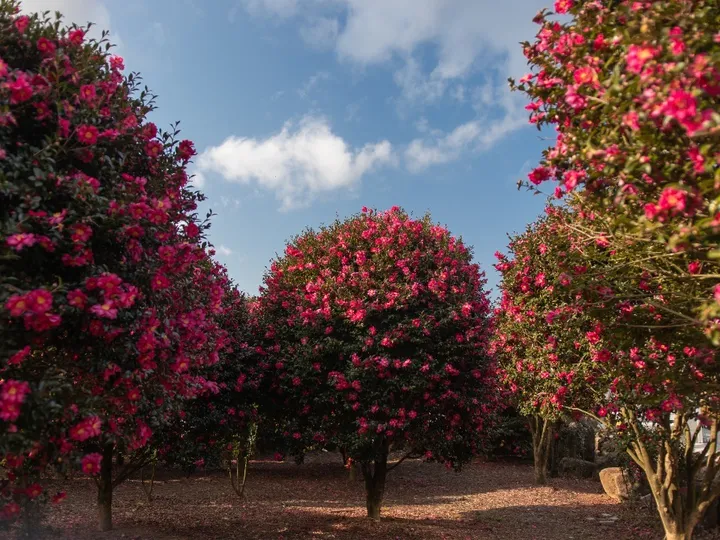
The Actual Viewing Route and What to Bring at Camellia Forest, in Bloom from November to February
 Travel Guide
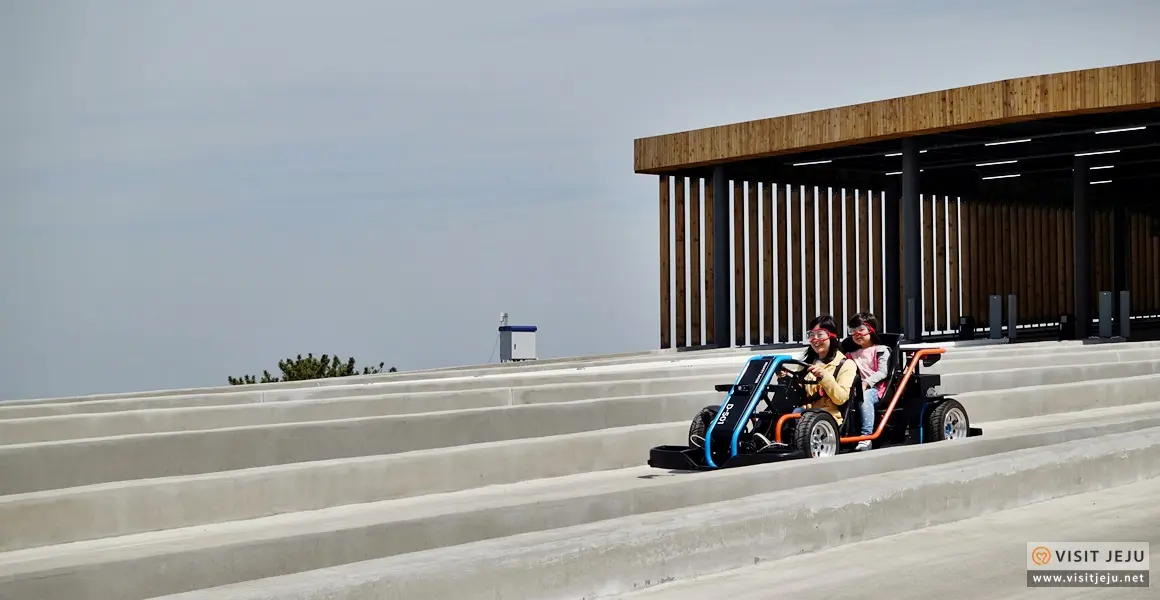
Between Aewol’s Sea and Hallasan: How to Actually Race at 9.81 Park
 Travel Guide
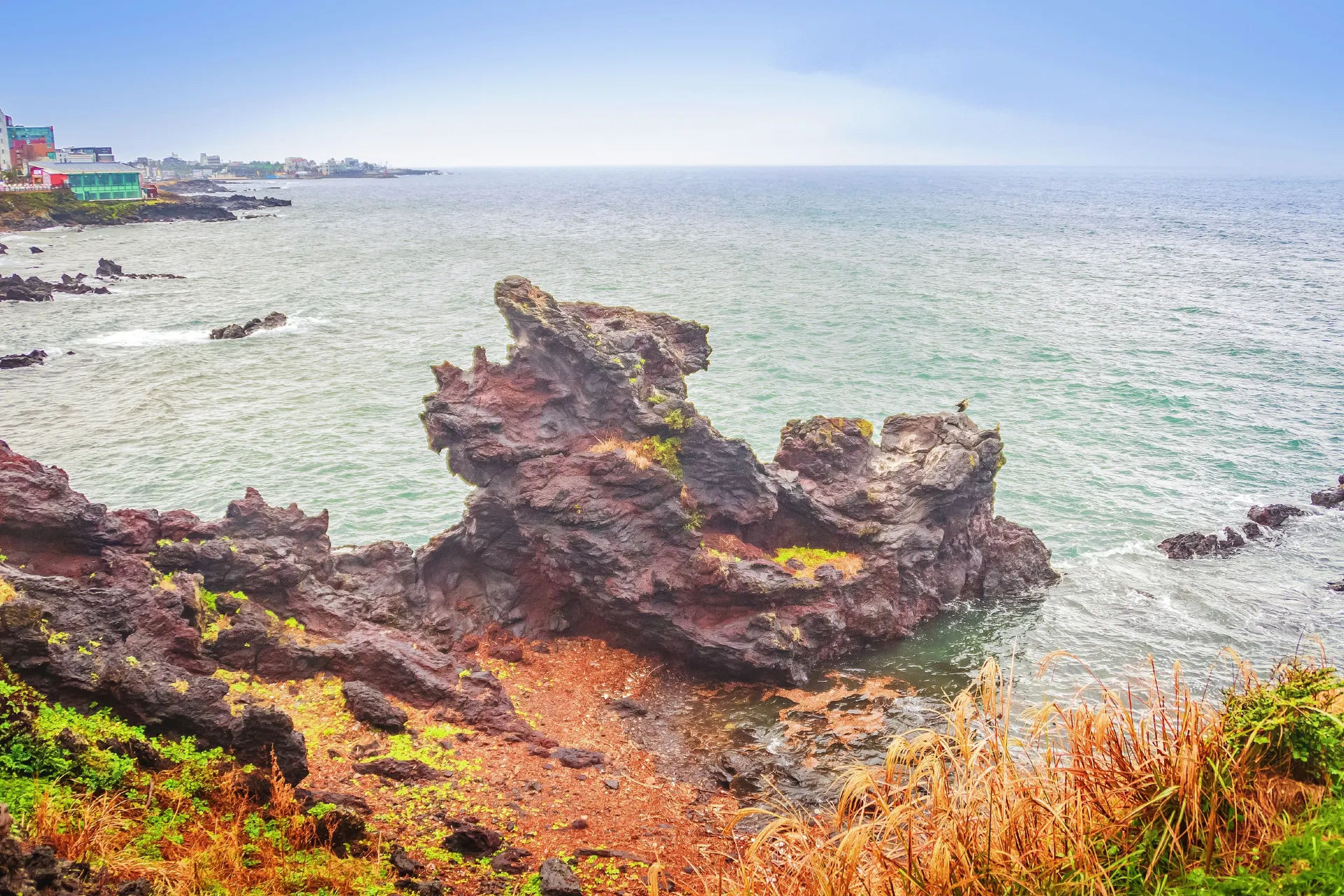
The Dragon Head of Yongduam on the Coast Northeast of Jeju Airport and the Actual Sightseeing Route
Korea News
 News
News
‘NewJeans Expulsion’ Danielle Releases Her First YouTube Video… “We Don’t Know What Will Happen Next”
![aespa’s North American Tour Has Remaining Seats Despite ‘$49’ Bargain Prices… A Stark Popularity Gap with KATSEYE [TEN Starfield]](https://kotourlive-images.s3.ap-northeast-1.amazonaws.com/news/1788485037424_a59b1932_naver_rank_thumb_0000774618_1788485037424.jpg) News
News
aespa’s North American Tour Has Remaining Seats Despite ‘$49’ Bargain Prices… A Stark Popularity Gap with KATSEYE [TEN Starfield]
![[Photo] TWICE’s Dahyun attends a film festival red carpet as an actress](https://kotourlive-images.s3.ap-northeast-1.amazonaws.com/news/1788485316508_edd43ecd_news_870a60a6-6f11-4d73-aa7c-48d91318a0f7.jpg) News
News
[Photo] TWICE’s Dahyun attends a film festival red carpet as an actress
![[On-Site Video] “We’re Departing Separately Together”… BIGBANG Begins ‘COSMOS’ World Tour](https://kotourlive-images.s3.ap-northeast-1.amazonaws.com/news/1788485226518_c5719641_news_fdd4764a-0f4e-4968-8e4e-e98a02872f88.jpg) News
News