From the alleys of Dongmyeong-dong to Pureungil, where the history of Gwangju’s old downtown became cafés
The Dongmyeong-dong Café Street in Gwangju’s Dong-gu is a neighborhood commercial area shaped by layers of history, including a former upscale residential district, an academy district, and urban regeneration. The street itself is open and free to access at all times, but each café has different operating hours and closing days, so check individually before visiting.
I’ve been here?
Your check-in helps the next traveler.
No one has checked in yet Be the first
One tap — no writing needed
How Did Dongmyeong-dong Turn from “Outside the East Gate” into a Café Alley?
Dongmyeong-dong was a village located outside Seowonmun, the eastern gate of Gwangju Fortress, so it was also called “Dongbakke” (“outside the east”), “Dongmunoeri” (“outside the east gate”), and “Donggyeri,” meaning the village by Donggyecheon Stream. The village was divided by Donggyecheon Stream, which flows down from the foothills of Mudeungsan Mountain, and the upper village, where the current café street is located, once contained residences for influential figures.
During the Japanese colonial period, it was an upscale residential area developed by Japanese residents, and old hanok and houses remain along Dongmyeong-ro and Donggyecheon-ro. Following the relocation of Gwangju Bus Terminal and the Jeollanam-do Provincial Government Office in the 1990s, new downtown development and changes toward apartment-centered housing led to an increase in vacant homes and population decline. Gwangju City began promoting residential-environment improvement and urban regeneration in 2011.
Gwangju Tourism explains that after an academy district was established, more cafés opened for parents, and the completion of the Asia Culture Center brought increased activity among younger people, forming the café street seen today. Rather than being a destination focused on one building or brand, this area is better understood as a place to slowly explore an alley lined with small cafés, workshops, and bookshops housed in residences and hanok.
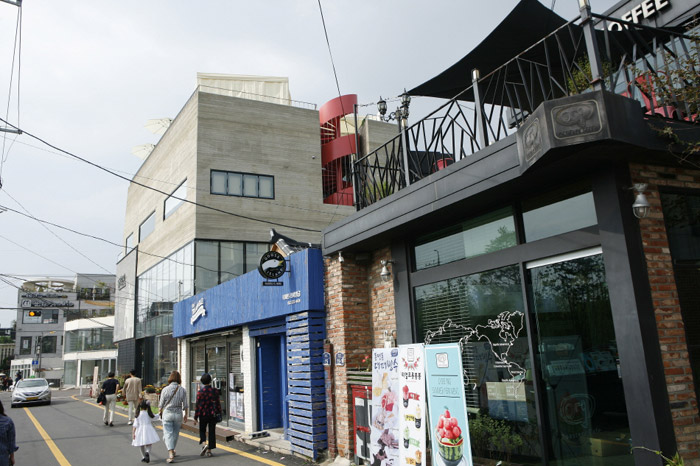
An Always-Open, Free Street—but Café Hours Vary
According to Gwangju Tourism, Dongmyeong-dong Café Street is open year-round, with no closing days, and street access is free. There is no separate admission ticket, advance reservation, or main entrance phone number; actual spending and time spent depend on the operating policies of the café, restaurant, or exhibition space selected.
The official tourism guide lists the location as 23-16 Jangdong-ro, Dong-gu, Gwangju Metropolitan City. The address Dongmyeong-dong 292 and the coordinates 35.149455, 126.924270 provided in the question can be used as reference points for finding the center of the street. The official information page is https://tour.gwangju.go.kr/home/tour/info/village/002.cs?act=view&infoId=56.
For a first visit, allow 60–90 minutes at one café, or 2–3 hours if also exploring the alleyways, Pureungil, and Gwangju Folly. The entire street does not operate under one uniform schedule like a public facility, so visitors arriving late in the evening or on a regular closing day should separately check the same-day notice from their intended café.
- Street access: Open at all times
- Street closing days: Open year-round
- Street admission: Free
- Recommended stay: 2–3 hours, including one café
Accessing the Area via Three Bus Stops: Dong-gu Office, Dong-gu Senior Welfare Center, and Nongjang Bridge
The official guide lists Dong-gu Office, Dong-gu Senior Welfare Center, and Nongjang Bridge as nearby bus stops for Dongmyeong-dong Café Street. At the Dong-gu Office stop, buses including Bongseon 37, Jiwon 52, Jiwon 152, Suwan 49, Geumnam 58, Seokgok 87, 419, Unnim 54, 1187, Geumnam 57, and 518 stop.
At the Dong-gu Senior Welfare Center stop, you can take Songam 74, Duam 81, and 1187. At the Nongjang Bridge stop, Songam 74, 1187, and Duam 81 are available. Even on the same route, direction signs may differ, so before boarding Duam 81, it is safest to distinguish between the Gakhwa Elementary School direction and the Mudeung Park direction.
Choose a stop based less on the exact address of one café and more on whether you want to begin from the Jangdong-ro–Donggyecheon-ro side or from the Pureungil–Nongjang Bridge side. Because individual parking spaces are limited in the alleys, walking after getting off the bus is useful for planning your route.
- Dong-gu Office: Bongseon 37, Jiwon 52, Jiwon 152, Suwan 49, Geumnam 58, Seokgok 87, 419, Unnim 54, 1187, Geumnam 57, 518
- Dong-gu Senior Welfare Center: Songam 74, Duam 81, 1187
- Nongjang Bridge: Songam 74, 1187, Duam 81
Why Walking Is Better Than Driving on a Street Without Parking
Gwangju Tourism’s access information lists parking facilities as “none (individual inquiries required).” In other words, no public parking lot or integrated parking fee is provided for Dongmyeong-dong Café Street as a whole. Drivers should separately check whether their intended establishment offers affiliated or private parking.
The official accessibility information describes the pedestrian paths as sufficiently wide, without level differences, gently sloped, and in good condition. Although the paths are presented as wheelchair accessible, there are no ramps, and the entrances, restrooms, and seating spacing at individual establishments vary, so visitors should inquire with a specific café in advance.
Night lighting is described as generally bright enough, but old residential alleys are mixed with spaces in front of individual shops. Stroller and wheelchair users should plan their route mainly along the wider pedestrian sections of Jangdong-ro and check entrance thresholds before entering shops deeper inside narrow alleys.
- Public street parking: None; individual inquiries required
- Pedestrian paths: Described as sufficiently wide, without level differences, and gently sloped
- Wheelchair access: Street pedestrian paths are described as accessible
- Ramps: Described as unavailable
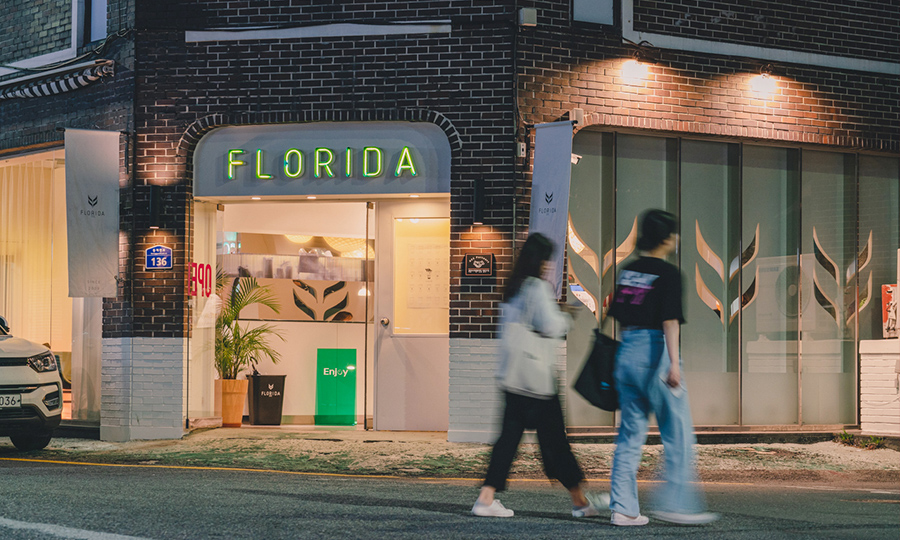
A Walk Continuing from the 8-km Pureungil and Nongjang Bridge
Pureungil, which surrounds the outside of Dongmyeong-dong, is a space where citizens converted the abandoned Gyeongjeon railway into a walking trail. It is described as extending approximately 8 km from Gwangju Station to Gwangjucheon Stream. Rather than visiting cafés one after another, walking along Pureungil first from the Nongjang Bridge side before entering the alleys makes it easier to understand why Dongmyeong-dong is connected with regeneration of the old downtown.
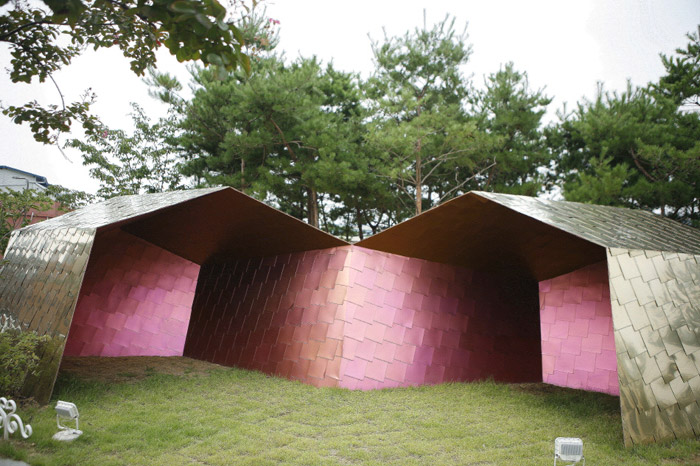
Nongjang Bridge was used until the 1960s by inmates of the nearby Gwangju Prison to cross the stream for farm labor. It has now been reborn as the Gwangju Folly work “Pureungil Cultural Spring.” Folly works such as Seowonmun Lantern, A Hut for Communication, Cook Folly Cheongmijang, Kongjip, Kkumjip, and I Love Street are also distributed in and around Dongmyeong-dong.
A straightforward walking route is to get off at the Nongjang Bridge stop → visit Pureungil Cultural Spring → stop at one café in the Dongmyeong-dong alleys → finish toward Jangdong-ro. On hot days, rather than taking a long walk along Pureungil first, check café reservations and operating status, then adjust the route to a shorter 20–40-minute walk.
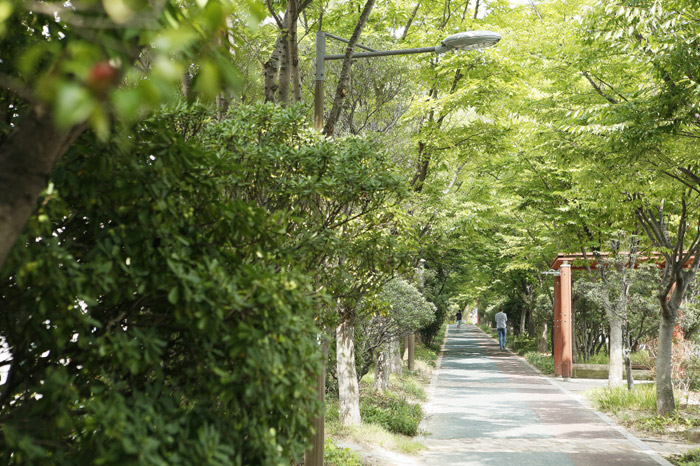
Look for the Neighborhood’s Residential Traces, Not Just the Nickname “Dongnidan-gil”
Dongmyeong-dong Café Street is also nicknamed “Dongnidan-gil,” after Seoul’s Gyeongnidan-gil. However, its essence lies less in the buzzword than in the area’s transformation through an upscale residential district, an academy district, an increase in vacant homes, and urban regeneration. Instead of choosing only cafés with flashy exteriors, look for renovated hanok and houses and observe how yards connect with the alleys to better understand the character of the neighborhood.
The Digital Gwangju Cultural Encyclopedia introduces “Struct” in central Dongmyeong-dong as a three-story building, describing a layout connecting a south-facing inner courtyard with a basement sunken area, first- and second-floor terraces, an outdoor staircase, and a third-floor balcony. This is one example of residential-style architecture being converted into a café and cultural space in Dongmyeong-dong; it does not mean that all cafés follow the same model.
Dongmyeong-dong Coffee Walk is an open local event that includes café tours, coffee awards, dessert markets, stamp rallies, small concerts, and drip-bag and handmade-chocolate experiences. Since the schedule cannot be assumed to be fixed every year, visitors with a set travel date should check Gwangju Tourism and Dong-gu event announcements for confirmation of the event and its programs.
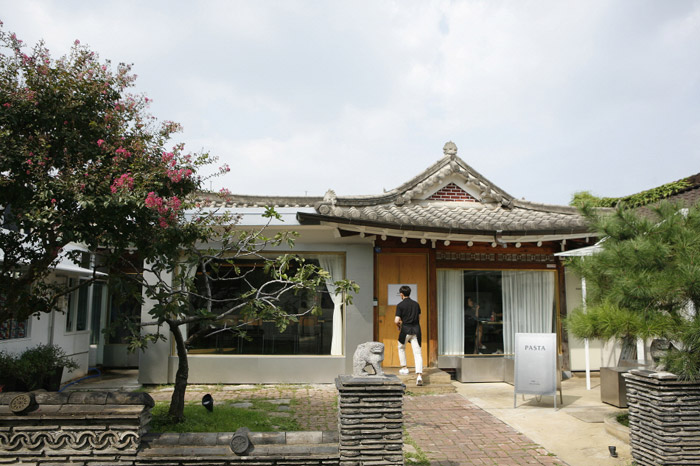
How to Arrange Your Visit with the National Asia Culture Center
Gwangju Tourism explains that café-centered activity among younger people expanded in Dongmyeong-dong after the completion of the Asia Culture Center. Combining Dongmyeong-dong with a meal or coffee stop before or after visiting the National Asia Culture Center allows you to consider both the center’s exhibition and performance schedules and each café’s closing time.
Although the street itself is free, individual cafés and restaurants charge their own prices for drinks, desserts, and meals. If coffee is your main purpose, decide whether to stay longer at one place or divide the visit between two shorter stops. Waiting times at popular establishments, pet policies, and parking support should be checked with each business.
No single on-site information desk managing the entire street, such as a travelers’ house or tourist information center, is identified in the official guide. Directions and English assistance also depend on individual establishments, so foreign visitors will find it practical to save both “Dongmyeong-dong Café Street” and the addresses of their intended establishments in a map app, while also marking their bus stop.
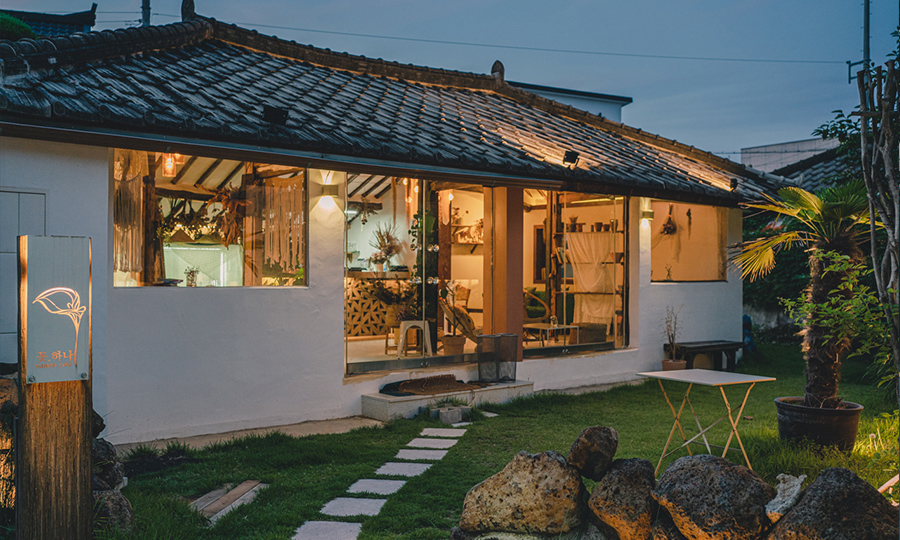
First Explore Dongmyeong-dong’s Cafés, Alleys, and Gwangju Folly through Photos
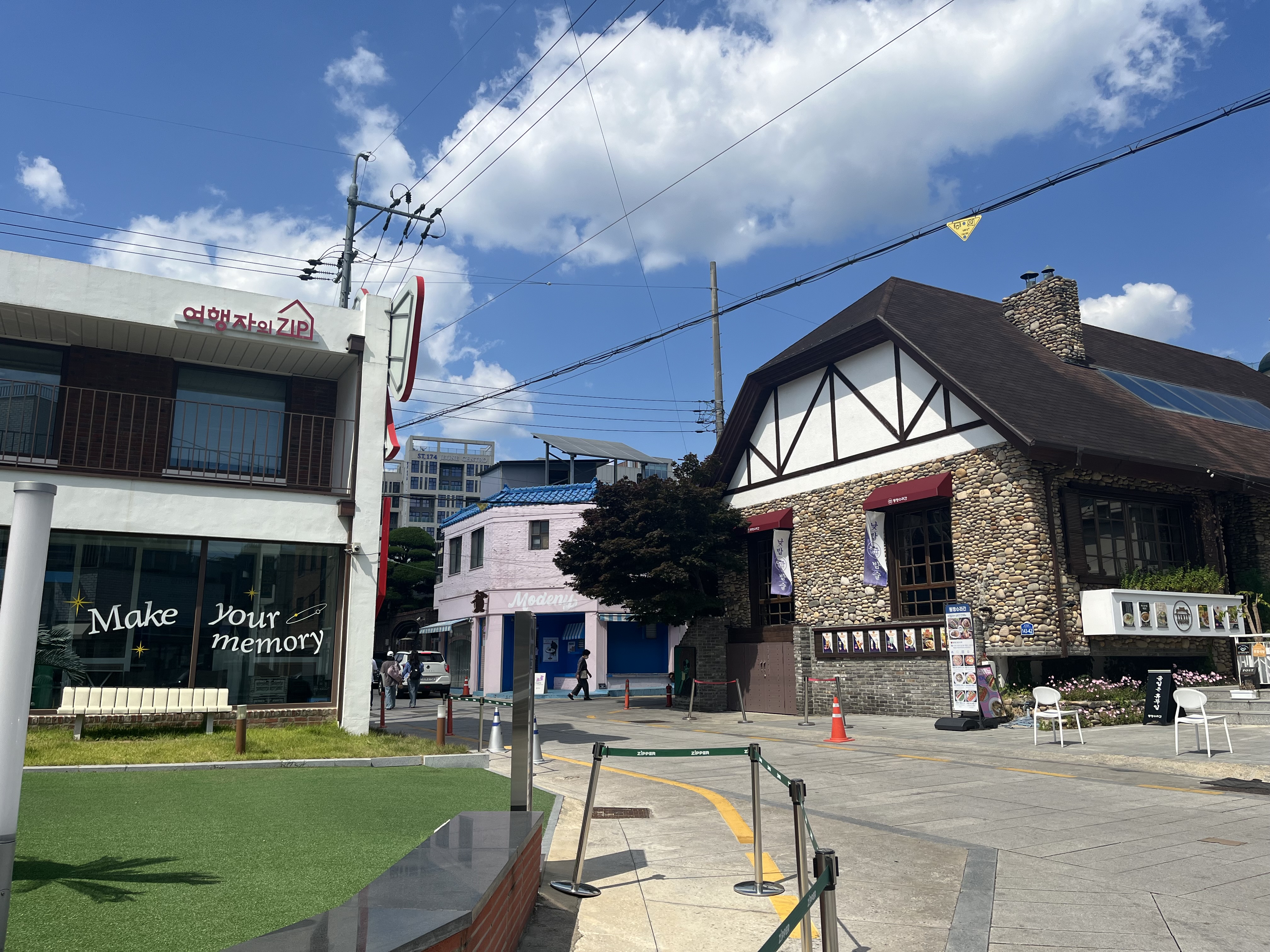
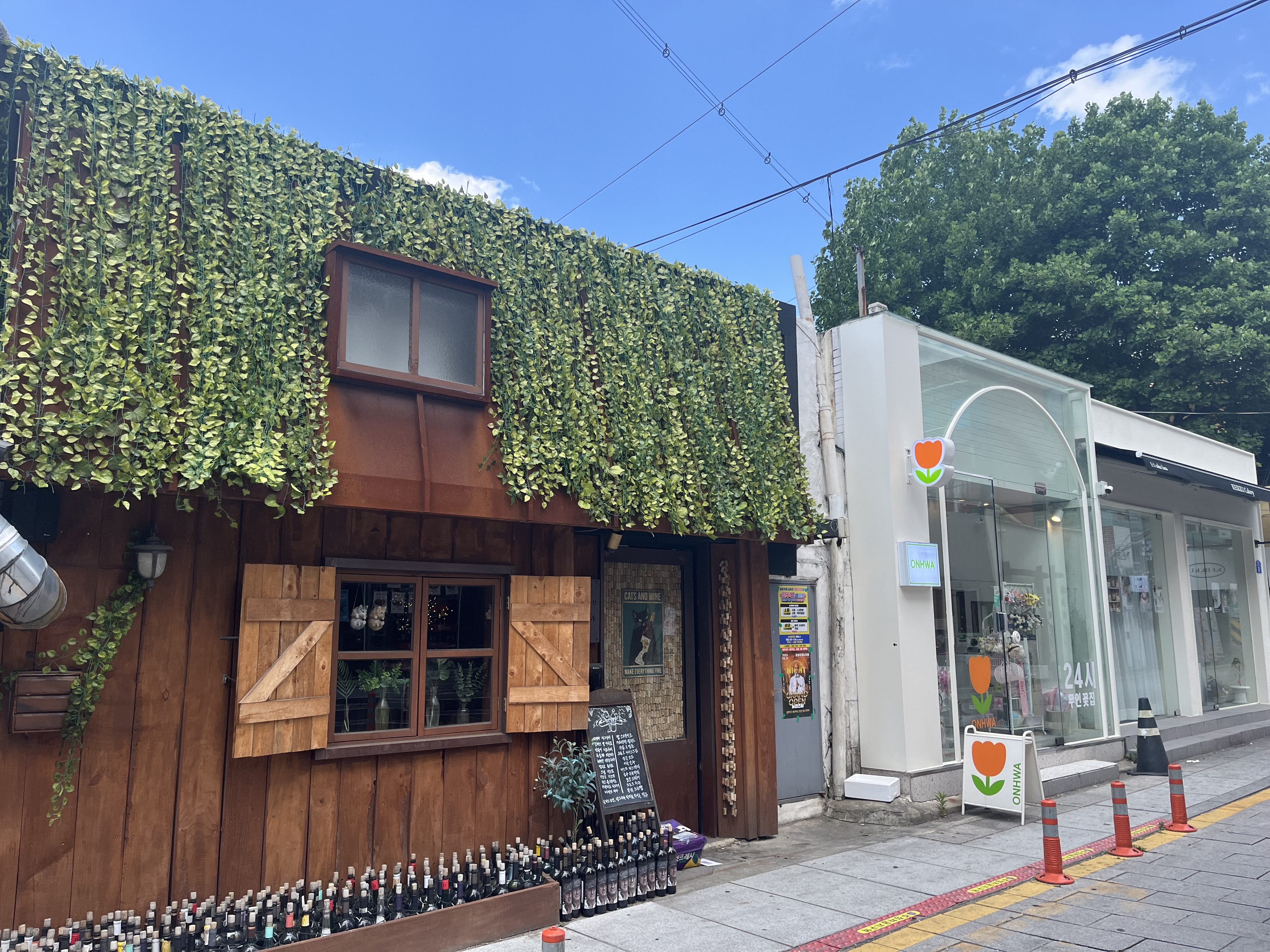
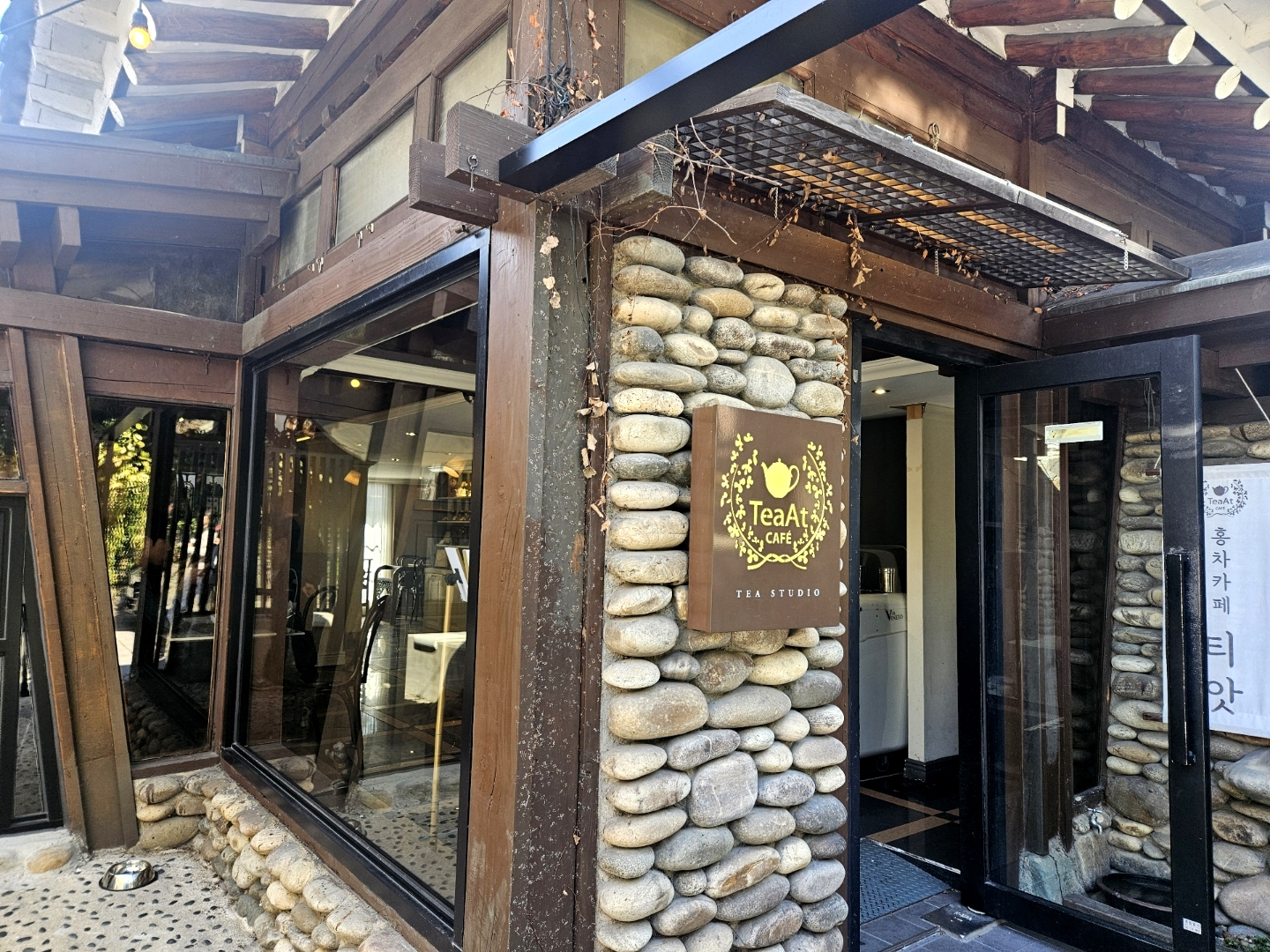
The official tourism page for Dongmyeong-dong Café Street provides eight different street images. The photos below were selected from images whose locations and subjects are clearly identified in official guides and local travel articles; they do not indicate the current operating status or menus of individual establishments.
When viewing photos of Dongmyeong-dong, look beyond café interiors and consider the relationship among residential-style buildings, Pureungil, Gwangju Folly, and the alleys. The purpose of visiting this street is not simply to find a particular photo spot, but to walk through and read the traces of an old downtown residential area transformed into a cultural commercial district.
Before You Go
- Address
- 23-16 Jangdong-ro, Dong-gu, Gwangju Metropolitan City
- Hours
- Open at all times (street basis; check the operating hours of individual cafés and shops separately)
- Closed
- Open year-round (street basis; check the closing days of individual cafés and shops separately)
- Admission
- Free
- Official site
- https://tour.gwangju.go.kr/home/tour/info/village/002.cs?act=view&infoId=56
- Transport
- Dong-gu Office stop: Bongseon 37, Jiwon 52, Jiwon 152, Suwan 49, Geumnam 58, Seokgok 87, 419, Unnim 54, 1187, Geumnam 57, 518. Dong-gu Senior Welfare Center: Songam 74, Duam 81, 1187. Nongjang Bridge: Songam 74, 1187, Duam 81.
- Parking
- No public street parking facilities (individual inquiries required)
- Time needed
- 2–3 hours, including one café and a walk through the alleys and along Pureungil
- Accessibility
- According to the official guide, pedestrian paths are sufficiently wide, have no level differences, are gently sloped, and are easy to use with a wheelchair. No ramps; check individual establishment entrances and restrooms separately.
The information above is based on the time of writing. Check the official guide again before visiting.

Places
Nearby Attractions 5
-
 1
Dongmyeong-dong Tteatt
1
Dongmyeong-dong Tteatt -
 2
Hoshijeong
2
Hoshijeong -
 3
3
-
 4
4
-
 5
5
Food & Dining 5
-
 6
Mokha Sikdang
6
Mokha Sikdang -
 7
Tongmyeong-dong Tteaat
7
Tongmyeong-dong Tteaat -
 8
8
-
 9
9
-
 10
Yoshiro
10
Yoshiro
Events in This Area

Festivals in This Area

More Travel Guides in This Area
 Travel Guide
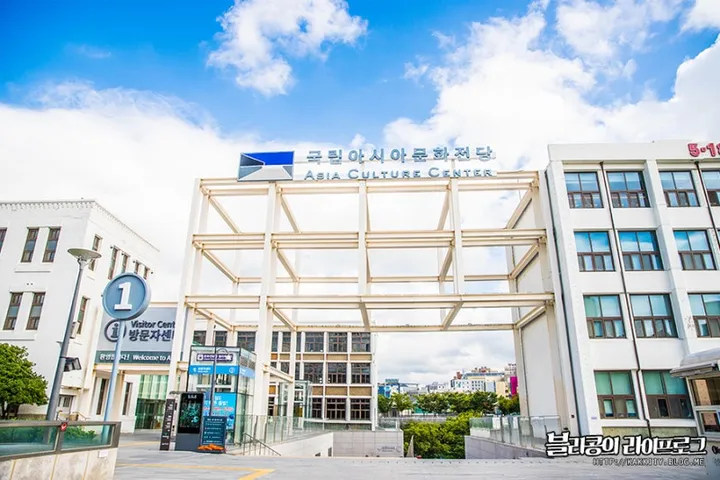
From the Memories of the Former Jeonnam Provincial Office to an Underground Cultural City: Asia Culture Center
 Travel Guide
The Main Protest Site of 1980, Today’s May 18 Democracy Square
 Travel Guide
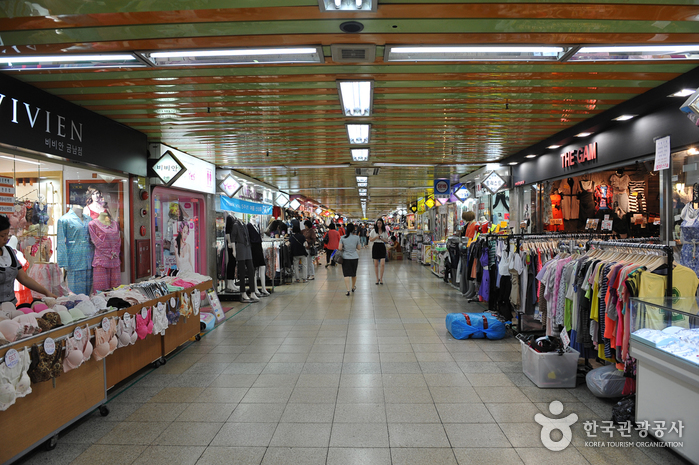
Reading the 360-Meter Underground Shopping Route at Gwangju Geumnam Underground Shopping Center
 Travel Guide
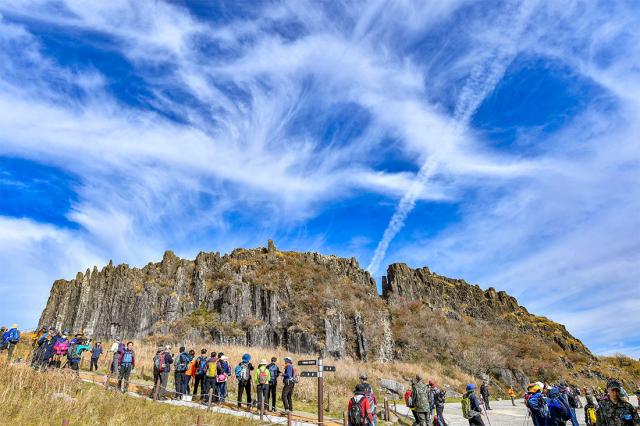
Two Routes Up Gwangju’s Mudeungsan Mountain, Whose Stone Pillars Were Left by a Volcano 87 Million Years Ago
Korea News
 News
News
TWS heightens comeback excitement with kitschy charm… Anticipation for “plot twist” rises
 News
News
BTS, Six Months After Its Release… ‘Arirang’ Climbs the U.S. Billboard 200
 News
News
'The Nation's Girl Group' RESCENE, Five Girls Transformed into Guardians… Additional Concept Photos for Their 4th Mini Album Revealed
 News
News