The Main Protest Site of 1980, Today’s May 18 Democracy Square
May 18 Democracy Square is an open-air historic site that served as a major protest venue during the May 1980 Democratization Movement. It is best understood as part of an urban heritage walk that also explores the former Jeonnam Provincial Office and the May 18 Democratization Movement Archives.
I’ve been here?
Your check-in helps the next traveler.
No one has checked in yet Be the first
One tap — no writing needed
What does the plaza at 56 Seoseok-ro commemorate?
May 18 Democracy Plaza is an outdoor plaza located at 56 Seoseok-ro, Dong-gu, Jeonnam Gwangju Integrated Special City. Gwangju Metropolitan City has designated and manages this place as a historic site of the May 18 Democratization Movement, classifying it as a space that was a major protest site during the democratization movement in May 1980.
Public data also lists the detailed location of this place as “56 Seoseok-ro Underground, Dong-gu.” The entered coordinates are latitude 35.147605 and longitude 126.919842. For planning a visit, it is appropriate to understand the plaza itself as a historic urban site rather than a paid exhibition hall in a particular building.
Why it became the main protest site in May 1980
Gwangju Metropolitan City materials record May 18 Democracy Plaza as the “main protest site” during the democratization movement in May 1980. Along with the former Jeonnam Provincial Government Complex, it is a historic space classified as the headquarters of the citizen army and the site of the final resistance. Therefore, the plaza’s present appearance is the result of management intended to preserve the historical significance of the site of the uprising, rather than simply serving as an urban rest area.
The relevant ordinance defines the May 18 Democratization Movement as a citizens’ democratization movement opposing crimes that destroyed the constitutional order and crimes against humanity occurring around December 12, 1979, and May 18, 1980. Its spirit is described as the great unity spirit of democracy, human rights, peace, sharing, and care.
From the 1998 designation to present-day historic-site management
On January 12, 1998, Gwangju Metropolitan City initially designated 24 sites, including the main gate of Chonnam National University, as historic sites of the May 18 Democratization Movement. Today, it has designated and manages 30 historic sites, operating a system to preserve, restore, and manage the character and historical significance of places such as the origin points and major battle sites of the democratization movement in May 1980.
Under the ordinance, historic sites are places, spaces, and facilities of historical commemorative value, including major sites of the struggle during the May 18 Democratization Movement. The number of designated sites by autonomous district is Dong-gu 15, Seo-gu 6, Nam-gu 3, Buk-gu 5, and Gwangsan-gu 1. By ownership, the figures are 10 national-government properties, 13 city-owned properties, and 9 privately owned properties.
How to enter the plaza, from 00:00 to 24:00
According to Gwangju Tourism information, the hours are 00:00–24:00, with continuous opening and no closing days. It is described as an outdoor plaza open free of charge, but no separate official admission fee listing has been confirmed, so there is no need to plan an itinerary around purchasing tickets for a paid exhibition hall.
The official subway exit, stop name, bus route numbers, and walking time from a ticket office to the plaza itself could not be confirmed in the information materials. Therefore, first-time foreign visitors may find it safer to mark May 18 Democracy Plaza and the May 18 Archives together in the same area on a map, following the May 18 historical route suggested by Gwangju Tourism.
Save the phone number and official information in advance
The inquiry phone number is 062-613-2082, listed as the number for the Democracy and Veterans Affairs Division of Gwangju Metropolitan City Hall. The official information URL is https://tour.gwangju.go.kr/home/tour/info/history.cs?act=view&infoId=215. It is useful to save this Gwangju Tourism information page for items needed just before a visit, such as operating hours and closing days.
No confirmed information is available regarding English guidance at the plaza itself, audio guides, photography restrictions, areas with restricted internal access, or cash-only policies. When visiting the former Jeonnam Provincial Government Complex area and the archives together, distinguish between spaces viewable from outside the plaza and the viewing areas of separate facilities. An itinerary visiting only the plaza is presented as taking approximately 30 minutes based on reviews and tourism courses.
An urban field trip linking the ACC and the archives
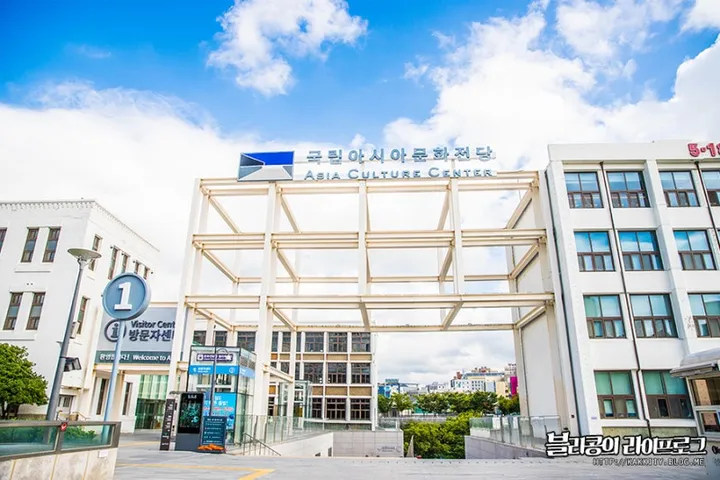
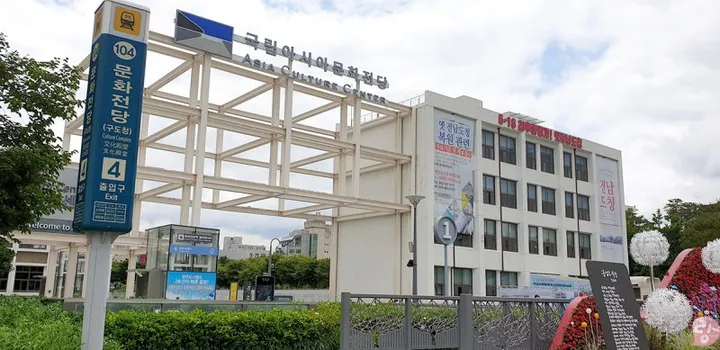
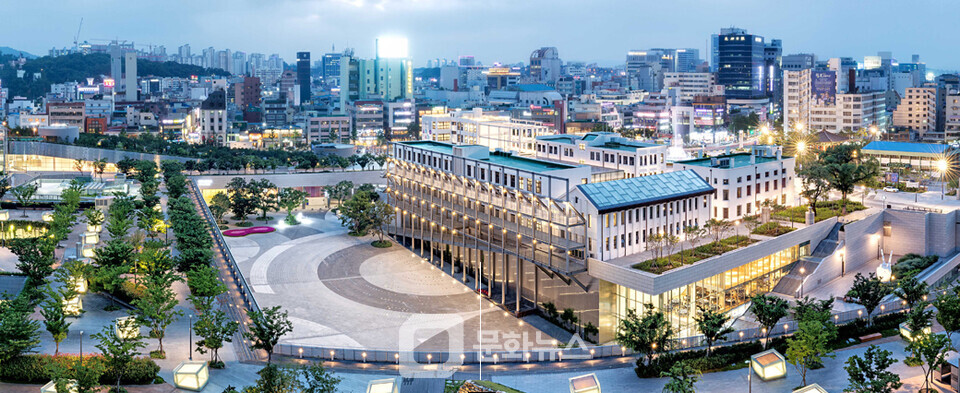
May 18 Democracy Plaza is located in a central Gwangju cultural and historic area connected with the National Asian Culture Center. Gwangju Tourism’s main May 18 historical route includes May 18 Democracy Plaza, the May 18 Archives, Yangnim-dong Historic and Cultural Village, and Pochungsa Shrine; the travel product’s itinerary lasts one day.
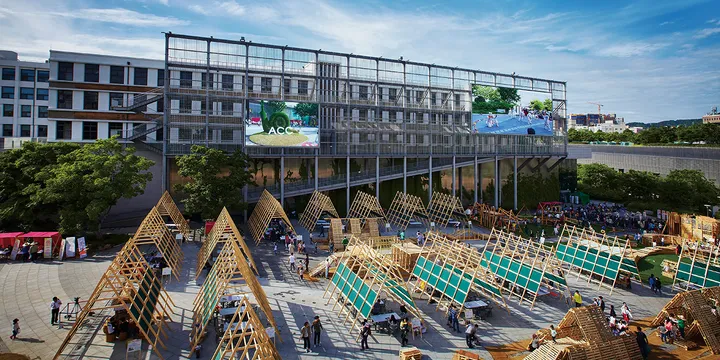
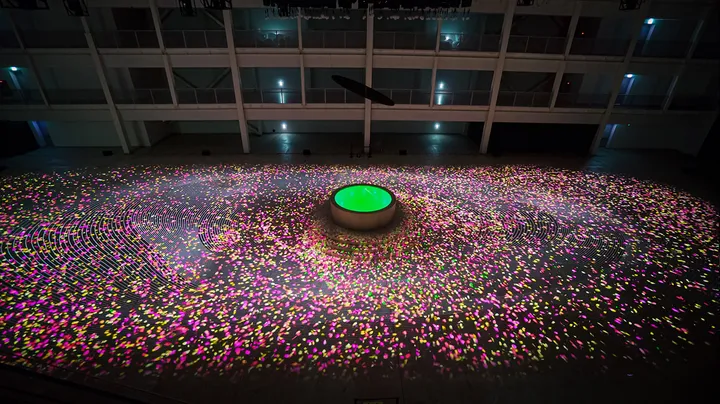
The nearby National Asian Culture Center has outdoor spaces such as Sky Yard and Open Yard, as well as a ground-level garden themed around the “Forest of Light.” At the Asia Culture Museum, visitors can see permanent and special exhibitions. The center introduces approximately 40 exhibitions and more than 30 performances each year based on contemporary Asian discourse, making it possible to connect an indoor program after exploring the plaza.
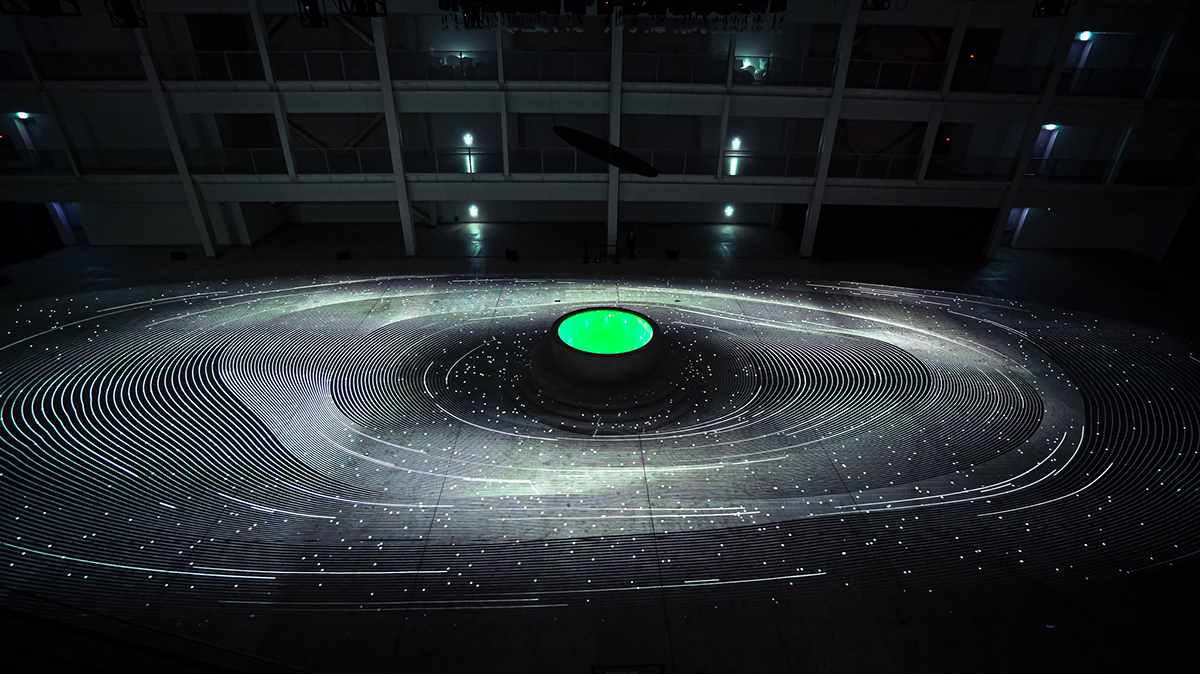
How to calculate parking fees and a 30-minute visit
Nearby parking options include the ACC affiliated parking lot and ACC Parking Lots A/B. Parking costs 400 won per 15 minutes, with a daily maximum of 15,000 won. Since parking availability and detailed parking spaces at the plaza itself have not been separately confirmed, drivers should calculate costs based on nearby parking lots.
A visit to the plaza alone takes approximately 30 minutes according to reviews and tourism courses. If you would like to examine historical materials related to the May 18 Democratization Movement in greater depth, note that the photographic exhibition materials based on on-site documentary photographs consist of one set of 30 sheets, each measuring 610 × 410 mm. Visiting the plaza, the archives, and the former Jeonnam Provincial Government Complex area together requires more than 30 minutes.
Restrictions and educational materials to know before visiting
The travel expense for the May 18 historical travel product registered with Gwangju Tourism is 91,000 won as of 2026, and the product contact number is 070-4652-1931. This is information for a separate one-day travel product, not an admission fee for the plaza itself, so it should not be confused with the cost of visiting the free outdoor plaza.
Educational materials related to May 18 Democracy Plaza include the “May Together, Democracy We Create Together” jigsaw-puzzle teaching kit. The photographic exhibition materials related to the May 18 Democratization Movement are based on documentary photographs taken at the time. Before visiting, decide whether to briefly see the plaza itself and then expand to the archives and surrounding area, or combine the route with exhibitions, performances, and events at the ACC; this will make the itinerary clearer.
Before You Go
- Address
- 56 Seoseok-ro, Dong-gu, Jeonnam Gwangju Integrated Special City
- Hours
- 00:00–24:00 (open continuously)
- Closed
- None
- Admission
- Confirmed as a free outdoor plaza, but no separate official admission fee listing was found
- Phone
- 062-613-2082 (Democracy and Veterans Affairs Division, Gwangju Metropolitan City Hall)
- Official site
- https://tour.gwangju.go.kr/home/tour/info/history.cs?act=view&infoId=215
- Transport
- Gwangju Tourism’s main May 18 historical route includes May 18 Democracy Plaza and the May 18 Archives together. The official stop, exit, and walking time for the site itself could not be confirmed.
- Parking
- Parking available. The listed rate is 400 won per 15 minutes, with a daily maximum of 15,000 won. Nearby options include the ACC affiliated parking lot and ACC Parking Lots A/B.
- Time needed
- Approximately 30 minutes based on reviews and tourism courses. Visiting nearby May 18-related sites as well may take longer.
The information above is current as of the time of writing. Check the official information again before visiting.

Places
Nearby Attractions 1
-
 1
Asia Culture CenterA multidisciplinary cultural complex where visitors can enjoy exhibitions and performances of Asian culture and art, as well as outdoor spaces.
1
Asia Culture CenterA multidisciplinary cultural complex where visitors can enjoy exhibitions and performances of Asian culture and art, as well as outdoor spaces.
Food & Dining 2
-
 2
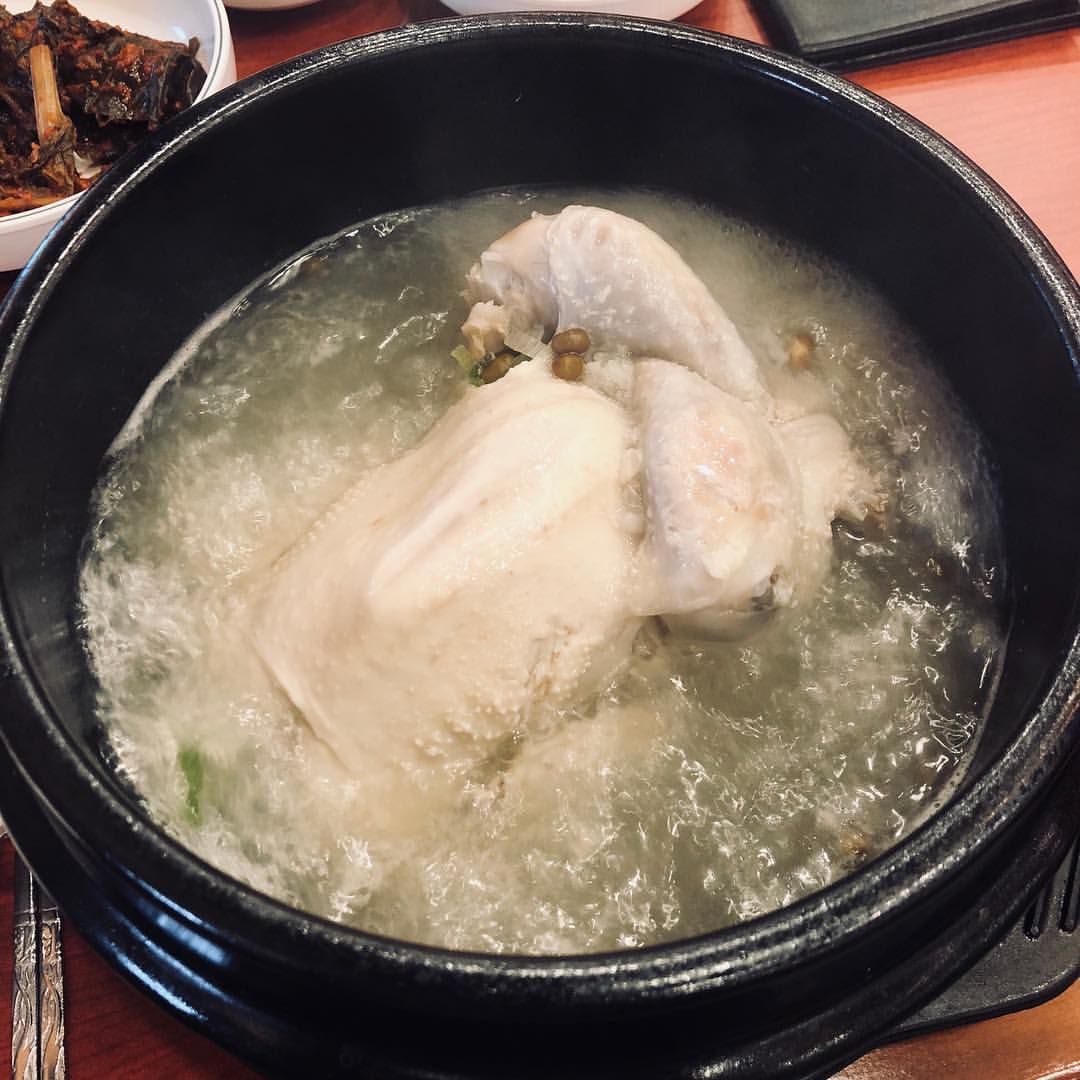
Geumnam SamgyetangA Korean restaurant specializing in samgyetang, a chicken soup made with ginseng.
2
Geumnam SamgyetangA Korean restaurant specializing in samgyetang, a chicken soup made with ginseng. -
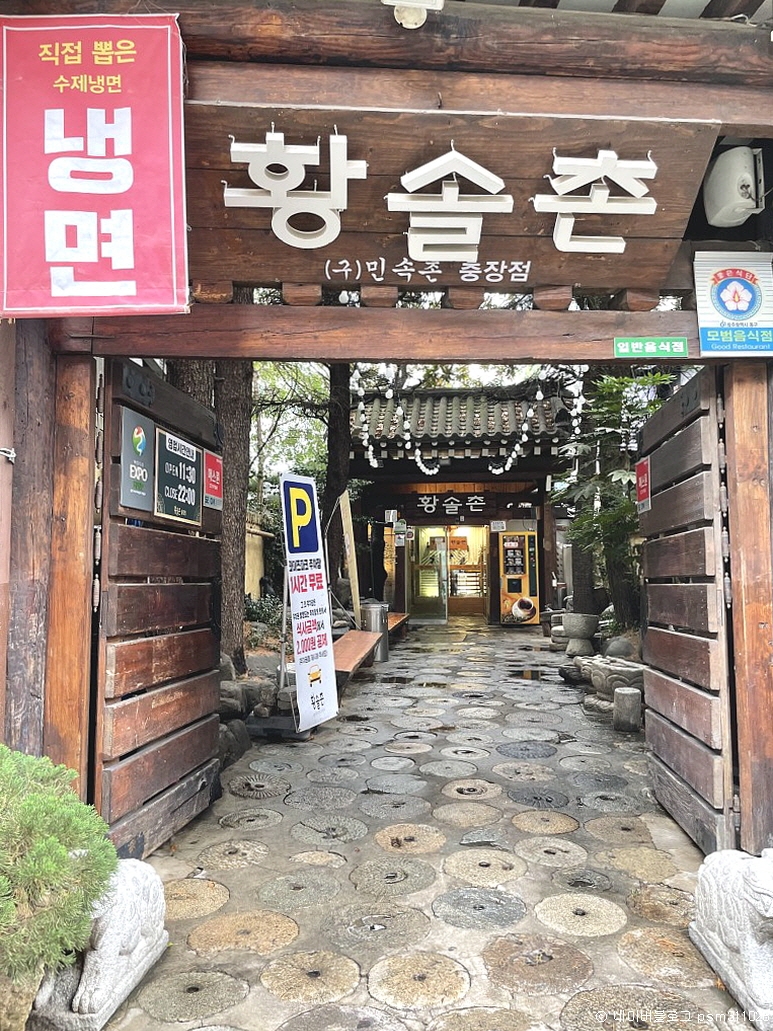 3
Hwangsolchon Chungjang BranchA Korean barbecue restaurant serving grilled pork ribs and beef ribs.
3
Hwangsolchon Chungjang BranchA Korean barbecue restaurant serving grilled pork ribs and beef ribs.
Events in This Area

Festivals in This Area

More Travel Guides in This Area
 Travel Guide
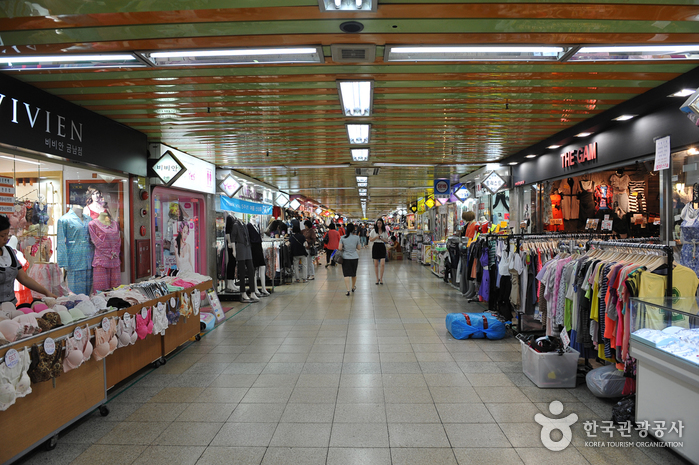
Reading the 360-Meter Underground Shopping Route at Gwangju Geumnam Underground Shopping Center
 Travel Guide
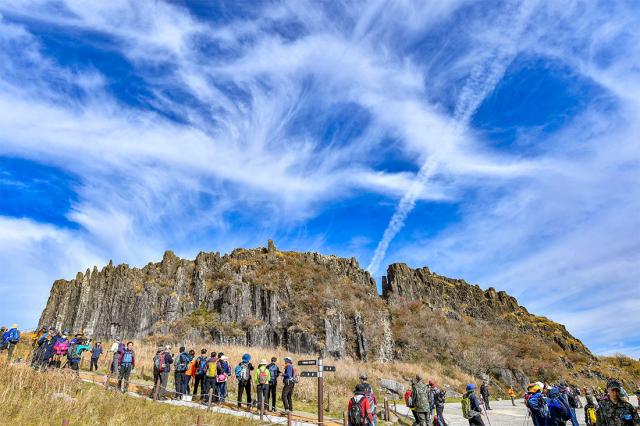
Two Routes Up Gwangju’s Mudeungsan Mountain, Whose Stone Pillars Were Left by a Volcano 87 Million Years Ago
 Travel Guide
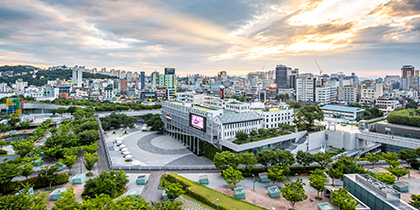
From the Memories of the Former Jeonnam Provincial Office to an Underground Cultural City: Asia Culture Center
 Travel Guide
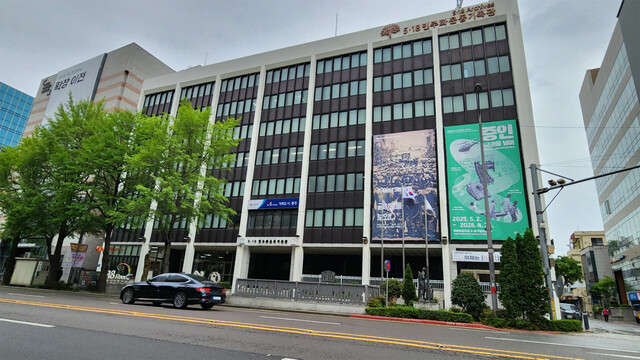
Reading May 10, 1980 at the Former Gwangju Catholic Center
Korea News
 News
News
TWS heightens comeback excitement with kitschy charm… Anticipation for “plot twist” rises
 News
News
BTS, Six Months After Its Release… ‘Arirang’ Climbs the U.S. Billboard 200
 News
News
'The Nation's Girl Group' RESCENE, Five Girls Transformed into Guardians… Additional Concept Photos for Their 4th Mini Album Revealed
 News
News