From the Memories of the Former Jeonnam Provincial Office to an Underground Cultural City: Asia Culture Center
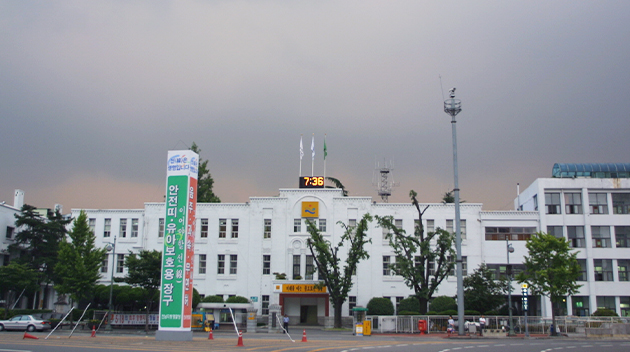
The Asia Culture Center (ACC) is a national cultural institution built around the former Jeonnam Provincial Office, a historic site of the May 18 Democratic Movement. Since admission fees for exhibitions and performances vary by program, an efficient approach is to enter through Exits 5 or 6 of Culture Complex Station and decide first which content to see and how to get around that day.
I’ve been here?
Your check-in helps the next traveler.
No one has checked in yet Be the first
One tap — no writing needed
Why the ACC, opened on November 25, 2015, was built on the former South Jeolla Provincial Office site
The National Asia Culture Center (ACC) began construction in April 2008 in accordance with the Comprehensive Plan for Creating Gwangju as an Asian Culture-Centered City, finalized in 2007. Construction was completed in October 2014, and it officially opened on November 25, 2015. In 2006, the Special Act on the Creation of an Asian Culture-Centered City was enacted, and the ACC was established in July 2015 as an executive agency under the Ministry of Culture, Sports and Tourism.
This site is the former South Jeolla Provincial Office compound, a historic location of the May 18 Democratization Movement in 1980. Therefore, visiting the ACC is not simply a schedule of viewing exhibitions or performances; it also involves understanding the historical context of the nearby May 18 Democratic Square and the former South Jeolla Provincial Office area. The Democracy and Peace Exchange Center, consisting of six buildings including the former South Jeolla Provincial Office, the South Jeolla Provincial Police Bureau, and the Sangmugwan Hall, is also within the ACC area.
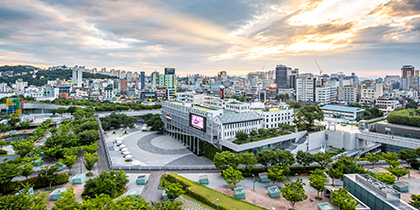
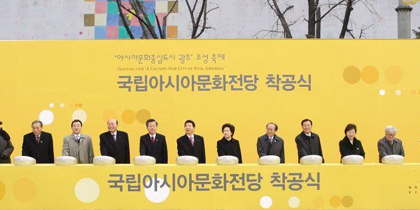
The first ACC route begins at Exits 5 and 6 of Culture Complex Station
When using the subway, take Exit 5 or Exit 6 of Culture Complex Station on Gwangju Subway Line 1. The ACC's official directions recommend these two exits and buses bound for the National Asia Culture Center. Several routes stop at the Culture Complex Station bus stop, including Geumho 36, Jiwon 45, Suwan 12, Geumnam 55, 57, 58, and 59, Munheung 80, Songjeong 98, 518, 419, 1187, Cheomdan 09 and 95, and 1000.
If this is your first visit, after reaching ground level, first check the direction of May 18 Democratic Square and the former South Jeolla Provincial Office, then match the building and admission time for the performance or exhibition reserved for that day. The ACC is divided into spaces with different purposes, including the Culture Information Center, Culture Creation Center, Children's Culture Center, and Art Theater, so there is no single admission method for entering the entire ACC at once.
- Address: 38 Munhwajeondang-ro, Dong-gu, Gwangju Metropolitan City, postal code 61485
- Main inquiries: 1899-5566
- Call center hours: 09:00–18:00; telephone reservations: 09:00–17:00
- Recommended stay: 2–3 hours for the square and one exhibition or performance; half a day if you have reserved several paid programs
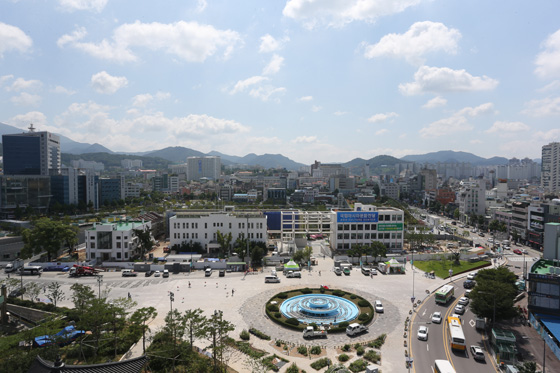
10:00–18:00 Tuesday–Sunday; some spaces stay open until 20:00 on Wednesdays and Saturdays
The ACC's regular hours are 10:00–18:00 from Tuesday through Sunday. Regular closures are every Monday and January 1. If Monday is a public holiday, the center opens and closes on the next non-holiday. The Culture Information Center and Culture Creation Center extend their hours to 10:00–20:00 every Wednesday and Saturday.
However, performance start times, exhibition admission cutoffs, and time slots for the Children's Experience Center vary by program, so you should check the time listed on the page for that day's content separately. Telephone reservations are available through the call center at 1899-5566 from 09:00–17:00, although telephone reservations may not be available depending on the nature of the event.
- Regular hours: Tuesday–Sunday, 10:00–18:00
- Extended hours: Culture Information Center and Culture Creation Center, every Wednesday and Saturday, 10:00–20:00
- Closed: Every Monday and January 1
- When Monday is a public holiday: Open on Monday and closed on the following non-holiday
How to distinguish the free Culture Information Center from separately reserved programs
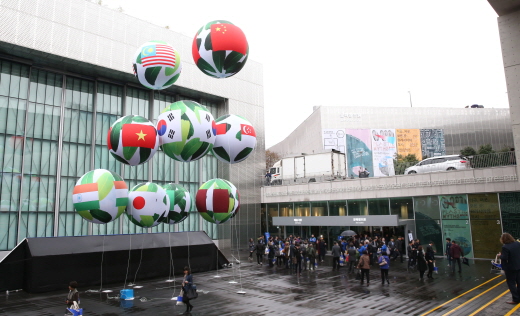
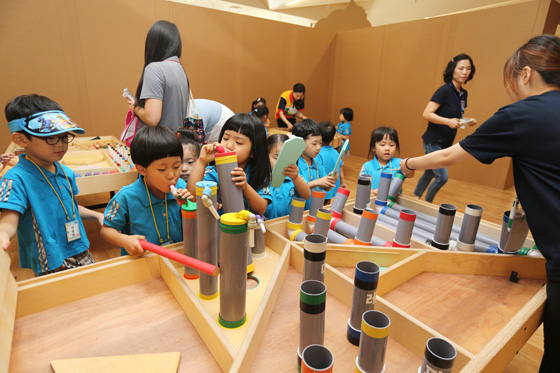
Admission fees vary by space and program. The museum in the Culture Information Center is free, while Art Theater performances are priced individually and exhibitions at the Culture Creation Center are priced separately by exhibition. The Children's Experience Center at the Children's Culture Center charges an admission fee. Therefore, rather than setting a budget based on a single “ACC admission fee,” check each exhibition, performance, and experience center scheduled for your visit date.
Discounts of 50% are offered on Culture Day, for people with disabilities and senior citizens, for persons of national merit, and for holders of the Artist Pass, Culture Pass, and Culture Nuri Card. ACC relay ticket holders and groups of 10 or more receive a 20% discount, while groups of 20 or more using the Children's Culture Center experience center receive a 40% discount. Discounts cannot be combined.
- Culture Information Center (museum): Free
- Art Theater: Separate pricing by performance
- Culture Creation Center: Separate pricing by exhibition
- Children's Experience Center at the Children's Culture Center: Paid admission
- Groups of 10 or more: 20% ACC relay ticket and group discount
Parking Lots A and B and the outdoor auxiliary lot near Sky Garden: 400 won per 15 minutes
Visitors arriving by car can use Parking Lot A north of the Art Theater and Parking Lot B near the Children's Culture Center. Medium- and large-sized buses should use the auxiliary parking lot near Sky Garden. Lots A and B operate from 08:00–22:00 and are closed on closure days. If Monday is a public holiday, they operate that day and close on the following non-holiday.
Parking at Lots A and B is free for the first 30 minutes. After that, the basic rate is 400 won per 15 minutes, with a daily maximum of 15,000 won. Vehicles with 16 or more seats are charged twice the standard rate. The outdoor auxiliary lot is listed as operating year-round from 07:00–24:00, but paid performance and exhibition visitors and customers using food and beverage facilities inside the center may qualify for reductions depending on the conditions, so it is safest to check the applicable criteria before leaving.
- Parking Lots A and B: 08:00–22:00; closed on closure days
- Outdoor auxiliary parking lot: 07:00–24:00; open year-round
- First 30 minutes: Free
- Basic rate: 400 won per 15 minutes
- Daily maximum: 15,000 won
- Vehicles with 16 or more seats: Twice the standard rate
A 90-minute itinerary combining May 18 Democratic Square and the former South Jeolla Provincial Office with your ACC visit
May 18 Democratic Square in front of the ACC was the site where students and citizens held large-scale rallies and demanded democratization in May 1980. According to Gwangju tourism information, various rallies continued even after the martial law forces withdrew on May 22, and the square is described as the place where the spirit of the May 18 Gwangju People's Uprising was formed. To understand why the ACC was built on this site, it is better not to treat the square merely as a photo spot.
If you have about 90 minutes, leave Culture Complex Station and first visit May 18 Democratic Square and the former South Jeolla Provincial Office area. Inside the ACC, a realistic plan is to choose either the free Culture Information Center or one exhibition reserved in advance. If you are also attending a performance, plan to arrive in the relevant area at least 30 minutes before the admission time.
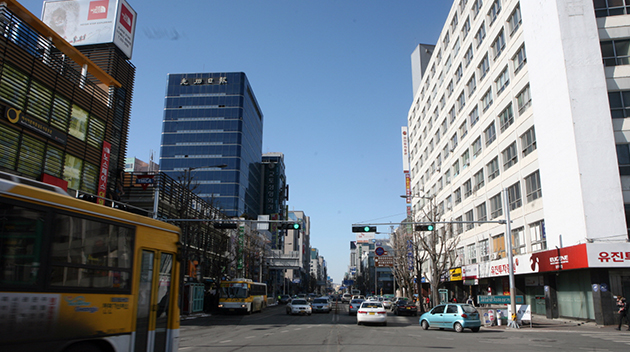
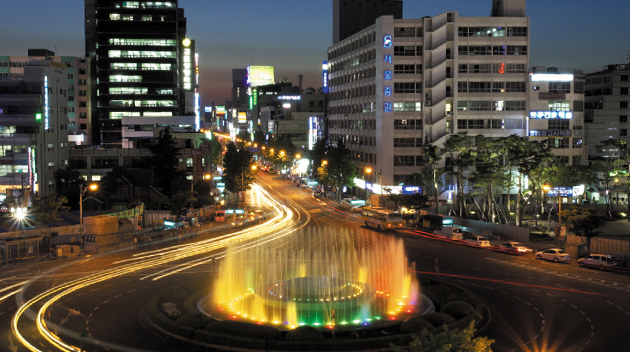
Three things to check before visiting with a wheelchair or stroller, or as an international visitor
The ACC is a large multi-purpose facility accessible via Exit 5 of Culture Complex Station, but the actual walking distance and elevator locations may vary depending on the performance hall or exhibition venue you have reserved. If you are using a stroller or wheelchair, call the center at 1899-5566 before setting out to ask about the admission route for your program, seating and assistive-device requirements, and accessible gates.
International visitors should take into account the Korean-focused same-day guidance and reservation conditions. The ACC handles reservations by program on its official website, and multilingual interpretation programs may occasionally be announced separately. Rather than assuming that multilingual service is generally available, check before reserving whether language support and interpretation are offered on your visit date. The official website is https://www.acc.go.kr.
- Official website: https://www.acc.go.kr
- Visitor and reservation inquiries: 1899-5566
- Telephone reservation hours: 09:00–17:00
- Check before visiting: Program-specific admission time, language support, wheelchair seating and routes
Before You Go
- Address
- 38 Munhwajeondang-ro, Dong-gu, Gwangju Metropolitan City
- Hours
- Tuesday–Sunday, 10:00–18:00. The Culture Information Center and Culture Creation Center extend their hours every Wednesday and Saturday to 10:00–20:00.
- Closed
- Every Monday and January 1. If Monday is a public holiday, the center opens and closes on the following non-holiday.
- Admission
- The Culture Information Center (museum) is free. Art Theater performances and Culture Creation Center exhibitions are priced separately by program. The Children's Experience Center at the Children's Culture Center charges an admission fee.
- Phone
- 1899-5566
- Official site
- https://www.acc.go.kr
- Transport
- Exits 5 and 6 of Culture Complex Station on Gwangju Subway Line 1. Culture Complex Station bus stop: Geumho 36, Jiwon 45, Suwan 12, Geumnam 55, 57, 58, and 59, Munheung 80, Songjeong 98, 518, 419, 1187, Cheomdan 09 and 95, 1000, and others.
- Parking
- Lots A and B: 08:00–22:00, free for the first 30 minutes, then 400 won per 15 minutes, with a daily maximum of 15,000 won. Outdoor auxiliary lot near Sky Garden: 07:00–24:00, open year-round.
- Time needed
- 2–3 hours centered on an exhibition or the free Culture Information Center; half a day including a performance and multiple exhibitions.
- Accessibility
- It is recommended to contact the call center at 1899-5566 in advance to ask whether wheelchair seating, accessible routes, and foreign-language interpretation are available for each program.
The information above is current as of the time of writing. Check the official guidance again before visiting.

Places
Nearby Attractions 5
-
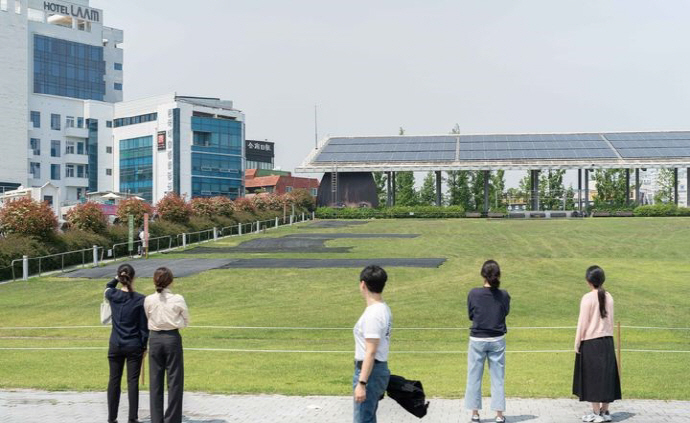 1
National Asian Culture Center Sky Plaza
1
National Asian Culture Center Sky Plaza -
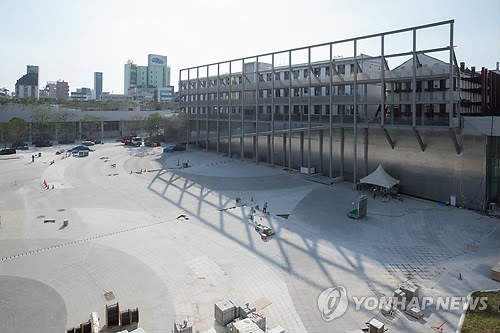 2
Asia Culture Plaza
2
Asia Culture Plaza -
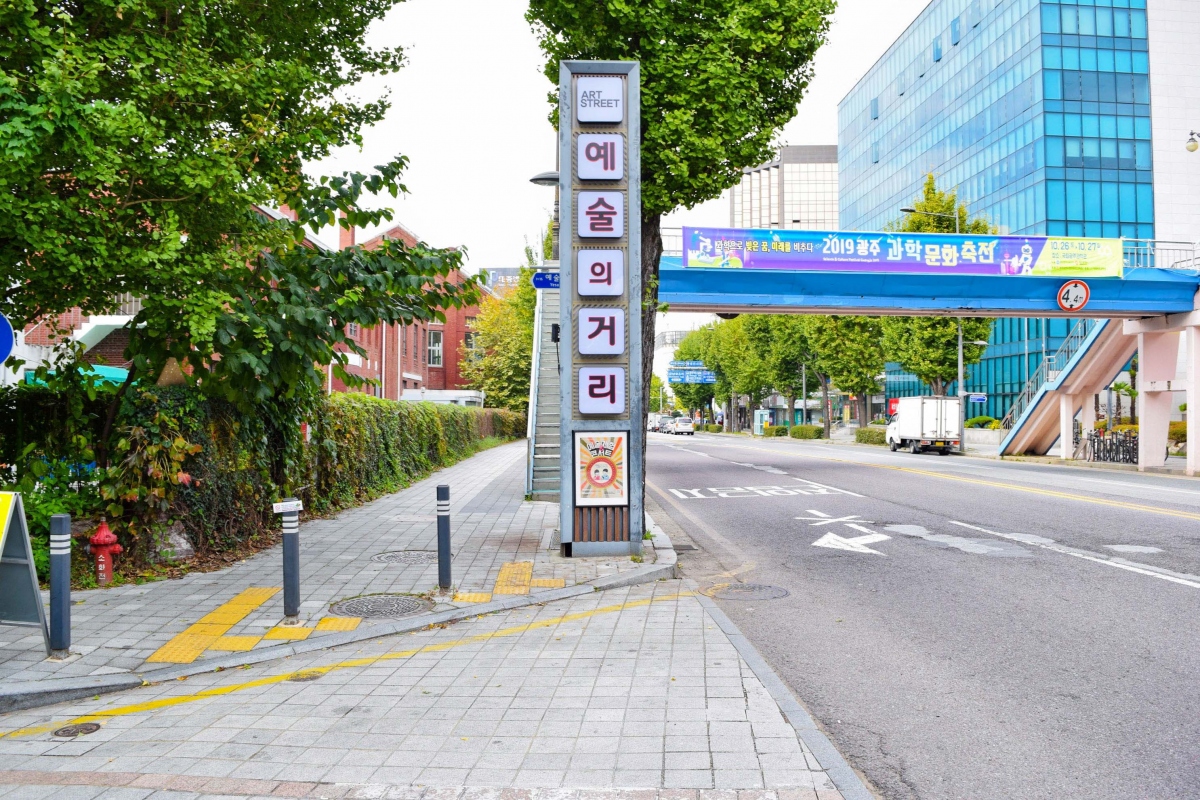 3
3
-
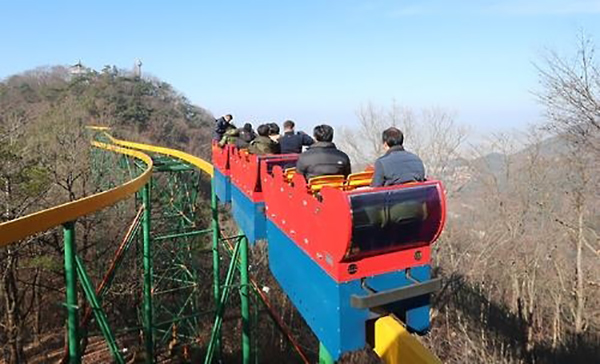 4
4
-
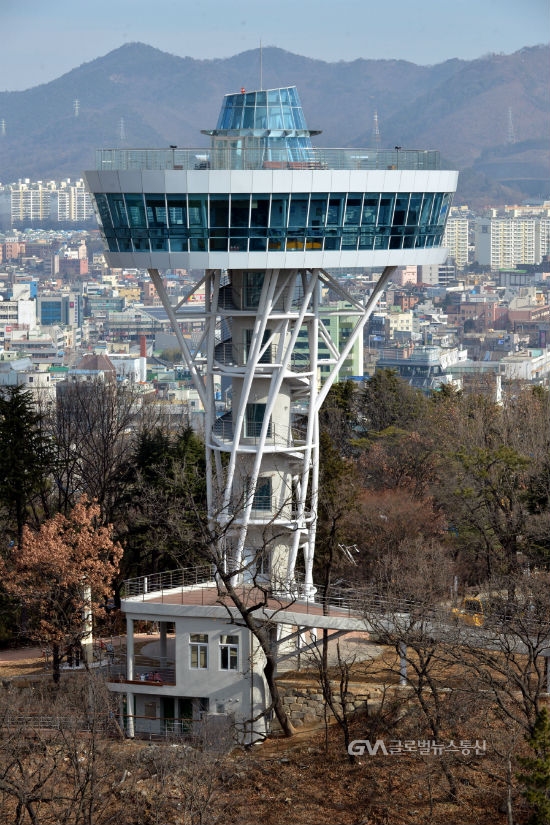 5
5
Food & Dining 5
-
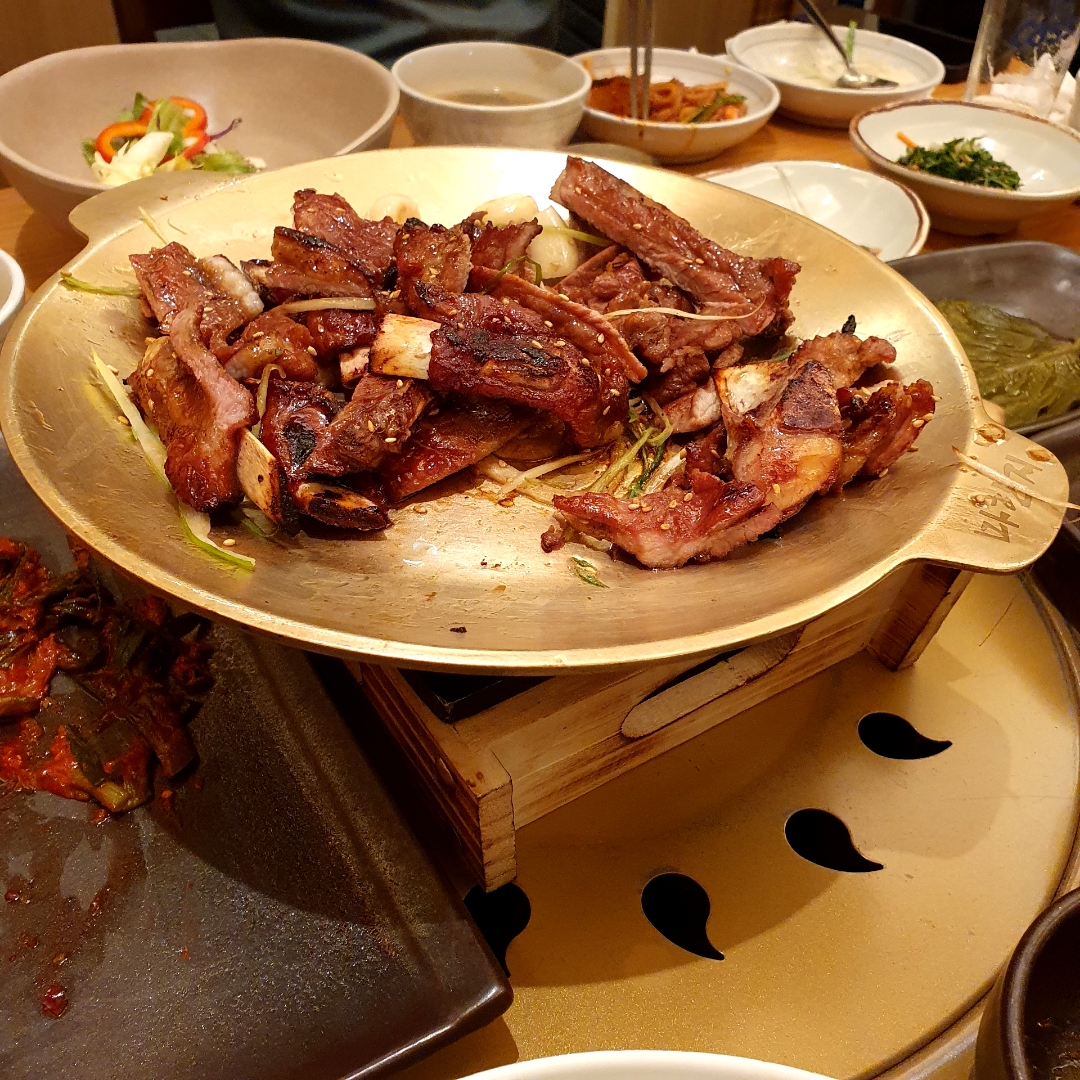 6
6
-
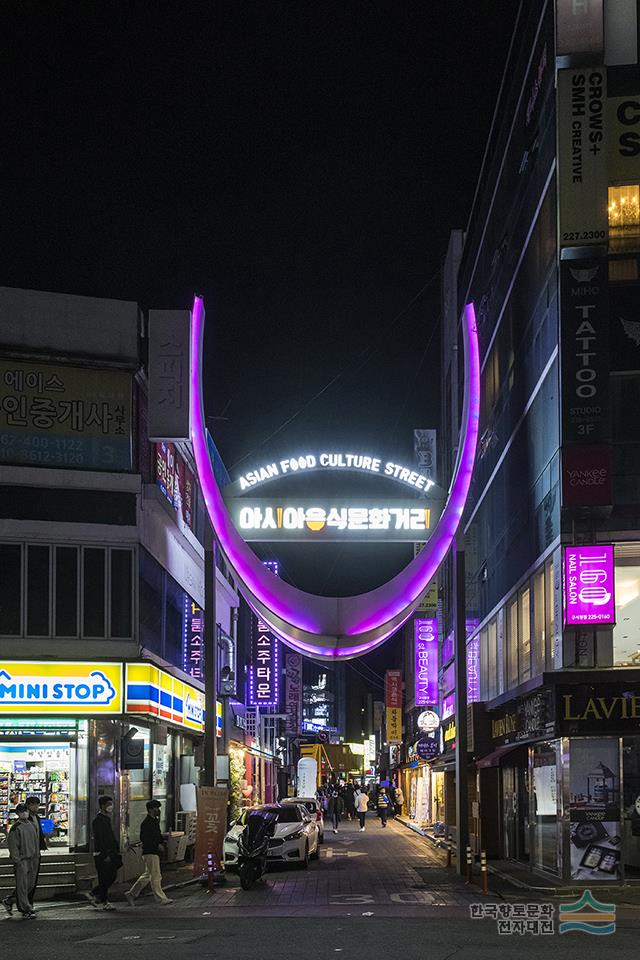 7
7
-
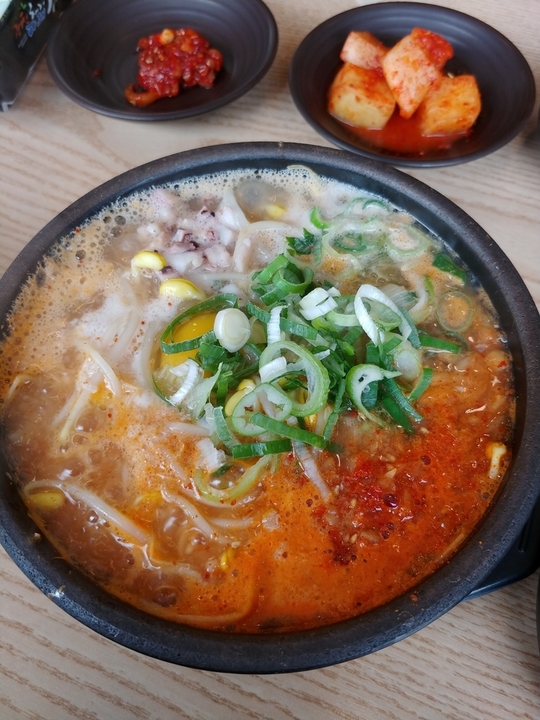 8
8
-
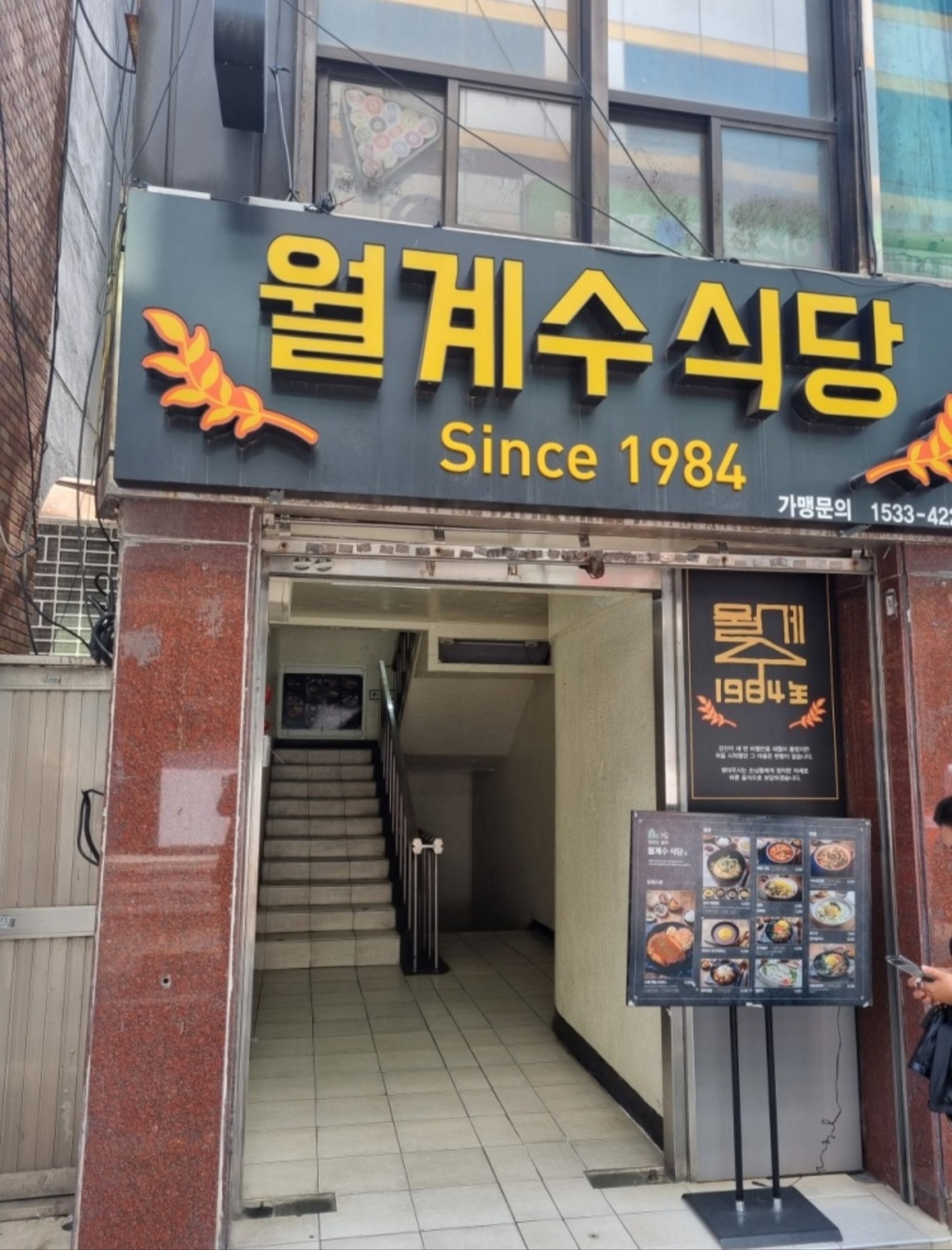 9
9
-
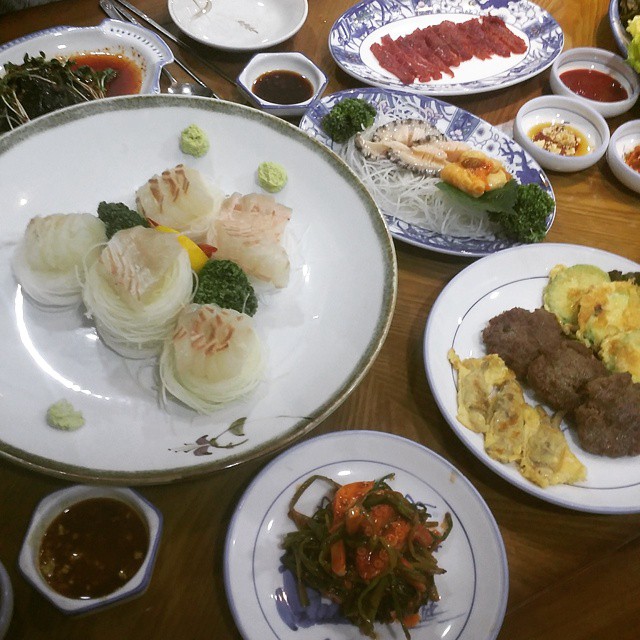 10
10
Events in This Area

Festivals in This Area

More Travel Guides in This Area
 Travel Guide
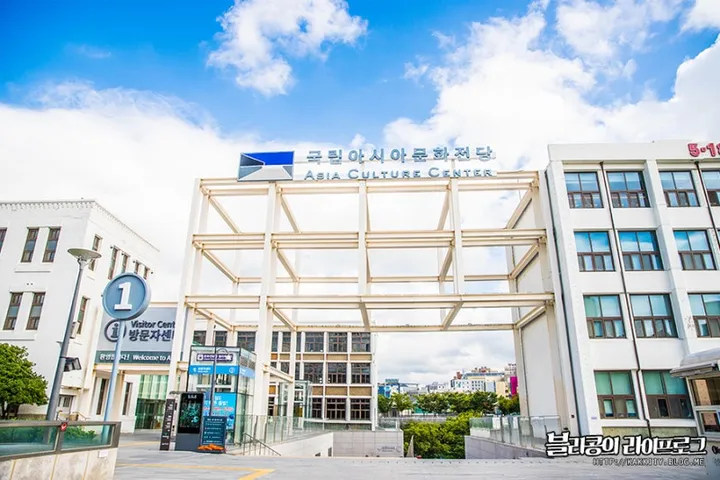
The Main Protest Site of 1980, Today’s May 18 Democracy Square
 Travel Guide
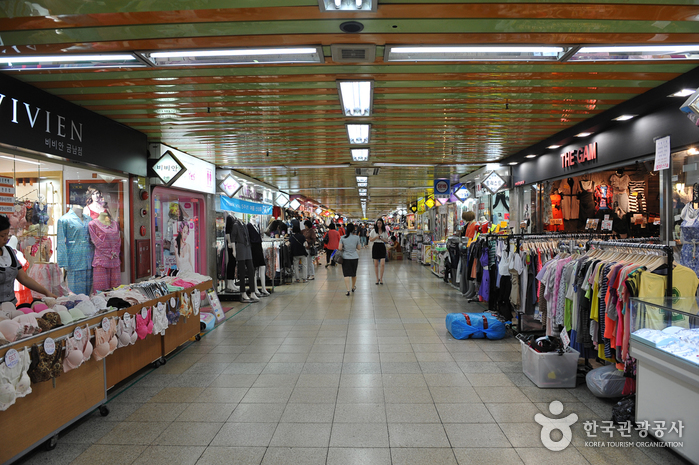
Reading the 360-Meter Underground Shopping Route at Gwangju Geumnam Underground Shopping Center
 Travel Guide
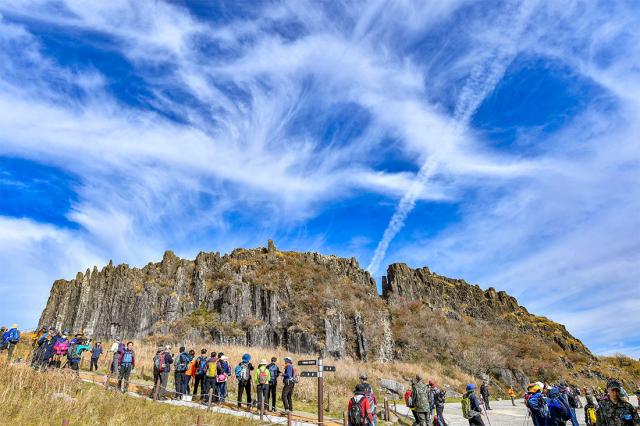
Two Routes Up Gwangju’s Mudeungsan Mountain, Whose Stone Pillars Were Left by a Volcano 87 Million Years Ago
 Travel Guide
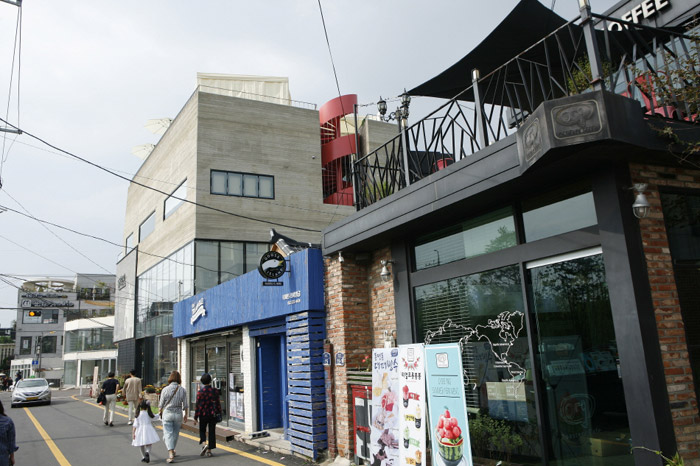
From the alleys of Dongmyeong-dong to Pureungil, where the history of Gwangju’s old downtown became cafés
Korea News
 News
News
TWS heightens comeback excitement with kitschy charm… Anticipation for “plot twist” rises
 News
News
BTS, Six Months After Its Release… ‘Arirang’ Climbs the U.S. Billboard 200
 News
News
'The Nation's Girl Group' RESCENE, Five Girls Transformed into Guardians… Additional Concept Photos for Their 4th Mini Album Revealed
 News
News