Gwangju

国立アジア文化殿堂ACC 光州 企画展と公演を楽しむ

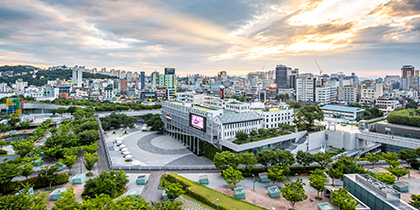
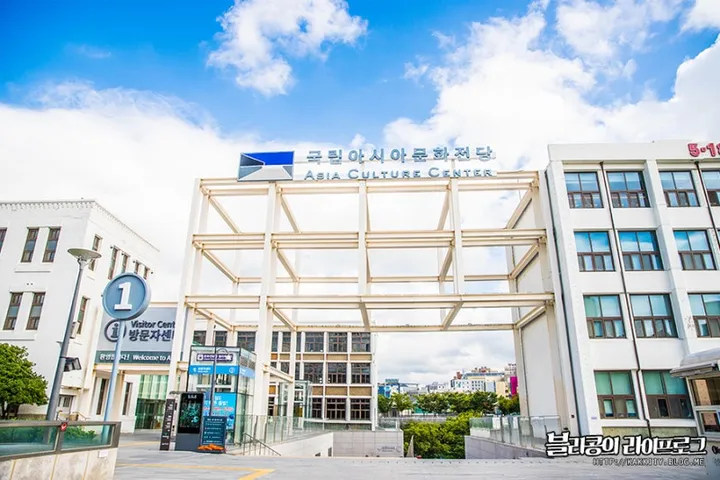
The National Asia Culture Center (ACC) is one of Korea’s leading national cultural and arts institutions focused on Asian culture. It is a multifaceted cultural space that offers a wide range of programs throughout the year, including exhibitions, performances, education, and festivals. Composed of five zones—such as the Democratization and Peace Exchange Center, the Cultural Information Center, the Cultural Creation Center, the Arts Theater, and the Children’s Culture Center—it broadly covers research, archives, creation and production, and hands-on experience functions. Located in Gwangju, this place is also

KOTourLive編集チーム 更新: 2026年6月18日 17 min 384
国立アジア文化殿堂ACC 光州 企画展と公演を楽しむ

概要

Kwangju Kokuritsu Ajia Bunka Dentō

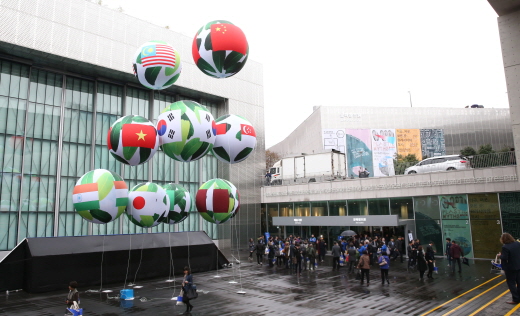
National Asia Culture Center (ACC) is Korea’s leading national cultural and arts institution centered on Asian culture, a multifaceted cultural space that presents a wide range of programs throughout the year, including exhibitions, performances, education, and festivals. It is composed of five areas: the Center for Democratic Exchange, the Culture Information Center, the Culture Creation Center, the Arts Theater, and the Children’s Culture Center, covering research, archives, creation and production, and hands-on experiences. Located in Gwangju, it introduces contemporary art alongside Asian cultural resources and serves as a hub for cultural exchange both within Korea and abroad. It is especially worth visiting for international travelers who want to experience the present and future of Asian culture in Korea all in one place.

ハイライト

Kwangju Kokuritsu Ajia Bunka Dentō 명소 볼거리
  • Center for Democratic Exchange
  • Culture Information Center
  • Culture Creation Center
  • Arts Theater
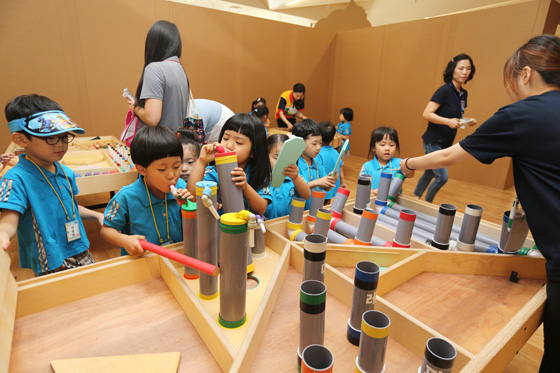
  • Children’s Culture Center

ベストシーズン

Kwangju Kokuritsu Ajia Bunka Dentō 계절 봄 가을

Because the National Asia Culture Center is so large, the most comfortable seasons to visit are spring and autumn. Although most viewing is indoors, the walking routes are long, so a pleasant season is better than days that are too hot or too cold.

The best time of day is 10:00 a.m. to noon. Since major facilities usually open at 10:00, arriving right after opening lets you explore with relatively few crowds. Even if you only view two exhibitions casually, allow at least about 1 hour; if you want to take your time, it is best to set aside 2 hours to half a day.

The recommended days are Tuesday through Thursday. There are fewer visitors than on weekends, so it is better for a quiet visit. Friday to Sunday and public holidays can be relatively busy, and Saturdays and some Wednesdays have extended hours, which is good for staying later, though visitor numbers may increase accordingly.

If you want to avoid crowds, weekday mornings are the safest choice. If you want a leisurely visit, plan for at least 2 hours; if you plan to visit multiple facilities, a half-day itinerary is recommended.

滞在時間の目安

If you tour the National Asia Culture Center quickly, 30 minutes to 1 hour is enough, but if you want to take your time with the exhibitions and main spaces, 2 to 3 hours is usually appropriate. If you also plan to enjoy nearby attractions in downtown Gwangju or join a guided program, it is best to set aside about half a day (roughly 4 to 5 hours).

アクセス

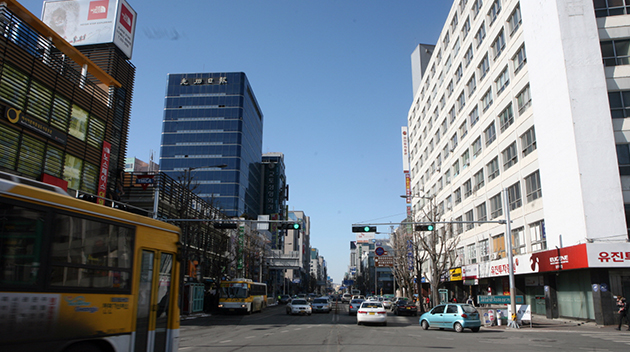
The National Asia Culture Center is in downtown Gwangju, so it is easy to reach by public transportation.

Subway

Take Gwangju Metro Line 1 and get off at Munhwajeondang Station. If you exit through Exit 5 or 6, the entrance to the National Asia Culture Center is right in front of you.

For example, if you arrive at Gwangju Songjeong Station by KTX, transfer to Gwangju Metro Line 1 and get off at Munhwajeondang Station.

Bus

You can take Bus 518. After boarding at Gwangju U-Square Bus Terminal, get off at either National Asia Culture Center (former Provincial Government Office) or Munhwajeondang Station stop.

On Foot

From Munhwajeondang Station Exit 5 or 6, you can walk directly to the center entrance. It is very close to the station, so even first-time international travelers can find it easily.

フォトスポット

  • Photo zone on the right side of the Sky Yard lawn
    Location: Go up to the Sky Yard at the National Asia Culture Center, and it is on the right side of the lawn.
    Photography tip: Use the colorful fabric installation like waves as your background, and shoot facing the photo zone directly.
    Recommended time: Late morning to early afternoon. The colors appear at their most vivid.
  • Miscanthus path leading up to Sky Square
    Location: A miscanthus photo spot along the path leading to Sky Square.
    Photography tip: Stand along the path facing Sky Square, and the miscanthus and walkway will fit into the frame together, making it ideal for natural-looking photos. For portraits, it is better to stand near one edge rather than the center of the path.
    Recommended time: Late afternoon in autumn. The soft sunlight creates an especially atmospheric photo.
  • Sky Yard panoramic view point
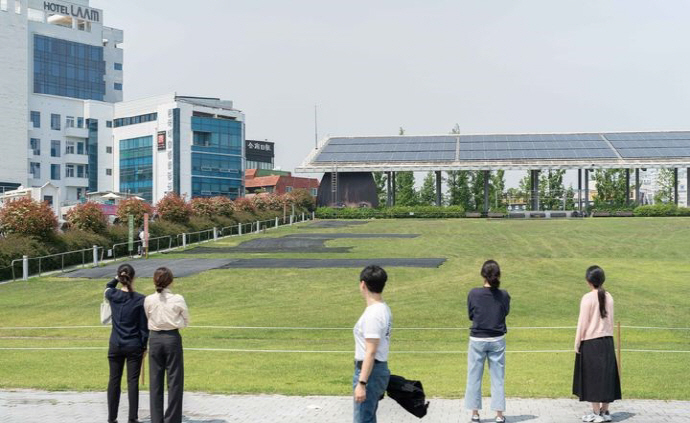
    Location: Around the open space in Sky Yard where downtown Gwangju can be seen.
    Photography tip: Do not turn your back to the city view; include the wide sky and plaza in the background when shooting. It is perfect for travel souvenir photos.
    Recommended time: Around sunset. The sky colors are beautiful and the overall atmosphere is at its best.

夜景

Kwangju Kokuritsu Ajia Bunka Dentō 야경

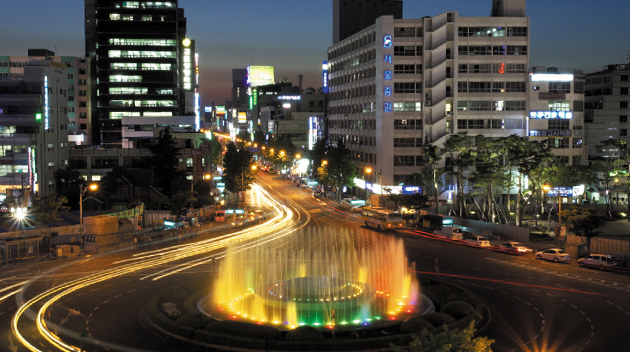
At the National Asia Culture Center (ACC), you can enjoy a city-style night view where lighting and media art come together after dark. In particular, the sculptural spaces that make use of light and the nighttime landscape illumination transform the area into a cultural space with a different atmosphere from the daytime.

The most recommended spot is Sky Yard. You can see the illuminated center area together with the surrounding downtown scenery, making it great for a casual evening stroll and photography. If you want to capture night photos, this is the most popular spot.

The atmosphere is bright and modern, and it is pleasant to enjoy while walking. In some areas, media-art symbolic sculptures and viewer-responsive AI content are also operated, offering a richer nighttime experience than simply viewing lights.

The recommended time is from just after sunset to around 9 p.m. The lights are easiest to see, and it is also suitable for strolling or taking photos. Since light-themed content linked to nighttime tourism promotion projects may be operated, it is a good idea to check the official schedule or on-site guidance before visiting.

季節のガイド

Kwangju Kokuritsu Ajia Bunka Dentō 벚꽃 단풍

The National Asia Culture Center changes greatly with the seasons, making it great for walks and photography. Even travelers staying only briefly can enjoy it more fully if they know the seasonal highlights.

Spring

In spring, pink cherry blossoms are the biggest attraction. When rapeseed flowers are visible together with the cherry blossoms, you can enjoy bright and cheerful scenery, making it especially good for photography. The mild weather also makes it comfortable to stroll slowly around the center.

Summer

In summer, deep greenery wraps around the entire space, and the yellow-flowering Goldenrain tree is especially impressive. The contrast between green leaves and yellow flowers is beautiful and worth noticing while strolling. On hot days, visiting in the morning or late afternoon is more comfortable than at midday.

Autumn

In autumn, the red-colored foliage is especially appealing. The cooler weather makes it pleasant to walk, and the surrounding scenery takes on deeper tones. If your travel schedule is short, visit on a clear afternoon to enjoy the autumn colors.

Winter

In winter, the calm and clear atmosphere stands out. In nearby areas, winter snowy scenery also becomes a seasonal highlight, and when the nighttime lights are on, a more atmospheric stroll is possible. It is best to prepare a warm coat for the cold weather.

If you want seasonal photos, it is best to prioritize spring cherry blossoms, summer Goldenrain trees, and autumn foliage when planning your visit.

地元のヒント

National Asia Culture Centerに近い文化施設のいくつかの展示は無料で見学でき、有料のアトラクションの間でも気軽に立ち寄りやすいです。

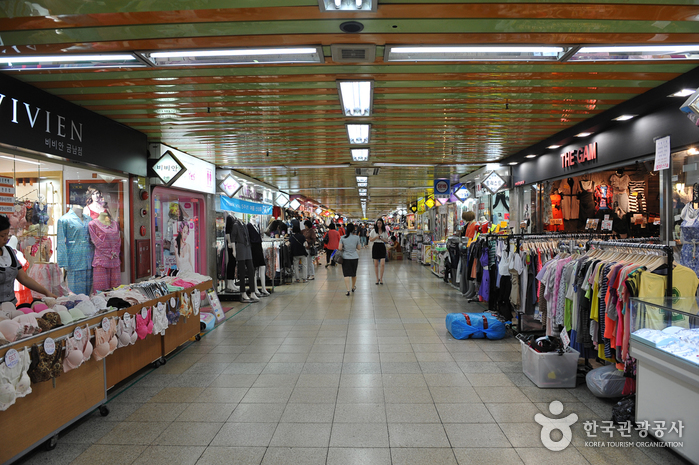
There is a direct connection to Geumnamno 4-ga Station, making subway travel convenient. There are also reviews mentioning subway access to nearby Gwangju Theater, so it is easy to combine surrounding sights into a public-transport itinerary.

スポット情報