Reading the Alleys of Soje-dong Cafe Street, the 100-Year Railway Village Behind Daejeon Station
Soje-dong Cafe Street is an alleyway commercial district formed along the former railway officials’ housing village east of Daejeon Station. It is a place to walk while reading the traces of the 1920s official residences created after Sojeho was filled in, along with the marks left by war and urbanization, as well as today’s cafes and restaurants.

I’ve been here?
Your check-in helps the next traveler.
21 people viewed this week Be the first
One tap — no writing needed
The eastern side of Daejeon Station, with around 40 Donggwan-style houses remaining in Sojeho
The Soje-dong Cafe Street is not a single independent building or a paid tourist facility, but a street where cafes, restaurants, and cultural spaces have gathered in the alleys of the old railway official residence village in Soje-dong, Dong-gu, Daejeon Metropolitan City. The Daejeon tourism guide introduces this area as the "Soje-dong Railway Official Residence Village" near the East Plaza of Daejeon Station, namely Soje-dong Cafe Street, and suggests the alleys east of Daejeon Station and the area around the railway tracks as the walking range.
This area was originally the site of Sojeho. According to Daejeon city materials, after the lake was filled in around the mid-1920s, north, south, and east official residence villages were formed on a scale of about 100 houses for railway officials and engineers. After the Korean War and urbanization, about 40 Donggwan-style houses remain in the present-day Soje-dong area. The low houses with cafes and the narrow alleys are scenery created on the traces of this railway residential district, so rather than expecting only a "new cafe complex," this is an itinerary that also lets you see the living space of a modern railway city.
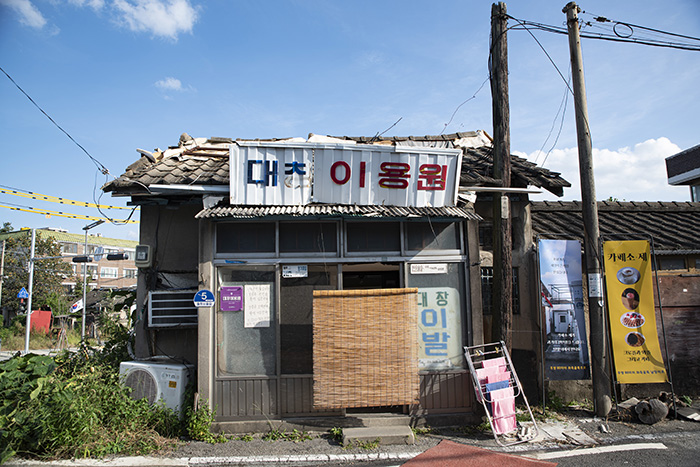
The map of Soje-dong changed after the Honam Line in 1914
Daejeon grew as a railway city where the Gyeongbu Line and the Honam Line meet, and Daejeon city materials explain that nationwide logistics converged on Daejeon after the Honam Line was completed in 1914. As railway operations personnel became necessary, official residences for Japanese railway employees and engineers were established around Sojeho, forming the prototype of today’s Soje-dong railway village.
In the "Latest Daejeon City Map" from 1933, the south official residence village to the left of Daejeon Station Plaza, the north official residence village toward Samsung-dong, and the east official residence village in present-day Soje-dong are distinguished. Records state that the south and north official residence villages disappeared due to bombing during the Korean War, while the east official residence village remained, so the old houses seen in the alleys are not merely retro decoration, but part of Daejeon’s railway history and war history.
- Sojeho: a lake that existed until the mid-1920s
- Official residence village formation: from the mid-1920s to the 1970s
- Official residence village distribution: 3 areas, north/south/east, about 100 houses
- Remaining traces: about 40 Donggwan-style houses in Soje-dong
10 to 15 minutes from the East Plaza of Daejeon Station
For rail passengers, the most intuitive route is to get off at Daejeon Station, where KTX, SRT, and regular trains stop, and head out toward the East Plaza. Daejeon Tourism Guide says that if you walk east from the East Plaza of Daejeon Station, the alley of the Soje-dong Railway Official Residence Village continues, and other travel guides also introduce the area around Soje-dong as about a 10-minute walk from Daejeon Station.
When using Daejeon Station on Subway Line 1, it is also advisable to head toward the East Plaza of Daejeon Station. Rather than pinning your destination to a single point, it is easier to connect the cafes and traces of the official residences in the alley if you start near "Cheolgap-gil 3, 1st floor" and walk toward Suhyang-gil and the banks of Daedongcheon. Since the alley is not very wide and some sections have passing vehicles, it is safer to slow your walking pace rather than wearing earphones and crossing the roadway.
- Starting point: East Plaza of Daejeon Station
- Walking distance: about a 10-minute walk from Daejeon Station
- Reference address: 1st floor, 3 Cheolgap-gil, Dong-gu, Daejeon Metropolitan City
- Walking axis: alleys near Cheolgap-gil, Suhyang-gil, and Daedongcheon
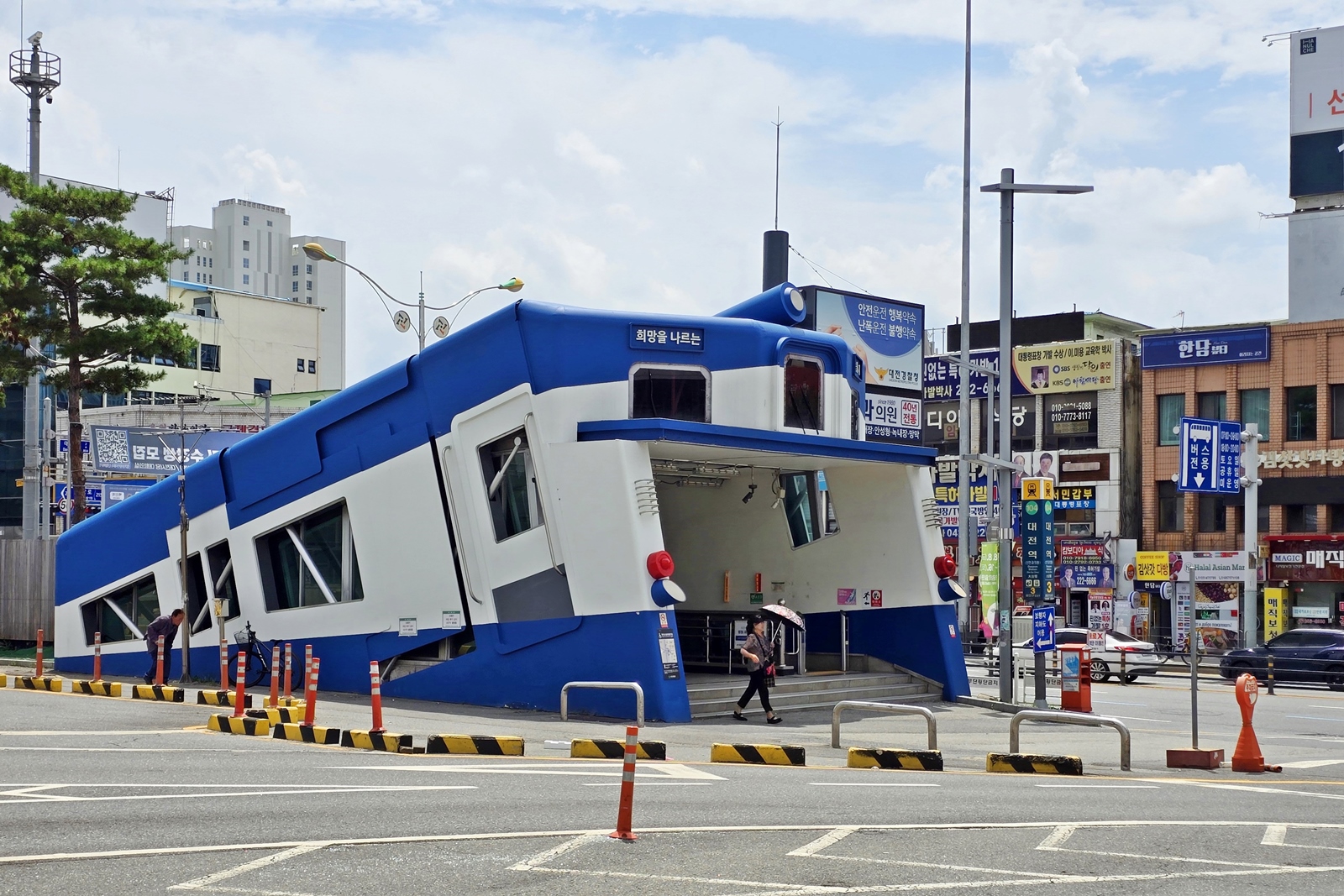
A street with no shared admission fee, but different opening hours by store
Soje-dong Cafe Street is not a place with fixed opening and closing hours or a combined admission ticket like a public facility. Entry to the alley is free, and holidays, opening hours, parking availability, and whether pets are allowed vary by cafe and restaurant. Therefore, rather than relying on a single "cafe street operating hours" figure, you should check the official channel of the 1 or 2 places you plan to visit again on the day of your visit.
For example, Soje Yechan 1927, introduced by Daejeon City, is a complex space using Official Residence No. 16 at 19 Suhyang-gil in Dong-gu. It has been described as operating Wednesday through Friday from 12:00 to 18:00, and Saturday and Sunday from 11:00 to 20:00. As such, even within Soje-dong, operating hours differ, so it is not appropriate to assume that weekday daytime visits and weekend evening visits offer the same options.
- Street admission fee: free
- Shared street operating hours: none
- Shared street closing days: none
- Store usage fee: paid individually depending on beverages, meals, exhibitions, or experiences
- Recommended time to check: morning of the visit or just before departure
Soje Yechan 1927 at 19 Suhyang-gil and the use of Official Residence No. 16
To see how a railway official residence building in Soje-dong has been repurposed for present-day use, "Soje Yechan 1927" at 19 Suhyang-gil is a good example. Daejeon City introduces it as a complex cultural space created in memory of the former Sojeho and says that the old Official Residence No. 16 was used. The "1927" in the name is connected to the era when Sojeho was filled in and the official residence village was formed.
This space is not only a shop that sells tea; it also hosts exhibitions by ceramic artists and tea ceremony experiences. However, since exhibition and experience schedules cannot be assumed to be fixed permanent programs, if you are visiting for a specific event, you should first check whether the operator has issued an announcement. If your itinerary is just a quick stop at one cafe, it is difficult to fully see the historical context of this alley, so it is better to set aside about 1 hour 30 minutes to 2 hours from departure at Daejeon Station.
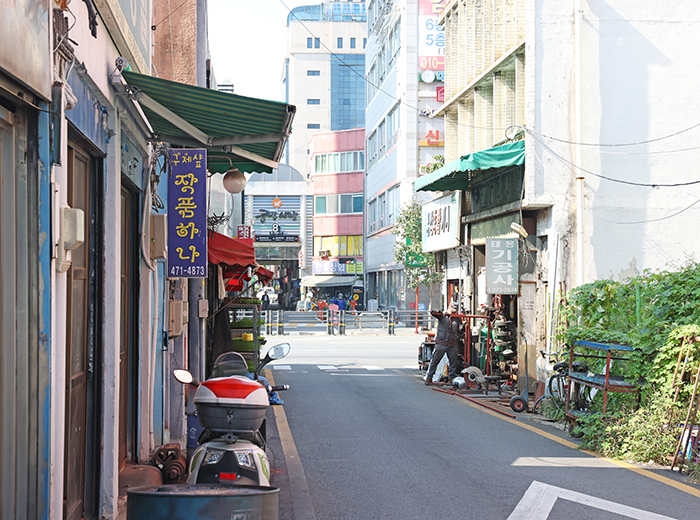
A daytime walk and dusk extending to the banks of Daedongcheon
Soje-dong Cafe Street has sections that meet the banks of Daedongcheon, so rather than lingering at one store for a long time, it suits a style of walking through the railway official residence alleys and the riverside paths together. Recent press photo captions also introduce Soje-dong Cafe Street as extending beside the banks of Daedongcheon. Rather than simply photographing the exterior of the cafes and leaving, it is easier to grasp the scope of the place if you compare the residential alleys in the direction of the railway tracks and the scenery toward Daedongcheon once each.
If your purpose is photography or choosing a cafe seat, it is better to walk in the late afternoon rather than under the strong light of midday, but the closing time of each store varies. On weekends, because of its proximity to Daejeon Station, pedestrians and vehicles may gather together, and roadside parking in the alleys can obstruct others’ passage. It is more realistic to plan a visit that prioritizes trains, the subway, and walking over cars.
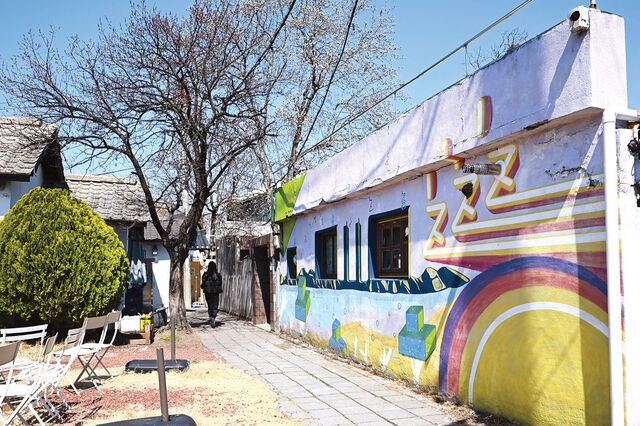
From the railway official residence village to Jeokjeon Market and Jungang Market in 3 hours
Rather than ending with only Soje-dong, combining the railway and market routes in Daejeon’s old downtown makes the character of the place clearer. Korean tourism guidance presents Jeokjeon Market and Daejeon Jungang Market together as nearby destinations to the railway official residence village. Instead of packing a market meal and a cafe visit into the same time slot, the more natural route is to eat at the market first and then have tea in Soje-dong.
Daejeon City’s old downtown tour materials also introduce a 3-hour bus course that connects the former Chungnam Provincial Office building, the former Daejeon Prison watchtower and well, Hanbat Education Museum, the Soje-dong Railway Official Residence Village, and the 3.16 Independence Movement site at Indong Market. However, since this course broadly covers historical sites, you need additional time if you want to visit several cafes. For wheelchair or stroller users, it is safer to inquire in advance with each store, taking into account the uneven ground, narrow passages, and varying entrance widths of the old alleys.
- When only viewing the cafe street: 1 hour 30 minutes to 2 hours recommended
- Jeokjeon Market and Jungang Market combined: half a day recommended
- Example of an old downtown historical tour in Daejeon: about a 3-hour bus course
- Strollers and wheelchairs: advance confirmation of step levels, restrooms, and seat accessibility by store recommended
Before You Go
- Address
- 1st floor, 3 Cheolgap-gil, Dong-gu, Daejeon Metropolitan City
- Admission
- Free
- Official site
- https://daejeontour.co.kr/subway_djt/5?sop=and
- Transport
- After using KTX, SRT, regular trains, and Daejeon Urban Railway Line 1 at Daejeon Station, head toward the East Plaza; about a 10-minute walk to the Soje-dong area
- Parking
- No confirmed shared parking information for the street. The alley can be narrow and crowded, so public transportation is recommended
- Time needed
- 1 hour 30 minutes to 2 hours for a walk through Soje-dong Cafe Street and 1 to 2 cafes
- Accessibility
- Composed of old residential alleys and individual stores, so step levels, entrance widths, and restroom accessibility vary by store. Wheelchair and stroller users should contact the store in advance
The information above is based on the time of writing. Please check the official guidance again before visiting.

Places
Nearby Attractions 5
-
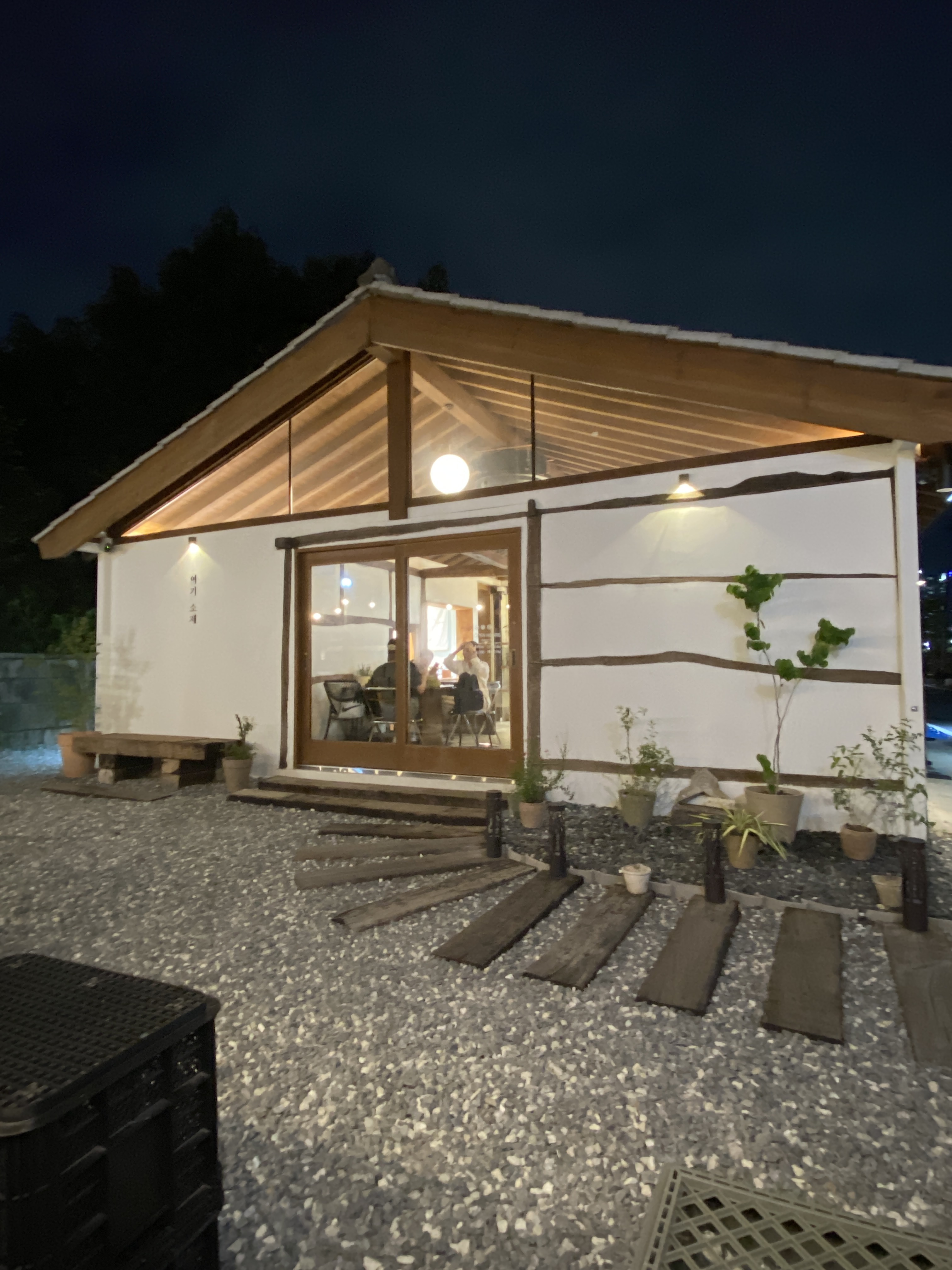 1
Yeo-gi-soje
1
Yeo-gi-soje -
 2
2
-
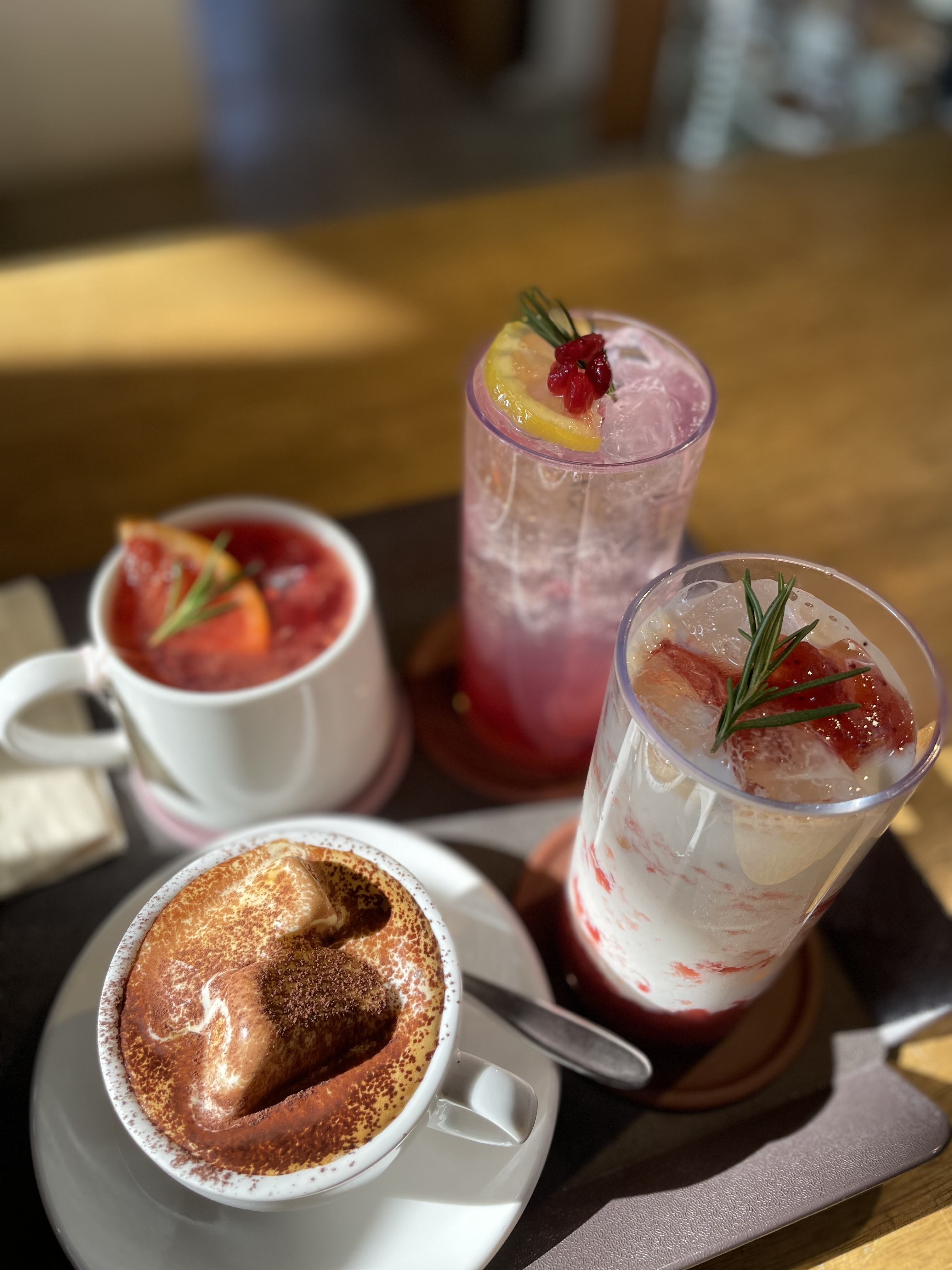 3
ZzZzZ
3
ZzZzZ -
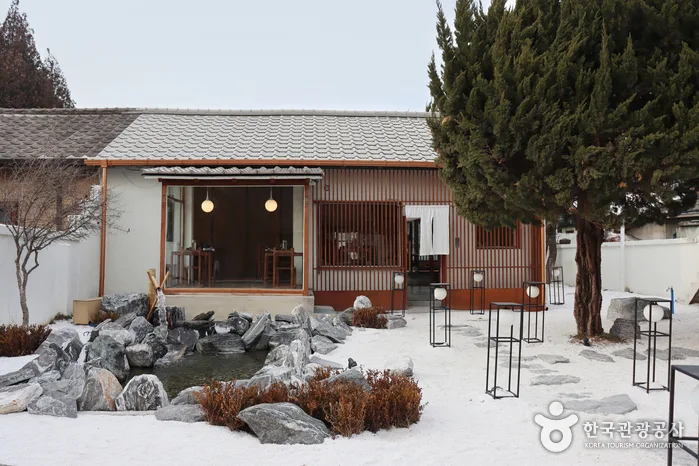 4
Cafe Travel Destinations
4
Cafe Travel Destinations -
 5
5
Food & Dining 5
-
 6
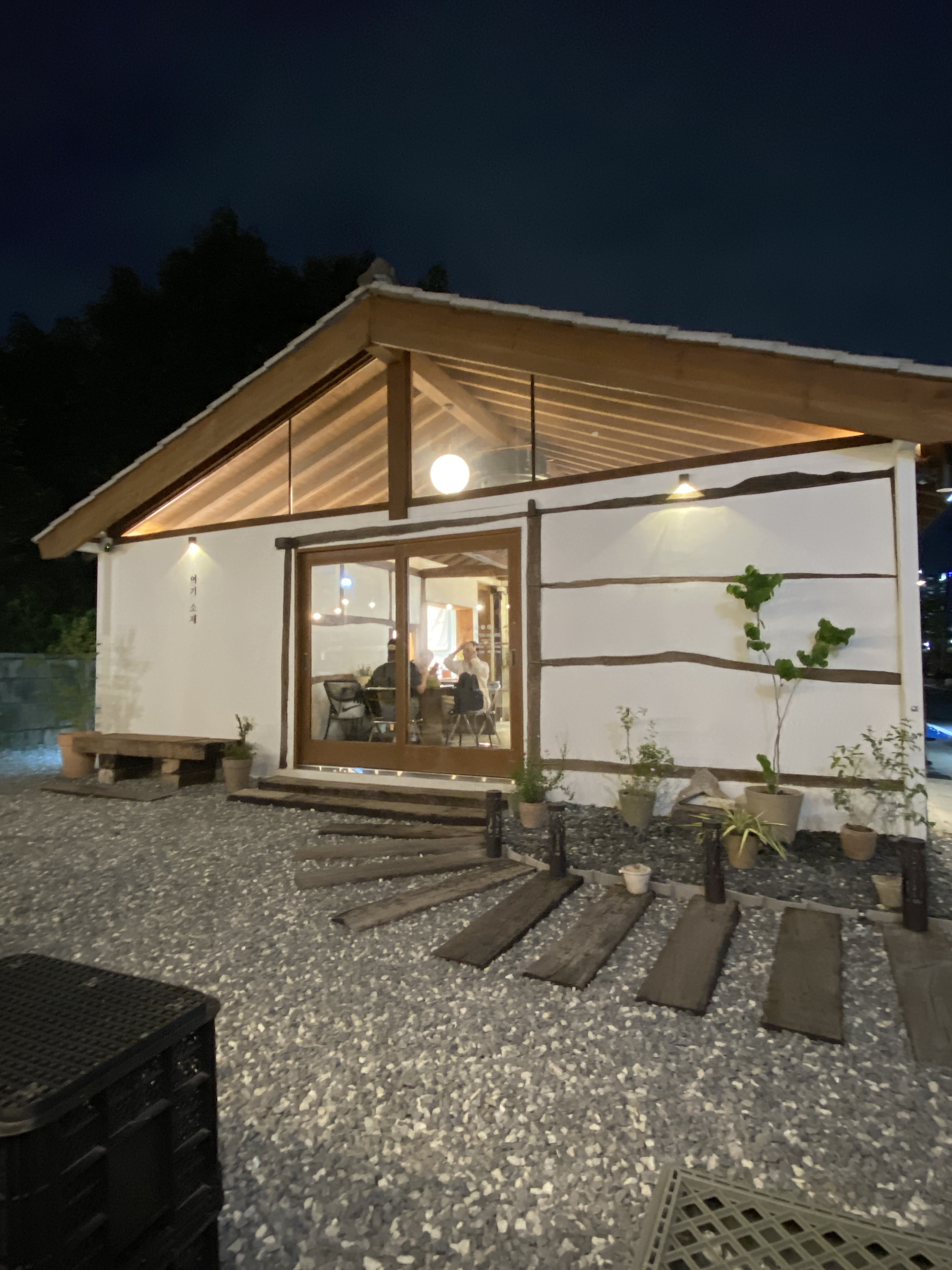
Yeogisoje
6
Yeogisoje -
 7
7
-
 8
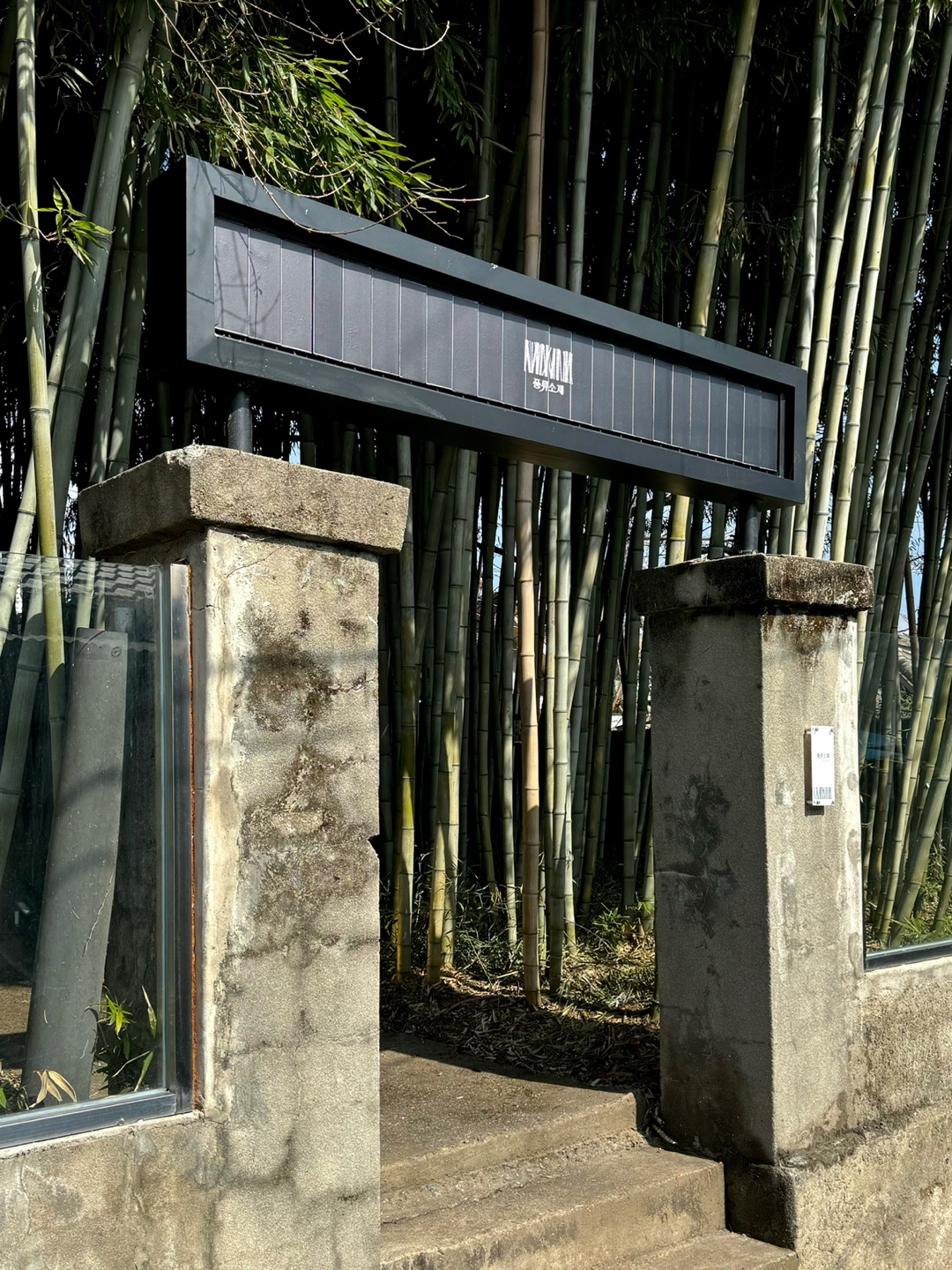
Pungnyu Soje
8
Pungnyu Soje -
 9
9
-
 10
Byeot Pancake Cafe
10
Byeot Pancake Cafe
Events in This Area
Festivals in This Area
More Travel Guides in This Area
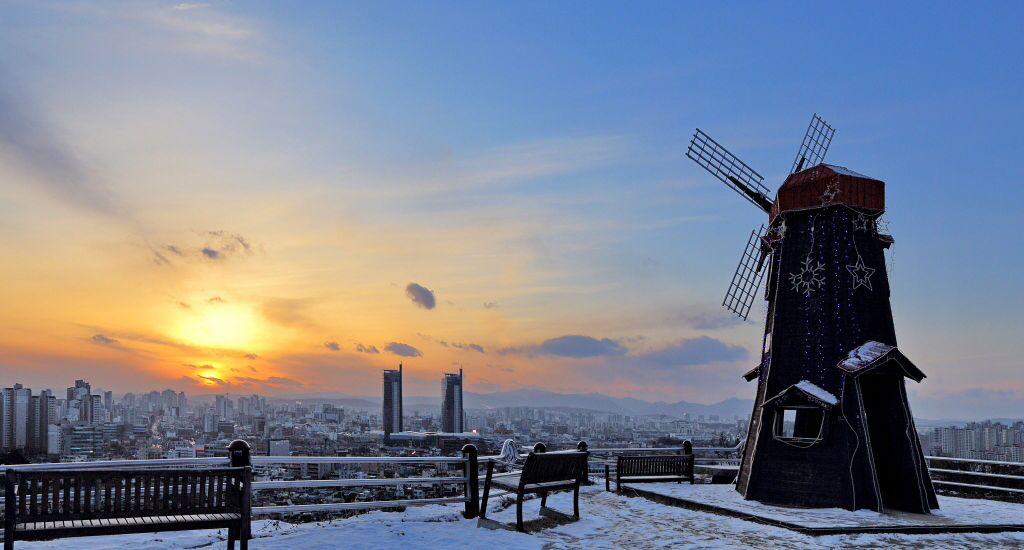 Travel Guide
A Hill in Daejeon’s Dong-gu Where Windmills Meet the Alleys of a Hillside Neighborhood
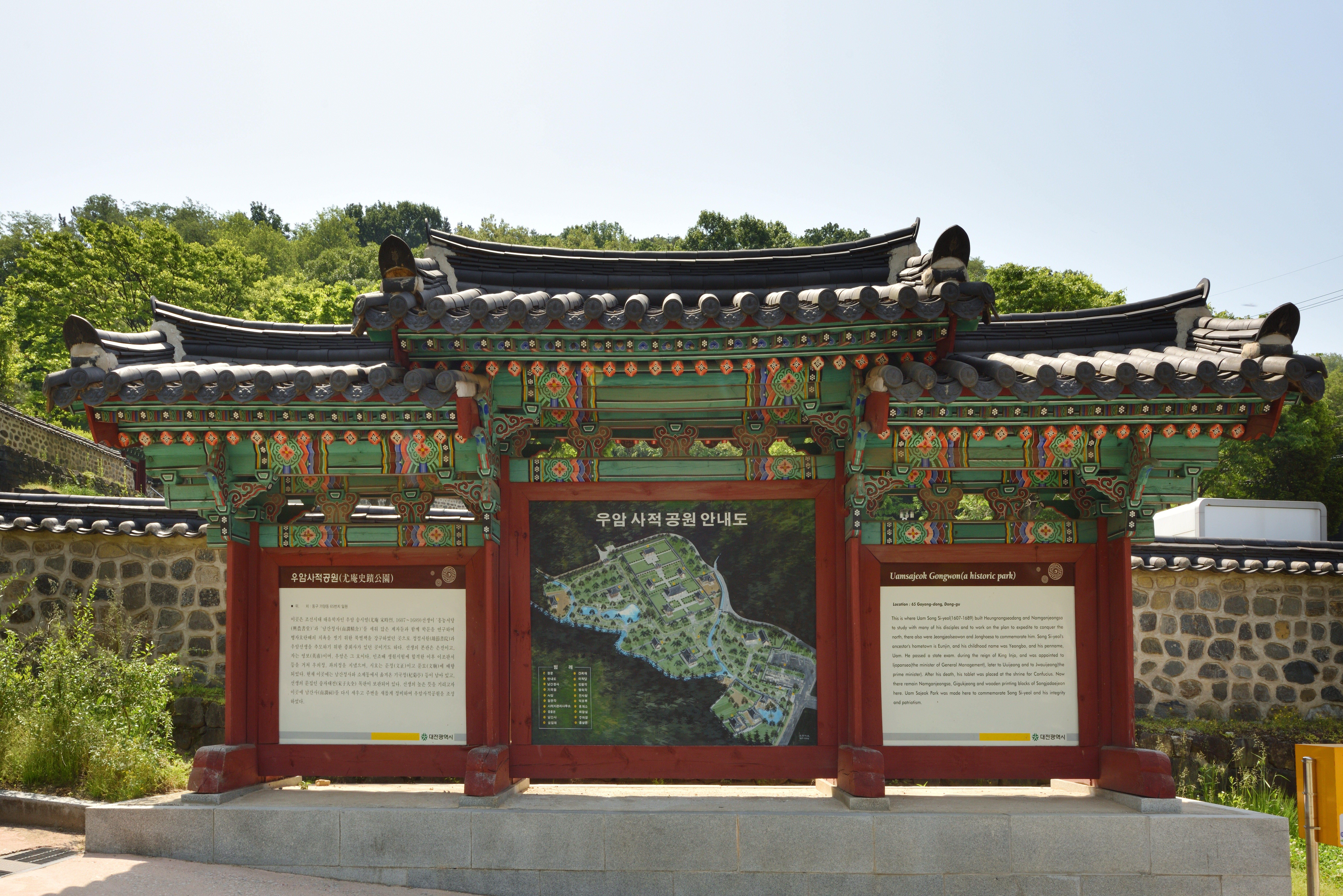 Travel Guide
Daejeon of Wooam Song Si-yeol, Read Along the Waterway of Namganjeongsa
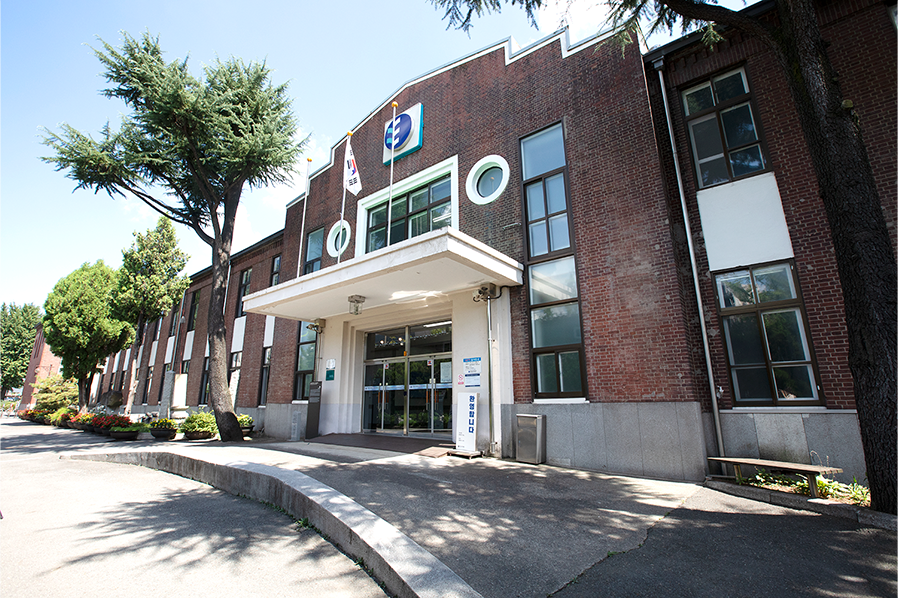 Travel Guide
Discover Daejeon’s School History in a 1938 School Building: Hanbat Education Museum
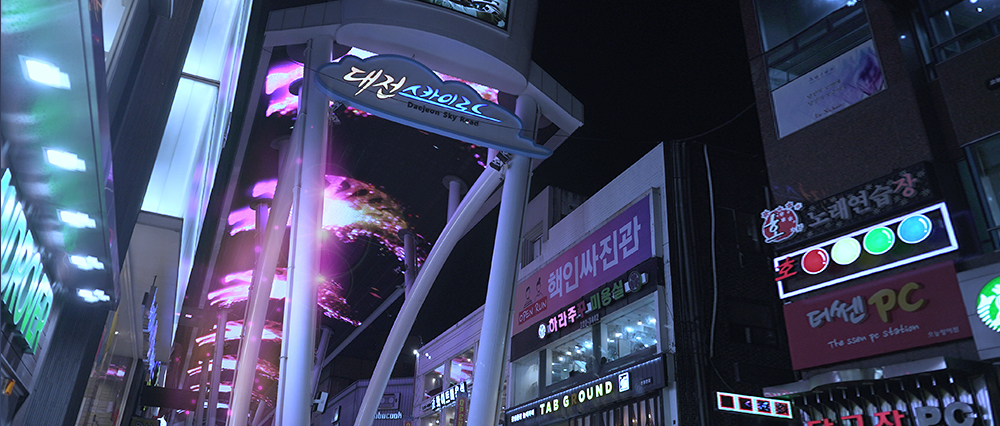 Travel Guide
Daejeon Skyroad Illuminates the Night with a 214 m LED Arcade
Korea News
 News
News
‘NewJeans Expulsion’ Danielle Releases Her First YouTube Video… “We Don’t Know What Will Happen Next”
![aespa’s North American Tour Has Remaining Seats Despite ‘$49’ Bargain Prices… A Stark Popularity Gap with KATSEYE [TEN Starfield]](https://kotourlive-images.s3.ap-northeast-1.amazonaws.com/news/1788485037424_a59b1932_naver_rank_thumb_0000774618_1788485037424.jpg) News
News
aespa’s North American Tour Has Remaining Seats Despite ‘$49’ Bargain Prices… A Stark Popularity Gap with KATSEYE [TEN Starfield]
![[Photo] TWICE’s Dahyun attends a film festival red carpet as an actress](https://kotourlive-images.s3.ap-northeast-1.amazonaws.com/news/1788485316508_edd43ecd_news_870a60a6-6f11-4d73-aa7c-48d91318a0f7.jpg) News
News
[Photo] TWICE’s Dahyun attends a film festival red carpet as an actress
![[On-Site Video] “We’re Departing Separately Together”… BIGBANG Begins ‘COSMOS’ World Tour](https://kotourlive-images.s3.ap-northeast-1.amazonaws.com/news/1788485226518_c5719641_news_fdd4764a-0f4e-4968-8e4e-e98a02872f88.jpg) News
News