Discover Daejeon’s School History in a 1938 School Building: Hanbat Education Museum
Hanbat Education Museum is an education-focused museum that opened in 1992 after the former Daejeon Samseong Elementary School building, completed in 1938, was renovated. Explore textbooks, teaching materials, and school-life artifacts spanning from Joseon-era village schools to the 2009 revised national curriculum. It is within walking distance of Daejeon Station.

I’ve been here?
Your check-in helps the next traveler.
23 people viewed this week Be the first
One tap — no writing needed
How to get from Daejeon Station to 96 Uam-ro for the first time
Hanbat Education Museum is located at 34623, 96 Uam-ro, Dong-gu, Daejeon, Republic of Korea. For visitors from outside the city, the simplest route is to get off at Daejeon Station on Daejeon Subway Line 1 and walk about 10 minutes to the museum. The official directions also explain that visitors should get off at Daejeon Station and walk for approximately 10 minutes.
According to the official directions, the trunk bus routes are 314, 512, 616, 711, 101, 201, 202, 501, 607, 611, 613, 705, 711, 802, and 2002. Branch routes are 606, 614, 622, 60, and 63, while express route 2 is also available. However, the public directions do not provide the stop names for each route or the walking route from the stops to the museum.
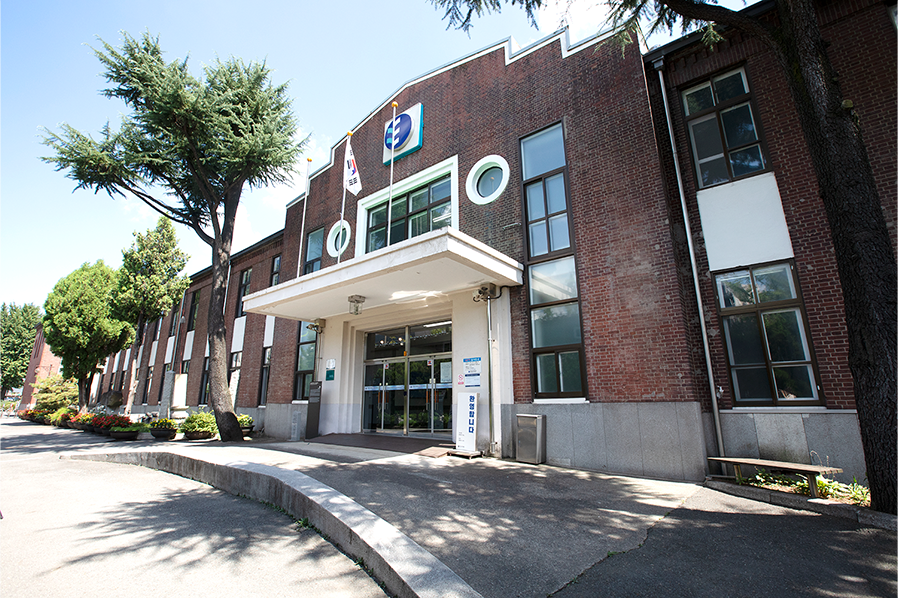
How the 1938 Daejeon Samseong Elementary School building became a museum
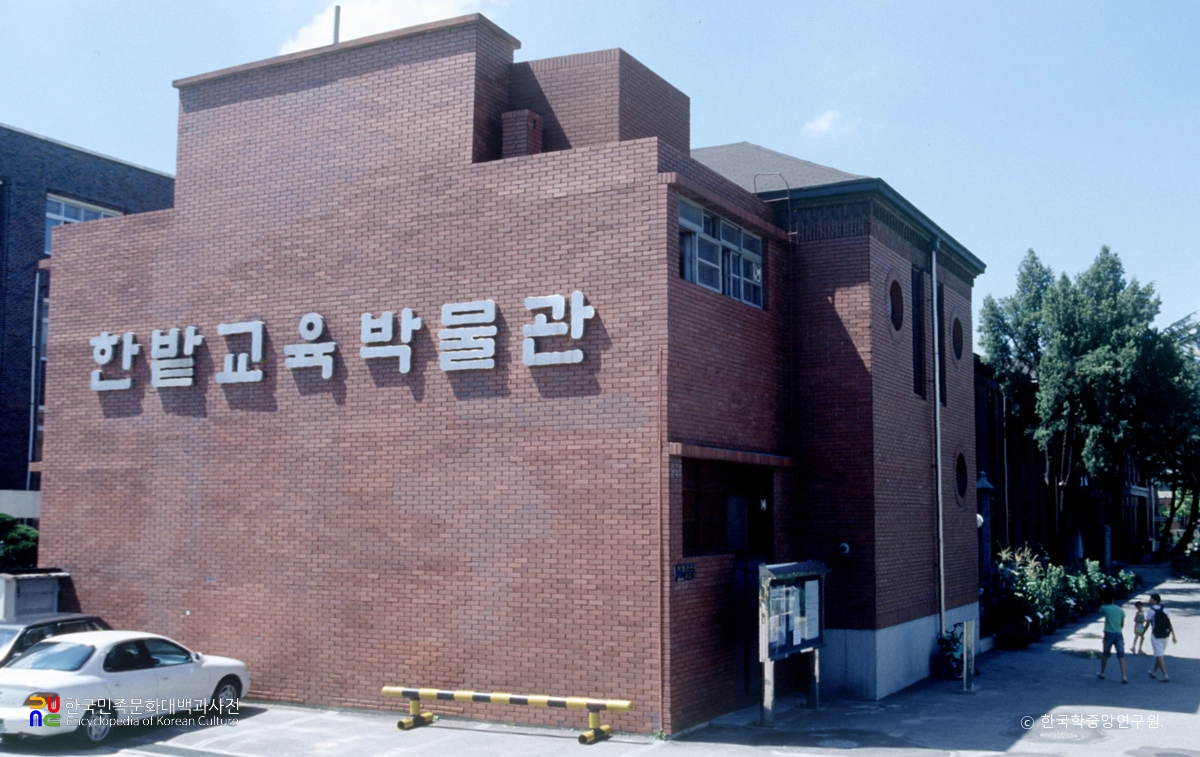
Hanbat Education Museum is a specialized museum in Samseong-dong, Dong-gu, Daejeon. The school building of Daejeon Samseong Elementary School, the oldest school in Daejeon, was completed in 1938 and converted into exhibition rooms to preserve educational materials and strengthen its lifelong education functions.
The museum was established in this building in 1992. The building was subsequently designated as a Cultural Heritage Material of Daejeon on August 23, 2002, and the current official information introduces it as Hanbat Education Museum, Cultural Heritage Material No. 50 of Daejeon. Thus, visitors can view not only the exhibits but also the modern school building itself.
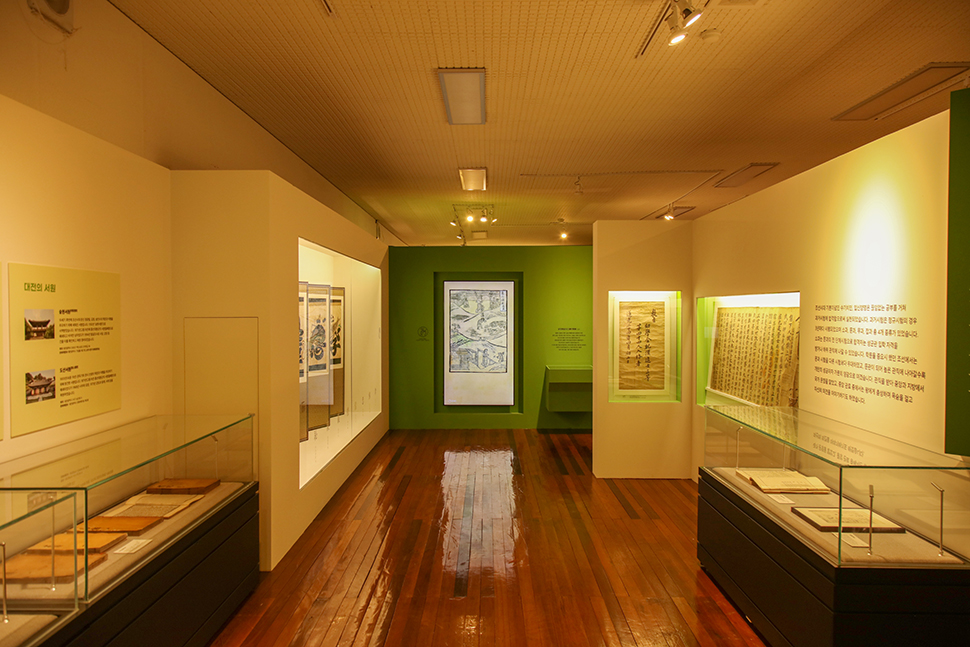
Exhibition rooms presenting education from Joseon (1392–1910) through dioramas
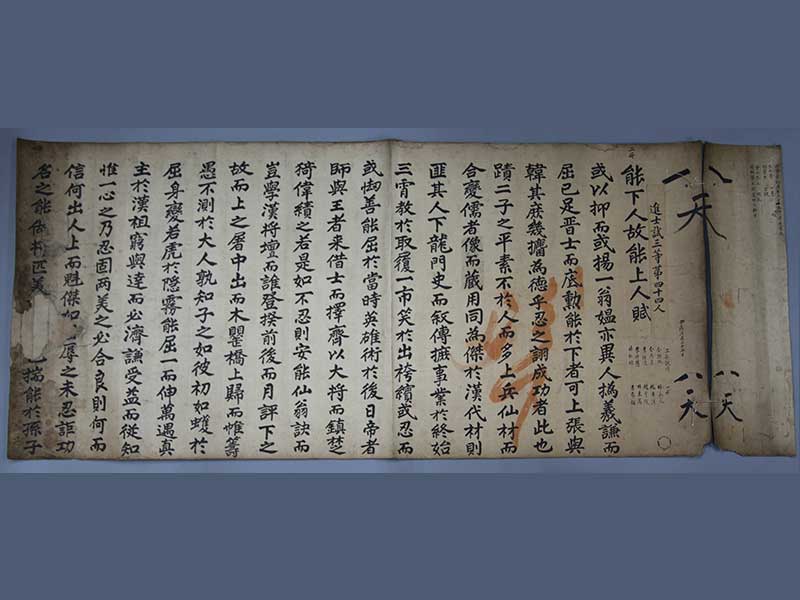
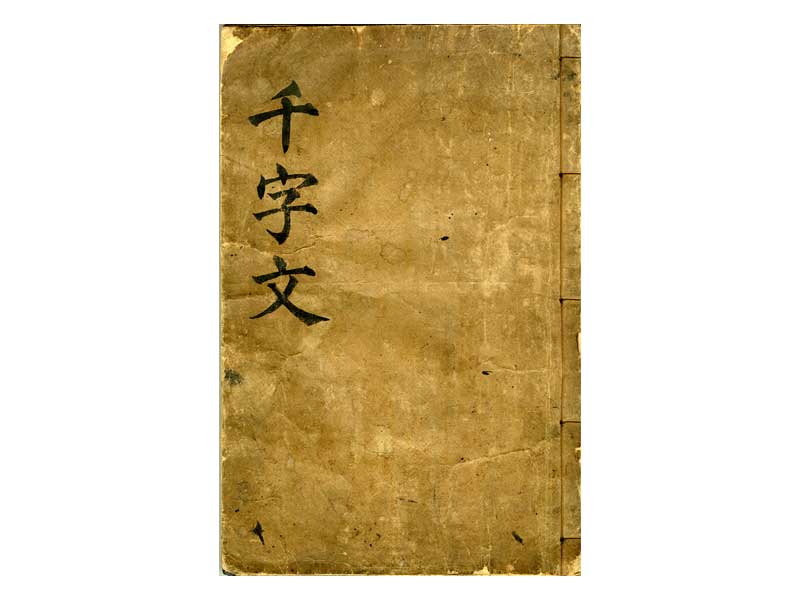
The traditional-era and modernization-period education exhibition covers old books used in Confucian education and artifacts related to civil service examinations. The displayed materials include the Thousand Character Classic, Illustrated Conduct of the Three Bonds, civil service examination answer sheets, Elementary Reader for the People, and Elementary Reader for Young Children. Even visitors who cannot read Korean can compare the forms of the books with the exhibition explanations.
The model room presents educational institutions from the Joseon period, 1392 to 1910, in diorama form. Seodang village schools, seowon academies, hyanggyo local schools, the Four National Schools, and Seonggyungwan appear together in one space, allowing visitors to understand the differences between village education and national educational institutions through realistic building models.
How to view the textbooks and Imperial Subject Oath Monument from 1910 to 1945
The exhibition on education during the Japanese colonial period covers 1910 through the period before liberation in 1945, displaying 95 artifacts and videos depicting the educational scene in Daejeon at the time. Textbooks compiled by the Japanese Government-General of Korea and the Ministry of Education, along with Korean-language readers, are displayed, allowing visitors to examine how colonial education policies were reflected in classroom instruction.
In particular, the Imperial Subject Oath Monument is an exhibit illustrating Japan’s policy of turning Koreans into imperial subjects. An Imperial Subject Oath Pillar and school gate pillars are also displayed in the outdoor exhibition area, so it is natural to continue from the indoor textbook exhibition to the related stone structures outdoors.
School life from immediately after liberation through the 2009 revised national curriculum
The modern education exhibition covers changes from immediately after liberation through the 2009 revised national curriculum. It displays 253 textbooks and teaching aids from the various curricula, along with videos and photographs, so it is arranged not merely to show the school scenery of a particular era but to trace changes in the curriculum itself.
Representative materials include Badugi and Cheolsu, military drill activity equipment, a middle school assignment lottery machine, First Steps in Korean, and We Are First Graders. This section allows visitors to compare the school experiences of their parents’ generation with Korean textbooks and school-assignment systems that may seem unfamiliar to international visitors.
A model rain gauge and hands-on activities in the outdoor exhibition area
The outdoor exhibition area contains stone structures such as an Imperial Subject Oath Pillar, school gate pillars, a treadle mill, and a millstone. Models of a rain gauge, water-level measuring post, self-striking water clock, and the Twelve Zodiac Deities are also displayed, offering a different way to view traditional technologies and scientific instruments than the textbook-focused indoor exhibitions.
Permanent hands-on activities include an agricultural tools exhibition where visitors can handle a mortar, millstone, and plow, as well as a traditional games area for tuho, stone-tossing, and jegichagi. An EduCore photo zone and a wildflower and flower-observation learning area are also operated, giving visitors with children a reason to explore the outdoor space rather than viewing only the indoor exhibitions.
Free admission hours and group tours requiring reservations
Admission is free, and individuals may enter without an advance reservation. From March through October, the museum is open Tuesday through Sunday from 09:30 to 18:00, with last admission at 17:30. From November through February, it is open Tuesday through Sunday from 09:30 to 17:00, with last admission at 16:30, so visitors should leave Daejeon Station earlier in winter.
The museum is closed every Monday, January 1, Lunar New Year’s Day, and Chuseok Day. Group exhibition tours are available for groups of 10 to approximately 20 people and must include elementary school-age children or older; reservations are required at least seven days before the desired date. Tours last 30–50 minutes, and the inquiry telephone number is 042-670-2200. The latest visitor notices and institutional information can be found on the official website.
Parking, accessibility, and rules to follow in the exhibition rooms
The museum has its own parking lot, but parking is limited and officially described as accommodating up to 50 vehicles. Parking fees were not confirmed in the official information. The building has two floors, and the official facility layout indicates that visitors reach the second-floor exhibition rooms via a central staircase. Public information does not confirm whether wheelchairs and strollers can access the second floor or whether an elevator or ramp is installed, so visitors requiring mobility assistance should call in advance.
Smoking is prohibited throughout the museum grounds, and food and pets other than guide dogs may not be brought inside. Before entering the exhibition rooms, visitors must turn off their mobile phones or switch them to vibrate, and touching exhibits is prohibited. Flash photography, tripod use, and commercial photography are also not permitted, so these restrictions should be considered before taking photographs.
What and how much can you see on the 4,200 m² site?
The museum site covers 4,200 m², while the total floor area of the building is 2,117.6 m². The building has two floors, and the official facility table lists 722.7 m² of exhibition space divided into seven exhibition rooms. There is one education room measuring 65.7 m² and two administration rooms totaling 131.4 m².
The resource room consists of one 65.7 m² room, and the collection storage room is also one room measuring 65.7 m². Other public information states that the museum has nine exhibition rooms, four exhibition corners, an information room, office, director’s office, resource room, lounge, and collection storage room, and preserves and displays approximately 27,000 education-related items. Since public information does not specify a recommended visiting time, it is best to plan for the walk from Daejeon Station together with the indoor and outdoor exhibitions without assuming a fixed duration.
Who Hanbat Education Museum suits—and when it may not
It is suitable for visitors who want to view the differences between Joseon educational institutions through dioramas and compare 95 textbooks from the Japanese colonial period with 253 modern education materials in one place. Because admission is free, individual reservations are not required, and the museum can be reached with an approximately 10-minute walk from Daejeon Station, it is easy to include in a short itinerary in central Daejeon.
Conversely, public information does not confirm whether English information, audio guides, or foreign-language exhibition explanations are available. Visitors should also consider the second-floor exhibition rooms, which may require using stairs, and the limited parking space. Without context about Korean schools, the exhibits may be difficult to understand from the textbook titles alone, so groups may find it more suitable to reserve a guided tour for approximately 10–20 people at least seven days in advance.
Before You Go
- Address
- (34623) Hanbat Education Museum, 96 Uam-ro, Dong-gu, Daejeon, Republic of Korea
- Hours
- March–October, Tuesday–Sunday 09:30–18:00 (last admission 17:30) / November–February, Tuesday–Sunday 09:30–17:00 (last admission 16:30)
- Closed
- Every Monday, January 1, Lunar New Year’s Day, and Chuseok Day
- Admission
- Free
- Phone
- 042-670-2200
- Official site
- https://www.hbem.or.kr/
- Transport
- Get off at Daejeon Station on Subway Line 1, then walk approximately 10 minutes. Trunk routes: 314, 512, 616, 711, 101, 201, 202, 501, 607, 611, 613, 705, 711, 802, 2002 / Branch routes: 606, 614, 622, 60, 63 / Express: 2
- Parking
- The museum’s own parking lot is available. Parking fees were not confirmed in the official information. Parking is limited and officially described as accommodating up to 50 vehicles.
- Accessibility
- The second-floor exhibition rooms are shown in the facility layout as being accessed via a central staircase. Public information does not confirm whether wheelchairs or strollers can access the second floor or whether an elevator or ramp is installed.
The information above is current as of the time of writing. Check the official information again before visiting.

Places
Nearby Attractions 2
-
 1
1
-
 2
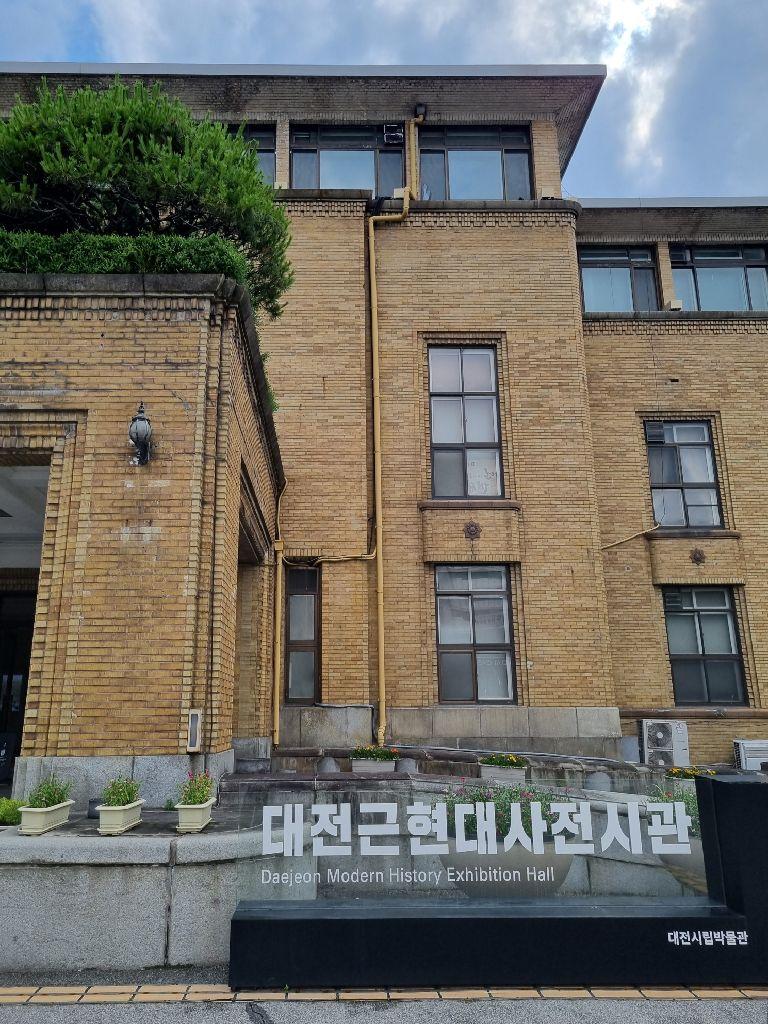
Daejeon Modern and Contemporary History Exhibition HallAn exhibition hall housed in the former Chungnam Provincial Government Office, exploring Daejeon’s modern and contemporary history
2
Daejeon Modern and Contemporary History Exhibition HallAn exhibition hall housed in the former Chungnam Provincial Government Office, exploring Daejeon’s modern and contemporary history
Food & Dining 3
-
 3
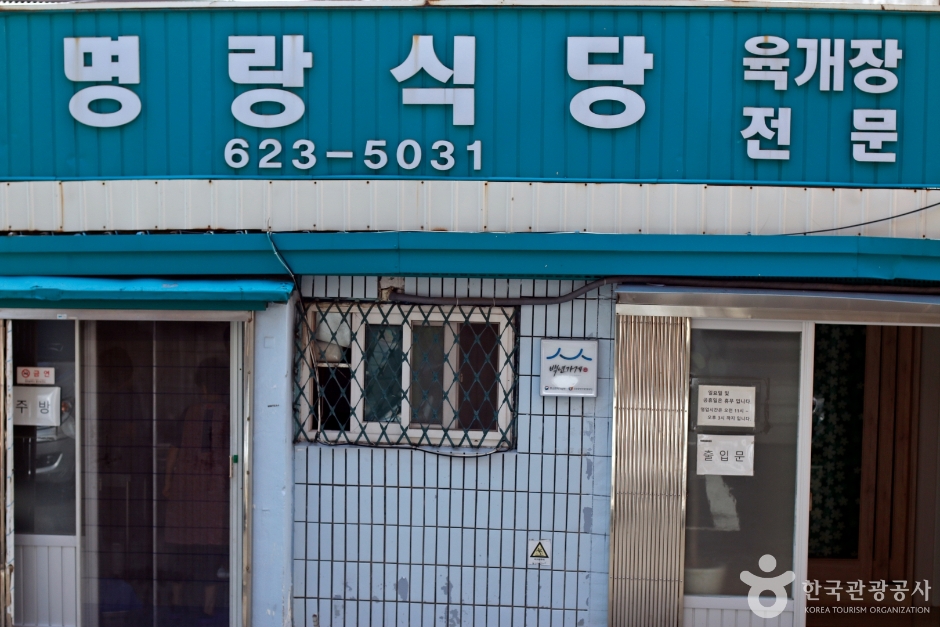
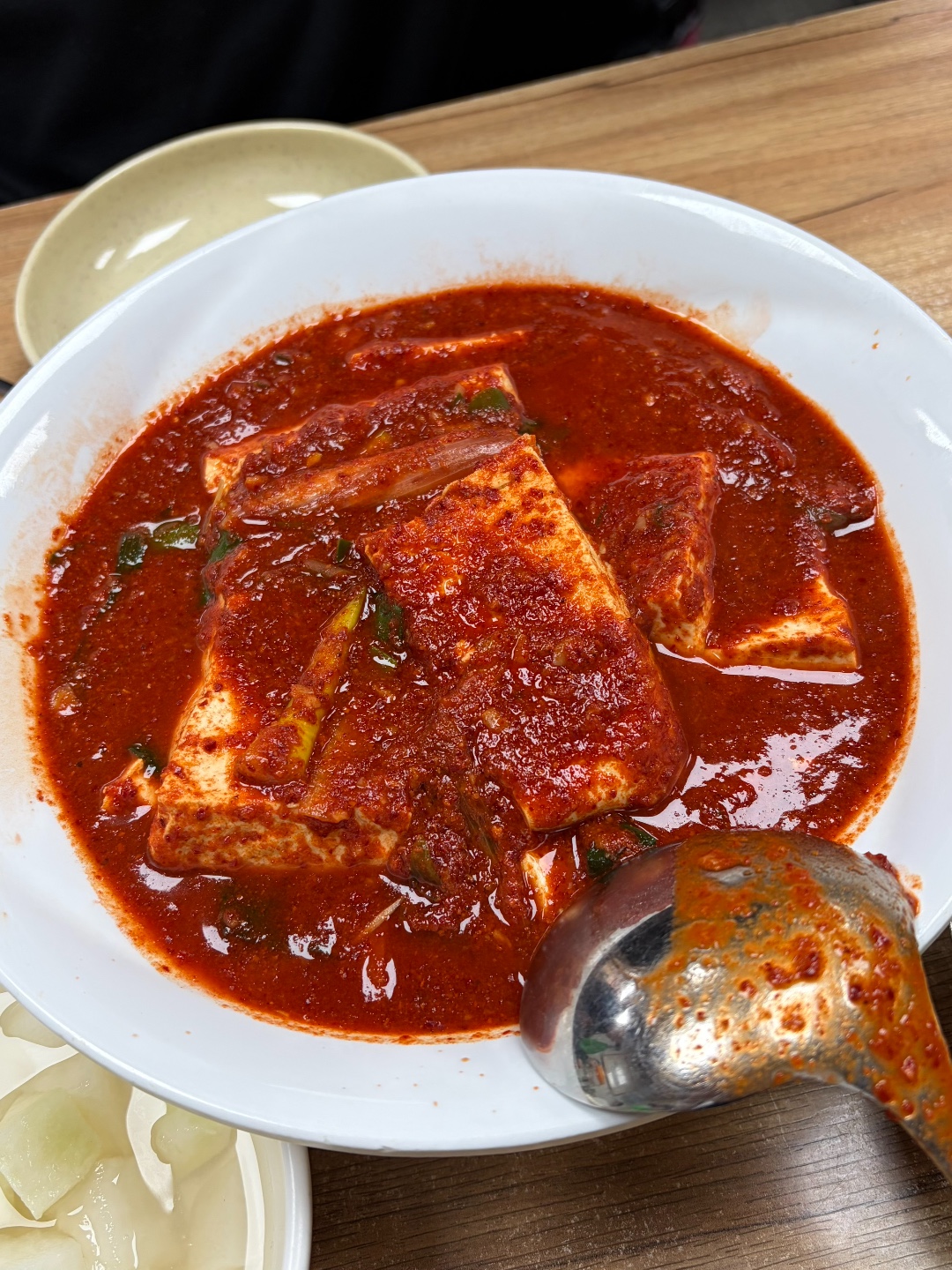
Myeongnang SikdangA Korean restaurant in Dong-gu, Daejeon, known for yukgaejang as its signature dish.
3
Myeongnang SikdangA Korean restaurant in Dong-gu, Daejeon, known for yukgaejang as its signature dish. -
 4
4
-
 5
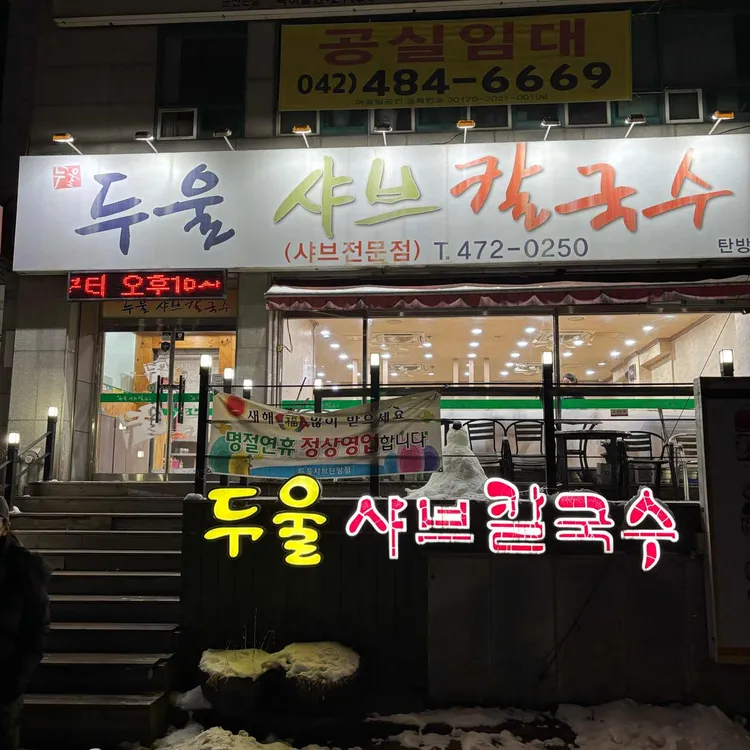
Duul Shabu KalguksuA family restaurant where you can enjoy shabu-shabu and kalguksu together
5
Duul Shabu KalguksuA family restaurant where you can enjoy shabu-shabu and kalguksu together
Events in This Area
Festivals in This Area
More Travel Guides in This Area
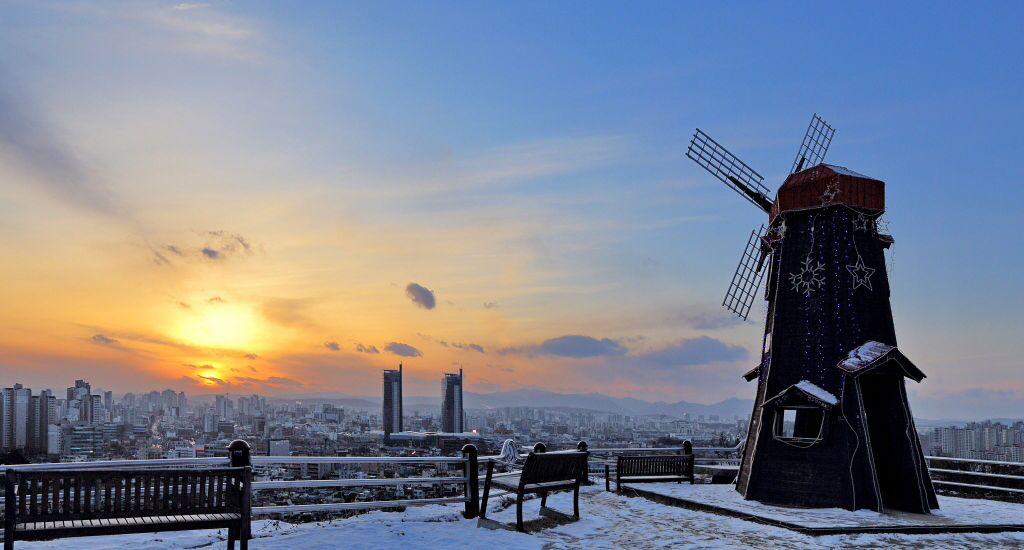 Travel Guide
A Hill in Daejeon’s Dong-gu Where Windmills Meet the Alleys of a Hillside Neighborhood
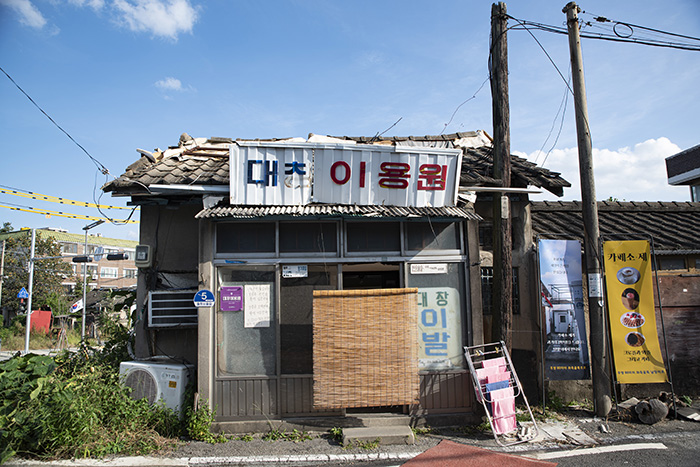 Travel Guide
Reading the Alleys of Soje-dong Cafe Street, the 100-Year Railway Village Behind Daejeon Station
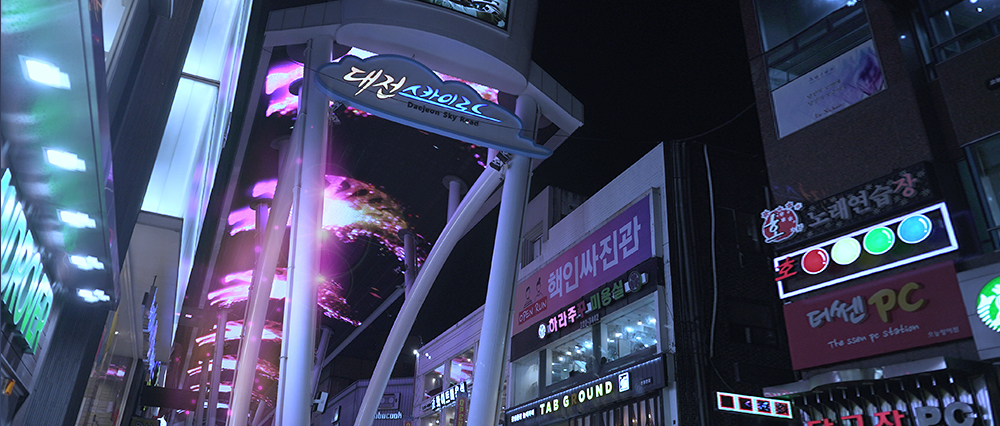 Travel Guide
Daejeon Skyroad Illuminates the Night with a 214 m LED Arcade
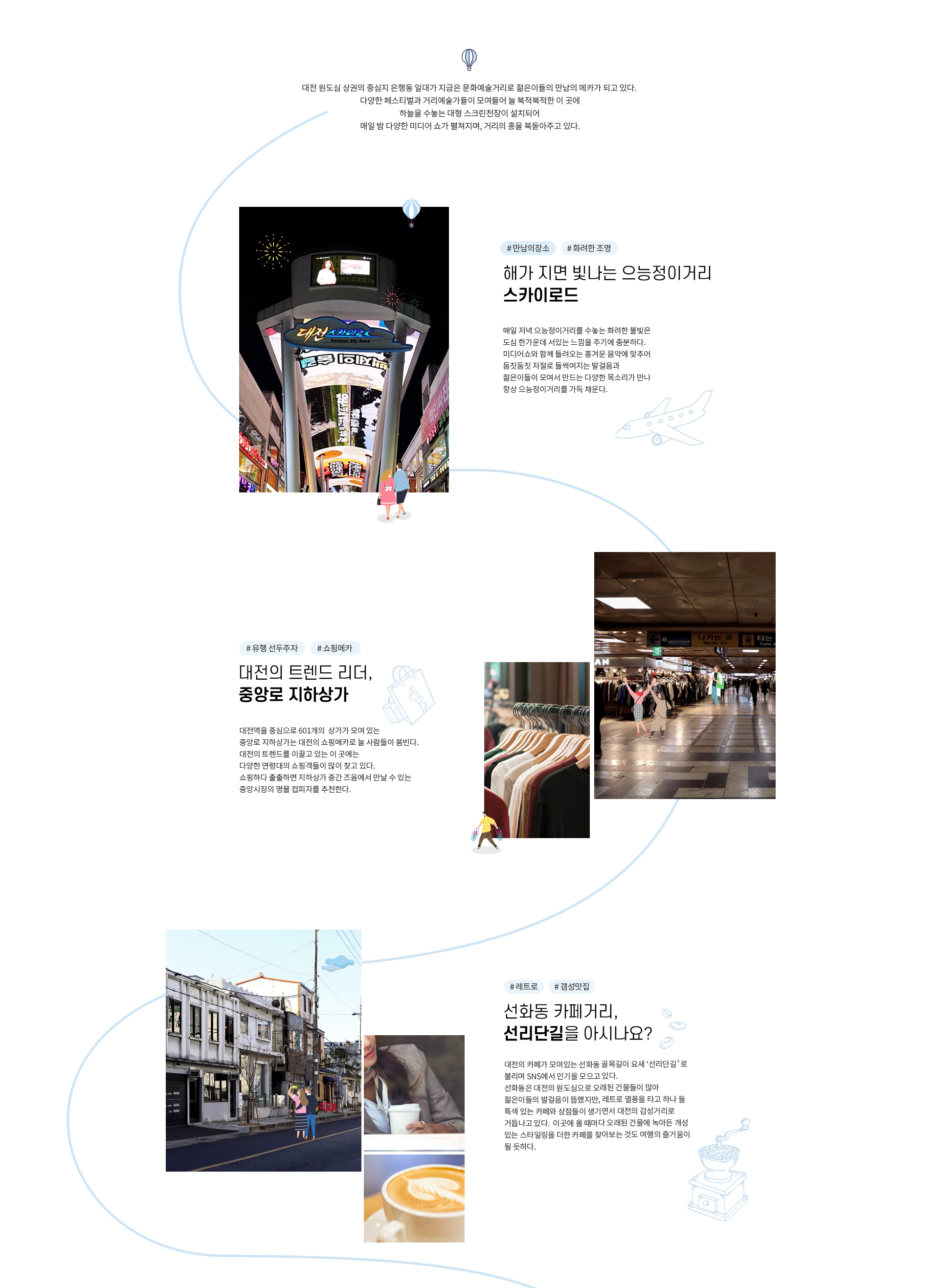 Travel Guide
From Seongsimdang’s alleys to the 214 m Sky Road: A walking route through Euneung-dong, Daejeon
Korea News
 News
News
‘NewJeans Expulsion’ Danielle Releases Her First YouTube Video… “We Don’t Know What Will Happen Next”
![aespa’s North American Tour Has Remaining Seats Despite ‘$49’ Bargain Prices… A Stark Popularity Gap with KATSEYE [TEN Starfield]](https://kotourlive-images.s3.ap-northeast-1.amazonaws.com/news/1788485037424_a59b1932_naver_rank_thumb_0000774618_1788485037424.jpg) News
News
aespa’s North American Tour Has Remaining Seats Despite ‘$49’ Bargain Prices… A Stark Popularity Gap with KATSEYE [TEN Starfield]
![[Photo] TWICE’s Dahyun attends a film festival red carpet as an actress](https://kotourlive-images.s3.ap-northeast-1.amazonaws.com/news/1788485316508_edd43ecd_news_870a60a6-6f11-4d73-aa7c-48d91318a0f7.jpg) News
News
[Photo] TWICE’s Dahyun attends a film festival red carpet as an actress
![[On-Site Video] “We’re Departing Separately Together”… BIGBANG Begins ‘COSMOS’ World Tour](https://kotourlive-images.s3.ap-northeast-1.amazonaws.com/news/1788485226518_c5719641_news_fdd4764a-0f4e-4968-8e4e-e98a02872f88.jpg) News
News