Palgongsan — From Silla’s Central Mountain to Korea’s 23rd National Park
Palgongsan is a 1,192.3-meter mountain spanning Daegu’s Dong-gu district and the five cities and counties of Gyeongsan, Yeongcheon, Chilgok, and Gunwi. On December 31, 2023, it was elevated from a provincial park to a national park after 43 years. With historic temples such as Donghwasa and Pagyesa, the Gatbawi Buddha statue from Unified Silla, and a six-passenger cable car, it attracts not only hikers but also many families and couples.
I’ve been here?
Your check-in helps the next traveler.
18 people viewed this week Be the first
One tap — no writing needed
From Buak (Father Peak) to Palgongsan — Two Histories Engraved in Its Name
The name Palgongsan became established only during the Joseon period. During the Silla period, Palgongsan was called Buak (Father Peak), Jungak (Central Peak), or Gongsan (Public Mountain), while during the Goryeo period it was generally called “Gongsan.” Upon entering the Joseon period, it came to be known by its present name, Palgongsan. It was revered as a sacred mountain from an early period, having been designated Jungak among the Five Sacred Mountains (Oaksan), where the Silla royal family prayed for the nation's peace and prosperity.
Another story associated with the mountain dates back to the Later Three Kingdoms period. According to an autumn 2025 article by a travel media outlet, the name “Palgongsan” is said to have originated from the story of Wang Geon losing his comrades in battle during the Later Three Kingdoms period. Present-day Palgongsan National Park catches the eye from anywhere in downtown Daegu as a mountain range blocking the northern sky, owing to its distinctive terrain, with Birobong (1,193 m), Dongbong, and Seobong rising prominently along granite ridges spread out like a folding screen.
Provincial Park in 1980, National Park No. 23 as of December 31, 2023
Palgongsan, centered around the mountain peak at an elevation of 1,192.3 m, was designated a provincial park in 1980 and promoted to national park status in 2023. This promotion came 43 years after its designation as a provincial park. According to Maeil Shinmun, Daegu Metropolitan City and Gyeongsangbuk-do signed an agreement in April 2021 and jointly proposed the national park designation to the Ministry of Environment in May of that year. After completing the relevant procedures, the Ministry of Environment announced the designation of Palgongsan as a national park on June 23. At the same time as the designation, national park management duties were transferred to the Korea National Park Service, and the Palgongsan National Park Office opened and began operations.
The park covers a total area of 126.852 km², of which Daegu Metropolitan City accounts for 35.365 km². However, following Gunwi County’s incorporation into Daegu in 2023, 44.9% of Palgongsan’s total area belongs to Daegu Metropolitan City, while the remaining 55.1% belongs to Gyeongsangbuk-do. Management is divided between two offices. The Palgongsan National Park Eastern Office (68 Palgongsan-ro 185-gil, Dong-gu, Daegu Metropolitan City; main telephone 053-989-8300) is responsible for the Daegu–Gunwi area. The national park contains cultural heritage sites, including two National Treasures and five Treasures, as well as 19 temples scattered throughout the area, making it a mountain where visitors can combine hiking with Buddhist cultural exploration.
Donghwasa — From Yugasa, Founded in 493, to the World’s Largest Stone Buddha
There are several theories about the founding date of Donghwasa on the southern foothills of Palgongsan, but the temple’s historical records generally agree. The website of the Jogye Order of Korean Buddhism states that Donghwasa was founded by Geukdal in 493 and was initially called Yugasa. Later, in 832, the seventh year of the reign of King Heungdeok of Silla, Royal Preceptor Simji rebuilt the temple. It is said that although it was winter at the time, paulownia flowers were in full bloom around the temple, so its name was changed to Donghwasa. However, the Encyclopedia of Korean Culture also presents the theory that the actual founding took place around the ninth century, since 493, during the reign of King Soji, was before Buddhism was introduced to Silla. Academic disagreement therefore remains regarding the exact founding date.
Donghwasa also played an important role during the Imjin War. Located below Donghwasan, the temple was founded during the Silla period and served as a place where Yujeong commanded a monk army during the Imjin War. Among structures created in the modern and contemporary periods, the most striking is the Unified Medicine Buddha, which reaches a total height of 33 m and is the world’s largest stone Buddhist statue. Construction began on October 26, 1990, and the eye-opening ceremony was held on November 27, 1992. Every autumn, the Palgongsan “Seungsi,” a traditional marketplace exclusively for monks that was held in mountain temples during the Joseon period, has been held for about five days under Donghwasa’s direction since 2010. A chrysanthemum festival is held at the same time.
Pagyesa and King Yeongjo, the Temple Linked to a Royal Birth Legend
Pagyesa, a branch temple of Donghwasa, is famous for its connection with the Joseon royal family. According to a legend recorded in the Daegu History and Culture Encyclopedia, in 1693, the 19th year of King Sukjong’s reign, Sukjong dreamed that an eminent monk named Gobaksan entered the royal palace and illuminated it with auspicious light. He later learned that the monk was Yeongwon, who was residing at Pagyesa. Sukjong asked Yeongwon to pray for the conception of a prince, and after 100 days of prayer, a prince was born in 1694. That prince was King Yeongjo. In gratitude, Sukjong ordered Pagyesa to undergo extensive renovations.
This connection was not preserved only in documents. In 1696, the 22nd year of King Sukjong’s reign, Pagyesa was established as a royal memorial temple enshrining the spirit tablets of Kings Deokjong, Seonjo, Sukjong, and Yeongjo, as well as royal calligraphy by Kings Sukjong, Yeongjo, and Jeongjo. Much of the debate over the factual basis of the legend was resolved by physical evidence in the latter half of the 20th century. Wikipedia summarizes that during the 1979 gilding restoration of the Gwanseeum Bodhisattva statue in Wontongjeon Hall at Pagyesa, a robe worn by King Yeongjo himself was discovered among the reliquaries inside the statue, once again proving Pagyesa’s status as a royal memorial temple.
Gwanbong at 850 m, the Gatbawi Buddha, and 1,365 Stone Steps
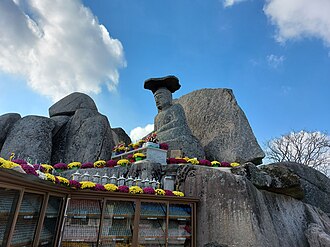
At the summit of Gwanbong, located at the southeastern end of the Palgongsan ridge and extending into Wachon-myeon, Gyeongsan, stands a Buddhist statue from the Unified Silla period. Wikipedia explains that it was created during the North–South States period and is widely known as the “Palgongsan Gatbawi.” The statue is considered one of the masterpieces representing the monumental Buddhist statues of the ninth century and has been designated Treasure No. 431. Interestingly, the name of the peak itself changed because of the statue. The peak where the statue stands was not originally called Gwanbong, but the statue wearing a “gat” crown became famous from the Goryeo period onward, leading to the unusual renaming of the peak as Gwanbong.
Interpretations of the statue’s identity also changed over time. According to local historical records, people called the Gatbawi Buddha the Gwanam Maitreya Buddha in Hwaseongji, compiled in 1934, and believed that prayers for rain or blessings would be answered immediately. Later, in 1962, the Dong-A Ilbo referred to the Gatbawi statue as a Medicine Buddha and introduced related oral traditions. From that point, the view that it was a Medicine Buddha became more influential. The stone slab shaped like a traditional gat resembles a scholar’s cap, and many people pray for students preparing for examinations. This is one reason the statue became a nationally renowned place of prayer.
There are two routes up to Gatbawi. The “front route” from Daegu’s Dong-gu passes through Gwanamsa Temple and requires climbing 1,365 stone steps. The “back route” from Gyeongsan is relatively gradual; the distance from the Seonbonsa Temple parking lot to Gatbawi is about 900 m, and the steps are wider and the slope gentler than on the front route. Visitors are informed that about 30 minutes is sufficient. It is also said that the number 1,365 symbolizes a popular attraction visited on all 365 days of the year.
Eight Minutes to Sinrimbong at 820 m — A Complete Guide to the Palgongsan Cable Car
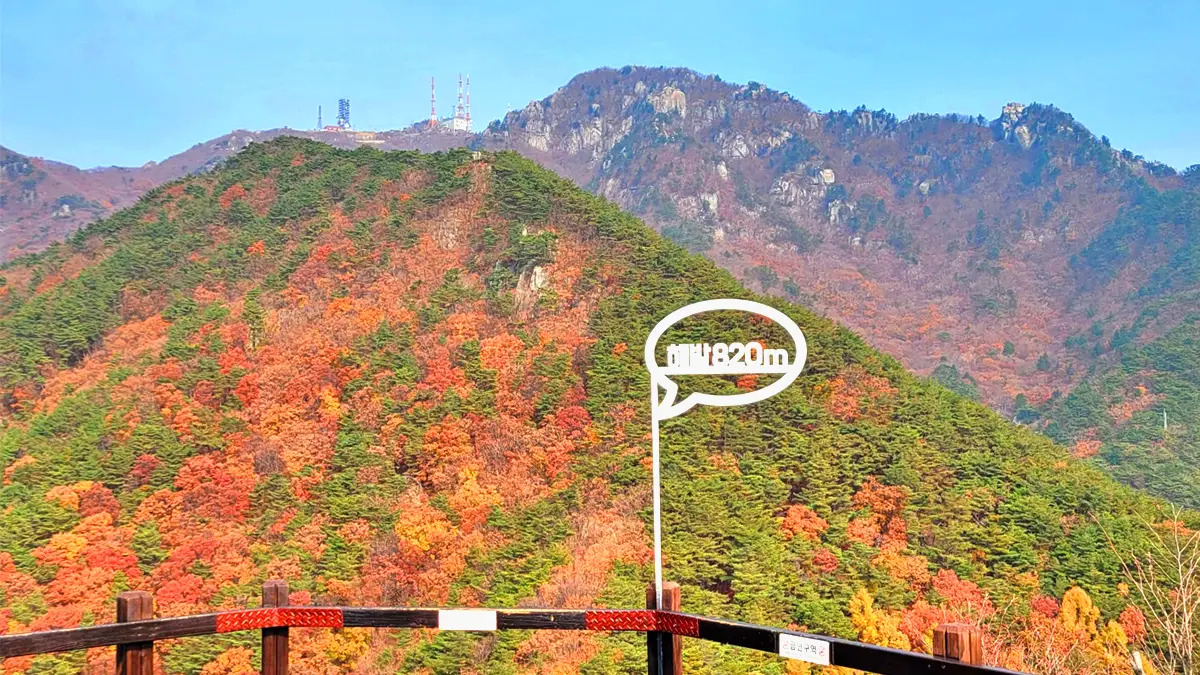
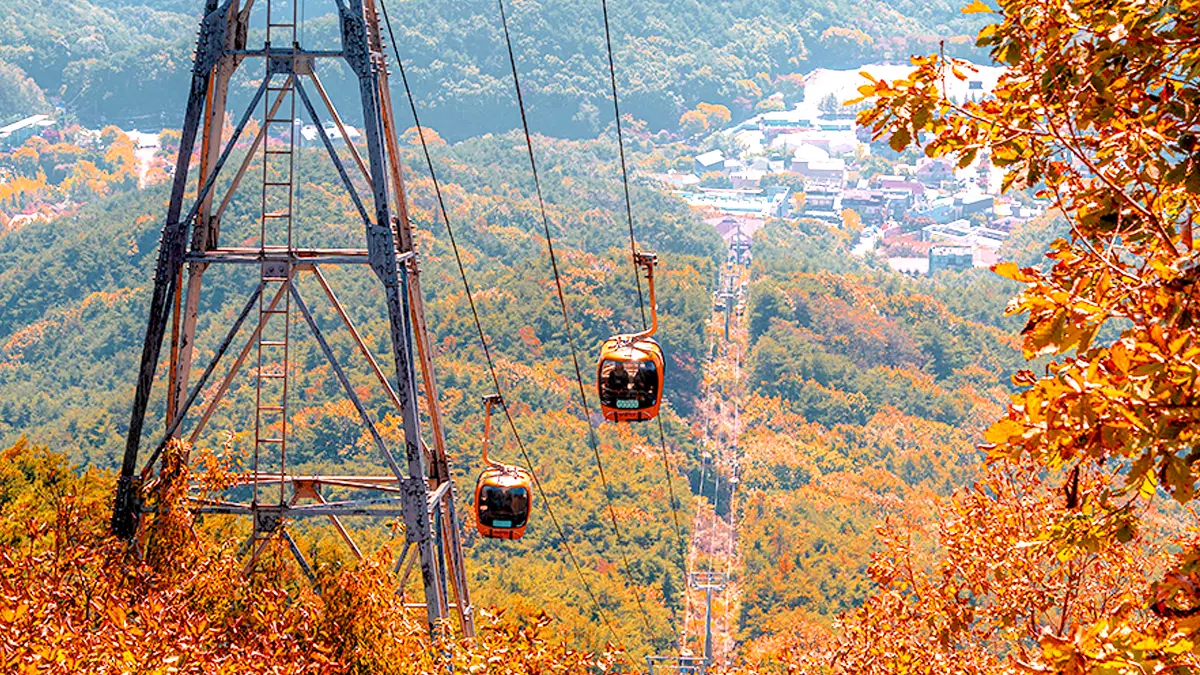
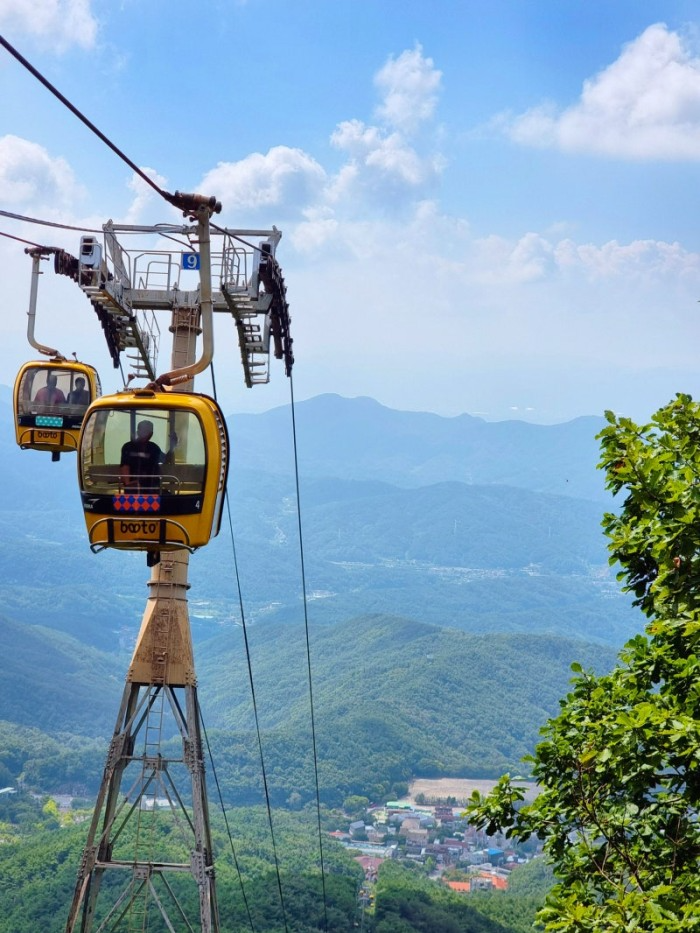
If hiking feels demanding, you can take the cable car near the parking lot in the Donghwasa Facilities District. Located at 51 Palgongsan-ro 185-gil, Dong-gu, Daegu Metropolitan City, the facility uses an automated circulating system with 24 six-person cabins operating at approximately 40-second intervals. It takes about 7–8 minutes to reach the summit station at Sinrimbong, approximately 820 m above sea level. Fares have changed continually by season. As of autumn 2025, and specifically October 31, 2025, an adult round trip costs 14,000 won (one way 11,000 won), while a child fare for ages 48 months through elementary school is 8,000 won round trip. Seniors, people with disabilities, and persons of merit receive a discounted fare of 12,000 won round trip. This is higher than the approximately 13,000-won round-trip fare mentioned in several reviews from 2024 to early 2025, so visitors should check the official website at the time of their visit.
Operating hours also vary by month. The cable car’s official Instagram account lists November operating hours as 09:30–17:10 on weekdays and 09:30–17:30 on weekends and public holidays. The same account states that normal operation is maintained 365 days a year, so there is no regular closing day. However, service may be suspended because of severe weather, including strong winds, heavy rain, or lightning, or for inspections. Check the official Palgongsan Cable Car website before visiting. Tickets can be purchased until one hour before closing. There is currently no online advance reservation system, so tickets are sold on-site only, taking possible weather changes into account. Repeat visitors can receive a 20% discount within six months if they bring their previous boarding ticket.
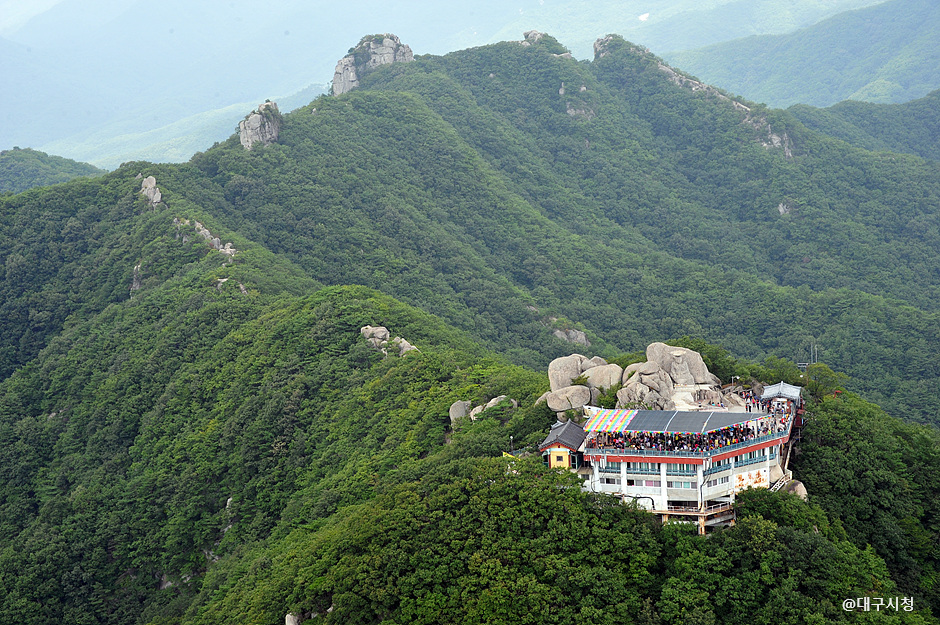
The summit station has attractions and convenient facilities. The walking trail extends 1 km round trip north of the summit station building and takes about 40 minutes. It is the most suitable course for light hiking and forest bathing. The restaurant has 360-degree views, and Solmaru on the first and second floors can accommodate 130 people at once. Outdoor tables at the summit station’s Solmaru can accommodate 200 people simultaneously. There is also a Wish Rock, where wishes are said to come true when made with sincere devotion, and visitors with earnest wishes continue to make their way there. Free parking is available, and pets are allowed, although large dogs are restricted.
If You Hike — Seven Routes in the Donghwa District, Sutaegol, and Gatbawi Areas
Palgongsan has numerous hiking trails centered around the Pagye, Donghwa, and Gatbawi districts. The representative route begins at Donghwasa and passes Kkalttukgogae, Yeombulam, Birobong, and Dongbong. It is the most traditional hiking trail, covering about 10.7 km and taking an estimated 4–5 hours. Hikers confident in their fitness can take the Sutaegol route, an advanced course covering 9.6 km, taking about five hours, and involving 850 m of cumulative elevation gain. It begins at Sutaegol and climbs to Dongbong, the highest peak of Palgongsan, also called Birobong, at 1,193 m. Since this is a one-way course, plan in advance to descend by cable car or toward Gatbawi.
If you are short on time, you can combine the cable car with hiking. One representative route takes about 1 hour 40 minutes to reach Birobong and about 1 hour 50 minutes to return, for an expected total of approximately 3 hours 30 minutes. For cultural exploration, the Gatbawi loop trail is suitable. This circular route starts at the Gatbawi public parking lot, climbs the stone steps past Gwanamsa and Gatbawi, and returns to the starting point. It is especially popular with families, beginner hikers, and visitors interested in cultural exploration. The route is about 6.1 km and takes approximately 2 hours 30 minutes to 3 hours.
Peak Autumn Foliage Comes in Early to Mid-November — Why to Aim for the Morning on Weekends
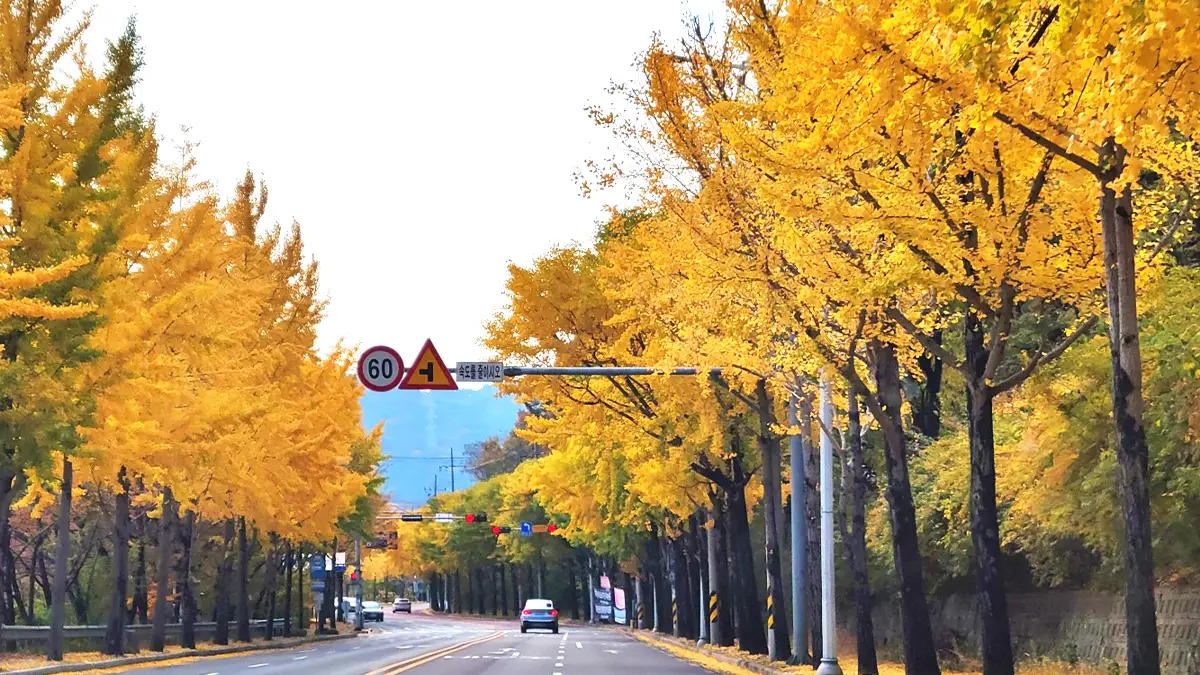
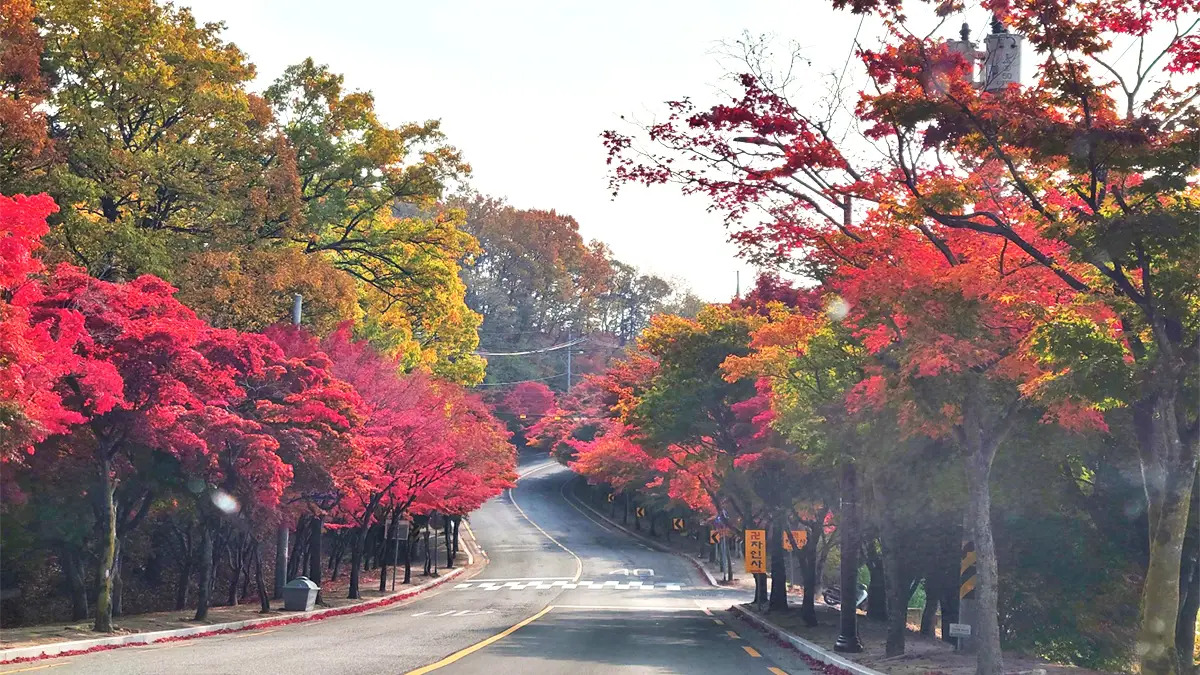
Autumn foliage on Palgongsan begins earlier than in downtown Daegu. A November 2025 visitor account reports that the foliage reaches its peak from early to mid-November. Another article about the ring road also introduces early November as the appropriate period, noting that foliage along the Daegu Palgongsan ring road generally begins earlier than in the city. As visitors gathered during this period, Daegu City prepared traffic measures. In 2025, on the four days when demand from foliage viewers was expected to surge—Saturday, November 1; Sunday, November 2; Saturday, November 8; and Sunday, November 9—express bus Route 1 was increased from 20 to 22 buses, raising the number of weekend trips from 162 to 190.
The advice repeated consistently in numerous visitor reviews is: “Go in the morning.” One travel media outlet recommends visiting in the morning because queues are long on weekends. A winter visitor account likewise advises arriving early or using online reservations because queues may grow on weekends, and recommends bringing thorough cold-weather gear for a more comfortable trip. Winter offers a different appeal as well. Since its promotion to national park status in 2023, Palgongsan has been known as a snow-flower hiking destination because temperatures are considerably lower than at the foot of the mountain and snow flowers and frost-covered trees form readily.
From Dongdaegu Station to Palgongsan — Bus Routes and Driving Access
Remember that public transportation routes are divided by destination to avoid getting lost. In addition to Express Route 1, toward Donghwasa and the cable car, and Route 401, toward Gatbawi, Routes 101 and 101-1 toward Pagyesa are also in service. There are also seasonal routes. From March through November, on weekends and public holidays, customized routes operate: Palgong 2 connects Dongdaegu Station with Gatbawi, while Palgong 3 circulates between Chilgok Kyungpook National University Hospital, Pagyesa, Donghwasa, and Gatbawi. If arriving by KTX, exit through Exit 4 of KTX Dongdaegu Station, toward Daegu International Airport and Palgongsan, and take Route 401 toward Gatbawi from the “Dongdaegu Station Underpass 2” stop.
When driving toward Gatbawi, exit at Palgongsan Interchange on the Gyeongbu Expressway, follow the signs for Gatbawi Palgongsan (Gatbawi), and drive for about 20 minutes. At Cheongtong-Wachon Interchange, the Gatbawi signs are visible immediately after exiting, and the drive takes about 20 minutes. For the cable car and Donghwasa, enter along Palgongsan-ro 185-gil; free parking is available beside the boarding area. If traveling independently is inconvenient, the Daegu City Tour Palgongsan route is another option. It operates Tuesday through Sunday, departs when at least 15 people make reservations, and is closed every Monday, Lunar New Year’s Day, and the day of Chuseok.
Palgongsan May Be Challenging for These Visitors
To be honest, Palgongsan covers too broad an area for a quick, casual visit. Even if you take the cable car, Gatbawi, Donghwasa, and Pagyesa are scattered across districts in different directions, so seeing all three in one day requires considerable travel time alone. The cable car also has no online advance reservation system, requiring visitors to queue on-site, which may be inconvenient for travelers who prefer to follow a carefully organized plan.
The Gatbawi area is particularly demanding physically. The front route requires climbing 1,365 stone steps, and the trail becomes crowded on weekends with hikers and people visiting to pray. Visitors with weak knees or difficulty climbing stairs for an extended period should choose the back route toward Seonbonsa or consider postponing a visit to Gatbawi. Visitors traveling with pets should also note that large dogs are restricted on the cable car. Conversely, for those who want to leisurely enjoy both temple culture and mountain scenery, or for families seeking summit views without hiking, the cable car and the walking trail around the summit station alone make a satisfying course.
Before You Go
- Address
- 51 Palgongsan-ro 185-gil, Dong-gu, Daegu Metropolitan City (Palgongsan Cable Car)
- Hours
- Hours vary by month. As of November 2025, weekdays 09:30–17:10; weekends and public holidays 09:30–17:30. Tickets may be purchased until one hour before operations end.
- Closed
- Open year-round, in principle, with no regular closing day. Temporary suspension is possible in severe weather, including strong winds, heavy rain, or lightning.
- Admission
- Cable car adult round trip 14,000 won / one way 11,000 won; child round trip (48 months through elementary school) 8,000 won; seniors, people with disabilities, and national meritorious persons round trip 12,000 won (as of October 31, 2025; fares vary by period, so checking before visiting is recommended)
- Phone
- 0507-1406-8801
- Official site
- http://www.palgongcablecar.com/
- Transport
- City buses include Express Route 1 (Dongdaegu Station to Donghwasa and the cable car), Route 401 (toward Gatbawi), and Routes 101 and 101-1 (toward Pagyesa). On weekends and public holidays from March through November, Palgong 2 (Dongdaegu Station to Gatbawi) and Palgong 3 (circular route from Chilgok Kyungpook National University Hospital through Pagyesa, Donghwasa, and Gatbawi) also operate. Route 401 is available from a stop near Exit 4 of KTX Dongdaegu Station.
- Parking
- Free parking is available near the cable car boarding area.
- Time needed
- Cable car one way 7–8 minutes; 1–2 hours round trip including the summit station observatory and walking trail. The northern trail from the summit station is 1 km round trip and takes about 40 minutes. The Gatbawi loop takes 2 hours 30 minutes to 3 hours, and the representative Donghwa District route takes 4–5 hours.
The information above is current as of the time of writing. Check the official information again before visiting.

Places
Nearby Attractions 5
-
1
-
 2
2
-
 3
3
-
 4
4
-
 5
5
Food & Dining 5
-
 6
Jeongsikdang
6
Jeongsikdang -
 7
Olbareut Nasari Restaurant
7
Olbareut Nasari Restaurant -
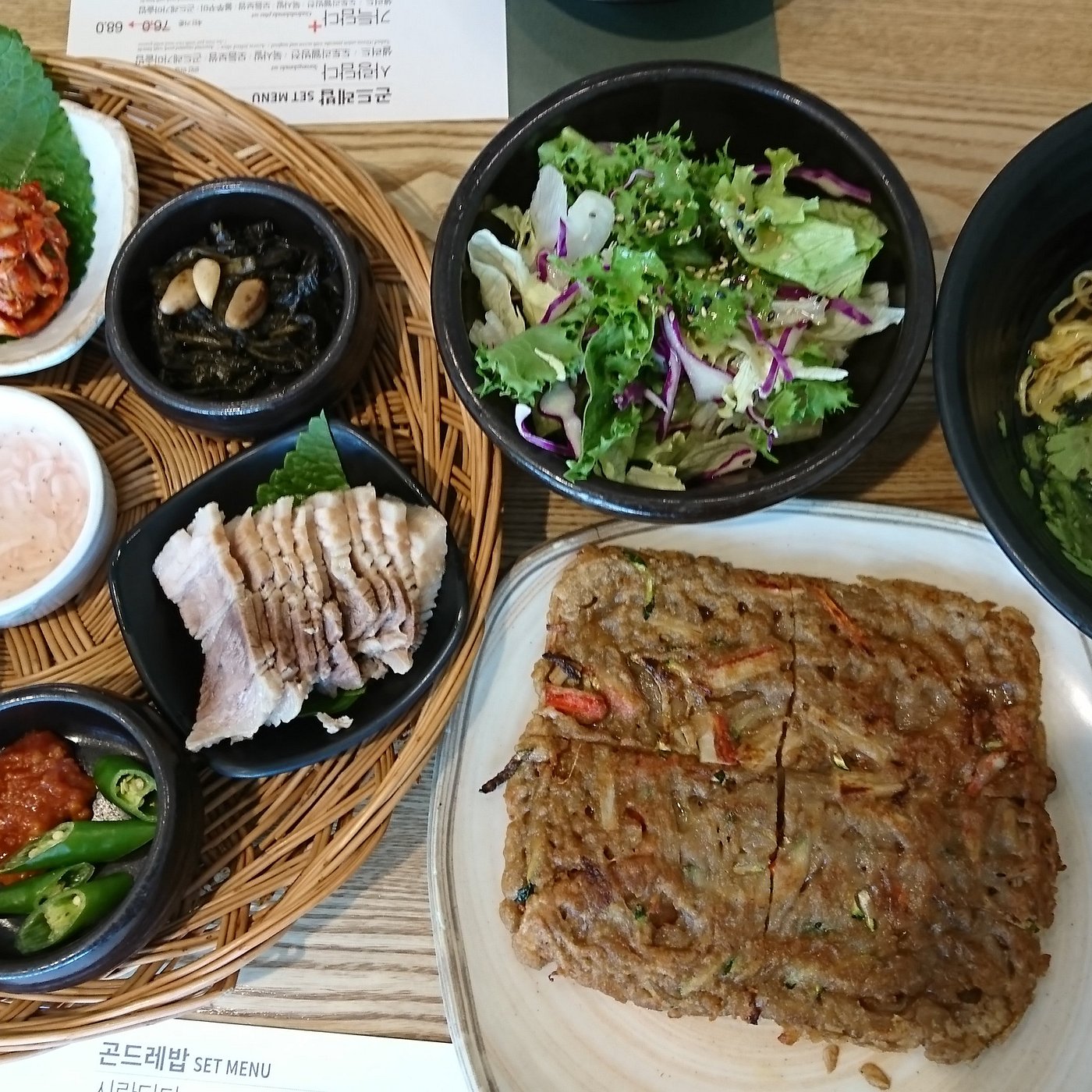 8
Sanjoong Restaurant
8
Sanjoong Restaurant -
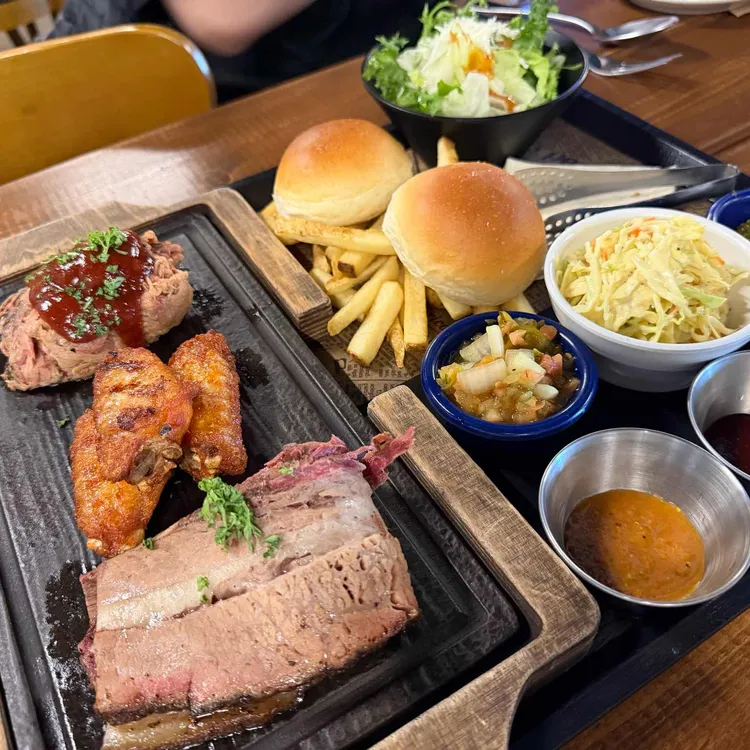 9
9
-
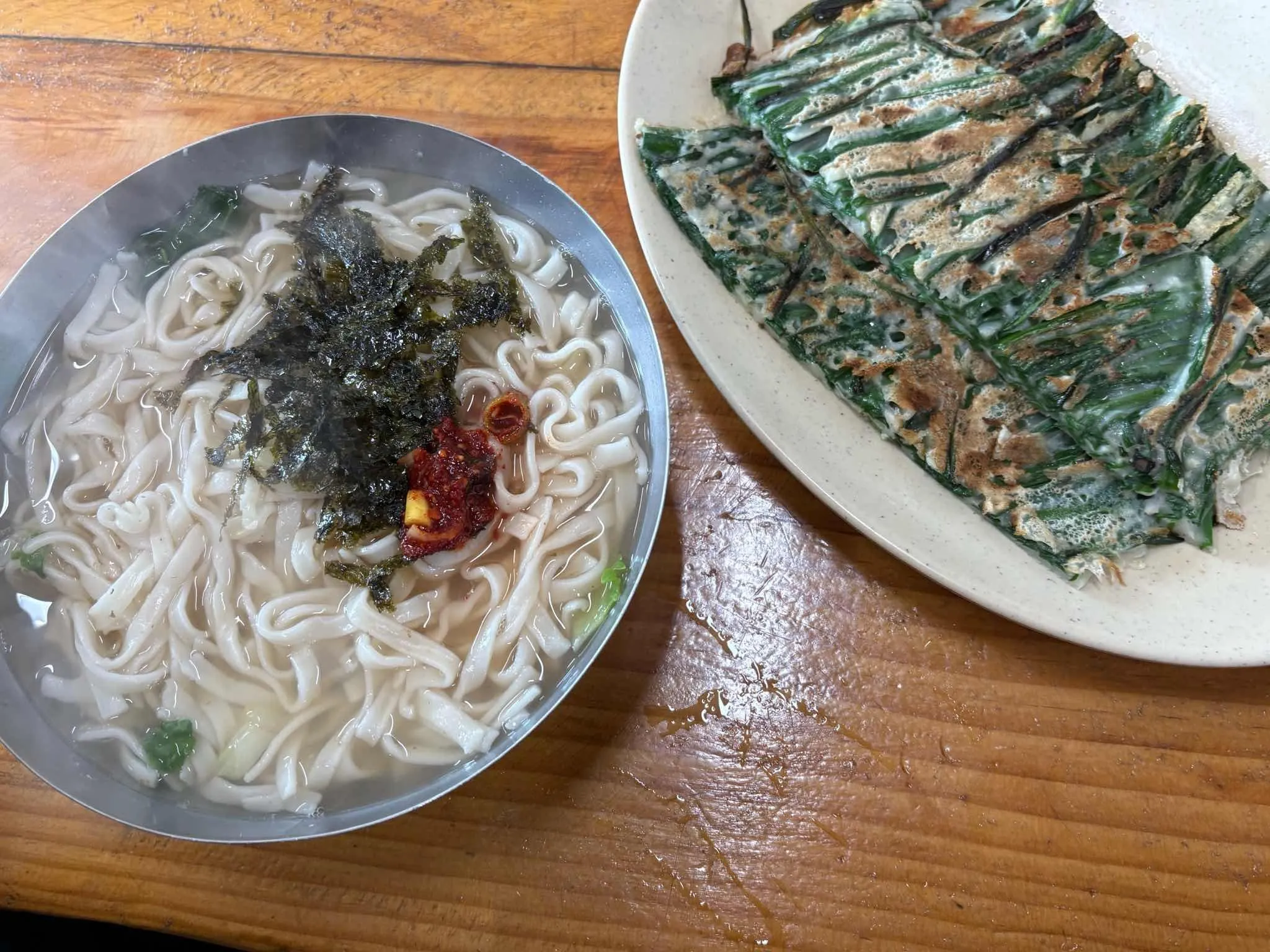 10
10
More Travel Guides in This Area
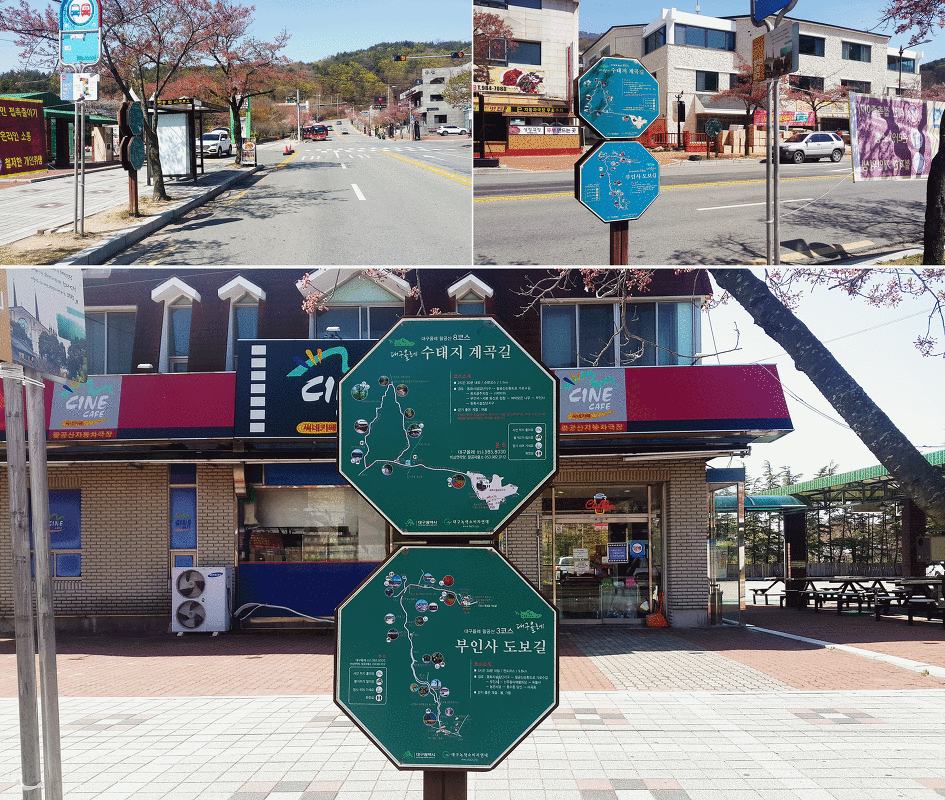 Travel Guide
7.1 km Connecting the Sutaeji Valley on Palgongsan, from Donghwasa Terminus to Buinsa
 Travel Guide
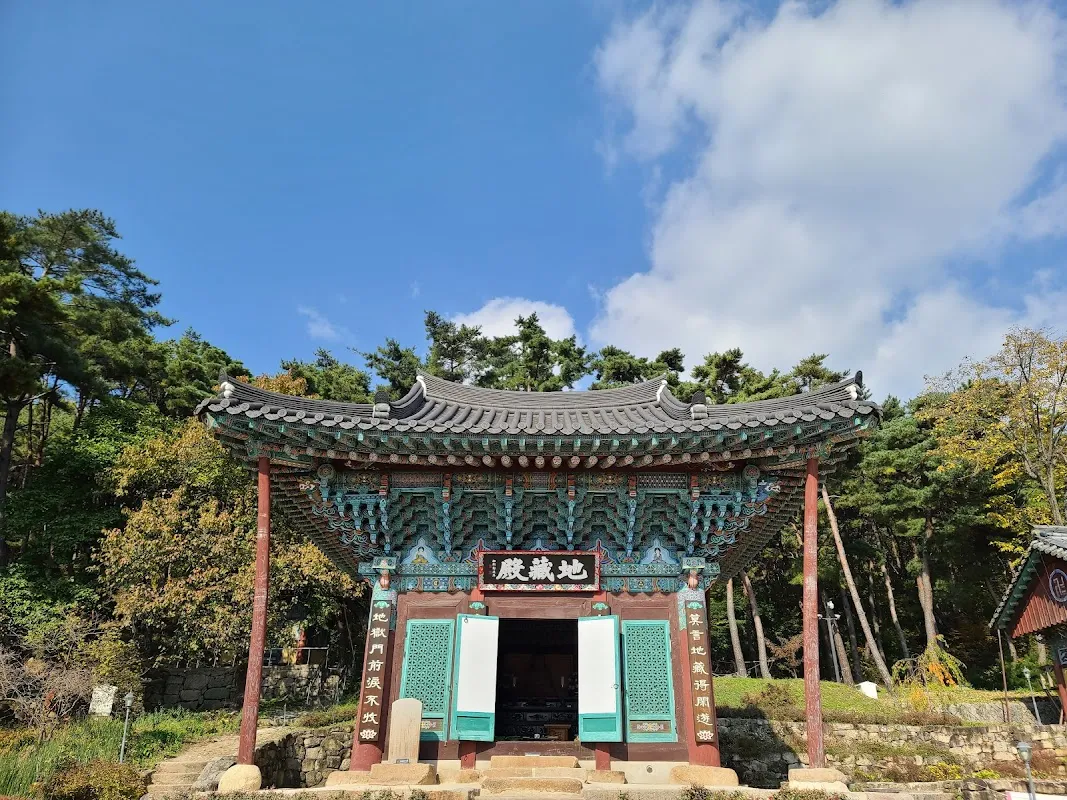
Bukjijangsa, at the End of the Pine Forest of Palgongsan, Where You Can See the Treasure Jijangjeon and the Twin Pagodas
 Travel Guide
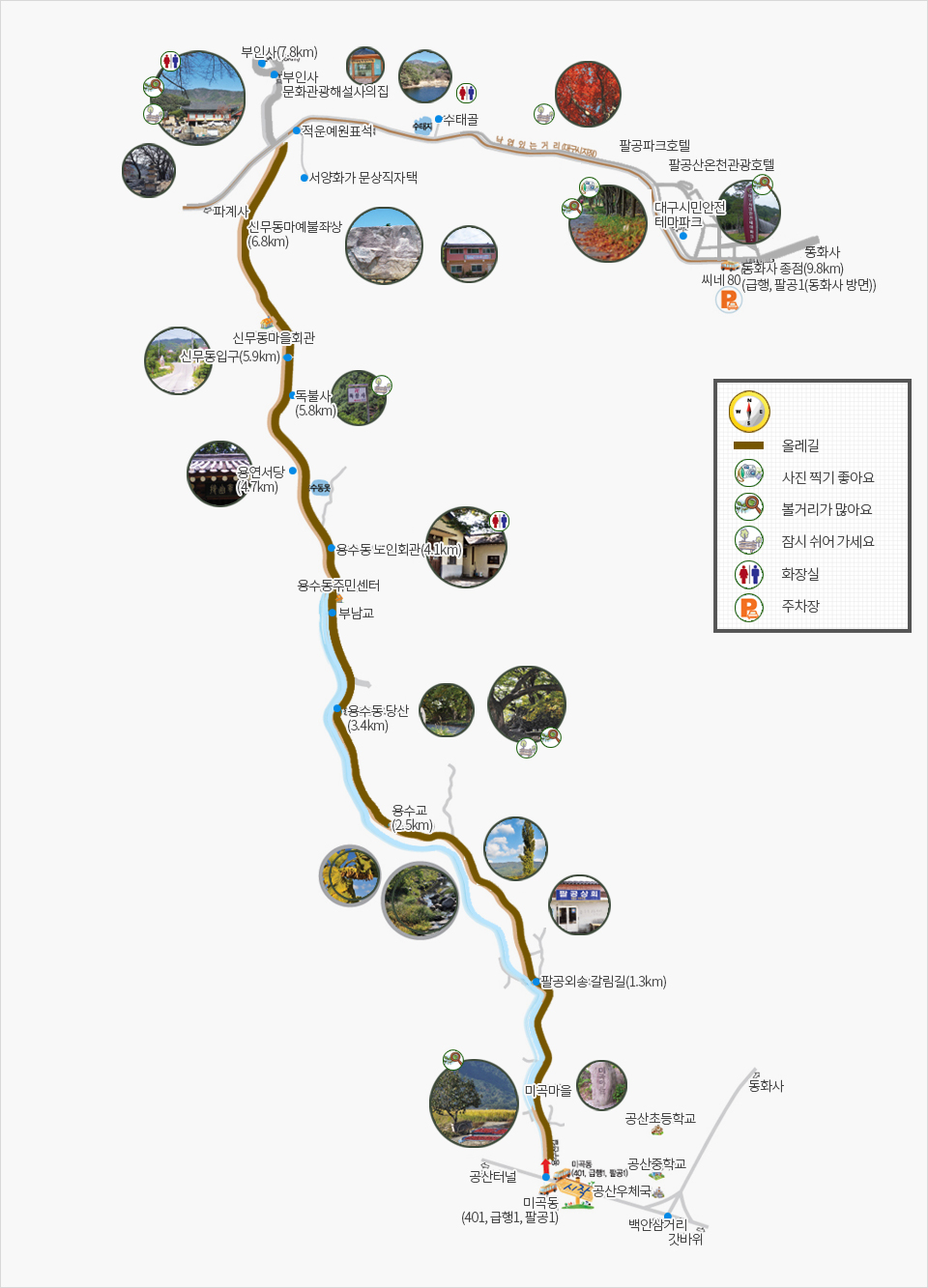
The 9.8 km Path Where Leaves Are Not Swept, Palgongsan Buiinsa Walking Trail
 Travel Guide
Bokjijangsa at the End of a 5 km Pine Forest, Palgongsan Olle Course 1
Korea News
 News
News
‘NewJeans Expulsion’ Danielle Releases Her First YouTube Video… “We Don’t Know What Will Happen Next”
![aespa’s North American Tour Has Remaining Seats Despite ‘$49’ Bargain Prices… A Stark Popularity Gap with KATSEYE [TEN Starfield]](https://kotourlive-images.s3.ap-northeast-1.amazonaws.com/news/1788485037424_a59b1932_naver_rank_thumb_0000774618_1788485037424.jpg) News
News
aespa’s North American Tour Has Remaining Seats Despite ‘$49’ Bargain Prices… A Stark Popularity Gap with KATSEYE [TEN Starfield]
![[Photo] TWICE’s Dahyun attends a film festival red carpet as an actress](https://kotourlive-images.s3.ap-northeast-1.amazonaws.com/news/1788485316508_edd43ecd_news_870a60a6-6f11-4d73-aa7c-48d91318a0f7.jpg) News
News
[Photo] TWICE’s Dahyun attends a film festival red carpet as an actress
![[On-Site Video] “We’re Departing Separately Together”… BIGBANG Begins ‘COSMOS’ World Tour](https://kotourlive-images.s3.ap-northeast-1.amazonaws.com/news/1788485226518_c5719641_news_fdd4764a-0f4e-4968-8e4e-e98a02872f88.jpg) News
News