Bukjijangsa, at the End of the Pine Forest of Palgongsan, Where You Can See the Treasure Jijangjeon and the Twin Pagodas
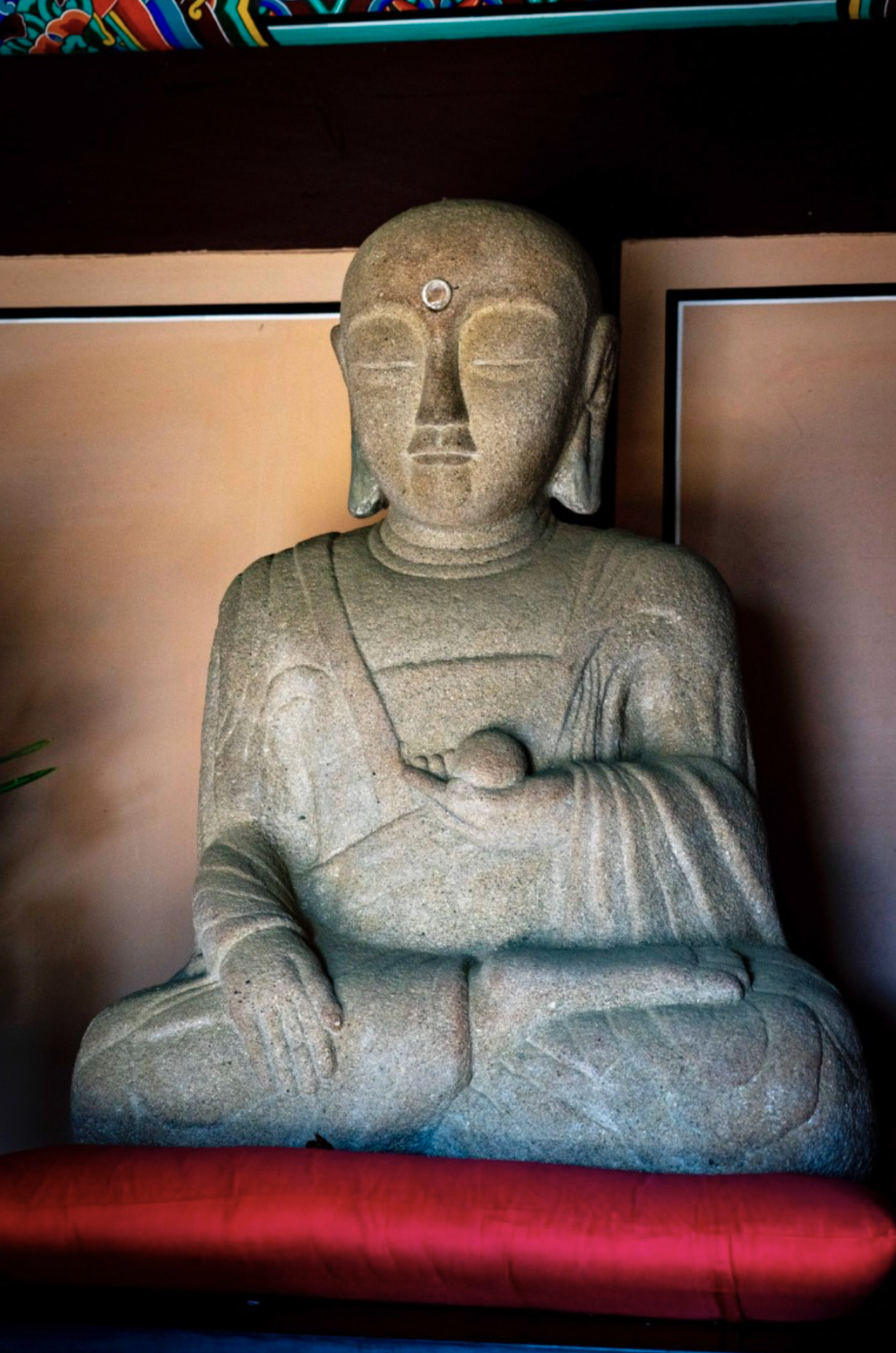
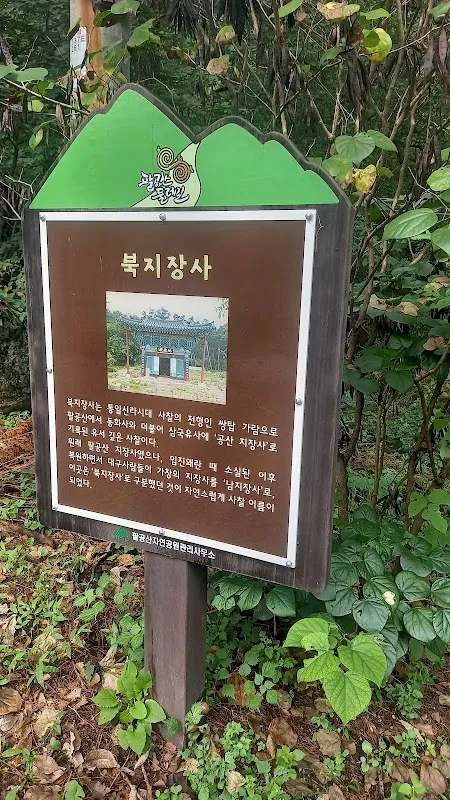
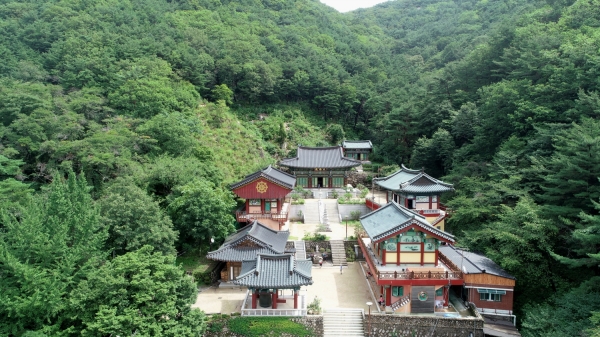
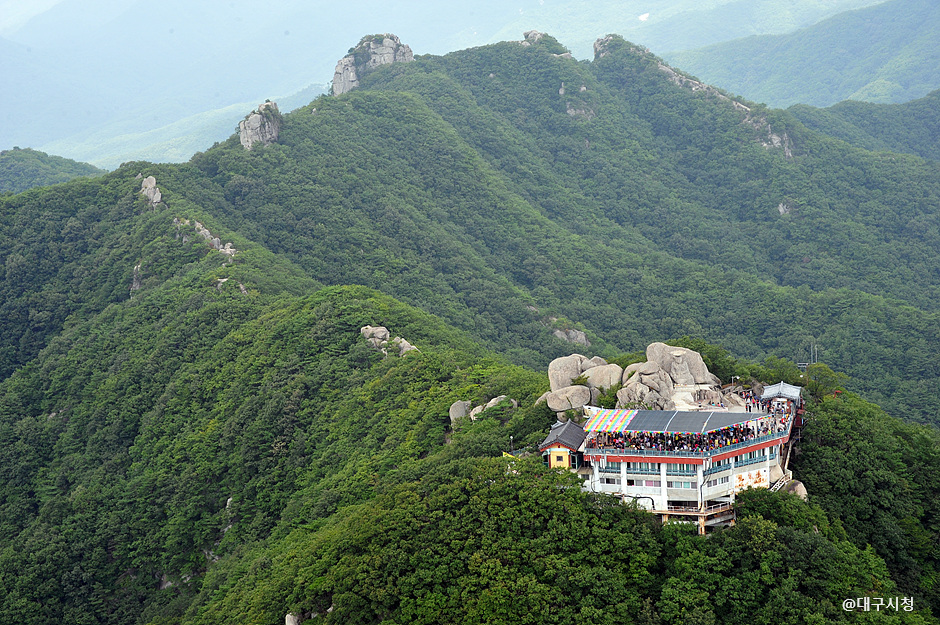
Bukjijangsa is a branch temple of Donghwasa located on the southern slope of Nojokbong, west of Gwanbong in Palgongsan. According to tradition, it was founded in 485, the 7th year of King Soji of Silla. It is a good place for a walk when combined with Daegu Olle Palgongsan Course 1, with the focus on the Treasure Bukjijangsa Jijangjeon and the Daegu Metropolitan City Intangible Cultural Heritage three-story stone pagoda and stone seated Ksitigarbha Bodhisattva statue.
I’ve been here?
Your check-in helps the next traveler.
No one has checked in yet Be the first
One tap — no writing needed
Theory of Foundation in 485 and the Location of Bukjijangsa as a Branch Temple of Donghwasa
Bukjijangsa is a branch temple of Donghwasa, the head temple of the 9th District of the Jogye Order of Korean Buddhism. It is located at the southern foot of Nojokbong Peak, west of Gwanbong Peak in Palgongsan Mountain, at 243 Dojang-gil, Dong-gu, Daegu. Daegu tourism materials introduce it as a temple founded in 485, the 7th year of King Soji of Silla. Currently, Jijangjeon Hall, a three-story stone pagoda, and a seated stone Jijang-bosal (Ksitigarbha Bodhisattva) remain within the grounds.
The name "Bukjijang" (North Jijang) is known to correspond to Namjijangsa (South Jijang) on the opposite side of Palgongsan Mountain. Unlike the large temples on the southern slope of Palgongsan that are situated along wide roads, Bukjijangsa is located at the foot of a mountain inside Dojang-gil, so it is ideal to plan a visit to see the cultural heritage along with a short walk through the forest trail.
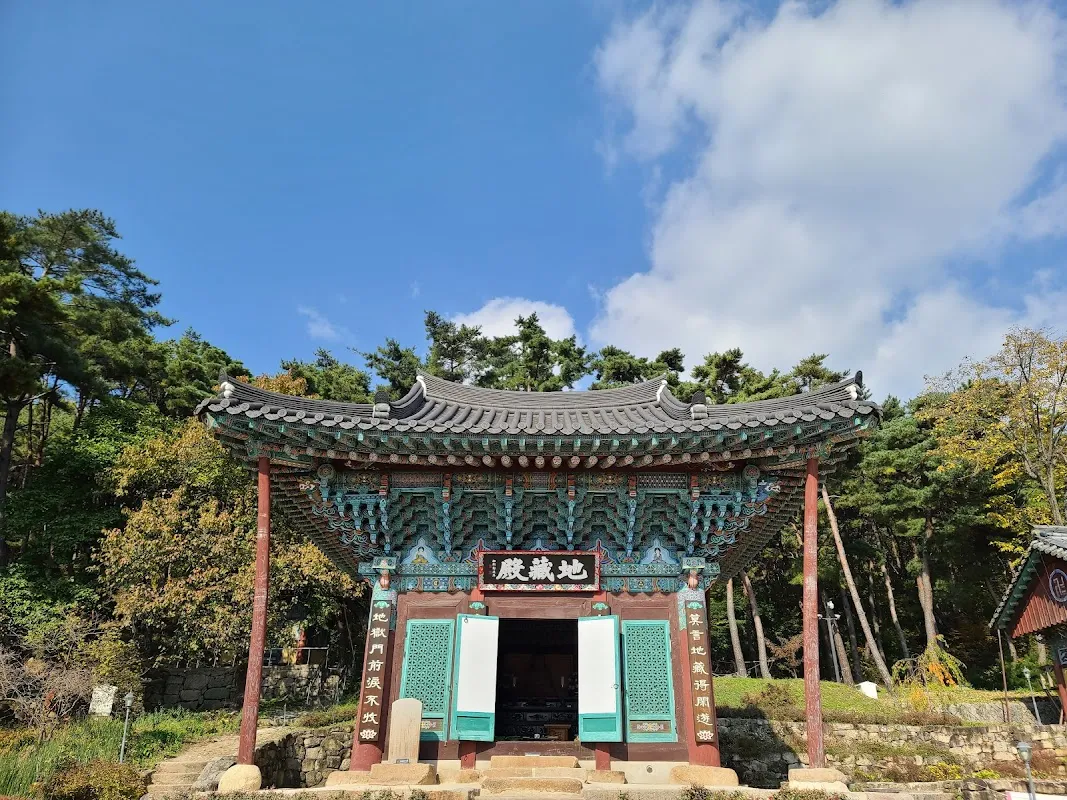
Structures to Observe at Bukjijangsa Jijangjeon Hall, Treasure No. 805
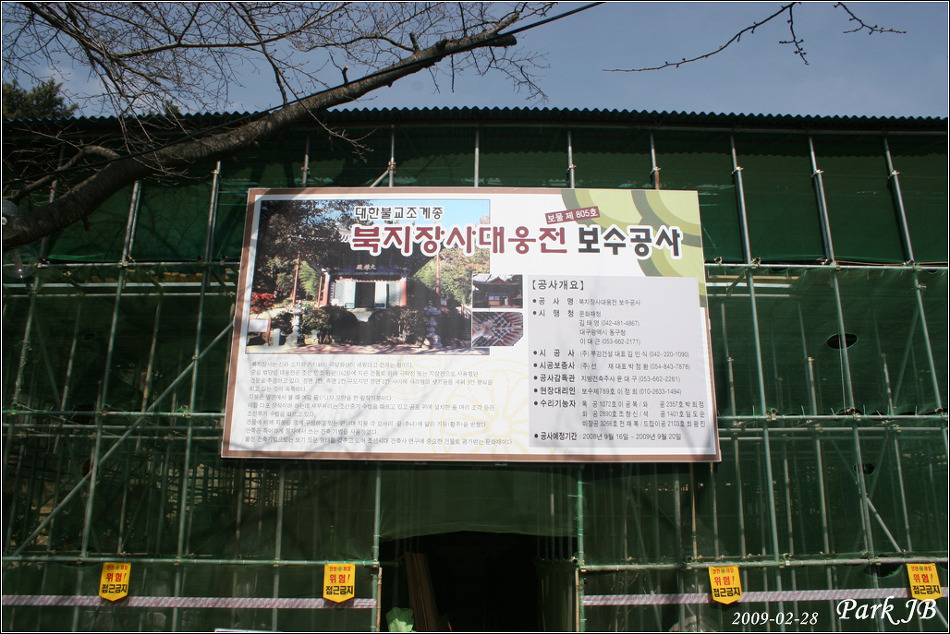
Bukjijangsa Jijangjeon is a building designated as Treasure No. 805. Temple guides and Daegu tourism materials have records of this building being referred to as "Daeungjeon" in the past. Therefore, checking the Jijangjeon plaque and the cultural heritage information board on-site will help distinguish the building's current name and its designation history.
Since Jijangjeon is a space for the worship of Ksitigarbha Bodhisattva, the accessible area may change if Buddhist services are in progress or if preparations for a ceremony are underway. It is best to check if indoor photography is allowed first, avoid stepping on the threshold, and refrain from loud conversations or using flash photography in front of the altar.
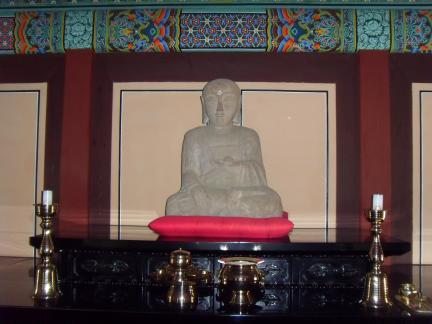
The East and West Three-story Stone Pagodas and Seated Stone Jijang-bosal in the Inner Courtyard
Bukjijangsa features three-story stone pagodas known as the East and West twin pagodas, designated as Daegu Metropolitan City Tangible Cultural Heritage No. 6, "Three-story Stone Pagoda of Bukjijangsa." In the cultural heritage list of the Daegu Metropolitan City Gazette, the location of this pagoda is recorded as 620, Dohak-dong, and the owner is the Jogye Order of Korean Buddhism Bukjijangsa.
Additionally, the "Seated Stone Jijang-bosal of Bukjijangsa" is registered as a Daegu Metropolitan City Tangible Cultural Heritage on the National Heritage Portal. Rather than just seeing one building and leaving, viewing Jijangjeon Hall, the seated stone Jijang-bosal, and the twin pagodas in sequence allows you to focus on the architectural and stone cultural heritage remaining in this small temple within 30 to 50 minutes.
The 5km Round-Trip Bukjijangsa Road on Daegu Olle Palgongsan Course 1
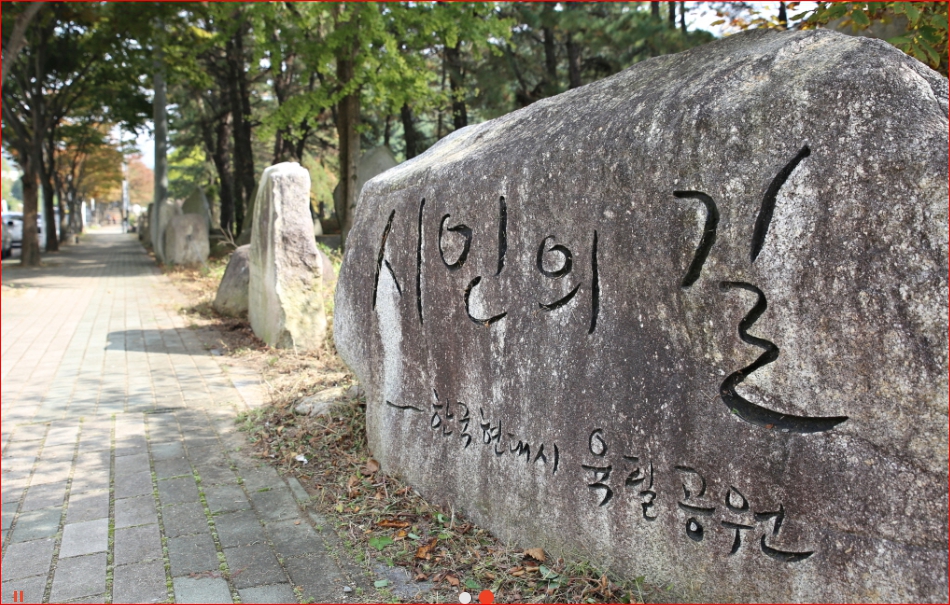
Bukjijangsa connects to the endpoint of Daegu Olle Palgongsan Course 1. Daegu tourism information describes a 5km round-trip course starting from Dojanggyo Bridge and passing through Poet's Road, the Daegu Bangjja Yugi Museum, and Dojang Village to reach Bukjijangsa, which takes about 1 hour and 30 minutes. Gentle paths and pine forest sections are presented as characteristics of this course.
The address of the Daegu Bangjja Yugi Museum near the starting point of the walk is 29, Dojang-gil, Dong-gu, which is different from the Bukjijangsa address at 243, Dojang-gil. If you are walking from the museum, prepare water and sneakers. Since dirt paths and fallen leaves can be slippery after rain, it is safer to choose shoes with non-slip soles.
Car-Free Access Starting from Express Bus No. 1 and Dojanggyo Bridge
When walking the Olle trail using public transportation, Daegu tourism information and 2022 walking records suggest using Express Bus No. 1 from Ayanggyo Station to access the area near Dojanggyo Bridge or the entrance of the Bangjja Yugi Museum. However, since bus stop names, intervals, and directions may change, you must check the latest operation information for Express Bus No. 1 on the Daegu City Bus information system on the day of departure.
If connecting with a hike toward Gatbawi, map information shows it is about 1.25km from Bukjijangsa to the Gatbawi bus stop, while some hiking reviews mark the section from Bukjijangsa to the bus platform as about 2.27km. Since the distance varies depending on the starting point and the chosen path, if you plan to continue to the Gatbawi ridge, it is better to set a schedule of 2 to 4 hours—longer than a general stroll—and bring hiking equipment.
- Walking-focused: 5km round trip on Daegu Olle Course 1 near the Daegu Bangjja Yugi Museum
- Hiking-connected: Recorded downhill section of about 0.5–0.6km from Inbong Peak to Bukjijangsa
- Bus check: Reconfirm the route and schedule for Express Bus No. 1 on the day of departure
For Passenger Cars, Go to 243 Dojang-gil; Keep the Narrow Entrance Road in Mind
You can set your car navigation destination to "243, Dojang-gil, Dong-gu, Daegu" or "Bukjijangsa." Visitor reviews explain that following the Bukjijangsa sign from the Palgongsan Circular Road and driving up a narrow mountain road for about 5 more minutes will lead to the parking lot. Other reviews also mention that the access road is curved and barely wide enough for a single car to pass.
Therefore, for beginner drivers, large vehicles, or drivers who feel uncomfortable passing oncoming traffic, approaching via the Olle trail after using public transportation may be more convenient. Since the exact number of parking spaces and fees at the temple grounds were not confirmed in official guides, it is safer to inquire about parking availability at the temple's main number, 053-985-5217, on weekends or Buddhist event days.
Free Admission, but Leave 30–50 Minutes Based on the Temple Schedule
According to Daegu tourism materials, the entrance fee for Bukjijangsa is free. Since the fixed opening hours and regular holidays of the temple itself have not been officially confirmed, the operating hours and holidays in this post are left blank. Access routes may vary during early morning, sunset, or Buddhist services, so the most reliable method is to contact 053-985-5217 before visiting to check for access and service status on that day.
A schedule for just looking around the temple takes 30–50 minutes. If you slowly view Jijangjeon Hall and the twin pagodas and walk to Olle Course 1, it takes about 2 hours. Combining mountain paths toward Inbong Peak and Gatbawi makes a half-day schedule realistic. As there is no confirmed official data on wheelchair/stroller accessibility or foreign language guidance, this information is left blank. The fact that there may be slopes and unpaved sections within the grounds and on the entrance road should be reflected in your travel plans.
Before You Go
- Address
- 243, Dojang-gil, Dong-gu, Daegu
- Admission
- Free
- Phone
- 053-985-5217
- Transport
- For Daegu Olle Palgongsan Course 1, take Express Bus No. 1 from Ayanggyo Station and approach toward Dojanggyo Bridge/Daegu Bangjja Yugi Museum entrance. Checking the route, stops, and intervals on the day of departure is recommended.
- Parking
- Temple parking is mentioned, but the number of spaces and fees are not confirmed. Since the entrance is a narrow mountain road, prior inquiry is recommended.
- Time needed
- 30–50 minutes for temple viewing, approx. 1 hour 30 minutes for a 5km round trip on Daegu Olle Palgongsan Course 1
The above information is current as of the time of writing. Please reconfirm with official guides before visiting.

Places
Nearby Attractions 4
-
 1
1
-
 2
2
-
 3
3
-
 4
4
Food & Dining 3
-
 5
5
-
 6
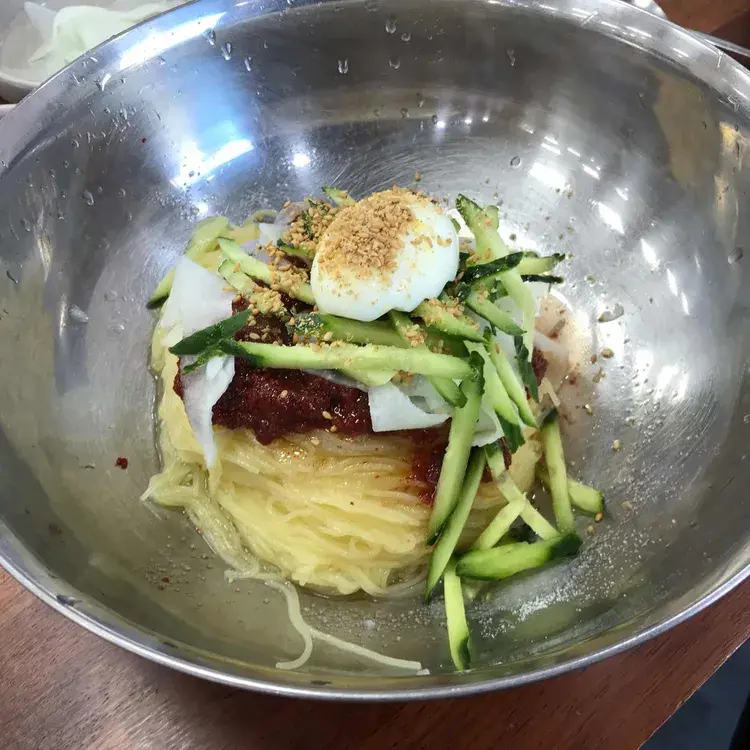
Chowon Agu Jjim Restaurant
6
Chowon Agu Jjim Restaurant -
 7
Mujinjang Hambuji
7
Mujinjang Hambuji
More Travel Guides in This Area
 Travel Guide
Bokjijangsa at the End of a 5 km Pine Forest, Palgongsan Olle Course 1
 Travel Guide
A breather on the Gatbawi trail of Palgongsan before facing the 1,365 steps at Guanamsa
 Travel Guide
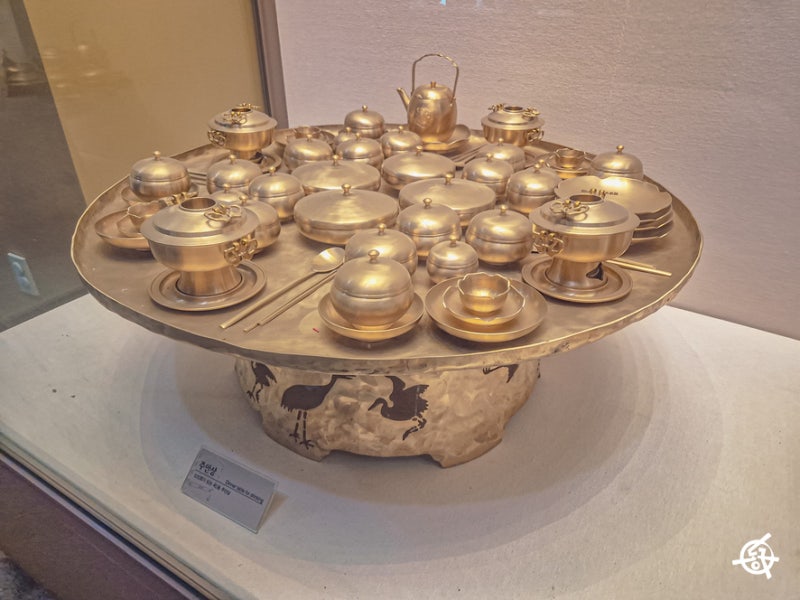
Bangeojjagi Brassware: 1,489 Pieces Donated by Lee Bong-ju at the Foot of Palgongsan
 Travel Guide
Palgongsan — From Silla’s Central Mountain to Korea’s 23rd National Park
Korea News
![BLACKPINK’s Lisa Dominates the VMA Red Carpet in a Sheer Corset Dress and Red Fur [Star Issue]](https://kotourlive-images.s3.ap-northeast-1.amazonaws.com/news/1790557894714_010e956a_news_94409db1-fab6-40bf-bc7b-4b985b1fbac7.jpg) News
News
BLACKPINK’s Lisa Dominates the VMA Red Carpet in a Sheer Corset Dress and Red Fur [Star Issue]
![BLACKPINK’s Jisoo Spotted by Surprise with BIGBANG in London… Their Special Loyalty as Labelmates [IS High Cut]](https://kotourlive-images.s3.ap-northeast-1.amazonaws.com/news/1790557854683_6ea979f5_news_caab62e5-8462-43c8-8622-da794f3df9de.png) News
News
BLACKPINK’s Jisoo Spotted by Surprise with BIGBANG in London… Their Special Loyalty as Labelmates [IS High Cut]
 News
News
Tattoos All Over Her Body… AOA’s Jimin Draws Shocked Attention After Kwon Mina’s ‘Bullying’ Allegations
![You’ll Have to Look Twice… Choi Min-a-soo Perfectly Pulls Off Everything from a Daring Illusion Dress at the Awards Ceremony to Long Braided Hair [RE:STAR]](https://kotourlive-images.s3.ap-northeast-1.amazonaws.com/news/1790492384850_1f293dad_news_d834c50e-0685-43ef-9aa5-6995cd6d8848.jpg) News
News