Busan’s Yeongdo Bridge, Raised at Noon: Crossing the Promise of Evacuation from 1934
Yeongdo Bridge is a bascule bridge opened in 1934, linking Nampo-dong in Jung-gu, Busan, with Daegyo-dong in Yeongdo-gu. Centered on its daily noon opening, this walk connects the memories of families separated in Busan, the wartime refuge capital, with Nampo-dong and Yeongdo.
I’ve been here?
Your check-in helps the next traveler.
26 people viewed this week Be the first
One tap — no writing needed
A lift bridge built on November 23, 1934, to connect Yeongdo Island with the mainland
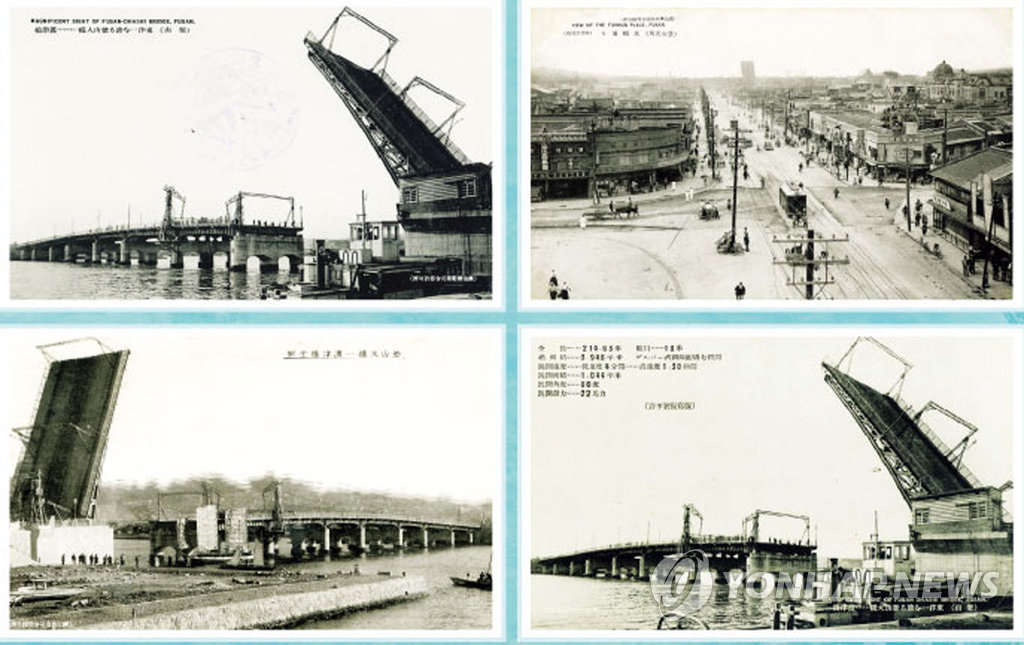
Yeongdodaegyo Bridge is a land-connecting bridge linking Nampo-dong in Jung-gu, Busan, with Daegyo-dong in Yeongdo-gu. Construction began in April 1932 to transport goods, and the bridge opened on November 23, 1934, initially under the name “Busan Bridge.” After the new Busan Bridge opened in 1980, it was renamed Yeongdodaegyo Bridge, its current name.
Because Yeongdo is an island without a railway, people traveled between the island and the mainland by ferry before Yeongdodaegyo Bridge was built. The original bridge was a single-leaf lift bridge whose roadway was raised when ships passed, and trams also operated across the bridge from February 1935. The current bridge is 215 m long, 25.3–27.86 m wide, and has six lanes for two-way traffic; the lift section is 31.3 m long.
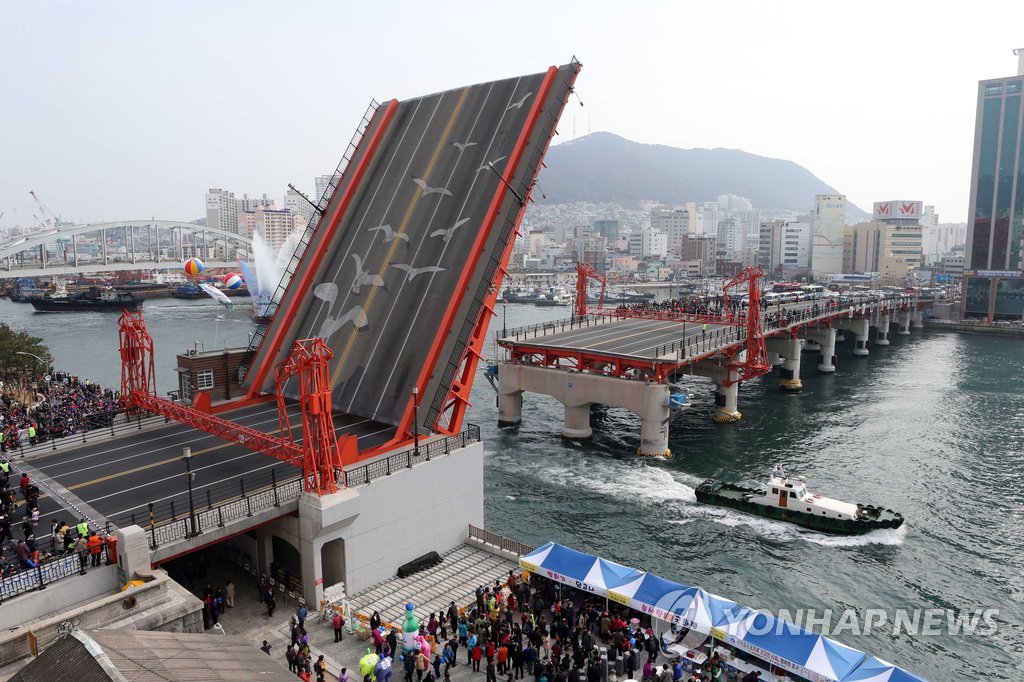
When to watch Yeongdodaegyo Bridge lift once a day at noon for about 15 minutes
The main attraction at Yeongdodaegyo Bridge is the daily lift operation at noon. When the lift begins, vehicle and pedestrian traffic are restricted, and the roadway on the Yeongdo side is raised. Watching the lift is free, and no reservation is required.
To watch the lift, it is safest to arrive at the pedestrian areas on either side of the bridge around 11:40 a.m. Rather than trying to watch only from the bridge itself, consider viewpoints where you can see the roadway rise from the side, such as the area around Lotte Department Store Gwangbok Branch on the Nampo-dong side or the Daegyo-dong pedestrian path on the Yeongdo side. On the day of your visit, check guidance from the Busan Infrastructure Corporation for any changes in operation due to rain, strong winds, or other on-site conditions.
The memory of Busan, the wartime refugee capital, behind “Let’s Meet at Yeongdo Bridge”
Yeongdodaegyo Bridge is a place connected to the separation experiences of refugees during the Korean War. People who came down to Busan during the war used the area around Yeongdo Bridge as a meeting place in hopes of finding separated family members, and this memory overlaps with the era depicted in Hyun-in’s song “Be Strong, Geum-sun.”
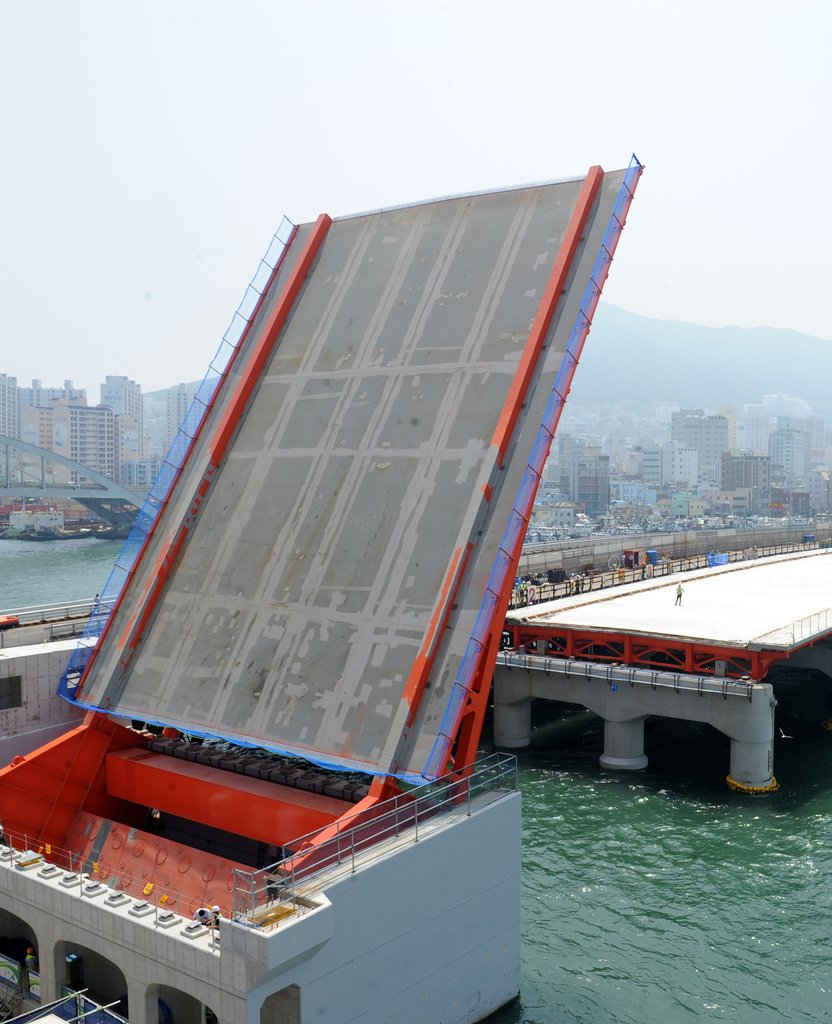
Near the bridge are a monument commemorating the lift bridge and a monument commemorating Hyun-in’s song. The lift function was suspended in 1966 because it caused traffic inconvenience, but it began operating again when the new Yeongdodaegyo Bridge, built after demolishing the old bridge and restoring its lift function, opened on November 27, 2013. If you are visiting mainly to explore the history, a 40–60-minute route that includes both memorial sites after crossing the bridge is suitable.
An 8-minute route from Nampo Station on Line 1 to Yeongdodaegyo Bridge, starting on the Nampo-dong side
Busan Metro Line 1 makes it easy to reach Yeongdodaegyo Bridge from the Nampo-dong side. From Exit 6 of Nampo Station, follow the direction of Gwangbok-ro and Lotte Department Store Gwangbok Branch, and you can reach the bridge entrance in about 8–10 minutes. After watching the lift, you can cross the bridge directly and continue to Daegyo-dong, Yeongdo-gu.
For buses, using the “Yeongdodaegyo Bridge” stop is convenient. Bus routes serving the Yeongdo area may be reorganized from time to time, so it is best to check the stop name and arrival information for the day on the Busan Bus Information System. It is difficult to find dedicated parking at Yeongdodaegyo Bridge itself, and visitors must use paid or public parking lots around Nampo-dong and Jagalchi or on the Yeongdo side, making public transportation preferable for viewing the noon lift on weekends.
- Starting point: Exit 6 of Nampo Station on Busan Metro Line 1
- Walking distance: Approximately 8–10 minutes
- Recommended stay: 40–60 minutes, including the lift viewing
- Viewing method: Free viewing from the bridge pedestrian path and pedestrian areas on both banks
Jagalchi Market and Gukje Market, within 1 km after crossing Yeongdodaegyo Bridge
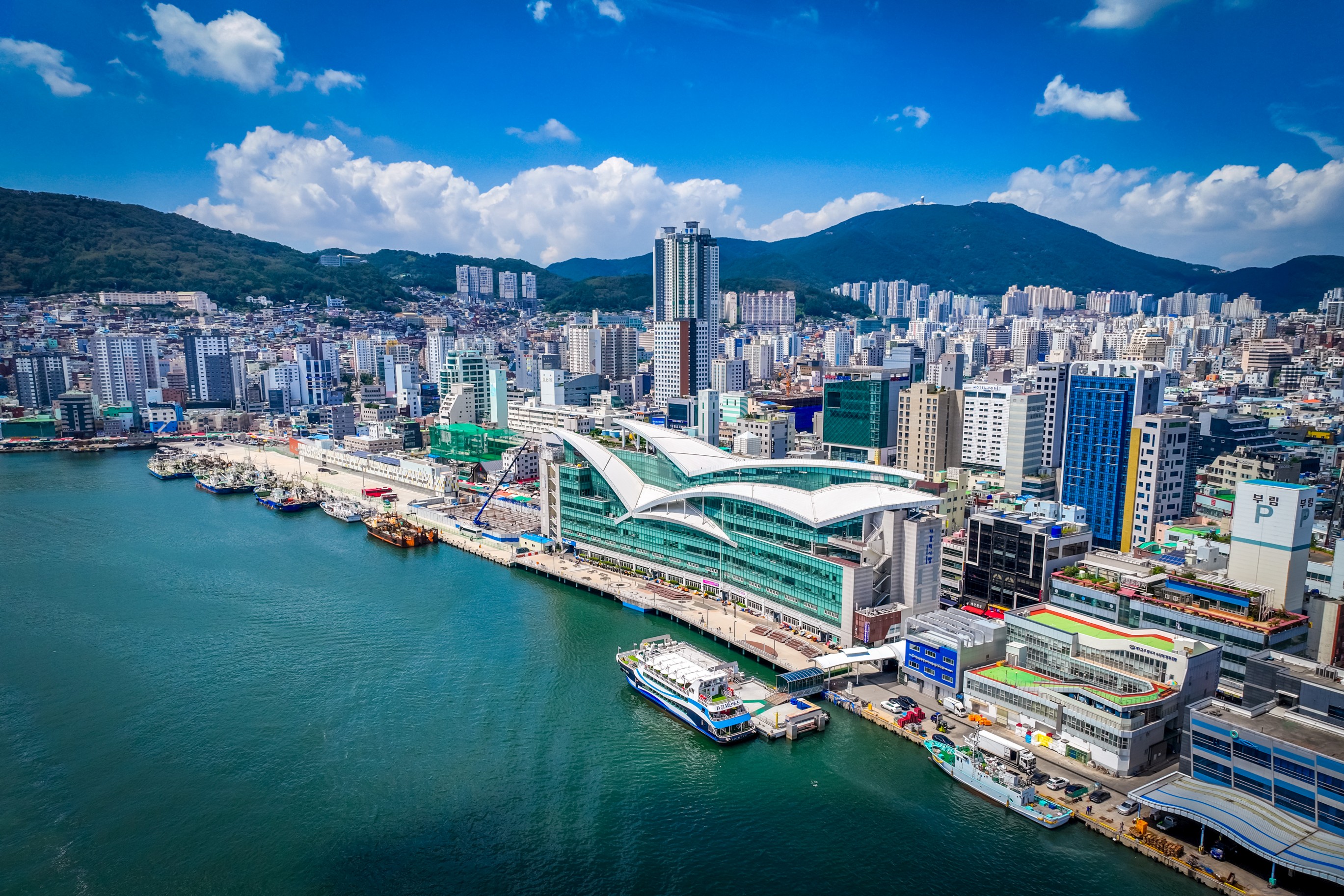
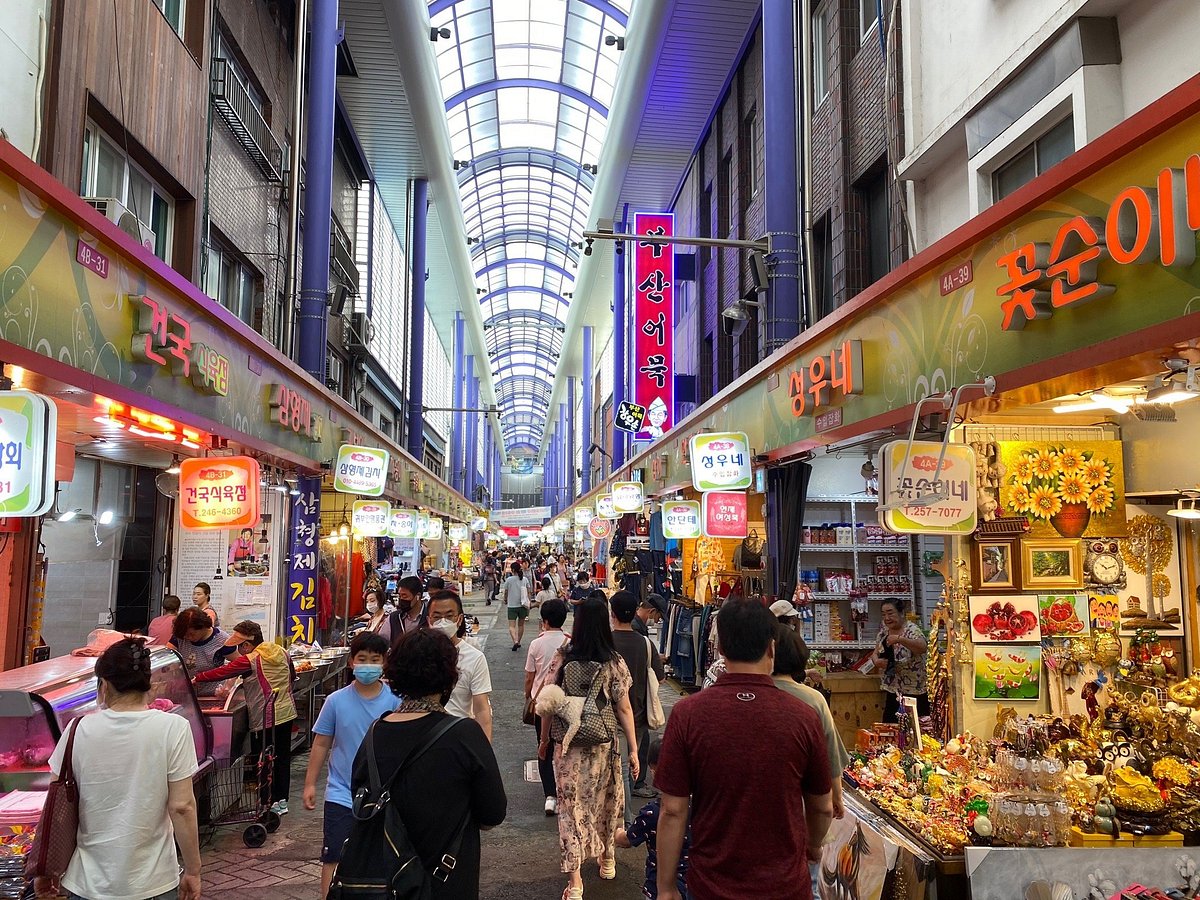
On the Nampo-dong side, Jagalchi Market and Gukje Market are easy to combine into one route. Jagalchi Market is approximately 500 m from Yeongdodaegyo Bridge, and the food alley in Gukje Market is also within walking distance. A route that visits the market in the morning and then moves to the area around the bridge at about 11:40 a.m. to watch the noon lift minimizes unnecessary walking.
After crossing to Yeongdo, you can view the structure of the bridge itself and the Nampo-dong skyline from the opposite side. However, Yeongdodaegyo Bridge is an active roadway, so do not stop at the edge of the vehicle lanes or enter the restricted area just before the lift. Visitors with limited mobility may find it more convenient to watch from the spacious pedestrian areas on the Nampo-dong side, taking into account the slope of the pedestrian path and the crowds.
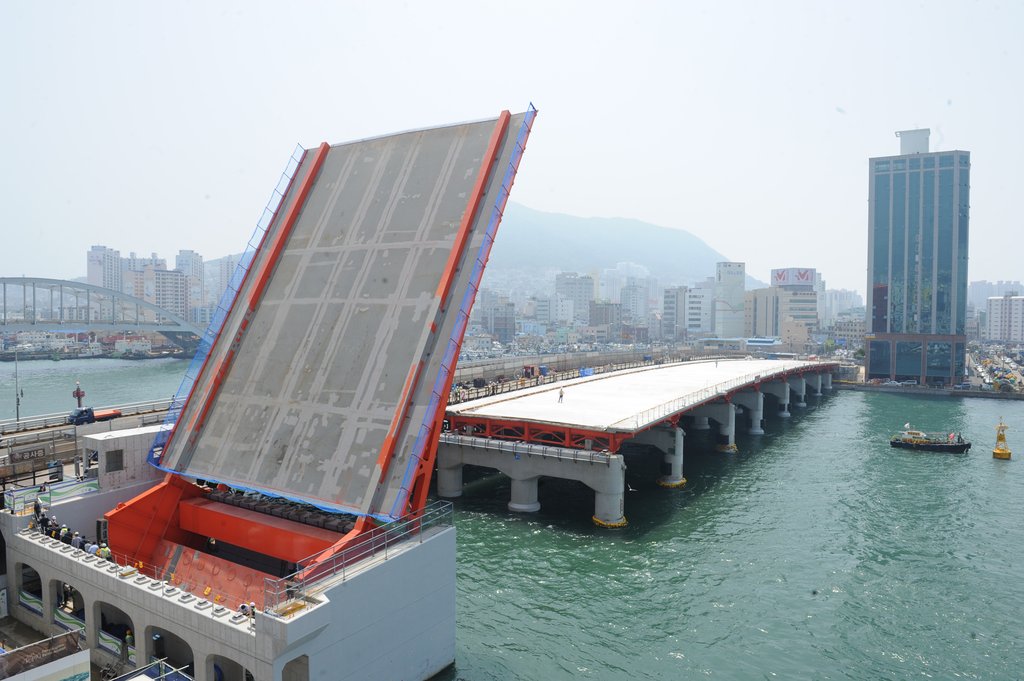
Two things to avoid if you only want photographs: restrictions just before the lift and vehicle congestion at noon
Yeongdodaegyo Bridge is an active roadway used by vehicles, not a facility such as an observation deck or museum with designated visiting hours. Therefore, although there is no admission closing time, traffic is restricted before and after the lift, and crowds and vehicle flows overlap at noon. Rather than walking back and forth across the entire bridge, stroller and wheelchair users are better off watching the lift from one pedestrian area and then planning to move toward a nearby commercial facility with an elevator or a subway entrance.
Yeongdodaegyo Bridge is better suited to travelers who want to see the mechanical movement at noon together with Busan’s modern and contemporary history than to those expecting nighttime lighting and harbor scenery. Reading the historical information boards, memorial monuments, and song monument can help visitors understand not only the bridge’s architectural features but also the lives of refugees who gathered in Busan in the 1950s.
Before You Go
- Address
- 7-ga, Jungang-dong, Jung-gu, Busan ~ 1-ga, Daegyo-dong, Yeongdo-gu, Busan
- Hours
- Open for passage at all times; the lift operates around 12:00 p.m. daily
- Closed
- None
- Admission
- Free
- Official site
- https://www.bisco.or.kr/
- Transport
- Approximately 8–10 minutes on foot from Exit 6 of Nampo Station on Busan Metro Line 1; the Yeongdodaegyo Bridge bus stop is also available
- Parking
- No dedicated parking confirmed; use public or paid parking lots around Nampo-dong, Jagalchi, or Yeongdo
- Time needed
- 40–60 minutes, including viewing the lift and memorial monuments
- Accessibility
- The bridge pedestrian path is accessible, but due to restrictions before and after the lift and congestion at noon, wheelchair and stroller users are advised to watch from one pedestrian area; check on-site for foreign-language guidance
The information above is current as of the time of writing. Check the official guidance again before visiting.

Places
Nearby Attractions 4
-
 1
Jagalchi MarketA traditional market where you can explore seafood products and Busan-style seafood dishes.
1
Jagalchi MarketA traditional market where you can explore seafood products and Busan-style seafood dishes. -
 2
Gukje MarketA market where you can browse clothing, household goods, and food while walking through Busan’s old downtown area.
2
Gukje MarketA market where you can browse clothing, household goods, and food while walking through Busan’s old downtown area. -
 3
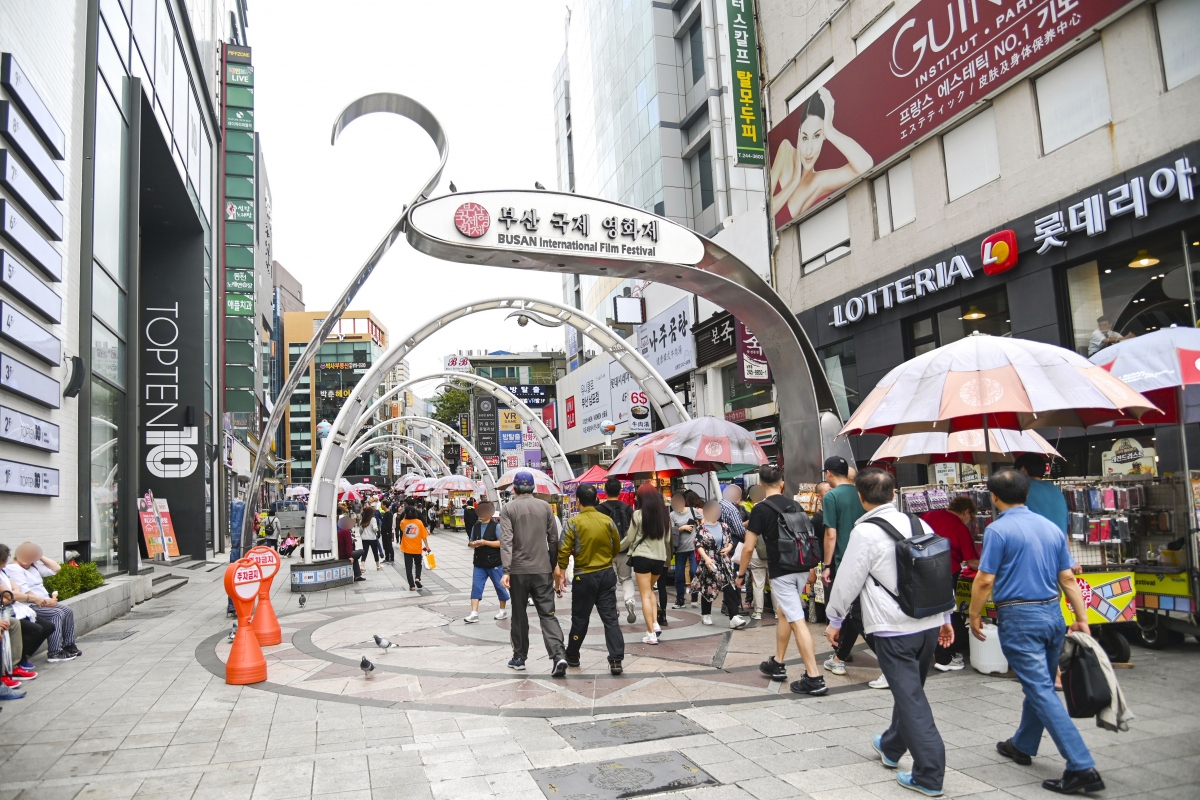
BIFF SquareA downtown square where you can enjoy film-related sculptures alongside a variety of street food.
3
BIFF SquareA downtown square where you can enjoy film-related sculptures alongside a variety of street food. -
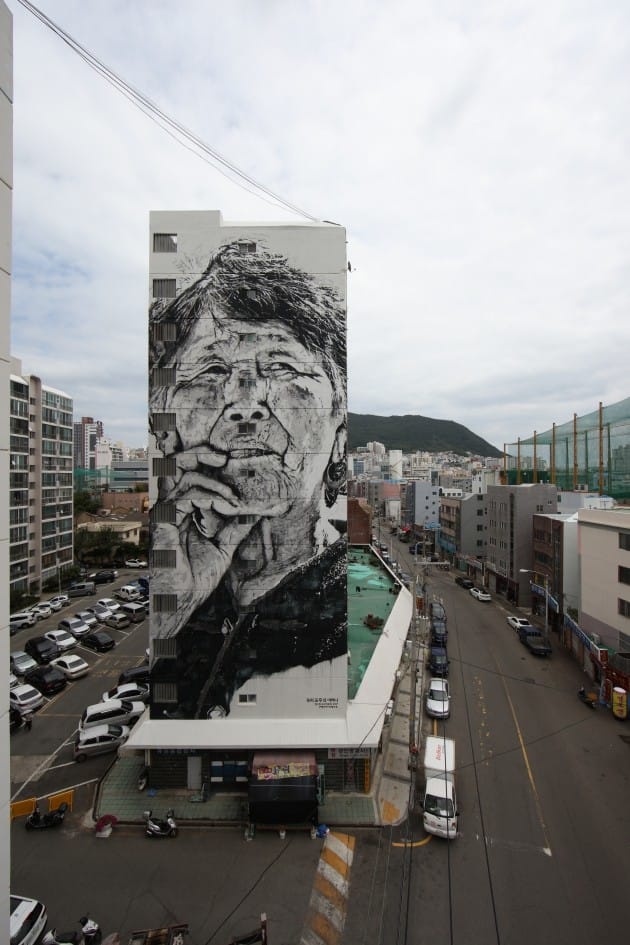 4
Kkangkkangi Art VillageA village where you can experience Yeongdo’s industrial culture on foot while taking in shipyard scenery, murals, and artworks.
4
Kkangkkangi Art VillageA village where you can experience Yeongdo’s industrial culture on foot while taking in shipyard scenery, murals, and artworks.
Food & Dining 3
-
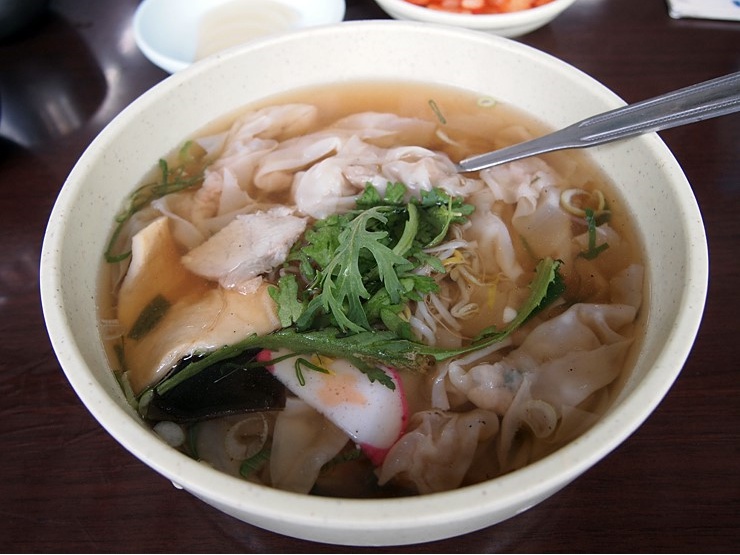 5
18beon WandangjipA Busan restaurant specializing in wandang, thin-skinned dumplings served in a clear broth, a local specialty of Busan.
5
18beon WandangjipA Busan restaurant specializing in wandang, thin-skinned dumplings served in a clear broth, a local specialty of Busan. -
 6
Ijaemo PizzaA pizza specialty restaurant in Nampo-dong where you can enjoy pizza made with locally produced Imsil cheese.
6
Ijaemo PizzaA pizza specialty restaurant in Nampo-dong where you can enjoy pizza made with locally produced Imsil cheese. -
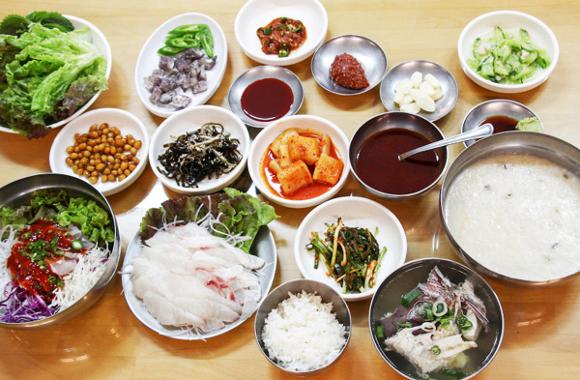 7
Busan Myeongmul HoetjipA long-established restaurant in Jagalchi Market serving aged sashimi, hoebaekbap, and clear fish soup.
7
Busan Myeongmul HoetjipA long-established restaurant in Jagalchi Market serving aged sashimi, hoebaekbap, and clear fish soup.
Events in This Area
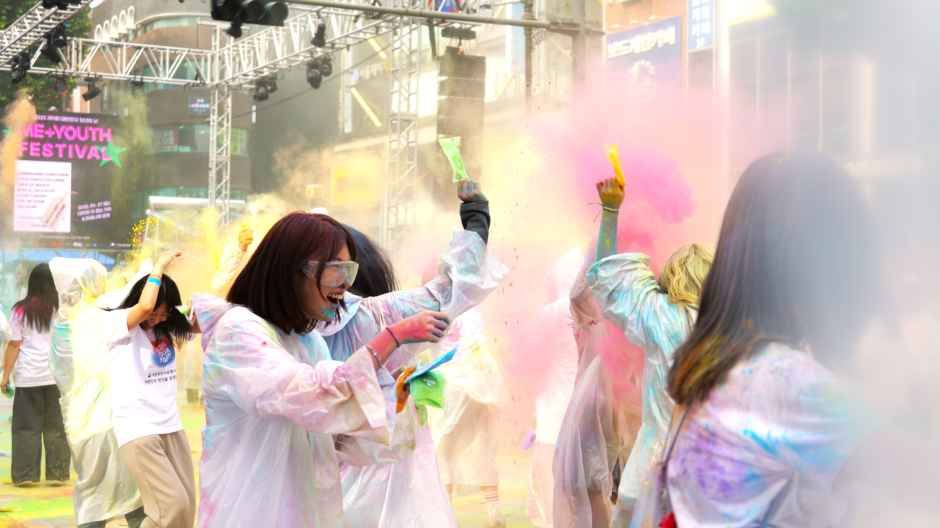


Festivals in This Area

More Travel Guides in This Area
 Travel Guide
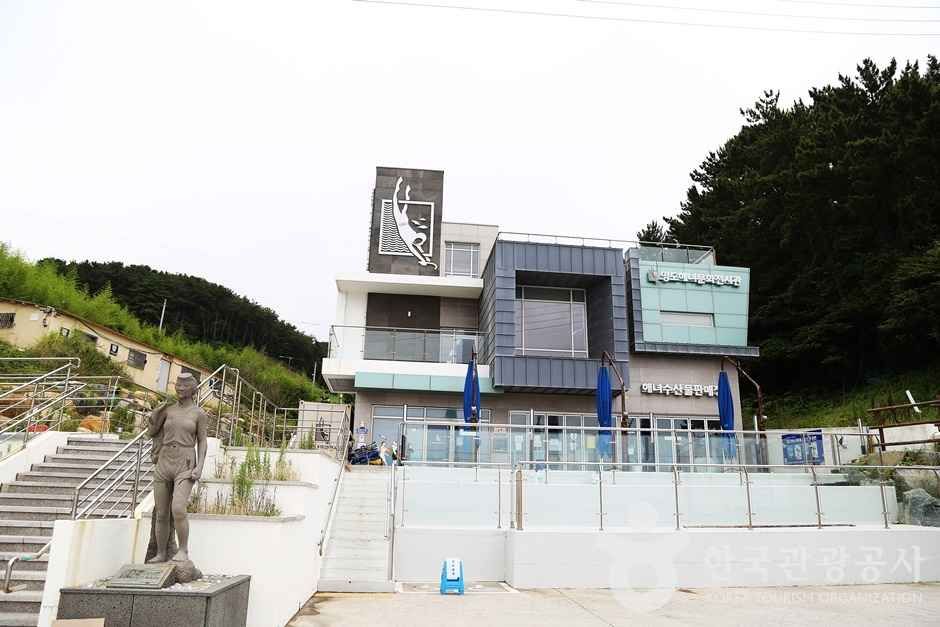
Yeongdo Haenyeo Village and Haenyeo Culture Exhibition Hall by the Jungni Sea
 Travel Guide
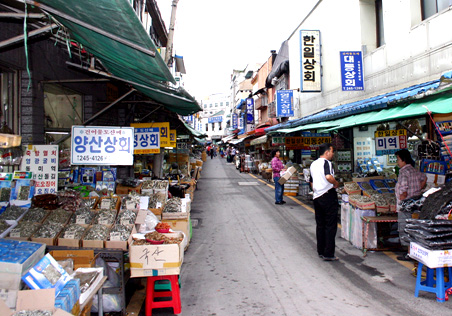
The Dry Seafood Wholesale Alley of Busan at the Eastern End of Jagalchi
 Travel Guide
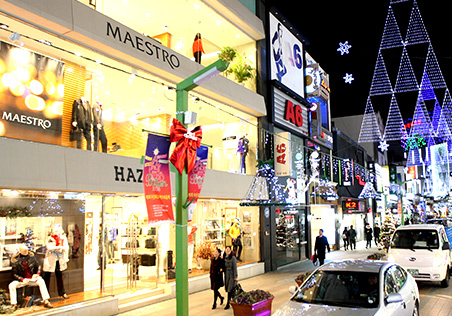
From Gwangbok-ro Fashion Street to Nampo Station Exit 3: Busan Shopping Route and On-Site Information
 Travel Guide
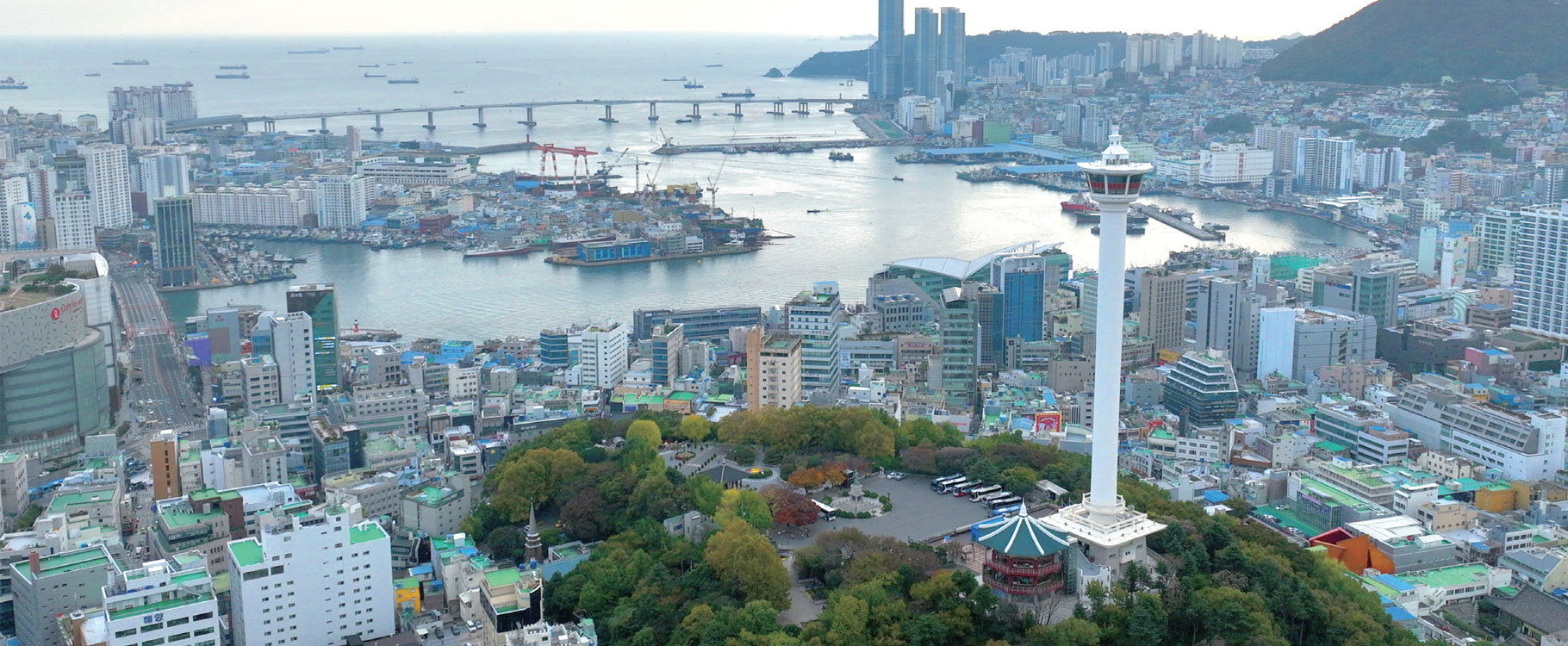
Busan’s Dawn Begins Beneath the Seagull Roof: Jagalchi Market
Korea News
 News
News
‘NewJeans Expulsion’ Danielle Releases Her First YouTube Video… “We Don’t Know What Will Happen Next”
![aespa’s North American Tour Has Remaining Seats Despite ‘$49’ Bargain Prices… A Stark Popularity Gap with KATSEYE [TEN Starfield]](https://kotourlive-images.s3.ap-northeast-1.amazonaws.com/news/1788485037424_a59b1932_naver_rank_thumb_0000774618_1788485037424.jpg) News
News
aespa’s North American Tour Has Remaining Seats Despite ‘$49’ Bargain Prices… A Stark Popularity Gap with KATSEYE [TEN Starfield]
![[Photo] TWICE’s Dahyun attends a film festival red carpet as an actress](https://kotourlive-images.s3.ap-northeast-1.amazonaws.com/news/1788485316508_edd43ecd_news_870a60a6-6f11-4d73-aa7c-48d91318a0f7.jpg) News
News
[Photo] TWICE’s Dahyun attends a film festival red carpet as an actress
![[On-Site Video] “We’re Departing Separately Together”… BIGBANG Begins ‘COSMOS’ World Tour](https://kotourlive-images.s3.ap-northeast-1.amazonaws.com/news/1788485226518_c5719641_news_fdd4764a-0f4e-4968-8e4e-e98a02872f88.jpg) News
News