From the Nakdong River to the Busan Sea: Discovering Fishing Village Life at the Busan Fishing Village Folk Museum
The Busan Fishing Village Folk Museum is a free exhibition space where you can explore the fishing activities and traditional fishing methods of people who have made the Nakdong River and Busan’s coast their home. It is a 10-minute walk from Hwamyeong Station and offers a children’s activity room and wheelchair-accessible facilities.
I’ve been here?
Your check-in helps the next traveler.
21 people viewed this week Be the first
One tap — no writing needed
Why the Busan Fishing Village Folk Museum Opened in Hwamyeong on February 23, 2007
The Busan Fishing Village Folk Museum opened on February 23, 2007. Busan Metropolitan City created this space to preserve the authenticity and historical continuity of the fishing-village culture of Busan, Korea’s leading marine and fisheries city, and to promote local residents’ enjoyment of traditional culture and young people’s interest in the marine field.
This is a branch of the Busan Marine Natural History Museum. Therefore, it is more accurately understood as an educational folk museum displaying materials on lifestyles, fishing activities, traditional fishing methods, cultural heritage, and fishing-village folk customs connected to Busan’s rivers and sea, rather than as a place to see a large aquarium or actual fish tanks.
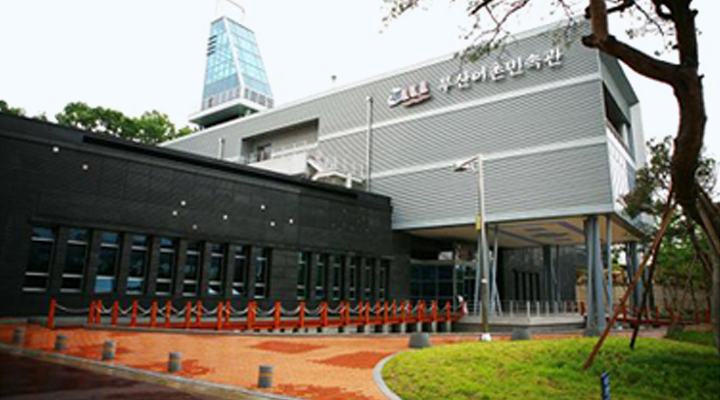
“A Journey Through Fishing-Village Culture from River to Sea” Is Divided into Two Exhibition Rooms
The exhibition theme is “A Journey Through Fishing-Village Culture from River to Sea.” The interior consists of the Nakdonggang Fishing Village Folk Room and the Busan Fishing Village Folk Room, guiding visitors from the lives of ancestors who lived along the Nakdonggang River to the history of fishing villages along Busan’s coast.
In the Busan Fishing Village Folk Room, visitors can view comprehensive materials on fishing activities by period, traditional fishing methods, cultural heritage, and fishing-village folk customs in Busan. The focus of the exhibition is not to present the sea as a romantic landscape, but to explain the concrete history of how local residents have used rivers and the sea as the foundation of their livelihoods.
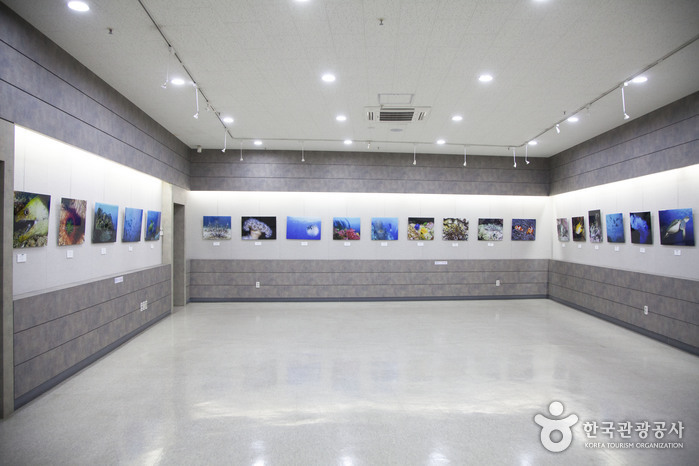
The First-Floor Fishing Village Experience Room Is Designed Mainly for Preschoolers and Children
The first floor has a fishing village experience room for preschoolers and children. It is designed to help visitors experience and understand the ecology and fishing-village culture of Busan through a virtual fishing village connected by rivers and the sea.
This experience room was newly created in 2019. Rather than expecting an exhibition focused solely on quietly reading about artifacts as an adult, families visiting with children will find it better suited to exploring fishing-village ecology and culture against the backdrop of a virtual village.
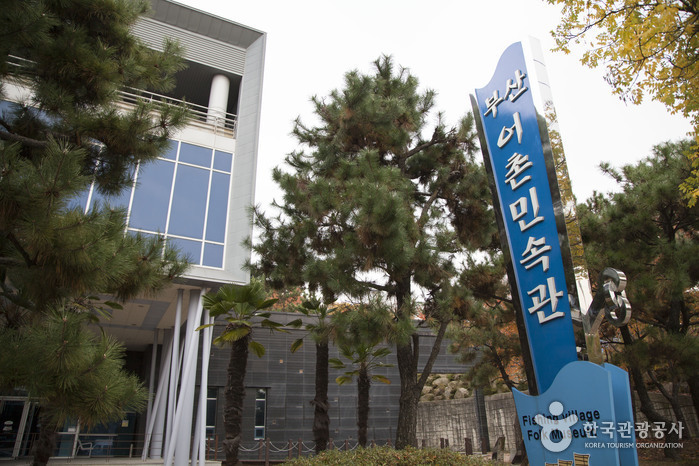
It Is a 10-Minute Walk from Exit 1 of Hwamyeong Station Toward Hwamyeong National Railway Station
If you are traveling from central Busan, Gimhae Airport, or another outside departure point by Metro Line 2, get off at Hwamyeong Station. After exiting through Exit 1, walk toward Hwamyeong National Railway Station; according to the official directions, it takes 10 minutes on foot. The destination is 128 Haksa-ro, Buk-gu, Busan.
By bus, take routes 111, 121, 126, 15, or 59, get off at Waseok Bus Stop, and walk for 10 minutes. Route 300 has different drop-off points depending on the direction. Toward Gupo Market, get off at Gyeongbu Line Hwamyeong Station or the Employment and Welfare Center; toward Geumjeong Public Garage, get off at Bukbusan Post Office.
Open from 9 a.m. to 6 p.m.; Admission Ends at 5 p.m.
As of April 28, 2026, visiting hours are from 9 a.m. to 6 p.m., and the last admission is at 5 p.m. The official recommended visiting time is approximately one hour, so it is safer to arrive with enough time to see both the exhibition rooms and the experience room rather than arriving just before 5 p.m.
Admission is free. The museum is closed on January 1 and every Monday; if Monday is a public holiday, it is closed the following day. There is no visitor-capacity limit, but groups must contact the museum in advance. The Toy Library is closed on January 1, every Monday, Sundays, and public holidays.
There Is a Parking Lot, but Traveling from Hwamyeong Station Is More Practical
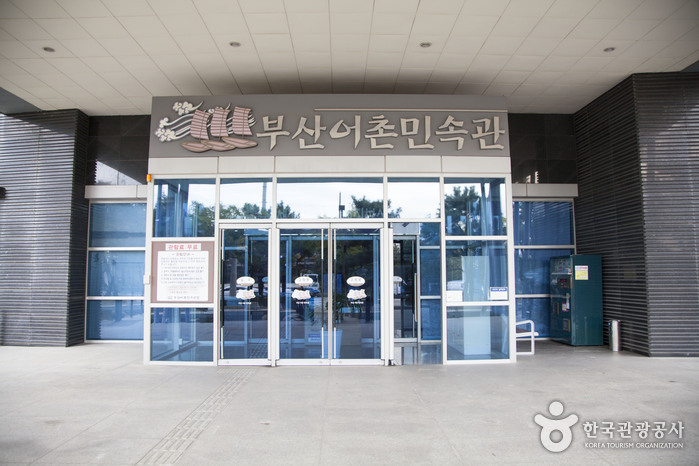
If you travel by car, the Busan Fishing Village Folk Museum is opposite Hwamyeong National Railway Station. Although parking facilities are available, the official guidance states that the parking lot is small and parking confusion frequently occurs, making it difficult to plan your itinerary based on the number of available spaces or parking fees.
For this reason, visitors coming to Busan for the first time may find it more predictable to walk 10 minutes from Exit 1 of Hwamyeong Station. Bus passengers must walk 10 minutes after getting off at Waseok Bus Stop, so this is not a place where you arrive at the entrance immediately after getting out of a vehicle.
See the Nakdonggang Aquatic Plant Space at the Entrance Before the Indoor Exhibitions
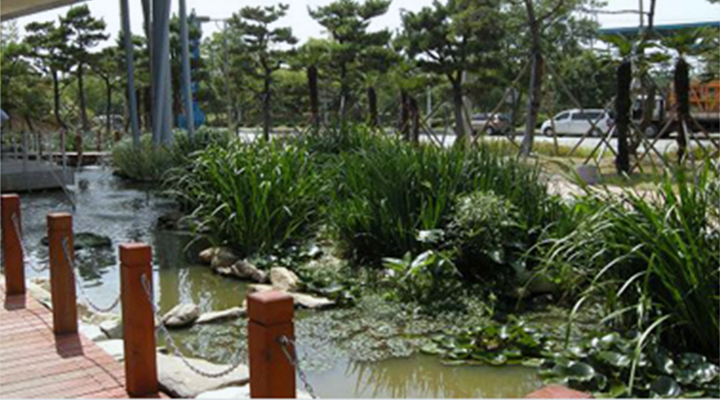
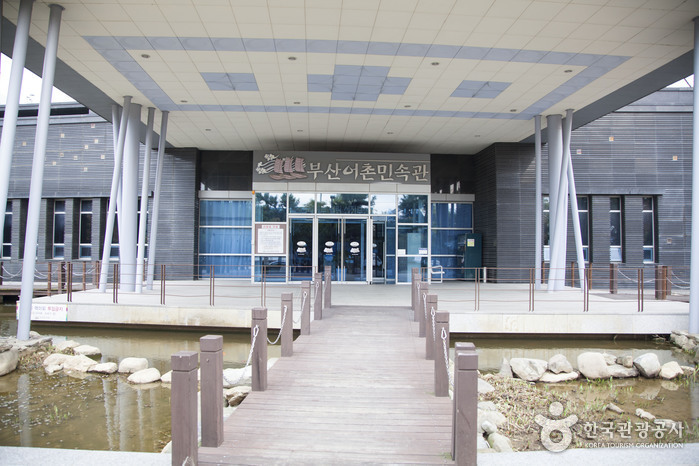
A waterside space has been created at the museum entrance. Various aquatic plants that grow along the Nakdonggang River have been transplanted here, and the space is presented as an outdoor learning area for children and as a place that reflects the museum’s eco-friendly image.
Therefore, rather than going straight to the indoor exhibitions, it is easy to follow the exhibition theme’s flow “from river to sea” by first viewing the ecology of the Nakdonggang River in the waterside space and then entering the Nakdonggang Fishing Village Folk Room. However, based on the available information, it is not possible to determine whether photography is permitted or which areas prohibit photography.
Wheelchair Users Can Use the Rental Desk, Elevator, and Accessible Restrooms
Accessibility facilities listed include a wheelchair rental desk, accessible parking, an elevator, and accessible restrooms. Basic conveniences are available, allowing wheelchair users and visitors who need mobility assistance to receive support from the facility.
However, specific information about indoor stairs and slopes, English-language guidance, and the availability of an audio guide could not be confirmed from the available information. If you need to make an inquiry before visiting, call 051-550-8888. The fax number is 051-363-6433.
Operating and Contact Information Foreign Visitors Should Know Before Visiting
The official website is the Busan Fishing Village Folk Museum introduction page of Busan Metropolitan City: https://www.busan.go.kr/sea/onfolkintro. The address is 128 Haksa-ro, Buk-gu, Busan, and since admission is free, there is no ticket cost to prepare for. The main telephone number is 051-550-8888, and official visiting hours are 9 a.m.–6 p.m.
For a first visit, plan one itinerary including the 10-minute walk from Exit 1 of Hwamyeong Station, approximately one hour for the exhibitions, and whether to use the children’s experience room. The museum is closed on Mondays and January 1; if Monday is a public holiday, it is closed the following day, so check the day of your visit first to avoid a wasted trip.
],Before You Go
- Address
- 128 Haksa-ro, Buk-gu, Busan
- Hours
- 9 a.m.–6 p.m. (last admission at 5 p.m.)
- Closed
- January 1 and every Monday. If Monday is a public holiday, closed the following day
- Admission
- Free
- Phone
- 051-550-8888
- Official site
- https://www.busan.go.kr/sea/onfolkintro
- Transport
- A 10-minute walk toward Hwamyeong National Railway Station from Exit 1 of Hwamyeong Station on Metro Line 2. For bus routes 111, 121, 126, 15, and 59, get off at Waseok Bus Stop and walk 10 minutes. For route 300, get off at Gyeongbu Line Hwamyeong Station, the Employment and Welfare Center, or Bukbusan Post Office, depending on the direction
- Parking
- Parking lot available. Public transportation is recommended because the parking lot is small and parking confusion frequently occurs
- Time needed
- Approximately one hour according to the official guidance
- Accessibility
- Wheelchair rental desk, accessible parking, elevator, accessible restrooms
The information above is accurate as of the time of writing. Check the official guidance again before visiting.

Places
Nearby Attractions 3
-
 1
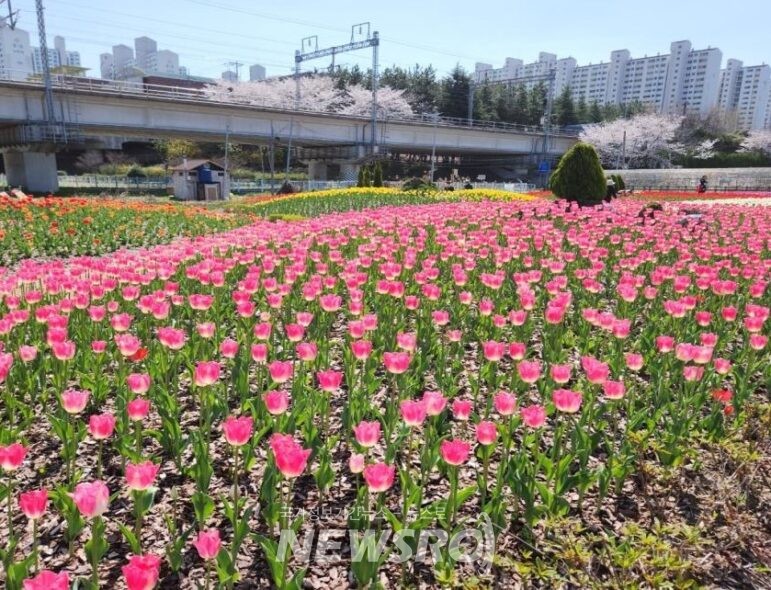
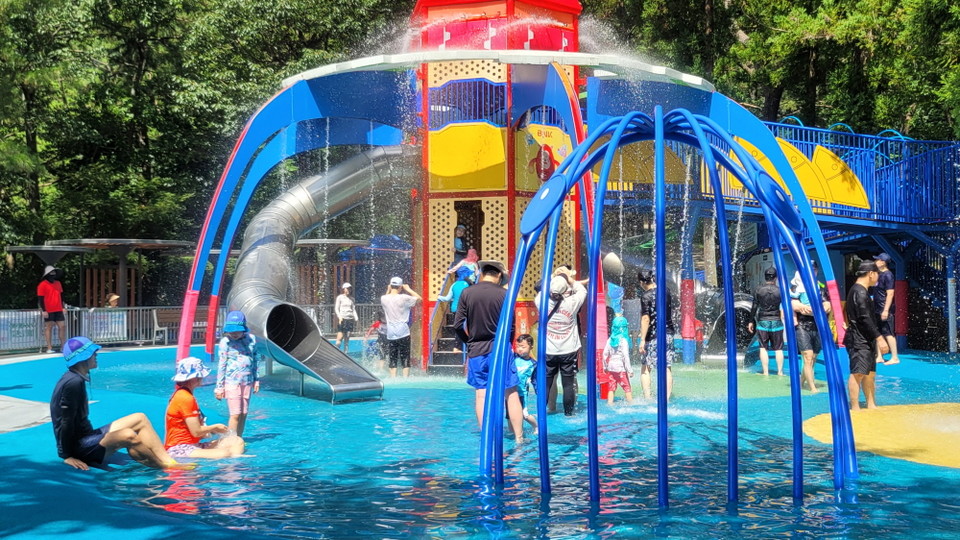
Hwamyeong Ecological ParkAn ecological park along the Nakdong River embankment, perfect for walking and cycling.
1
Hwamyeong Ecological ParkAn ecological park along the Nakdong River embankment, perfect for walking and cycling. -
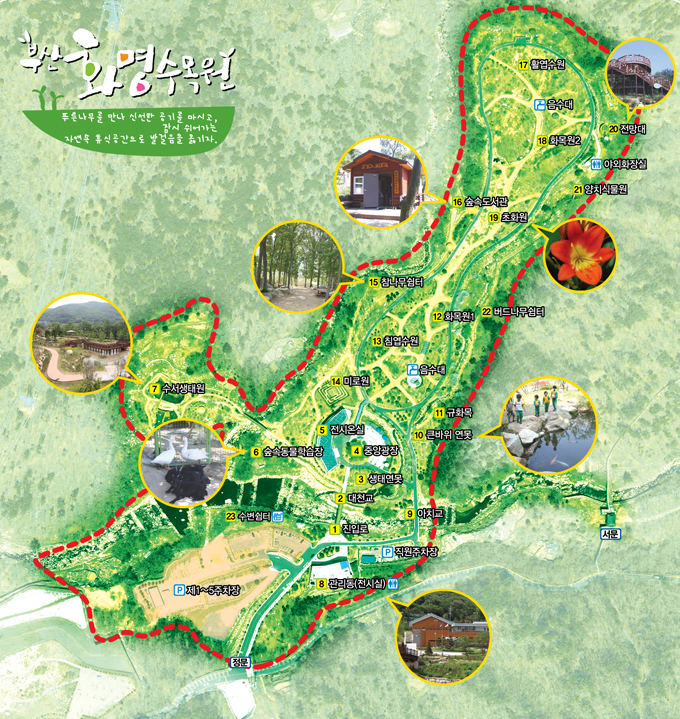 2
Hwamyeong ArboretumAn arboretum where you can stroll among diverse plants and along forest trails
2
Hwamyeong ArboretumAn arboretum where you can stroll among diverse plants and along forest trails -
 3
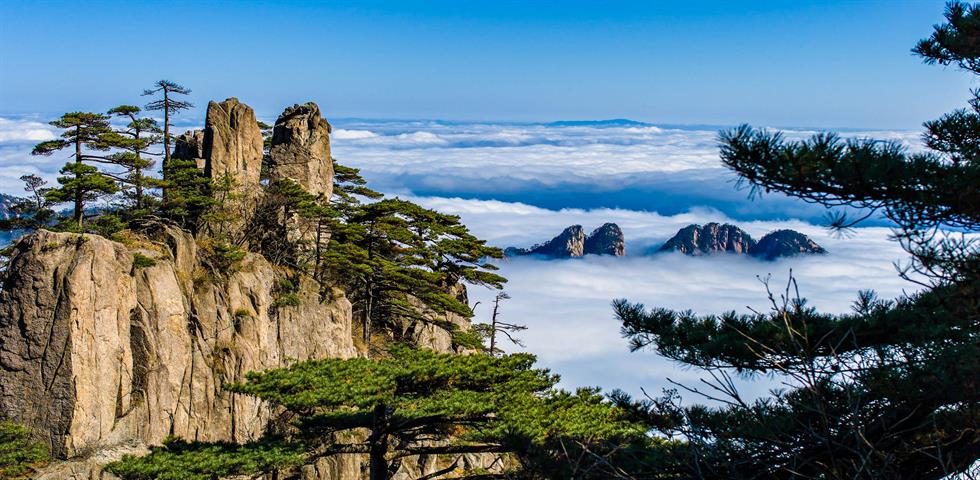
Daecheoncheon Riverside ParkA park where you can stroll along the Daecheoncheon stream and enjoy the valley scenery.
3
Daecheoncheon Riverside ParkA park where you can stroll along the Daecheoncheon stream and enjoy the valley scenery.
Food & Dining 3
-
 4
4
-
 5
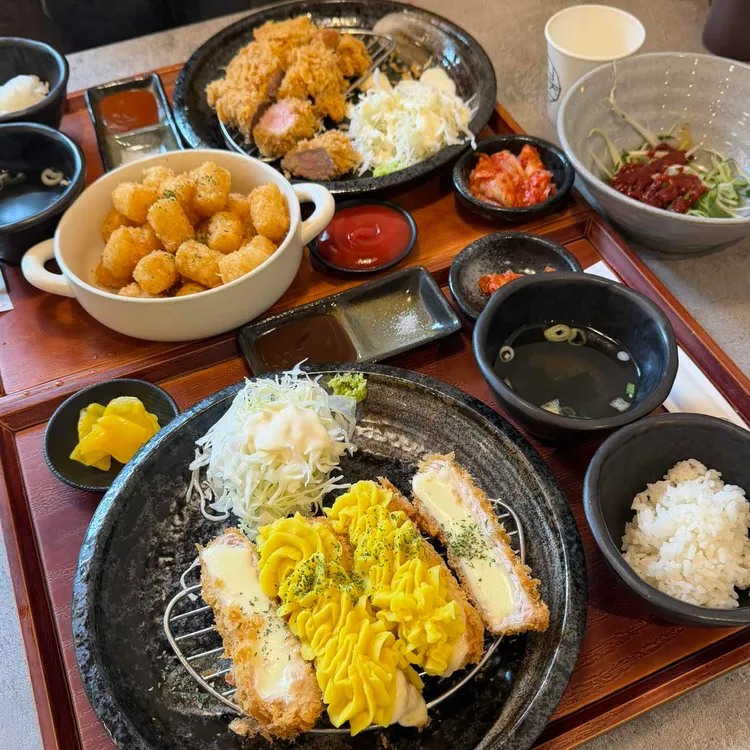
Wonkatsu Hwamyeong BranchA specialty restaurant serving thick-cut pork cutlets and set meals.
5
Wonkatsu Hwamyeong BranchA specialty restaurant serving thick-cut pork cutlets and set meals. -
 6
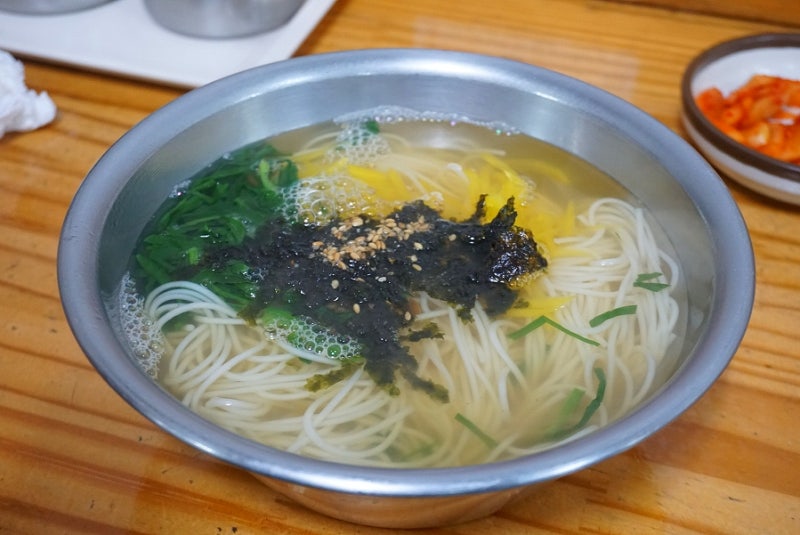
Iwonhwa Gupo GuksiA market restaurant serving anchovy-broth noodles and spicy mixed noodles.
6
Iwonhwa Gupo GuksiA market restaurant serving anchovy-broth noodles and spicy mixed noodles.
Events in This Area

Festivals in This Area

More Travel Guides in This Area
 Travel Guide
Hwamyeong Auto Camping Site with 30 pitches beside Baseball Field P5
 Travel Guide
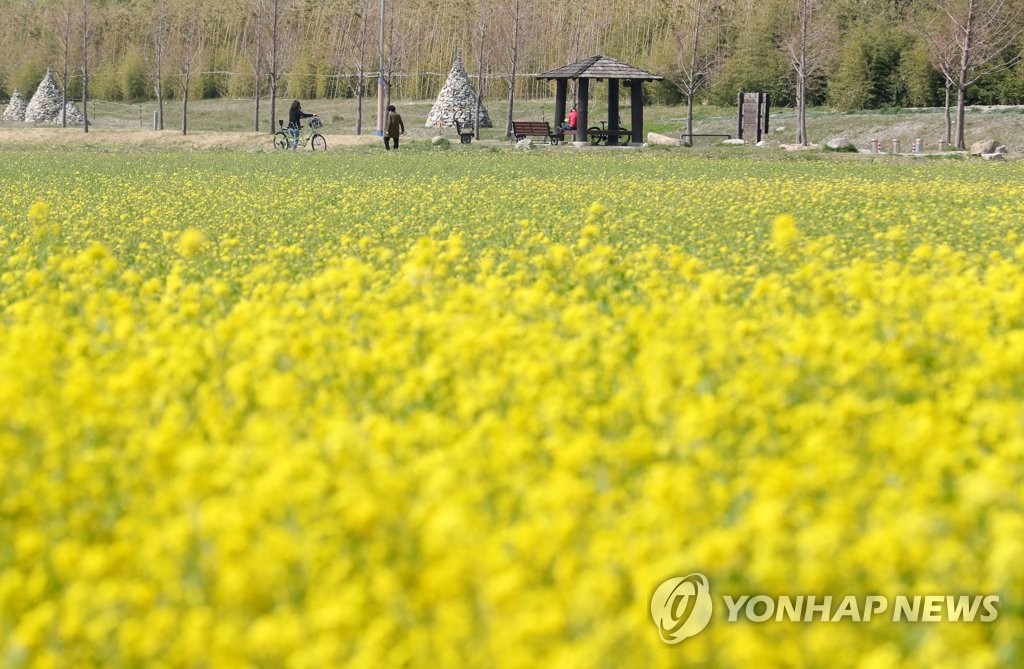
Daejeo Ecological Park Along 7.62 km of the Nakdong River: Connecting the Canola Fields and Sindeok Wetland
 Travel Guide
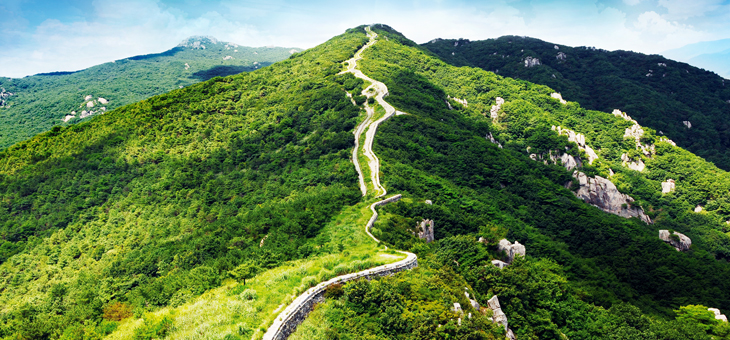
A Busan hike along Geumjeongsanseong Fortress’s four gates and 18,845 m of walls
 Travel Guide
Gukcheongsa Temple, a Buddhist sanctuary of national protection embraced by Geumjeongsanseong Fortress
Korea News
 News
News
‘NewJeans Expulsion’ Danielle Releases Her First YouTube Video… “We Don’t Know What Will Happen Next”
![aespa’s North American Tour Has Remaining Seats Despite ‘$49’ Bargain Prices… A Stark Popularity Gap with KATSEYE [TEN Starfield]](https://kotourlive-images.s3.ap-northeast-1.amazonaws.com/news/1788485037424_a59b1932_naver_rank_thumb_0000774618_1788485037424.jpg) News
News
aespa’s North American Tour Has Remaining Seats Despite ‘$49’ Bargain Prices… A Stark Popularity Gap with KATSEYE [TEN Starfield]
![[Photo] TWICE’s Dahyun attends a film festival red carpet as an actress](https://kotourlive-images.s3.ap-northeast-1.amazonaws.com/news/1788485316508_edd43ecd_news_870a60a6-6f11-4d73-aa7c-48d91318a0f7.jpg) News
News
[Photo] TWICE’s Dahyun attends a film festival red carpet as an actress
![[On-Site Video] “We’re Departing Separately Together”… BIGBANG Begins ‘COSMOS’ World Tour](https://kotourlive-images.s3.ap-northeast-1.amazonaws.com/news/1788485226518_c5719641_news_fdd4764a-0f4e-4968-8e4e-e98a02872f88.jpg) News
News