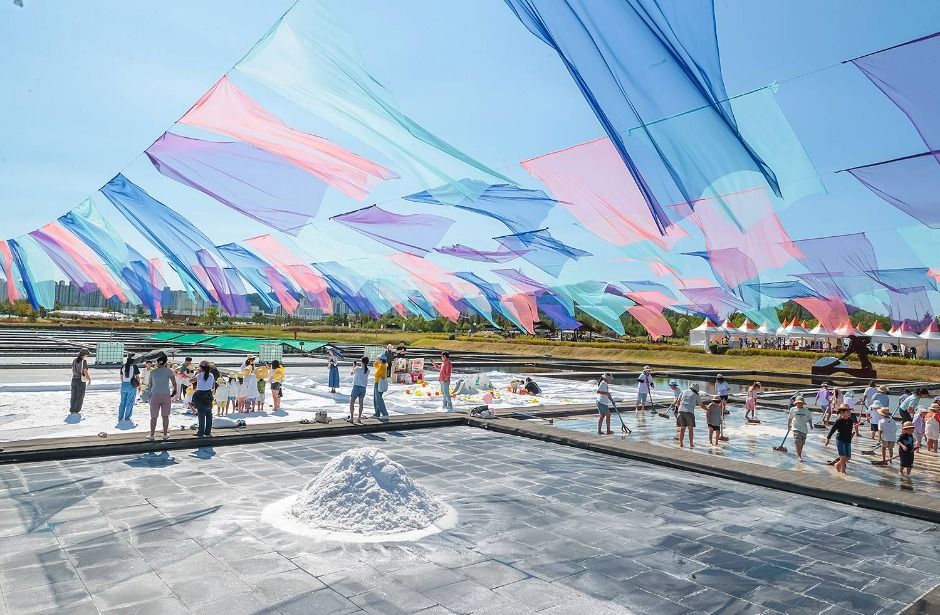

Between the salt pans and reed fields, who knew there was a tidal flat this close to the city?
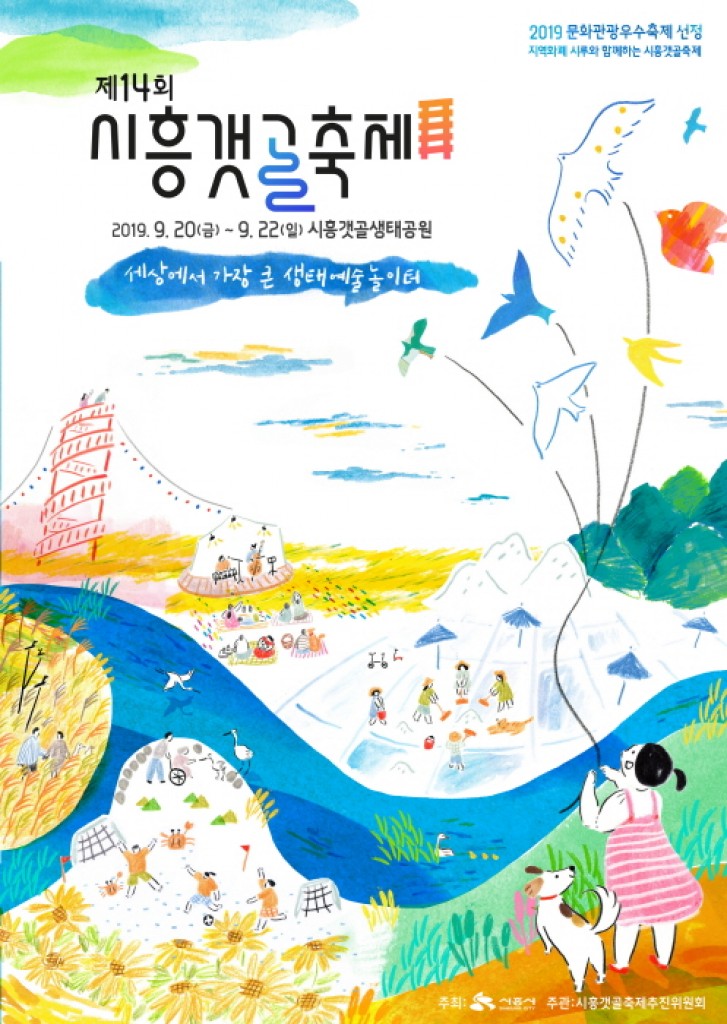
I always find it amazing that such a wide tidal flat and salt pans still remain within subway distance from Seoul. Siheung Gaetgol Ecological Park, where the Siheung Gaetgol Festival is held, is the only place in Gyeonggi-do that holds an "inner-bay gaetgol" reaching deep into the sea. A gaetgol is a waterway formed by the difference between high and low tide as a river flows into the sea. An ecological festival is held here every autumn against the backdrop of this gaetgol. In 2025, it ran for three days from Friday, September 26 to Sunday, September 28, with the 20th edition taking place around the park's lawn plaza. Marking its 20th anniversary, the festival featured 26 programs, more than in previous years, under the theme "Twenty Years of Memories, Salt Flowers Bloomed by the Wind."
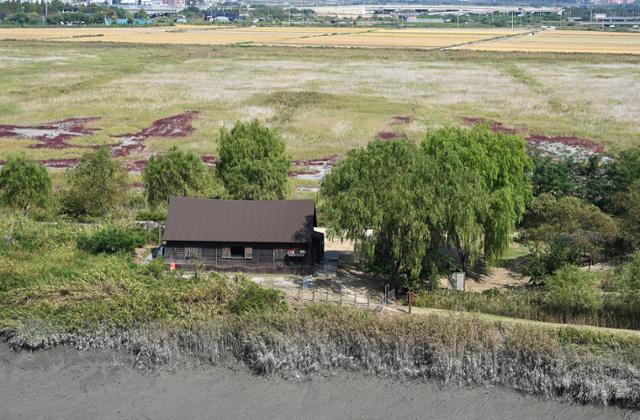
When you enter the park, the first thing that catches your eye is the low-rise cluster of buildings shaped like salt warehouses. All the buildings in the park, including the Gaetgol Wetland Center, were designed in the style of salt warehouses, so even if the festival were not taking place, the scenery itself tells the story of the area's salt history. At the end of September, the reed fields were still shifting from green toward a coppery hue, and as the late afternoon sun dipped lower, the reeds and waterways sparkled together, which is why so many people were taking sunset photos.
Free to enter, but plan your experiences in advance
The first thing I want to tell you about is admission. Entry to the festival is free, so anyone can come and go freely. However, labor-intensive programs such as salt-making experiences in the salt pans and some exhibitions or special hands-on activities are paid, and they require advance reservations or on-site payment. Popular experiences like the hot-air balloon ride can develop long lines quickly, so if there is a paid activity you really want to do, I recommend checking there first as soon as you arrive. To avoid wasted trips, it helps to look at the official page in advance to see which activities require reservations that day and what the schedule looks like.
Once you understand the festival's character, planning your day becomes easier. The signature program, "Memory of Salt, Dance of Water," is a performance staged in the salt-pan area, so it has the best atmosphere around sunset. Music programs such as "Forest of Pianos," Gaetgol busking, and acoustic guitar ensemble performances are acoustic stages where you can spread out a mat on the lawn and listen. During my visit, I spent the daytime going around the salt playground, reed playground, and walking paths, then settled on the grass in the late afternoon, and that sequence felt the most relaxed. If you're visiting with children, you'll likely spend a lot of time around the children's flea market and the wetland playground.

Going without a car is the best choice — subway, shuttle, and village bus combination
This festival promotes itself as a "car-free festival" and operates a shuttle bus. So public transportation is more comfortable than driving. If you're taking the subway, get off at Siheung Neunggok Station or Siheung City Hall Station on the Seohae Line and take Village Bus No. 5 to the large parking lot of Gaetgol Ecological Park. There are also regular city buses from Sosa Station, Bucheon Station, Jeongwang Station, and other places, but in that case you'll need to get off at the apartment complex stop and walk about 1.3 km, roughly 15 minutes on foot. The walk is flat and not difficult, but there is little shade between the reed fields, so it's a good idea to bring a hat or water.
The park itself is large, so you'll end up walking a lot inside too. Comfortable sneakers are almost essential. If you stay for the evening performances, the last bus times for the village bus or city bus may be a bit inconvenient, so it's safest to check the last departure time for your return transportation in advance. Sitting on the lawn at night can feel quite chilly because the gaetgol breeze gets cool, so put a light outer layer in your bag.
There isn't much English guidance, but you can still enjoy it easily by feel
To be honest, this festival is closer to an ecological event created by local residents than a festival tailored to foreign tourists. So English guidance and interpretation desks are not very extensive. Still, most of the programs are music, hands-on activities, and walks, so language is not a major barrier. Salt-making, playground activities, and busking performances were all easy to enjoy even if you just followed along intuitively.
Because it is an eco-friendly festival, it operates under a "carbon zero, waste zero" policy and does not provide disposable items or trash bins. So bringing your own tumbler, hand towel, and shopping bag will make things much more convenient, and it's best to prepare with the mindset that you'll take your trash back with you. Food stalls and merchandise booths may offer discounts with the local currency, so be sure to ask about payment methods in advance. Some small booths may accept only cash, so I brought both a card and some cash.
Recommended for these travelers
This festival is perfect for people who want to spend a leisurely day walking through reed fields and sitting on the grass listening to music, rather than chasing flashy rides or a giant stage. It's not far from the city, yet you can experience a tidal-flat landscape completely different from Seoul, and for families with children, the hands-on booths alone can easily fill up half a day. If you want to quietly enjoy the autumn wind and salt flowers of Siheung, bring comfortable shoes and one light outer layer and give it a visit.
| Item | Score | Basis |
|---|---|---|
| Language accessibility | 2.5 | English guidance and interpretation are not extensive, but the music- and activity-based programs keep the language barrier low |
| Transportation accessibility | 3.5 | Seohae Line to Siheung Neunggok or Siheung City Hall Station + Village Bus No. 5, shuttle operation. Some routes require a 15-minute walk |
| Facilities for foreign visitors | 2.5 | Foreign-visitor-specific services are limited, and available information is also limited |
| Local cultural experience | 4.5 | An ecological festival where you walk and experience the inner-bay gaetgol, salt pans, and salt history firsthand |
| Value for money | 4.5 | Free admission, with only some experiences requiring payment. Local-currency discounts are also available |
| Cleanliness / safety | 4.0 | Eco-friendly carbon-zero, waste-zero operation, though visitors need to take their own trash back with them |
| Food / convenience facilities | 3.5 | Food and merchandise booths are available. Some booths may accept only cash, so preparation is needed |
This article was compiled by our editorial team from official announcements and coverage of previous editions; it is not a first-hand visit report. Please confirm the final schedule and fees on the official website.
Festival Details
-
Festival Period9/18/2026 ~ 9/20/2026
-
Festival VenueGae-gol Ecological Park, 287 Dongseo-ro, Siheung-si, Gyeonggi-do (Janggok-dong)
-
Admission FeeFree (some experience programs are paid)
-
TagsSiheung Gae-gol Festival Gae-gol Ecological Park Eco-festival Carbon Zero Eco-friendly Local Currency Discount Shuttle Bus
More Festivals



Popular Concerts

![[Play&Stay]ILLIT LIVE ‘PRESS START♥’ ENCORE in KOREA + Hotels](https://kotourlive-images.s3.ap-northeast-1.amazonaws.com/concerts/1790560840067_340ff0d2_thumbnail.gif)


More Travel Guides in This Area
 Travel Guide
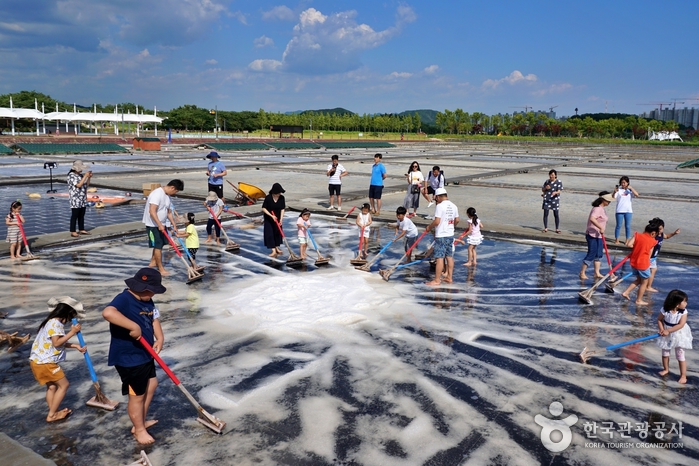
Siheung Gaetgol Ecological Park, Where the Sea Flows: Traces of Sorae Salt Fields and How to Get There
 Travel Guide
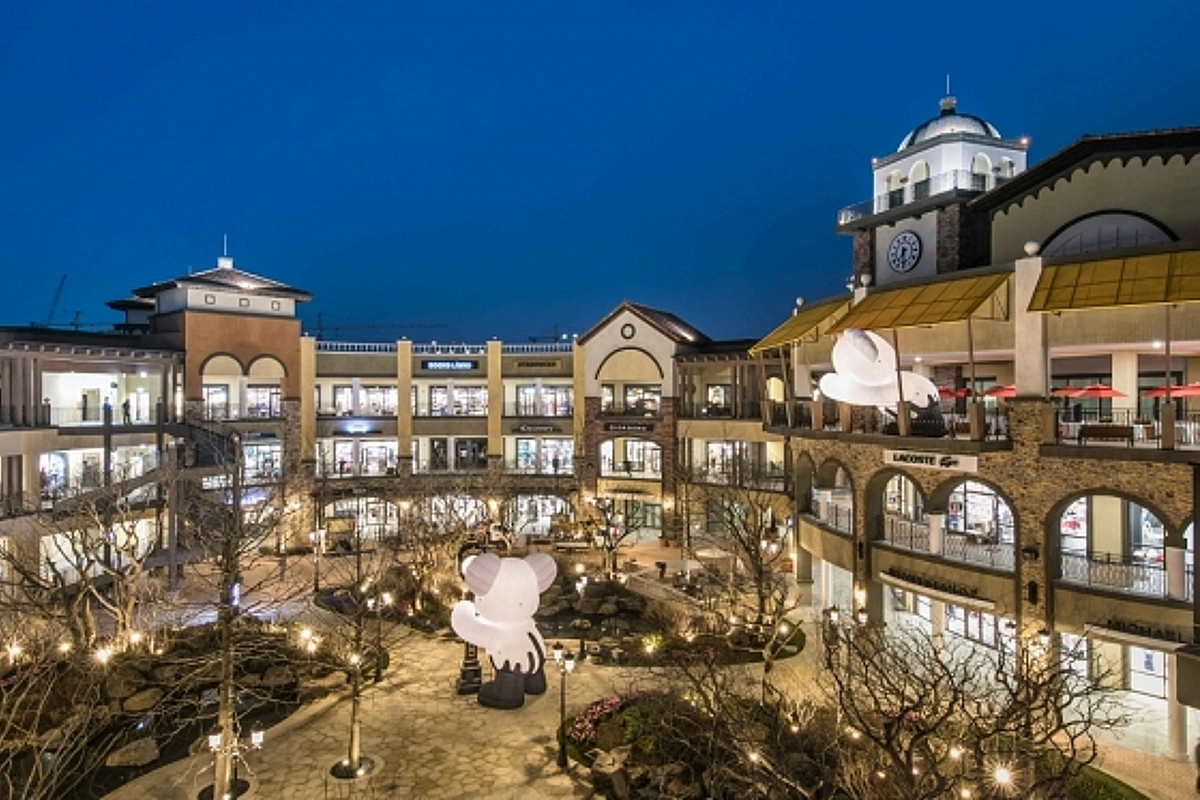
How to Plan a One-Day Itinerary at Siheung Premium Outlets, 699 Seohaean-ro, Opened in 2017
 Travel Guide
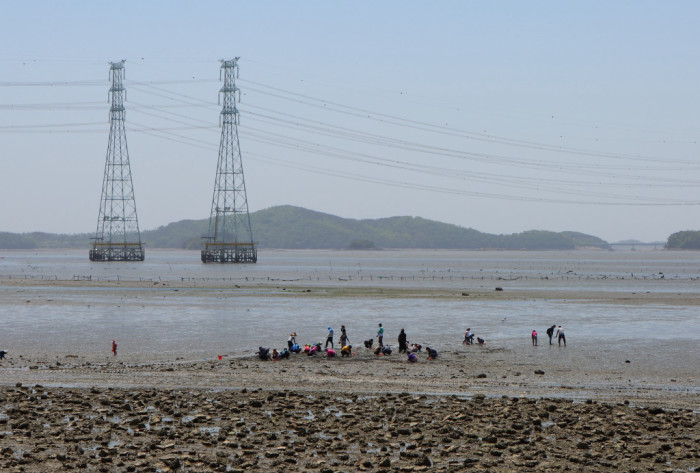
Daebudo — The Island of “Big Hills” Created by the Sihwa Seawall
 Travel Guide