I’ve been here?
Your check-in helps the next traveler.
No one has checked in yet Be the first
One tap — no writing needed
Free exhibition hall beneath Bukhansan at the end of the stone-wall road by Gyeongbokgung Palace
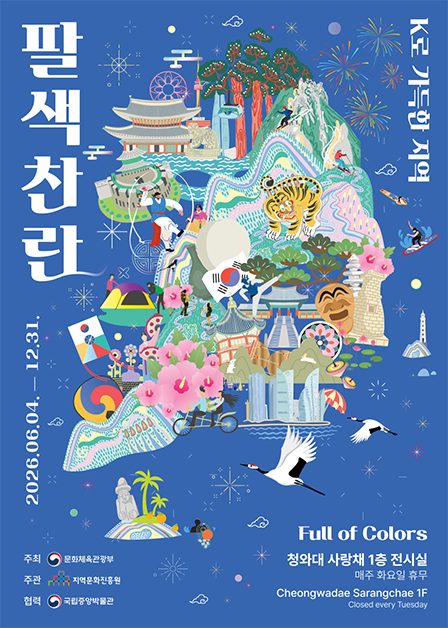
As you walk up along the stone-wall road by Gyeongbokgung Palace, you come to a fountain and plaza at the point where Bukhansan spreads out like a folding screen, and Cheong Wa Dae Sarangchae stands in front of them. On the first floor, a special exhibition titled 'Palsekchanran: Regions Filled with K' runs from June 4 to December 31, 2026. I stopped by because I was curious where the recent "K culture" such as K-pop and dramas actually came from, and this exhibition starts right from that question. It presents, in a multidimensional way through regional content displays and media art, how Korea's history, culture and arts, and regionally unique cultural assets connect to and expand into K-content. After the presidential office moved to Yongsan, the Cheong Wa Dae area was opened up in its entirety, and Sarangchae is the place that welcomes visitors first at the entrance.
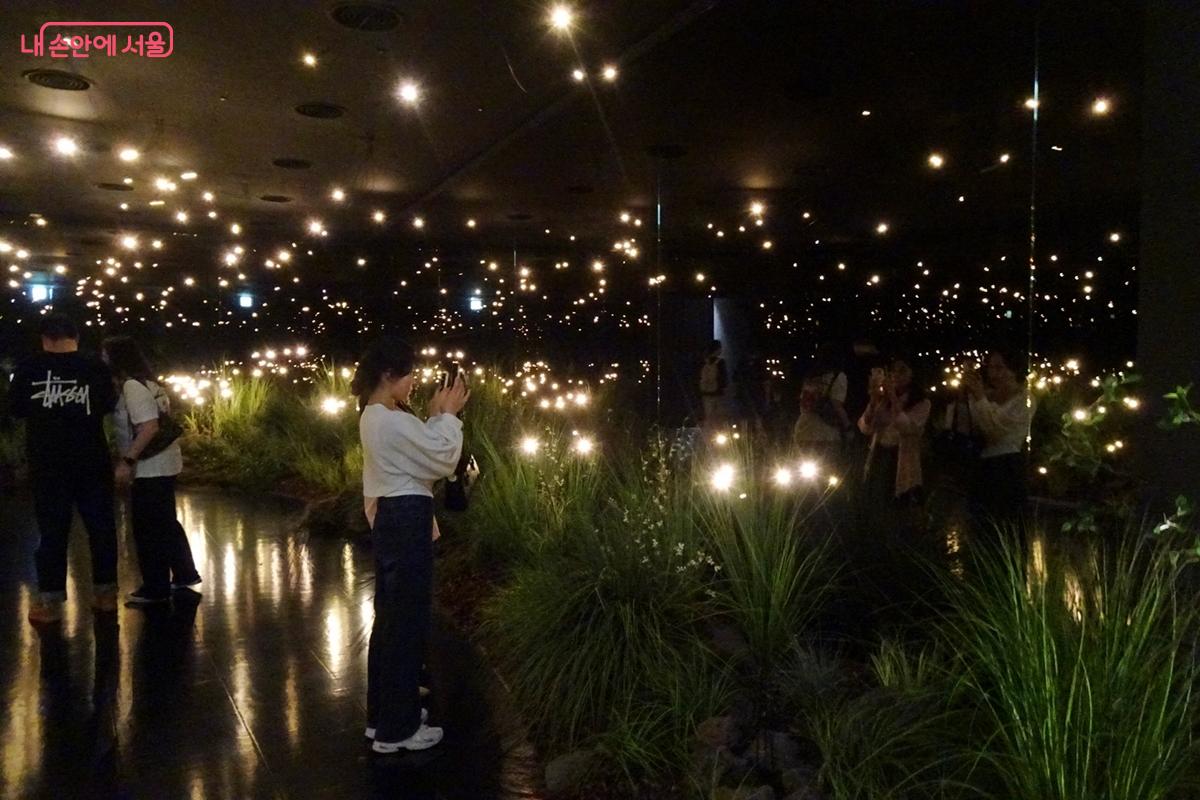
The exhibition is broadly divided into two sections. In the first-floor exhibition hall, under the theme "Regions are Full of K," representative cultural content and regional narratives from the 5 megaregions and 3 special regions across the country are reinterpreted in a contemporary way through materials such as performances, cuisine, crafts, everyday culture, and tourism resources. And in the media art room, you can enjoy "The Prehistory of K," which turns traditional patterns, gat hats, peonies, Korean colors, and tigers and other Korean symbols into immersive video art. When you step into the dark room, patterns flow across the walls and floor and colors spread everywhere, making it far more overwhelming in person than in photos.
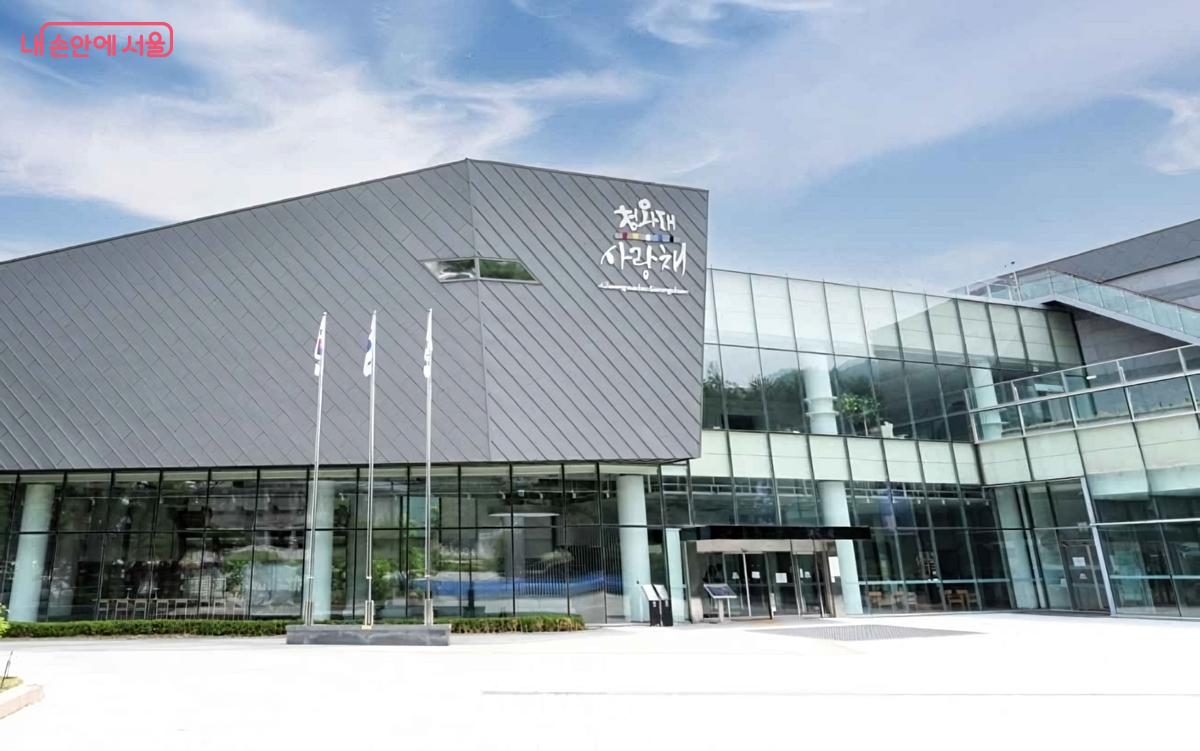
A half-day walking course from Gyeongbokgung Station
The first thing to know is that you do not need a reservation or a ticket. Admission is free, and you can simply walk in without booking. I felt at ease not having to worry about sellouts or advance reservations. There is just one thing to remember: it is closed every Tuesday and also on January 1, so just avoid those days.
The route is simple. From Exit 3 of Gyeongbokgung Station on Line 3, it is about 900 m, and you arrive after about a 15-minute walk along the stone-wall road. The road itself is a pleasant strolling route, so it was not boring, and there were many foreign tourists in hanbok, making it a good place for photos. Visiting hours are from 9:00 a.m. to 6:00 p.m., and last admission is at 5:30 p.m. I came over before lunch after seeing Gyeongbokgung Palace in the morning, and since the whole exhibition is not very large, you can see it at a relaxed pace in about an hour, including the media art. It is a burden-free scale even described as taking about 30 minutes to view for media exhibitions such as Yeonhwa.
You may worry about English, but the Cheong Wa Dae Sarangchae website operates separate Korean, English, Chinese, and Japanese sites, so it was easy to check the program before visiting. On site, the media art centered on images, colors, and music rather than language explanations, so even without knowing Korean, you could enjoy the atmosphere sufficiently. However, the text panels in the first-floor regional content exhibition are largely in Korean, so if you want to read the detailed explanations, I recommend keeping a translation app open. Since admission is free, there is almost nothing to pay for, but the souvenir shop and cafe accept cards, so there was no need to carry cash separately.
Look out for the Wednesday 12:10 p.m. 'Culture Day' performance
This is where this exhibition differs from a simple permanent hall. Throughout the exhibition period, a 'Culture Day' cultural event is held every Wednesday at 12:10 p.m. Because it is filled with performances, talks, and participatory events involving young artists and regional arts groups, it felt much more lively than just viewing an exhibition and leaving. I went at lunchtime on Wednesday, and I was glad I did because I could watch a short performance up close in the lobby. If you can choose the day, I strongly recommend aiming for around Wednesday noon.
The performers and detailed schedule change each time, so if there is a specific performance you want to see, it is best to check that week's program on the official website before visiting. A Saturday performance linked to the special exhibition is also planned, so even if you go on the weekend, there is a chance you may catch a stage show.
What to see together and a few small tips
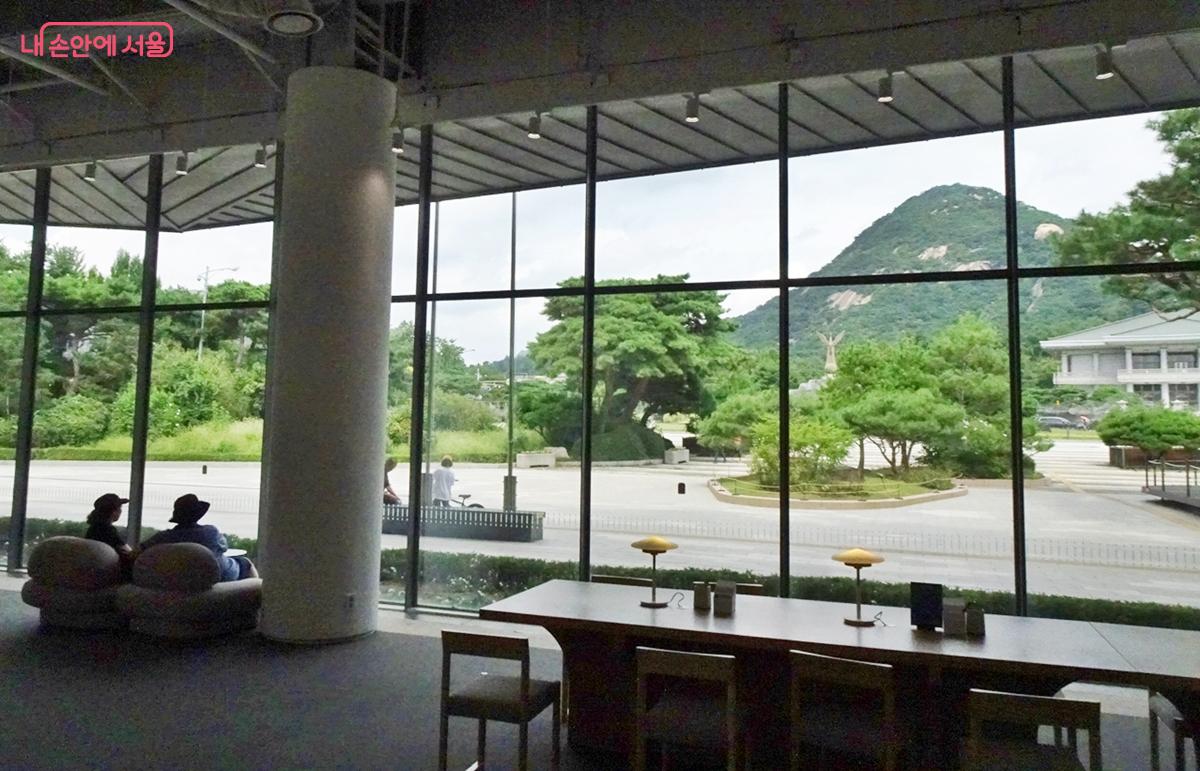
Sarangchae is not just an exhibition venue. There are spaces with a travel-library concept throughout, and the travel lounge and library gather information on local destinations in the Cheong Wa Dae area as well as well-known attractions, which made it easy to plan my next stop. The view from the second floor looking down toward Bukhansan felt like a painting, and I stood there for a long time.
It is also good to note the facilities. There is a nursing room, luggage storage, accessible restrooms, a souvenir shop, and a cafe, and the entrance has no step so wheelchair access is possible, while strollers can also be rented free of charge at the information desk. It is a setup that works well even if you are with children or parents.
Here are a few things worth knowing in advance.
- Closed on Tuesdays and January 1 — if you avoid these dates, you can enter for free without a reservation
- To see a performance, visit at 12:10 p.m. on Wednesday for 'Culture Day'
- The stone-wall road is uphill, so comfortable shoes are best; in winter the plaza gets very windy, so warm clothing is essential
- The text on the first floor is mostly in Korean — prepare a translation app in advance
If you want to take in the roots and regional character of K culture all at once, beyond just what is trendy now, and if you want to make good use of a half day together with Gyeongbokgung and Seochon, this is perfect. It is rare to find a place where you can see such carefully made media art and live performances without spending a single won, so add it lightly to your Seoul itinerary.
| Item | Score | Basis |
|---|---|---|
| Language accessibility | 3.5 | Website operates in English, Chinese, and Japanese; the media art is language-independent, but the first-floor panels are mostly in Korean |
| Transportation accessibility | 4.5 | 900 m from Exit 3 of Gyeongbokgung Station on Line 3, about a 15-minute walk along the stone-wall road |
| Facilities for foreign visitors | 4.0 | Nursing room, luggage storage, accessible restroom, cafe, wheelchair access, and free stroller rental |
| Local culture experience | 4.5 | Experience the roots of K through regional content by area and media art featuring Korean symbols from the 5 megaregions and 3 special regions |
| Value for money | 5.0 | Free admission, no reservation required, plus free media art and live performances |
| Cleanliness/Safety | 4.0 | A reopened indoor exhibition hall with good maintenance, though detailed safety information is limited |
| Food & convenience facilities | 3.5 | There is an internal cafe and souvenir shop, but for meals you need to go to nearby areas such as Seochon |
This article was compiled by our editorial team from official announcements and coverage of previous editions; it is not a first-hand visit report. Please confirm the final schedule and fees on the official website.
Festival Details
-
Festival Period6/4/2026 ~ 12/31/2026
-
Festival VenueCheongwadae Sarangchae (1st Floor) Exhibition Room and Lobby
-
Operating Hours09:00 ~ 18:00 (Closed on Tuesdays; last admission 17:30)
-
Admission FeeFree admission
-
TagsCheongwadae Sarangchae Regional content exhibitions Media art K-content Ministry of Culture Sports and Tourism National Museum of Korea
More Festivals

Popular Concerts
![EXO PLANET #6 - EXhOrizon [dot] -](https://kotourlive-images.s3.ap-northeast-1.amazonaws.com/concerts/1787215796640_ee65f451_thumbnail.jpg)
More Travel Guides in This Area
 Travel Guide
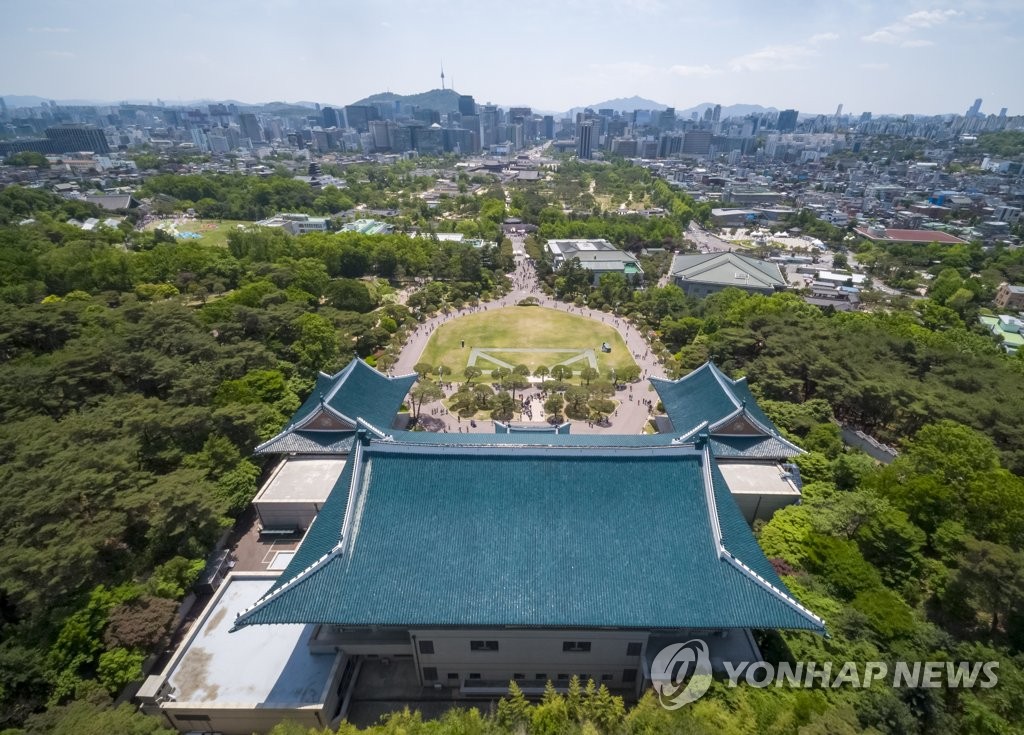
How to Walk Through 74 Years of Power Beneath Bukaksan Mountain: A Visit to the Blue House
 Travel Guide
From 24 Jahamun-ro 9-gil to Suseong-dong Valley — 2.5 km Through Seochon's Jungin Village
 Travel Guide
National Folk Museum of Korea — Korean Life History in the 1972 Building at Seonwonjeon Old Site
 Travel Guide