Jangsaengpo Whale Meat Street: Discovering the Memory of Whaling at the Table
Jangsaengpo Whale Meat Street, located around 135 Jangsaengpogorae-ro, Nam-gu, Ulsan, is a street where the industrial and everyday history of Jangsaengpo, once a whaling port, lives on through food. The street itself is freely accessible, but each restaurant has different hours, menus, and prices, so calling ahead is recommended.
I’ve been here?
Your check-in helps the next traveler.
19 people viewed this week Be the first
One tap — no writing needed
A “Food Specialty Street” Beginning at 135 Jangsaengpogorae-ro
Jangsaengpo Whale Meat Street is a food specialty street in the area around 41 Jangsaengpo-dong, Nam-gu, Ulsan Metropolitan City, with 135 Jangsaengpogorae-ro, Nam-gu, Ulsan Metropolitan City given as its representative address. It is not a single shop or paid tourist facility, but a street lined with several whale meat restaurants, so entering and walking along the street is free. Visiting costs vary depending on the dishes ordered at the restaurant you choose.
This area is convenient to visit together with the Jangsaengpo Whale Culture Special Tourist Zone. The Jangsaengpo Whale Museum is located at 244 Jangsaengpogorae-ro, about 1.6 km from the representative point of Whale Meat Street. If your sole purpose is dining, getting off at Whale Meat Street is practical; if you also want to see the history of whaling, it is clearer to schedule the museum visit first and then plan your meal.
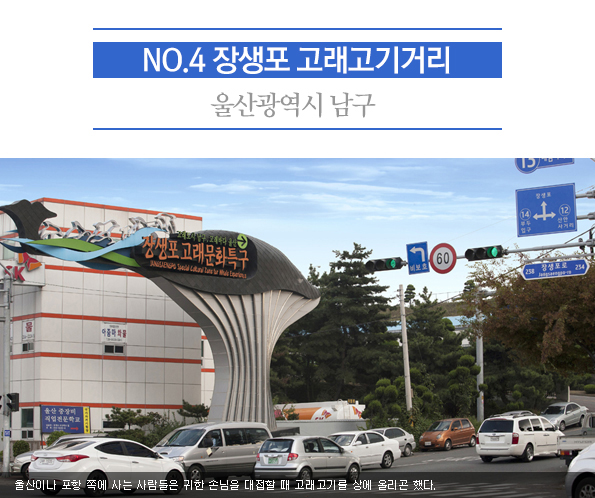
How Ulsan’s Deep Waters Made Jangsaengpo a Whaling Port
Jangsaengpo is a port located at the estuary where the Taehwagang River enters the East Sea and along the western coast of Ulsan Bay. Ulsan Bay has deep waters that made it convenient for ships to enter and leave, while the surrounding waters were suitable fishing grounds for whaling. As a result, Jangsaengpo became both a port of call on coastal routes and a base for the whaling industry. The place name “Jangsaengpo” combines jangsaeng, meaning longevity, and po, meaning a harbor.
Marine tourism materials report that, during the peak of whaling in the late 1970s, Jangsaengpo had about 20 whaling ships and a population of approximately 10,000. However, commercial whaling in the Republic of Korea was halted in 1986, and Jangsaengpo’s whaling foundation was reorganized around tourism, exhibitions, and food culture. This street is therefore more than a simple alley of local delicacies: it is a place where traces of the port, whaling, and industrialization converge around a single table.
Suyuk, Une, Obaegi, and Makjjakgi: Six Names to Know Before Ordering
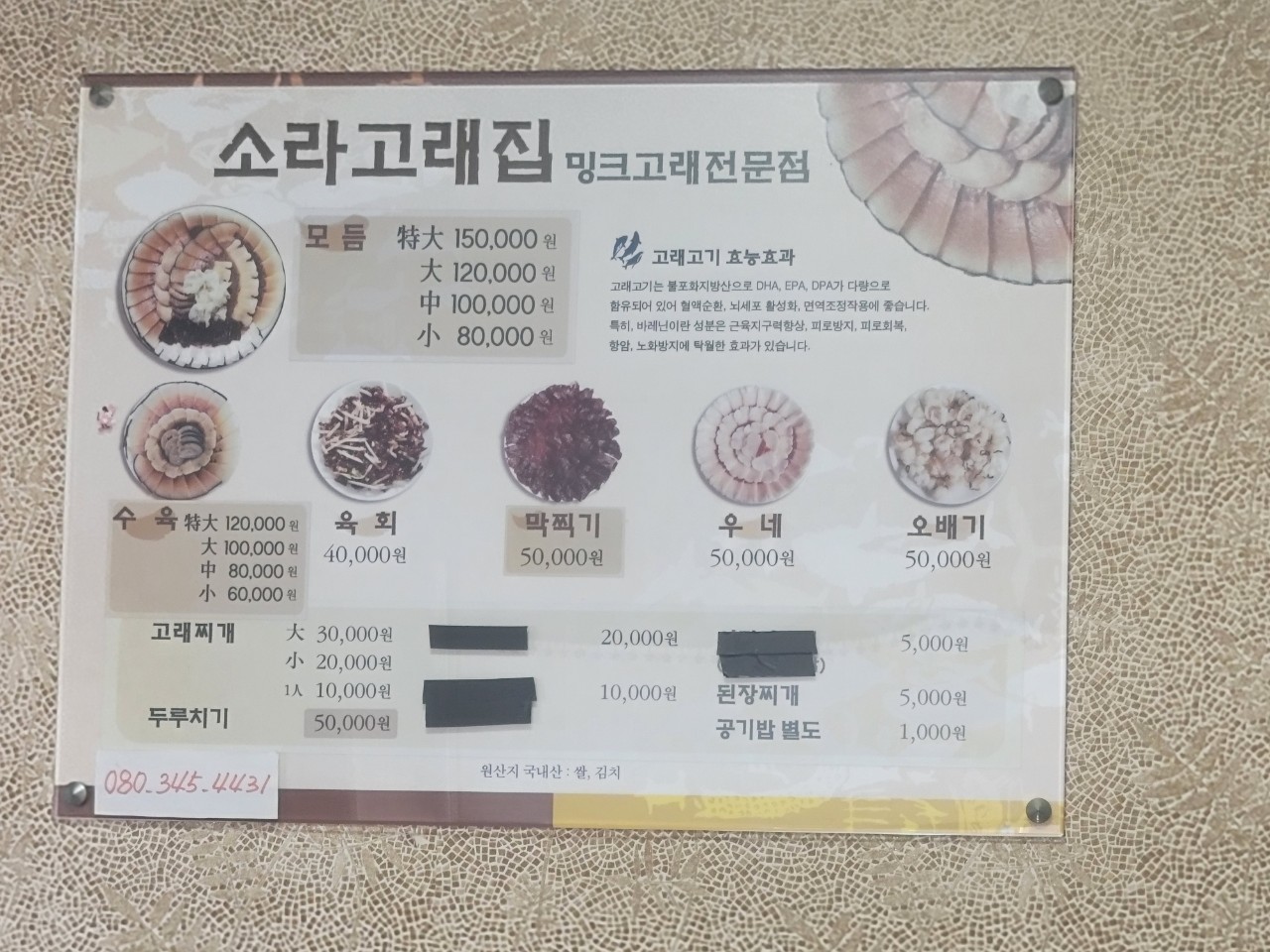
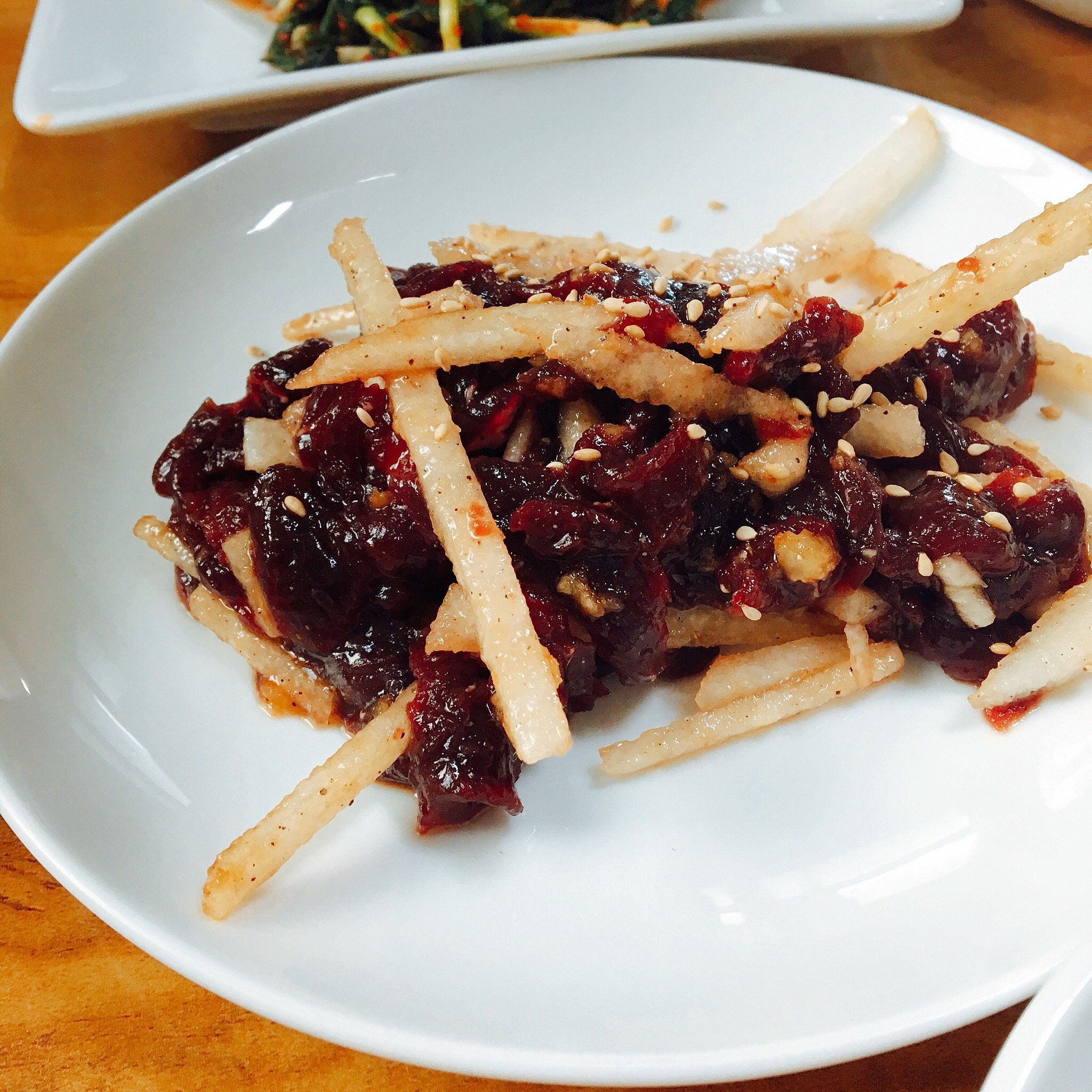
Official policy materials introduce the menu at Jangsaengpo Whale Meat Street as assorted platters, suyuk, obaegi, une, raw whale meat, makjjakgi, and whale stew. Suyuk, which is generally boiled, is served with vinegared red-pepper paste, salted seafood, or salt, and its texture and aroma vary greatly depending on the cut and cooking method. First-time diners can reduce waste by asking the restaurant about the assorted platter and the cuts included rather than ordering just one cut.
Whale meat is a food with strongly divided opinions regarding its aroma and texture. Rather than ordering large amounts of raw, boiled, and soup dishes all at once, it is more practical to tell the restaurant how many people are dining and about their experience, then ask about a small portion or an assorted platter. Questions about origin and distribution, the same-day availability of specific cuts, and the side-dish selection should be confirmed before ordering because they vary by establishment.
- Sora Whale House: Registered in public food data at 241 Jangsaengpogorae-ro, Nam-gu, Ulsan; telephone 052-261-2661.
- Gorae Myeongga: Travel review information lists it at 207 Jangsaengpogorae-ro, Nam-gu, Ulsan.
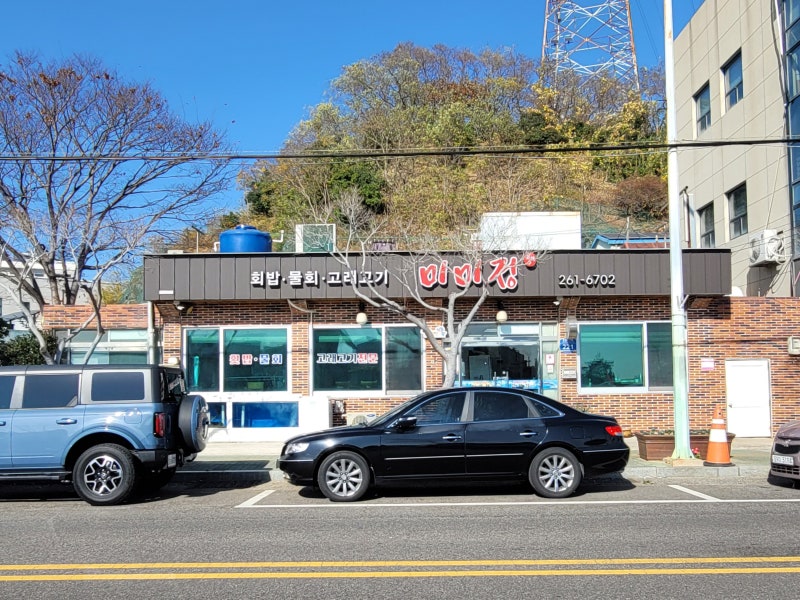
- Mimijeong Sushi Restaurant: A whale meat establishment is introduced at 221 Jangsaengpogorae-ro, Nam-gu, Ulsan.
How to Visit a Street with “Hours Vary by Establishment,” Not “No Operating Hours”
Jangsaengpo Whale Meat Street is not a facility with a single operator setting opening and closing times, so it cannot provide common operating hours. Accordingly, the operating hours in the essentials should be understood as varying by individual restaurant; no common closing day or central representative telephone number for the street has been confirmed. Especially for late lunch or dinner visits and around holidays, call the restaurant you want to visit to confirm whether it is open, the last order time, and whether reservations are available.
For inquiries, information related to the Jangsaengpo Whale Culture Special Tourist Zone is available at 052-226-5671, and the Jangsaengpo Tourist Information Center can be reached at 052-226-1958. The tourist information center is located at 244 Jangsaengpogorae-ro, across from the Whale Museum, and is open from 09:00 to 18:00, closing every Monday. These are the information center’s hours, however, not the operating hours of the restaurants on Whale Meat Street.
After Taking Bus Routes 246, 256, or 406 to the Whale Museum Stop
Public transportation is easiest to understand if you use the “Jangsaengpo Whale Museum” bus stop as your reference point. From the Ulsan Intercity and Express Bus Terminal, take route 246; from Sinbok Rotary, take route 406; and from Hakseong Park or via Taehwa Rotary toward City Hall, take route 256 and get off at the Jangsaengpo Whale Museum stop, as suggested in Ulsan Nam-gu tourism information. From Taehwagang Station, routes 246, 407, 507, 702, and 713 go toward the Express Bus Terminal, where a transfer to route 246 is recommended.
From Ulsan Station, take route 5001 and transfer to route 256 in front of City Hall, or take route 5004 and transfer to route 406 at Gong-eop Tap to reach the Jangsaengpo Whale Museum stop. The representative point of Whale Meat Street, 135 Jangsaengpogorae-ro, is some distance from the museum district, so if you have luggage or mobility difficulties, consider taking a taxi after getting off the bus. For private cars, parking availability and fees vary by restaurant and should be asked about when calling to make a reservation.
A Half-Day Including the Whale Museum, Opened on May 31, 2005
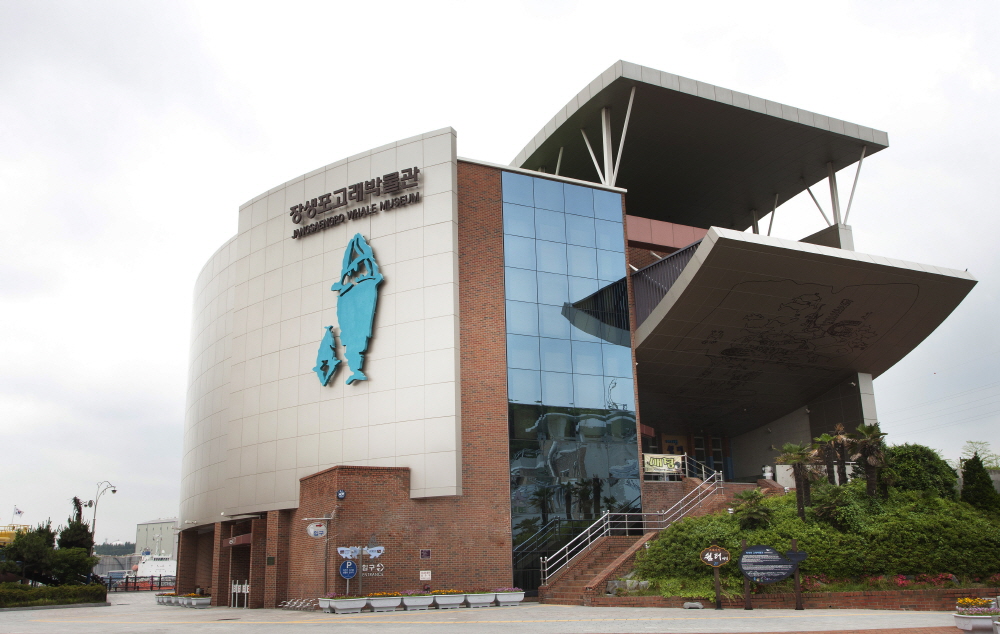
The key attraction to visit along with Whale Meat Street is the Jangsaengpo Whale Museum. The museum opened on May 31, 2005, and was established to collect, preserve, and exhibit whaling artifacts that were disappearing after the prohibition of whaling. According to current information, visiting hours are 09:00–18:00, with ticket sales until 17:30. The address is 244 Jangsaengpogorae-ro, Nam-gu, Ulsan, and the contact number is 052-256-6301.
The museum is accessible to visitors with strollers and wheelchairs and provides a nursing room and playroom. The Jangsaengpo Whale Culture Special Tourist Zone has few level changes at the main entrance and provides accessibility information about barrier-free walkways, accessible parking spaces, and wheelchair seating. The Whale Museum and Whale Culture Village are approximately a 10-minute walk apart. The Jangsaengpo Monorail makes a 1.35-km loop in approximately 24 minutes and operates from 10:00 to 18:30 on weekdays and from 10:00 to 19:00 on weekends. If you include the museum and village before or after your meal, it is best to allow at least 3–4 hours.
Can Travelers Who Do Not Eat Whale Meat Still Visit Jangsaengpo?
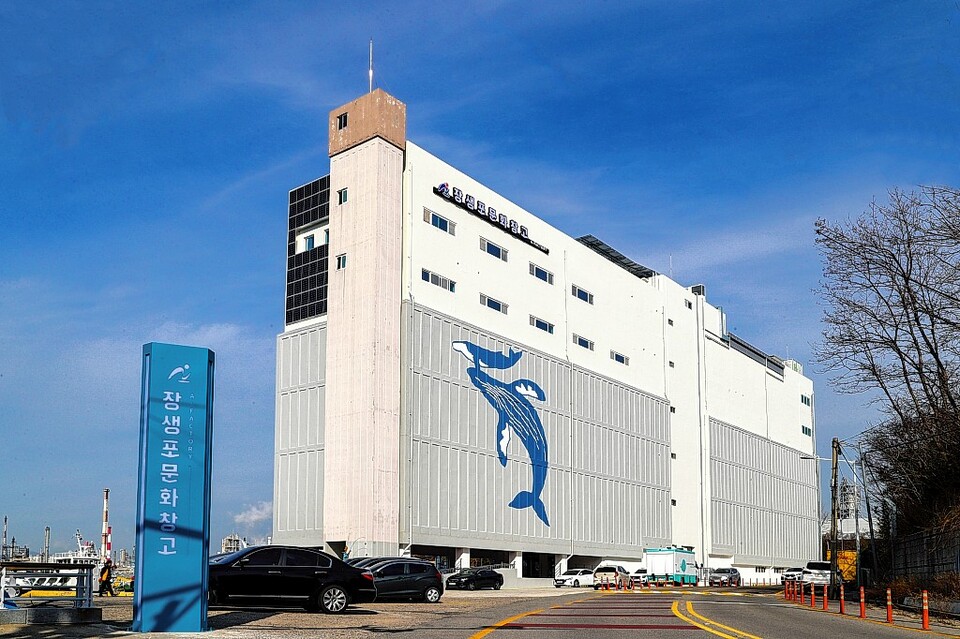
Yes. Jangsaengpo is a whale culture district that covers not only food but also the history of whaling, marine ecology, changes in an industrial port, and daily life in the 1960s and 1970s. If whale meat feels too challenging, plan an itinerary centered on the Whale Museum, Whale Ecology Experience Hall, Whale Culture Village, and Jangsaengpo Culture Warehouse, and simply walk through the street to view the restaurant district and harbor-village scenery.
Conversely, this is the right place for travelers who specifically want to try a particular whale cut, but they should accept that the menu and availability cannot be confirmed until the day of the visit. Prices, operating hours, card payment, parking, and reservation procedures are based on individual establishments rather than a unified announcement. Foreign-language information, including English, has also not been confirmed as a common service throughout the street, so it is safer to prepare a translation app and reconfirm the dish contents and portions before ordering.
Before You Go
- Address
- Area around 135 Jangsaengpogorae-ro, Nam-gu, Ulsan Metropolitan City (area around 41 Jangsaengpo-dong)
- Hours
- Vary by individual restaurant (no common operating hours for the street)
- Closed
- Vary by individual restaurant (no common closing day for the street confirmed)
- Admission
- Free (for walking along the street; meal costs separate)
- Phone
- Jangsaengpo Whale Culture Special Tourist Zone: 052-226-5671 / Jangsaengpo Tourist Information Center: 052-226-1958
- Official site
- https://www.ulsannamgu.go.kr/tour/
- Transport
- Take routes 246, 256, or 406 to the Jangsaengpo Whale Museum stop, then continue from there. From Ulsan Station, transfer from route 5001 to 256 or from route 5004 to 406.
- Parking
- Varies by individual restaurant; inquiries before visiting are recommended
- Time needed
- 1–2 hours for a meal; 3–4 hours if also visiting the Whale Museum and Whale Culture Village
- Accessibility
- Common accessibility and foreign-language information for the street could not be confirmed. The nearby Jangsaengpo Whale Culture Special Tourist Zone provides information about barrier-free walkways, accessible parking spaces, wheelchair seating, and more.
The information above is current as of the time of writing. Check the official information again before visiting.

Places
Nearby Attractions 4
-
 1
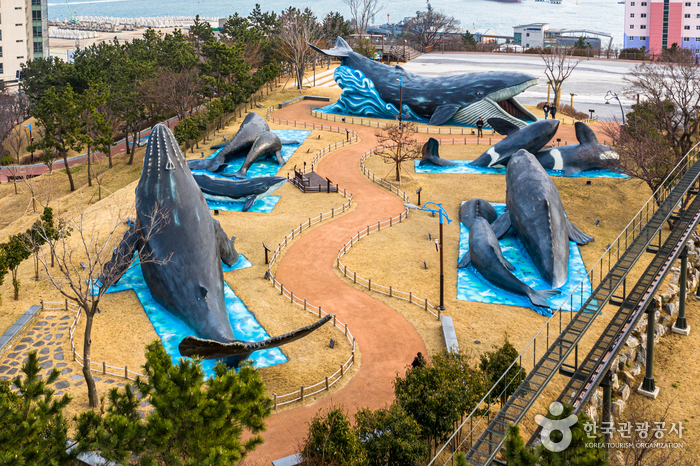
Jangsaengpo Whale MuseumThe museum exhibits the history of whaling and whale-related artifacts.
1
Jangsaengpo Whale MuseumThe museum exhibits the history of whaling and whale-related artifacts. -
 2
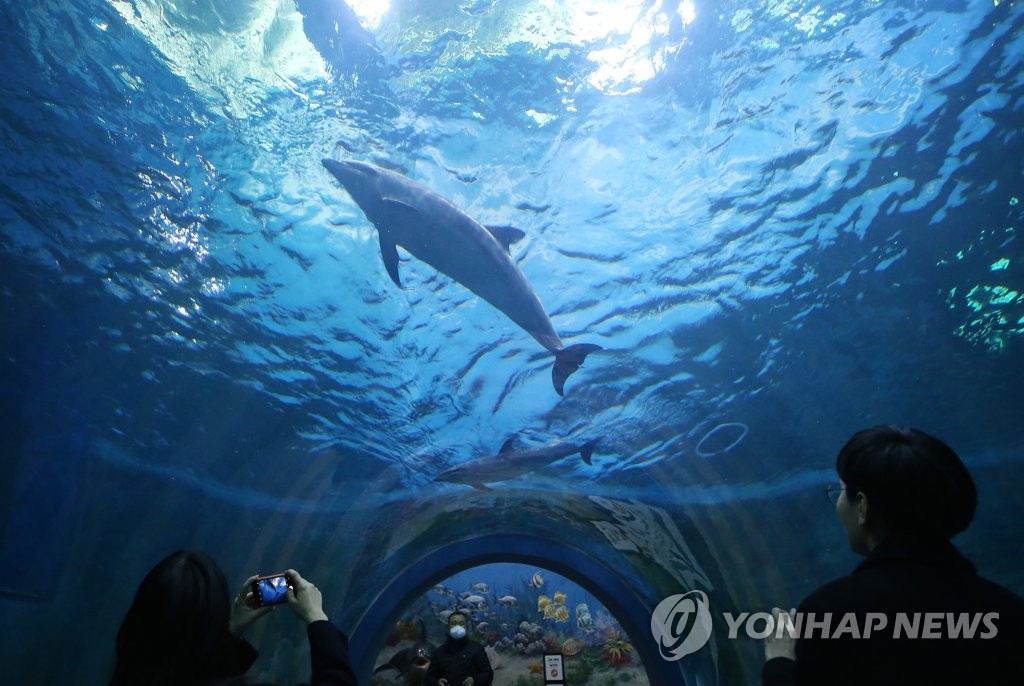
Jangsaengpo Whale Culture VillageExplore a recreation of the scenery and everyday culture of a former whaling village.
2
Jangsaengpo Whale Culture VillageExplore a recreation of the scenery and everyday culture of a former whaling village. -
 3
3
-
 4
4
Food & Dining 3
-
 5
5
-
 6
6
-
 7
7
More Travel Guides in This Area
 Travel Guide
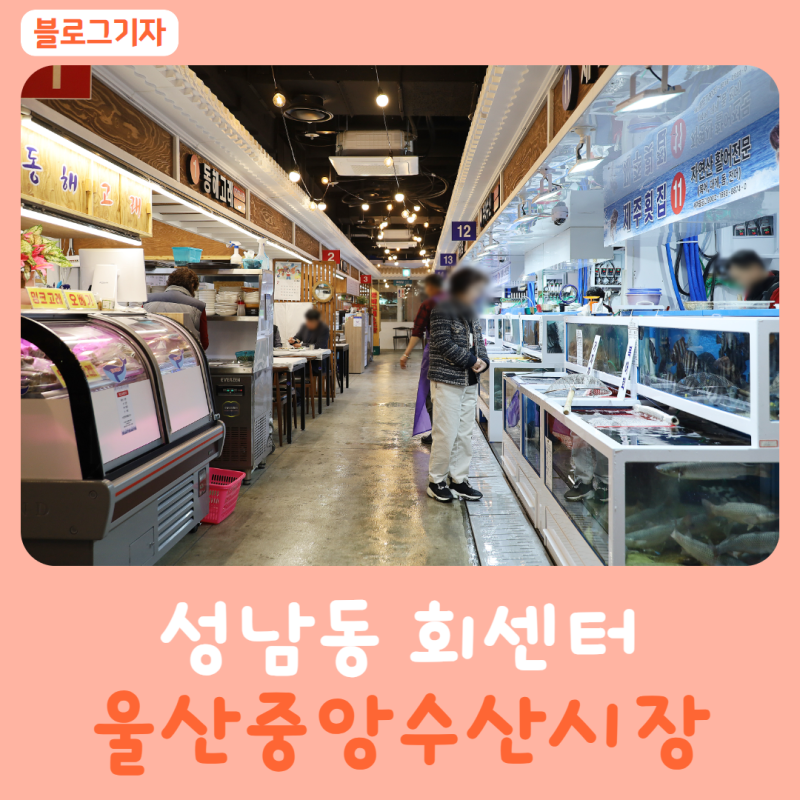
Choosing Sashimi, Whale Meat, and Grilled Shellfish at 24 Stalls in Ulsan Jungang Seafood Market
 Travel Guide
Why It’s Easy to Get Lost at Babo Intersection in Front of Ulsan University and How to Actually Get There
 Travel Guide
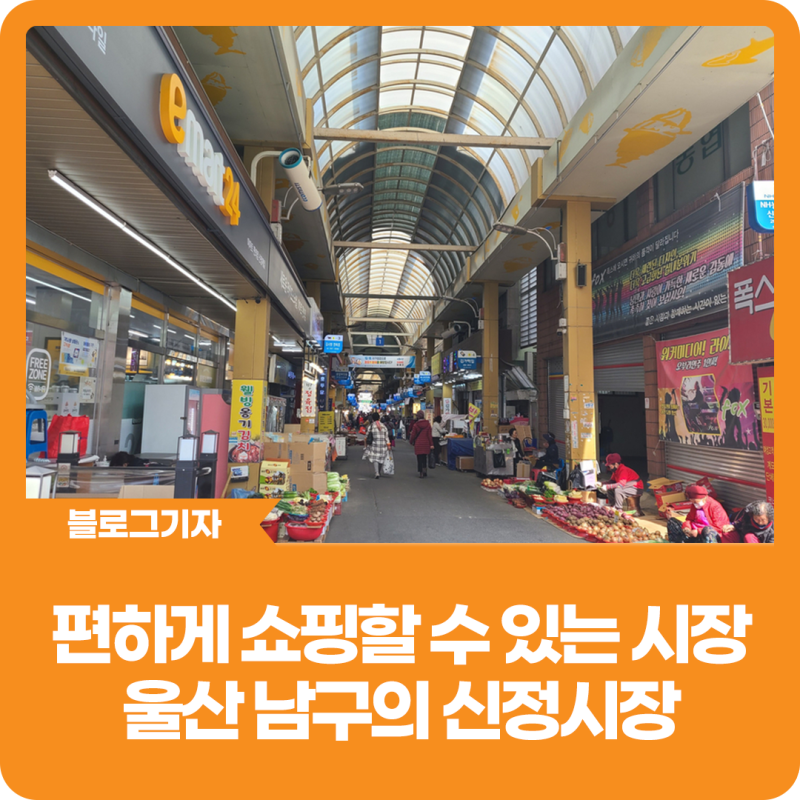
Ulsan Sinjeong Market, an Urban Market Walk Through the Gukbap Alley and 10 Sections
 Travel Guide
Ulsan Keun-aegi Night Market: How to Explore Jungang Traditional Market at Night
Korea News
 News
News
‘NewJeans Expulsion’ Danielle Releases Her First YouTube Video… “We Don’t Know What Will Happen Next”
![aespa’s North American Tour Has Remaining Seats Despite ‘$49’ Bargain Prices… A Stark Popularity Gap with KATSEYE [TEN Starfield]](https://kotourlive-images.s3.ap-northeast-1.amazonaws.com/news/1788485037424_a59b1932_naver_rank_thumb_0000774618_1788485037424.jpg) News
News
aespa’s North American Tour Has Remaining Seats Despite ‘$49’ Bargain Prices… A Stark Popularity Gap with KATSEYE [TEN Starfield]
![[Photo] TWICE’s Dahyun attends a film festival red carpet as an actress](https://kotourlive-images.s3.ap-northeast-1.amazonaws.com/news/1788485316508_edd43ecd_news_870a60a6-6f11-4d73-aa7c-48d91318a0f7.jpg) News
News
[Photo] TWICE’s Dahyun attends a film festival red carpet as an actress
![[On-Site Video] “We’re Departing Separately Together”… BIGBANG Begins ‘COSMOS’ World Tour](https://kotourlive-images.s3.ap-northeast-1.amazonaws.com/news/1788485226518_c5719641_news_fdd4764a-0f4e-4968-8e4e-e98a02872f88.jpg) News
News