Ulsan’s Labor and Industrialization Through the Ulsan Labor History Museum
Opened in 2014, the Ulsan Labor History Museum is South Korea’s first labor museum. It explores the history of work from prehistoric times through industrialization and the 1987 Great Workers’ Struggle. Located on the fourth floor of the Auto Valley Welfare Center, its exhibition takes about 30 minutes to view at your own pace.

I’ve been here?
Your check-in helps the next traveler.
24 people viewed this week Be the first
One tap — no writing needed
Korea’s First Labor Museum, Located on the 4th Floor of the Auto Valley Welfare Center
Ulsan Labor History Museum is Korea’s first labor museum, opened on February 14, 2014. It is located on the 4th floor of the Auto Valley Welfare Center at 1020 Saneop-ro, Buk-gu, Ulsan Metropolitan City, and the location provided by the user is latitude 35.584330, longitude 129.360397.
This institution was established by the Buk-gu Office under an ordinance of Buk-gu, Ulsan Metropolitan City. Its legal basis is Ordinance No. 748, enacted on December 23, 2013, and the Ulsan Regional Headquarters of the Korean Confederation of Trade Unions has operated it under contract since its opening.
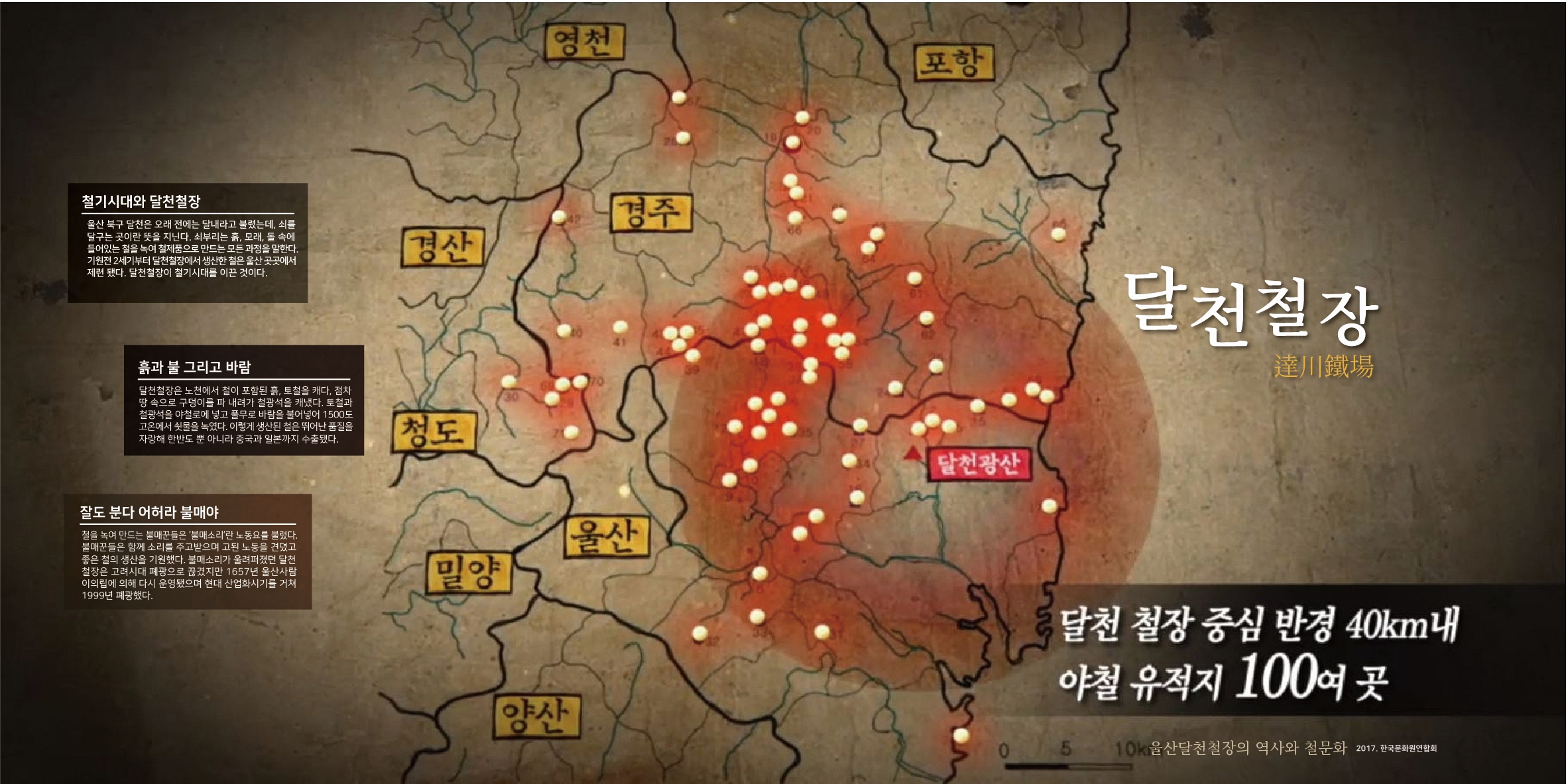
Tuesday to Saturday, 10:00 to 19:00; Self-Guided Visits Take 30 Minutes
According to the official visitor information, the museum is open from 10:00 to 19:00, Tuesday through Saturday. It is closed on Sundays, Mondays, and public holidays, so visitors planning a weekend trip should choose Saturday.
The official duration for a self-guided exhibition visit is 30 minutes. No separate admission fee is listed on the visitor information page, and this guide lists admission as free. The Labor History Museum office can be reached at 052-283-1987.
Group visits may be arranged on closed days through consultation. Guided interpretation and education programs for groups take 30 minutes, as do experiential programs for preschool, elementary, and middle-school students, so groups should coordinate their schedules in advance.
Beginning with the Meaning of Labor in Ulsan’s Prehistoric Whale Hunting
Permanent Exhibition 1 covers prehistoric and ancient labor. It explains labor as an essential condition for human survival and a foundation of evolution, and introduces Homo habilis as the “handy human.”
The exhibition also traces the evolution of tools from the Stone Age through the Bronze Age and the transformation of labor from hunting and gathering to herding and farming. The rock art at Bangudae and Cheonjeon-ri in Daegok-ri, Ulju-gun, Ulsan, is presented both as a record of prehistoric labor and as artwork.
Explanations of the rock art depict boats and nets used for whale hunting, as well as wild animals confined within fences. Reading Ulsan’s prehistoric materials from the perspective of labor is a distinctive regional feature of this exhibition.
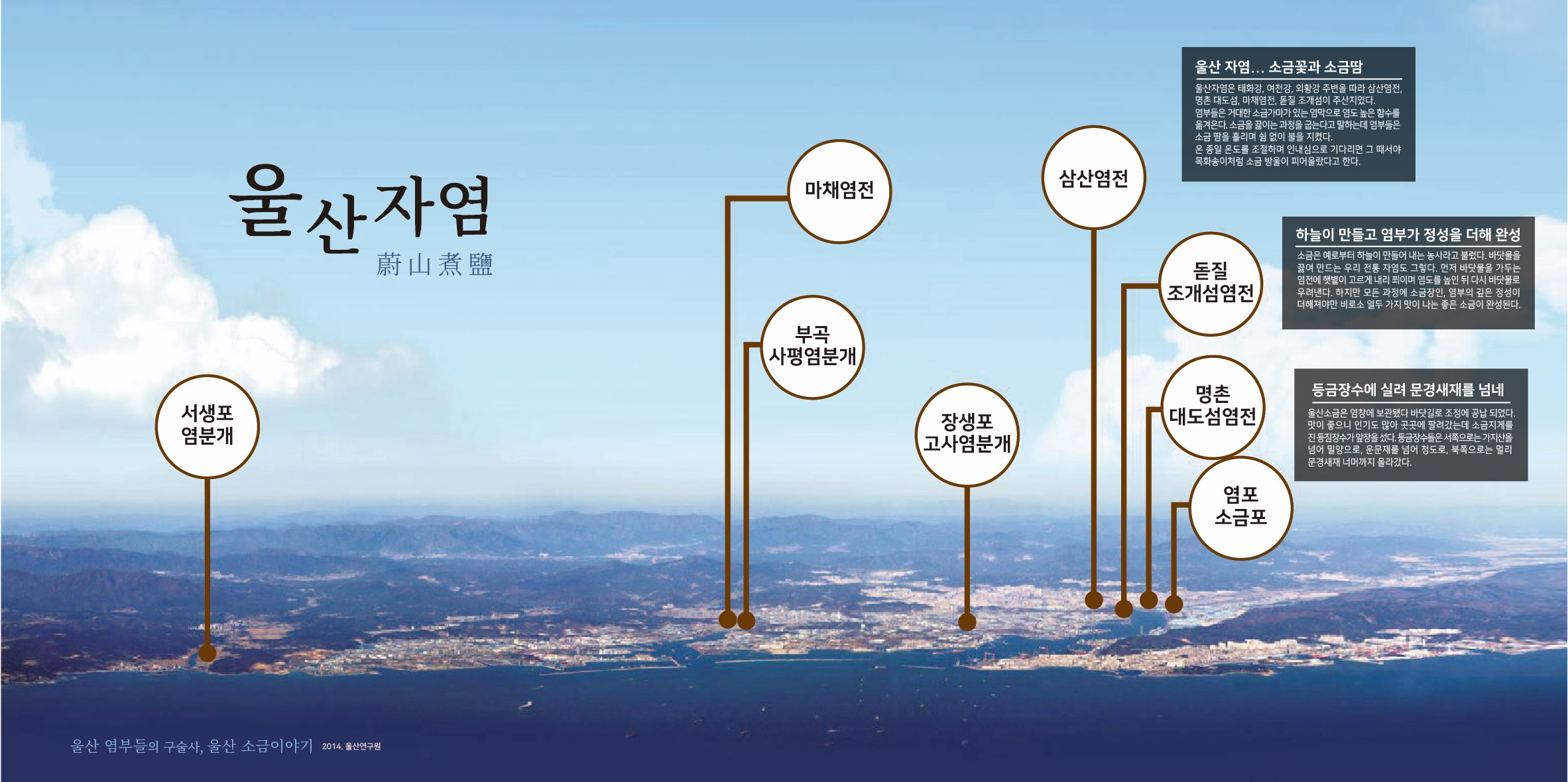
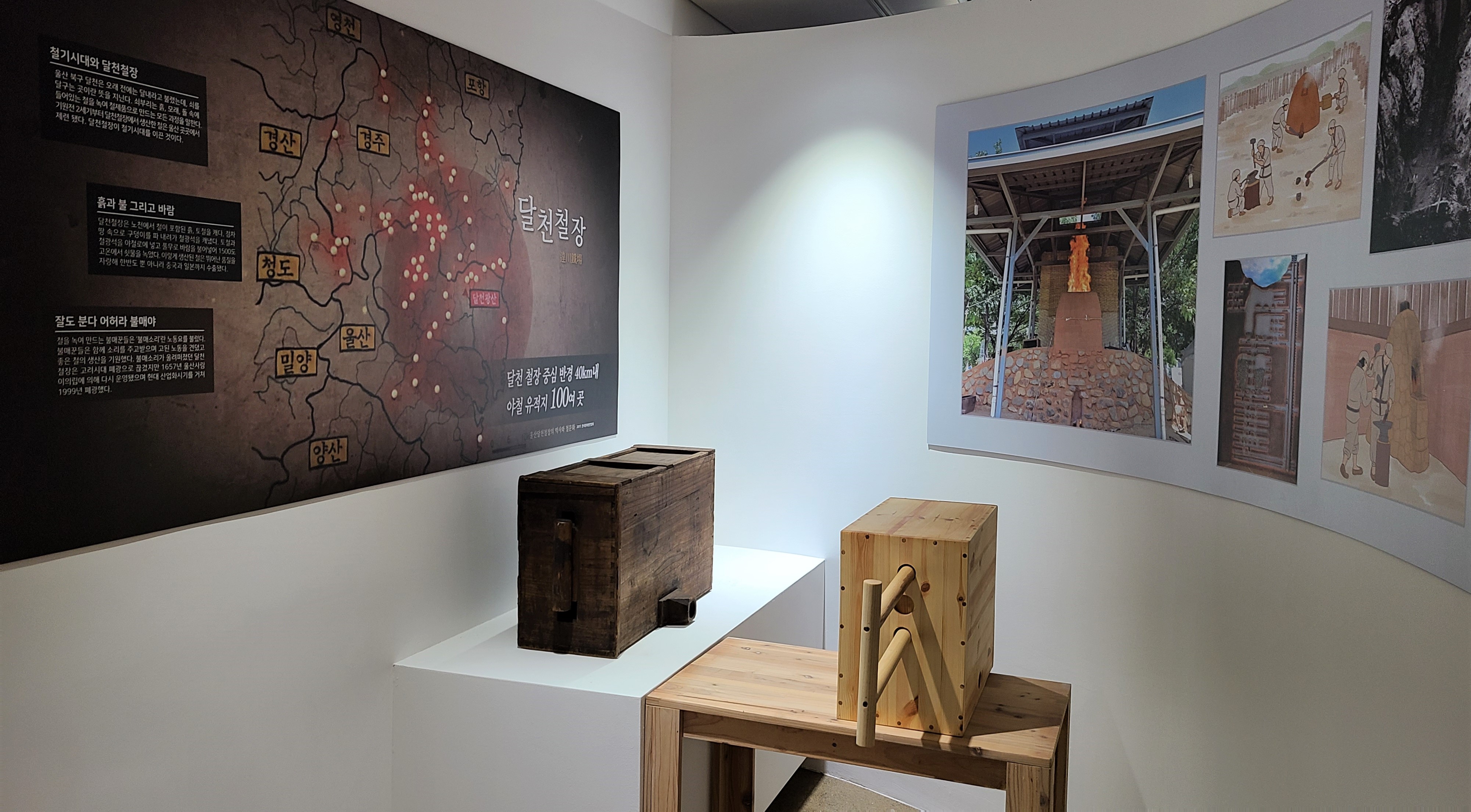
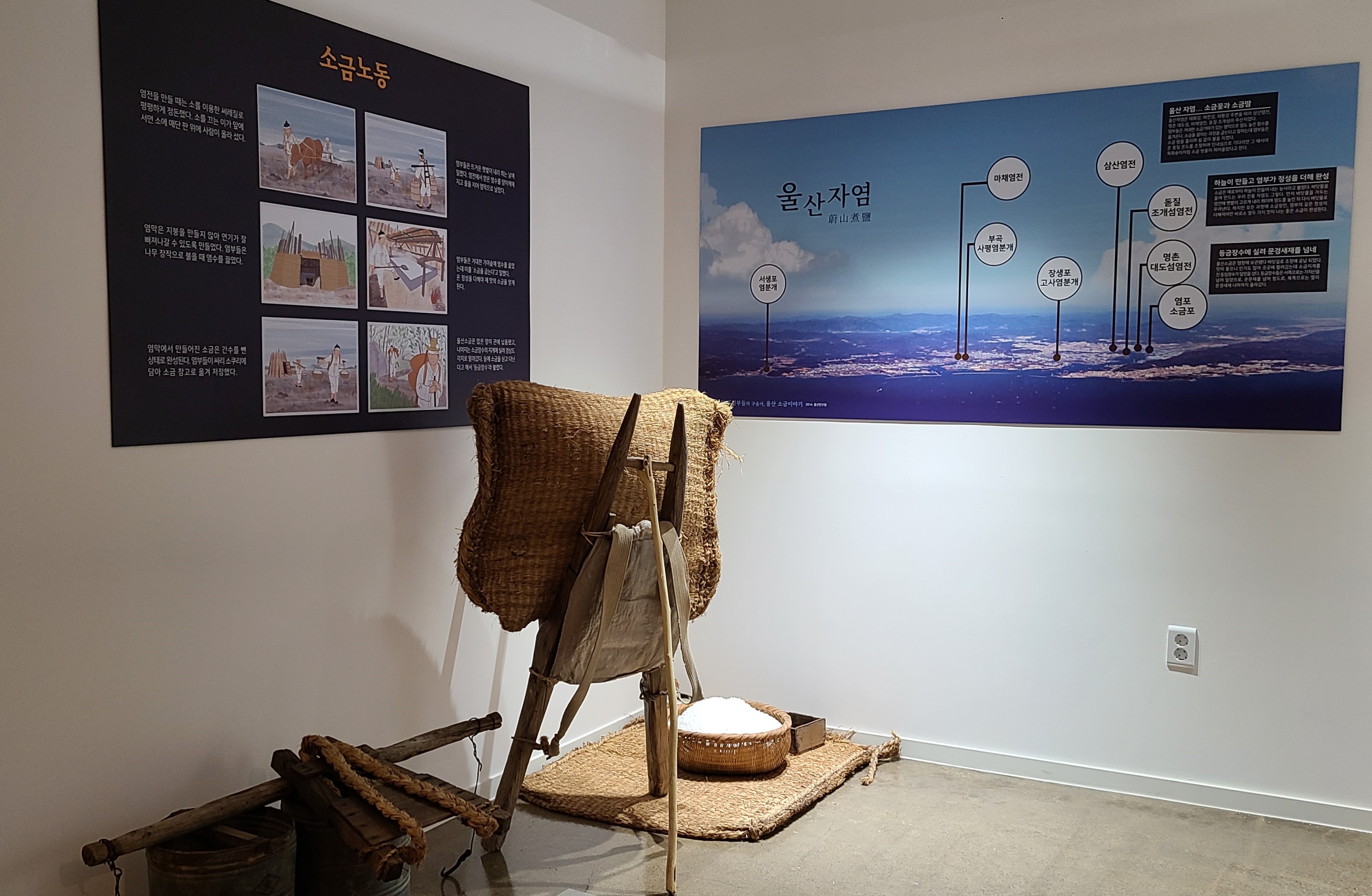
Explore Ulsan Salt, Dalcheon Ironworks, and the Labor Tool Chest
The permanent exhibition hall presents a continuous history of labor, from prehistoric times through the ancient, medieval, and modern periods, and into changes in labor after industrialization and in the present and future. The exhibition includes interactive sections on “Ancient Labor,” “Tools of Labor,” and “Respect for Labor.”
Experiential programs include an ancient-labor activity themed around Ulsan salt and the Dalcheon Ironworks. The “Labor Tool Chest” is designed for visitors to discover the stories behind various tools directly, making it suitable for visitors who prefer activity-based viewing to an exhibition focused on reading text.
Another experience is the Labor Human Rights Education program. However, the public information does not confirm whether individual visitors can participate in all activities or whether on-site registration is required, so it is safest to call ahead to distinguish general admission from the experiential programs.
From Post-Industrialization to the Great Workers’ Struggle of 1987
Permanent Exhibition 4 covers the period from after industrialization through the Great Workers’ Struggle of 1987. It is the section where Ulsan Labor History Museum presents labor changes in an industrial city as a distinct theme, marking the transition from prehistoric tool displays to modern labor history.
The exhibition venue operates both a permanent exhibition hall and a special exhibition hall. Special exhibitions may consist of art exhibitions using painting, sculpture, and media, as well as archive exhibitions using historical materials.
Since 2017, Ulsan Labor History Museum has held nationwide exhibitions of people’s art and labor art. Labor-art works discovered through the exhibitions are placed throughout the space, and a rest area introducing labor culture and labor art is also operated.
More Than 130,000 Materials and Special Exhibitions That Change Monthly
Ulsan Labor History Museum houses more than 130,000 labor-history materials, including documents, media, and museum objects. The facility includes storage rooms, the museum office, and a visitor reception area.
The independent special-exhibition space is announced to host a new special exhibition every month. Special exhibitions also invite people’s-art and labor-art artists active across the country, including Ulsan.
Therefore, visitors can plan 30 minutes for the permanent exhibition alone, but should allow more time to see both the special exhibition and the materials. The title of the current special exhibition and whether photography is permitted should be confirmed on the official website before visiting.
Information Still Unavailable About the Address, Parking, and Public Transportation
When traveling by car, set the destination as the Auto Valley Welfare Center, 1020 Saneop-ro, Buk-gu, Ulsan Metropolitan City. The center has one basement level and four above-ground floors, with the basement used as a parking lot. There are 122 parking spaces, including 7 accessible spaces and 2 electric-vehicle spaces.
Parking fees were not found in the publicly available information. The 4th floor also houses the Ulsan Labor History Museum 1987, the Non-Regular Workers’ Support Center, and the Ulsan Workers’ Health Center, so visitors can look for the 4th-floor sign after arriving at the building.
The public visitor information does not list specific bus routes, stop names, station exit numbers, or walking times from Ulsan Station, Ulsan Airport, or the bus terminal. For foreign visitors arriving for the first time, the most reliable approach is to enter the address into a map app and call 052-283-1987 before departure to ask about public transportation routes.
Connecting the Visit with Memories of Ulsan’s Democratization and Independence Movement
Ulsan Labor History Museum is a member institution of the Ulsan Metropolitan City Museum Council and has signed business cooperation agreements with the Ulsan Metropolitan Office of Education, Busan Democracy Park, and the Ulsan Folk Arts Association. It is also a partner institution of organizations that carry on the independence movement, including the Citizens’ Association for Boseong School, a site of the anti-Japanese movement, and the Hakam Yi Gwan-sul Memorial Association.
Since its opening, the museum has participated in commemorative and memorial projects for the Donghak Revolution, civilian massacres during the Korean War, the April 19 Revolution, the May 18 Democratic Uprising, and the June 10 Democratic Struggle. This reflects its approach of addressing labor history not only as the history of industrial workplaces but also within the broader flow of democratization and civic memory.
It is also a historical experience site for “Ulsan Education’s Independence Movement,” designated by the Ulsan Metropolitan Office of Education; the subject is night schools during the Japanese colonial period. The visitor reception area also introduces the Ulsan Labor Map, which connects Ulsan’s people’s history with its labor history.
Restrictions to Know Before Your First Visit
The official information does not confirm building or exhibition accessibility for wheelchairs and strollers, English-language guidance, or the availability of an audio guide. Public information also does not specify whether photography is prohibited, whether there are glass walls or access-controlled areas, or whether cash payments are accepted.
The official duration for viewing the exhibition is 30 minutes, and group guided interpretation, education, and experiential programs for preschool, elementary, and middle-school students also each take 30 minutes. Individual visitors can freely view the permanent exhibition, but those seeking an experience or guided interpretation should contact the Labor History Museum office in advance.
The official website is https://www.nodong1987.org/. Hours are Tuesday–Saturday, 10:00–19:00, and closed days are Sunday, Monday, and public holidays, so it is advisable to confirm the schedule and special-exhibition details for the day of your visit on the website or at 052-283-1987.
Before You Go
- Address
- 4th Floor, Auto Valley Welfare Center, 1020 Saneop-ro, Buk-gu, Ulsan Metropolitan City
- Hours
- Tue–Sat 10:00–19:00
- Closed
- Sun–Mon, public holidays
- Admission
- Free
- Phone
- 052-283-1987
- Official site
- https://www.nodong1987.org/
- Parking
- Auto Valley Welfare Center parking: 122 spaces, including 7 accessible spaces and 2 electric-vehicle spaces. Parking fees could not be confirmed.
- Time needed
- 30 minutes for a self-guided exhibition visit, according to the official information
The information above is current as of the time of writing. Check the official information again before visiting.

Places
Nearby Attractions 3
-
 1
-
 2
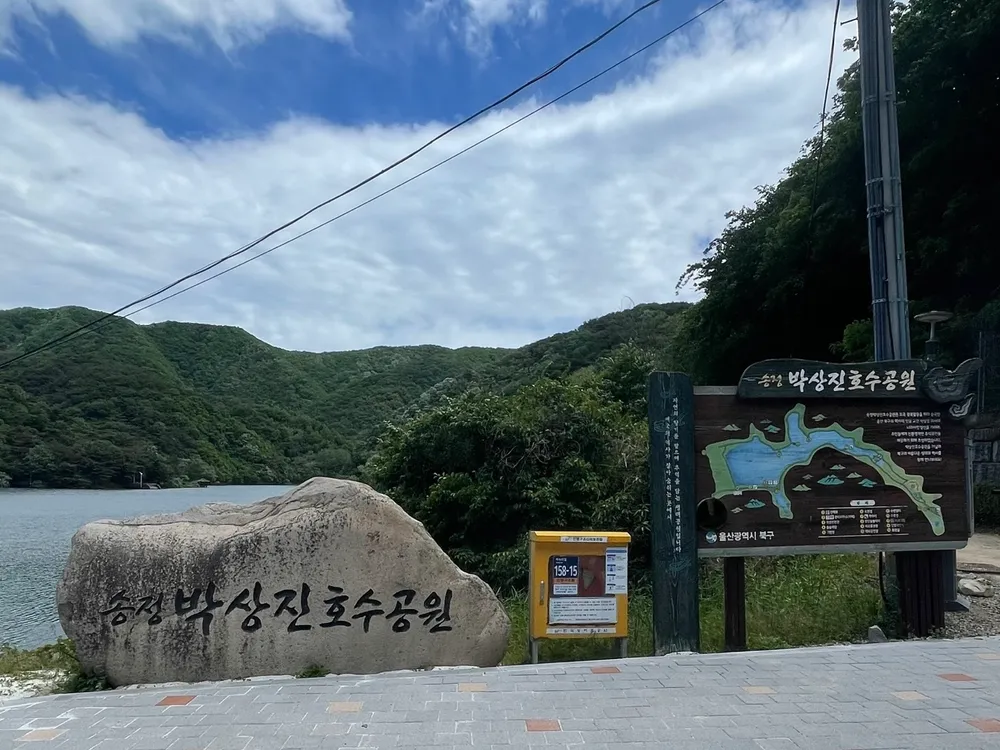
Songjeong Park Sang-jin Lake ParkDiscover natural scenery and the history of the independence movement along the lakeside walking trail.
-
 3
Food & Dining 3
-
 4
-
 5
-
 6
More Travel Guides in This Area
 Travel Guide
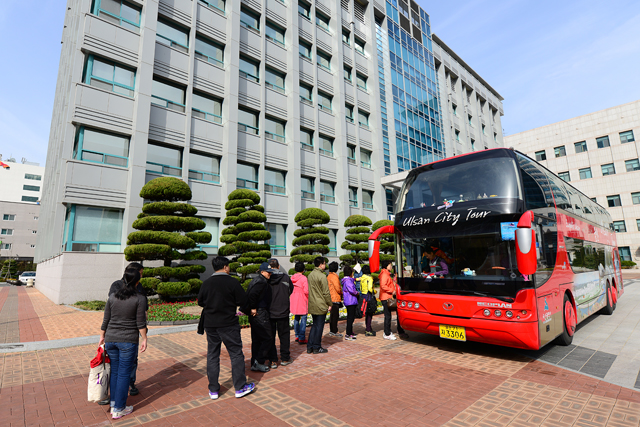
A Day on the Ulsan City Tour Starting at Platform 3 of Taehwagang Station
 Travel Guide
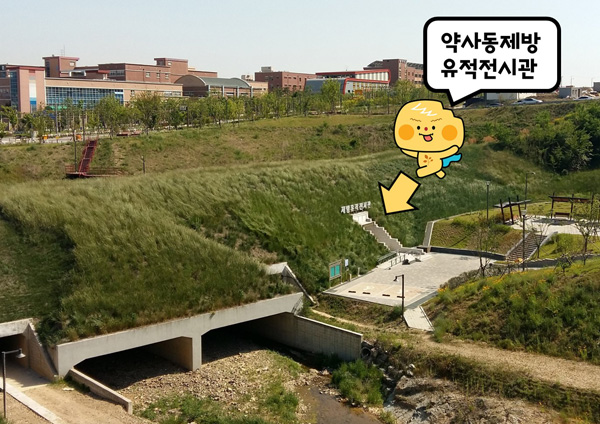
Reading Ulsan’s Yaksacheon Water-Management Technology in Front of an 8-Meter Soil Layer
 Travel Guide
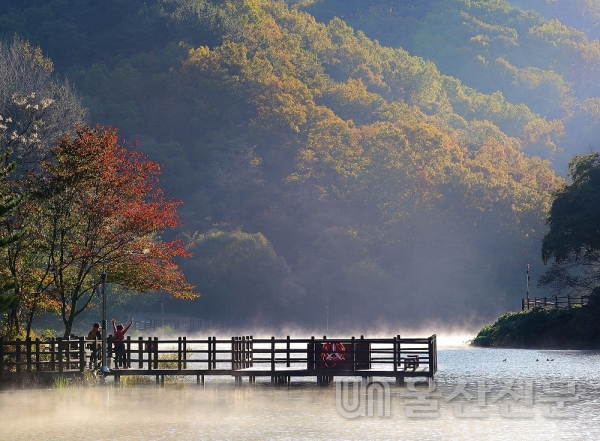
Reading the name of patriot Park Sang-jin along the 3.6 km waterside trail at Ulsan’s Songjeong Park Sang-jin Lake Park
 Travel Guide
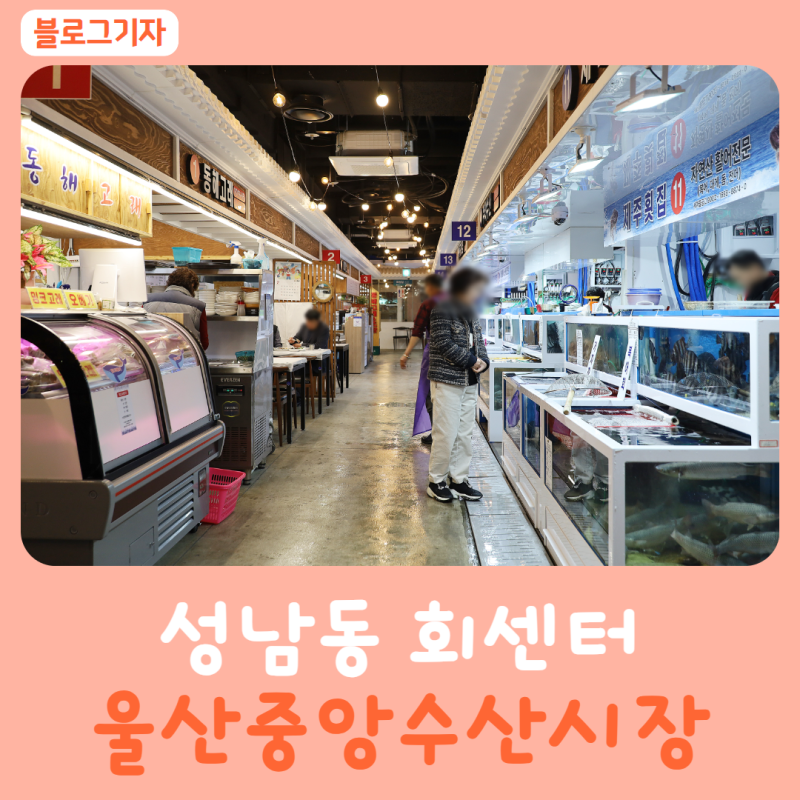
Choosing Sashimi, Whale Meat, and Grilled Shellfish at 24 Stalls in Ulsan Jungang Seafood Market
Korea News
 News
TWS Successfully Wraps Up First Asia Tour: “We’ll Keep Giving It Our All Until the End of the Year”
 News
A20 LITE, No. 1 on Terrestrial TV… Wins Four Awards Just 13 Days After Debut
 News
BTS’s V’s Wine from Chile Sold Out in Two Hours… “Wait Two Months for Restocking”
 News