
How 596 Dolmens in Bogeomjae Valley Reveal Bronze Age Stone-Transport Methods in Hwasun
The Hwasun Dolmen Site is a UNESCO World Heritage Site with 596 dolmens distributed throughout Bogeomjae Valley, which connects Hyosan-ri in Dogok-myeon and Daesin-ri in Chunyang-myeon. Not only the dolmens but also the quarries where the stones were extracted have survived, allowing visitors to understand in one place how Bronze Age communities secured, transported, and erected megaliths.
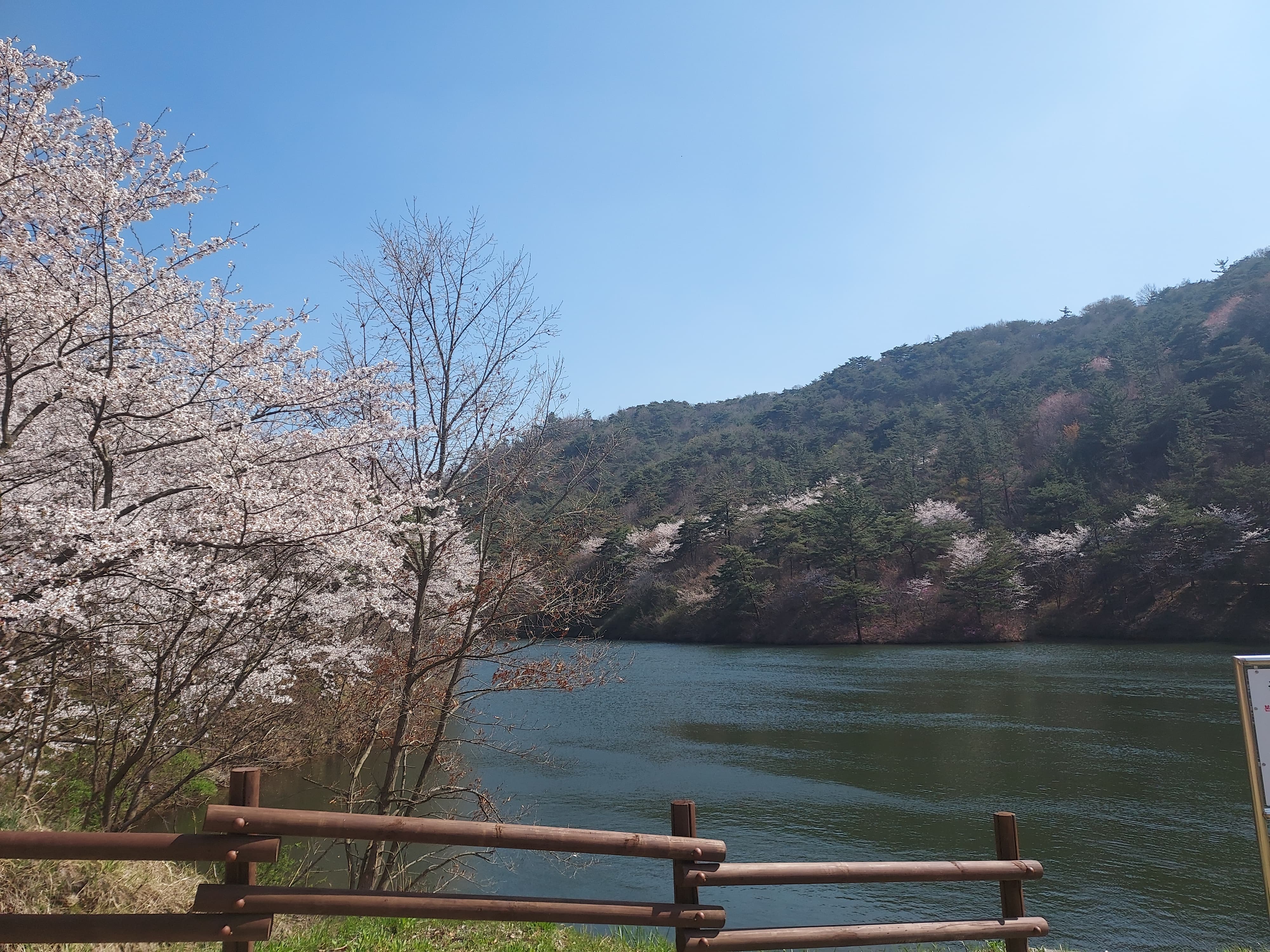

Bogeomjae Valley, Where 596 Dolmens Gathered and Which Became a World Heritage Site in 2000
The official national heritage name of the Hwasun Dolmen Sites is ‘Hwasun Hyosan-ri and Daesin-ri Dolmen Groups’, and the site was designated Historic Site No. 410 on September 17, 1998. Along both valleys of Bogeomjae, stretching from Mosan Village in Hyosan-ri, Dogok-myeon, to Daesin-ri, Chunyang-myeon, 596 Bronze Age go-board-shaped dolmens are distributed across an area of 2,474,562㎡.
This site was first reported to the academic community by Professor Lee Young-moon of Mokpo National University on December 2, 1995. As part of the Gochang, Hwasun, and Ganghwa Dolmen Sites, it was inscribed on the UNESCO World Heritage List in 2000. The World Heritage area of the Hwasun section designated by UNESCO covers 31 ha, with a 190 ha buffer zone. The key feature is that more than 500 dolmens remain on the slopes of the low hills along the Jiseokgang River.
From Goebawi to the Daesin-ri Excavation Site, Do Not Treat the Six Groups as One Cluster
The 596 dolmens are not exhibits lined up in one place. Official information divides them into the Goebawi Dolmen Group with 47 dolmens, Gwancheongbawi with 190, Dalbawi with 40, Pingmaebawi with 133, Gamt aebawi with 140, and the Daesin-ri Excavation Site with 46. Therefore, on a short visit, it is more practical to focus on the group and information center nearest to one entrance, while exploring the entire route with some travel by car.
The field location on the Dogok-myeon side is near ‘64 Hyosan-ri, Dogok-myeon, Hwasun-gun’, while the shelter protecting the Daesin-ri Excavation Site on the Chunyang-myeon side is at ‘10 Jidong-gil, Chunyang-myeon, Hwasun-gun’. The official main address is 182 Goindol 1-ro, Dogok-myeon, Hwasun-gun, Jeonnam-Gwangju Integrated Special City. In navigation systems, entering either ‘Hwasun Dolmen Sites’ or ‘Dolmen Excavation Site Protective Shelter’ separately, depending on the destination, can help distinguish the approach direction.
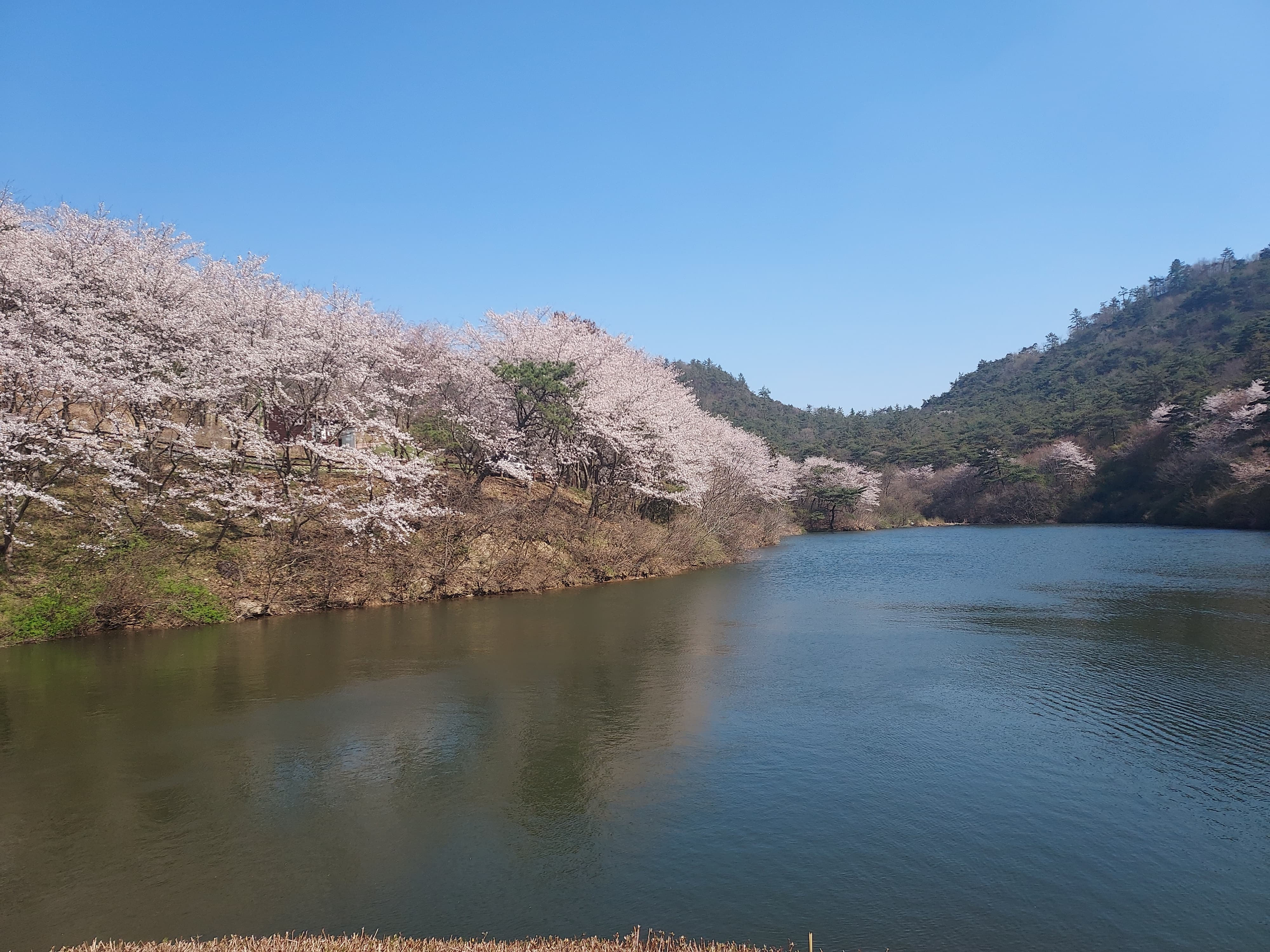
The Starting Point of Capstones Revealed by the Gamt aebawi Quarry
What distinguishes Hwasun is that traces of the stone sources are located next to the completed tombs. UNESCO notes that Hwasun has examples where bedrock outcrops from which dolmen stones were obtained have been identified, and evaluates the evidence showing the processes of quarrying, transporting, and erecting the stones as a basis for understanding the development of dolmens in Northeast Asia.
Official explanations state that capstones were shaped from naturally split stones or detached from rock faces by using joints, wedges, and levers. Workers then prepared transport routes, moved the stones using logs and ropes, built the burial chambers, supporting stones, and burial areas, and raised the capstones using earthen slopes. Dolmens were the result of large-scale communal work requiring people to quarry stones, build transport routes, pull the stones, and provide food. As both tombs and records of the organizational capabilities of Bronze Age society, they reveal much more than burial practices.
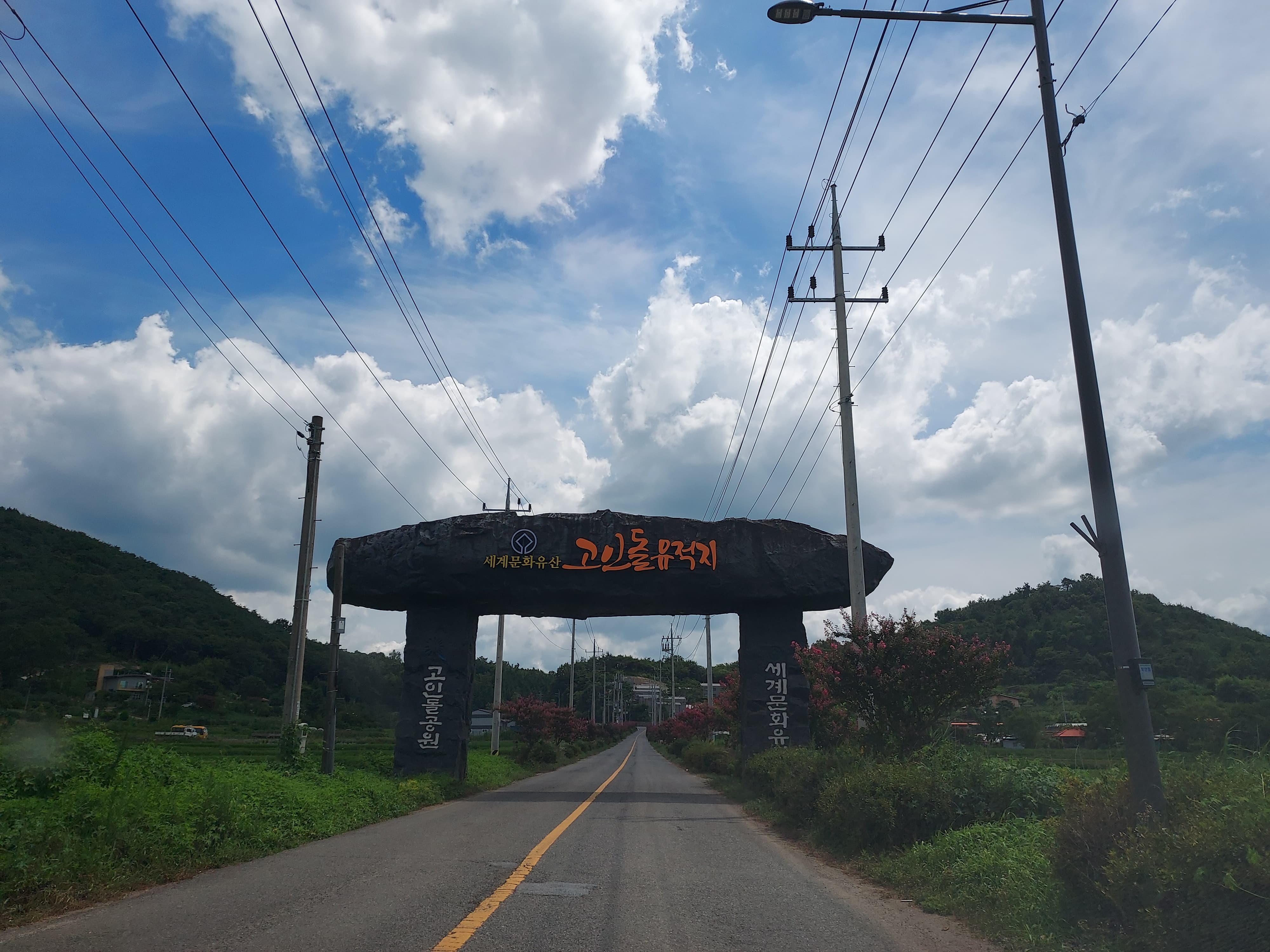
Two Information Centers in Dogok and Chunyang, and the Daesin-ri Prehistoric Experience Center: 10:00–17:00
The outdoor dolmen sites are open year-round. However, the dolmen prehistoric experience center at the Daesin-ri Excavation Site can generally be visited from 10:00 to 17:00, while during holiday periods it operates with simple open access. Admission to the entire site is listed as free. Rather than purchasing a separate ticket, visitors should first coordinate their route and the experience center's operating hours.
For inquiries, contact Dogok at 061-379-6772 or Chunyang at 061-379-3907. Group tours can be arranged through the Dolmen Management Office Operations Support Team at 061-379-6772. The inquiry number for the prehistoric experience center programs is 061-370-8814. The official website is https://www.dolmen.or.kr and provides Korean, English, Chinese, and Japanese menus.
- There is one general information center each in Dogok and Chunyang.
- Public restrooms are listed at the Hyosan-ri entrance and in front of the rest area, and a rest area is located in front of Pingmaebawi.
- A rest area and drinking fountain are located in front of the Gamt aebawi Dolmen District.
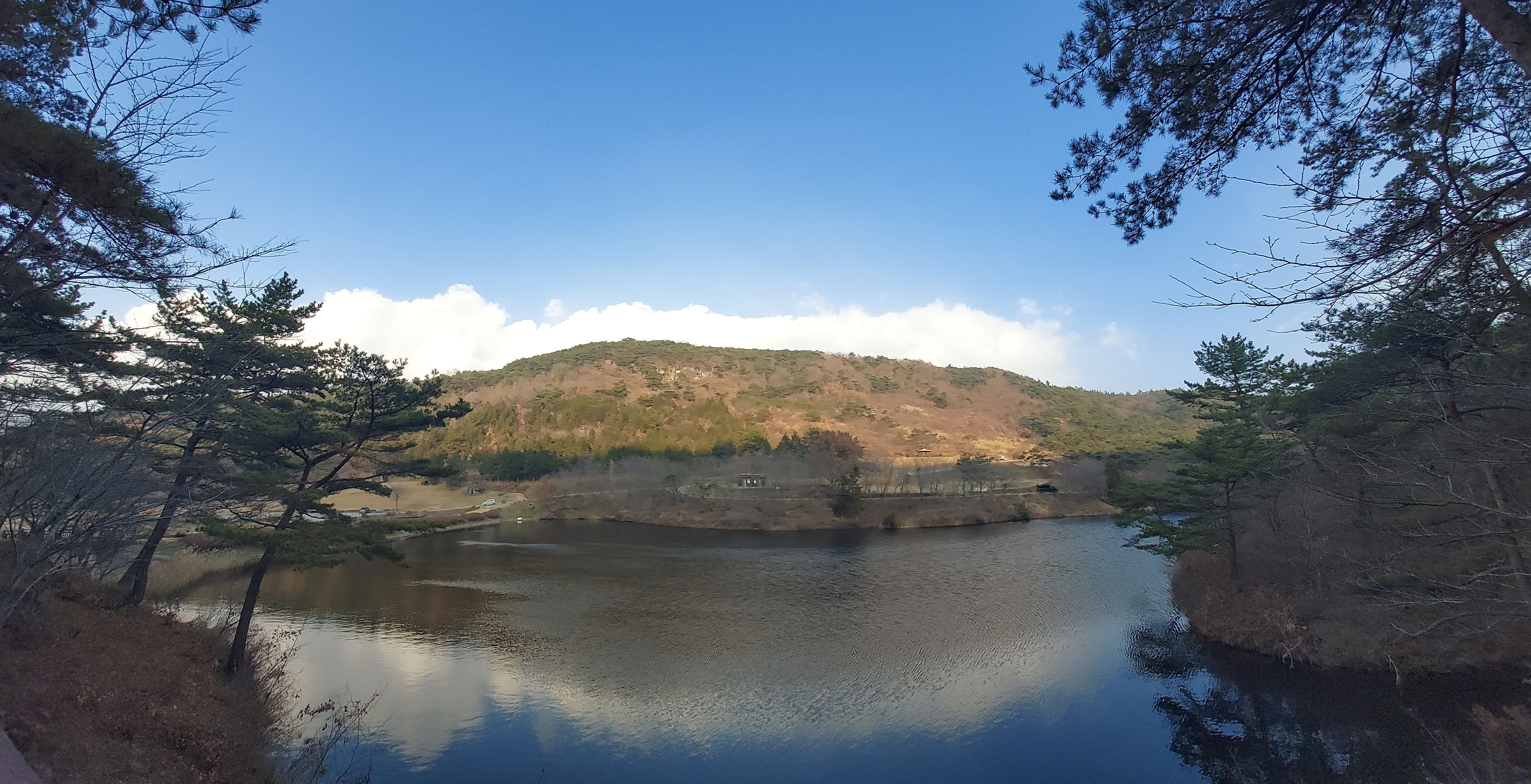
22 km and About 32 Minutes from Gwangju Hyodeok Intersection: A Reference Point for Driving
Official cultural tourism information gives the route from Gwangju Hyodeok Intersection to the site via Chilgujae Tunnel, Dogok Hot Springs, Cheonamgyo, and Dogok-Hyosan Intersection as 22 km and approximately 32 minutes. The route from Nampyeong Five-way Intersection in Naju, via Dogok Pyeongni Sam-ri and Dogok-Hyosan Intersection, is also listed as 22 km and approximately 32 minutes.
When departing from the Juam Interchange on the Honam Expressway, the official example route passes through Dongbok-myeon, Gyeongchi-ri, Guam Intersection, Neungju IC Intersection, and the Neungju-myeon town-center intersection, covering 47 km in approximately 52 minutes. Since the site extends along both sides of a valley, itineraries attempting to visit several groups consecutively using only public transportation are subject to limitations. If you do not have a car, it is safer to ask the Dolmen Management Office before departure whether the dolmen site tour bus operated by Hwasun-gun since 2024 is running and what reservation conditions apply.
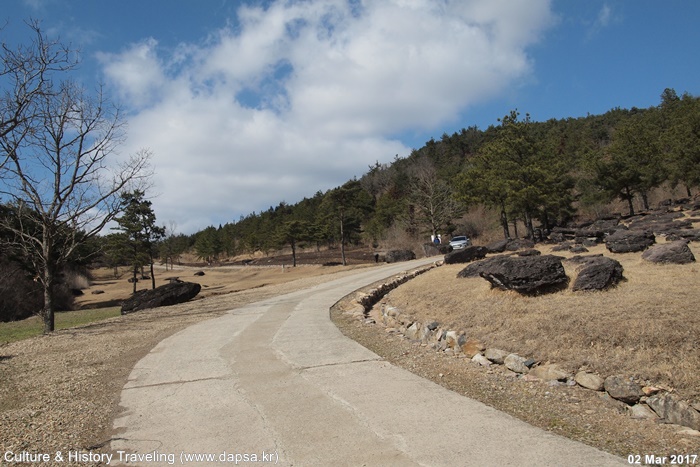
Daesin-ri Protective Shelter Parking Lot and Hyosan-ri Entrance Restroom: Facilities to Check Before Walking
The official facilities guide lists the parking lot at the Daesin-ri Protective Shelter and the public restroom at the Hyosan-ri entrance. Therefore, if you enter from the Chunyang-myeon side and plan to visit the shelter and excavation site first, you can set ‘10 Jidong-gil’ as your parking destination. However, there is no confirmed information that identical parking conditions are guaranteed throughout the entire site, so visitors should follow on-site guidance during peak seasons and event periods.
Accessibility for wheelchairs and strollers across the entire route has not been officially confirmed. Because the outdoor sites are distributed along hill slopes and valleys, visitors using mobility aids should call 061-379-6772 before visiting to ask about the actual condition of the walking paths at the Dogok entrance and whether the experience center is accessible. Travelers who have difficulty walking for long periods should allocate their time mainly to the Daesin-ri Excavation Site experience center, open from 10:00 to 17:00, and the area around the protective shelter.
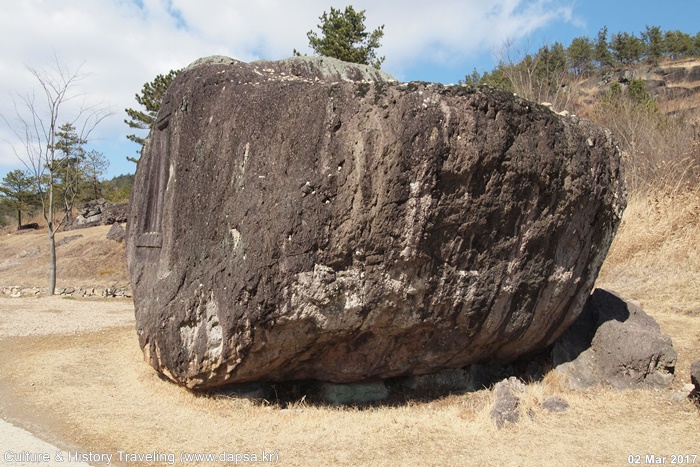
Morning Is Better Than Midday: Shoes and Water for the Outdoor Bogeomjae Sites
The sites are open year-round, but they do not offer the short, level routes of an indoor museum. Considering that the dolmens are distributed across low mountains and valley slopes, and that a drinking fountain is available in front of the Gamt aebawi District, it is advisable to bring nonslip walking shoes and water and walk during daylight hours. In summer, a hat and sun protection are needed; in winter, warm clothing and equipment are necessary.
For first-time visitors, a short itinerary of about one hour focusing on the information center, protective shelter, and nearby group at one entrance is realistic. A two- to three-hour itinerary dividing the main points in Dogok and Chunyang by car is also practical. Rather than trying to count every dolmen, comparing the relationships among the quarry traces, capstones, supporting stones, and burial chambers is a more effective way to understand the character of the Hwasun sites.
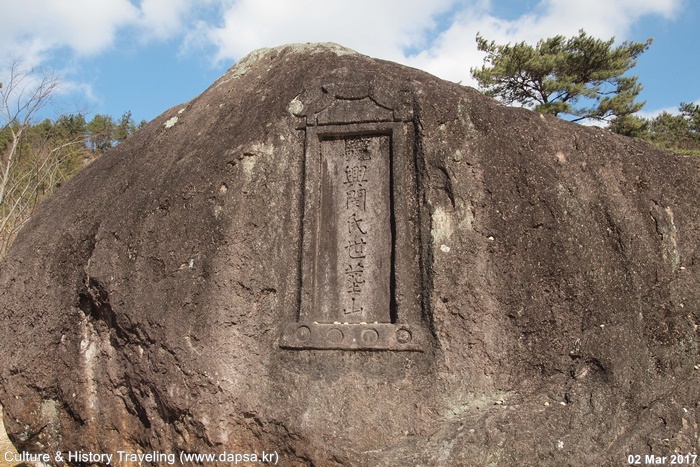
A One-Day Route in Southeastern Hwasun Combining Unjusa and Seryangji
The Korea Tourism Organization proposes a one-night, two-day course linking the Hwasun Dolmen Sites with Unjusa and Seryangji. Unjusa is a temple known for its thousand Buddhas, thousand pagodas, and reclining Buddha. Hwasun-gun designates the dolmen sites as the fourth of the 11 Scenic Views of Hwasun and introduces them alongside Unjusa, the Hwasun Red Cliffs, and Seryangji. Visiting the dolmens first and then traveling to Unjusa allows visitors to compare how Bronze Age megalithic culture and later Buddhist stone culture have survived in different forms within the same area.
If time is limited, it is better to combine the dolmen sites and Unjusa on the same day and schedule Seryangji or the Hwasun Red Cliffs separately. The Hwasun Red Cliffs may operate under different shuttle or bus-tour conditions, while the dolmen sites require consideration of the two entrances from Dogok and Chunyang. Before finalizing an itinerary, check the same-day operating notices from the Dolmen Management Office at 061-379-6772 and from each tourist attraction.
Before You Go
- Address
- 182 Goindol 1-ro, Dogok-myeon, Hwasun-gun, Jeonnam-Gwangju Integrated Special City
- Hours
- Dolmen sites open year-round; Daesin-ri Excavation Site dolmen prehistoric experience center 10:00–17:00
- Closed
- The prehistoric experience center operates with simple open access during holiday periods
- Admission
- Free
- Phone
- Dogok 061-379-6772 / Chunyang 061-379-3907
- Official site
- https://www.dolmen.or.kr
- Transport
- About 22 km and 32 minutes from Gwangju Hyodeok Intersection; about 22 km and 32 minutes from Nampyeong Five-way Intersection in Naju; about 47 km and 52 minutes from Juam IC. Detailed public transportation routes were not confirmed.
- Parking
- Parking is available at the Daesin-ri Protective Shelter. Parking fees and capacity for the entire route were not confirmed.
- Time needed
- About 1 hour for a short visit; 2–3 hours recommended including travel between major points in Dogok and Chunyang
- Accessibility
- The official website provides Korean, English, Chinese, and Japanese menus. Accessibility for wheelchairs and strollers across the entire route was not confirmed.
The information above is current as of the time of writing. Check the official information again before visiting.

Places
Nearby Attractions 2
-
 1
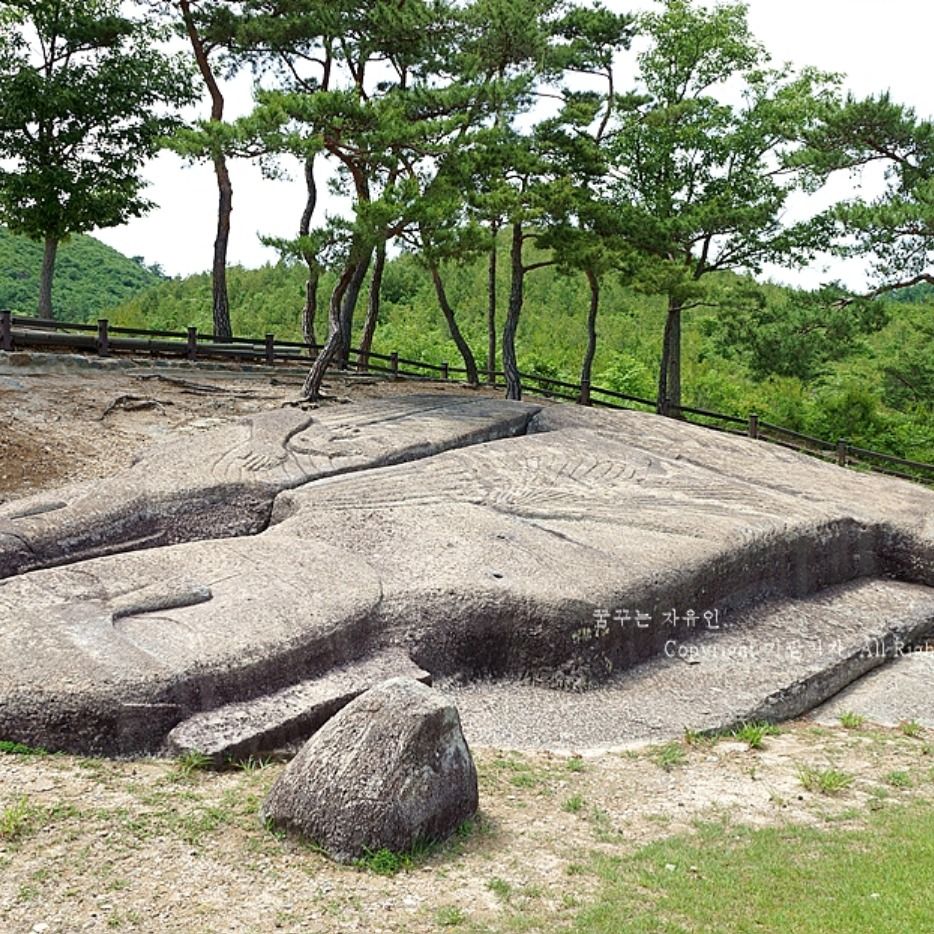
Unjusa TempleA temple attraction featuring a thousand Buddhas, a thousand pagodas, and a reclining Buddha
1
Unjusa TempleA temple attraction featuring a thousand Buddhas, a thousand pagodas, and a reclining Buddha -
 2
2
Food & Dining 3
-
 3
3
-
 4
4
-
 5
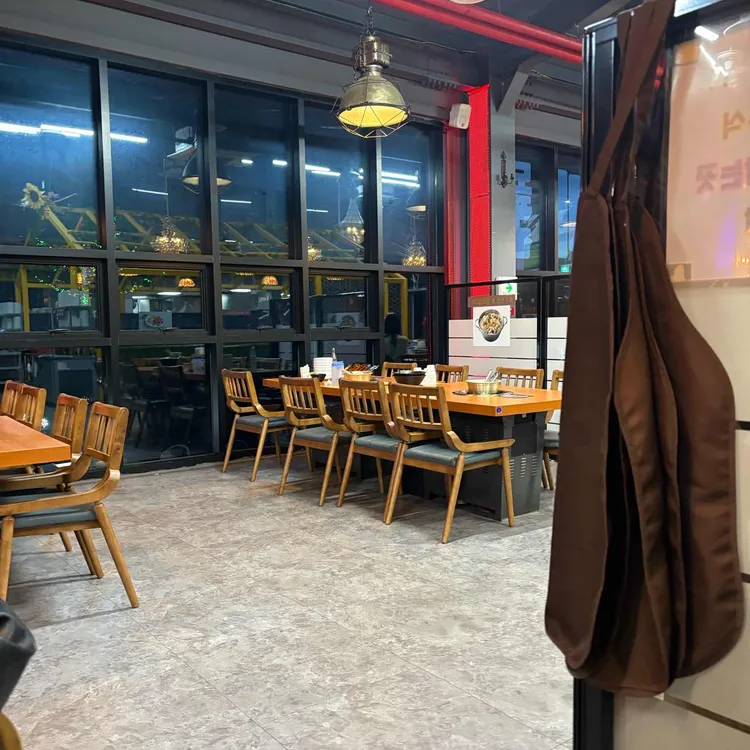
Paldang Wonjo Kaljebi Dogok Hot Spring Loess Charcoal KilnA restaurant where you can enjoy clam kaljebi (knife-cut noodles and dumplings) along with grilled dishes.
5
Paldang Wonjo Kaljebi Dogok Hot Spring Loess Charcoal KilnA restaurant where you can enjoy clam kaljebi (knife-cut noodles and dumplings) along with grilled dishes.
Events in This Area
Festivals in This Area
More Travel Guides in This Area
 Travel Guide
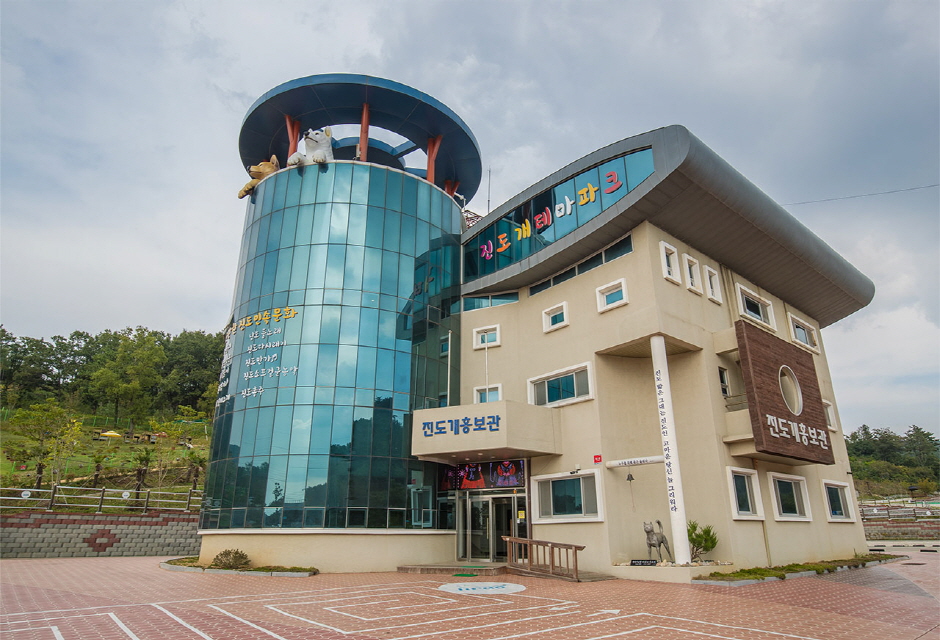
Jindo Dog Theme Park: A Walk Timed for the Dogs' Running Sessions
 Travel Guide
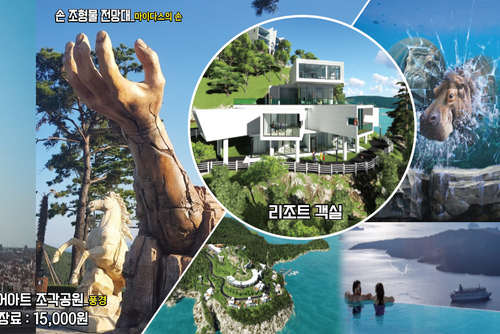
Meeting the South Sea at the End of a 150-Meter Artificial Rock Cave: Yeosu Art Land
 Travel Guide
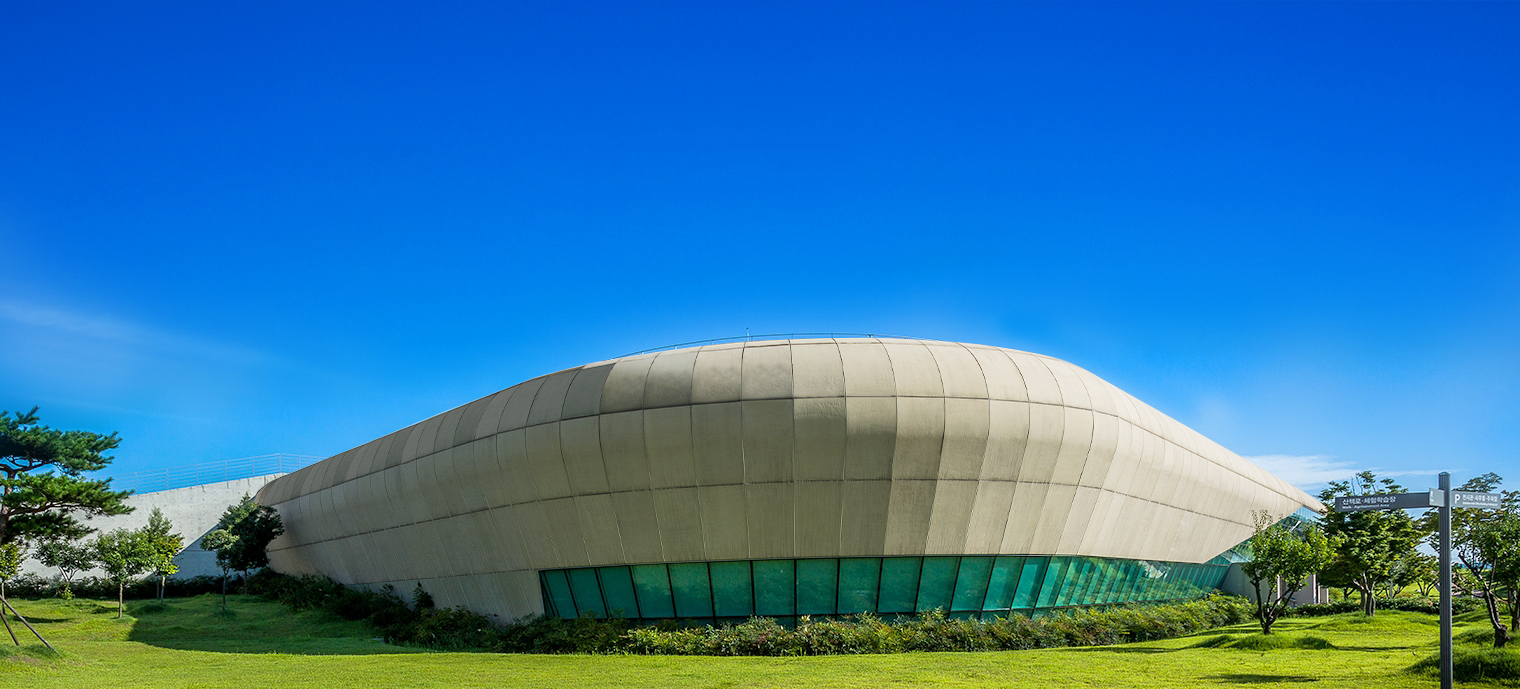
Reading Mahan’s Jar Coffins at the National Naju Museum in the Heart of the Bannam Tumuli
 Travel Guide
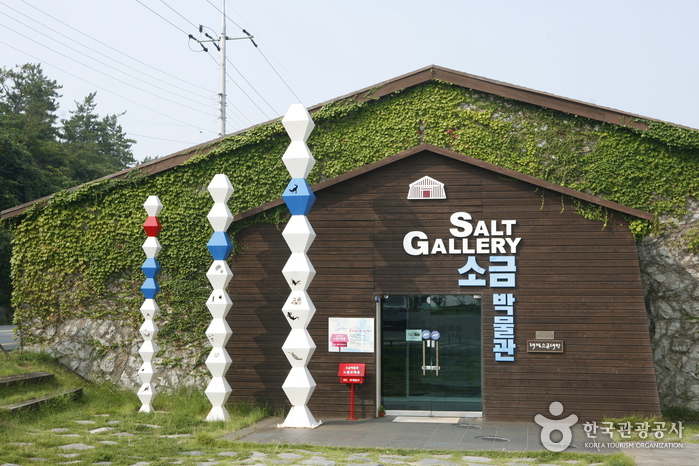
Discovering Jeungdo’s Salt Records in a 1953 Stone Warehouse at Taepyeong Salt Farm
Korea News
![ZEROBASEONE ‘ZEROBASEONE Shining Even at Night!’ [★Video]](https://kotourlive-images.s3.ap-northeast-1.amazonaws.com/news/1786629298196_13d8a4bb_news_075face7-fb4e-402c-b833-25ccaf88cf8f.jpg) News
News
ZEROBASEONE ‘ZEROBASEONE Shining Even at Night!’ [★Video]
 News
News
Kwon Eun-bi, First Comeback Since Moving from Woollim to RBW: “Aiming for a September Release”
 News
News
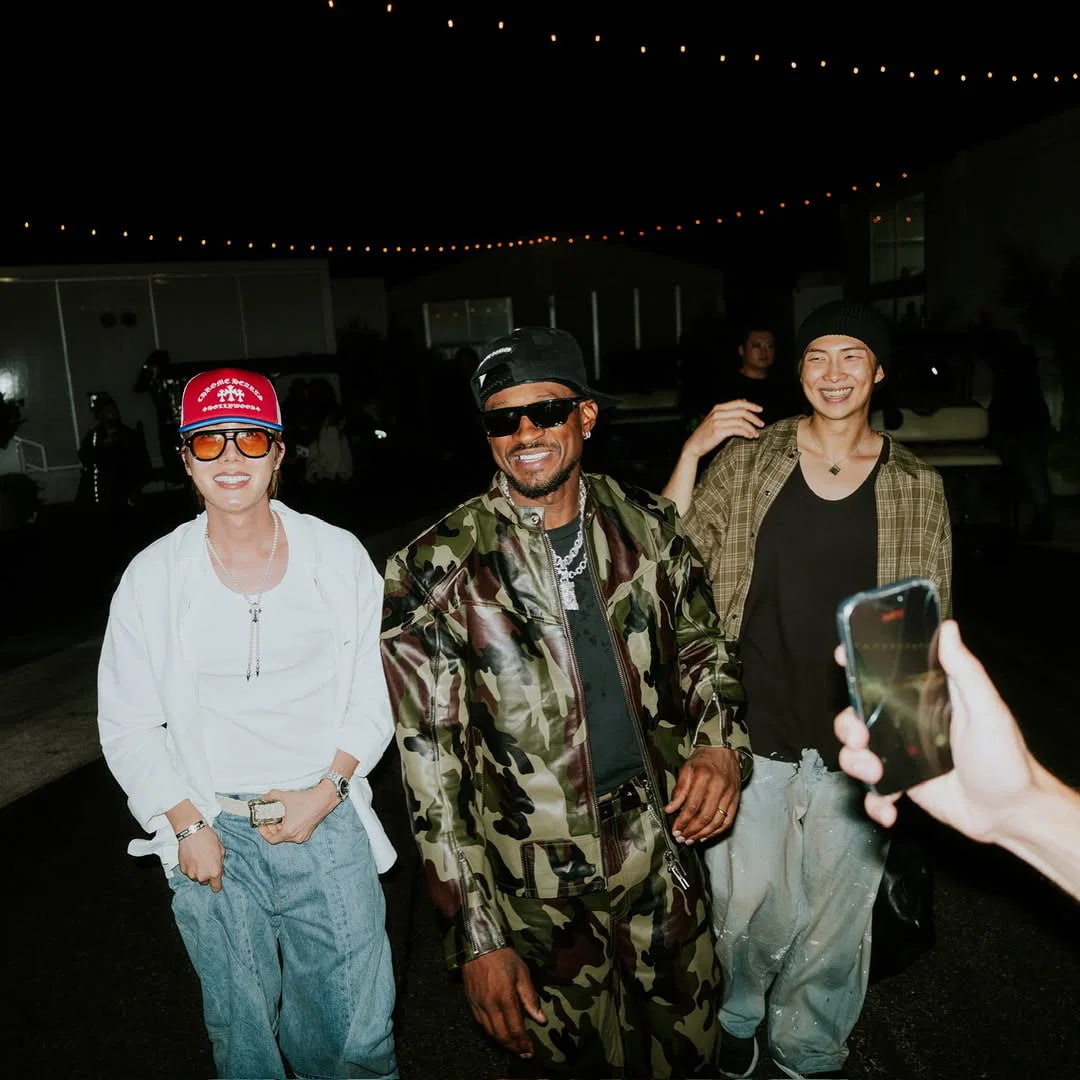
“Did Jungkook’s connection continue?” Pop star Usher spotted warmly hugging BTS’s RM and J-Hope
 News
News