
Discovering Jeungdo’s Salt Records in a 1953 Stone Warehouse at Taepyeong Salt Farm
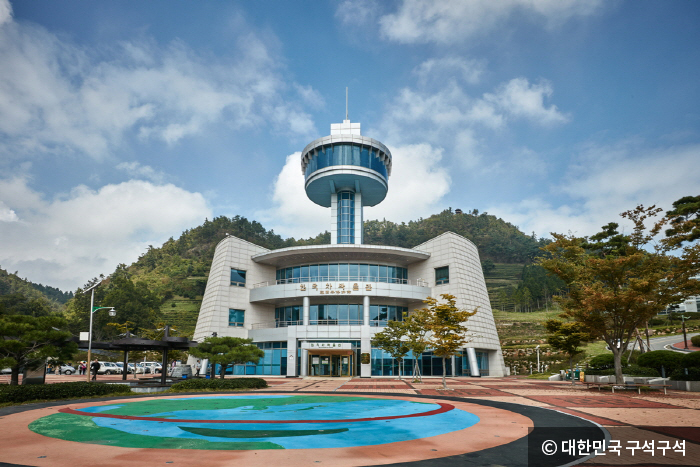
The Shinan Jeungdo Salt Museum opened in April 2007 after a stone salt warehouse at Taepyeong Salt Farm, established in 1953, was renovated. After viewing the exhibits, follow the same route to Taepyeong Salt Farm, the Halophyte Garden, and the Sunset Observatory to explore both the industrial heritage of a sea-salt production site and the ecology of the tidal flats.
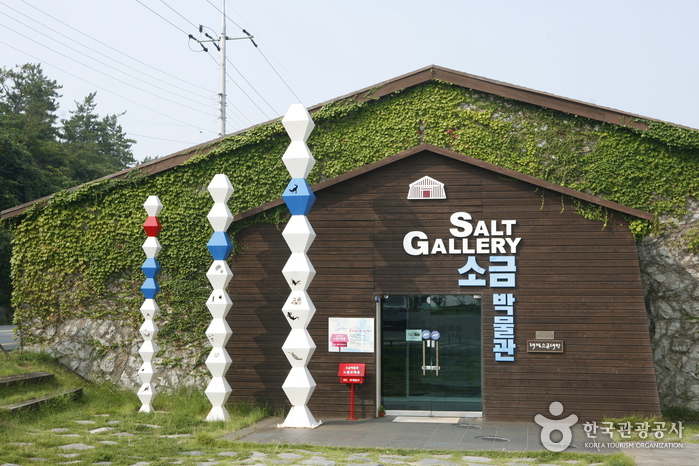

Why the 1.4-million-pyeong Taepyeong Salt Farm left a stone warehouse behind in 1953
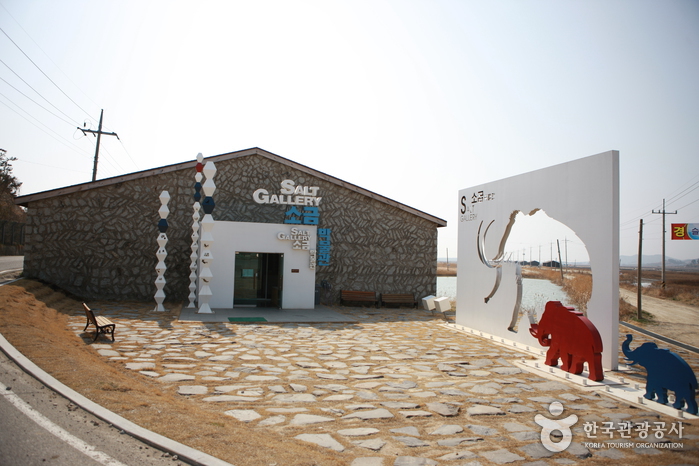
The Salt Museum building is a stone salt warehouse that stored salt at Taepyeong Salt Farm, established in 1953 as Korea’s largest salt-farm facility. Taepyeong Salt Farm was built on a scale of 1.4 million pyeong at the time, and this warehouse was an industrial facility used to collect the solar salt produced there.
After a stone-warehouse remodeling plan was adopted in 2005 and construction was completed in 2006, the Salt Museum opened in April 2007. The building and Taepyeong Salt Farm were each registered as Modern Cultural Heritage No. 361 and No. 360 in November 2007, so the exhibition offers a chance to understand not only salt itself but also the architecture that supported salt-farm labor, storage, and distribution.
Seven exhibition themes, open 09:00–18:00, with adult admission of 3,000 won
Visiting hours are 09:00–18:00 every day, and the official information states that admission is allowed until 30 minutes before closing. However, the same information also says that ticket sales end one hour before closing, so considering possible on-site variables, arriving before 17:00 is the safest option. Lunch hours are 12:00–13:00, and the museum operates year-round.
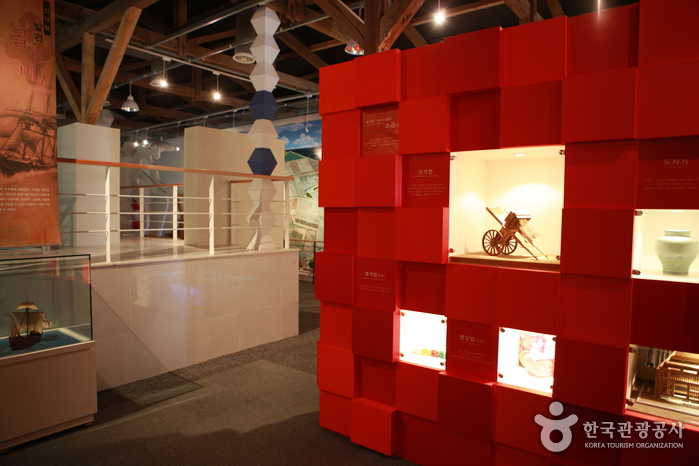
Admission is 3,000 won for adults aged 20–64 and 1,500 won for elementary through high school students. Visitors aged 65 or older, people with disabilities, national merit honorees, and preschool children enter free with proof of eligibility. Tickets can be purchased at the information desk by the entrance. The exhibition consists of seven themes: “Mammoth Step,” “The Place Where Life Began: The Sea,” “Salt Opens the Thoughts of Humanity,” “The Truth of Salt: Minerals,” “The Dreams and Hopes of Taepyeong Salt Farm,” “A Global Salt Journey,” and a section introducing souvenirs.
- Bringing food and beverages inside is prohibited.
- Pets other than guide dogs are not allowed in the exhibition rooms.
- Flash photography, tripods, and commercial photography are prohibited.
- Groups must inquire in advance by calling 061-275-0829.
A route connecting 1058 Jidojeungdo-ro directly to Taepyeong Salt Farm
The address is 1058 Jidojeungdo-ro, Jeungdo-myeon, Sinan County, Jeollanam-do. The main telephone number is 061-275-0829, and the official website is https://www.saltmuseum.org. Visitors arriving by car can use the museum’s free parking lot, and an accessibility lift is installed inside the museum.
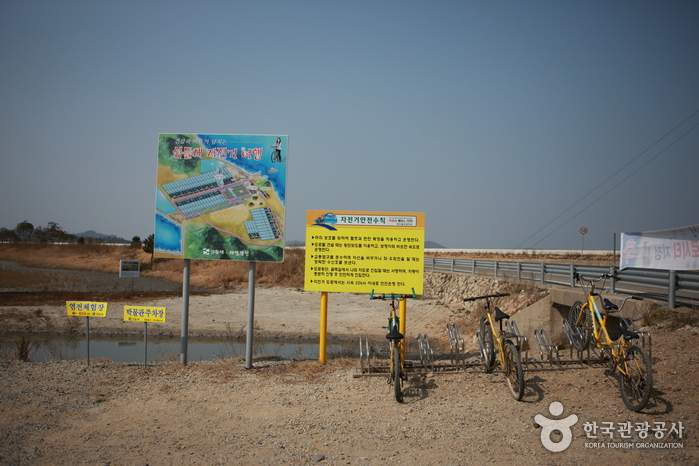
After reaching Jeungdo by public transportation, the timetable and whether buses stop at individual stops on the final leg to the museum may change, so it is better to check with Sinan County transportation information or the museum before departing. For a bicycle trip, the “Sinan Jeungdo Bicycle Path” is described as a 10-km round trip connecting Jeungdo Bridge, Taepyeong Halophyte Botanical Garden, Taepyeong Salt Farm, and Daecho Village. The standard riding time is one hour at 10 km/h.
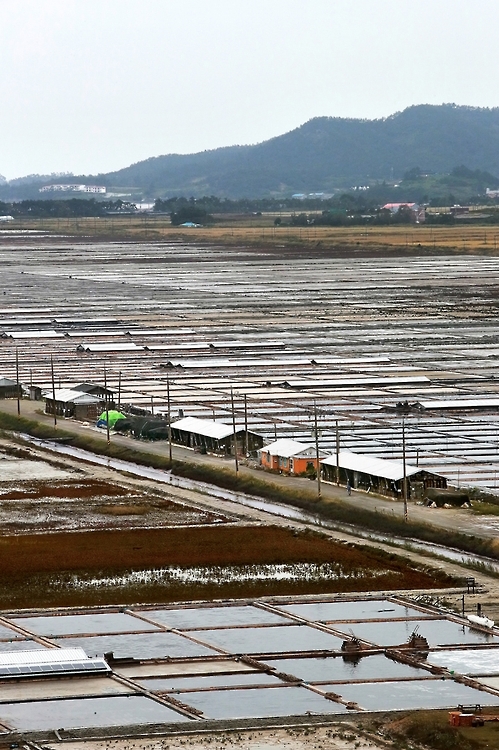
Continue to the 220-meter Halophyte Botanical Garden trail after 40 minutes at the Salt Museum
Since the indoor exhibition can be completed fairly quickly, allow about 40–60 minutes for the museum, or 2–3 hours if including the outdoors. By connecting the entrance to Taepyeong Salt Farm and the adjacent Taepyeong Halophyte Botanical Garden after visiting the museum, you can link the stories of production and storage seen inside the warehouse with the actual salt-farm landscape.
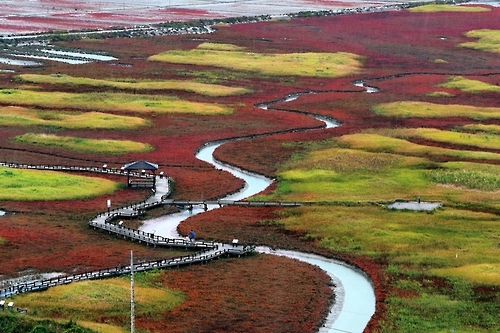
The Taepyeong Halophyte Botanical Garden has a 220-meter walking trail and introduces about 70 species of halophytes, including glasswort, seepweed, and Suaeda japonica. The outdoor area is directly exposed to sunlight and wind, so from May through September you should prepare a hat, water, and sun protection. It is also best not to enter the mudflats or the inner areas of the salt-farm facilities without permission.
Salt-farm experiences from mid-March to mid-October require reservations at least three days ahead
Salt-making experiences at Taepyeong Salt Farm are generally offered from mid-March to mid-October, and online reservations must be made at least three days in advance. Since operations may vary depending on the weather and salt-farm working conditions, you should call the museum’s main number, 061-275-0829, to reconfirm the schedule and whether the program will proceed before finalizing your visit date.
The experience fees listed in the English information from the Korea Tourism Organization are 10,000 won for adults, 9,000 won for ages 7–18, and 8,000 won for children ages 4–6, people aged 65 or older, and people with disabilities. The fee includes a benefit redeemable for solar-salt ice cream or glasswort tea. Since these prices are for a separate program from museum admission, prioritize the latest conditions shown on the reservation page.
Jeungdo, Asia’s first Slow City in 2007, and a Ramsar Wetland in 2011
Jeungdo was designated Asia’s first Slow City in October 2007, while the Taepyeong Salt Farm area was designated a UNESCO Biosphere Reserve in 2009 and a Ramsar Wetland in 2011, according to the museum’s history. The reason not to view the Salt Museum merely as a food exhibition venue is that the salt farm exists within a coastal production environment shaped by mudflats, seawater, sunlight, and wind.
If you continue to the Salt Field Sunset Observatory behind the museum, you can see the broad divisions of the salt farm at a glance. Plan an evening itinerary with the seasonal sunset time in mind, finish the indoor museum visit before closing at 18:00, and then move on to the outdoor section.
Why to group the Taepyeong Salt Farm area before Ujeon Beach and the Korean Peninsula Pine Forest
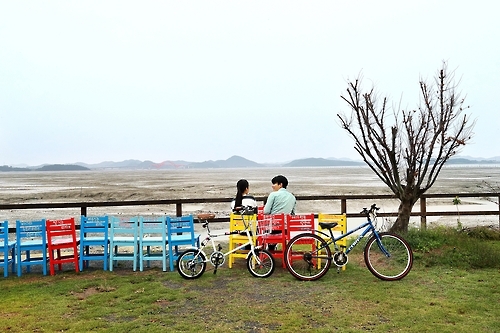
The Taepyeong Salt Farm area is convenient to group first on a car or bicycle trip because the Salt Museum, Halophyte Botanical Garden, and Salt Field Sunset Observatory are close together. Yonhap News’ coverage of cycling in Jeungdo introduced these key sites as being clustered around the Salt Museum.
Afterward, moving to Ujeon Beach lets you see the approximately 4-km-long beach together with the Korean Peninsula Pine Forest. The “Millennium Forest Trail” extends from Jjangttungeo Bridge to the Sinan Mudflat Center and Slow City Center area at the southern end of Ujeon Beach. If you are interested only in the museum exhibition and outdoor salt farm, half a day is sufficient; adding Ujeon Beach is better handled as a full-day itinerary to avoid excessive travel.
Check the difference between the lift and outdoor paths before visiting with a stroller or wheelchair
The museum has an accessibility lift and facilities for visitors with disabilities, as well as a free parking lot. For an itinerary focused on the indoors, it is a good starting point for wheelchair and stroller access, but the outdoor salt farm and botanical garden are affected by weather and ground conditions, so it is safest to ask staff on-site first which sections are accessible.
The official information does not confirm whether foreign-language tour explanations are routinely available. However, the Korea Tourism Organization’s 1330 Tourist Information Hotline provides assistance in Korean, English, Japanese, and Chinese and can be used to check basic information before visiting. If you plan to read the exhibits slowly and walk outdoors as well, comfortable shoes, a windbreaker, and drinking water are practical items to bring.
Before You Go
- Address
- 1058 Jidojeungdo-ro, Jeungdo-myeon, Sinan County, Jeollanam-do
- Hours
- 09:00–18:00 (official information: admission allowed until 30 minutes before closing; ticket sales available until one hour before closing)
- Closed
- Open year-round
- Admission
- Adults (ages 20–64) 3,000 won / elementary through high school students 1,500 won / free for visitors aged 65 or older, people with disabilities, national merit honorees, and preschool children (proof required)
- Phone
- 061-275-0829
- Official site
- https://www.saltmuseum.org
- Transport
- A 10-km round-trip bicycle path connecting Jeungdo Bridge, Taepyeong Halophyte Botanical Garden, Taepyeong Salt Farm, and Daecho Village is available (one hour at the standard pace). Checking bus stops and timetables before visiting is recommended.
- Parking
- Free parking available
- Time needed
- About 40–60 minutes for the indoor exhibition; about 2–3 hours including Taepyeong Salt Farm, the Halophyte Botanical Garden, and the Sunset Observatory
- Accessibility
- Accessibility lift and facilities for visitors with disabilities are available inside. Accessibility on the outdoor salt farm and trails may vary depending on weather and ground conditions. No permanent foreign-language guidance has been confirmed.
The information above is current as of the time of writing. Check the official information again before visiting.

Places
Nearby Attractions 3
-
 1
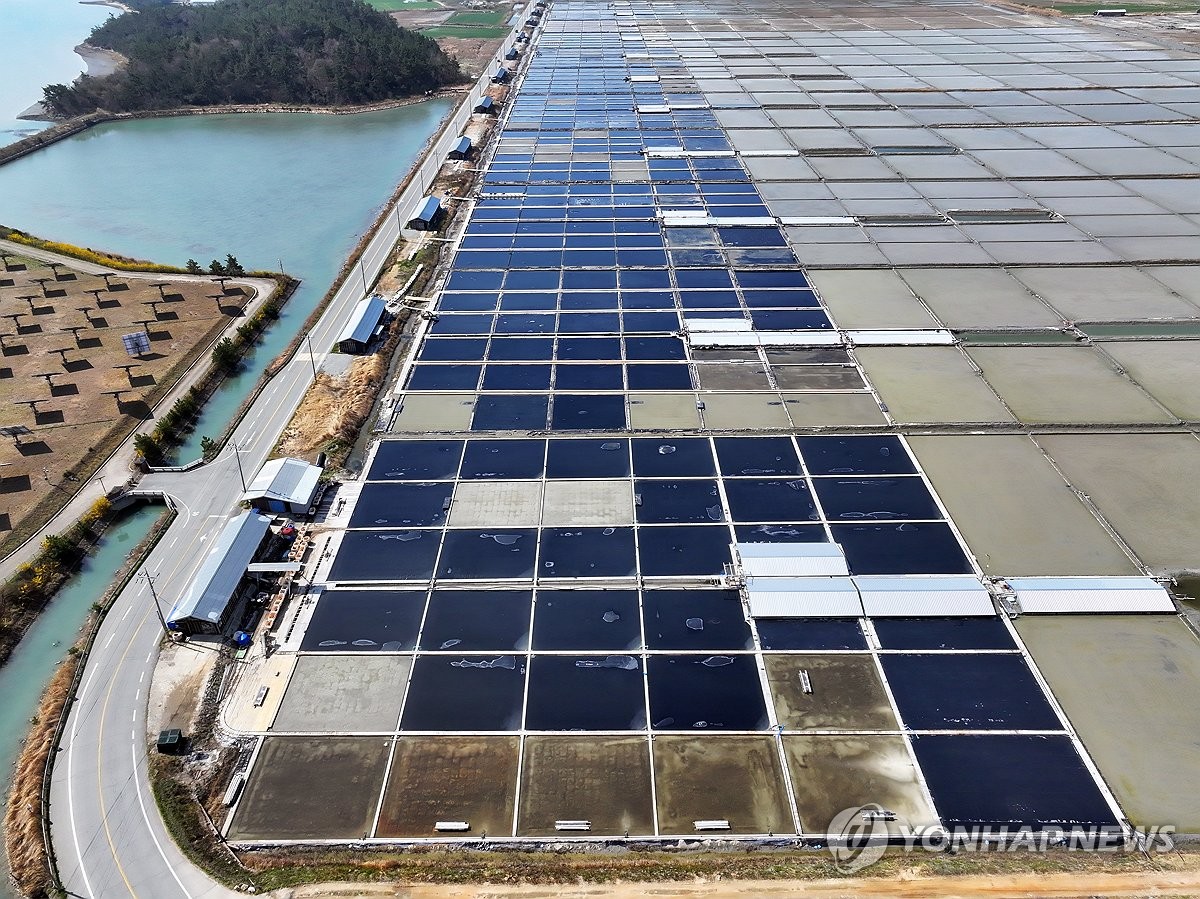
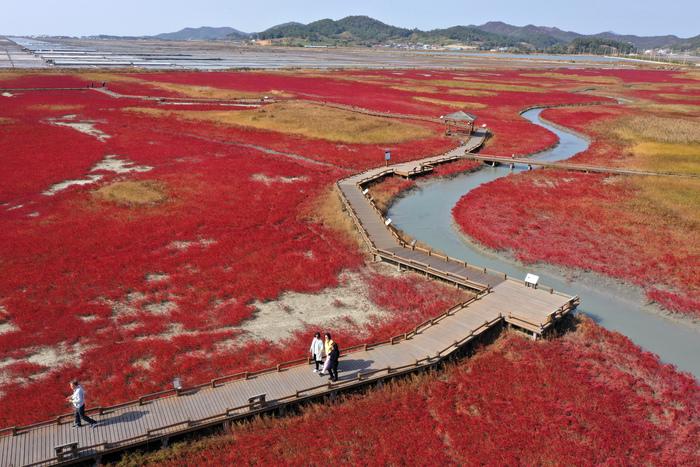
Taepyeong Salt FarmA place to take in expansive salt farm landscapes and observe the production process of sea salt.
1
Taepyeong Salt FarmA place to take in expansive salt farm landscapes and observe the production process of sea salt. -
 2
Taepyeong Halophyte Botanical GardenA place where visitors can observe various halophytes, such as glasswort and Suaeda japonica, along a walking trail.
2
Taepyeong Halophyte Botanical GardenA place where visitors can observe various halophytes, such as glasswort and Suaeda japonica, along a walking trail. -
 3
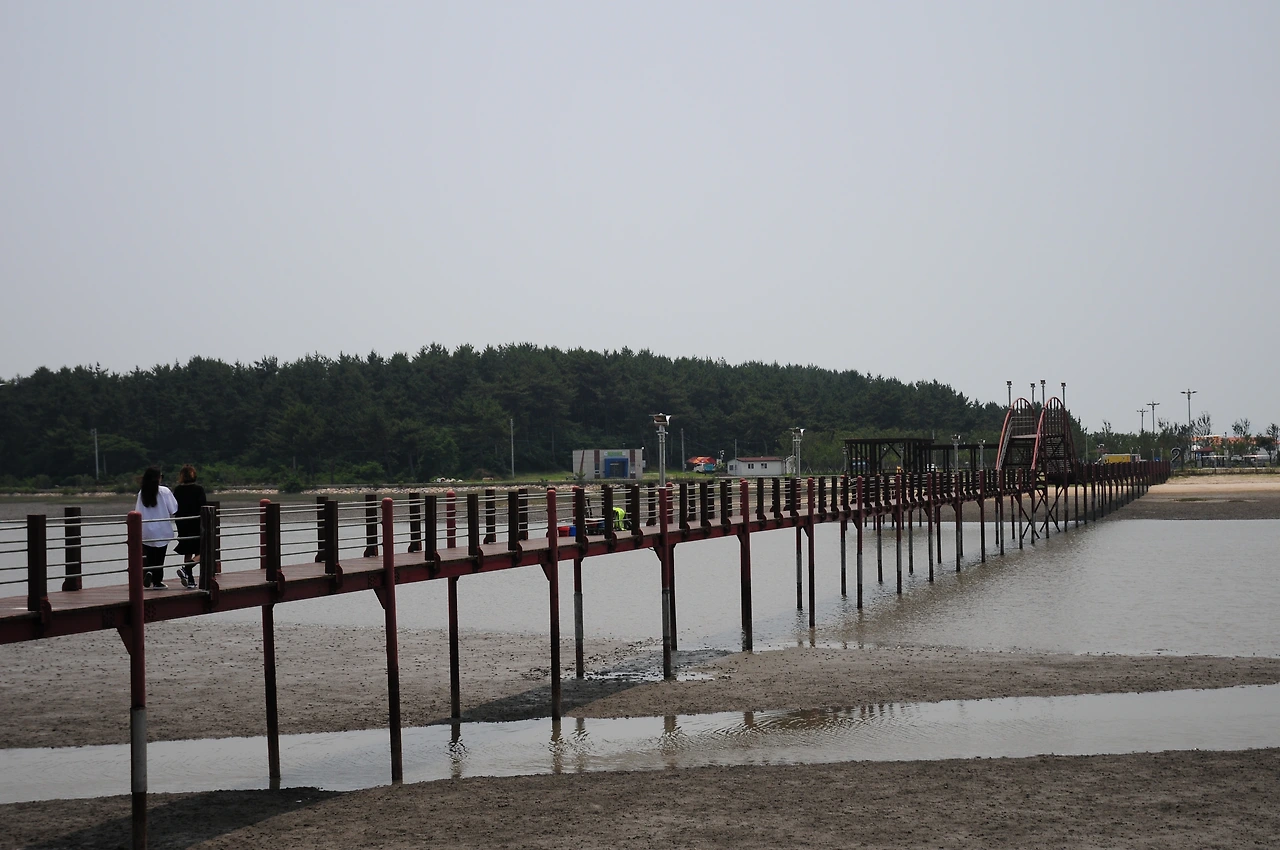
Jjangttungeo BridgeA place where you can walk along a wooden bridge over the tidal flats and enjoy views of the sea and the surrounding ecosystem.
3
Jjangttungeo BridgeA place where you can walk along a wooden bridge over the tidal flats and enjoy views of the sea and the surrounding ecosystem.
Food & Dining 3
-
 4
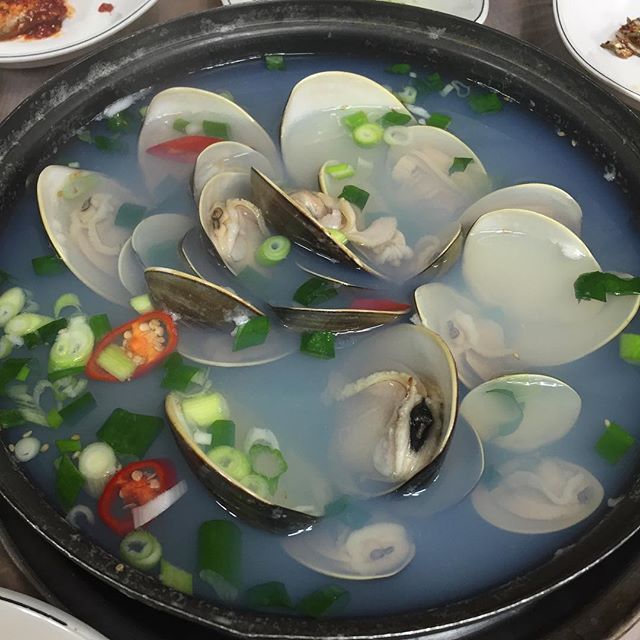
Ihak RestaurantA Korean restaurant serving mudskipper soup, clam soup, octopus dishes, and more.
4
Ihak RestaurantA Korean restaurant serving mudskipper soup, clam soup, octopus dishes, and more. -
 5
Gohyang SikdangA place to enjoy local seafood dishes such as mudskipper soup and octopus bibimbap.
5
Gohyang SikdangA place to enjoy local seafood dishes such as mudskipper soup and octopus bibimbap. -
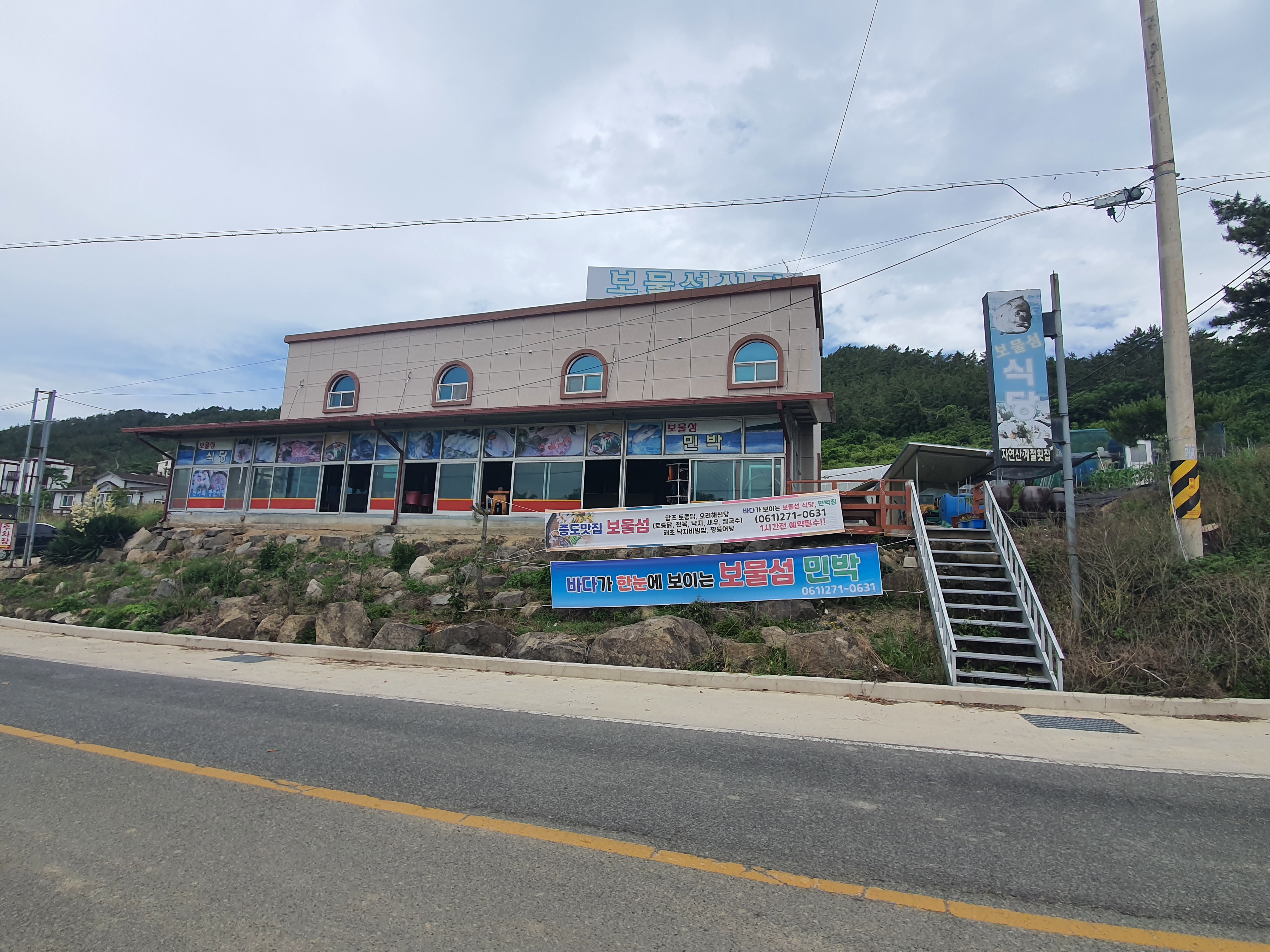 6
Hamcho SikdangA restaurant serving dishes made with glasswort, including a solar-salt table setting and seaweed bibimbap.
6
Hamcho SikdangA restaurant serving dishes made with glasswort, including a solar-salt table setting and seaweed bibimbap.
Events in This Area


Festivals in This Area


More Travel Guides in This Area
 Travel Guide
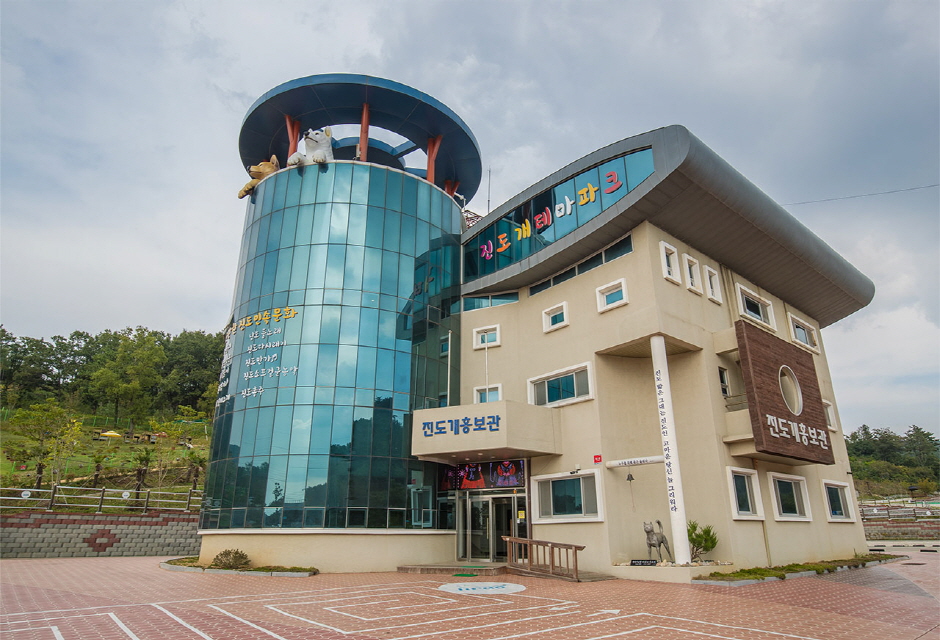
Jindo Dog Theme Park: A Walk Timed for the Dogs' Running Sessions
 Travel Guide
Meeting the South Sea at the End of a 150-Meter Artificial Rock Cave: Yeosu Art Land
 Travel Guide
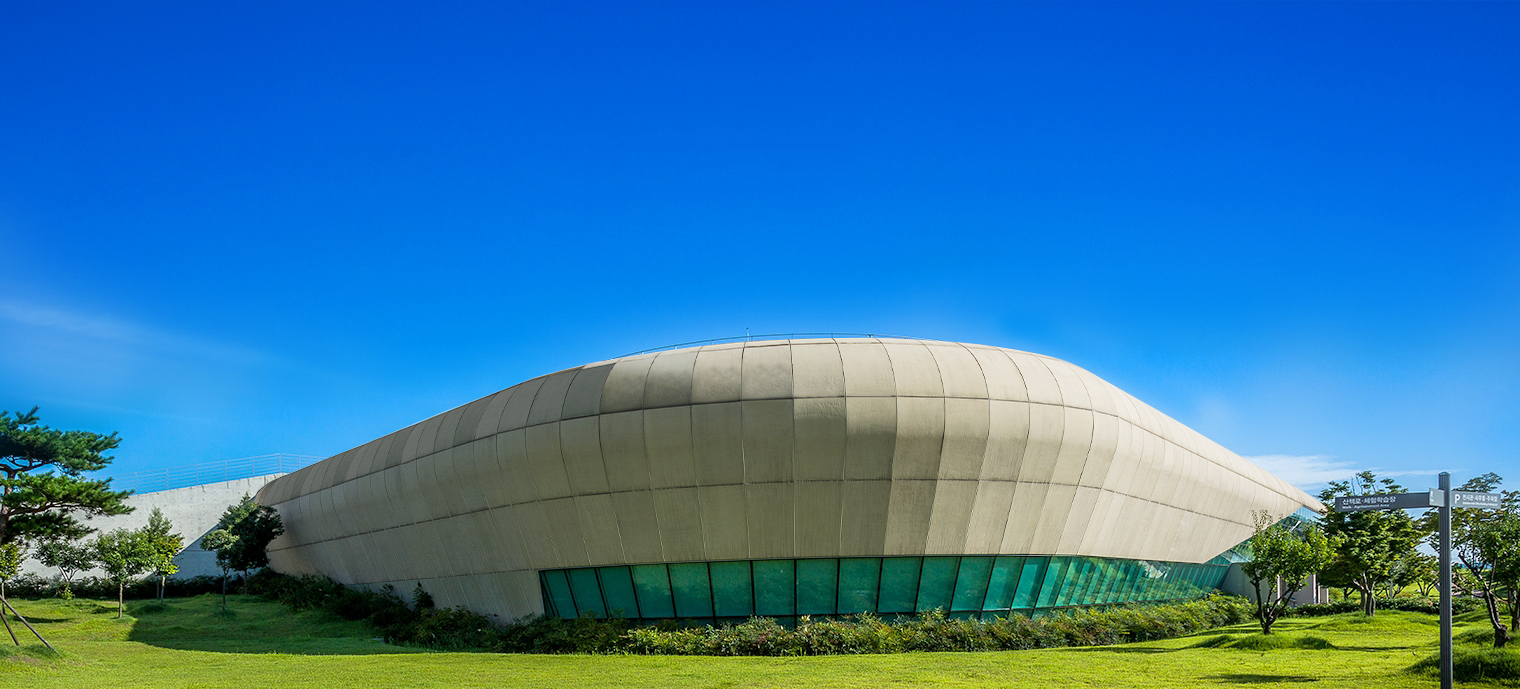
Reading Mahan’s Jar Coffins at the National Naju Museum in the Heart of the Bannam Tumuli
 Travel Guide
Reading the Time of Korean Tea from the Fifth Floor beside Boseong’s Tea Fields, Korea Tea Museum
Korea News
![ZEROBASEONE ‘ZEROBASEONE Shining Even at Night!’ [★Video]](https://kotourlive-images.s3.ap-northeast-1.amazonaws.com/news/1786629298196_13d8a4bb_news_075face7-fb4e-402c-b833-25ccaf88cf8f.jpg) News
News
ZEROBASEONE ‘ZEROBASEONE Shining Even at Night!’ [★Video]
 News
News
Kwon Eun-bi, First Comeback Since Moving from Woollim to RBW: “Aiming for a September Release”
 News
News
“Did Jungkook’s connection continue?” Pop star Usher spotted warmly hugging BTS’s RM and J-Hope
 News
News